Utah stands out as one of America’s most spectacular outdoor playgrounds, where red rock canyons meet snow-capped mountains and endless adventures await around every corner.
This western state offers something special for everyone who loves being outside, from families seeking easy trails to thrill-seekers chasing extreme experiences.
With five stunning national parks, world-class ski resorts, and landscapes that look like they belong on another planet, Utah delivers unforgettable memories year-round.
Whether you want to hike through slot canyons, bike along desert trails, or camp under star-filled skies, this remarkable destination has everything outdoor enthusiasts dream about and more.
The Mighty Five National Parks Create Endless Exploration Opportunities
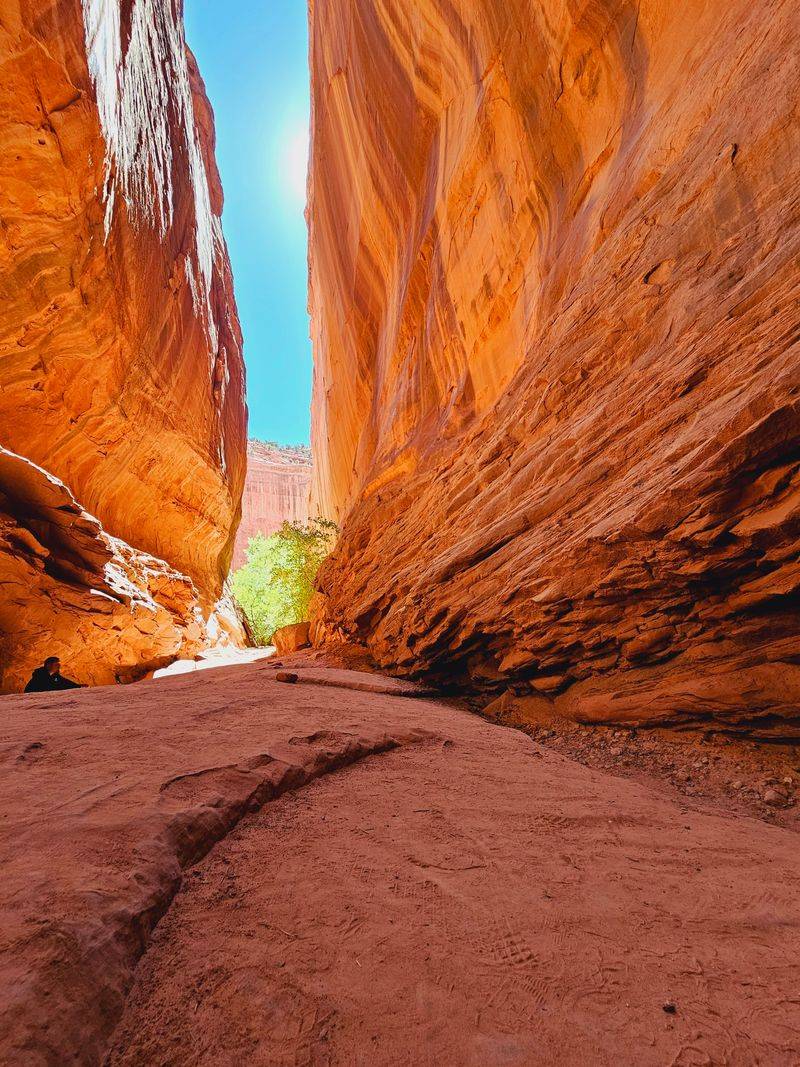
Few places on Earth can claim five national parks within their borders, but Utah proudly holds this incredible distinction.
Arches, Canyonlands, Capitol Reef, Bryce Canyon, and Zion each showcase completely different landscapes and adventures.
Arches National Park near Moab features over 2,000 natural stone arches, including the famous Delicate Arch that appears on Utah license plates.
Canyonlands spreads across 337,598 acres of colorful canyons carved by the Colorado River and its tributaries.
Capitol Reef protects a hidden treasure called the Waterpocket Fold, a 100-mile wrinkle in the earth’s crust filled with cliffs, canyons, domes, and bridges.
Bryce Canyon amazes visitors with thousands of hoodoos—tall, thin spires of rock that glow orange and red at sunrise.
Zion National Park draws millions each year to hike The Narrows, where you wade through the Virgin River between towering canyon walls.
Each park offers unique hiking trails ranging from easy walks to challenging backcountry routes.
You can spend weeks exploring these parks and still discover something new each day.
Spring and fall provide the most comfortable temperatures for visiting, though each season brings its own magic.
Many trails require permits during peak times, so planning ahead ensures you don’t miss out.
The parks sit within a few hours’ drive of each other, making it possible to visit multiple locations in one trip.
Wildlife sightings add extra excitement, with chances to spot mule deer, bighorn sheep, and golden eagles.
Photographers find endless inspiration in the dramatic landscapes that change with every shift of light.
These five national parks truly represent some of America’s greatest natural treasures.
World-Class Skiing and Snowboarding on the Greatest Snow on Earth
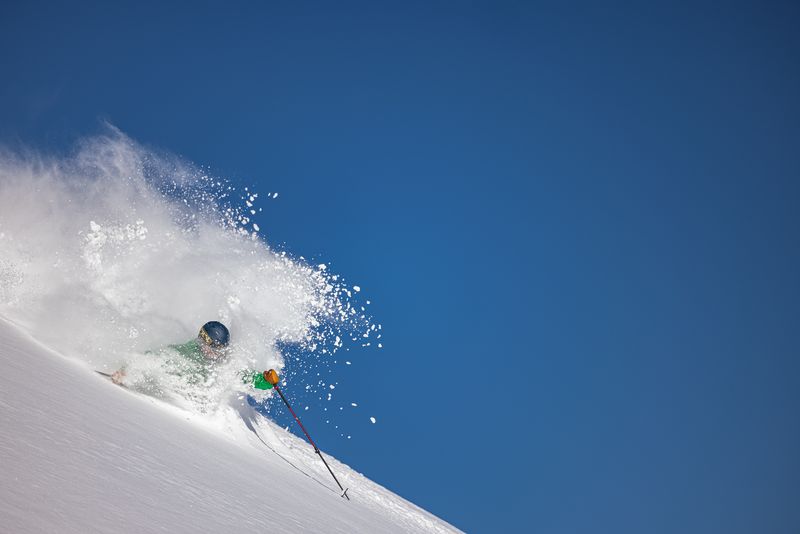
Utah’s license plates claim “The Greatest Snow on Earth,” and skiers worldwide agree this isn’t just marketing hype.
The Wasatch Mountains receive an average of 500 inches of powder each winter, creating perfect conditions for winter sports.
Resorts like Park City Mountain, Deer Valley, Alta, Snowbird, and Brighton sit less than an hour from Salt Lake City’s airport.
This convenient location means you can land in the morning and be carving fresh tracks by afternoon.
Park City Mountain Resort spans over 7,300 acres, making it one of the largest ski resorts in the United States.
Deer Valley earned fame for its impeccable grooming and luxury amenities, though it remains one of only three ski-only resorts in North America.
Alta and Snowbird attract powder hounds seeking challenging terrain and deep snow.
The light, dry snow that falls in Utah’s mountains contains less water content than snow in other regions, creating that magical floating sensation skiers crave.
Many resorts offer night skiing, terrain parks, and lessons for all ability levels.
Beyond downhill skiing, Utah provides incredible opportunities for cross-country skiing, snowshoeing, and snowmobiling.
The town of Park City hosts the Sundance Film Festival each January, combining mountain adventures with world-class entertainment.
Solitude Mountain Resort and Brighton Resort offer more affordable options without sacrificing quality or snow conditions.
Families appreciate the welcoming atmosphere and excellent ski schools that help children learn quickly.
Advanced skiers challenge themselves on steep chutes and backcountry routes accessible from many resorts.
With so many world-class mountains clustered together, Utah truly deserves its reputation as a winter sports paradise.
Mountain Biking Trails That Range from Beginner to Extreme
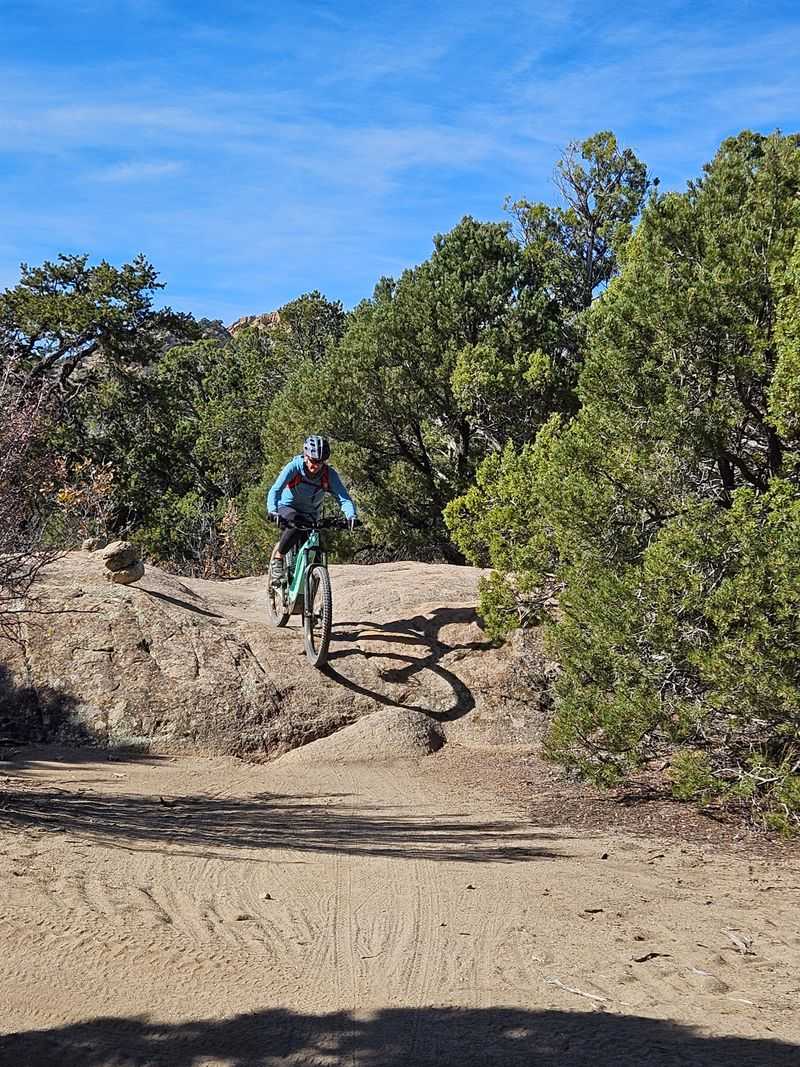
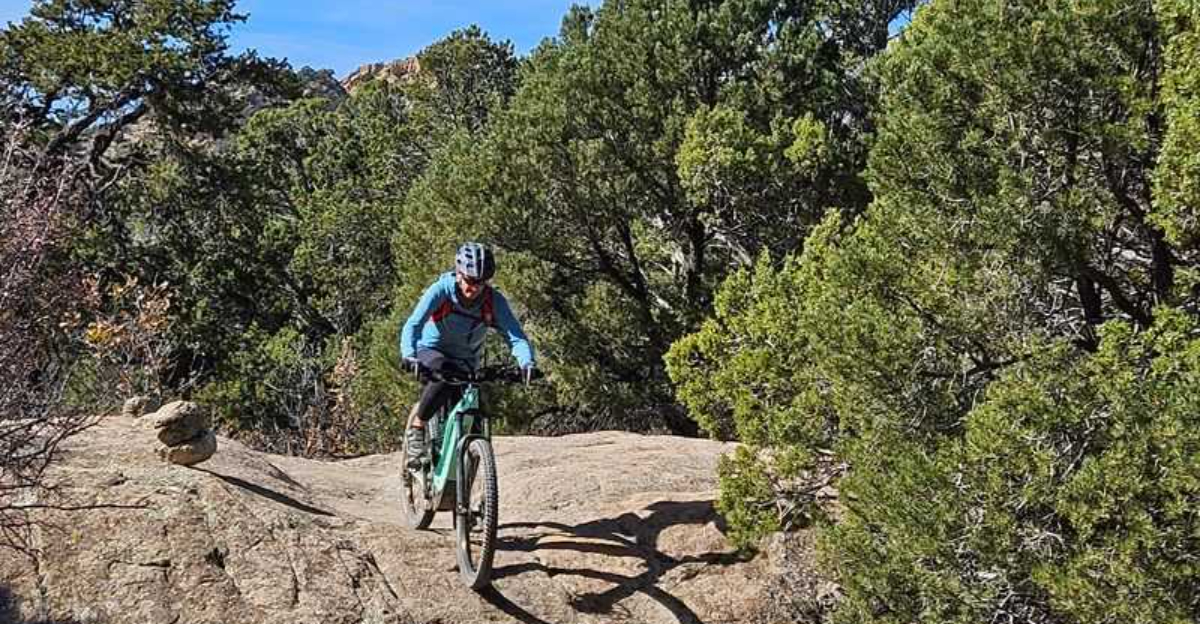
Moab has earned legendary status among mountain bikers as home to some of the world’s most thrilling trails.
The Slickrock Trail challenges riders with 10.5 miles of petrified sand dunes that require technical skills and serious stamina.
Porcupine Rim offers experienced riders breathtaking views combined with heart-pounding descents and exposed sections.
Beginners shouldn’t feel left out, though, as trails like the Moab Brand Trails provide gentler introductions to desert riding.
Park City boasts over 450 miles of mountain biking trails, earning recognition as an International Mountain Bicycling Association Gold Level Ride Center.
The Mid Mountain Trail stretches 20 miles through aspen groves and pine forests, offering stunning views without extreme difficulty.
Corner Canyon near Draper features trails that wind through scrub oak and sagebrush with options for every skill level.
St. George in southern Utah provides year-round riding opportunities thanks to mild winter temperatures.
Gooseberry Mesa near Zion National Park delivers slickrock riding with incredible views of red cliffs and desert landscapes.
Many shops in Moab and Park City offer bike rentals, guided tours, and shuttle services to trailheads.
Spring and fall provide ideal riding conditions, though summer mornings work well if you start early.
The varied terrain means you can ride smooth flow trails one day and tackle technical rock gardens the next.
Local bike shops employ knowledgeable staff who share trail recommendations based on your ability and interests.
Many trails connect to form longer routes, allowing multi-day adventures through changing landscapes.
Utah’s mountain biking scene continues growing, with new trails opening regularly to accommodate increasing interest in the sport.
Rock Climbing Adventures on Legendary Desert Towers and Granite Walls
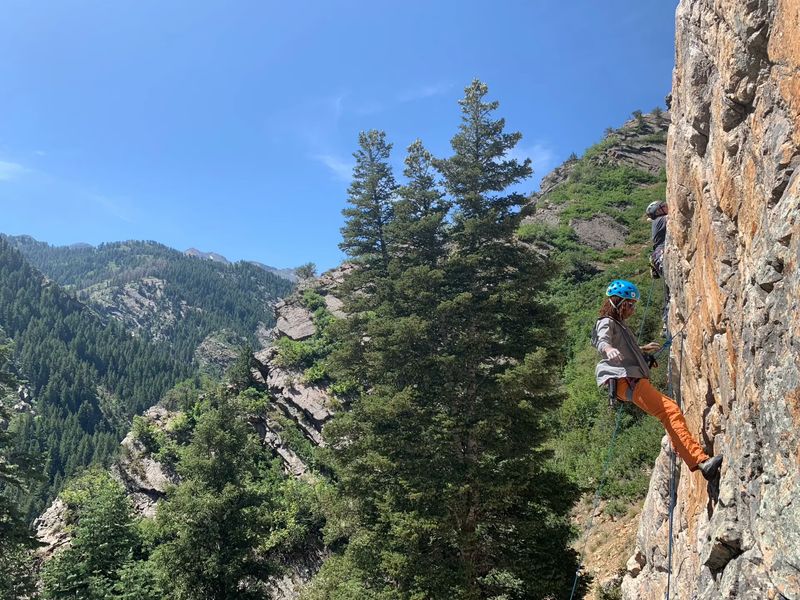
Climbers from around the globe make pilgrimages to Utah to test their skills on unique formations found nowhere else.
Indian Creek near Moab features perfect splitter cracks in Wingate sandstone that provide classic crack climbing experiences.
Hundreds of routes ranging from beginner-friendly to desperately difficult line the canyon walls, with many considered must-do climbs for serious crack climbers.
The Fisher Towers rise dramatically from the desert floor, offering multi-pitch adventures on ancient Cutler sandstone.
These towers require commitment and route-finding skills, rewarding climbers with unforgettable positions high above the Colorado River.
Little Cottonwood Canyon near Salt Lake City provides excellent granite climbing just 30 minutes from the city.
Routes here range from single-pitch sport climbs to long traditional routes that challenge even experienced climbers.
American Fork Canyon offers limestone sport climbing with hundreds of bolted routes in a beautiful mountain setting.
Maple Canyon features unique cobblestone conglomerate rock that creates interesting holds and movement patterns.
Zion National Park allows climbing on its massive sandstone walls, though regulations protect sensitive areas and require permits for some routes.
The Moonflower Buttress and Touchstone Wall attract big-wall climbers seeking multi-day vertical camping experiences.
Local climbing shops in Moab, St. George, and Salt Lake City offer gear, guidebooks, and beta about current conditions.
Guided climbing services help beginners learn proper techniques while showing experienced climbers the best routes.
Spring and fall provide optimal temperatures for desert climbing, while summer works better for high-elevation granite routes.
The climbing community in Utah welcomes newcomers and maintains a strong ethic of environmental stewardship and safety.
Spectacular Stargazing in Some of America’s Darkest Skies
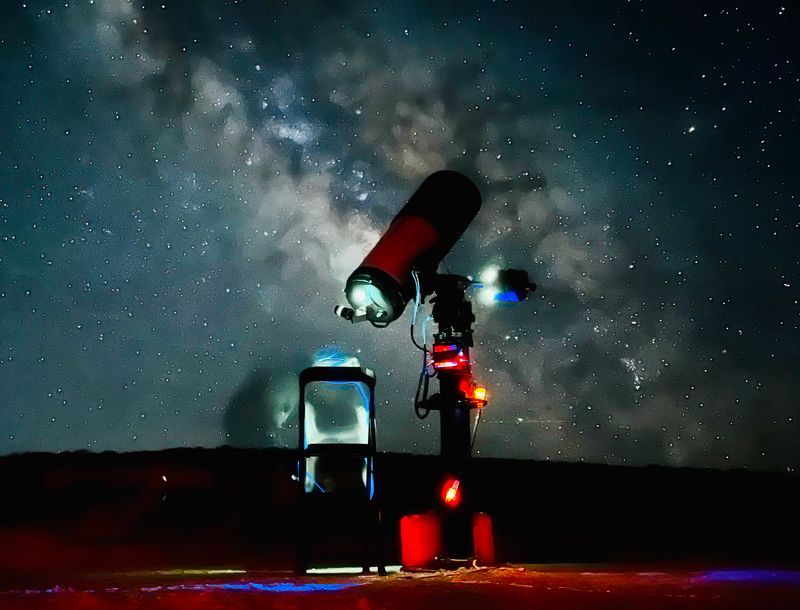
Light pollution has stolen the night sky from most Americans, but Utah preserves pockets of true darkness where stars shine brilliantly.
Natural Bridges National Monument earned designation as the world’s first International Dark Sky Park in 2007.
On clear nights, you can see the Milky Way stretching across the sky like a glowing river of stars.
Capitol Reef National Park offers ranger-led astronomy programs where telescopes reveal details of planets, star clusters, and distant galaxies.
The park’s remote location and high desert air create exceptional viewing conditions most nights of the year.
Dead Horse Point State Park near Moab hosts star parties where astronomy enthusiasts gather to share telescopes and knowledge.
Bryce Canyon’s high elevation and clean air make it another outstanding location for observing celestial wonders.
The park holds annual astronomy festivals featuring presentations from scientists and opportunities to view through professional-grade telescopes.
Goblin Valley State Park protects another dark sky area where strange rock formations create otherworldly foregrounds for nighttime photography.
Many visitors discover that simply stepping outside their tent at night reveals more stars than they’ve ever seen.
Meteor showers like the Perseids in August and Geminids in December put on spectacular shows in these dark locations.
New moon periods provide the darkest conditions, though even nights with moonlight offer impressive views.
Photographers travel specifically to capture the Milky Way arching over Utah’s iconic rock formations.
Bring warm layers even in summer, as desert temperatures drop significantly after sunset.
Smartphone apps help identify constellations, planets, and satellites passing overhead, enhancing the experience for newcomers to astronomy.
Year-Round Water Sports on Lakes, Rivers, and Reservoirs
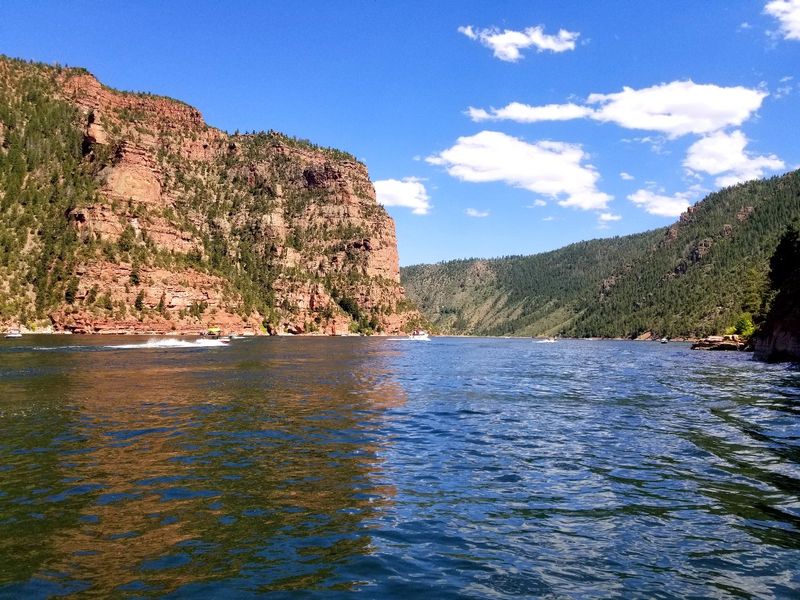
Most people picture Utah as a desert state, but water recreation plays a huge role in the outdoor lifestyle here.
Lake Powell stretches 186 miles through stunning red rock canyons, creating endless opportunities for houseboating, kayaking, and stand-up paddleboarding.
The lake’s 2,000 miles of shoreline include hidden side canyons perfect for exploration and secluded beaches ideal for camping.
Bear Lake on the Utah-Idaho border earns its nickname “Caribbean of the Rockies” thanks to its turquoise waters.
Families flock here in summer for swimming, sailing, and enjoying the famous Bear Lake raspberry shakes.
Flaming Gorge Reservoir offers excellent fishing for trophy lake trout, smallmouth bass, and kokanee salmon.
The Green River flows through dramatic canyons, providing world-class whitewater rafting and peaceful flatwater sections perfect for canoes.
Desolation Canyon offers a multi-day river trip through wilderness areas where bighorn sheep watch from cliffsides.
The Colorado River near Moab features calm stretches suitable for families and thrilling rapids that challenge experienced rafters.
Jordanelle Reservoir near Park City allows wakeboarding, waterskiing, and jet skiing on over 3,000 acres of water.
Marina facilities provide boat rentals, making water sports accessible even without owning equipment.
Strawberry Reservoir sits high in the Uinta Mountains, offering excellent trout fishing and beautiful alpine scenery.
Summer temperatures make water activities especially appealing, providing cool relief from desert heat.
Many reservoirs remain open for ice fishing in winter, adding another dimension to Utah’s water recreation options.
Local outfitters offer guided river trips, fishing charters, and equipment rentals throughout the state.
Diverse Landscapes That Feel Like Different Planets
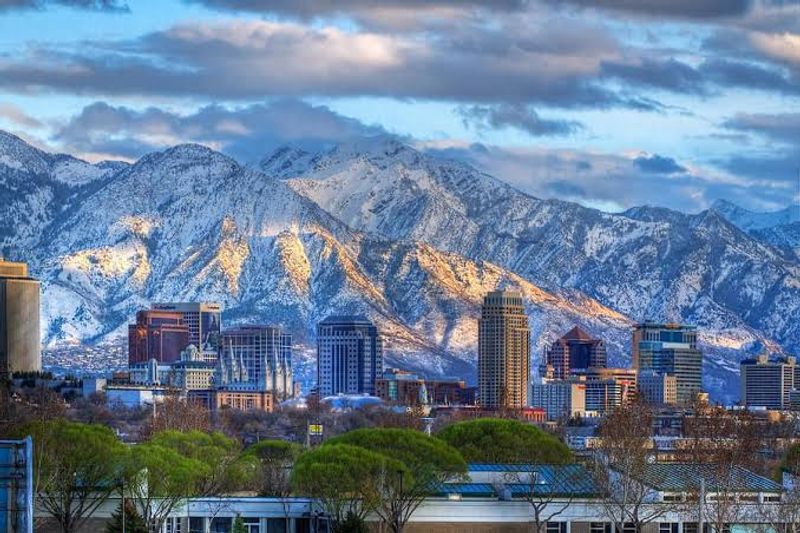
Driving across Utah feels like traveling through multiple worlds, with landscapes changing dramatically every few miles.
The Bonneville Salt Flats stretch endlessly white and flat, creating an otherworldly environment where land and sky blur together.
This surreal landscape has hosted land speed records for decades, and visitors can walk far onto the salt crust during dry periods.
Goblin Valley State Park features thousands of mushroom-shaped hoodoos that children love exploring like a natural playground.
The formations truly resemble goblins, trolls, and creatures from fantasy stories, sparking imagination in visitors of all ages.
Antelope Island in the Great Salt Lake provides a completely different experience, with American bison roaming freely across grasslands surrounded by water.
The Uinta Mountains contain the highest peaks in Utah, with Kings Peak reaching 13,528 feet above sea level.
Alpine meadows filled with wildflowers contrast sharply with the red rock deserts just hours away by car.
San Rafael Swell protects a vast area of canyons, buttes, and mesas that see far fewer visitors than the national parks.
This hidden gem offers solitude and adventure for those willing to explore beyond the popular destinations.
The Wasatch Front where most Utahns live sits at the base of mountains, allowing residents to reach wilderness areas within minutes.
Desert, mountains, salt flats, forests, and alpine tundra all exist within this single state.
This incredible diversity means you can experience multiple ecosystems and adventures without traveling far.
Each landscape supports different plants, animals, and recreational opportunities, keeping every day fresh and exciting.
Utah truly offers something for everyone who loves exploring the natural world.
Dear Reader: This page may contain affiliate links which may earn a commission if you click through and make a purchase. Our independent journalism is not influenced by any advertiser or commercial initiative unless it is clearly marked as sponsored content. As travel products change, please be sure to reconfirm all details and stay up to date with current events to ensure a safe and successful trip.
