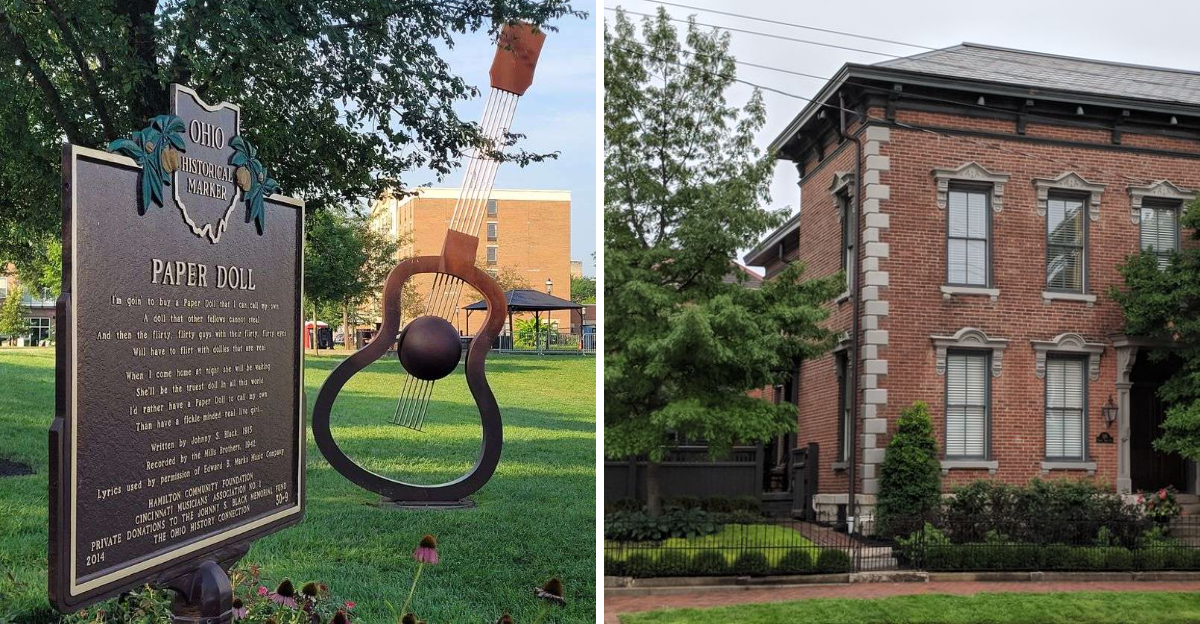
If you have ever wandered Ohio and felt transported to a tidy town in Baden or Bavaria, you are not imagining it. The state wears its German roots in brick and stone, in orderly streets, and in community rhythms that echo across generations. Step into these neighborhoods and you meet history that still feels lived in, not locked behind glass. Keep reading and you will see why so many visitors say Ohio looks and feels like Germany right around the corner.
1. Distinctive Architecture That Feels European
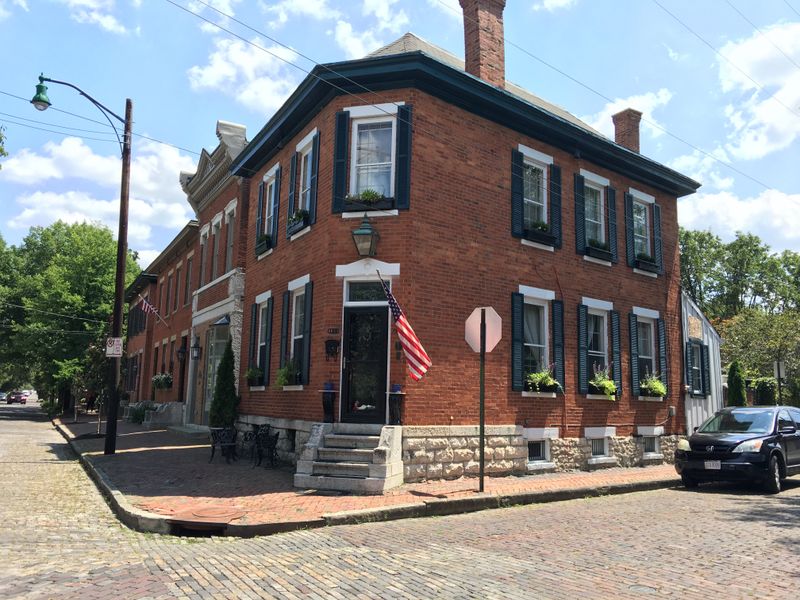
Distinctive architecture becomes the clearest reason people compare Ohio to German towns, since the materials and proportions carry a recognizable language.
In Columbus, German Village shows brick row houses with low stoops, narrow lots, and small gardens that create a compact and walkable rhythm.
Brick streets and stone curbs amplify the historic feel, and the tight spacing between buildings creates courtyards and alleys that invite slow exploration.
Window lintels, corbelled cornices, and decorative door transoms signal craft traditions that came with settlers and evolved with local brickmaking.
Roofs often sit at modest pitches with gables that read as practical rather than grand, which suits Ohio weather and echoes central European towns.
Outbuildings and carriage houses sit at the backs of lots, framing shared alleys that act like neighborhood spines and social connectors.
Preservation groups have maintained historic guidelines that keep renovations compatible, so the overall streetscape remains coherent.
That coherence creates a visual calm that visitors describe as European, where details reward patient looking rather than spectacle seeking.
For a perfect snapshot of the aesthetic, stroll past 588 S 3rd St, Columbus, OH 43215, and follow the brick corridor south toward Schiller Park.
The constant interplay of brick, shade trees, and ironwork explains why the architecture alone convinces many that Ohio can feel like Germany.
2. Historical German Immigration Shaped Daily Life
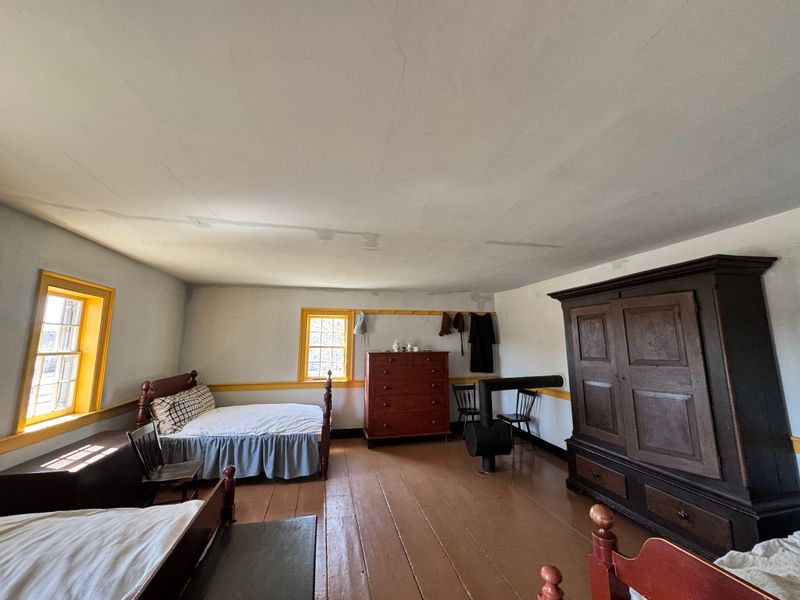
Visitors say Ohio has towns that resemble German villages due to the historical settlement of German immigrants, who built communities with distinct architecture, and the presence of German language newspapers and cultural organizations.
This story is written into neighborhoods where church steeples anchor street grids and brick cottages sit close to the sidewalk, creating a pedestrian scale that feels familiar to travelers from Europe.
You can trace that lineage in Columbus and Cincinnati, where civic halls, meeting houses, and tidy blocks show how newcomers organized life around faith, trade, and schooling.
The roots stretch along rivers and canals, since waterways made travel practical and supplied work that supported stable settlement across Ohio.
As families put down roots, they built institutions that outlasted headlines, leaving a durable social framework that still guides community rituals today.
Local cemeteries, historical markers, and archives document names and trades that match the fabric of the streets around them, which gives the setting emotional weight.
Walk these areas and you hear echoes of German dialects in surnames chiseled into stones and in inscriptions preserved on cornerstones and plaques.
Historic districts preserve setbacks, rooflines, and brickwork patterns that mirror crafts brought across the Atlantic, then adapted to Midwest materials.
That continuity shapes a mood of order, modest scale, and practical beauty that many visitors connect with small towns in Germany.
Start at German Village Visitor Center, 588 S 3rd St, Columbus, OH 43215, and let the street plan itself tell the immigrant story block by block.
3. Founding Communities With Enduring Institutions
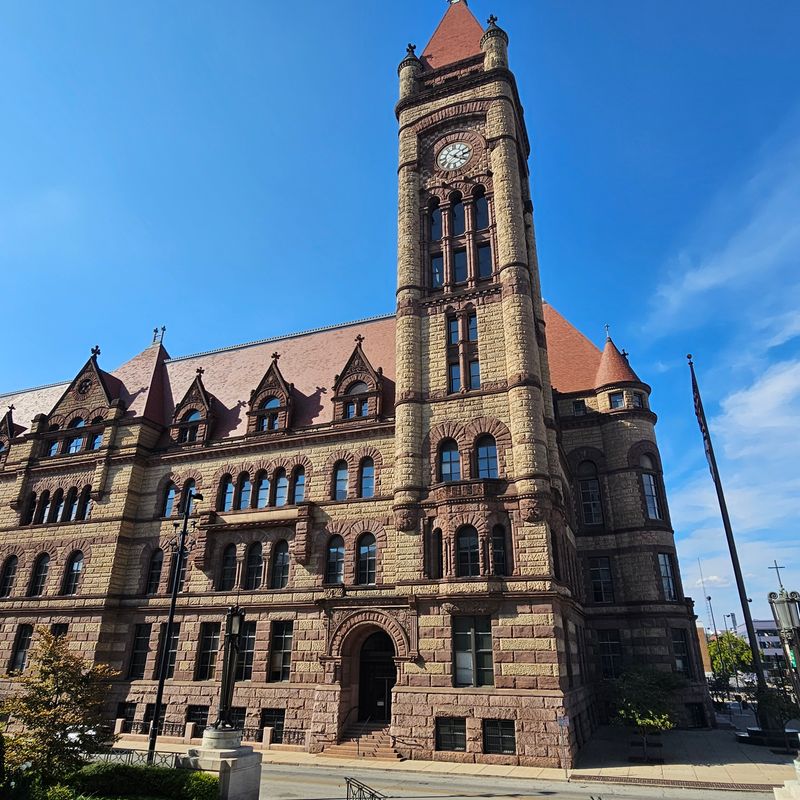
German immigrants established communities that revolved around churches, schools, singing societies, and mutual aid halls, which still anchor Ohio neighborhoods today.
These institutions created a social map that remains visible in corner churches, parsonages, parish greens, and converted lodges on quiet blocks.
Cincinnati’s Over the Rhine holds many such buildings with richly detailed facades and civic halls that once hosted choirs and neighborhood meetings.
The clustering of faith and learning next to housing produces a seamless fabric where daily life feels integrated and neighborly.
Even when uses change, the architecture keeps the community scale intact, preserving familiar sightlines and gathering points.
Streets feel oriented to people rather than cars, because the original plan served walkers moving between home, chapel, and market.
The result is a lived heritage that goes beyond museum display, since buildings continue serving cultural and educational needs.
That continuity reads as authentically European, where old structures remain useful and cherished rather than staged.
Visit St. Mary Church, 528 E 13th St, Cincinnati, OH 45202, and the surrounding blocks to see how architecture and community life still interlock.
You will recognize how Ohio towns evolved around institutions that define identity, which is exactly what visitors notice in German villages.
4. Preservation Of Culture Through Festivals And Music
Preservation of German culture shows up in music, folk art, and seasonal events that energize town squares across Ohio without overwhelming their historic calm.
Communities use parks and civic lawns as stages for choirs and brass ensembles, while streetscapes remain the true star of the scene.
Even when the program ends, you can stand on the same square and feel how the setting itself carries the cultural memory.
Local clubs and heritage groups keep archives, costumes, and shared songs ready for the next gathering, which keeps traditions within reach.
This rhythm mirrors small towns in Germany, where village centers host recurring performances that shape the year.
Ohio audiences tend to gather with friends and family, then stroll past storefronts that glow with warm lighting and neat window displays.
The infrastructure helps, because plazas, bandstands, and community halls were built into the neighborhood from the beginning.
Between events, the spaces remain welcoming for walks, photos, and quiet conversation under mature trees.
Plan a stop at Schiller Park, 1069 Jaeger St, Columbus, OH 43206, where the landscape and paths frame the district’s cultural heartbeat.
You will leave with a sense that Ohio keeps traditions alive in settings that feel both local and European in spirit.
5. German Language Newspapers And Print Culture
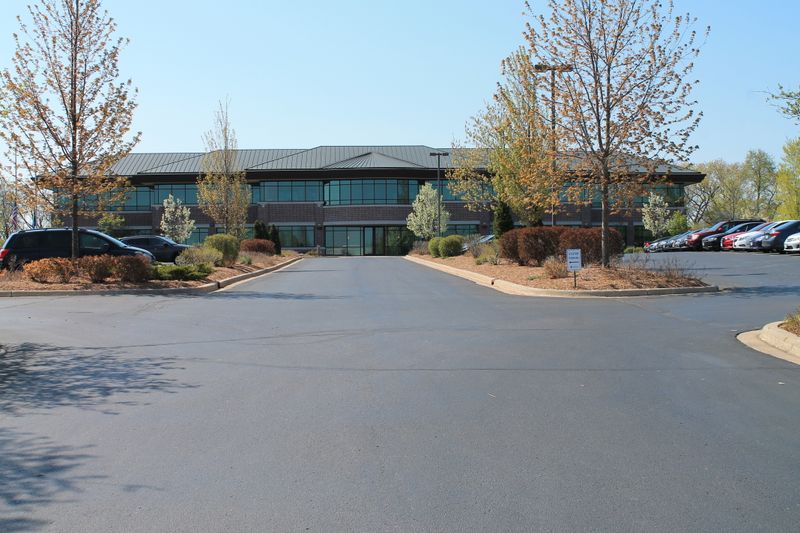
German language newspapers once connected neighborhoods across Ohio, creating a shared voice that reinforced identity and daily habits.
Print culture shaped how people organized markets, concerts, and charitable work, and it left a trail of archives that you can still visit.
Head to the Ohio History Center to explore collections that reveal editors, printers, and readers who sustained community conversation.
These publications stitched together towns from Cincinnati to Columbus, allowing distant cousins and business partners to stay in sync.
Typographic styles and illustrated mastheads echo European design, which adds another small link to the look and feel of German towns.
The papers also preserved dialect words and family names that now appear on plaques and street directories in historic districts.
Reading those pages helps you see why certain holidays, concerts, and parades became fixtures in local calendars.
It also explains why civic halls and libraries occupy prominent corners, since information flow mattered as much as trade.
Visit Ohio History Center, 800 E 17th Ave, Columbus, OH 43211, and walk through exhibits that frame the press as a neighborhood glue.
You gain context for why Ohio still presents as organized, neighborly, and quietly European in tone.
6. Waterways And The Ohio River Shaped Settlement
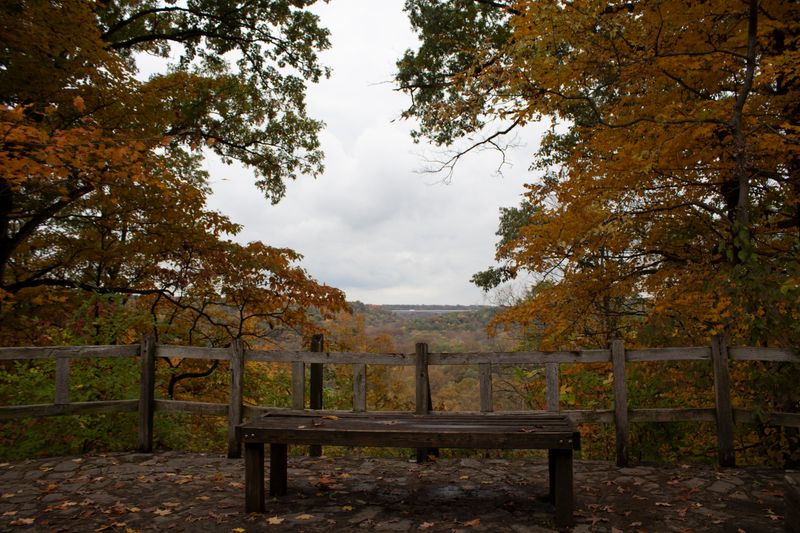
The Ohio River and connected canals drew German immigrants to towns where work, transport, and community life could grow together.
Riverside neighborhoods still show long warehouse blocks, narrow side streets, and corner stores that face the water with quiet confidence.
Those patterns made it easy to move goods while keeping homes nearby, which feels very much like old trading towns in Europe.
Public steps, overlooks, and ferry landings remain part of the civic stage, now repurposed as promenades and viewing points.
Infrastructure like bridges and locks brought steady employment, so families invested in sturdy homes and tidy gardens.
The result is a work and home blend that yields balanced neighborhoods, not sprawling bedroom districts.
That balance creates a sense of proportion visitors associate with German river towns, where commerce and daily life share the same streets.
Modern paths trace the historic shoreline, letting you read the waterfront as an open air archive.
Start at Smale Riverfront Park, 166 W Mehring Way, Cincinnati, OH 45202, and follow the walk to see how old and new sit comfortably together.
You will understand how waterways gave Ohio a European cadence that still shapes how its towns look and feel.
7. Urban And Rural Settlements Create Variety
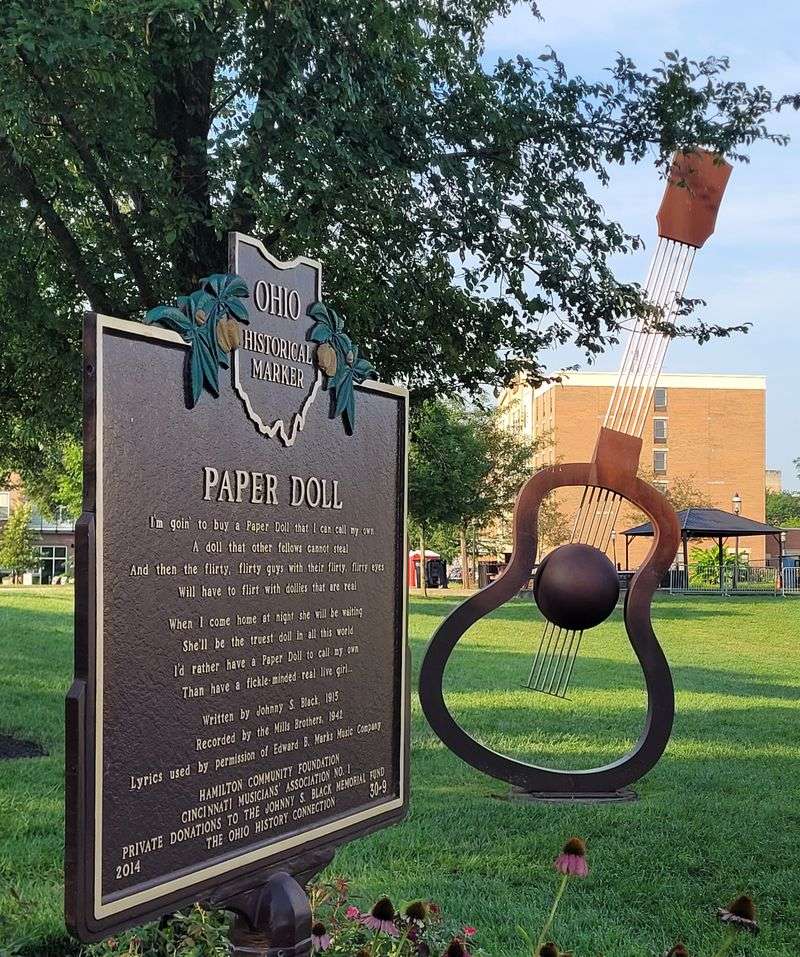
German settlers spread across Ohio into both city blocks and country lanes, which gives travelers a wide palette of places to explore.
In cities, row houses, corner groceries, and public squares create dense walkability that rewards slow wandering.
In rural pockets, churchyards and farmsteads gather around simple crossroads, with community halls acting as multipurpose anchors.
This variety mirrors Germany’s own mix of urban quarters and village clusters, so your senses register a familiar pattern.
Architecture adjusts to setting, with rural homes showing broader porches and urban homes leaning into narrow lots and shared alleys.
Street trees, small gardens, and clipped hedges add order and softness, keeping views comfortable and human scaled.
Weekend visitors can choose between quiet lanes or lively blocks, all within a realistic driving loop that keeps logistics easy.
Historic markers and township halls help decode the story, since they explain why each pocket took shape as it did.
For a peaceful rural stop, check out Slate Run Living Historical Farm, 1375 State Route 674 N, Canal Winchester, OH 43110, and connect the landscape to city districts you already know.
The back and forth between urban and rural is exactly what makes Ohio feel like a living atlas of German inspired settlement.
8. German Village As A Model For Preservation
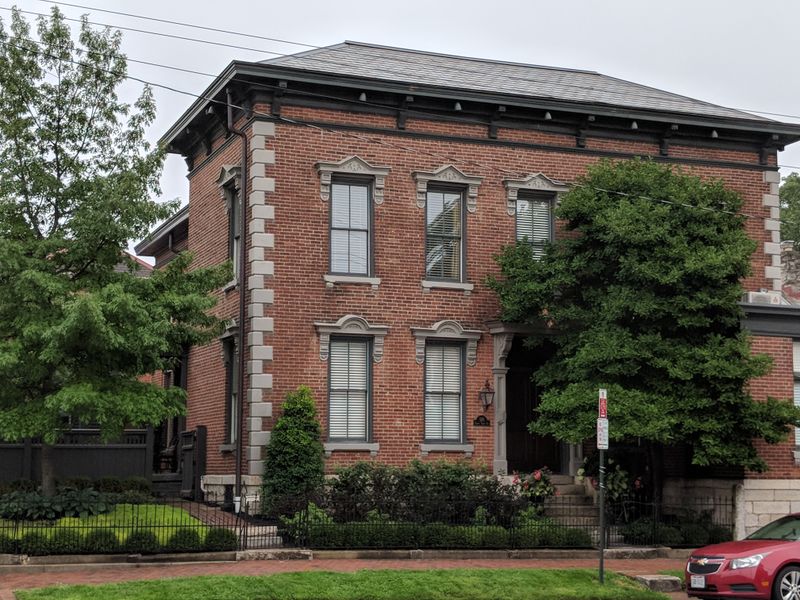
German Village in Columbus often serves as a model, showing how consistent preservation guidelines can protect character without freezing life in place.
Homeowners follow rules about materials, window proportions, and street facing details, which keeps the block level view harmonious.
Shops tuck into former dwellings with care, letting small businesses fit the scale instead of reshaping it.
Public spaces such as parks, sidewalks, and alleys stay clean and well planted, which encourages lingering and conversation.
Wayfinding signs and plaques explain the context, so first time visitors can read the neighborhood without a guide.
The area proves that beauty emerges from pattern and restraint, not from size or spectacle.
Other Ohio towns take cues from this approach, applying clear standards to renovations, additions, and landscape updates.
That process lifts property care across the board, strengthening the sense of place that travelers notice immediately.
Begin at German Village Society Meeting Haus, 588 S 3rd St, Columbus, OH 43215, where staff and displays outline the preservation approach.
You will see why people hold up this district as proof that Ohio can feel convincingly European while staying practical and lived in.
9. A Strong German American Identity Endures
A strong German American identity still shapes how many Ohio towns introduce themselves to visitors and new neighbors.
This identity is visible in club rosters, parade traditions, language classes, and heritage displays curated by volunteers.
It also lives in the street etiquette, where tidy fronts and careful plantings show pride in shared space.
When you walk these areas, you sense continuity, not nostalgia, because people use the past to inform present choices.
That attitude mirrors many German villages, where history serves day to day life instead of sitting untouched.
Community centers collect stories and artifacts, then host talks that bring context to the blocks around them.
The result is a social fabric that welcomes curiosity and rewards patient visiting.
You do not need a festival day to feel it, since the identity shows up in quiet corners too.
Stop by Germania Society of Cincinnati, 3529 W Kemper Rd, Cincinnati, OH 45251, to see how programs and archives sustain local memory.
Experiencing this care explains why Ohio reads as genuinely European in spirit rather than themed.
10. Old World Charm Through Restoration Projects
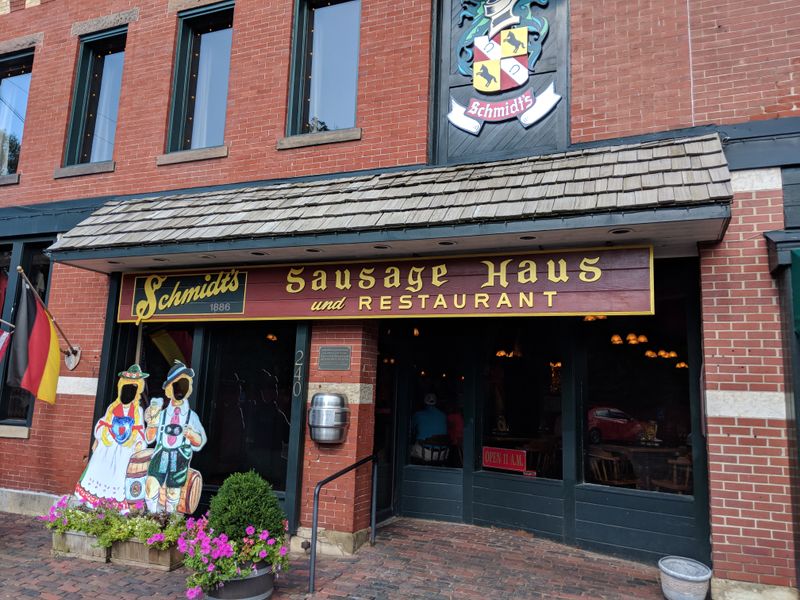
Restoration projects give many Ohio towns an Old World charm that feels calm, orderly, and deeply rooted.
Crews repair brickwork with careful mortar matches, replace windows with historically correct profiles, and revive iron fences that frame tiny front yards.
Sidewalks get reset, curbs get realigned, and lighting is chosen to complement rather than outshine the buildings.
These moves add up to streets that look coherent from end to end, which is why visitors compare them to German lanes.
Owners often partner with preservation boards, ensuring that details stay consistent across projects and over time.
Public grant programs sometimes help with exterior work, while private caretaking keeps gardens neat and shade trees healthy.
The cumulative effect is visible in evening walks when brick surfaces glow and windows reflect the canopy above.
Nothing feels staged, because homes remain lived in and storefronts serve actual neighbors.
Walk West Beck Street near 215 E Beck St, Columbus, OH 43206, and you will see how steady care produces quiet beauty.
That everyday excellence is what makes Ohio resemble the Old World, not as a copy, but as a well loved translation.
11. Cincinnati’s Over the Rhine Shows Urban Density Done Right
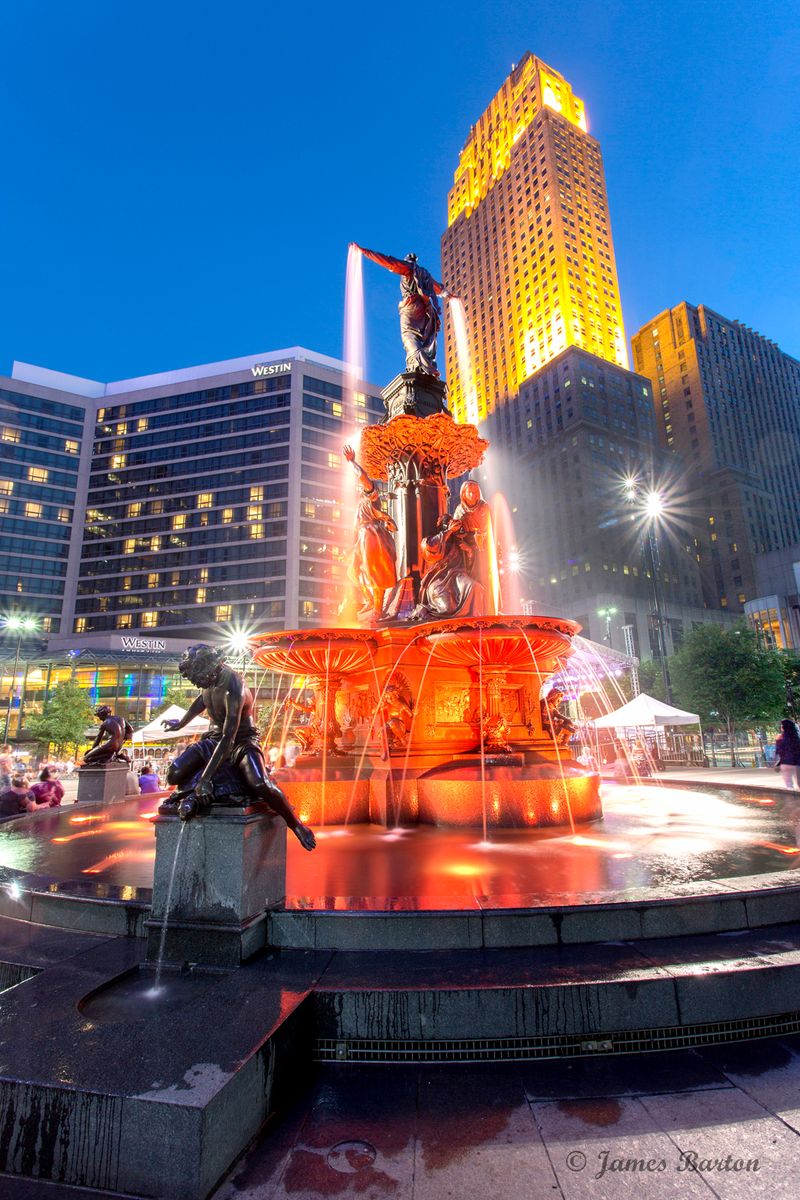
Cincinnati’s Over the Rhine presents block after block of 19th century buildings that carry a European sense of density and detail.
Italianate facades line narrow streets, and the close spacing of doors and windows creates a rhythm that rewards walking.
Courtyards and rear passages extend the public realm, offering small surprises beyond the main avenues.
Historic theaters, markets, and civic buildings now share space with studios and shops that respect original footprints.
The mood is urban yet comfortable, thanks to consistent cornice lines and storefront proportions.
Streetcar infrastructure and human scaled sidewalks make navigation easy, which sets the tone for a lingering visit.
Architecture tells the immigrant story in brick and stone, reminding travelers how neighborhoods formed around trades and guilds.
Preservation work keeps the patina while improving safety, access, and long term resilience.
Stand at Findlay Market, 1801 Race St, Cincinnati, OH 45202, then wander outward to read the district’s layers block by block.
You will understand why many visitors see Over the Rhine and think of German cities that prize craft, density, and daily street life.
Dear Reader: This page may contain affiliate links which may earn a commission if you click through and make a purchase. Our independent journalism is not influenced by any advertiser or commercial initiative unless it is clearly marked as sponsored content. As travel products change, please be sure to reconfirm all details and stay up to date with current events to ensure a safe and successful trip.
