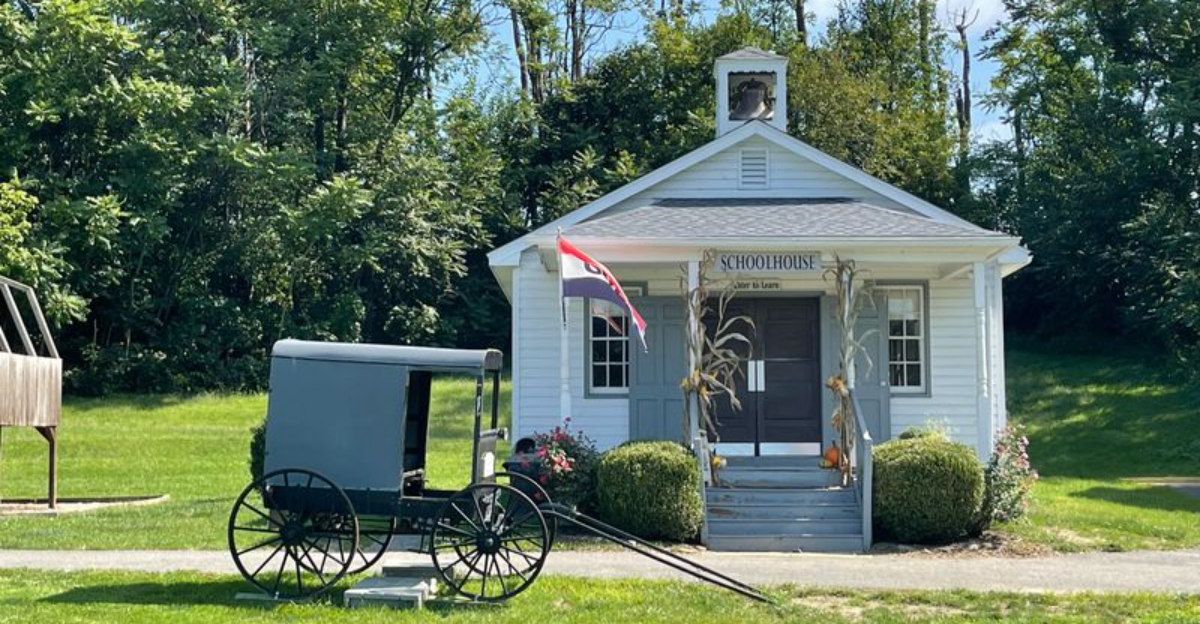
Wisconsin’s Amish communities offer a window into a way of life that seems frozen in time.
When you drive through these rural areas, the landscape shifts dramatically.
Horse-drawn buggies replace cars, simple farmsteads dot the rolling hills, and the absence of power lines creates an uncluttered horizon.
The visual contrast is so striking that visitors often feel they’ve crossed an invisible border into another country entirely.
From the distinctive architecture to the carefully tended gardens, every element tells a story of tradition and simplicity.
The Amish settlements in Wisconsin, particularly in communities like Cashton and Bonduel, maintain customs that date back centuries.
Their commitment to living without modern conveniences creates a landscape that looks remarkably different from the rest of the state.
The visual differences aren’t just about what’s missing, but also about what’s present.
Handcrafted signs, meticulously maintained farmland, and children in traditional dress all contribute to the otherworldly atmosphere.
These communities offer a rare glimpse into pre-industrial America, preserved and thriving in the heart of Wisconsin.
1. Horse-Drawn Buggies Replace Modern Vehicles
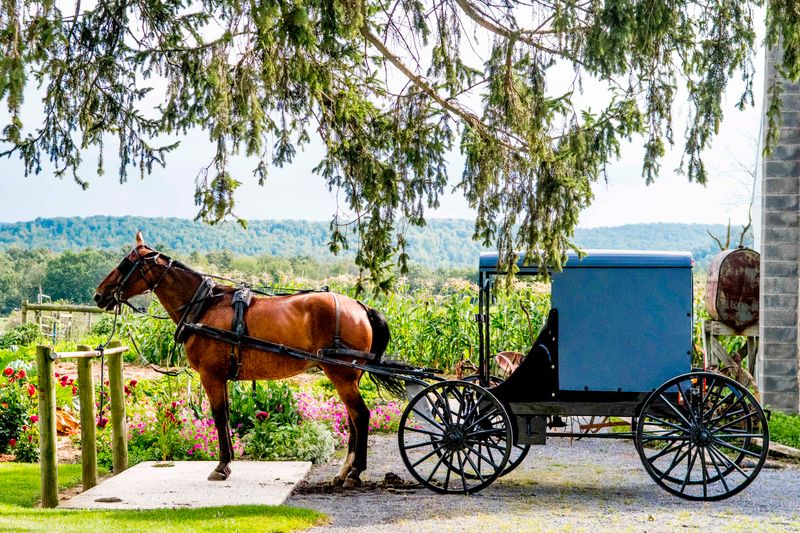
Black buggies clip-clopping down country roads create an immediate visual departure from typical American highways.
The sight of these traditional carriages, often with reflective orange triangles for safety, transports you to a different era.
Families travel together in these enclosed vehicles, moving at a pace that feels almost meditative compared to highway speeds.
The horses themselves, usually strong draft breeds, add to the pastoral scene with their steady gait and occasional whinny.
Buggy parking areas outside stores and businesses replace conventional parking lots in Amish areas.
Hitching posts stand where you’d normally find parking meters or pay stations.
The sound of hoofbeats on pavement becomes the dominant traffic noise, not engine rumbles or honking horns.
During busy times, you might see a dozen buggies lined up, creating a scene straight from a historical photograph.
The buggies themselves vary slightly in design between different Amish affiliations, with some featuring more elaborate details than others.
Rain or shine, these vehicles remain the primary mode of transportation for Wisconsin’s Amish families.
The visual impact is undeniable and often the first thing visitors notice when entering these communities.
2. Absence of Power Lines and Electrical Infrastructure
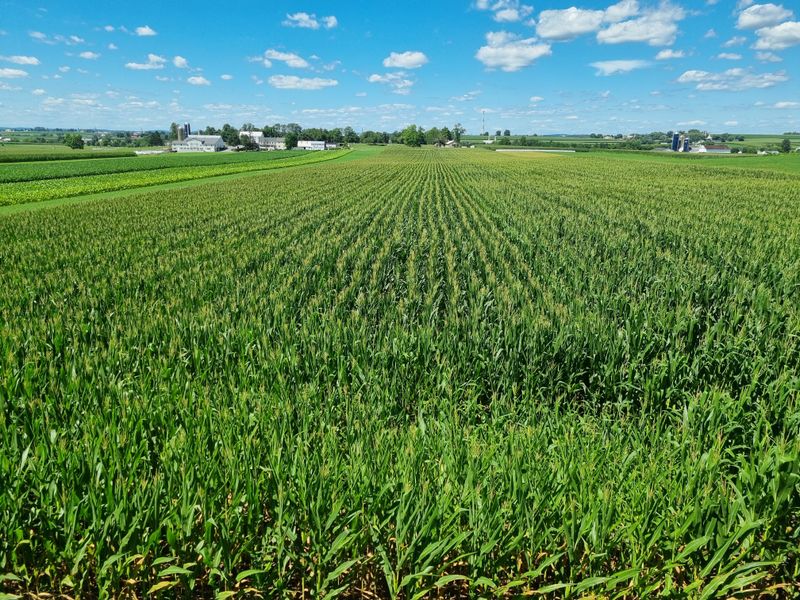
Looking up at the sky in Amish country reveals something most Americans never notice is missing.
Power lines, telephone poles, and electrical transformers are completely absent from the landscape.
The horizon stretches clean and uninterrupted, creating a visual simplicity that feels almost foreign to modern eyes.
This absence fundamentally changes how the landscape appears, making it feel more open and expansive.
Without the web of wires crisscrossing overhead, the sky becomes a dominant feature rather than a background element.
Farms and homes sit in their natural settings without the industrial infrastructure that typically accompanies rural development.
At night, the darkness is profound, with only lantern light and starlight illuminating the area.
The lack of streetlights creates a nighttime environment that most modern Americans have never experienced.
This darkness allows for spectacular stargazing opportunities that rival remote wilderness areas.
The visual cleanliness of the landscape without electrical infrastructure makes photographs of these areas look almost timeless.
Visitors often comment that the uncluttered skyline is one of the most striking differences they notice immediately.
3. Traditional Clothing Creates A Living History Scene
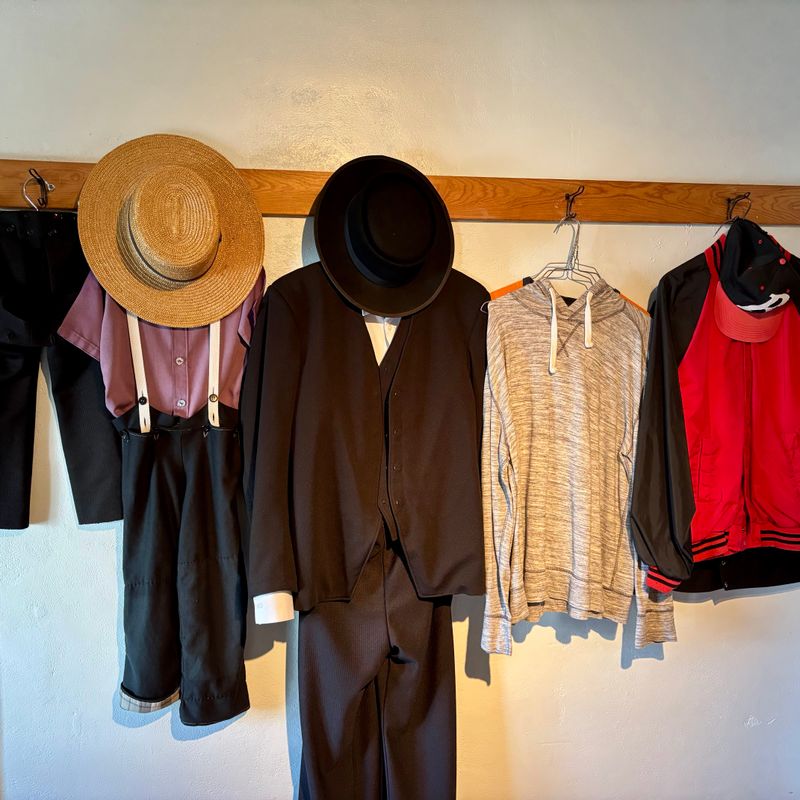
Walking through an Amish community means seeing people dressed in styles unchanged for generations.
Women wear solid-colored dresses with aprons and white or black prayer coverings called kapps.
The fabrics are simple, usually in dark blues, greens, purples, or blacks, without patterns or prints.
Men sport plain shirts, dark trousers with suspenders, and wide-brimmed straw or felt hats depending on the season.
Children dress in miniature versions of adult clothing, creating adorable scenes that look lifted from vintage photographs.
The uniformity of dress creates a visual cohesion rarely seen in modern American society.
No brand logos, graphic tees, or trendy accessories disrupt the traditional aesthetic.
Even in summer heat, the modest clothing standards remain unchanged, with long sleeves and full-length skirts still the norm.
The visual impact of seeing entire families dressed this way while going about daily activities is remarkable.
It creates the impression of stepping onto a living history set, except these aren’t actors in costume.
The clothing choices reflect deeply held religious beliefs about modesty and separation from worldly influences.
4. Handcrafted Signs and Non-Electric Storefronts
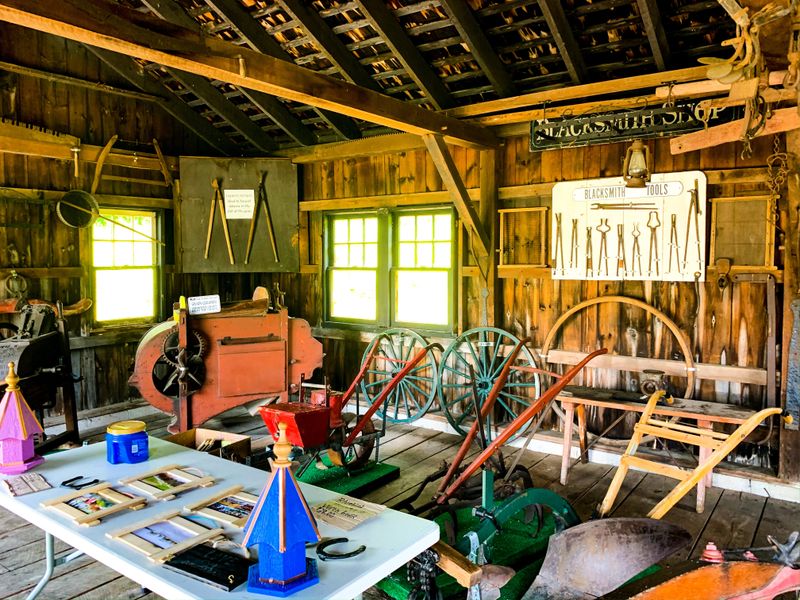
Commercial areas in Amish communities look nothing like typical American strip malls or shopping districts.
Signs are hand-painted on wood, featuring simple lettering without flashy graphics or logos.
The absence of neon lights, electronic displays, and illuminated signs creates a remarkably quiet visual environment.
Shops often operate out of converted barns or simple wooden structures rather than modern commercial buildings.
Window displays, when present, feature actual products rather than glossy advertising posters.
The overall effect is charming and understated, focusing attention on craftsmanship rather than marketing.
Furniture shops display handmade tables and chairs on covered porches, letting the quality speak for itself.
Bakeries might have a simple chalkboard listing available goods rather than printed menus.
Quilt shops hang their colorful wares on clotheslines or simple racks, creating beautiful displays without any electricity.
The lack of visual clutter makes each business feel personal and approachable rather than corporate.
These storefronts blend seamlessly with the residential areas, maintaining the rural character of Wisconsin’s Amish settlements.
Shopping here becomes an experience in itself, slowed down and more intentional than typical consumer culture.
5. Meticulously Maintained Gardens and Farmland
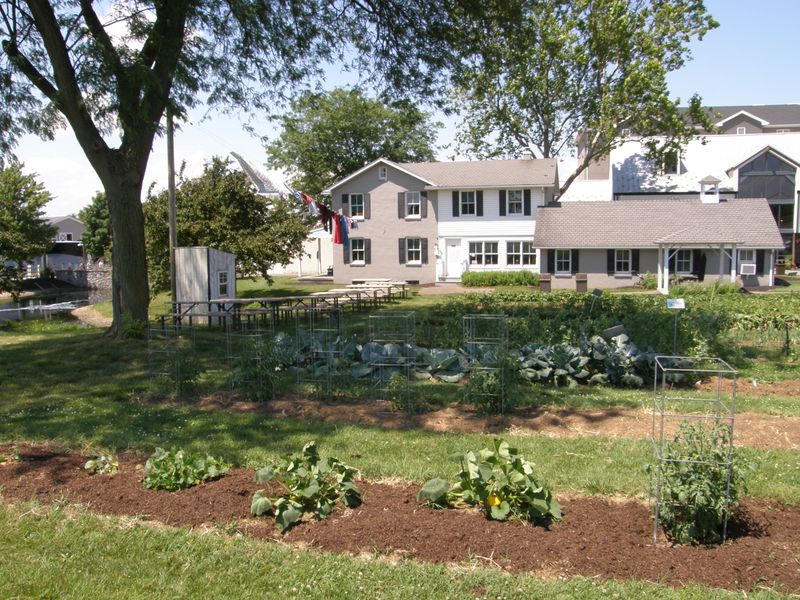
Amish farms and home gardens display a level of care and organization that’s immediately visible from the road.
Vegetable gardens feature perfectly straight rows, weed-free beds, and thriving plants tended by hand.
The attention to detail reflects both practical necessity and a cultural value placed on stewardship of the land.
Fields are planted with precision, creating geometric patterns across the rolling Wisconsin landscape.
Fences are well-maintained, painted white or left natural wood but always in good repair.
Flower gardens, while not ostentatious, add splashes of color around homes with practical plants like zinnias and marigolds.
The absence of chemical lawn treatments means grass grows naturally, often mixed with clover and wildflowers.
Orchards are pruned and maintained with obvious care, their organized rows creating beautiful vistas.
Even utilitarian areas like woodpiles are neatly stacked and organized, contributing to the overall sense of order.
The visual impact of this careful maintenance creates landscapes that look almost too perfect to be real.
Everything has its place, and nothing appears neglected or randomly placed.
This orderliness extends across entire communities, creating a cohesive aesthetic throughout the area.
6. Simple Architecture Without Modern Additions
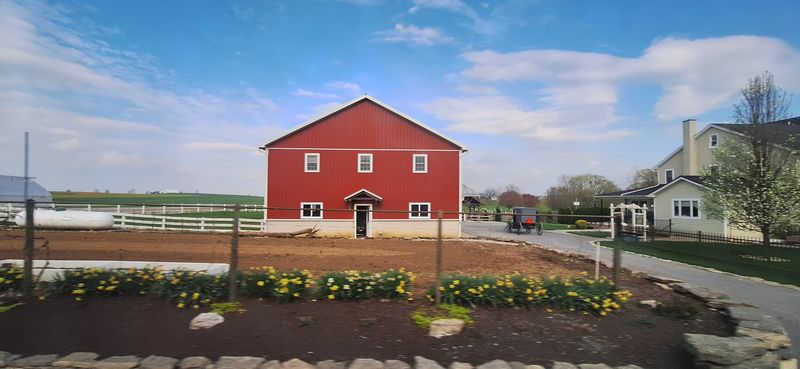
Amish homes and barns follow traditional architectural styles that prioritize function over decoration.
Houses are typically white or neutral colors, with simple rectangular shapes and minimal exterior ornamentation.
You won’t find satellite dishes, air conditioning units, or solar panels disrupting the clean lines.
Windows are plain, without decorative shutters or elaborate trim work common in modern construction.
Porches are practical spaces for work and socializing rather than showcases for outdoor furniture and decor.
Barns are large and functional, painted traditional red or left as natural wood, built to last generations.
The architecture reflects Pennsylvania German building traditions brought to Wisconsin by early settlers.
Rooflines are simple, usually gabled, without complex angles or modern architectural flourishes.
Outbuildings like workshops and storage sheds match the main structures in style and color.
The uniformity of architectural style across a community creates visual harmony rare in typical American neighborhoods.
Everything appears purposeful and unadorned, built for practicality and longevity rather than aesthetic trends.
This simplicity allows the natural Wisconsin landscape to remain the focal point rather than the buildings themselves.
7. Laundry Hanging on Outdoor Clotheslines
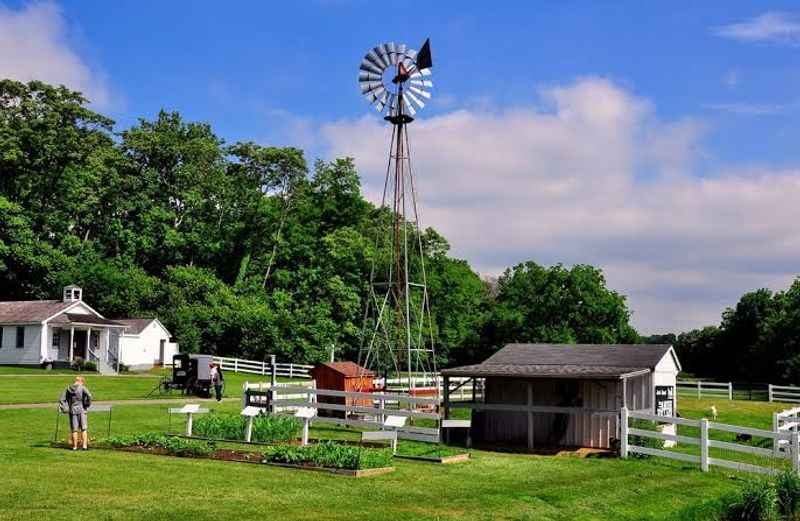
Colorful rows of laundry fluttering in the breeze create one of the most iconic visual markers of Amish life.
Every household uses outdoor clotheslines rather than electric dryers, making laundry day highly visible.
The sight of dark trousers, colorful dresses, white kapps, and sheets dancing in the wind is remarkably photogenic.
This practice, once common across America, now feels distinctly foreign to most modern observers.
The clotheslines themselves are often elaborate systems with multiple lines stretching across yards.
Some communities use pulley systems that allow clothes to be hung from porches and extended outward.
The visual rhythm of repeated shapes and colors creates an unintentional art installation in every yard.
Seeing laundry hanging becomes a sign of life and activity within the community.
On wash days, typically Mondays in many Amish households, entire neighborhoods bloom with hanging clothes.
The practice connects daily life to weather patterns and seasons in ways modern convenience has eliminated.
Winter laundry freezing stiff on the line creates particularly striking images unique to northern climates like Wisconsin.
This simple domestic task becomes a visible expression of a lifestyle lived in harmony with natural rhythms.
8. Working Farms With Visible Daily Activities
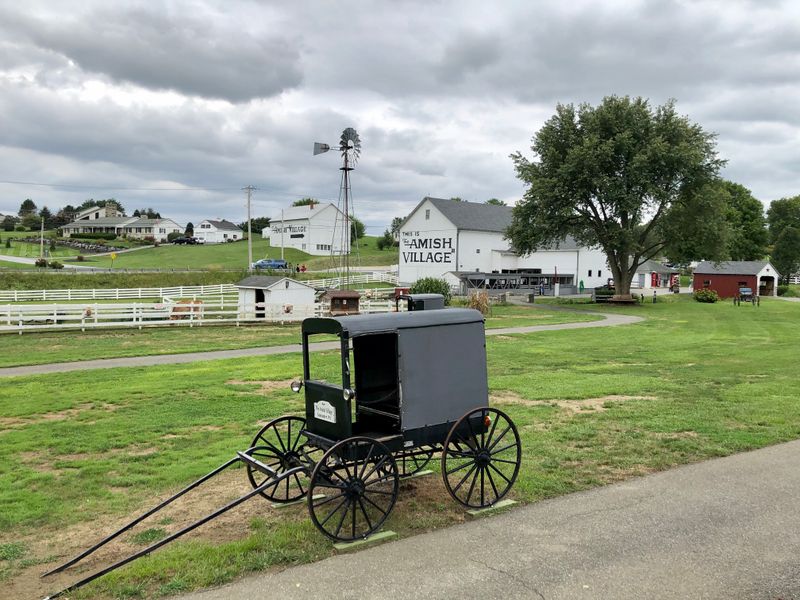
Amish farms are working operations where daily agricultural activities happen in plain view of passing roads.
You might see farmers guiding horse-drawn plows through fields, creating furrows in the rich Wisconsin soil.
Children help with farm chores, visible in gardens or tending to animals in ways rarely seen in modern agriculture.
Hay wagons pulled by teams of horses move through fields during harvest season, creating scenes from another century.
Dairy operations involve hand-milking or small-scale mechanical systems powered by diesel engines rather than electricity.
The visibility of farm work creates a connection between land, labor, and livelihood that’s largely hidden in industrial agriculture.
Animals roam in pastures rather than being confined to massive indoor facilities invisible from public roads.
Chickens peck in farmyards, horses graze in paddocks, and cows return from pasture in orderly lines.
The seasonal rhythms of agricultural life play out visibly across the landscape throughout the year.
Spring planting, summer cultivation, fall harvest, and winter preparations all involve observable human and animal labor.
This transparency in food production provides an educational experience for visitors unfamiliar with farming.
The scale remains human-sized, allowing observers to understand the work involved in feeding a family and community.
9. One-Room Schoolhouses Dotting The Countryside
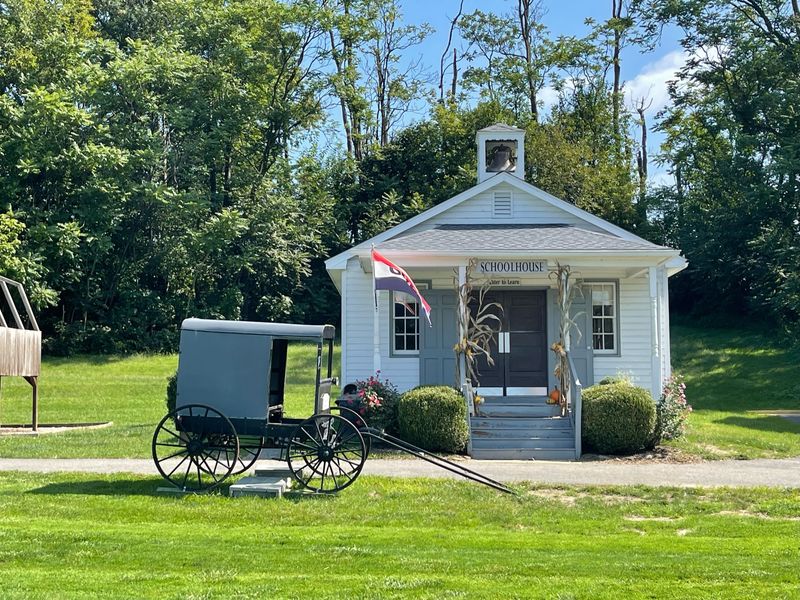
Small white schoolhouses appear throughout Amish areas, serving as community educational centers for children.
These buildings typically accommodate all grade levels in a single room, taught by a young Amish woman.
The architecture is simple and functional, often featuring a small bell tower or cupola on top.
Playgrounds consist of basic equipment like swings, seesaws, and open areas for games like softball.
You won’t find elaborate play structures, paved surfaces, or the colorful plastic equipment common in public schools.
During recess, children in traditional clothing play games that have been passed down through generations.
The schools are located within walking or buggy-riding distance of students’ homes, keeping education community-based.
Outhouses stand near the schoolhouses, as indoor plumbing isn’t used in these traditional educational settings.
The visual simplicity of these schools contrasts sharply with modern educational complexes in the rest of Wisconsin.
Seeing children walking along roadsides to school in groups creates scenes reminiscent of early American education.
The schools themselves are maintained by the community, with fathers building and repairing structures as needed.
This localized approach to education creates visible community centers that anchor Amish settlements throughout the region.
10. Roadside Stands Selling Homemade Goods

Unpretentious wooden stands appear along rural roads, offering fresh produce, baked goods, and handcrafted items.
Many operate on the honor system, with a cash box for customers to leave payment when no one is attending.
This trust-based commerce feels remarkably foreign in contemporary American culture where security is paramount.
The stands themselves are simple structures, often just a table under a small roof or an open-sided shed.
Hand-lettered signs announce what’s available, from sweet corn to freshly baked bread to maple syrup.
Seasonal offerings change throughout the year, reflecting what’s currently growing or being produced on nearby farms.
The visual simplicity and informality of these stands contrasts with commercial farmers’ markets and grocery stores.
Baskets of vegetables sit in neat arrangements, often with prices written on small chalkboards.
Baked goods come wrapped in simple plastic or wax paper, labeled with handwritten tags.
The lack of packaging, branding, and marketing creates a direct connection between producer and consumer.
These stands become landmarks along country roads, places where locals and visitors alike stop regularly.
The trust implicit in the honor system reflects the community values that shape life in Wisconsin’s Amish areas.
Dear Reader: This page may contain affiliate links which may earn a commission if you click through and make a purchase. Our independent journalism is not influenced by any advertiser or commercial initiative unless it is clearly marked as sponsored content. As travel products change, please be sure to reconfirm all details and stay up to date with current events to ensure a safe and successful trip.
