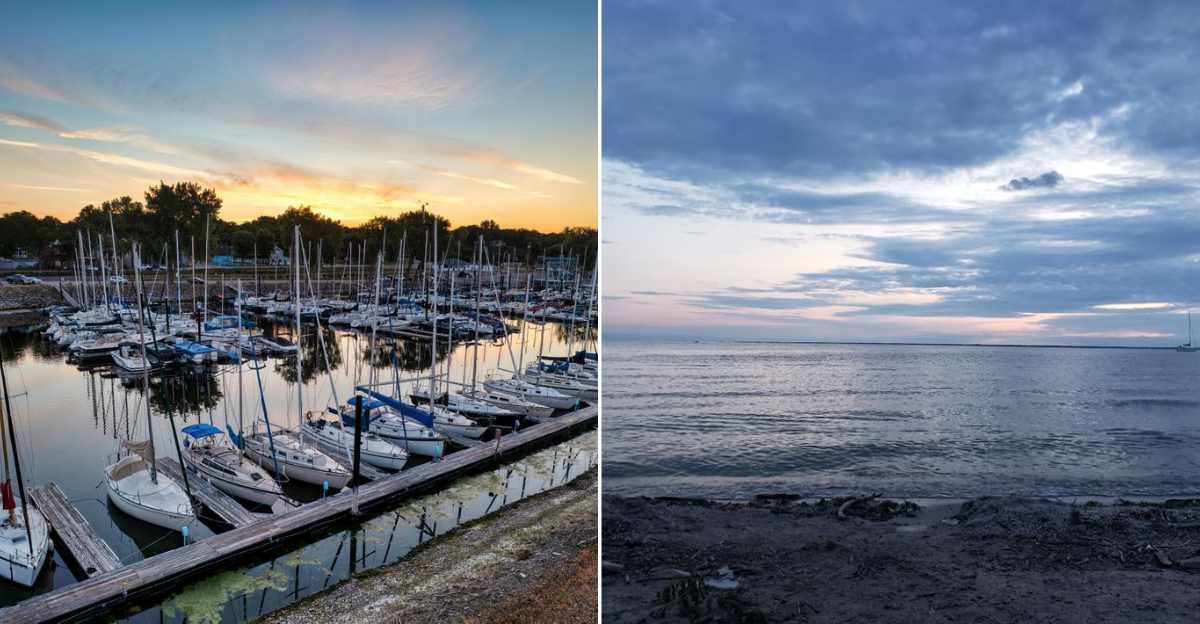
Heading to the lake used to be the easiest “yes” for locals in Wisconsin.
For years, grabbing towels, sunscreen, and a cooler was automatic.
You didn’t even think twice, it was just the go-to weekend plan.
Lately though, people pause before making that trip.
And that pause says a lot.
Talk to folks and you’ll hear the same things: the wakes feel rougher, the water doesn’t look as clear, and weekends can feel more crowded than relaxing.
It’s not that the lakes aren’t still beautiful; they are, but the vibe has shifted.
I’ve noticed it myself.
What used to feel calm and easy now feels busier, and once you see the change, it’s hard to ignore.
That doesn’t mean people have stopped going.
It just means the decision takes a little more thought.
Some chase nostalgia, while others look for quieter spots that feel more like the old days.
The lakes are still definitely worth the trip, but the story is changing, so keep on reading.
Wake Boats Make Calm Water Hard To Find
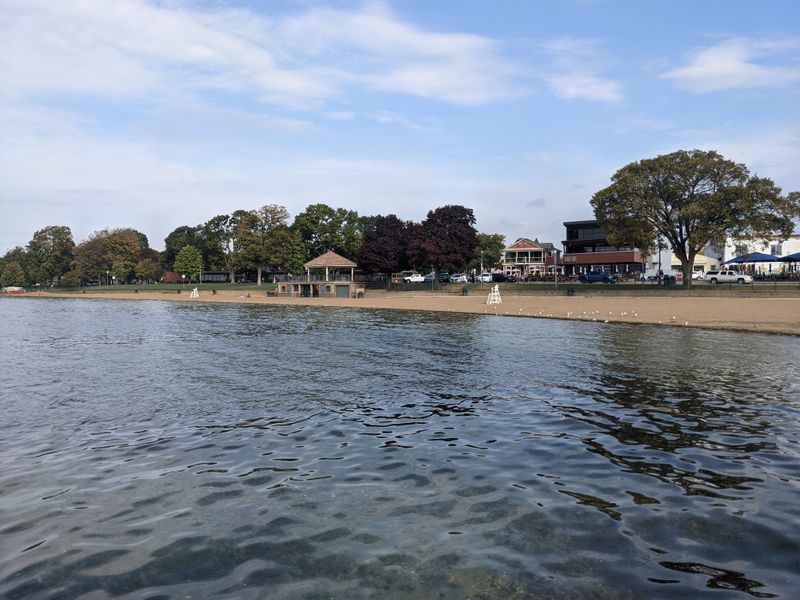
Wake boats can change the whole vibe of a lake day in seconds, and locals know that too well.
What starts calm and glassy can turn into a bumpy ride with just one pass.
Big wake boats throw waves that hit shorelines hard and toss other people around, especially on busy spots like Lake Geneva or Pewaukee Lake.
You can actually see the water shift: clear one minute, then murky and tea-colored as the sediment gets stirred up.
Paddlers often duck into coves to avoid the rollers, while anglers watch their lines bounce like jump ropes.
Local rules have popped up to manage it, and now more than 200 lakes have some kind of restriction.
Even so, arguments still happen at docks and launches because when waves tip your canoe, it feels personal.
I’ve had days where a quiet float turned into a workout, and kids swimming near shore end up wobbling in knee-high slosh.
Families who remember calmer afternoons often head to smaller lakes without surf-style boats.
And honestly, I get it.
Sometimes you just want peace instead of battling waves.
If you’re chasing a calm float, busy lakes with wake boats can feel more like work, so make sure to plan ahead.
Water Quality Feels Less Reliable
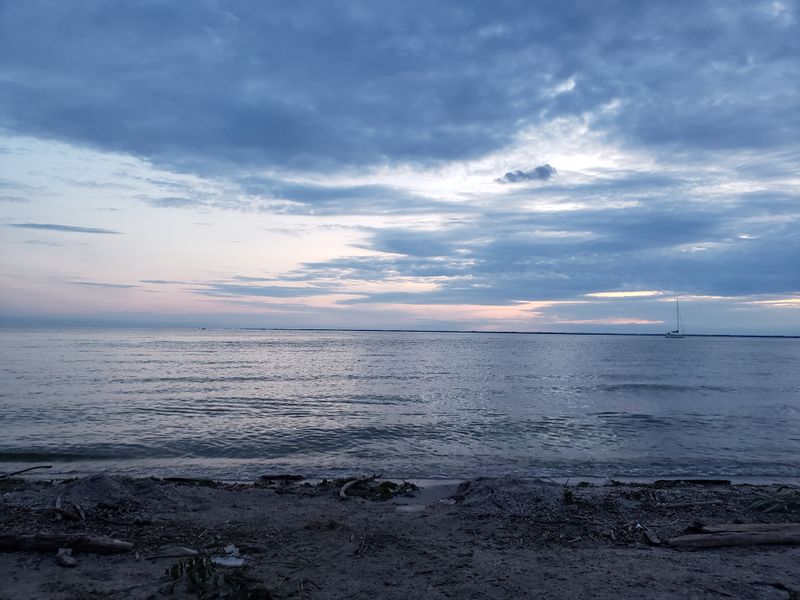
Many weekends used to mean automatic swims, and now people scan the surface and pause.
Between development and pollution, some lakes just do not feel as clean as they used to.
I’ve heard folks talk about it around Lake Winnebago and along the Lake Michigan shoreline, especially after busy weekends.
Advisory signs go up after storms or heavy use, and once you’ve seen one, it sticks in your mind.
Neighbors compare notes about odd smells, foam lines, or slick patches that weren’t there years ago.
I’ve noticed it too, water that looks perfect in the morning can turn cloudy by the afternoon.
Crews test the water often, but the gap between reports and what you actually see feels frustrating.
Trust is fragile, and that spontaneity of just deciding to swim on a whim is fading.
Kayakers stick close to cleaner inflows, swimmers head for beaches with better circulation, and parents even carry test strips or check county dashboards before driving out.
Families who once spent whole days at the lake now plan shorter visits, stay closer to shore, or pick inland parks instead.
I’ve done the same, and the key is packing lighter, staying cautious, and keeping backup plans ready.
Clear Water Isn’t Guaranteed Anymore
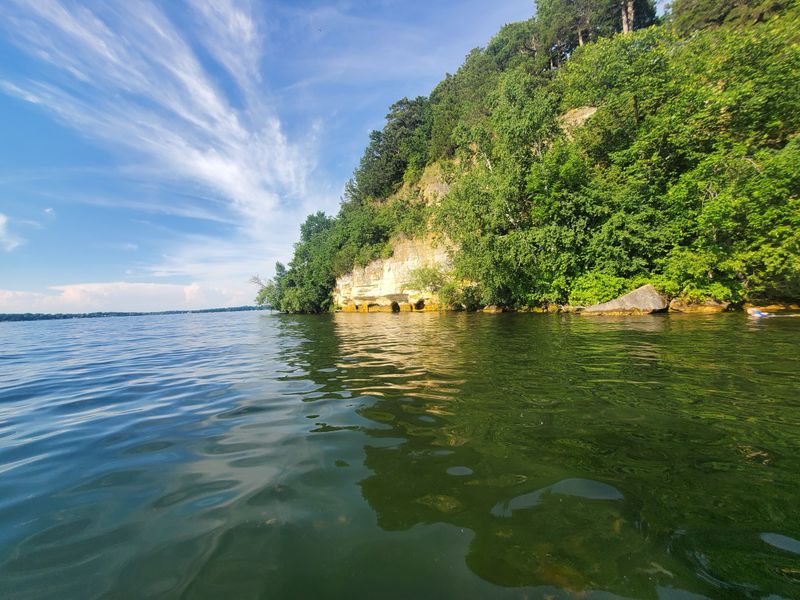
Clear water used to be a given.
Now locals look twice before diving in.
Jumping in on a sunny morning now comes with hesitation.
Around places like Green Lake or Minocqua Lake, people notice when the water looks off.
Pollution and invasive species have dulled lakes that used to sparkle, and even small changes stand out when you’re used to clear.
Snorkel gear that once showed rippled sand now reveals a gray haze.
Photographers lose those perfect mirror shots, and families teach kids to check if they can see their toes in knee-deep water.
Sometimes those toes disappear, and that’s enough to change plans.
I’ve had days where I packed for swimming but ended up just sitting on shore because the water didn’t look right.
Volunteers scrub boats to stop zebra mussels and milfoil, while county staff remind everyone to “clean, drain, dry” at the ramps.
Those habits matter, but trust is fragile.
If the water looks cloudy, many locals simply won’t get in.
So people adapt, choosing springs, smaller kettle lakes, or mornings after calm nights when clarity is better.
It’s not the same as before, but you learn to work around it.
Leeches Are A Mental Block
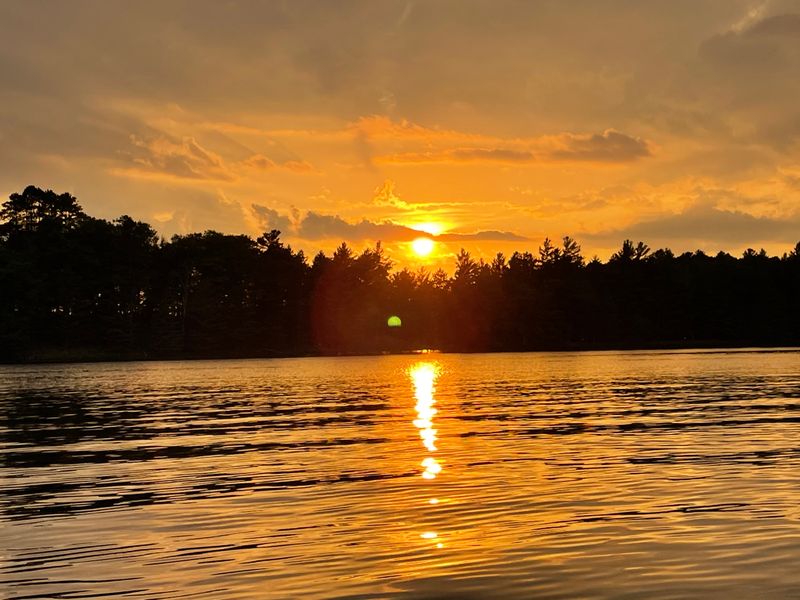
Everyone’s got that one lake story that never really leaves them.
Leeches aren’t usually dangerous, but the “what if” gets loud when you’re staring at a weedy bay.
Parents remember that one jump-scare afternoon and start steering the car toward pools or sandy beaches instead.
Shady coves with soft, mucky bottoms feel like surprise zones where ankles turn into targets.
Friends swear by quick scans around dock posts and gentle toe sweeps along the steps.
Locals say it helps to pick wind-blown shores, clear out weeds, and rinse off after wading slow and steady.
Kids’ bravery can wobble fast when something slick brushes past their foot out of nowhere.
Once the jitters set in, the whole lake vibe shifts, suddenly it’s more sitting on towels and staring at the water than splashing in it.
I’ve been there too, watching the fun fade after one creepy encounter.
For a lot of families, it feels easier to just pick the pool and skip the mystery altogether.
And honestly, that’s okay, because you can still love the lake view without diving in.
Sharp Shorelines Need Water Shoes
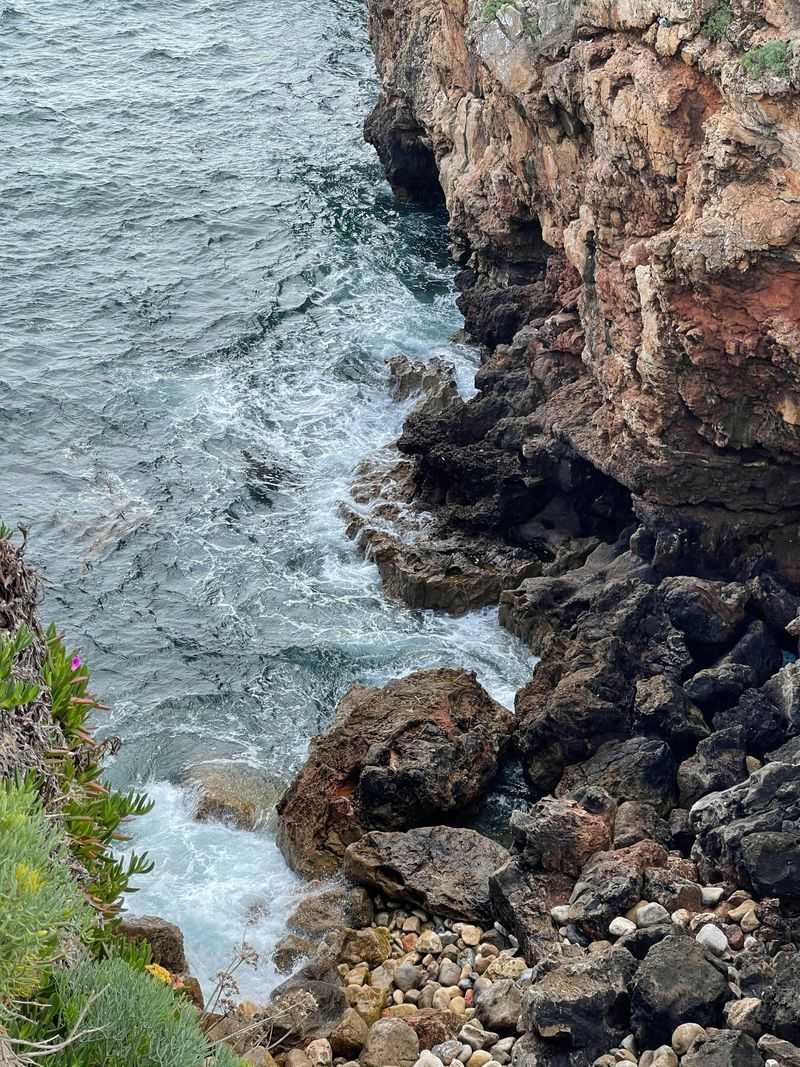
What should be a quick dip often turns into a hunt for safe footing.
Zebra mussels and rocky bottoms make some entries painful, and suddenly it’s less about fun and more about finding gear.
Sure, sandy spots still exist, but the closest access near cottages usually means sharp shells and rough edges.
Packing water shoes changes the vibe from carefree to checklist, and forgetting them can end the plan before it starts.
Families stick to groomed beaches with marked swim zones to avoid scrapes.
Kids shuffle heel-to-toe across piers, looking silly but saving their skin.
Locals warn visiting friends ahead of time and stash spare shoes in their trunks all summer.
Even stopping for a photo can backfire when one wrong step turns into a bandage story.
I’ve seen neighbors laugh it off, but you can tell it wears on them.
What should be a casual swim becomes a gear-dependent mission, even at lakes people usually love, like Mendota and Monona.
Locals admit they still swim, but it’s slower, more planned, and less spontaneous.
For many, the lake view is still beautiful, but the call to jump in just isn’t as strong anymore.
Boat Traffic Gets Wild On Weekends
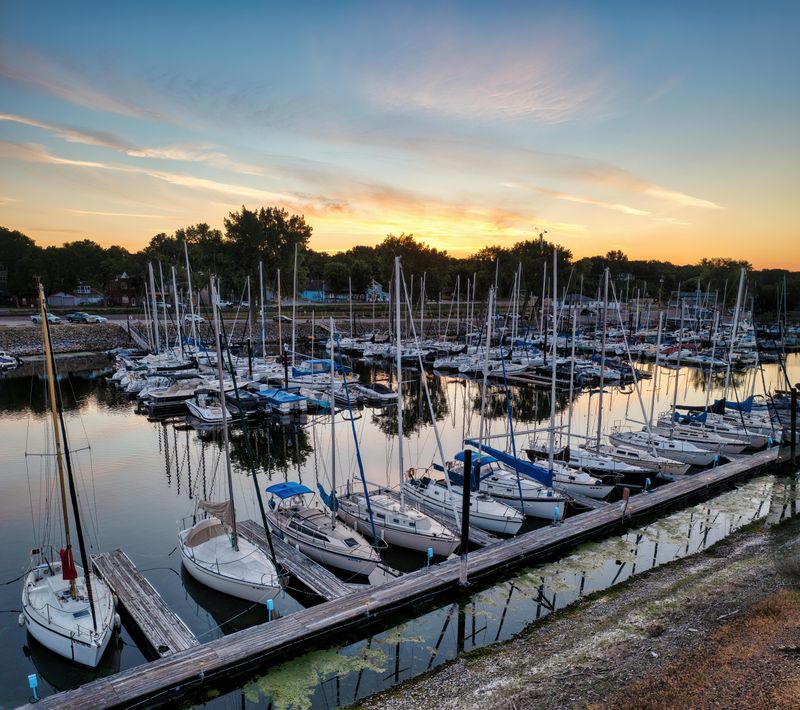
By Saturday morning, the lakes feel more like highways than getaways for most locals.
Engines roar, voices carry, and the water gets crowded fast.
Around Lake Delton and Lake Winnebago, peak season can feel like bumper-to-bumper traffic, only floating.
Boats cut close, nerves spike, and what should be a calm afternoon turns into constant watchfulness.
Kayakers stick to the tree-lined edges, while anglers camp out behind islands, hoping for some peace.
Swimmers drift into marked lanes, waiting for a break that never really comes.
Locals will tell you the trick is timing: go early, go late, or pick a weekday if you want space.
Harbors feel like roundabouts, with hesitation piling up and wake chop making messy patterns.
Marinas stay packed, slips are full, and casual visitors end up at open ramps instead.
The noise climbs as speakers battle the wind and hull slap echoes across the water.
I’ve been out there on a sunny Saturday, and honestly, I understand the locals.
Some of them skip weekends altogether, saving their lake time for quieter weekdays.
That’s when the water finally breathes, and sanity comes back.
It’s not that they don’t love the lake, it’s just that the crowd steals the calm.
For many here, the best lake days aren’t the busiest ones.
Launch Ramps Turn Into Stress Tests
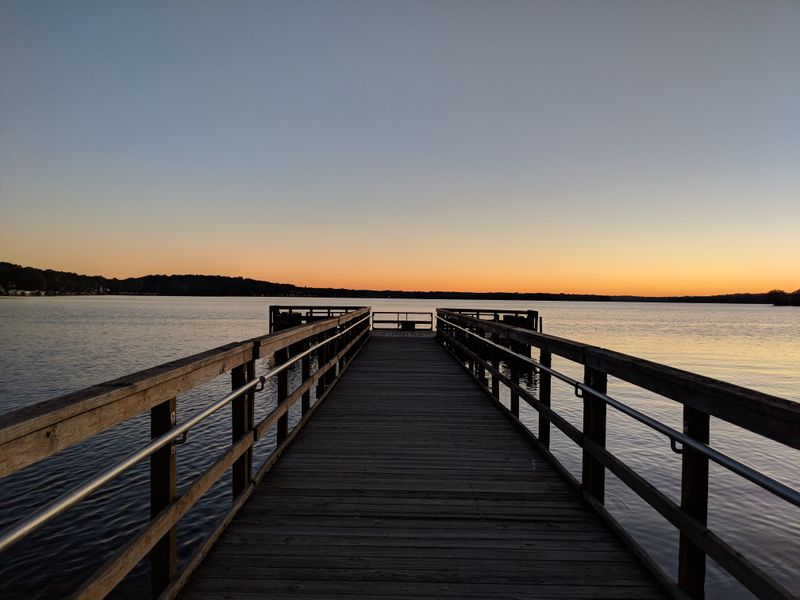
Even early birds end up stuck when the ramp turns into the main event.
The thing is that early alarms don’t always beat the crowd.
Parking fills up fast, lines stretch long, and what should be a quick launch turns into a headache at busy spots like Pewaukee Lake and Lake Geneva.
Backups snake past bait shops while newcomers struggle with trailers under the eyes of impatient onlookers.
Every wobble feels bigger when a line of boats is waiting behind you.
I saw tempers flare when everyone shows up at the same time, and nobody wants to start their day annoyed.
Sometimes volunteers step in to keep things moving during tournaments, but it’s still a grind.
A few ramps have cameras or parking apps that help, but not all of them.
I’ve stood in those lines myself, and it’s hard not to wonder if the hassle is worth it.
Plenty of Wisconsinites decide it isn’t, they skip the ramps and head for shore fishing or hiking trails instead.
Weekdays feel different: calmer, easier, and way more enjoyable.
That’s when the launch feels like part of the fun instead of an obstacle course.
Bugs Own The Shoreline

Locals love a perfect sunset, until the bugs show up.
Mosquitoes swarm near the reeds, and ticks hang out in the grass, especially around wooded lakes in the Northwoods, like Minocqua.
Bug spray becomes part of the outfit, and head nets can be a must.
Camp chairs get dragged to windier docks where the breeze offers a little relief.
Trailheads near wetlands post reminders to check for ticks after hikes.
Kids who were excited for cannonballs end up playing cards when the buzzing gets too thick.
Calm bays that look amazing in photos can sometimes feel like waiting rooms for swarms.
Screened porches save the night, letting conversations keep going without constant swatting.
I’ve sat on those porches myself, and it feels like the smarter choice.
Some locals say the porch view is enough, and the water becomes background noise.
You still love the lake, but timing matters.
A quick dip before dusk feels safer, while sunset means strategy.
The truth is, the bugs decide how long the fun lasts.
Storms Change Conditions Overnight
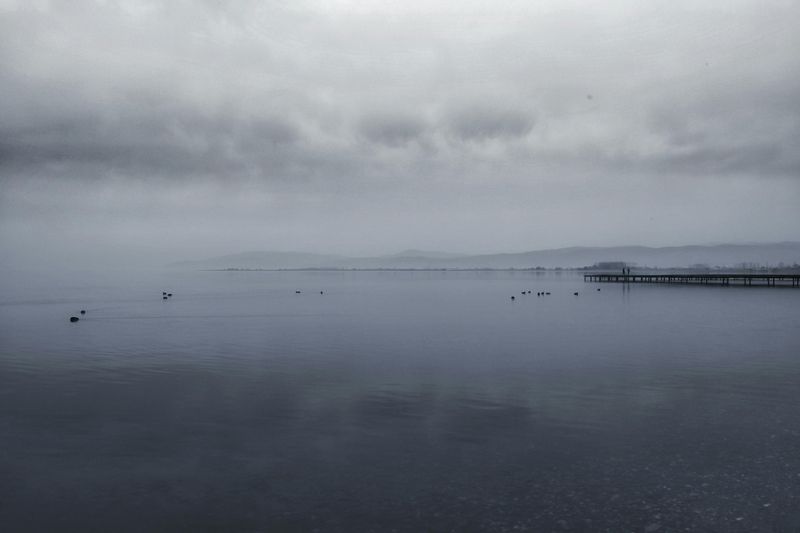
Nice weather today doesn’t mean the lake will look good tomorrow.
Storms can roll in fast, and heavy rain washes runoff straight into the water.
On big lakes like Winnebago or along Lake Michigan, people notice the change right away.
Sticks, grass, and debris pile up in corners, and the water goes cloudy in a hurry.
Crews test and post updates, but the murk can hang around even after the waves calm down.
Some lakes stay messy for days, even if they looked perfect the day before.
Anglers chase cleaner pockets near springs or upstream bays, while paddlers stick to protected channels where the silt settles out.
Families keep backup plans ready, board games or indoor stops, because thunder can flip a picnic in seconds.
I’ve had trips where we ended up at a diner instead of the dock, and to be frank, it wasn’t the worst trade.
Locals know the drill: wait it out or head somewhere with better shelter.
Forecasts become part of the routine, and patience ends up being the most important gear you bring.
The lake always comes back, but it doesn’t run on your schedule.
Make sure to keep that in mind when visiting.
The Best Spots Stay Quiet On Purpose
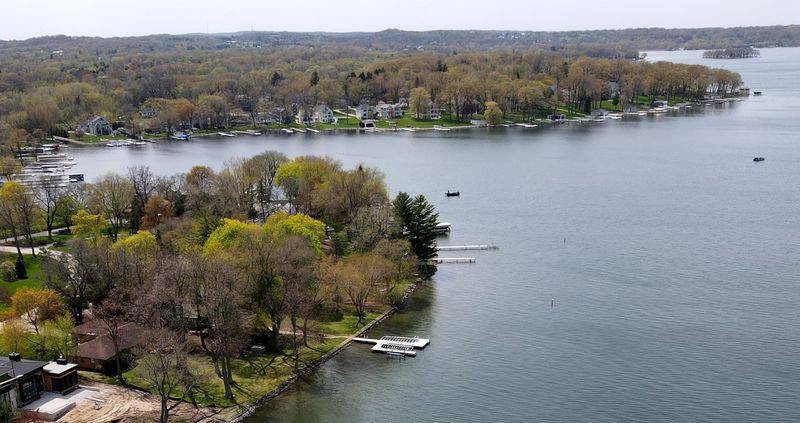
Locals know they have the most beautiful lakes.
They are just too good to blast online.
In Wisconsin, locals can be protective of the spots they really love, especially the smaller lakes that don’t get named on social media.
Clean water and quiet shorelines stick around partly because fewer cars make that last bumpy gravel turn.
The community values keeping things low-key, with respect and care instead of bragging rights.
Visitors who pack out their trash, rinse boats, and keep wakes small fit right in.
Invitations usually come by word of mouth, with directions based on landmarks instead of links.
Maps might show endless blue dots, but only a handful have the vibe people are looking for.
I’ve had friends drive right past the big-name lakes just to reach a quiet bend that never trends.
Those choices keep the peaceful spots peaceful, and locals like it that way.
Here, it’s about protecting what makes it special.
With patience, early alarms, and a little kindness toward the lake, you’ll find your own version too.
And when you do, you’ll understand why people keep it quiet.
Dear Reader: This page may contain affiliate links which may earn a commission if you click through and make a purchase. Our independent journalism is not influenced by any advertiser or commercial initiative unless it is clearly marked as sponsored content. As travel products change, please be sure to reconfirm all details and stay up to date with current events to ensure a safe and successful trip.
