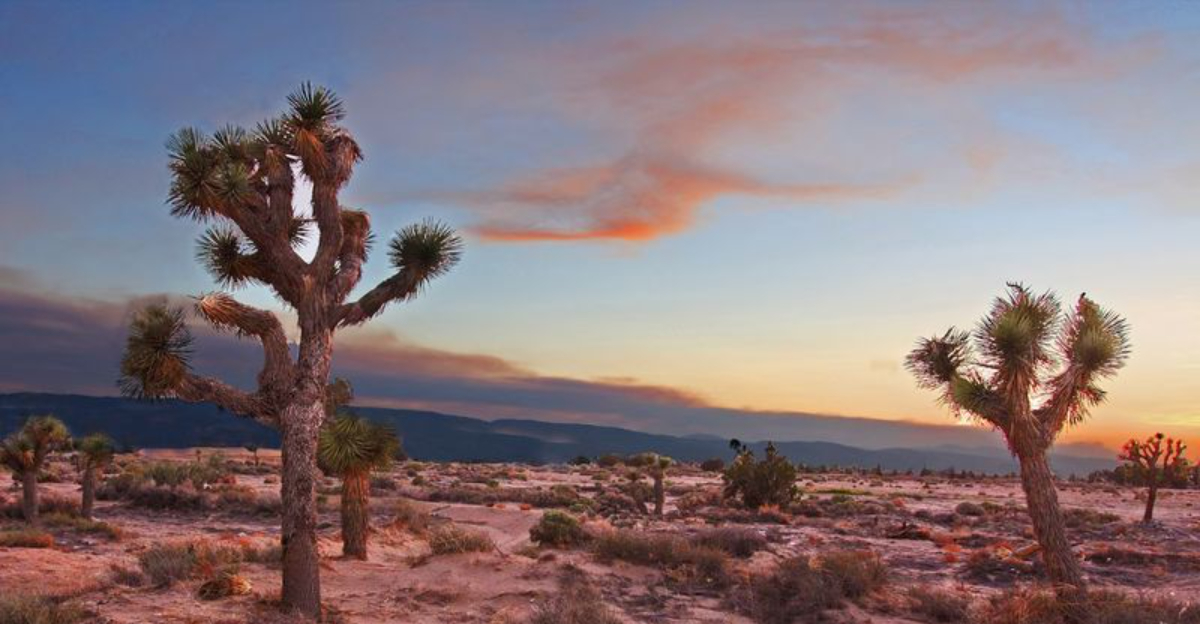
California stretches over 800 miles from north to south, offering a stunning variety of landscapes that change dramatically with every mile you drive.
Flying over this incredible state means missing the golden coastlines, towering redwoods, vast deserts, and charming small towns that make California truly magical.
When you choose a road trip instead of a flight, you transform your journey from a simple point A to point B experience into an unforgettable adventure filled with spontaneous discoveries and breathtaking views.
The freedom of the open road allows you to stop wherever your curiosity leads you, whether that means pulling over for fresh strawberries at a roadside stand or watching the sunset from a cliff overlooking the Pacific Ocean.
Road travel gives you control over your schedule and lets you experience California at your own pace, creating memories that last far longer than any quick flight ever could.
Pacific Coast Highway Offers Unmatched Scenic Beauty
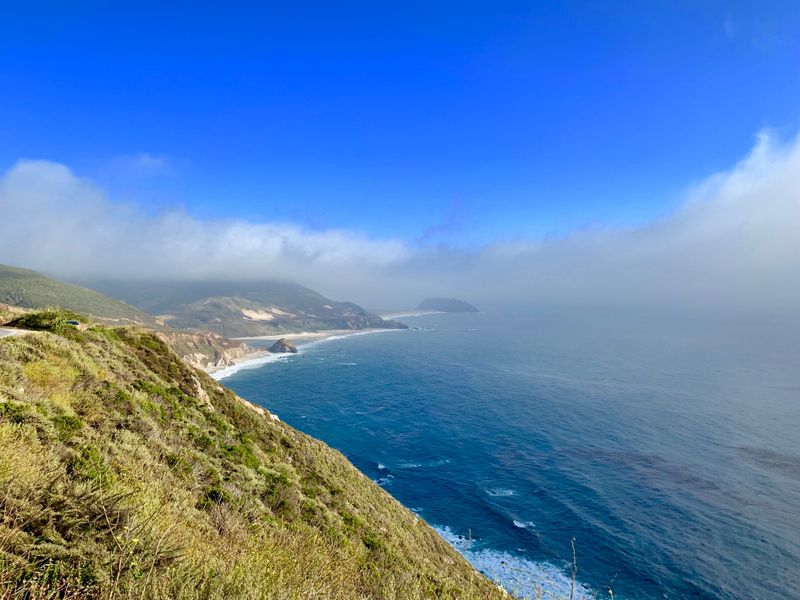
Highway 1, also known as the Pacific Coast Highway, ranks among the most beautiful coastal drives anywhere on Earth, and flying over it simply cannot capture its magic.
The route hugs the California coastline for over 650 miles, offering constantly changing views of crashing waves, dramatic cliffs, hidden beaches, and charming coastal villages.
Every curve in the road reveals something new, from sea lions basking on rocky outcrops to migrating whales spouting offshore during winter and spring months.
Big Sur represents perhaps the most spectacular section of this legendary highway, where the Santa Lucia Mountains plunge dramatically into the Pacific Ocean.
Bixby Bridge stands as an iconic landmark here, its graceful concrete arch spanning a deep canyon with nothing but wilderness and ocean surrounding it.
You can stop at numerous pullouts to take photos, hike coastal trails, or simply sit and absorb the raw beauty that surrounds you at every turn.
Charming towns dot the coastline along this route, each offering unique experiences you would completely miss from an airplane window.
Carmel-by-the-Sea welcomes visitors with fairy-tale cottages, art galleries, and a dog-friendly beach where pets can run leash-free.
Santa Barbara showcases Spanish colonial architecture, while Half Moon Bay provides fresh seafood restaurants and pumpkin patches depending on the season.
Morro Bay features its distinctive volcanic rock rising from the water, creating unforgettable photo opportunities.
The flexibility of driving means you can spend as much or as little time as you want at each location.
Watch surfers catch waves at Mavericks near Pescadero, explore tide pools at Montana de Oro State Park, or grab fish tacos at a beachside shack.
These spontaneous moments create the best travel memories and simply cannot happen when you are confined to an airplane seat flying overhead.
Small Town Charm Gets Lost at Cruising Altitude
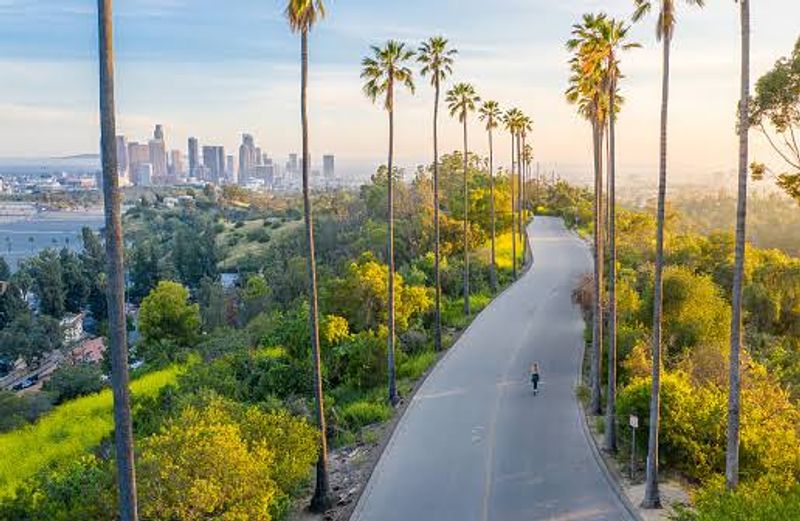
Flying directly between major cities means bypassing dozens of delightful small towns that showcase the real heart and soul of California.
These communities offer authentic experiences, local flavors, and friendly faces that provide a much richer understanding of California culture than any airport terminal ever could.
Places like Solvang transport you to Denmark with windmills and bakeries serving fresh aebleskiver, while Julian in San Diego County becomes famous for its apple pies and old-fashioned charm.
Nevada City in the Sierra Nevada foothills preserves its Gold Rush heritage with Victorian buildings housing bookstores, theaters, and cozy cafes.
The downtown area feels like stepping back in time, with wooden sidewalks and historical markers explaining the town’s colorful past.
You might catch a live performance at the historic Nevada Theatre, which opened in 1865 and still hosts shows today.
Oakhurst serves as a gateway to Yosemite but deserves exploration in its own right, offering antique shops and local restaurants serving comfort food.
Cambria sits along the coast between Los Angeles and San Francisco, featuring tide pools, art galleries, and Moonstone Beach where you can hunt for jade and other semi-precious stones.
The village atmosphere encourages leisurely strolls, and you will find locally owned businesses rather than chain stores dominating the landscape.
Ferndale in Humboldt County showcases perfectly preserved Victorian architecture and has been nicknamed “Butterfat Palaces” because dairy farming brought such prosperity to the area.
Road trips allow you to discover these hidden gems spontaneously or plan specific stops to explore communities that match your interests.
Each small town offers something unique, whether that means wine tasting in Paso Robles, browsing antiques in Cambria, or enjoying craft beer in Truckee.
These experiences add depth and character to your California adventure in ways that flying simply cannot replicate.
National Parks and Natural Wonders Require Ground Access
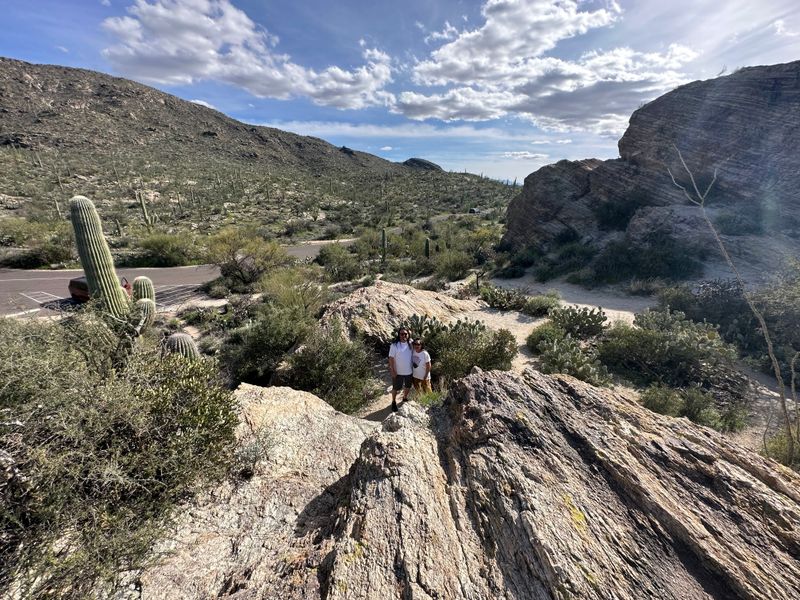
California boasts nine national parks, each protecting unique ecosystems and geological wonders that demand to be experienced up close rather than glimpsed from 30,000 feet above.
Yosemite National Park showcases granite cliffs like El Capitan and Half Dome, thundering waterfalls including Yosemite Falls, and giant sequoia groves that have stood for thousands of years.
Driving through the park allows you to stop at viewpoints, hike trails to waterfalls, and spend time in Yosemite Valley surrounded by some of Earth’s most impressive rock formations.
Sequoia and Kings Canyon National Parks protect the largest trees on the planet, including General Sherman, a giant sequoia that weighs approximately 2.7 million pounds.
Walking among these ancient giants creates a sense of awe and humility that photographs simply cannot convey.
The drive along the Generals Highway winds through mountain scenery and connects both parks, offering numerous opportunities to explore groves, hike to waterfalls, and spot wildlife like black bears and mule deer.
Joshua Tree National Park sits where the Mojave and Colorado deserts meet, creating a unique landscape filled with the park’s namesake trees, massive boulder formations, and spectacular stargazing opportunities.
The park requires ground transportation to access its hiking trails, rock climbing areas, and scenic drives like Keys View Road, which offers panoramic vistas stretching to Mexico on clear days.
Redwood National and State Parks in Northern California protect the world’s tallest trees, and driving through these ancient forests on the Avenue of the Giants creates an unforgettable experience.
Death Valley National Park holds the record as the hottest, driest, and lowest point in North America, yet it offers stunning landscapes including colorful badlands, salt flats, and sand dunes.
Each park requires time to explore properly, something only possible when traveling by road with the flexibility to stay as long as your schedule allows.
Spontaneous Roadside Discoveries Create Best Memories

Some of the most memorable travel experiences happen completely unplanned, when you spot something interesting from the road and decide to pull over and investigate.
California’s highways feature countless roadside attractions, fruit stands, quirky landmarks, and scenic overlooks that reward curious travelers who embrace spontaneity.
A hand-painted sign advertising fresh strawberries might lead you to a family farm where you can pick your own berries and taste the difference between supermarket produce and fruit picked at peak ripeness.
Roadside diners and mom-and-pop restaurants serve authentic regional cuisine that reflects California’s incredible diversity.
You might discover the best fish tacos you have ever eaten at a tiny shack near the beach, or find a barbecue joint in the Central Valley that has perfected its craft over three generations.
These establishments rarely advertise online or appear in guidebooks, making them true hidden treasures that only road travelers encounter.
The personal interactions with owners and staff add warmth and connection to your journey that chain restaurants at airports never provide.
Historical markers dot California’s roads, telling stories about Gold Rush towns, Spanish missions, important battles, and significant cultural sites.
Taking a few minutes to read these markers and explore the surrounding area deepens your understanding of California’s rich and complex history.
You might stumble upon abandoned mining equipment, old railroad trestles, or preserved pioneer cabins that bring the past to life in tangible ways.
Quirky attractions like the Madonna Inn in San Luis Obispo, with its themed rooms and pink exterior, or the mystery spot in Santa Cruz become delightful surprises when discovered during a road trip.
Even simple moments like pulling over to watch a spectacular sunset, photographing wildflowers blooming across hillsides, or cooling off in a swimming hole create stories you will share for years to come.
Wine Country Exploration Demands Leisurely Ground Travel
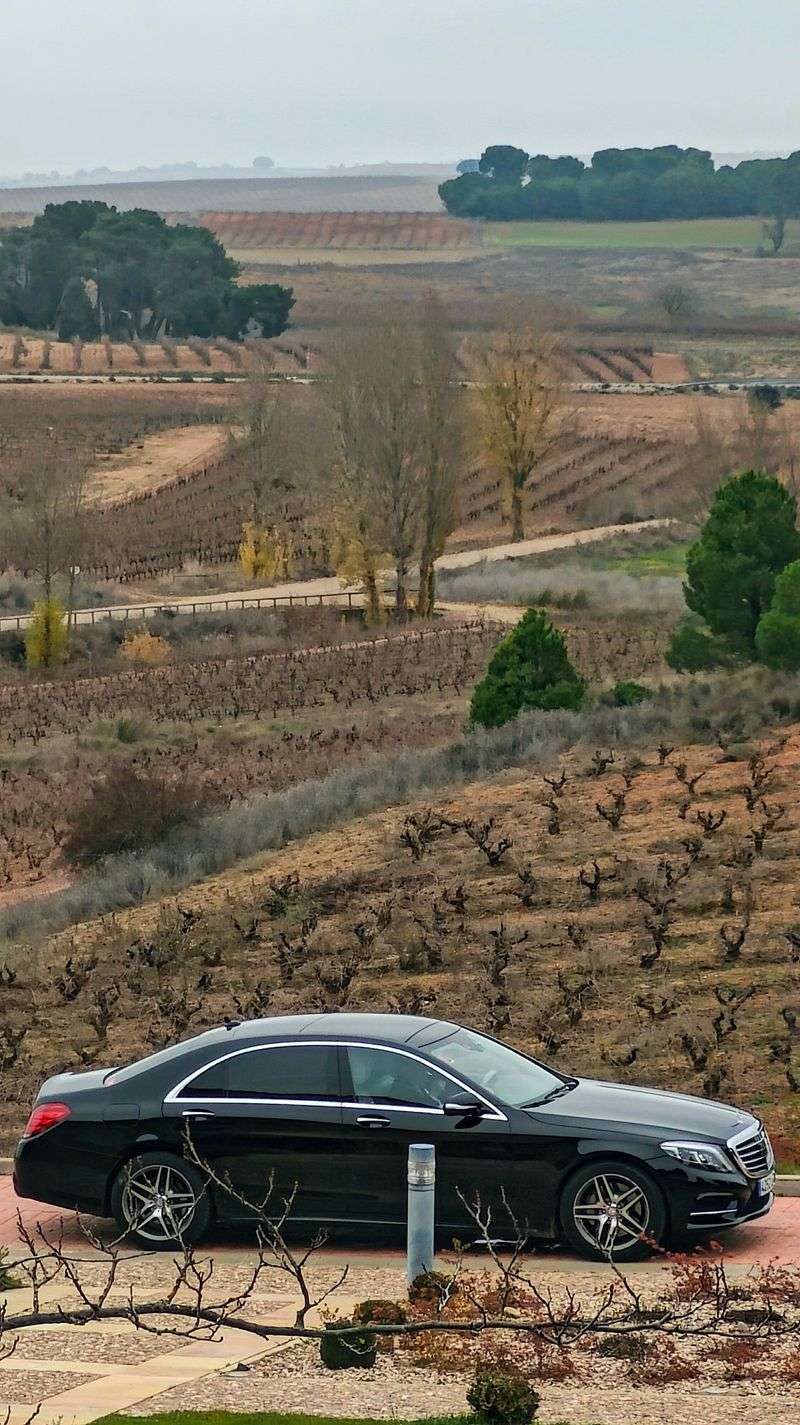
California produces approximately 85 percent of American wine, and its wine regions rank among the most beautiful agricultural landscapes anywhere in the world.
Napa Valley and Sonoma County attract the most attention, but numerous other regions including Paso Robles, Santa Barbara County, and the Sierra Foothills offer excellent wines and stunning scenery.
Exploring wine country by car allows you to visit multiple wineries, taste different varietals, learn about winemaking processes, and enjoy farm-to-table meals that pair perfectly with local wines.
The Silverado Trail in Napa Valley provides a more relaxed alternative to busy Highway 29, winding past prestigious wineries, olive groves, and estates tucked into hillsides.
Many wineries require reservations for tastings, but driving allows you to schedule multiple stops throughout the day and discover smaller, family-owned operations that offer more personal experiences.
Sonoma County encompasses several distinct wine regions including Russian River Valley, Dry Creek Valley, and Alexander Valley, each known for different grape varieties and wine styles.
Beyond wine tasting, these regions offer farmers markets, artisan cheese makers, olive oil producers, and restaurants showcasing California’s farm-fresh cuisine.
The French Laundry in Yountville holds three Michelin stars and represents the pinnacle of fine dining, while more casual establishments serve wood-fired pizzas, charcuterie boards, and seasonal dishes.
Paso Robles wine country features more than 200 wineries spread across rolling hills, offering a less crowded alternative to Napa with equally impressive wines at more affordable prices.
Driving through wine country during harvest season in September and October adds another dimension to the experience, as you witness grapes being picked and crushed.
The changing seasons paint the vineyards in different colors, from spring’s bright green new growth to fall’s golden and crimson leaves.
Responsible wine touring means designating a driver or hiring a tour service, ensuring everyone can safely enjoy the tastings while appreciating the beautiful countryside.
Desert Landscapes Reveal Surprising Beauty and Solitude
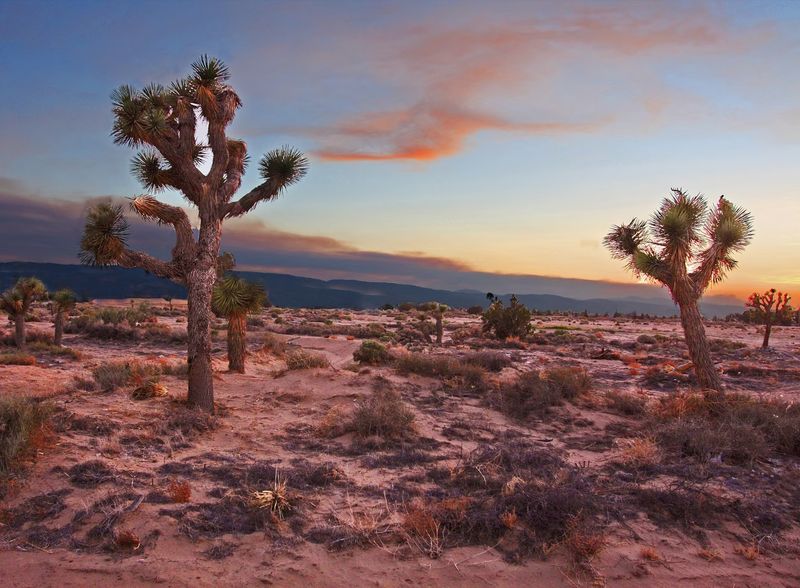
California’s desert regions cover vast areas and offer experiences completely different from the state’s famous coastline and forests.
The Mojave Desert, Colorado Desert, and portions of the Great Basin Desert create landscapes of stark beauty where silence, space, and starry skies provide a refreshing contrast to crowded cities.
Driving through these regions allows you to appreciate subtle changes in terrain, vegetation, and light that make desert environments endlessly fascinating to those who take time to really look.
Joshua Tree National Park protects the unique landscape where two deserts meet, but the surrounding areas also deserve exploration.
Pioneertown, built as a movie set in 1946, now hosts live music at Pappy and Harriet’s, a legendary venue that attracts major artists despite its remote location.
The Integratron near Landers offers sound baths in a structure designed for acoustically perfect resonance, creating a uniquely California experience that blends New Age spirituality with mid-century architecture.
Anza-Borrego Desert State Park spreads across more than 600,000 acres, making it California’s largest state park and a paradise for hikers, photographers, and wildflower enthusiasts.
During wet years, spring transforms the desert into a carpet of colorful blooms including desert sunflowers, lupines, and brittlebush.
The park features slot canyons, palm oases, badlands, and numerous hiking trails ranging from easy walks to challenging backcountry routes that require navigation skills.
Desert hot springs provide natural relaxation opportunities, with places like Tecopa Hot Springs offering mineral pools under star-filled skies.
The desert’s dry air and lack of light pollution create ideal conditions for stargazing, and many visitors find the quiet solitude spiritually refreshing.
Driving through these vast spaces reminds us how much empty, wild land still exists, offering perspective and peace that our busy lives often lack completely.
Seasonal Changes and Regional Festivals Reward Flexible Timing
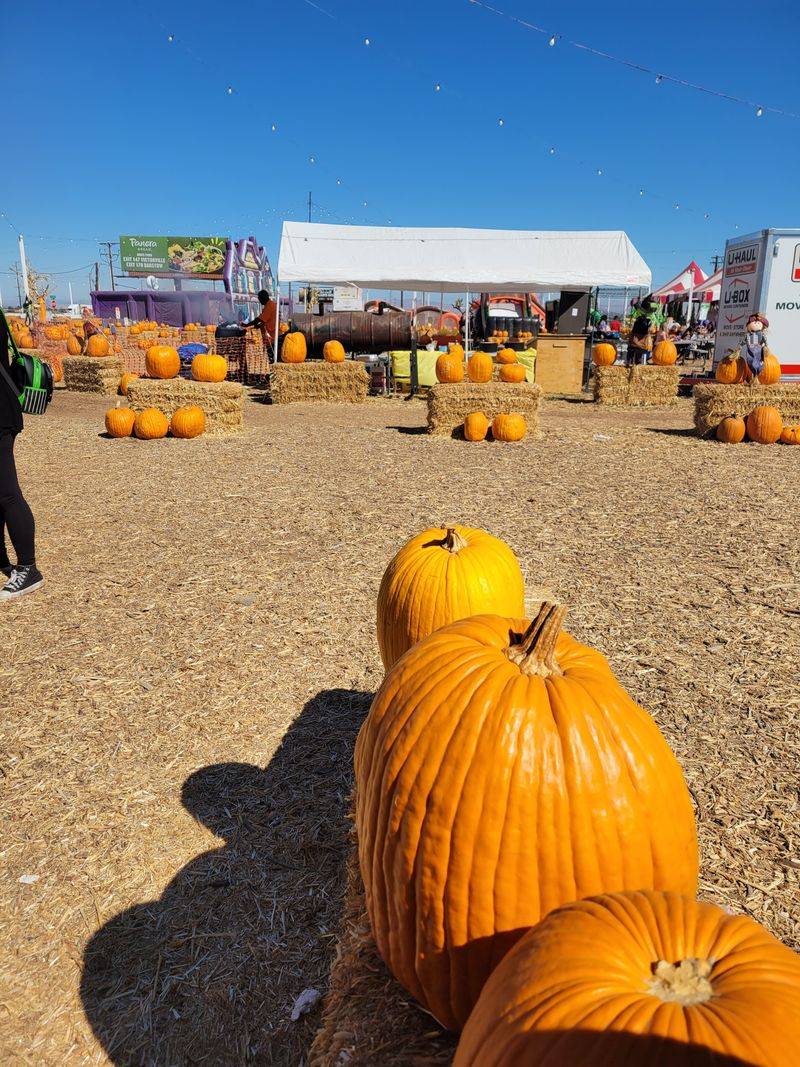
Flying on fixed schedules means potentially missing seasonal events, harvest celebrations, and natural phenomena that make California special at different times of year.
Road trips offer the flexibility to time your visit for specific events or natural occurrences, whether that means catching the monarch butterfly migration in Pacific Grove, attending the Gilroy Garlic Festival, or seeing wildflowers bloom across the Antelope Valley.
Spring brings California poppies painting hillsides orange, while fall transforms wine country into a tapestry of gold and crimson leaves.
County fairs throughout California celebrate local agriculture, culture, and community with livestock shows, carnival rides, concerts, and competitions for everything from preserves to photography.
The California State Fair in Sacramento runs for several weeks each summer, but smaller county fairs offer more intimate experiences and authentic glimpses into rural California life.
Artichoke festivals in Castroville, strawberry festivals in Oxnard, and cherry festivals in Beaumont celebrate regional crops with food, music, and family activities that welcome visitors.
Coastal California experiences dramatic seasonal changes in marine life, with gray whales migrating past the shore from December through April.
Elephant seals gather at Año Nuevo State Park and Piedras Blancas to breed and give birth, creating wildlife viewing opportunities that rival anything you might travel to exotic locations to see.
Fall brings salmon runs up California rivers, attracting bears, eagles, and fishermen to streams throughout the northern part of the state.
Holiday events transform many California communities, with elaborate Christmas light displays, Halloween parades, and Fourth of July celebrations that reflect local character and traditions.
Driving allows you to participate in these events rather than simply passing overhead, creating connections with communities and experiencing California’s cultural diversity firsthand.
The ability to adjust your route and schedule based on weather, events, and personal interests makes road travel infinitely more rewarding than rigid flight itineraries.
Dear Reader: This page may contain affiliate links which may earn a commission if you click through and make a purchase. Our independent journalism is not influenced by any advertiser or commercial initiative unless it is clearly marked as sponsored content. As travel products change, please be sure to reconfirm all details and stay up to date with current events to ensure a safe and successful trip.
