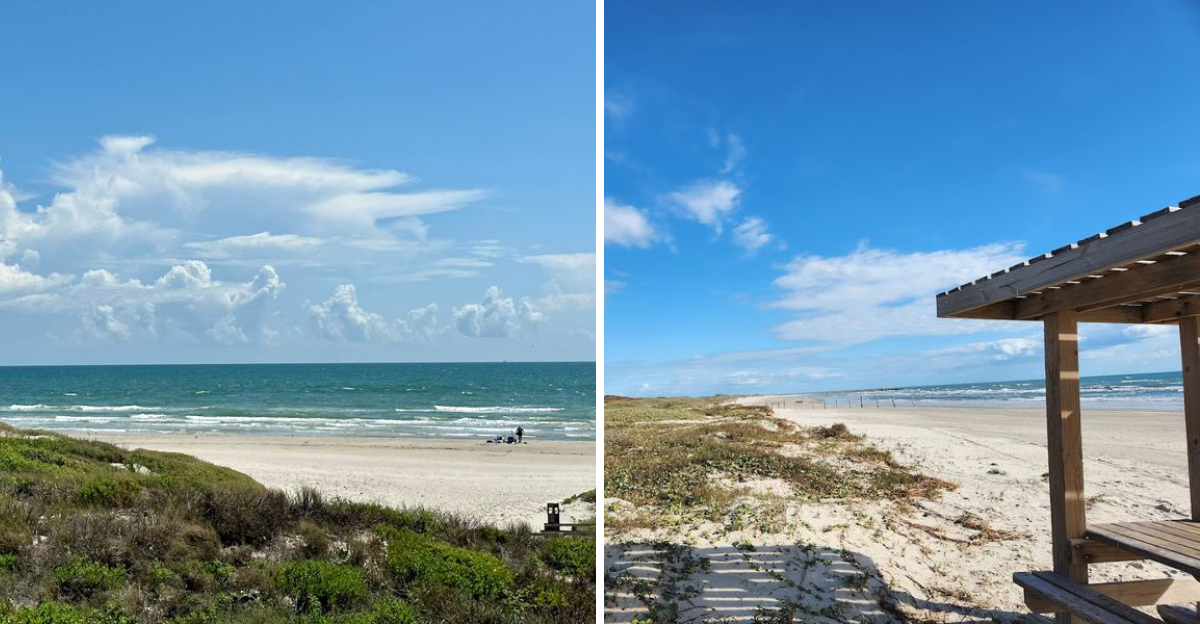
A beach without a single high?rise condo in sight is a rare thing these days. These seven Texas spots keep the wild vibe alive.
Think miles of empty sand, dunes that shift with every storm, and water that stretches all the way to the horizon. No boardwalks, no souvenir shops, just the Gulf doing its thing.
One of them is actually the longest undeveloped barrier island in the world, and another is so off the grid that a cattle gate stands between you and the shore. This is the Texas coast before the crowds showed up.
Pack some patience, a full tank of gas, and a healthy respect for gravel roads.
1. San Jose Island, St. Joseph Island
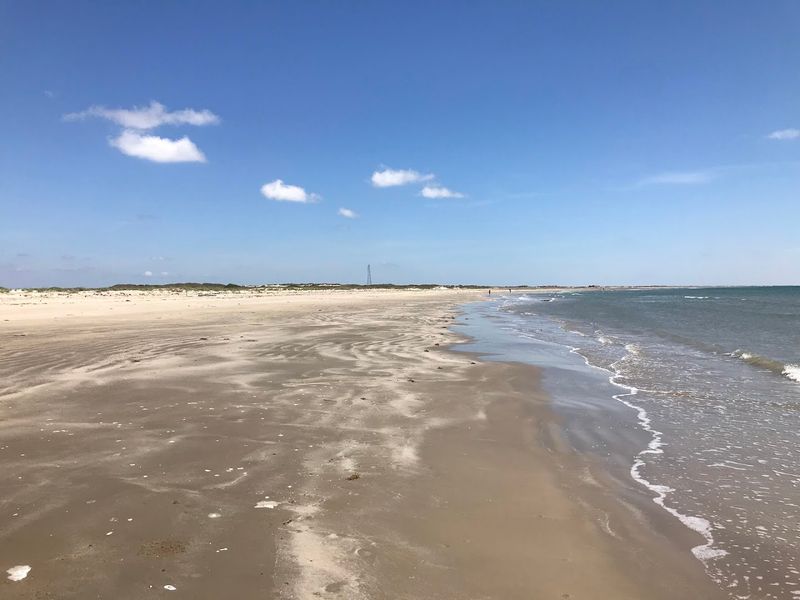
Getting to San Jose Island requires a little extra effort, and honestly, that effort is exactly what keeps it so extraordinary. There are no roads on the island, no hotels, no permanent residents, and no concession stands waiting on the other side of the ferry from Port Aransas.
Just 21 miles of barrier island doing exactly what nature intended.
The ferry crossing is short, but arriving on the sand feels like crossing into a completely different world. The quiet hits you first.
Then the space. The beach stretches in both directions with nothing built on it, and the dunes rise up behind the shoreline like soft walls keeping the outside world at bay.
Shell collecting here is genuinely exceptional. Because fewer visitors make the trip, shells accumulate undisturbed along the waterline, and you can spend an entire morning hunched over the sand finding pieces that would be long gone on a more trafficked beach.
Some visitors have found whelks, sand dollars, and olive shells in remarkable condition.
The remoteness of San Jose Island also means the wildlife is less skittish than on busier shores. Shorebirds patrol the surf line without much concern for human presence, and the dunes behind the beach host their own quiet ecosystem worth exploring slowly.
I think what makes this island linger in the memory is how completely it disconnects you. No signal, no noise, no agenda.
You bring what you carry and you leave with whatever the island decides to give you, whether that is a handful of shells or just a few hours of genuine stillness. For a place that takes a little work to reach, San Jose Island gives back more than most beaches ever could.
2. Brazos Island Park, Boca Chica Beach
At the very southern tip of Texas, where the Rio Grande quietly meets the Gulf of Mexico, Boca Chica Beach sits at the edge of everything.
It is the kind of place that feels genuinely far from ordinary life, partly because of how long the access road stretches through flat, open terrain before the beach finally appears.
The drive in sets the mood. There are no billboards, no fast food signs, no strip malls leading the way.
Just scrub brush, open sky, and the occasional bird of prey circling overhead. By the time the sand comes into view, you already feel like you have earned it.
The beach itself is wide and open, with dramatic dunes pushing up from the shore and a total absence of the commercial infrastructure that defines most Gulf beach towns. No hotels, no concession stands, no lifeguards.
What you get instead is raw coastline and the kind of solitude that is genuinely hard to find on the Texas Gulf.
Wildlife thrives here because of that seclusion. Shorebirds cluster along the waterline in impressive numbers, and the area around the Rio Grande delta draws species that birders travel significant distances to see.
The open sand also makes it easy to spot tracks from animals that passed through before sunrise.
The nearby SpaceX launch facility has added a surreal modern element to this ancient landscape, and on launch days the contrast between the primal coastline and the rockets on the pad is something that sticks with you. Boca Chica is not polished or convenient, and that is precisely what makes it worth the trip.
Address: Boca Chica Beach, Brownsville, TX
3. Sea Rim State Park
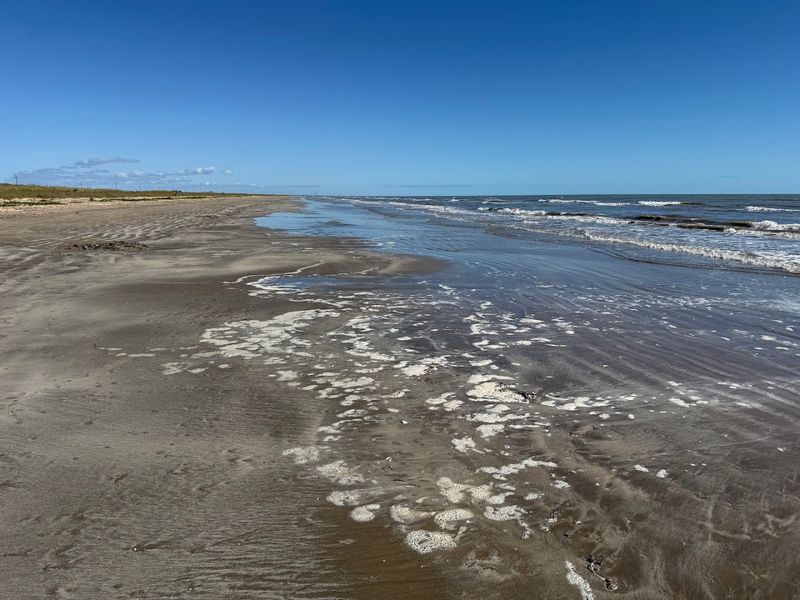
Sea Rim State Park occupies a genuinely unusual stretch of the upper Texas coast, where the Gulf beach on one side and 4,000 acres of marshland on the other create an ecosystem that feels nothing like the barrier islands further south.
The park sits near the Louisiana border, and the landscape carries that borderland quality, a little wilder, a little wetter, and a lot less visited.
The beach runs for five miles and stays uncrowded even during peak season. The sand here is darker and more compact than the powdery white found further down the coast, and the Gulf water takes on deeper tones that shift with the weather.
There is a heaviness to the air that reminds you how close the bayou country is.
Primitive camping directly on the sand is one of the park’s best offerings. Falling asleep to the sound of waves with no city glow on the horizon and waking up to a marsh fog that slowly burns off in the morning sun is the kind of thing that makes you feel genuinely small in the best possible way.
The marshland section of the park is where things get really interesting. Kayakers who paddle into the interior channels can encounter alligators resting on the banks, along with herons, egrets, and an impressive variety of waterfowl.
It is not the kind of paddling experience where you zone out. You stay alert, and that alertness makes every moment feel vivid.
Raccoons, coyotes, and various migratory birds round out the wildlife roster in a park that rewards visitors who take their time. Sea Rim does not try to impress you with amenities.
It impresses you with everything it has left exactly as it found it.
Address: 19335 TX-87, Sabine Pass, TX
4. Matagorda Beach
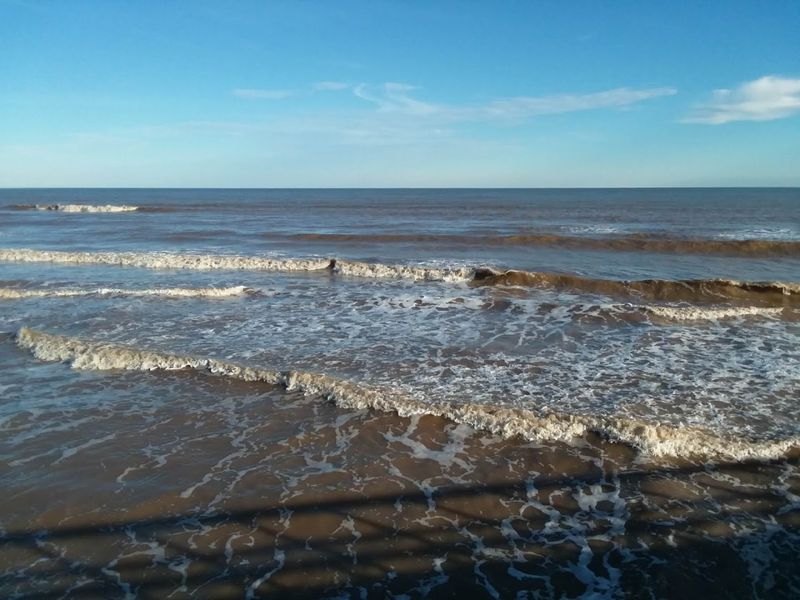
About 80 miles southwest of Houston, Matagorda Beach sits at the mouth of the Colorado River where freshwater and saltwater have been mixing for centuries.
The area feels unhurried in a way that is genuinely uncommon on the Texas coast, and the drive through the flat coastal plain to get there only adds to that sense of slow, deliberate arrival.
The LCRA Matagorda Bay Nature Park encompasses around 1,600 acres of some of the least disturbed beach on the entire Gulf Coast. That is not a casual claim.
The combination of the river delta, the open Gulf, and the protected bay behind the barrier creates a layered habitat that supports an extraordinary range of wildlife.
Over 300 bird species have been recorded in the area, and during migration season the numbers can be staggering. Roseate spoonbills, whooping cranes, bald eagles, and dozens of shorebird species all pass through or winter here.
Bring good binoculars and a field guide, and a single morning walk can turn into a full day without you noticing.
Fishing is another major draw, and the beach sees a steady but never overwhelming stream of anglers who come for the redfish, flounder, and speckled trout that work the surf line. Four-wheel-drive vehicles with the proper permit can access the sand directly, making it easier to haul gear to a favorite spot.
Free camping is available, which makes the whole experience feel refreshingly uncomplicated. There are no crowds pushing for space, no noise bleeding in from nearby attractions.
Just the river, the Gulf, the birds, and however much time you brought with you.
Address: 6420 FM Rd 2031, Matagorda, TX
5. McFaddin Beach
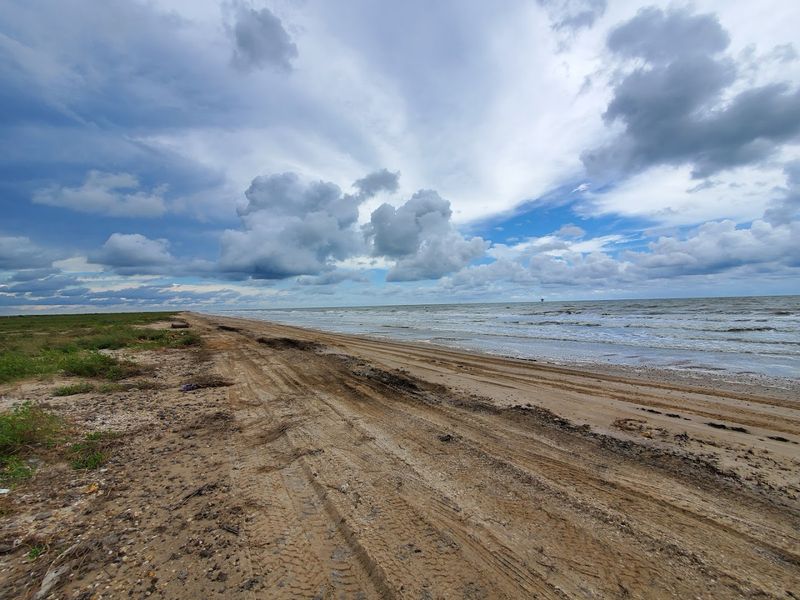
McFaddin Beach is the kind of place that feels like a secret even when you are standing on it. Stretching 15 miles along the Gulf within the McFaddin National Wildlife Refuge in Jefferson County, the beach is remote enough that four-wheel drive is not just recommended but genuinely necessary.
The sand here is soft and unpredictable, and it will swallow a two-wheel-drive vehicle without much hesitation.
The water carries a natural coffee color from the Sabine River, which gives the surf a distinctly different look from the clearer waters further south. It takes a moment to adjust to, but that color is part of the beach’s identity.
It tells you something about the land it comes from, the dark, fertile, river-fed country that defines this corner of Texas.
What really sets McFaddin apart is what storms leave behind. Ancient fossils and artifacts have been known to wash ashore here after rough weather, remnants of a time when this coastline looked nothing like it does today.
Visitors who walk slowly and look carefully have found bones, teeth, and other fragments that carry thousands of years of history in them.
Fishing draws a loyal crowd of regulars who know the beach’s rhythms well. The surf fishing here is considered among the best on the upper Texas coast, and the refuge setting means the wildlife around you while you cast is consistently impressive.
Shorebirds, wading birds, and occasional alligators in the nearby wetlands keep the surroundings lively.
Camping on the beach is permitted, and the nights out here are extraordinarily dark and quiet. There is a particular kind of satisfaction in being somewhere this far removed from convenience.
McFaddin does not coddle you, and that is entirely the point.
Address: 5632 Clam Lake Rd, Sabine Pass, TX
6. Mustang Island State Park
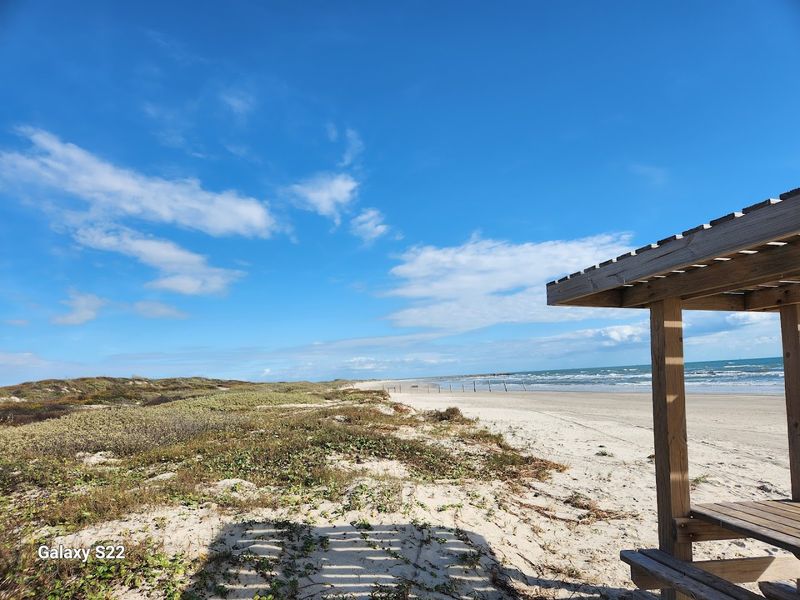
Mustang Island sits between Port Aransas and Corpus Christi, and the state park hidden along its shoreline protects five miles of beach that somehow manages to stay quieter than you would expect given how close it is to both towns.
The sand is soft and pale, the kind that squeaks faintly under your feet on a dry morning.
The park is part of the same barrier island chain that includes Padre Island, so the landscape carries that same broad, open quality where the sky feels enormous and the horizon seems further away than it should.
Coastal dunes run behind the beach, anchored by native grasses and low shrubs that give the whole stretch a wilder feel than a typical developed shoreline.
Surfing, swimming, and kayaking are all popular here, and the park has marked paddling trails through the back bay that offer a completely different perspective on the island.
Gliding through calm water with marsh grass on both sides, spotting herons and egrets perched just a few feet away, feels almost meditative compared to the energy of the open beach.
Beachfront camping is available, and waking up to the sound of waves with nothing between your tent and the Gulf is one of those experiences that makes you wonder why you do not do it more often.
The facilities are well-maintained, which makes the park accessible even for visitors who are newer to camping.
Birdwatching is consistently rewarding throughout the year, with migratory species passing through during spring and fall. The park strikes a balance between accessible and genuinely wild that is harder to find than it sounds.
Address: 9394 Texas Hwy 361, Port Aransas, TX
7. Padre Island National Seashore
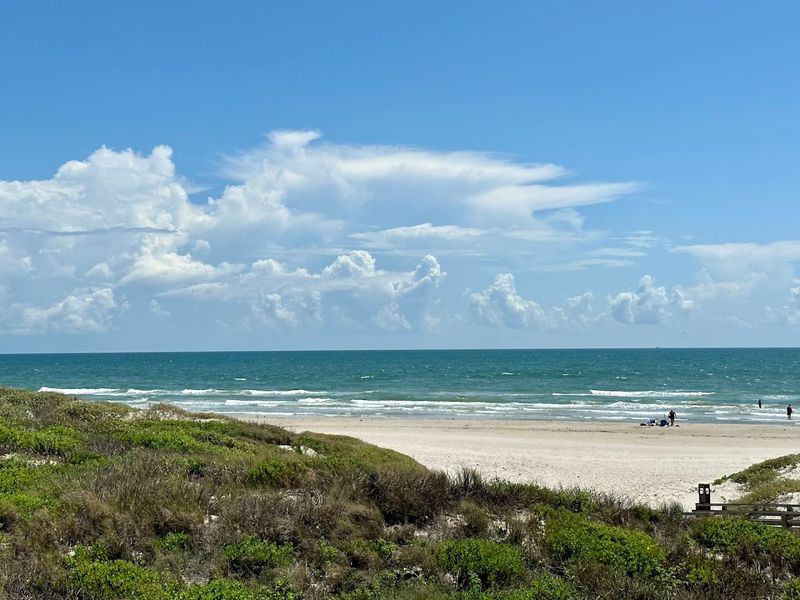
Few places in the United States can claim the kind of raw, uninterrupted wilderness that Padre Island National Seashore holds along the Texas Gulf Coast.
Stretching over 70 miles, it is the longest undeveloped barrier island in the world, and that fact alone sets the tone before you even step onto the sand.
The beach here does not feel like a typical destination. Past the visitor center at Malaquite Beach, the paved road ends and the real island begins.
Most of the shoreline is accessible only by four-wheel-drive vehicles, which means the further south you go, the more the crowds thin out until it feels like you have the entire Gulf to yourself.
Malaquite Beach itself offers a gentler entry point, with fine white sand, outdoor showers, and restrooms nearby. The water stays relatively calm compared to other Gulf spots, making it a comfortable place to wade or simply sit and watch the waves roll in.
What truly sets Padre Island apart is its role as a protected nesting ground for the Kemp’s ridley sea turtle, one of the most endangered sea turtle species on earth.
From April through July, the park staff conducts public hatchling releases, and watching tiny turtles scramble toward the Gulf for the first time is one of those experiences that quietly rewires something in your chest.
The island is also a birdwatcher’s dream, with over 380 species recorded across its dunes and coastal prairies. Bring binoculars and patience, and the island will reward you generously.
Camping directly on the beach under a sky full of stars is something that belongs on every Texas travel list, no question about it.
