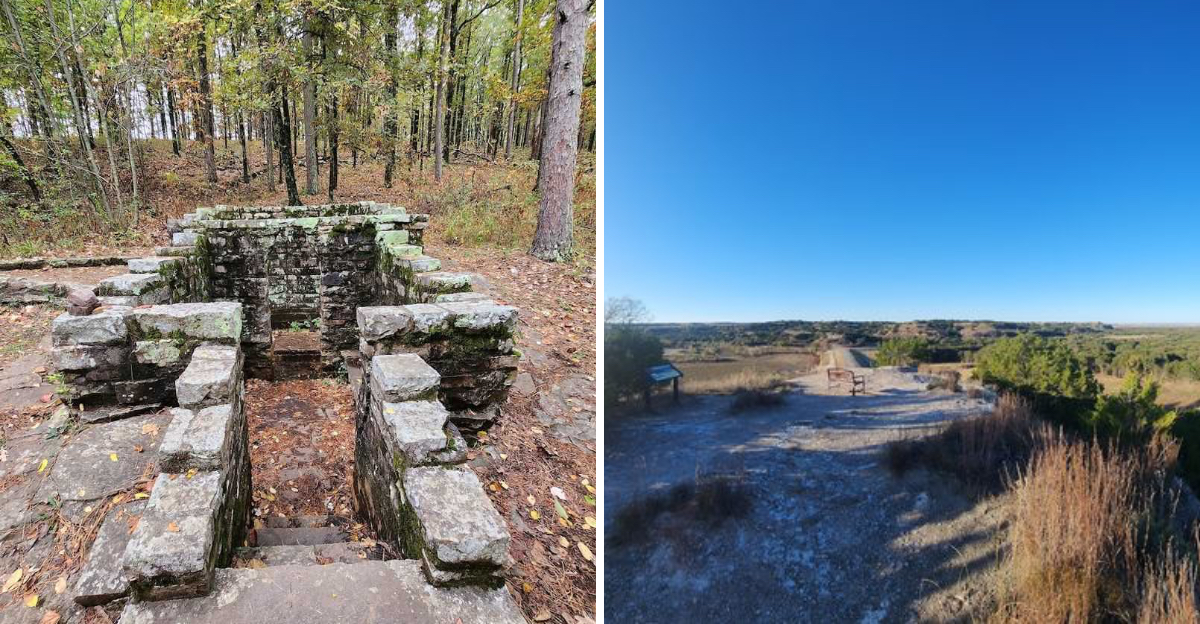
The phone buzzes for the last time. Then nothing. No signal bars. No notifications.
Just you, the trail, and the kind of quiet that makes city dwellers a little nervous at first. Oklahoma has more than its share of paved paths and casual nature walks, but these 12 trails are different.
They are wild. They are rugged.
And they have a way of making you feel like you have stepped off the edge of the map entirely. You will scramble over boulders, push through tallgrass that tickles your elbows, and crest ridges that reveal nothing but trees and sky in every direction.
Pack extra water, tell someone your general plan, and prepare to be alone with your thoughts for a while. That is the whole point.
Here are 12 Oklahoma trails that deliver the off grid experience you have been craving.
1. Charon’s Garden Mountain Trail, Wichita Mountains Wildlife Refuge, Oklahoma
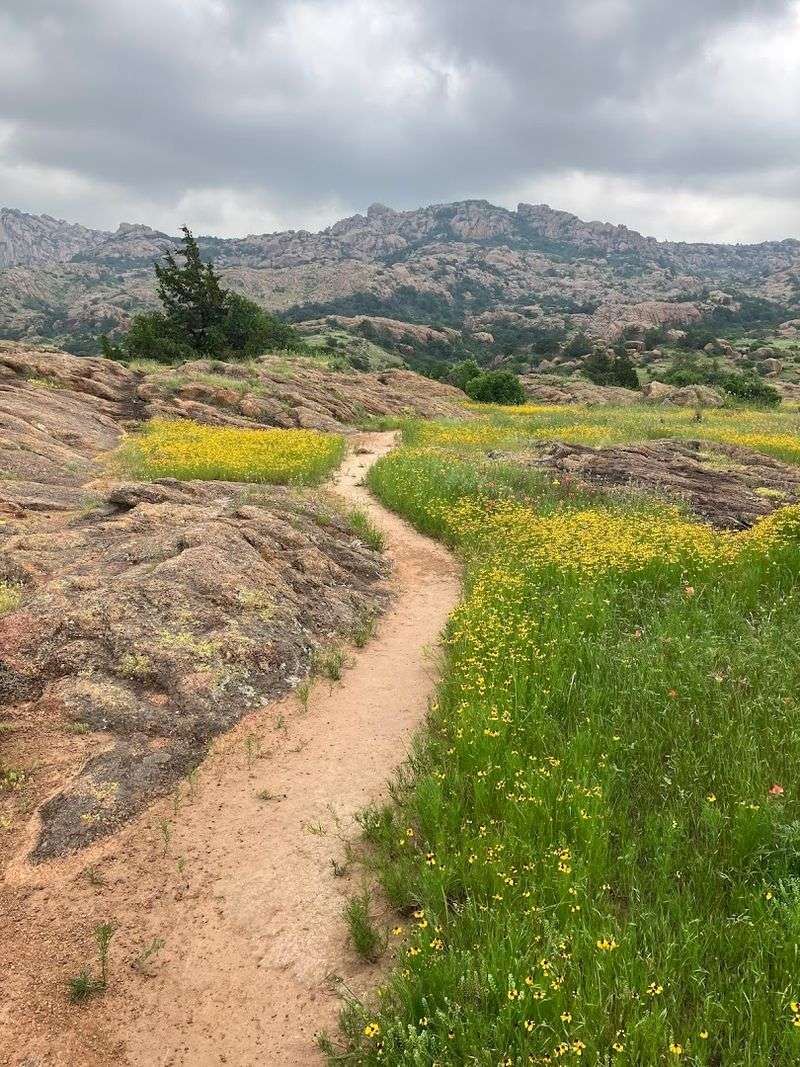
Few trails in Oklahoma hit you with this kind of raw, prehistoric energy right from the first step. Charon’s Garden Mountain Trail sits inside the Wichita Mountains Wildlife Refuge near Lawton, in southwestern Oklahoma.
This 2.4-mile out-and-back route drops you into a boulder-filled canyon valley that looks like it belongs on another planet. Massive granite formations tower on both sides of the path, and narrow passages between rocks keep you fully focused on every move.
I spotted wild bison grazing just beyond the trail edge on my first visit here. Longhorns wander the open meadows nearby, and the whole atmosphere feels genuinely untamed in a way that is hard to describe until you experience it yourself.
Hidden natural pools tuck themselves between the boulders, especially after rainfall. The scrambling sections require you to use both hands and feet, so this trail rewards those who are comfortable with uneven, technical terrain.
The backcountry atmosphere here is not just a phrase used to sell the experience. There are no guardrails, no paved paths, and no crowds pushing you along.
Just you, the rocks, and the wind moving through the canyon.
Morning visits offer the best lighting for photography, and the granite catches golden tones beautifully at sunrise. Summer heat can be intense in this region, so starting early is a smart move.
This trail is genuinely one of Oklahoma’s most dramatic, and it earns every bit of the reputation it has built among serious hikers who know the state well.
2. Elk Mountain Trail, Wichita Mountains Wildlife Refuge, Oklahoma
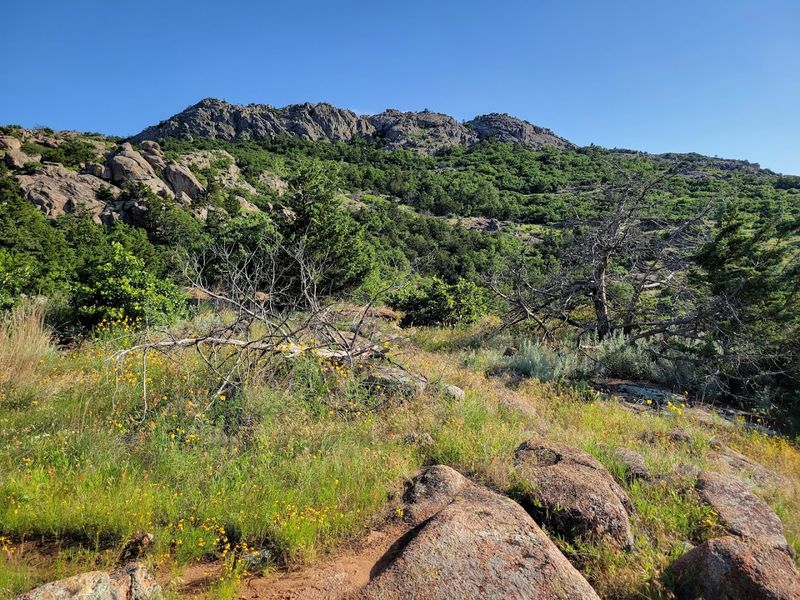
Standing on top of Elk Mountain feels like the rest of the world has simply ceased to exist. This 2.3-mile out-and-back trail at Wichita Mountains Wildlife Refuge near Lawton, in southwestern Oklahoma, delivers one of the most rewarding summit experiences in the entire state.
The climb starts straightforward enough, but the granite surfaces grow steeper and more demanding as you near the top. Ancient rock textures grip your boots well, which is reassuring when the exposure increases on the upper sections.
Wind-carved rock mazes spread across the summit plateau, creating a surreal landscape that almost feels sculpted. The flat top rewards your effort with sweeping views over deep wilderness terrain that stretches far beyond what any road could reach.
Profound solitude is the real gift here. On the mornings I have hiked this trail, the only sounds were wind and distant bird calls.
No traffic, no voices, just the kind of quiet that resets something inside you.
Wildlife sightings are common throughout the refuge, and bison often graze in the valleys visible from the summit. Keeping a respectful distance from these animals is always the right call.
Spring and fall bring comfortable temperatures and clear skies that make the views even sharper. Summer hiking is possible but demands an early start and plenty of water, as shade is limited on the upper granite sections.
Elk Mountain is the kind of trail that stays with you long after the drive home, and it has a way of pulling you back for another visit every single season.
3. Rough Canyon Trail, Robbers Cave State Park, Oklahoma
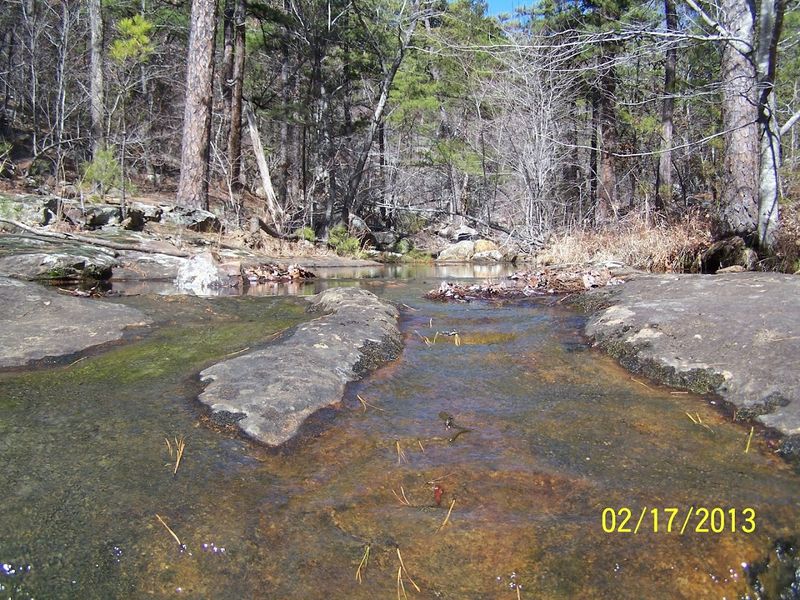
Most people who visit Robbers Cave State Park near Wilburton, in eastern Oklahoma, stick to the famous caves and never wander further. Rough Canyon Trail is the reward waiting for those who keep walking past the crowds.
This 2.9-mile loop moves through a completely different world once the tourist area fades behind you. Jagged sandstone boulders stack up along both sides of the path, and the terrain becomes increasingly wild with every quarter mile.
Steep rock ridges rise sharply above the trail, and the dense pine forest creates a canopy that blocks out a surprising amount of sky. The combination of sandstone textures and forest shadows makes this one of the most visually interesting trails I have explored in eastern Oklahoma.
The trail does not follow a groomed path for long. Navigating around boulders and scrambling over rocky sections keeps your attention completely engaged throughout the loop.
I have never felt the solitude here that I expected, because the trail genuinely earns its reputation for feeling remote. The sounds of the park’s busier areas disappear quickly, replaced by wind through the pines and the occasional creak of old timber.
Fall is particularly spectacular here when the oaks and maples add bursts of orange and red against the grey sandstone. Spring brings wildflowers tucked into rocky crevices that catch you off guard.
Pack sturdy footwear for this one because the rocky terrain is unforgiving on anything less. Rough Canyon Trail is short enough for a half-day adventure but wild enough to feel like a full expedition.
4. Canyon Trail, Red Rock Canyon Adventure Park, Oklahoma
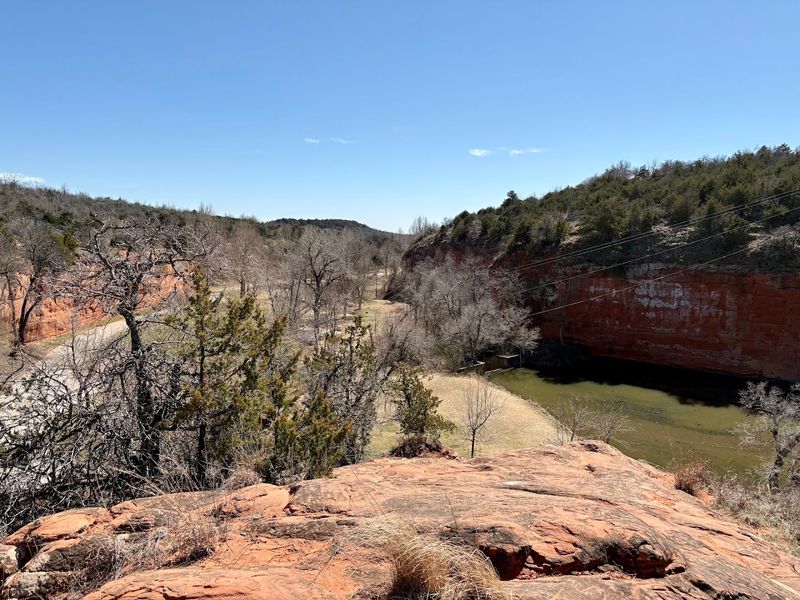
Dropping into Red Rock Canyon Adventure Park near Hinton, in central Oklahoma, feels like stepping through a door that leads somewhere completely unexpected. The Canyon Trail is a 1.0-mile out-and-back route, but do not let that short distance fool you about the impact it delivers.
The trail descends directly to the canyon floor, and as you move lower, those towering 80-foot red sandstone walls begin closing in around you. The outside world simply disappears behind layers of rust-colored rock.
A cool microclimate exists down on the canyon floor that is noticeably different from the open plains above. Temperatures drop, moisture increases, and a primitive forest of ferns, mosses, and old cedar trees fills every available space between the rock walls.
The red clay and sandstone tones are unlike anything else in Oklahoma. After rainfall, the colors deepen dramatically, and the canyon walls take on a richness that photographs struggle to fully capture.
I always linger longer than planned at the canyon floor because the atmosphere there is genuinely calming. The rock walls act as a natural sound barrier, creating a pocket of stillness that feels protected from everything outside.
Children and less experienced hikers can manage this trail, though the descent and return climb require reasonable fitness. The footing can be slippery after rain, so choosing a dry day or wearing grippy footwear is wise.
Red Rock Canyon Adventure Park also offers climbing routes on those same canyon walls, making it an easy choice for a full day of outdoor adventure in a setting that keeps delivering surprises at every turn.
5. David Boren Trail: Skyline Segment, Beavers Bend State Park, Oklahoma
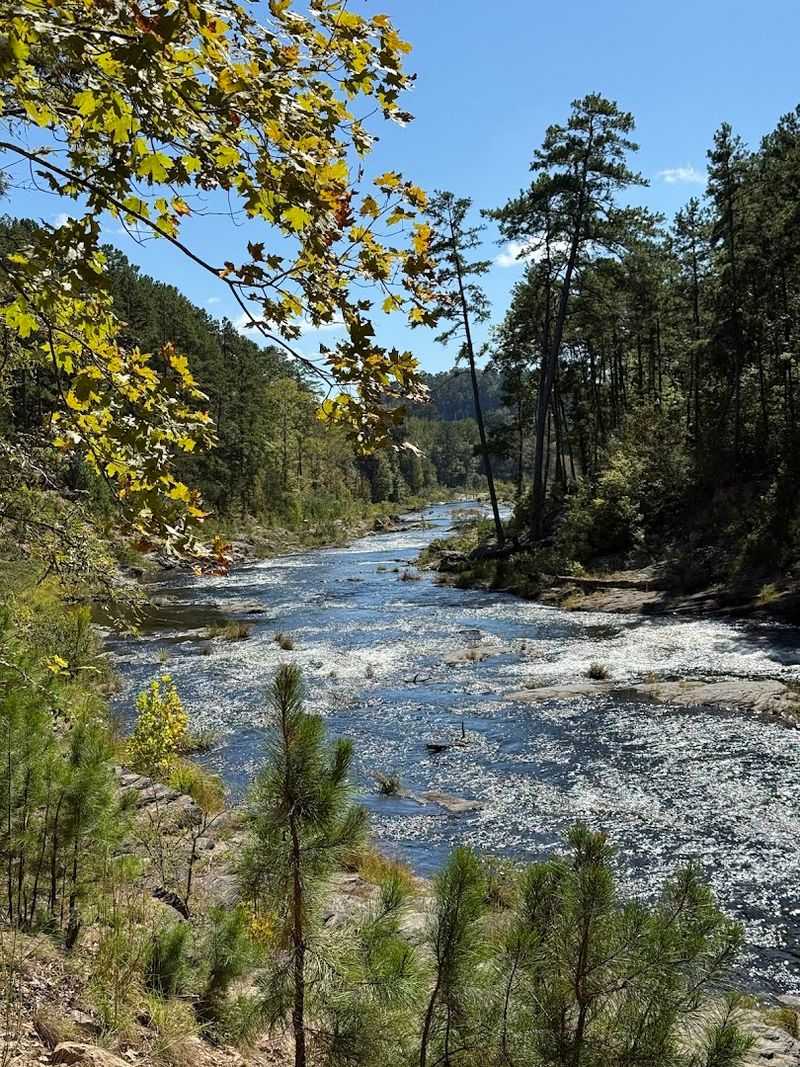
Beavers Bend State Park near Broken Bow, in southeastern Oklahoma, is already famous for its natural beauty, but the Skyline Segment of the David Boren Trail takes things to a completely different level.
This section of a trail system that stretches up to twelve miles total is Oklahoma’s premier deep-woods challenge.
Steep ridge climbs characterize much of this route, and the narrow singletracks wind through dense pine and hardwood forest that blocks out direct sunlight for long stretches. The trail demands focus and endurance in equal measure.
Rugged water crossings add an element of adventure that you simply do not find on most Oklahoma trails. The Mountain Fork River runs far below certain ridge sections, and the sound of moving water drifts up through the trees as a constant companion.
I tackled the full Skyline Segment on a clear October morning, and the combination of fall color and deep forest solitude made it one of the most memorable hikes I have had in this state. The trail feels genuinely wild from start to finish.
Wildlife in this area includes white-tailed deer, wild turkey, and the occasional black bear, so staying alert and making reasonable noise on the trail is always smart practice.
Proper planning is essential for the longer sections. Bringing enough water, solid navigation tools, and layered clothing prepares you for a route that changes character multiple times across its length.
The Skyline Segment rewards patient, prepared hikers with a deep-woods experience that rivals anything found in states far better known for their wilderness trails.
6. South Rim Trail, McGee Creek Natural Scenic Recreation Area, Oklahoma
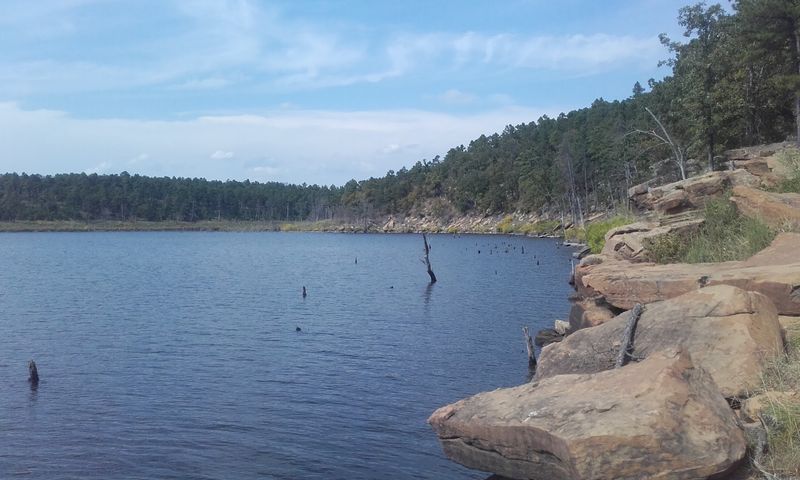
Tucked away in a quiet 10,000-acre wilderness pocket in southeastern Oklahoma, McGee Creek Natural Scenic Recreation Area is the kind of place that even many lifelong Oklahomans have never visited. The South Rim Trail is a 4.2-mile loop that earns its place on any serious hiker’s list.
Dense pine and oak canopies stretch overhead for most of the route, filtering light into long golden shafts that shift through the morning hours. The forest floor stays cool and shaded even on warm days, which makes this trail particularly appealing in late spring and early summer.
Rocky bluffs punctuate the southern rim section, and the views out over the undisturbed lake below are completely untouched by development. There are no marinas, no boat docks, and no structures visible from the overlooks.
Just water, trees, and sky.
I found the silence here particularly striking. McGee Creek draws far fewer visitors than most Oklahoma state parks, which means the trail often feels like your own private wilderness for the entire duration of a hike.
The loop transitions through several distinct forest types, keeping the scenery fresh throughout. Transition zones between pine stands and oak groves create natural habitat edges where wildlife activity is noticeably higher.
Deer, wild turkey, and various raptors are common sightings along the bluff sections. Carrying binoculars here is genuinely worthwhile rather than just optional.
The South Rim Trail is an ideal choice for hikers who want genuine remoteness without committing to an extremely strenuous route, making it one of the most underrated loops in the entire state.
7. Horsethief Springs Trail, Ouachita National Forest, Oklahoma
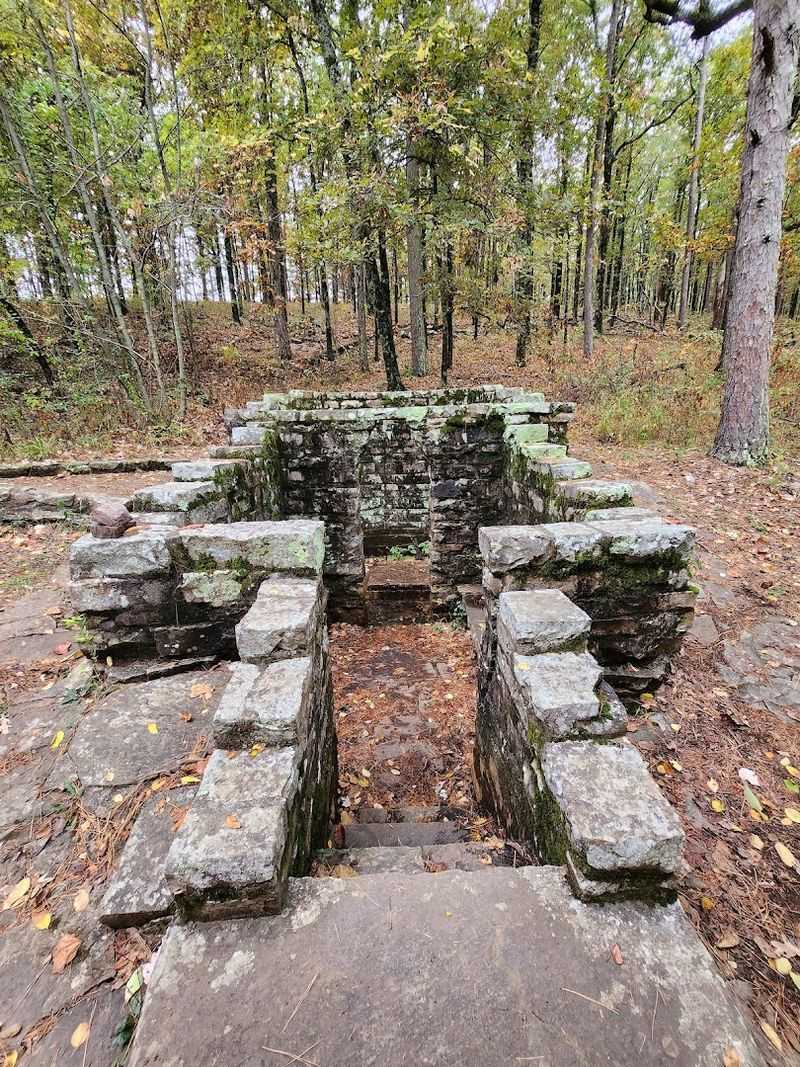
There is something deeply satisfying about walking a trail that feels like it carries real history beneath your boots. Horsethief Springs Trail is an 11.2-mile loop in the Ouachita National Forest, tracing the rocky ridges of Winding Stair Mountain in southeastern Oklahoma.
The name alone sets the tone for what you are about to experience. Historic pathways wind through terrain that was once traveled by people who had very different reasons for moving quietly through these hills.
Natural mountain springs appear along the route, offering cool, clear water sources that break up the demanding terrain in the most welcome way possible. The springs create small pockets of lush vegetation that contrast sharply with the drier ridge environments above them.
Zero city noise is perhaps the most striking feature of this trail. Winding Stair Mountain sits deep enough in the Ouachita National Forest that the silence feels absolute during the midweek hours I have hiked it.
The ridge sections offer views across miles of unbroken forest canopy that roll toward the horizon in every direction. On clear days, the sense of scale becomes almost disorienting in the best possible way.
Elevation changes are significant throughout this loop, and the rocky trail surface demands sturdy footwear with reliable ankle support. This is not a casual afternoon stroll by any measure.
Planning an overnight backpacking trip along this route is a genuinely rewarding option for those equipped for it. The combination of mountain springs, historic atmosphere, and deep forest isolation makes Horsethief Springs Trail one of Oklahoma’s most compelling long-distance hiking experiences.
8. Big Brother Loop, Welling Ridge Trails, Oklahoma
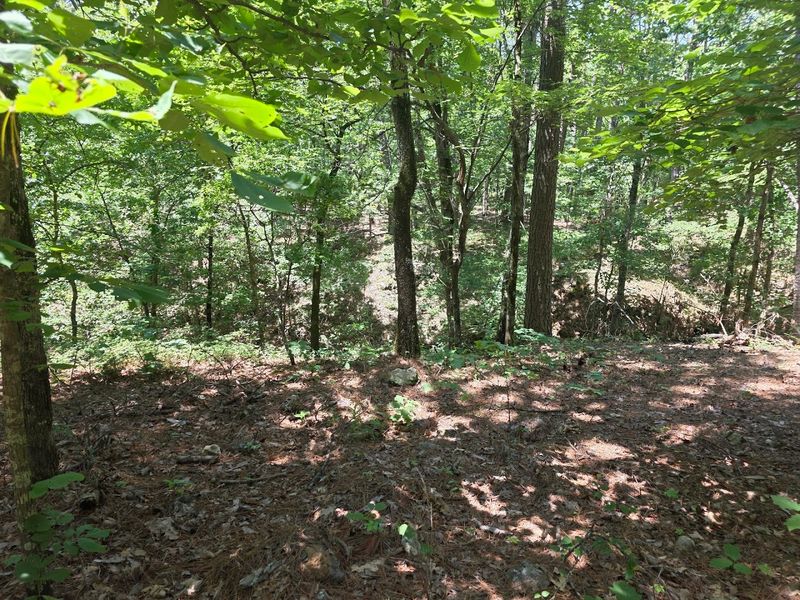
Eastern Oklahoma’s Ozark foothills hide a trail system that most hikers outside the region have simply never heard of. The Big Brother Loop at Welling Ridge Trails near Welling, in Cherokee County, is a 2.1-mile loop through some of the most undisturbed timberland in the state.
This is a newly developed trail system, which means the paths still feel fresh and the surrounding forest has not yet adjusted to heavy foot traffic. The result is a genuinely wild atmosphere that older, more established trails sometimes lose over time.
Thick, unbroken canopy covers the loop almost entirely, creating a forest tunnel effect that muffles outside sounds and keeps the interior remarkably quiet. Hikers rarely cross paths here, and the solitude feels genuine rather than manufactured.
I spent a quiet Tuesday morning on this loop and encountered no one else from trailhead to finish. The forest was alive with bird activity, and the complete absence of human noise made every sound feel amplified in the most pleasant way.
The terrain rolls gently through the Ozark foothills, offering enough elevation change to keep the walk interesting without demanding serious fitness. This makes the Big Brother Loop accessible to a wide range of hikers.
Spring brings wildflowers and fresh green growth that transforms the forest floor into a carpet of color. Fall offers the classic Ozark hardwood display, with maples and oaks turning the canopy into a patchwork of warm tones.
Welling Ridge Trails represent exactly the kind of quiet, off-radar discovery that makes exploring lesser-known Oklahoma destinations so consistently rewarding for those willing to seek them out.
9. Black Mesa Summit Trail, Black Mesa State Park and Nature Preserve, Oklahoma
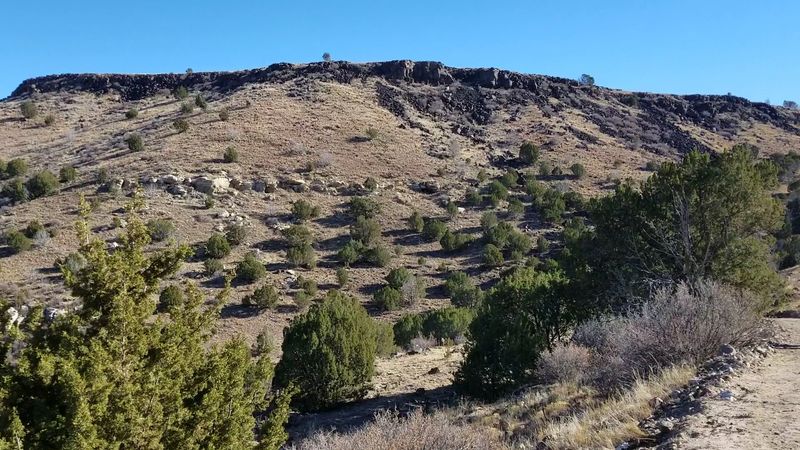
Oklahoma’s highest point sits in the far western tip of the Panhandle, and reaching it requires a commitment that filters out casual visitors entirely. The Black Mesa Summit Trail is an 8.4-mile out-and-back route at Black Mesa State Park and Nature Preserve near Kenton, in Cimarron County.
High-desert terrain dominates every mile of this trail. Black basalt caps the mesa tops, volcanic remnants that give this landscape a geological drama completely unlike anything found in the rest of Oklahoma.
The surrounding environment feels almost alien compared to the state’s eastern forests and central plains. Vast, empty horizons extend in every direction, and the silence out here carries a particular weight that the more populated parts of Oklahoma simply cannot match.
I started this trail before sunrise on a clear September morning, and watching the high-desert landscape gradually reveal itself in the growing light was an experience I would not trade. The sky out in Cimarron County is extraordinary in its scale.
Reaching the summit marker at the state’s highest geographic point provides a genuine sense of accomplishment. The elevation gain across the full route is manageable, but the distance and exposed terrain demand proper preparation.
Water is critical here because there are no natural sources along the route and temperatures in the Panhandle swing dramatically between morning and afternoon. Carrying more than you think you need is always the right decision.
Black Mesa rewards the extra effort required to reach it with a landscape experience that feels more like New Mexico or Colorado than Oklahoma, making it one of the state’s most genuinely surprising destinations.
10. Inspiration Point Trail, Roman Nose State Park, Oklahoma
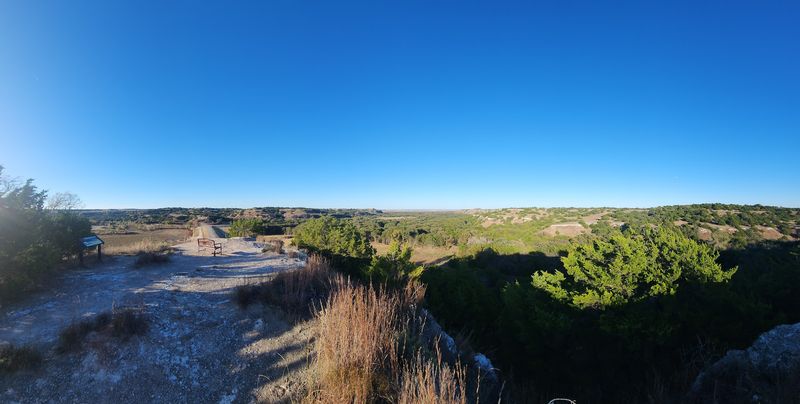
Western Oklahoma carries a visual personality that catches first-time visitors completely off guard. The Inspiration Point Trail at Roman Nose State Park near Watonga, in Blaine County, is a 2.5-mile loop that showcases the region’s intense desert aesthetic with every step.
Rugged gypsum mesas define the upper sections of this trail, their pale surfaces glowing almost white under direct sunlight. The contrast between those bleached rock formations and the deep red clay canyons below creates a color palette that feels almost painted.
Sharp rock overlooks appear at multiple points along the route, each one offering a different perspective on the surrounding landscape. The views are wide and open in a way that feels very different from the forested trails of eastern Oklahoma.
Natural freshwater springs hide in the canyon bottoms, creating small oases of green vegetation that feel completely out of place against the surrounding dry terrain. Finding one of these springs tucked below a rock ledge is one of the trail’s most rewarding surprises.
I hiked this loop on a windy March afternoon, and the gusts across the mesa tops were strong enough to demand careful footing near the exposed edges. The drama of the weather only added to the experience.
Roman Nose State Park also offers access to a small lake and various other recreational facilities, making it a practical base for a full day of outdoor activity in this underexplored corner of the state.
Inspiration Point Trail is short enough to complete in a single morning but distinctive enough in its landscape to leave a lasting impression that pulls you back for a second look every time.
11. Falls Trail, Keystone Ancient Forest, Oklahoma
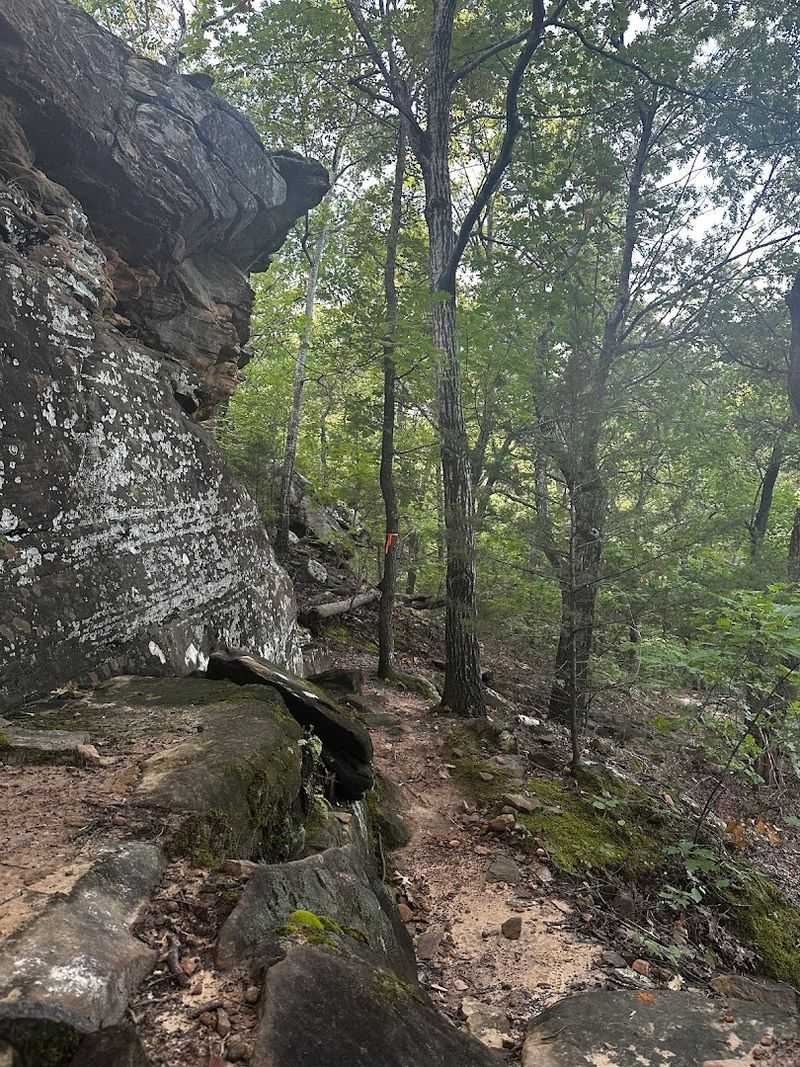
Walking into Keystone Ancient Forest near Sand Springs, in Tulsa County, feels like stepping into a place that time has deliberately left alone. The Falls Trail is a 3.5-mile loop through a protected living museum of eastern red cedar trees that have been growing here for five centuries.
Five-hundred-year-old cedar trees line the path with a density and scale that creates an immediate sense of entering something sacred. The trunks are gnarled and massive, their bark deeply furrowed in patterns that tell long, quiet stories.
A small waterfall appears partway through the loop, tucked between dynamic rock features that frame it naturally. The sound of falling water carries through the cedar canopy and serves as an auditory landmark that guides you through the middle section of the trail.
I visited on a grey November morning, and the muted light filtering through the cedar branches gave the entire forest a soft, almost otherworldly quality. Ancient forests have a particular atmosphere that newer woodlands simply have not had time to develop.
The rock formations along the trail add textural variety to what might otherwise be a straightforward woodland walk. Boulders and ledges create natural rest spots that invite you to slow down and take in the details around you.
Keystone Ancient Forest is managed as a preserve, which means the trail is maintained thoughtfully without over-developing the natural character of the landscape. The result is a hiking experience that feels genuinely respectful of what it protects.
This trail works beautifully as an introduction to Oklahoma’s quieter, more contemplative outdoor spaces, and it consistently surprises visitors who arrive expecting something far less remarkable.
12. Lookout Mountain Trail, Osage Hills State Park, Oklahoma
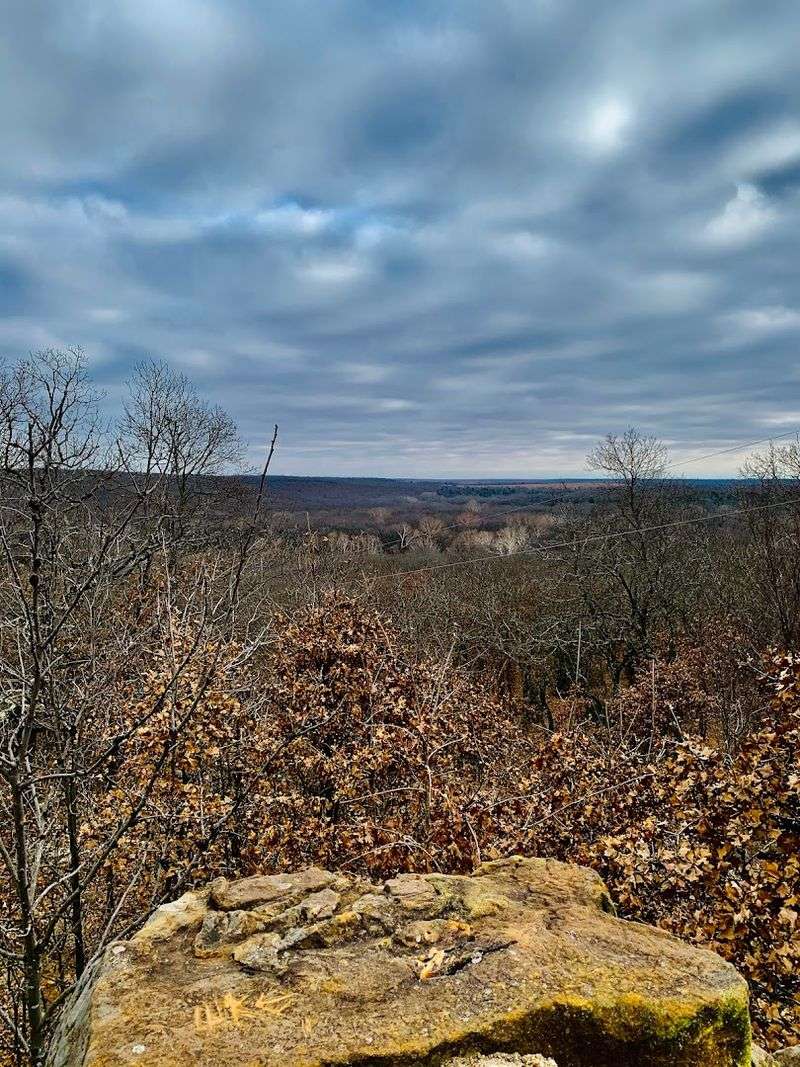
Northeastern Oklahoma carries a landscape personality that blends open prairie and dense woodland in a way that feels genuinely unique. Lookout Mountain Trail at Osage Hills State Park near Pawhuska, in Osage County, is a 2.0-mile loop that explores this quiet transition zone with remarkable intimacy.
The trail winds up rocky bluffs through a shifting mix of tallgrass prairie openings and dense oak forest patches. Each transition between the two environments brings a noticeable change in light, temperature, and sound that keeps the experience feeling fresh throughout.
An old fire lookout point crowns the summit of the loop, and the views from that elevated position sweep across the undisturbed Osage Nation hills in every direction. The landscape below looks much as it has for generations, largely untouched and quietly magnificent.
I reached the lookout on a clear afternoon in late October, and the combination of fall color in the oak canopy and golden prairie grass below created a view that genuinely stopped me in my tracks. Osage Hills does not announce itself loudly, but it delivers.
The rocky bluff sections require some careful footing, particularly on the descent, where loose stones can shift underfoot. Trekking poles are a worthwhile addition for hikers who prefer extra stability on technical terrain.
Wildlife activity in this transition zone is notably high. White-tailed deer, wild turkey, and various hawk species are regular sightings, and the prairie edges attract songbirds in impressive numbers during migration seasons.
Lookout Mountain Trail is an ideal choice for anyone who wants a manageable but genuinely rewarding hike through one of Oklahoma’s most historically and ecologically significant landscapes.
