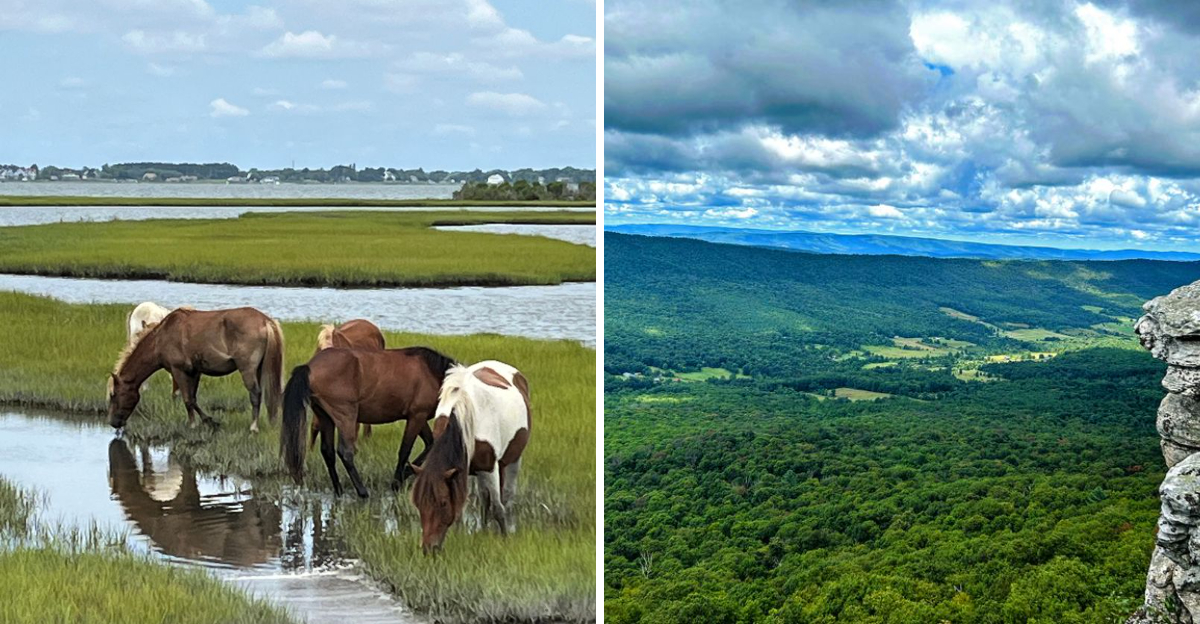
Virginia holds countless natural treasures beyond the typical tourist trail. While most visitors flock to well-known parks and popular hiking spots, the state shelters remarkable wildlife encounters and stunning landscapes that rarely make it into guidebooks.
From secluded wetlands teeming with rare birds to mountain forests where black bears roam freely, these hidden gems offer authentic connections with nature.
Exploring these lesser-known destinations reveals a different side of Virginia, one where solitude and wonder replace crowded viewpoints. Each location provides unique opportunities to witness wildlife in their natural habitats, observe seasonal migrations, and experience ecosystems that have thrived for centuries.
Whether you seek quiet reflection beside a pristine waterway or the thrill of spotting an elusive creature, these secret spots deliver unforgettable moments.
Discovering Virginia’s hidden natural wonders transforms ordinary trips into extraordinary adventures. Pack your binoculars, lace up your hiking boots, and prepare to explore ten incredible wildlife and nature experiences that most tourists never find.
1. Chincoteague’s Secret Marshlands at Assateague Island
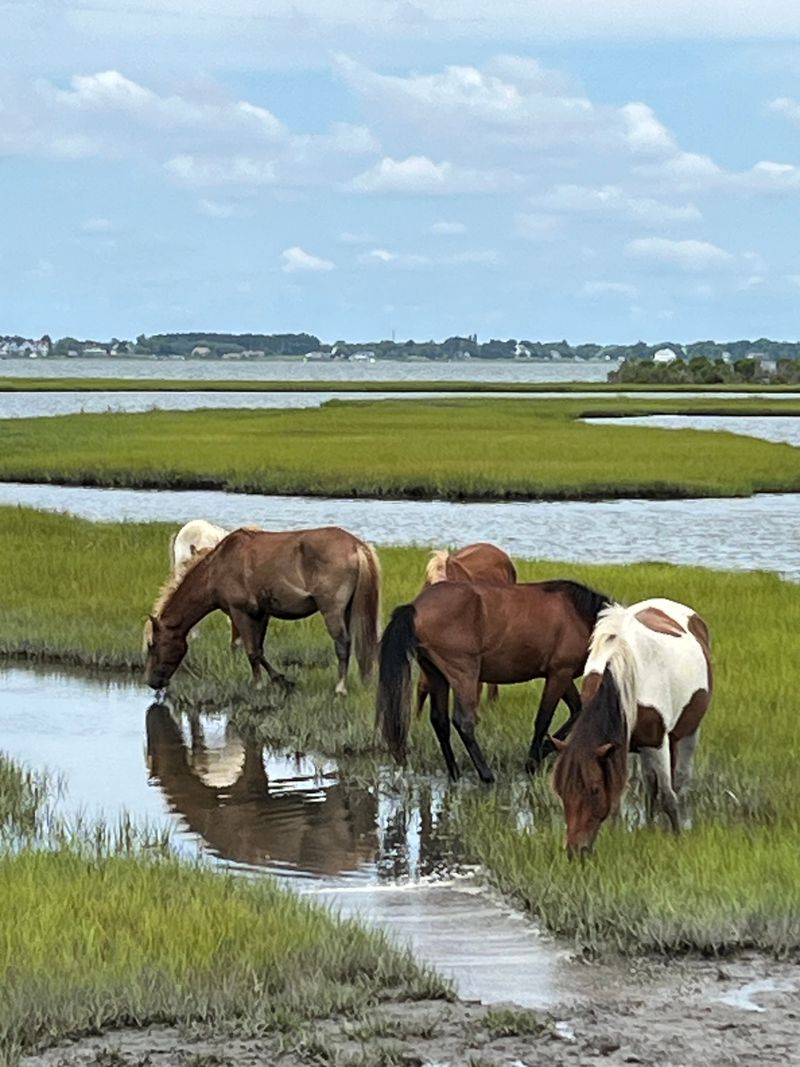
Beyond the famous wild ponies lies a network of pristine salt marshes where nature unfolds in spectacular fashion. These coastal wetlands stretch for miles along the Virginia shoreline, creating habitats for hundreds of bird species that migrate along the Atlantic Flyway.
Early morning visits reward patient observers with sightings of great blue herons stalking through shallow waters and ospreys diving for fish.
The marshlands transform with each season, offering different wildlife spectacles throughout the year. Spring brings nesting colonies of egrets and ibises, their white plumage brilliant against green cordgrass.
Summer evenings fill with the calls of clapper rails hidden among vegetation, while autumn migration brings thousands of shorebirds stopping to refuel.
Kayaking through these quiet channels provides intimate encounters with nature impossible to experience from shore. Paddlers glide past diamondback terrapins sunning on mudflats and watch fiddler crabs scurrying across exposed sand.
The shallow waters reveal underwater gardens of eelgrass where small fish dart between fronds.
Photography enthusiasts find endless subjects as golden light illuminates the marsh at sunrise. Mist rises from warming water, creating ethereal scenes where birds appear as silhouettes against glowing skies.
The interplay of water, sky, and wildlife creates compositions that capture the essence of coastal Virginia.
Timing visits around tidal cycles enhances wildlife viewing opportunities significantly. Low tide exposes mudflats where shorebirds gather to feed, probing soft sediment for marine invertebrates.
High tide pushes fish into shallow areas, attracting wading birds and creating dynamic feeding frenzies.
Location: 8231 Beach Road, Chincoteague, VA 23336
2. Black Bear Viewing at Shenandoah’s Backcountry Hollows
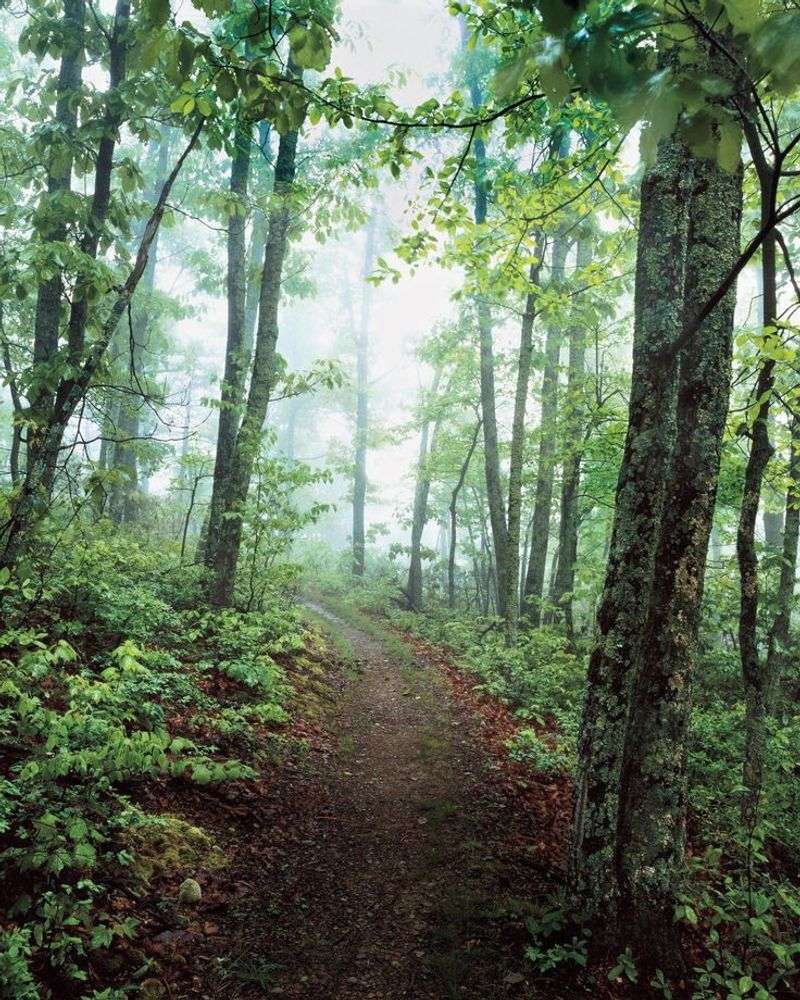
Remote mountain hollows in Shenandoah National Park shelter thriving black bear populations that most visitors never encounter. These secluded valleys, accessible only by hiking several miles from main roads, provide prime habitat where bears forage undisturbed.
Patient wildlife watchers who venture into these areas during early summer often witness mothers teaching cubs essential survival skills.
Berry patches scattered throughout these hollows attract bears during late summer months. Blueberries, blackberries, and huckleberries ripen in sunny clearings, creating natural feeding stations where bears spend hours consuming fruit.
Observers maintaining respectful distances can watch these magnificent animals demonstrating surprising agility as they reach for choice berries.
Understanding bear behavior enhances both safety and viewing success in these wild areas. Bears typically feed during cooler morning and evening hours, resting in shaded areas during midday heat.
Learning to recognize fresh signs like scat, claw marks on trees, and overturned logs helps predict where encounters might occur.
Experienced hikers familiar with backcountry protocols discover the most rewarding bear watching opportunities. Traveling quietly, staying downwind, and pausing frequently to scan surroundings increases chances of spotting wildlife before they detect human presence.
Carrying binoculars allows observation from safe distances that respect animal space.
Seasonal patterns influence bear activity and visibility throughout the year. Spring emergence from dens finds bears hungry and actively foraging across wide areas.
Fall hyperphagia drives intense feeding as bears prepare for winter, making autumn an excellent time for sightings in productive feeding areas.
Location: Shenandoah National Park, 3655 U.S. Highway 211 East, Luray, VA 22835
3. Bioluminescent Bay Swimming at Mosquito Creek
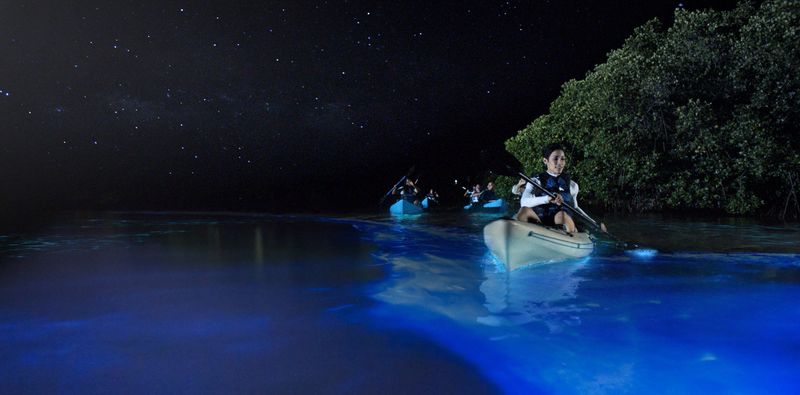
Few people realize that Virginia harbors waters where tiny organisms create magical light shows after dark. Mosquito Creek, flowing into the Chesapeake Bay near the Eastern Shore, hosts seasonal blooms of bioluminescent dinoflagellates that glow when disturbed.
Swimming or kayaking through these waters on warm summer nights produces trails of blue-green sparkles with every movement.
The phenomenon occurs most reliably during late summer when water temperatures rise and conditions favor dinoflagellate reproduction. Calm, moonless nights provide the darkest conditions for viewing this natural light show at its most spectacular.
Each paddle stroke or swimming motion triggers countless microscopic organisms to emit brief flashes of cold light.
Scientists explain that these single-celled organisms produce light through chemical reactions as a defense mechanism. When disturbed by predators or physical movement, they flash briefly to startle potential threats.
Humans experiencing this phenomenon witness the same defensive response, turning nighttime water activities into surreal adventures.
Local kayak outfitters occasionally organize special bioluminescence tours during peak season. These guided excursions provide equipment and expertise while leading participants to areas where glowing displays appear most reliably.
Guides share fascinating details about the biology behind this natural wonder while paddlers create their own trails of light.
Photographing bioluminescence presents unique challenges requiring specialized equipment and techniques. Long exposures capture the subtle glow, though results rarely match the vivid experience perceived by human eyes.
Most visitors simply immerse themselves in the moment, creating memories of swimming through starlight.
Location: Mosquito Creek, off Seaside Road, Cape Charles, VA 23310
4. Peregrine Falcon Nesting Sites at Breaks Interstate Park
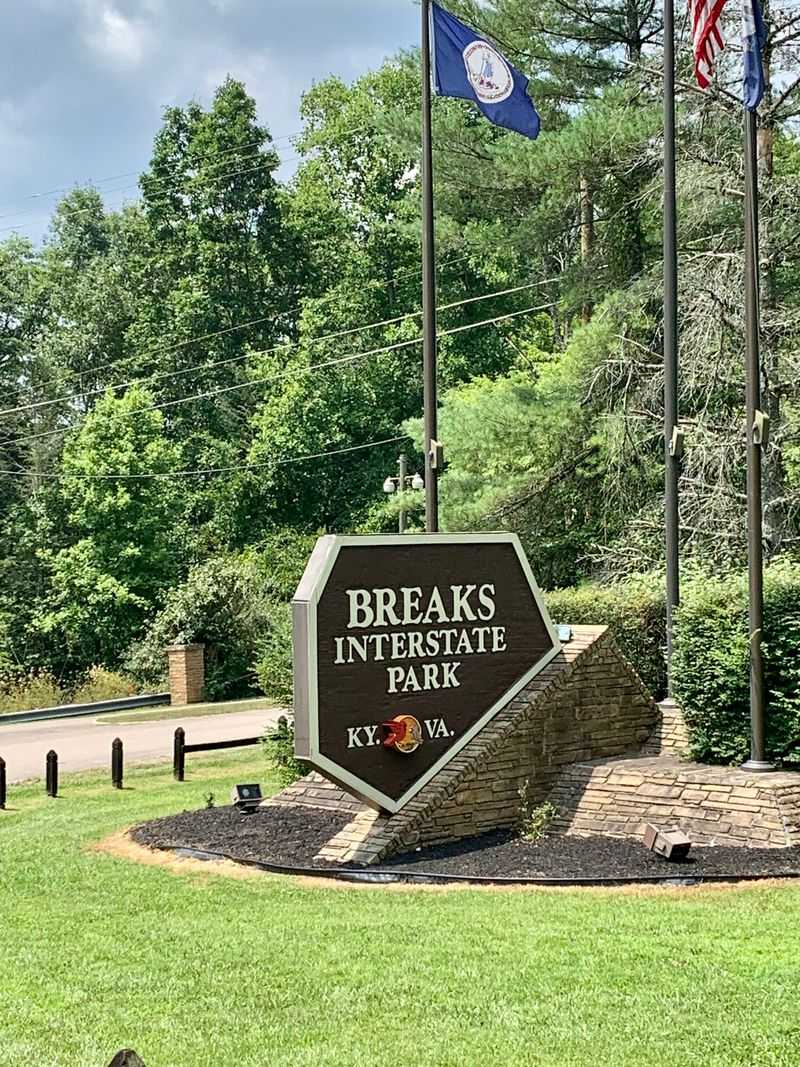
Towering cliffs rising above the Russell Fork River provide nesting habitat for peregrine falcons, North America’s fastest birds. Breaks Interstate Park, straddling the Virginia-Kentucky border, shelters several nesting pairs that return annually to raise young on sheer rock faces.
Spring months bring the best viewing opportunities as adults hunt to feed growing chicks.
Watching peregrines hunt demonstrates aerial mastery unmatched in the bird world. These raptors soar high above the gorge, scanning for prey before folding wings and diving at speeds exceeding one hundred miles per hour.
The impact of a peregrine strike often produces audible sounds echoing off canyon walls.
Park rangers monitor nesting sites and can direct visitors to safe viewing locations. Spotting scopes set up at designated overlooks allow close observation without disturbing sensitive nesting activities.
Patient watchers witness adults bringing prey to nests, chicks taking first flights, and family groups practicing hunting skills.
Conservation success stories unfold at these cliffs where peregrines once disappeared completely. Pesticide contamination eliminated these falcons from eastern North America during the mid-twentieth century.
Decades of protection and reintroduction efforts restored populations, making current sightings possible.
The dramatic landscape surrounding nesting sites adds breathtaking beauty to wildlife viewing experiences. The Russell Fork has carved a canyon often called the Grand Canyon of the South, creating vistas of forested ridges and plunging cliffs.
Peregrine falcons soaring against this backdrop create scenes of wild perfection.
Photography from park overlooks captures both landscape grandeur and wildlife action. Telephoto lenses bring distant falcons into frame while wide-angle shots encompass the spectacular setting.
Morning light illuminates cliff faces, highlighting nesting ledges and perched birds.
Location: 7276 Highway 80, Breaks, VA 24607
5. Wild Ginseng Hunting in Jefferson National Forest
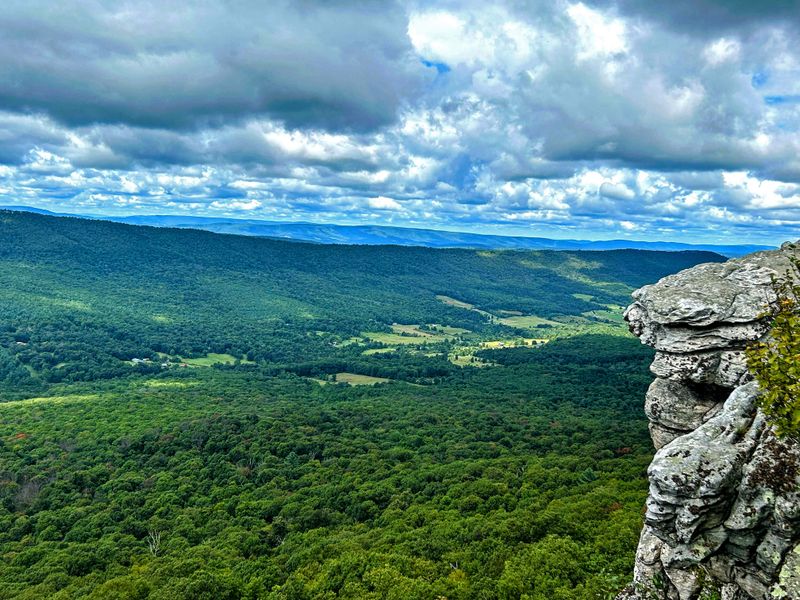
Ancient hardwood forests carpeting mountain slopes harbor valuable wild ginseng plants that have grown here for generations. Jefferson National Forest contains suitable habitat where these prized plants thrive in rich, shaded soil beneath towering oaks and maples.
Learning to identify and ethically harvest ginseng connects participants with traditional Appalachian culture and forest ecology.
Ginseng hunting requires developing sharp observation skills and plant identification knowledge. The distinctive compound leaves with five leaflets emerge in spring, making plants easier to spot before forest understory becomes dense.
Mature plants produce clusters of bright red berries in late summer, creating vibrant spots of color against green forest floors.
Regulations protect wild ginseng populations from overharvesting and ensure sustainable practices. Harvest seasons typically run from September through November when plants have produced seeds for reproduction.
Ethical harvesters plant seeds before digging roots, ensuring future generations of both plants and hunters.
Walking slowly through suitable habitat reveals much more than ginseng alone. These rich cove forests support incredible biodiversity including rare orchids, medicinal herbs, and unusual fungi.
Salamanders hide beneath rotting logs while warblers flit through the canopy overhead.
Experienced ginseng hunters develop intimate knowledge of specific forest areas over many years. They return to productive locations annually, monitoring plant populations and collecting only mature specimens.
This relationship with place fosters deep appreciation for forest ecosystems and their complex interconnections.
The practice connects modern participants with centuries of traditional knowledge passed through generations. Native peoples and early settlers relied on forest plants for medicine, food, and income.
Walking these same mountains searching for ginseng links past and present in meaningful ways.
Location: Jefferson National Forest, 5162 Valleypointe Parkway, Roanoke, VA 24019
6. River Otter Colonies at Caledon State Park
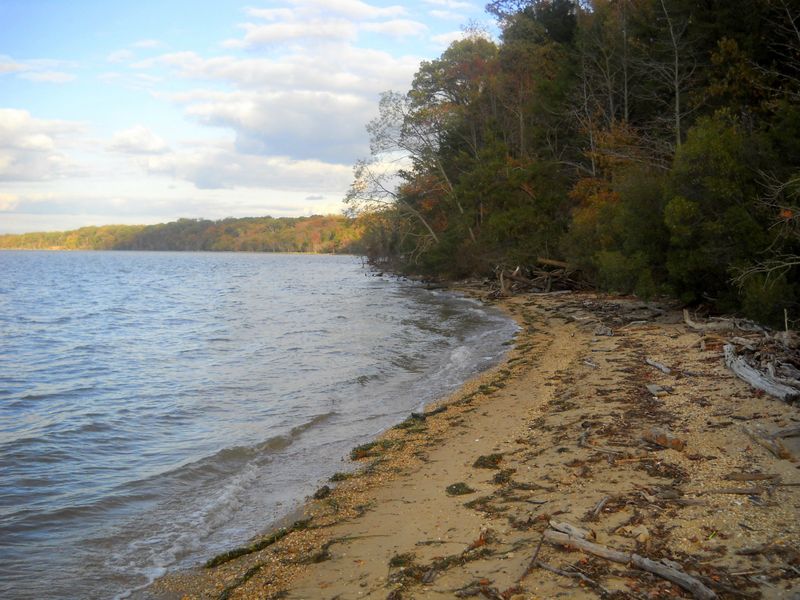
Secluded along the Potomac River, Caledon State Park protects critical habitat where playful river otters thrive in healthy numbers. These charismatic mammals once faced severe population declines but have rebounded dramatically thanks to improved water quality and protection efforts.
Early morning walks along park trails frequently reveal otters fishing, playing, and tending to young along the shoreline.
Otter behavior provides endless entertainment for fortunate observers who encounter active families. Adults slide down muddy banks repeatedly, seemingly for pure enjoyment rather than practical purpose.
Young otters practice hunting skills in shallow water, pouncing on fish with varying degrees of success while parents watch nearby.
The park’s relatively undeveloped shoreline creates ideal conditions for otter colonies to establish territories. Dense vegetation provides cover for dens while fallen trees create structures where otters haul out to groom and rest.
Clean water supports abundant fish populations that form the otters’ primary food source.
Seasonal changes influence otter activity patterns and visibility throughout the year. Winter finds otters most active during midday when temperatures peak, often fishing in ice-free areas.
Spring brings breeding season activity and increased vocalizations as otters establish territories and attract mates.
Kayaking quietly along the shoreline offers excellent otter viewing opportunities from a unique perspective. Paddlers drifting with minimal noise can approach closer than land-based observers, watching otters completely absorbed in natural behaviors.
The low vantage point from a kayak provides intimate views of these aquatic mammals in their element.
Conservation success at Caledon demonstrates how protection and habitat restoration benefit entire ecosystems. Healthy otter populations indicate clean water, abundant prey, and intact shoreline habitats.
Their presence signals environmental health extending far beyond a single charismatic species.
Location: 11617 Caledon Road, King George, VA 22485
7. Ancient Cypress Swamps at First Landing State Park
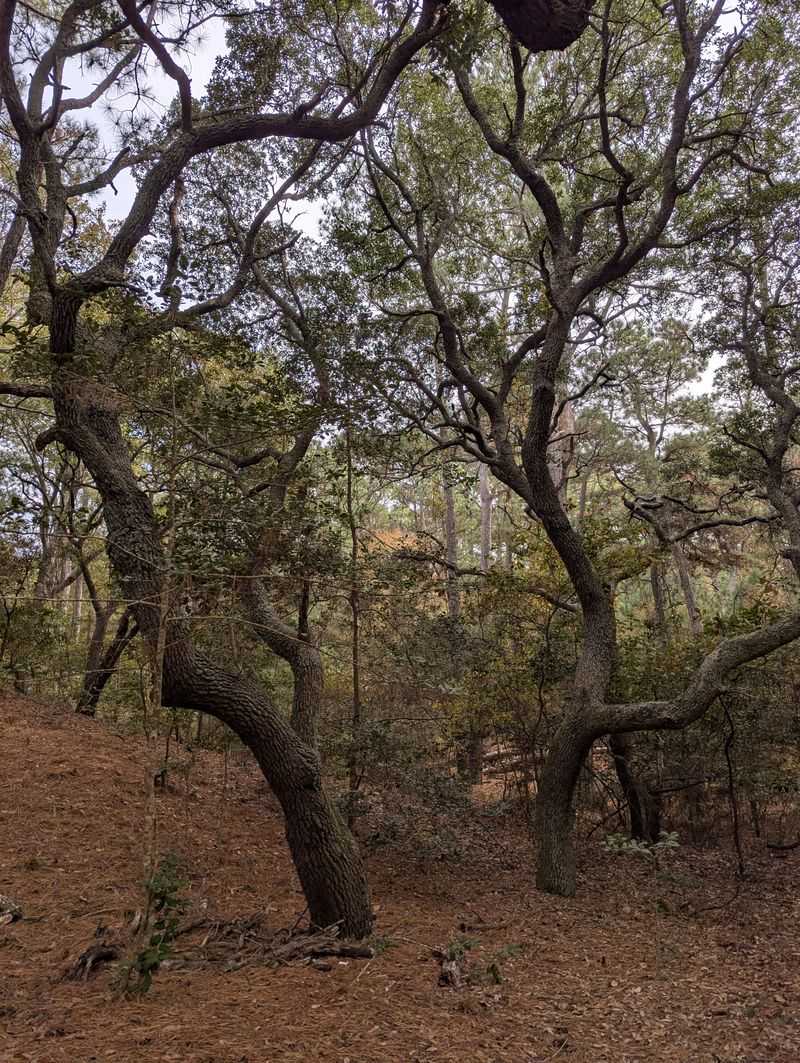
Twisted cypress trees rising from dark water create otherworldly landscapes that feel transported from Louisiana rather than Virginia. First Landing State Park protects rare maritime forests and cypress swamps representing some of the northernmost examples of this southern ecosystem.
Boardwalk trails wind through these mystical wetlands where Spanish moss drapes from branches and water reflects sky like black mirrors.
These ancient trees have witnessed centuries of coastal history, their gnarled trunks and knobby knees testament to age and resilience. Bald cypress can live for over one thousand years, making some specimens here among Virginia’s oldest living organisms.
Their distinctive bark patterns and towering heights create cathedral-like atmospheres in the swamp interior.
Wildlife thrives in these productive wetlands where fresh and salt water mix. Barred owls call from cypress branches while prothonotary warblers nest in tree cavities.
Water snakes sun themselves on logs and turtles stack atop each other at prime basking spots.
The swamps transform dramatically between seasons, each period offering unique beauty and wildlife activity. Spring floods submerge boardwalks temporarily, creating expanded habitat for breeding amphibians whose choruses fill night air.
Summer canopy growth casts deep shade, keeping swamp floors cool and mysterious.
Autumn brings perhaps the most spectacular changes as cypress needles turn brilliant copper before dropping. The deciduous conifers create colorful displays rivaling any hardwood forest, their reflections doubling the visual impact in still water.
Winter reveals swamp structure clearly with bare branches creating intricate patterns against gray skies.
Photography in these swamps produces images unlike typical Virginia landscapes. Long exposures smooth water surfaces while capturing motion in swaying Spanish moss.
The interplay of light, shadow, and reflection creates compositions rich with mood and atmosphere.
Location: 2500 Shore Drive, Virginia Beach, VA 23451
8. Monarch Butterfly Migration at Kiptopeke State Park
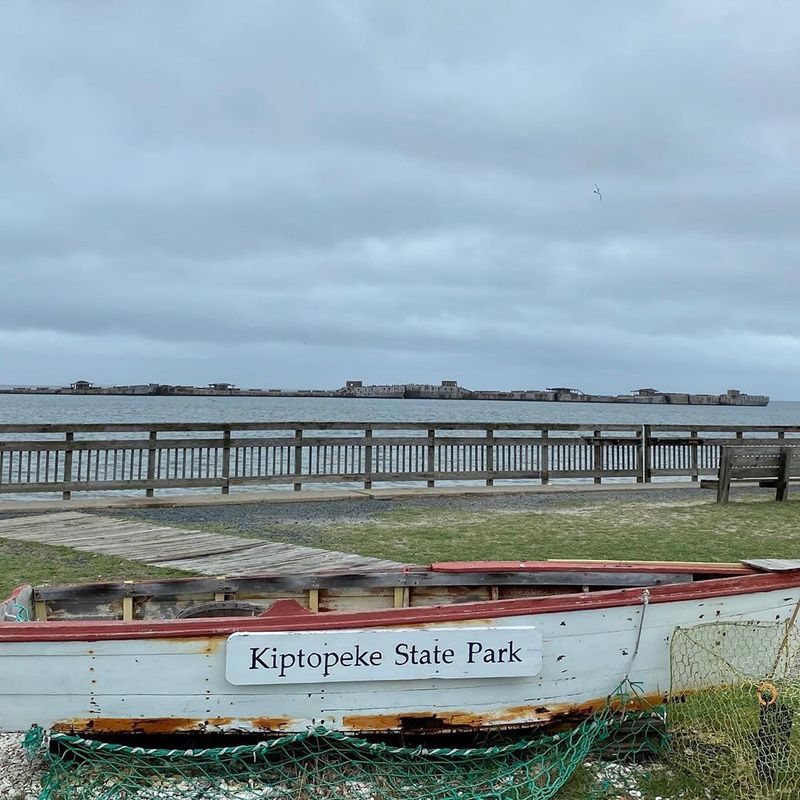
Each autumn, millions of monarch butterflies funnel through Virginia’s Eastern Shore during their incredible migration to Mexico. Kiptopeke State Park serves as a critical stopover where monarchs rest and refuel before crossing the Chesapeake Bay.
Peak migration periods in late September and October bring spectacular concentrations of these orange and black beauties clustering on trees and feeding on coastal flowers.
Researchers have documented the park as one of the most important monarch migration sites along the Atlantic coast. Volunteers conduct daily counts during migration season, contributing valuable data to long-term population studies.
Visitors can participate in citizen science efforts or simply marvel at thousands of butterflies swirling through the air.
Coastal geography makes this location a natural concentration point for migrating insects. The peninsula narrows as it extends southward, funneling monarchs into smaller areas.
Trees near the shoreline provide shelter from winds and safe roosting sites where butterflies cluster overnight in impressive aggregations.
Understanding monarch biology deepens appreciation for their remarkable journey. Individual butterflies traveling south will never return north; instead, they overwinter in Mexico before breeding.
Their offspring and subsequent generations make the return journey north over multiple generations, with the final generation completing the cycle south again.
Conservation concerns make witnessing this migration particularly poignant in recent years. Monarch populations have declined significantly due to habitat loss, pesticide use, and climate change.
Each butterfly passing through represents survival against increasing odds and hope for species persistence.
Photography opportunities during peak migration rival those at famous monarch overwintering sites. Butterflies backlit by afternoon sun glow like stained glass while clusters on branches create living tapestries of orange and black.
Macro photography reveals intricate wing patterns and delicate antennae in stunning detail.
Location: 3540 Kiptopeke Drive, Cape Charles, VA 23310
9. Appalachian Salamander Diversity in Mount Rogers Wilderness
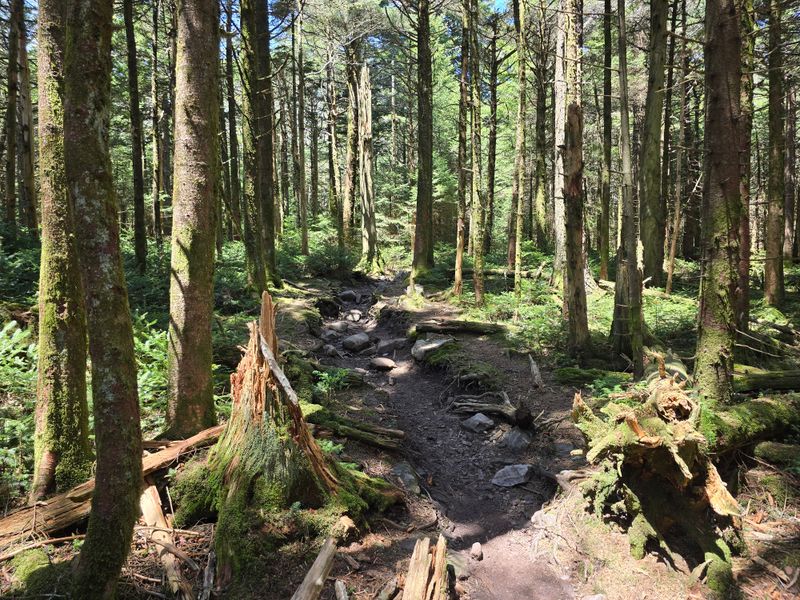
High elevation forests surrounding Mount Rogers harbor more salamander species than anywhere else in Virginia. These cool, moist habitats support an incredible diversity of amphibians, many found nowhere else on Earth.
Flipping logs and rocks along mountain streams reveals a hidden world of colorful, secretive creatures that most hikers never notice.
Red-cheeked salamanders, Jordan’s salamanders, and pygmy salamanders represent just a few species inhabiting these mountains. Each occupies specific ecological niches, some living entirely on land while others require flowing water for reproduction.
Their varied colors and patterns create surprising beauty in animals most people overlook.
Salamander hunting requires patience, careful observation, and respect for delicate creatures. Gently lifting rocks and logs exposes hiding salamanders, which should be observed briefly before carefully replacing cover exactly as found.
These amphibians breathe through their skin, making them extremely sensitive to handling and environmental changes.
The abundance and diversity of salamanders indicate exceptional environmental health in these mountains. Salamanders serve as indicator species, thriving only where water quality, forest structure, and microclimate conditions meet specific requirements.
Their presence signals intact ecosystems functioning as they have for millennia.
Seasonal patterns influence salamander activity and visibility throughout the year. Spring rains trigger breeding migrations when some species travel to vernal pools and streams.
Summer droughts push salamanders deeper underground while autumn moisture brings renewed surface activity.
Educational programs and guided walks help visitors appreciate these often-overlooked animals. Naturalists share fascinating details about salamander ecology, evolution, and conservation while demonstrating proper observation techniques.
Learning to see and appreciate salamanders transforms ordinary forest walks into treasure hunts for biodiversity.
Location: Mount Rogers National Recreation Area, 3714 Highway 16, Marion, VA 24354
10. Winter Bald Eagle Gatherings at Occoquan Bay
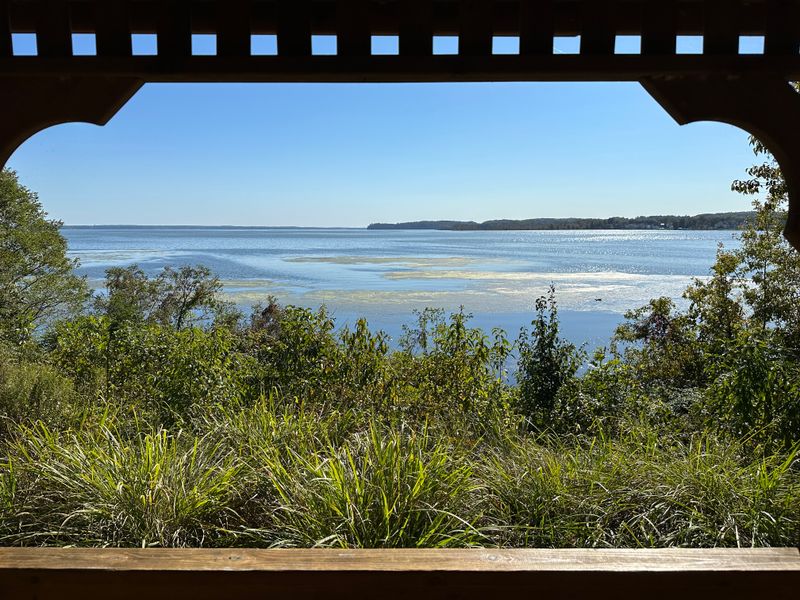
Cold months transform Occoquan Bay into a winter haven for bald eagles congregating in remarkable numbers. These majestic raptors gather where the Occoquan River meets the Potomac, attracted by abundant fish and waterfowl.
January and February bring peak eagle concentrations when dozens of birds perch in riverside trees or soar overhead on broad wings.
Observing multiple eagles simultaneously creates powerful wildlife experiences impossible during other seasons. Adults with distinctive white heads and tails perch prominently while younger birds in mottled brown plumage roost nearby.
Social interactions play out as eagles establish pecking orders at favored fishing spots and roosting trees.
The bay’s productive waters support large fish populations that sustain eagle numbers through winter. Gizzard shad, catfish, and other species provide reliable food sources when other prey becomes scarce.
Eagles also scavenge waterfowl killed by hunters or natural causes, demonstrating their opportunistic feeding strategies.
Several viewing locations around the bay offer excellent eagle watching opportunities. Occoquan Bay National Wildlife Refuge maintains trails and observation points specifically designed for wildlife viewing.
Spotting scopes set on tripods allow detailed observation of perched eagles while binoculars track birds in flight.
Photography during winter eagle season produces spectacular images in perfect light. Low winter sun creates warm tones while bare trees provide unobstructed views of perched birds.
Eagles in flight against blue skies or carrying fish in their talons make dramatic subjects that capture raw power and grace.
Conservation recovery makes these gatherings particularly meaningful for older naturalists who remember when eagles nearly disappeared. Pesticide contamination devastated populations during the twentieth century before protection allowed remarkable recovery.
Current abundance represents one of conservation’s greatest success stories.
Location: Occoquan Bay National Wildlife Refuge, 13950 Dawson Beach Road, Woodbridge, VA 22191
Dear Reader: This page may contain affiliate links which may earn a commission if you click through and make a purchase. Our independent journalism is not influenced by any advertiser or commercial initiative unless it is clearly marked as sponsored content. As travel products change, please be sure to reconfirm all details and stay up to date with current events to ensure a safe and successful trip.
