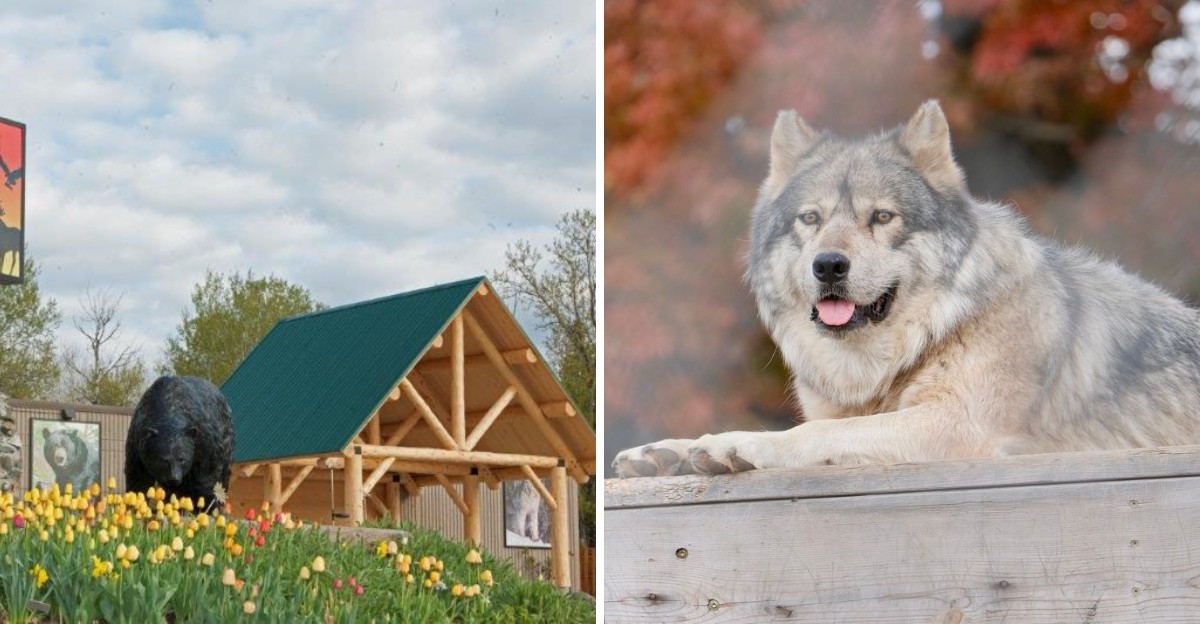
Watching wildlife from a distance only satisfies curiosity for so long. A handful of programs across Minnesota let people get involved directly instead, hands actually doing something rather than just observing.
Volunteers track species recovery, help maintain habitats, or assist researchers gathering data that eventually shapes bigger conservation decisions statewide. Nothing about the work feels performative either.
Real effort goes into these programs, the kind that requires showing up consistently rather than once for a photo opportunity.
Learning happens naturally alongside the labor too. Volunteers leave understanding local ecosystems far better than they did walking in, gaining knowledge that classroom settings rarely manage to teach quite as effectively.
1. International Wolf Center, Ely
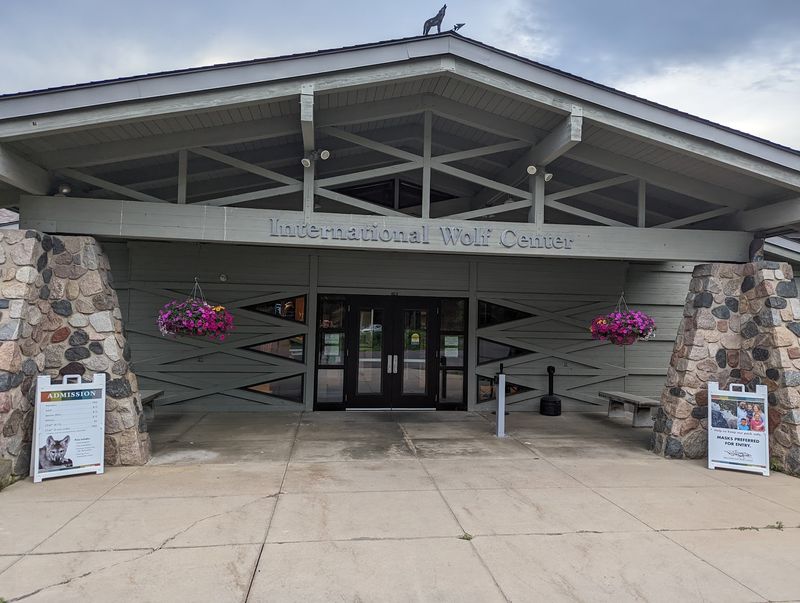
Ely is already a legendary destination for wilderness lovers, and the International Wolf Center makes it even more worth the trek north. The center is built entirely around wolves, their biology, their history, and the complicated relationship they have had with humans over centuries.
Inside, the exhibit space is expansive. There are displays on wolf behavior, ecological roles, and the impact of human activity on wild populations. The layout is thoughtful, and you can easily spend a couple of hours moving through everything without feeling like you missed something.
The real draw, though, is the large viewing area where wolves live in a natural enclosure. Watching them move, interact, and rest in that setting makes everything you just read inside feel immediate and real.
The passion for wildlife conservation comes through in every corner of this building. It is the kind of place that changes how you think about predators.
Address: 1396 MN-169, Ely, MN 55731
2. Vince Shute Wildlife Sanctuary, Orr
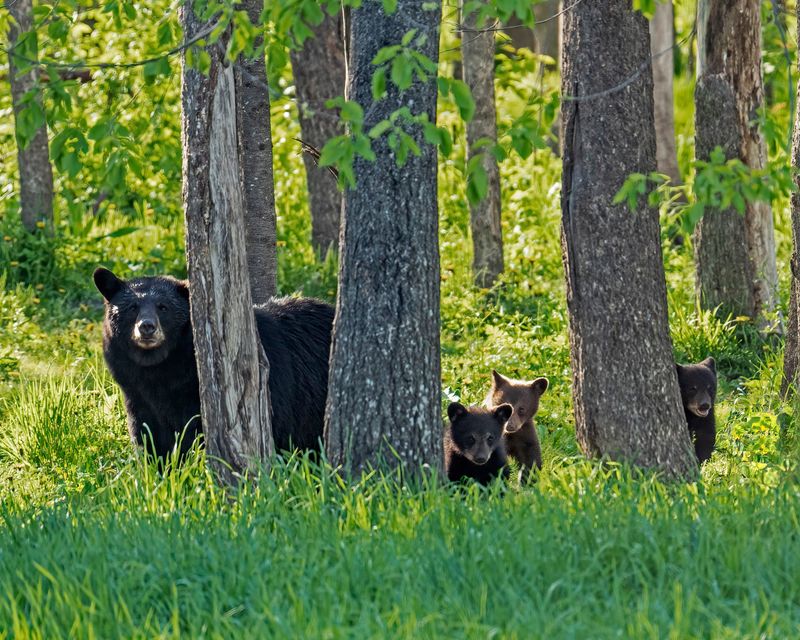
There is something quietly extraordinary about watching wild black bears move through a forest at dusk while you stand on an elevated deck just above them. The Vince Shute Wildlife Sanctuary near Orr offers exactly that, and it earns its reputation as a one-of-a-kind experience in North America.
Visitors are bussed out to a large viewing platform where bears of all ages, including cubs, roam freely below. Wildlife naturalists are stationed throughout the deck and are happy to answer questions, point out behavior, and give context to what you are seeing.
The whole setup feels respectful of the animals and genuinely educational rather than performative.
Evening hours run Tuesday through Saturday, which means the golden light and cooler temperatures make the viewing especially atmospheric. Seeing a mother bear with her cubs from that platform is the kind of moment that is hard to describe to someone who was not there.
Plan ahead, arrive early, and bring patience. It pays off.
Address: 12541 Nett Lake Rd, Orr, MN 55771
3. Gabbert Raptor Center, St Paul
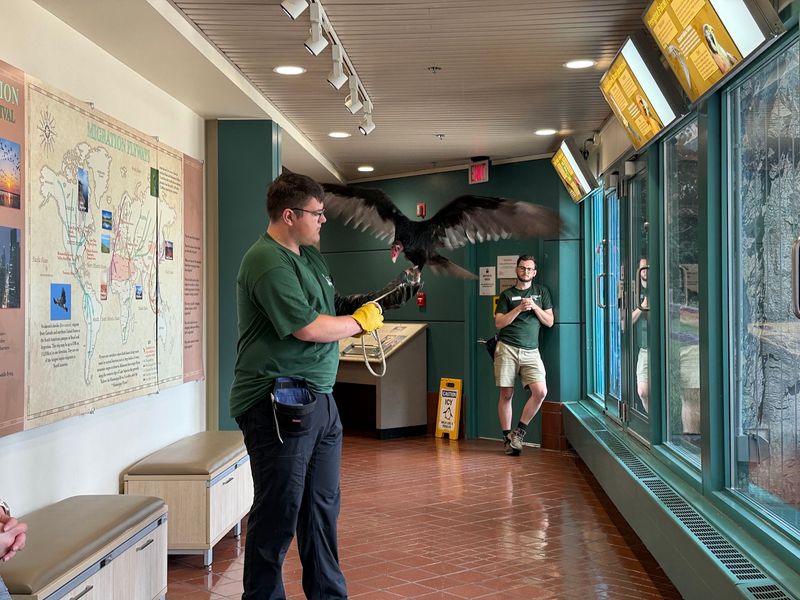
Most people drive past the University of Minnesota campus without realizing there is a world-class raptor rehabilitation center tucked inside it.
The Gabbert Raptor Center accepts injured and ill eagles, hawks, owls, falcons, and vultures seven days a week, giving wild birds a real chance at recovery and eventual release.
Public education is a big part of what happens here. The center offers in-person learning opportunities and has introduced behind-the-scenes tours that give visitors a closer look at how raptor care actually works.
Getting that close to a bird of prey, understanding its injuries and the work involved in healing it, shifts your perspective fast.
Families with younger kids tend to find this especially memorable. There is something about seeing a real eagle or great horned owl up close, not behind thick glass in a zoo, that leaves a lasting impression. The staff bring genuine expertise and enthusiasm to every interaction.
For anyone curious about wildlife medicine or conservation, this is a compelling stop.
Address: 1920 Fitch Ave, St Paul, MN 55108
4. National Eagle Center, Wabasha
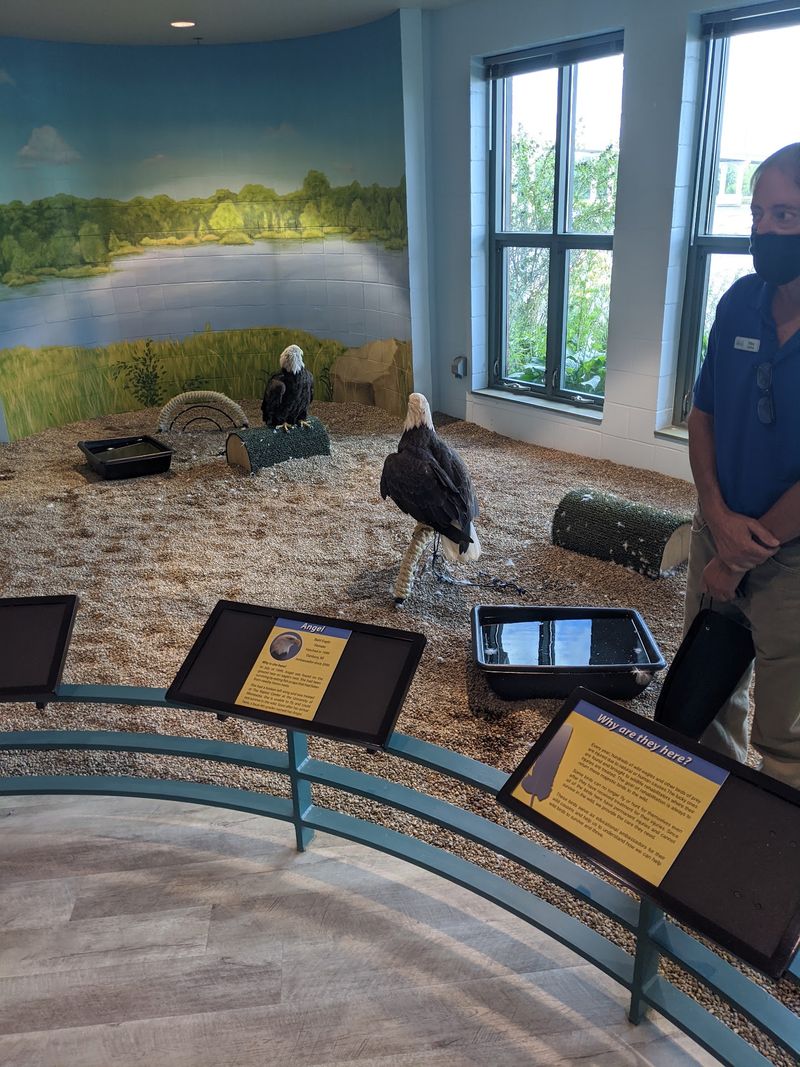
Wabasha sits along the Mississippi River in a part of Minnesota that feels slower and more scenic than most. The National Eagle Center fits perfectly into that setting.
The facility is open daily and brings visitors face to face with live bald eagles in a way that very few places in the country can manage.
Daily programs are led by knowledgeable naturalists who walk through eagle biology, migration patterns, conservation history, and what has made the bald eagle’s recovery one of the great wildlife success stories of the past fifty years.
The live eagle presentations are the centerpiece, and they genuinely earn the attention they get.
Beyond the indoor exhibits, the Mississippi River just outside the center is one of the best eagle-watching corridors in the Midwest, especially during winter months. The combination of indoor education and outdoor observation makes this a layered, satisfying experience.
Parking is free, the building is beautiful, and the whole visit feels like time well spent. It is easy to see why this place is called a must-see.
Address: 50 Pembroke Ave, Wabasha, MN 55981
5. North American Bear Center, Ely
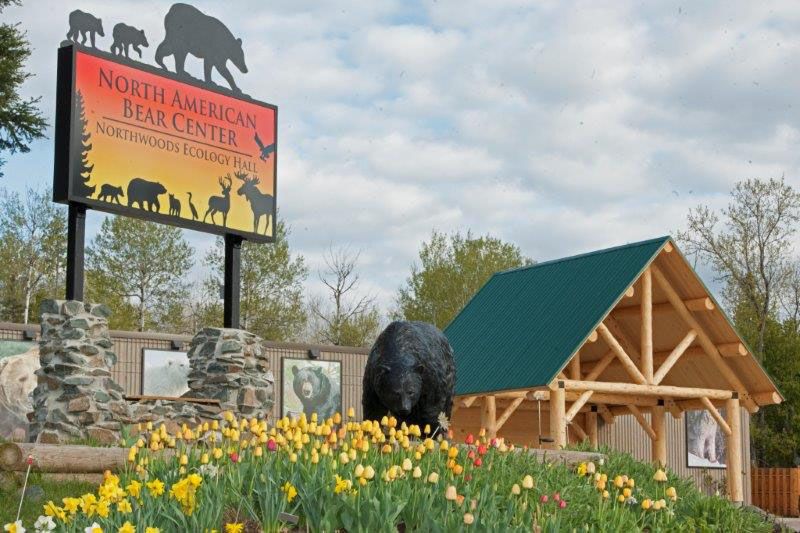
Right down the road from the wolf center, the North American Bear Center is its own full experience and deserves its own dedicated visit. The building is much larger than it looks from the outside.
Inside, dozens of exhibits cover black bear biology, behavior, seasonal habits, and their role in Minnesota ecosystems.
There are TV screens showing real footage, reading panels packed with data, and interactive displays that keep kids engaged without dumbing anything down for adults. The center also covers other Minnesota wildlife beyond bears.
Behind-the-scenes tours offer a closer look at how the facility operates and how the bears are cared for. Picnic tables outside make it easy to turn the visit into a full afternoon. Contributions to the center go directly toward bear care and community education efforts around Ely.
Address: 1926 MN-169, Ely, MN 55731
6. Wildlife Science Center, Stacy
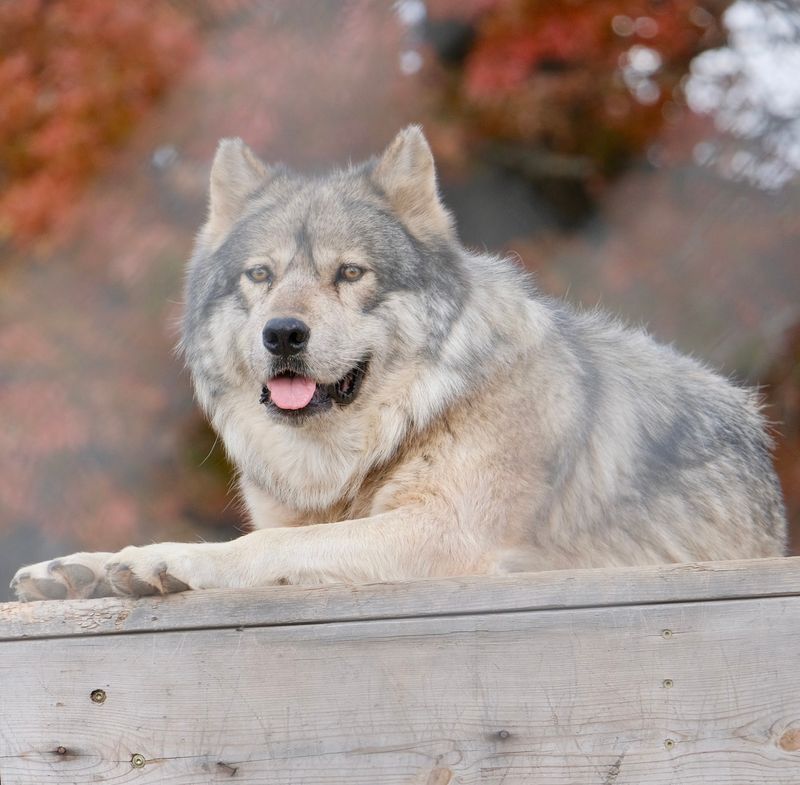
Few places in Minnesota let you lock eyes with a gray wolf from just a few feet away, and the Wildlife Science Center in Stacy is one of them. The facility is home to wolves, bears, mountain lions, foxes, bobcats, porcupines, skunks, raptors, turtles, and snakes. It sounds like a lot, and honestly, it is.
Staff here are genuinely passionate about what they do. They walk visitors through each animal’s story, answer questions without making you feel rushed, and explain conservation science in ways that actually stick.
The education programs are built around observation and critical thinking rather than just memorizing facts.
One highlight that catches most visitors off guard is hearing over eighty wolves howl together. That sound is something you carry home with you. Public visiting hours run Tuesday, Wednesday, and Saturday, with private group programs available by appointment throughout the week.
Address: 22830 Sunrise Rd NE, Stacy, MN 55079
7. Hawk Ridge Bird Observatory, Duluth
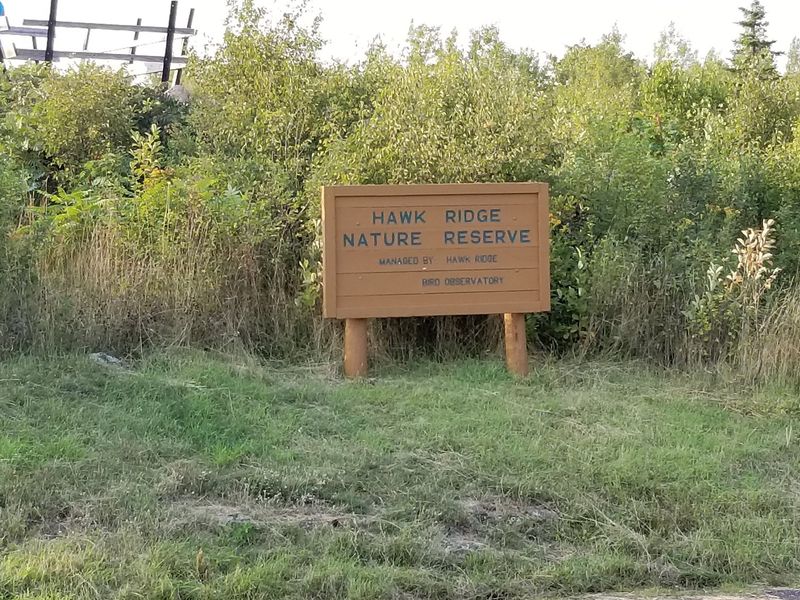
Perched above Duluth with a view that stretches out toward Lake Superior, Hawk Ridge is the kind of place that rewards showing up without any particular agenda. The ridge is a major raptor migration corridor, and during peak season the numbers of birds passing through are genuinely staggering.
Thousands of hawks, falcons, and eagles funnel through this narrow geographic point each autumn.
Professional naturalists and trained volunteers staff a raised observation platform where they count, identify, and sometimes band raptors in real time. Watching that process up close is a rare window into how migration research actually works.
The whiteboard tallies of the day’s counts become their own kind of scoreboard that birders gather around with real excitement.
Even outside migration season, the views from the ridge make the drive worthwhile. Bring binoculars, wear layers because Duluth lives up to its reputation for wind, and consider a chair if you plan to stay a while. The trails through the surrounding woodland add another dimension to the visit entirely.
Address: 3980 E Skyline Pkwy, Duluth, MN 55804
8. Carpenter Nature Center, Hastings
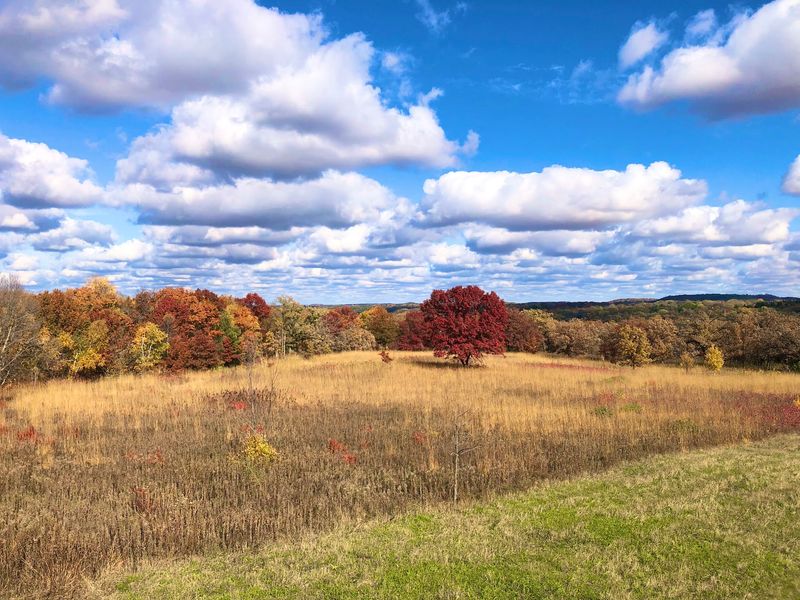
Just south of the Twin Cities, Carpenter Nature Center sits along the St. Croix River and offers one of the most accessible and genuinely beautiful nature experiences in the region. The trails are well-maintained and range from short, easy loops to longer hikes.
Bald eagles are a regular presence here, particularly near the water. An exhibit hall adds an educational layer to what is otherwise a very organic, walk-at-your-own-pace kind of place.
There is also a working apple orchard on the grounds, which gives the property a distinct character through the fall season. It feels a little like discovering someone’s well-kept secret.
School groups visit regularly, which speaks to how well the center works as a teaching environment. Picnic tables are available, dogs are welcome on the trails, and admission is free. For families or solo hikers this is an easy and rewarding choice any time of year.
Address: 12805 St Croix Trail S, Hastings, MN 55033
9. Tamarac National Wildlife Refuge Visitor Center, Rochert
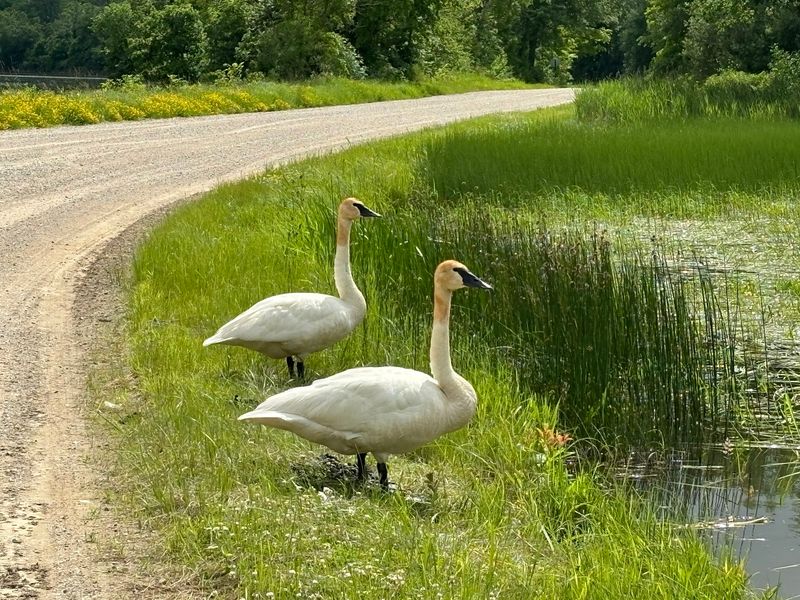
Out in the lake country of northwestern Minnesota, Tamarac National Wildlife Refuge covers 43,000 acres of forest, wetlands, and open water. The visitor center is clean, well-organized, and packed with exhibits on the animals that call this landscape home year-round.
Trumpeter swans, bald eagles, loons, and white-tailed deer are all regulars here.
The scenic wildlife drive is one of the best ways to move through the refuge, especially for anyone who prefers to take their time and scan the treelines and shorelines from the comfort of a car. Gravel roads wind through habitat types that shift noticeably as you go.
Walking trails offer a quieter, slower alternative and bring you closer to the smaller details, the wildflowers, the bird boxes, the beaver activity along the waterways. The visitor center is open Wednesday through Saturday, with limited Sunday hours.
If you time it right, you will have the trails largely to yourself. That kind of solitude in a place this full of life is genuinely hard to find.
Address: 35704 270 St, Rochert, MN 56578
10. Prairie Wetlands Learning Center, Fergus Falls
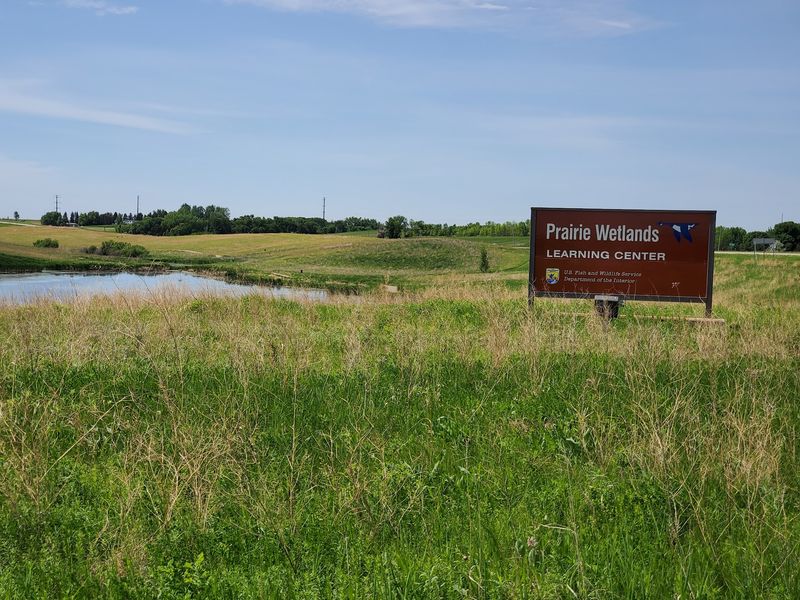
The name Prairie Wetlands Learning Center does not oversell what this place delivers. Acres of restored prairie stretch out alongside a variety of pothole wetlands, and the trail system winds through both with a naturalness that makes you forget you are on a managed preserve.
It lives up to its name in the best possible way.
Bluebird boxes, wood duck houses, and purple martin structures are placed thoughtfully throughout the property, attracting the species they were designed for. Watching a bluebird pop in and out of a nest box on a bright spring morning is a small pleasure that somehow never gets old.
The trails are accessible and suitable for younger kids, which makes this a solid choice for family outings.
The learning center itself hosts school programs and has offered meaningful outdoor education for students from the region for years. Even on days when the building is closed, the trails remain open and worth exploring.
This is a quieter, less-visited gem in western Minnesota that rewards the effort it takes to get there.
Address: 602 MN-210 East, Fergus Falls, MN 56537
11. Rapids Lake Education And Visitor Center, Carver
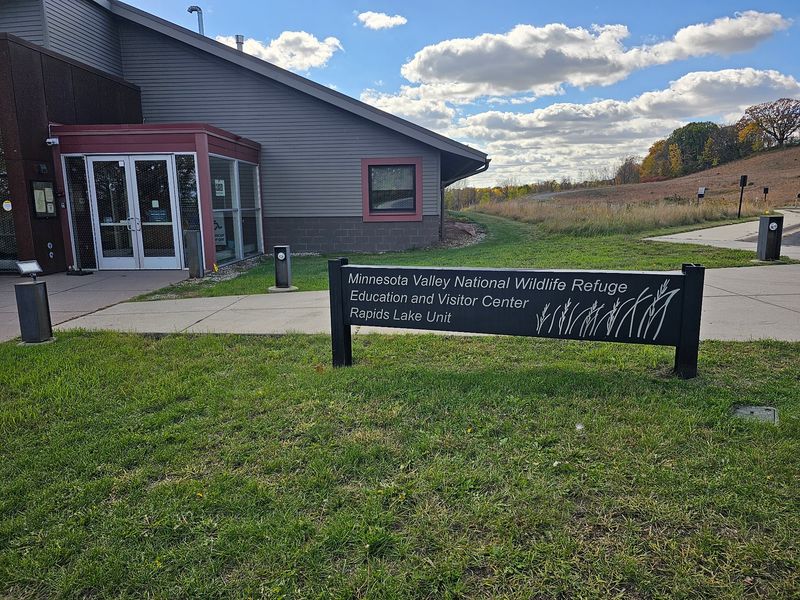
Southwest of the Twin Cities, the Rapids Lake Education and Visitor Center sits within the Minnesota Valley National Wildlife Refuge and manages to pack a lot of learning into a compact and welcoming space.
The center features exhibits on local wildlife and seasonal ecology. Bird feeders positioned outside the windows draw a steady stream of species that visitors can observe without stepping outside at all. That is a nice touch, especially in colder months.
The trail system connects to river corridors where deer, waterfowl, butterflies, and other wildlife move through regularly. Kids who visit tend to find real evidence of animal activity along the paths, which makes the follow-up exhibit time inside feel connected and relevant rather than abstract.
Open on weekends, the center draws a mix of families, birdwatchers, and curious locals who want something more engaging than a standard park visit. The staff and volunteers bring genuine knowledge to any conversation about the refuge and the species it supports.
For a half-day outing close to the metro, this one holds its own.
Address: 15865 Rapids Lake Rd, Carver, MN 55315
12. Sherburne National Wildlife Refuge, Zimmerman
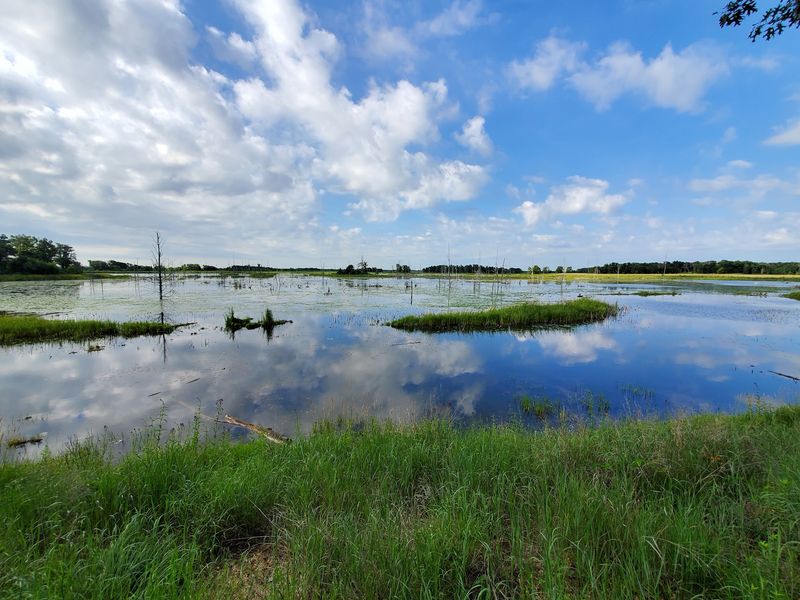
About an hour north of Minneapolis, Sherburne National Wildlife Refuge is one of those places that rewards repeat visits in different seasons. The landscape shifts dramatically from summer to winter, and the wildlife changes right along with it.
Sandhill cranes, bald eagles, white-tailed deer, wild turkeys, and great blue herons are all part of the regular cast here.
A seven-mile wildlife drive loops through wetlands, oak savanna, and restored prairie, and it works beautifully whether you are driving slowly with windows down or stopping every few minutes to photograph something that just stepped into view.
The roads are smooth, the pullouts are well-placed, and the whole route has a rhythm that feels deliberately designed for observation.
Hiking and biking trails branch off from the main drive and take you deeper into the habitat. Even on a rainy day, the refuge delivers. Dogs are welcome, picnic areas are available, and parking is free. For anyone who wants a genuine wildlife experience, Sherburne is a reliable and beautiful answer.
Address: 17076 293rd Ave NW, Zimmerman, MN 55398
