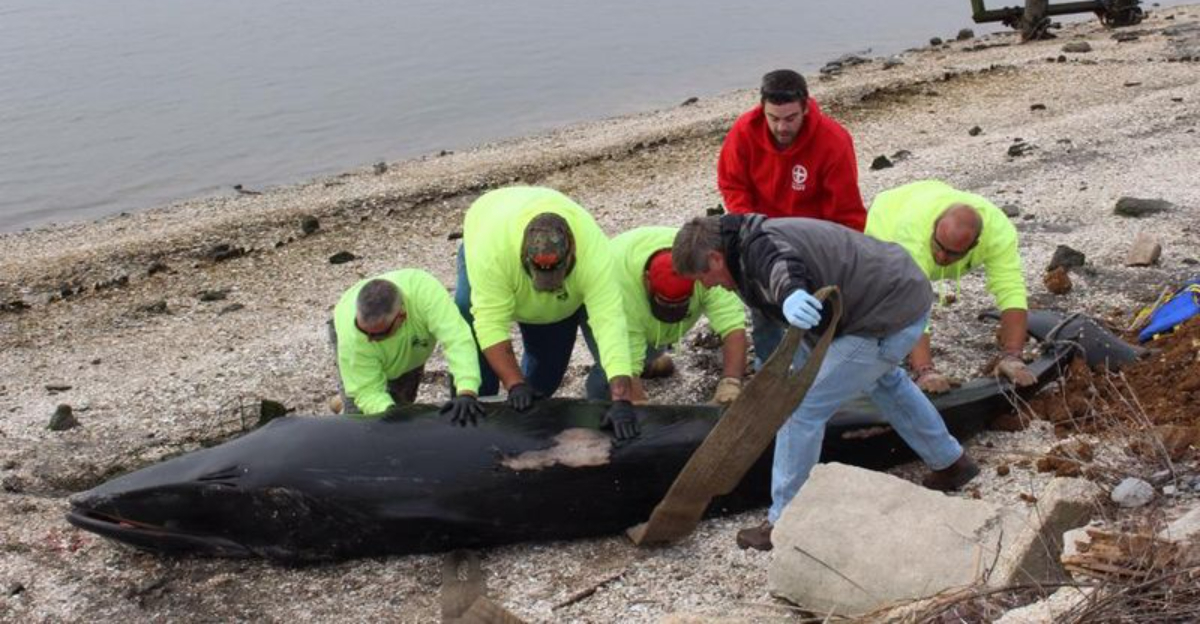
You want to help but do not know where to start.
Good news.
The animals are already waiting.
From banding owls at dawn to counting horseshoe crabs under a full moon, these twelve programs turn good intentions into muddy boots and meaningful memories.
You do not need a biology degree. You just need curiosity and a willingness to get your hands a little dirty.
Imagine releasing a rehabilitated turtle back into a quiet pond or learning why that funny looking shorebird matters more than you think.
This New Jersey offers a front row seat to nature’s daily drama, no stadium required.
So pick a program that calls to you. The foxes, frogs, and falcons will not mind if you are a beginner.
They just appreciate the company.
1. Conserve Wildlife Foundation of New Jersey
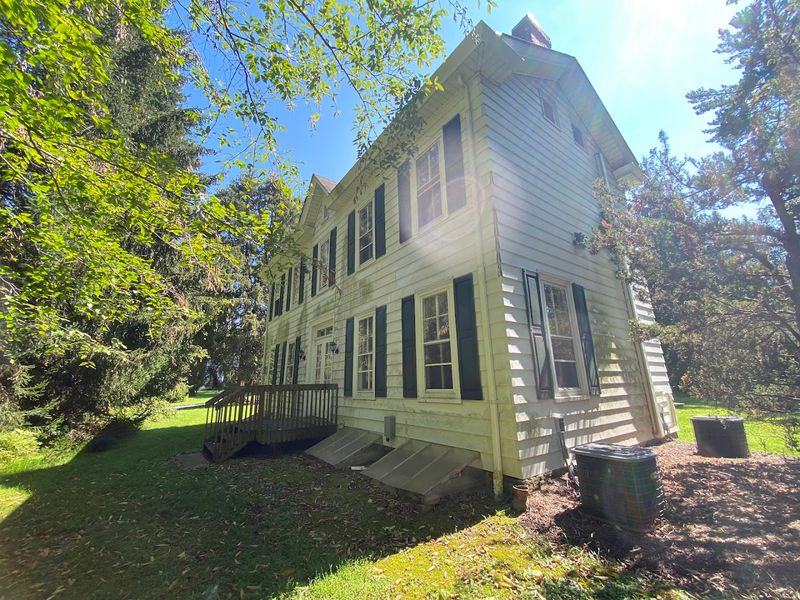
Few organizations in New Jersey put volunteers directly in the field the way Conserve Wildlife Foundation does. Helping with road closures during amphibian migration season feels like being part of something ancient and urgent at the same time.
Tiny salamanders crossing dark roads at night have no idea how many people are working to keep them safe.
Volunteers also assist with fencing projects that protect beach-nesting birds like the piping plover. These birds are surprisingly small for how much determination they pack into nesting season.
Getting close to that process, even in a support role, changes how you see a stretch of coastline forever.
There are also opportunities to monitor American kestrel nest boxes, track bat populations, and help install osprey nesting platforms. Each task connects you to a different corner of New Jersey’s ecosystem.
The foundation focuses on rare and imperiled species, so the stakes always feel real and meaningful.
Biologists guide volunteers through every step, so no experience is required to get started. Office support roles are available too for those who prefer a different kind of contribution.
Address: 608 E. Lake Ave, Waretown, NJ 08758.
2. NJDEP Division of Fish and Wildlife
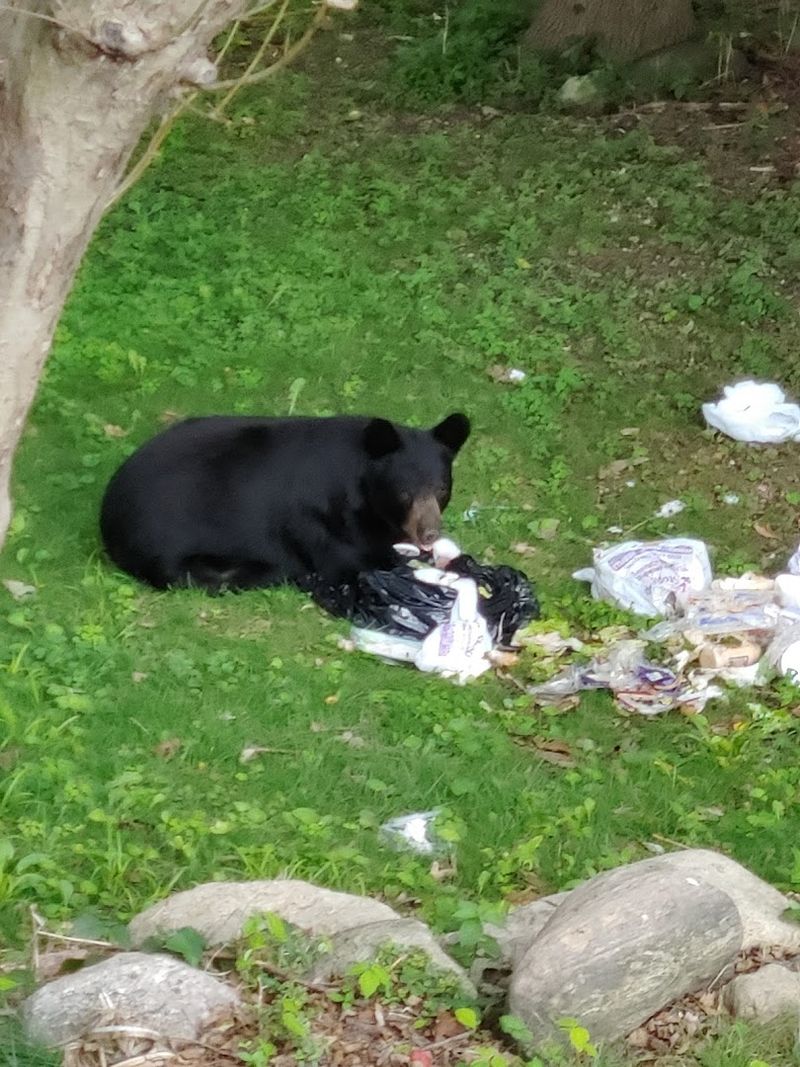
The Wildlife Conservation Corps, run through the NJDEP Division of Fish and Wildlife, holds the title of New Jersey’s largest natural resource management volunteer group. That alone says something about how seriously the state takes its wildlife.
Joining means stepping into a program with serious reach and real scientific impact.
Volunteers participate in bald eagle nest monitoring, breeding bird surveys, and mobile acoustic bat surveys. Some get involved with beach nest protection programs, standing between nesting shorebirds and foot traffic during peak season.
Others help operate turkey, beaver, and otter check stations during hunting season, collecting data that shapes future conservation decisions.
Fishing instruction and upkeep of hunter training ranges are also part of the mix. The variety keeps things interesting across seasons, meaning there is almost always something meaningful to do.
Anyone 18 or older is welcome to apply, and no prior wildlife experience is needed.
The learning curve is part of the appeal. Working alongside state biologists gives volunteers a front-row seat to how large-scale wildlife management actually functions.
It is hands-on civic participation in the truest sense of the phrase. Address: 26 Route 173 West, Hampton, NJ 08827.
3. New Jersey Audubon Headquarters
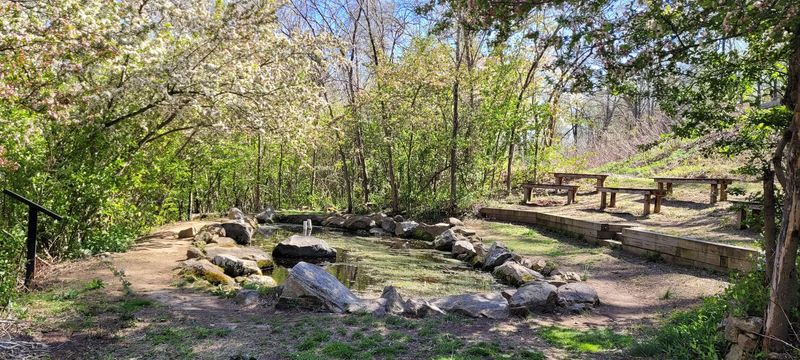
New Jersey Audubon has been championing birds and natural habitats across the state for well over a century, and their headquarters in Bernardsville is a hub of activity year-round.
Walking onto the property for the first time, the quiet hum of the landscape does something to slow your breathing down in the best possible way.
It feels like a place built around patience and observation.
Volunteer roles here span a wide range, from leading nature walks to assisting with animal care at their centers. There are also opportunities in wildlife research, citizen science projects, and property maintenance.
Even administrative support plays a role in keeping the organization’s broader mission moving forward.
Educational programming is central to everything New Jersey Audubon does. The goal is to connect people of all ages to the natural world through direct experience, publications, and community outreach.
Field research conducted through the organization adds to a growing body of knowledge about the state’s ecosystems.
Young volunteers under 18 can participate with guardian permission, and those under 14 need a parent or guardian present. The welcoming structure makes it genuinely accessible for families.
Address: 9 Hardscrabble Rd, Bernardsville, NJ 07924.
4. The Raptor Trust
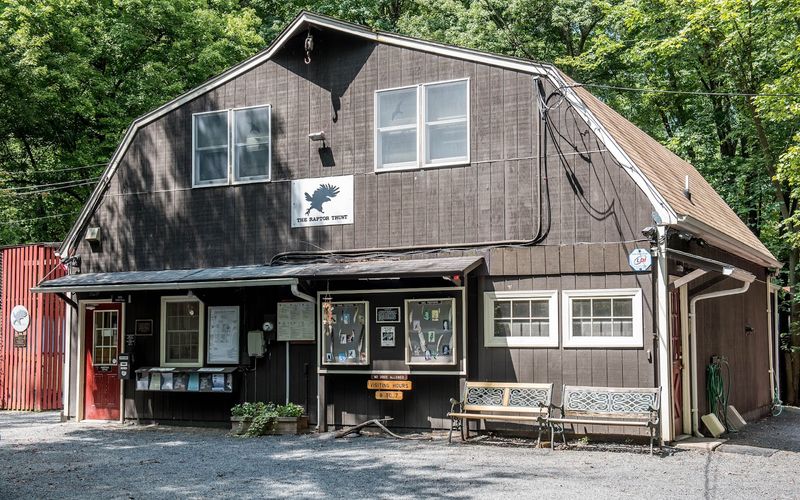
Raptors have a way of making you feel small in the most magnificent way possible. The Raptor Trust in Millington is one of the most respected wild bird rehabilitation centers in the northeastern United States, caring for thousands of birds each year.
Stepping onto the property feels like entering a space where every single detail is arranged around the needs of wild creatures.
Volunteer roles here include food preparation, cleaning adult songbird cages, and maintaining enclosures for waterfowl, gulls, and pigeons. There are also opportunities in the gift shop and as phone volunteers helping members of the public who find injured birds.
Each role supports the larger mission of getting wild birds healthy and back into their natural habitat.
Volunteers must be at least 18 years old, and direct handling of raptors is reserved for trained staff. That boundary exists for good reason, keeping both the birds and the volunteers safe.
Still, the proximity to these animals during daily care tasks is extraordinary.
The Trust also places a strong emphasis on education and public stewardship. Their programs help people understand why wild birds matter and how human behavior affects their survival.
Address: 1390 White Bridge Rd, Millington, NJ 07946.
5. Woodford Cedar Run Wildlife Refuge
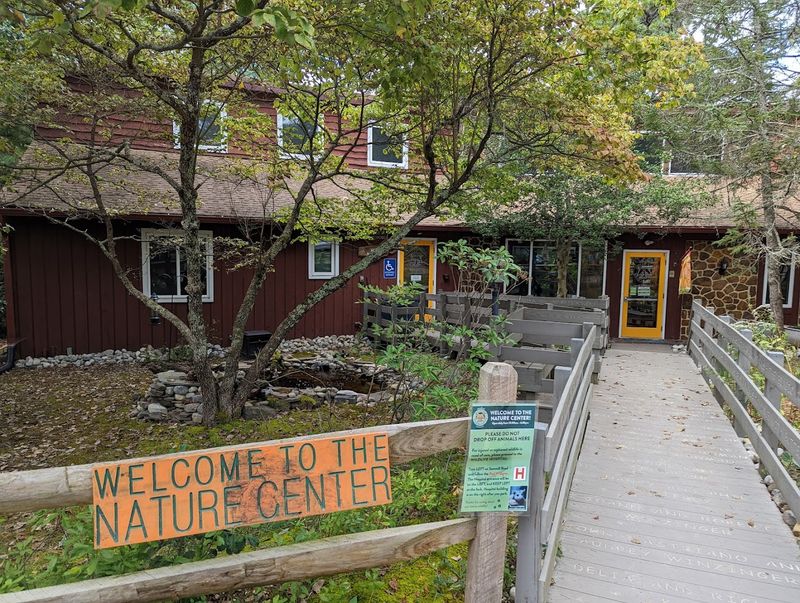
Cedar Run has built a reputation as one of New Jersey’s most beloved wildlife refuges, blending rehabilitation, education, and conservation into one deeply purposeful place.
The refuge is tucked into the Pinelands, which gives it an atmosphere unlike anywhere else in the state.
There is a particular kind of stillness out there that makes the work feel both grounded and important.
Volunteers assist in the wildlife hospital, helping care for injured and orphaned animals under the supervision of trained rehabilitators. Support roles in education programs and general refuge operations are also available.
The variety of tasks means there is almost always a way to contribute that matches your interests and schedule.
Volunteers must be at least 16 years old, and a one-time application fee covers administrative and background check costs. Internships are available for those seeking deeper, hands-on experience in rehabilitation, education, conservation, or even social media.
Cedar Run educates thousands of schoolchildren every year through field trips, assemblies, and summer camps.
The chance to be part of that educational pipeline, even indirectly, is genuinely motivating. Animals that pass through the refuge carry a story, and volunteers become part of that story.
Address: 4 Sawmill Rd, Medford, NJ 08055.
6. Marine Mammal Stranding Center
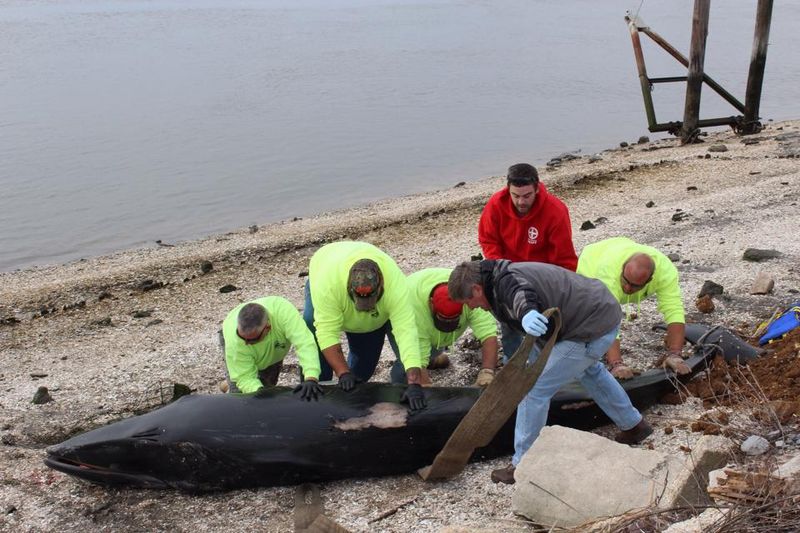
There is something genuinely awe-inspiring about an organization dedicated to helping marine mammals find their way back to the ocean.
The Marine Mammal Stranding Center in Brigantine has been doing exactly that for decades, responding to strandings of dolphins, seals, and whales along the Jersey Shore.
The work is urgent, physical, and deeply rewarding.
Volunteers support the center’s rehabilitation efforts by assisting with animal care, facility maintenance, and educational outreach. The center also responds to stranding calls along the coast, and trained volunteers play a role in those field responses.
Getting that kind of real-world exposure to marine wildlife is rare and genuinely unforgettable.
Learning opportunities are woven into the experience from day one. The center educates the public about marine mammal biology, the threats these animals face, and what coastal communities can do to help.
School groups, families, and curious adults all benefit from their outreach programs.
Spending even a few hours at this facility shifts your perspective on the ocean in a lasting way. The dedication of the team there is contagious, and it tends to turn one-time volunteers into long-term advocates.
Address: 3625 Brigantine Blvd, Brigantine, NJ 08203.
7. New Jersey Conservation Foundation
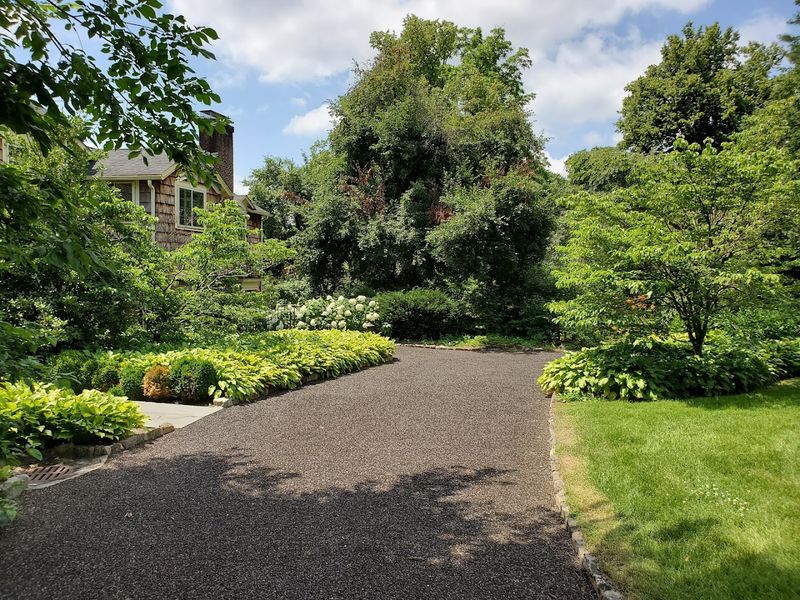
Land conservation might not sound as immediately exciting as rescuing a stranded seal, but the New Jersey Conservation Foundation makes a compelling case for why protecting land is the foundation of everything else.
Based in Far Hills, the organization has preserved hundreds of thousands of acres across the state over the decades.
That scale of impact is hard to wrap your head around until you are standing in one of those protected places.
Volunteers engage with stewardship projects across preserved properties, including trail maintenance, invasive species removal, and habitat restoration. These tasks require physical effort but reward participants with a tangible sense of accomplishment.
Showing up to a field overgrown with invasive plants and leaving it a little healthier is quietly satisfying work.
Educational programming through the foundation helps connect communities to the landscapes being protected. Workshops, guided hikes, and outreach events bring conservation out of the abstract and into everyday life.
The foundation also advocates for smart land-use policy at the state level.
For anyone who loves open space, clean water, and the idea that some places should stay wild forever, this organization offers a meaningful way to act on those values. Address: 170 Longview Rd, Far Hills, NJ 07931.
8. Friends of Cape May National Wildlife Refuge
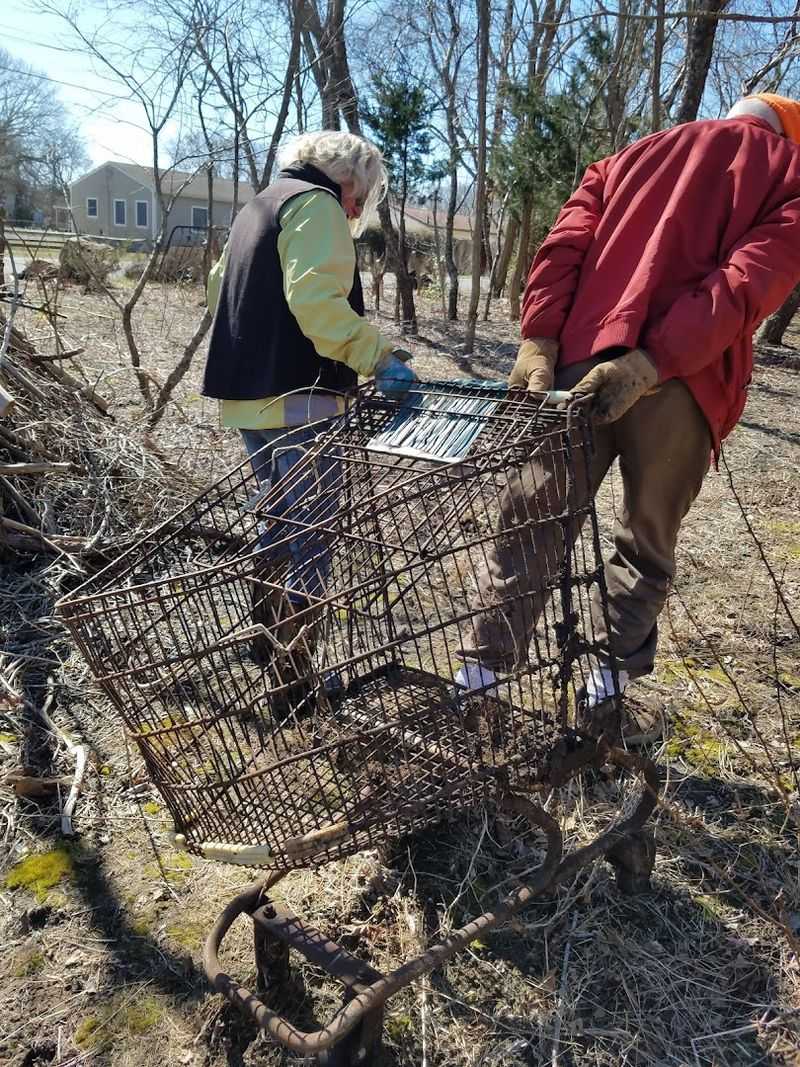
Cape May sits at the very tip of New Jersey like a punctuation mark on the Atlantic flyway, and the wildlife refuge there is one of the most ecologically significant spots on the East Coast.
During migration season, the concentration of birds passing through is almost unbelievable.
Getting involved with the Friends of Cape May National Wildlife Refuge means connecting with that phenomenon in a real and active way.
The Friends group supports the refuge through volunteer programs that include trail maintenance, visitor outreach, and invasive plant control.
Volunteers also staff interpretive programs and help educate the thousands of birders and nature lovers who visit Cape May each year.
The educational role here feels especially rewarding given how enthusiastic the visitor community tends to be.
Habitat restoration work along the refuge’s diverse ecosystems, including beaches, forests, and freshwater wetlands, gives volunteers a broad view of coastal conservation. Each habitat type presents its own set of challenges and rewards.
Seasonal events and monitoring projects keep the volunteer calendar active throughout the year.
Cape May has a magnetic quality that keeps people coming back season after season. Being embedded in the refuge community through volunteering deepens that connection considerably.
Address: 24 Kimbles Beach Rd, Cape May Court House, NJ 08210.
9. Great Swamp Watershed Association
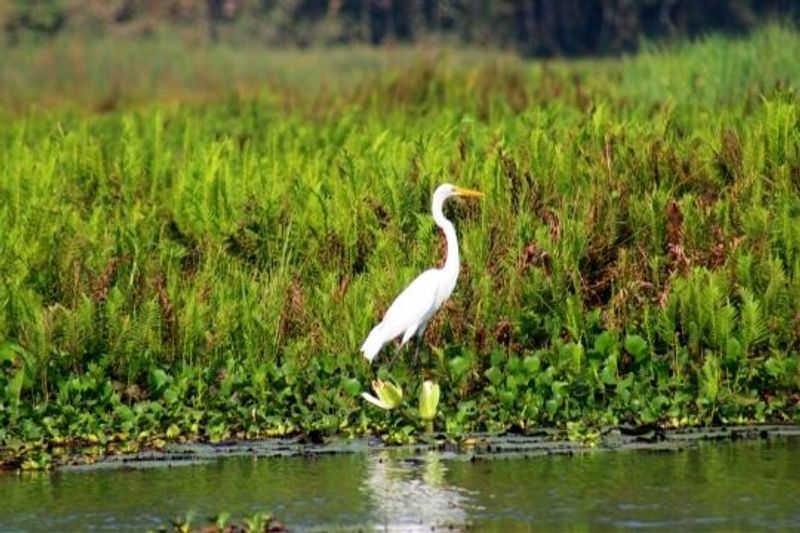
The Great Swamp watershed covers a surprisingly large and ecologically rich stretch of northern New Jersey, and the association dedicated to protecting it punches well above its weight in terms of conservation impact.
Getting involved here means working to safeguard a watershed that provides clean water and wildlife habitat for a densely populated region.
That context makes every volunteer hour feel genuinely significant.
Volunteer opportunities include trail maintenance, invasive plant control, garden upkeep, and staffing visitor centers within the refuge.
Walk leaders conduct interpretive tours for groups including school classes, bringing the swamp’s ecology to life for people who might never have thought much about freshwater habitats.
The minimum annual commitment of 36 hours keeps the volunteer corps engaged and consistent.
Volunteers 17 and younger are welcome but must be accompanied by a parent or guardian. That policy makes it a great option for families looking to share an outdoor conservation experience.
Learning happens organically through every task, whether pulling garlic mustard or explaining amphibian habitat to a curious third grader.
The swamp itself is surprisingly beautiful in all four seasons, with something new to observe on every visit. Quiet and productive, it rewards people who pay attention.
Address: 568 Tempe Wick Rd, Morristown, NJ 07960.
10. Scherman Hoffman Wildlife Sanctuary (NJ Audubon)
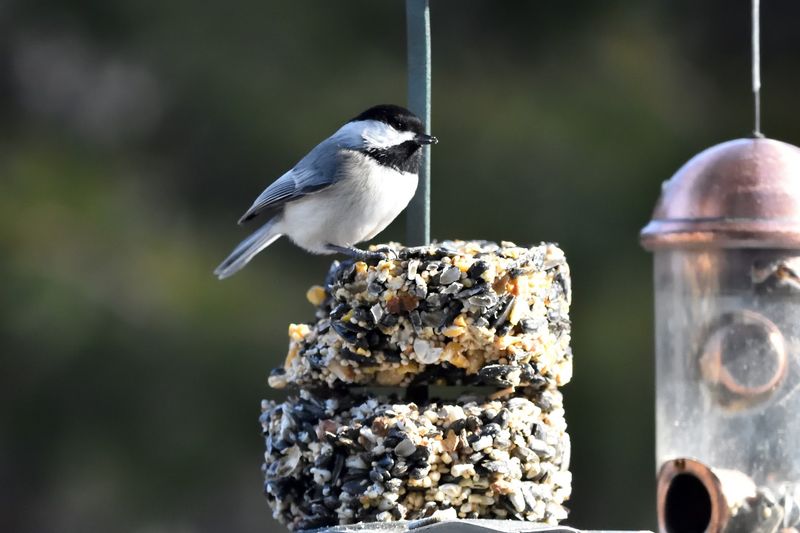
Scherman Hoffman Wildlife Sanctuary carries a special kind of energy that regular visitors tend to describe as addictive.
Operated by New Jersey Audubon, this sanctuary in Bernardsville offers some of the richest birding in the state, particularly during spring migration when the forest practically buzzes with warblers.
Volunteering here puts you at the center of that seasonal spectacle.
Volunteer roles align closely with the broader New Jersey Audubon mission, including leading nature walks, assisting with citizen science surveys, and supporting educational programming.
Breeding bird surveys conducted at the sanctuary contribute to long-term data sets that help scientists track population trends across the region.
That scientific dimension gives the volunteer work extra depth and purpose.
The sanctuary’s trails wind through diverse habitats including riparian corridors, upland forest, and meadow edges. Each zone supports different species, which means no two visits feel quite the same.
Seasonal programs and workshops keep the learning opportunities fresh throughout the year.
Young volunteers under 18 are welcome with appropriate guardian involvement, making this a strong option for families or students interested in environmental science. The sanctuary staff creates an environment where curiosity is genuinely encouraged.
Address: 11 Hardscrabble Rd, Bernardsville, NJ 07924.
11. Cora Hartshorn Arboretum and Bird Sanctuary
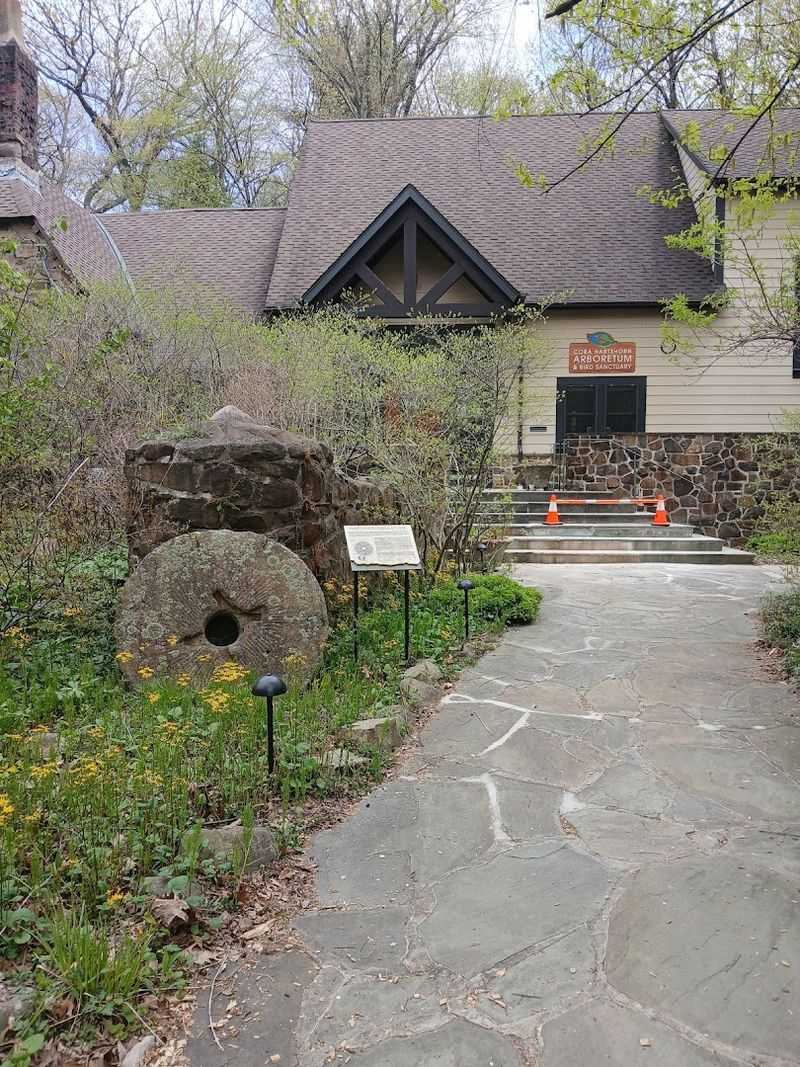
Tucked into a residential neighborhood in Short Hills, the Cora Hartshorn Arboretum and Bird Sanctuary feels like a secret the locals have been keeping for decades. The 16-acre property is small by refuge standards but remarkable in the depth of experience it offers.
Old stone buildings, mature forest, and well-kept trails create an atmosphere that feels genuinely historic.
The arboretum blends conservation with community education in a way that feels organic rather than programmatic. Volunteers support nature programming, trail stewardship, and visitor engagement throughout the year.
The sanctuary’s focus on connecting people, especially children, to local ecosystems gives every volunteer contribution a clear and immediate purpose.
Bird life here is diverse relative to the property’s size, reflecting the value of even small protected green spaces in suburban landscapes. Learning to identify local species while maintaining the trails that give people access to them is a satisfying combination.
The arboretum also hosts seasonal events that draw in community members who might not otherwise engage with wildlife conservation.
For anyone living in or near Essex County, this place offers an unusually accessible entry point into conservation work. The scale is approachable, the community is warm, and the impact is real.
Address: 324 Forest Dr S, Short Hills, NJ 07078.
12. Flat Rock Brook Nature Center
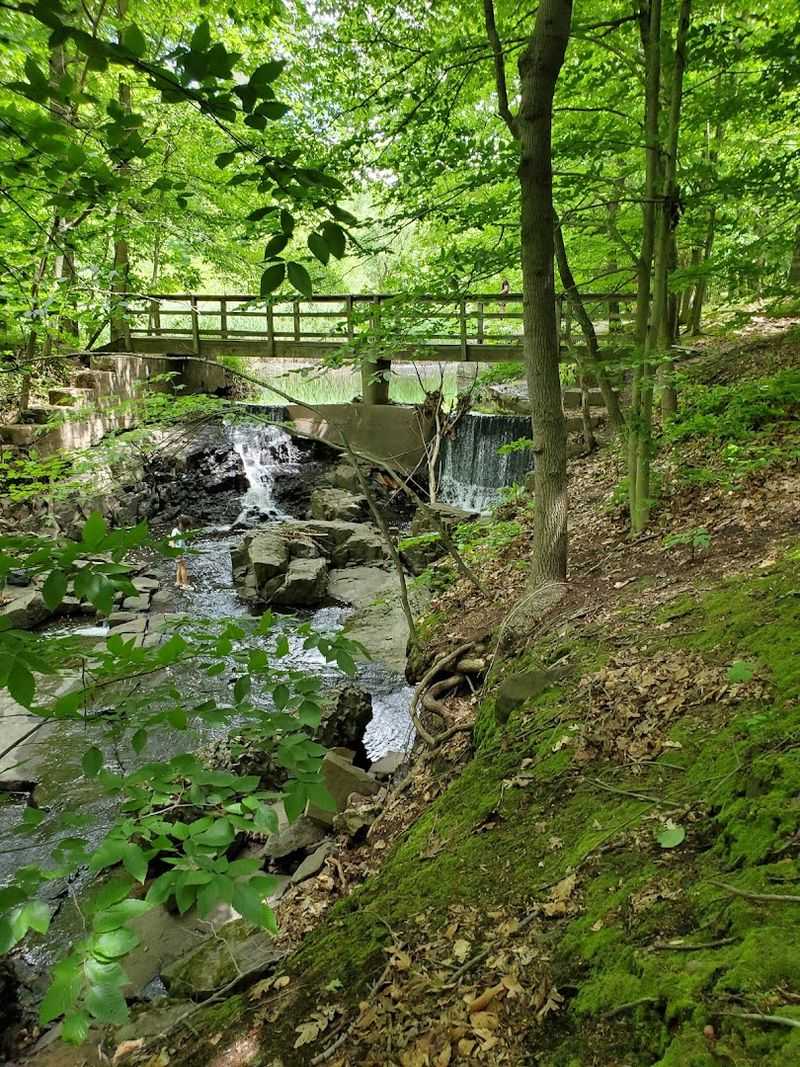
Flat Rock Brook Nature Center in Englewood manages to feel both urban-accessible and genuinely wild, which is no small feat given its location in Bergen County. The 150-acre property sits close to the George Washington Bridge but operates like a fully functioning nature sanctuary.
That contrast is part of what makes it so compelling as a conservation and education hub.
Volunteer roles here cover a wide spectrum, from Trail Guides leading nature walks to Animal Care volunteers assisting with reptiles, amphibians, and invertebrates.
Docents provide visitor support and educational information, while the Ranger Program gives students aged 12 to 17 structured opportunities to contribute to trail maintenance and invasive plant control.
Junior Rangers (ages 12 to 14) and Land Rangers (ages 15 to 17) each have distinct responsibilities suited to their experience level.
Trail Guides receive real training and participate in educational workshops and field trips, which means the learning runs in both directions. Animal Care volunteers develop genuine knowledge about the species in their care, not just surface-level familiarity.
The center’s layered approach to youth involvement is one of its strongest features.
Adult and student volunteers alike leave Flat Rock Brook with a sharper eye for the natural world hiding in plain sight.
Address: 443 Van Nostrand Ave, Englewood, NJ 07631.
