A checklist and a pair of gloves can go a lot further than most people assume. Programs scattered across Oregon prove that point regularly, turning curious visitors into actual contributors within a single session.
Bird counts happen at sunrise for some volunteers. Others spend afternoons pulling invasive plants or logging data researchers later use for statewide reports. These programs run on people willing to show up repeatedly, not just once for the experience.
Knowledge sticks differently this way too. Ask a volunteer a few weeks in and they’ll answer questions about local species almost without thinking, information absorbed through doing rather than reading. Getting involved here rarely requires prior experience. Curiosity alone seems to be enough to start.
1. Bird Alliance of Oregon (Formerly Portland Audubon), Portland, OR
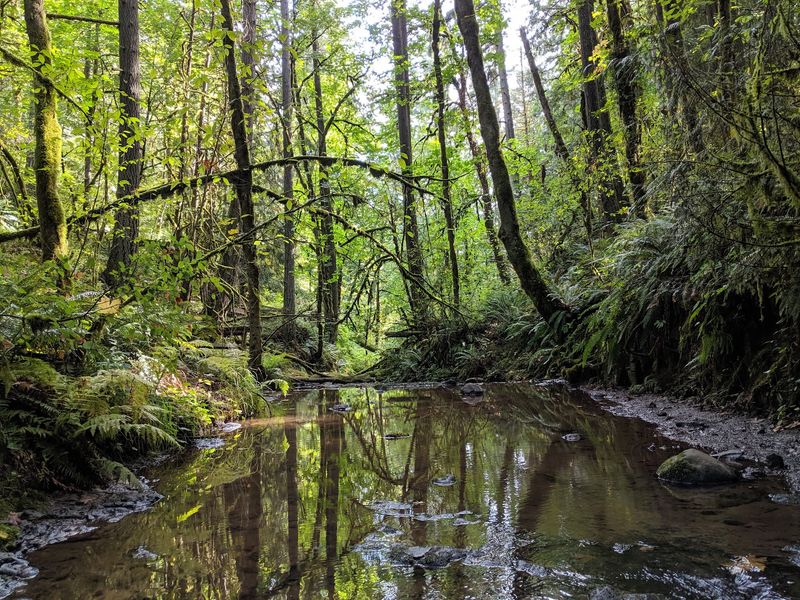
Few urban sanctuaries feel as genuinely alive as this one tucked into the hills just outside downtown Portland. The Bird Alliance of Oregon sits on 150 acres of forested land. It offers four miles of winding trails where you can spot native birds moving through the canopy overhead.
It is the kind of place where slowing down actually feels natural.
The interpretive center gives visitors a window into the world of bird rehabilitation. Injured animals receive care year-round, and the facility accepts drop-offs of birds found hurt or abandoned in the wild. Volunteers play a meaningful role in keeping daily operations running smoothly.
If you are hoping to build your birding life list, the knowledgeable team can help you figure out exactly which species to watch for on any given trail. A small pond on the property often draws wood ducks and other waterfowl.
The center is open daily, kid-friendly, and free to walk through, making it an accessible first stop for anyone new to wildlife conservation in Oregon.
Address: 5151 NW Cornell Rd, Portland, OR 97210
2. Wildlife Center of North Coast, Astoria, OR
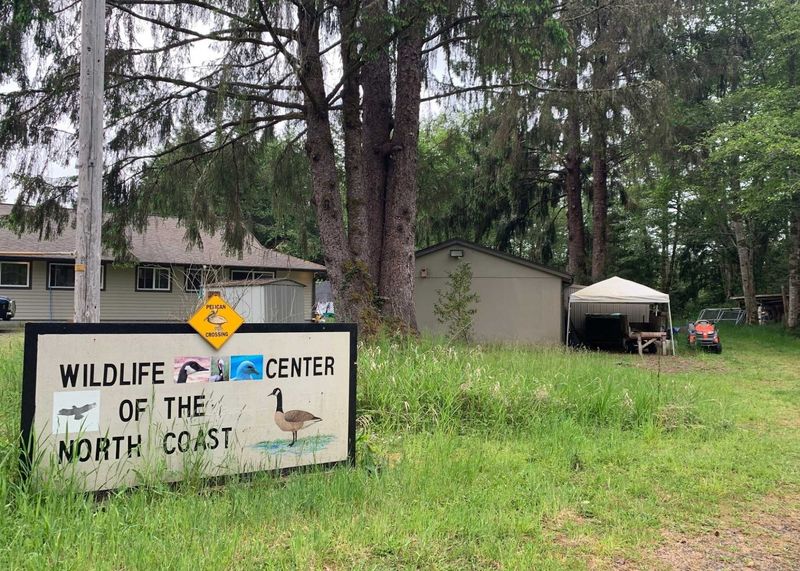
Astoria sits at the mouth of the Columbia River where the Pacific coast stretches wide and wild. The Wildlife Center of North Coast fits perfectly into that rugged landscape.
This nonprofit is one of the very few facilities in Oregon equipped to rehabilitate seabirds. That makes it genuinely rare in the region. The work happening here is quiet but enormously important.
Visitors who come for a tour learn about the full arc of wildlife rehabilitation. Each enclosure tells its own story, with seasonal patterns in which species arrive and in what numbers shifting throughout the year. It is a surprisingly layered education in how wildlife and human activity intersect.
For those thinking about volunteering, this center actively welcomes people willing to learn and contribute. The staff bring genuine expertise to every interaction, and the experience of spending time here tends to leave people wanting to come back.
There is something quietly moving about watching a seabird on the road to recovery along this stretch of the Oregon coast.
Address: 89686 OR-202, Astoria, OR 97103
3. Chintimini Wildlife Center-Wildlife Hospital, Corvallis, OR
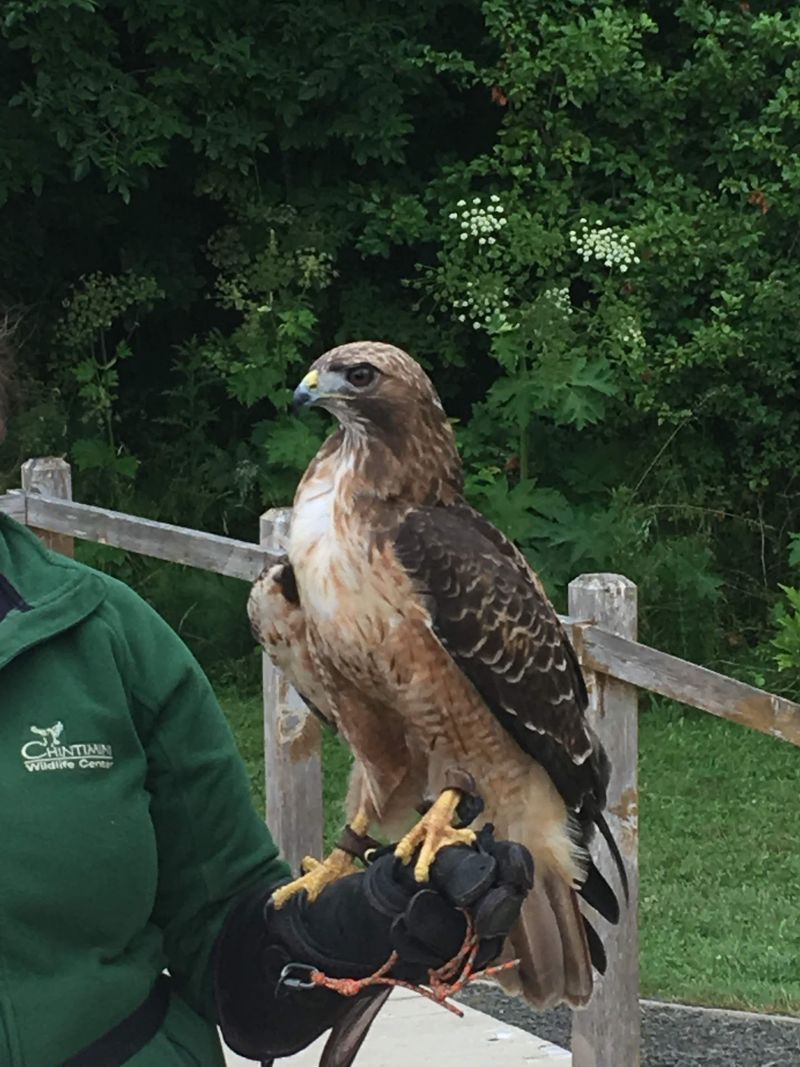
Corvallis has a quiet, academic energy that suits a place like Chintimini Wildlife Center perfectly.
This facility serves as the only wildlife rehabilitation center for native migratory birds, mammals, and reptiles in the stretch between Eugene and Portland. That means it carries a significant responsibility for the region. That weight is handled with real care.
The center runs educational programs alongside its rehabilitation work, so a visit here is never just about looking at animals. Guides walk visitors through the specifics of each animal in care, explaining how it arrived, what treatment it is receiving, and what the goal is for its release.
Families with kids tend to find this place especially engaging because the learning happens in a hands-on, story-driven way rather than through dry signage.
The center runs entirely on donations, so bringing something to contribute when you drop off an injured animal or visit as a tourist is a meaningful gesture. Open daily from 9 AM to 4 PM, it is approachable and welcoming for anyone curious about how wildlife medicine actually works.
Address: 311 NW Lewisburg Ave, Corvallis, OR 97330
4. Think Wild, Bend, OR
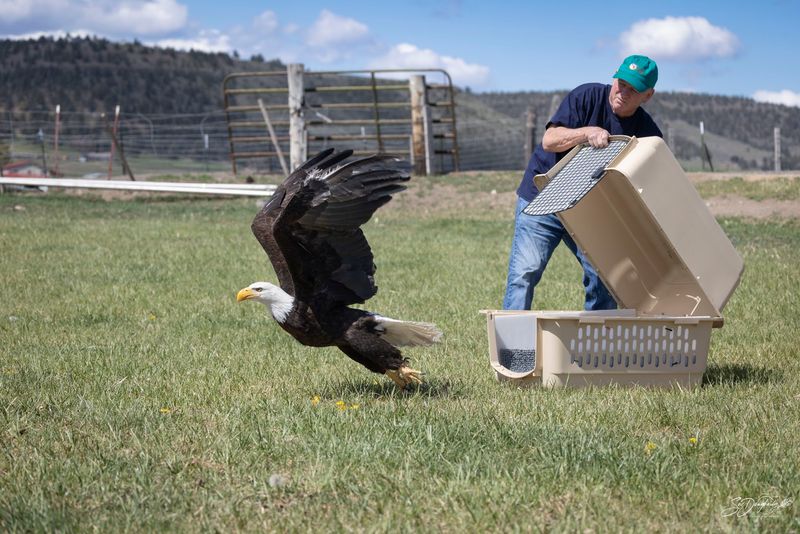
Central Oregon has a particular wildness to it that feels different from the lush western side of the Cascades. Think Wild operates right in that landscape, caring for injured native animals with the clear goal. The mission is simple, but the work behind it is anything but.
What sets Think Wild apart is how actively it pulls the local community into its orbit. Beyond the rehabilitation work, the organization hosts events and outreach programs designed to get people curious, involved, and genuinely excited about the native wildlife of Central Oregon.
That community-building energy is something you feel the moment you engage with the team.
For volunteers, this is a place that offers real hands-on experience and a chance to develop lasting knowledge about regional species. The staff bring both expertise and warmth to everything they do, and that combination makes the learning feel natural rather than forced.
Think Wild also serves as a resource for anyone who encounters an injured animal in the area and is not sure what to do next. It is the kind of organization that quietly changes how people see the world around them.
Address: 62410 Erickson Rd, Bend, OR 97701
5. Wildlife Images Rehabilitation & Education Center, Grants Pass, OR
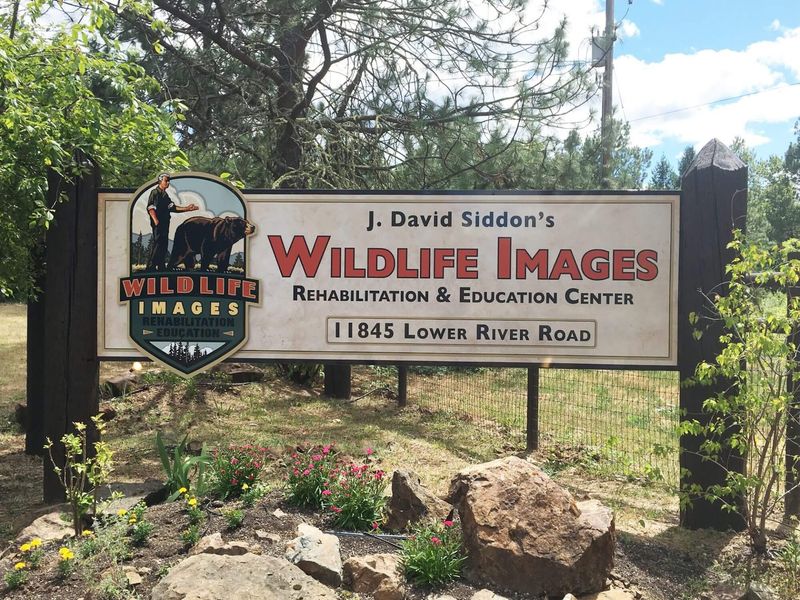
Grants Pass sits in the Rogue River Valley, and Wildlife Images feels like a natural extension of that wild, canyon-carved landscape. The facility is home to bears, eagles, wolves, and a rotating cast of other rescued animals that cannot be released back into the wild for various reasons.
Seeing them in wide, naturalistic spaces rather than cramped cages makes a real impression.
The educational component here is strong. Volunteer staff share detailed knowledge about each animal, covering not just the species but the specific story of how it came to be at the center.
That personal context transforms a visit from a simple wildlife viewing experience into something much more meaningful.
Picnic tables are available on the grounds, making this a lovely spot to spend a full morning or afternoon with family. Kids respond enthusiastically to the variety of animals on site, and the center has a playground area as well.
Every visit directly supports the ongoing rehabilitation work and the future of animals that may eventually be returned to the wild. It is one of southern Oregon’s most compelling wildlife destinations, and the experience tends to stick with you long after you have driven away.
Address: 11845 Lower River Rd, Grants Pass, OR 97526
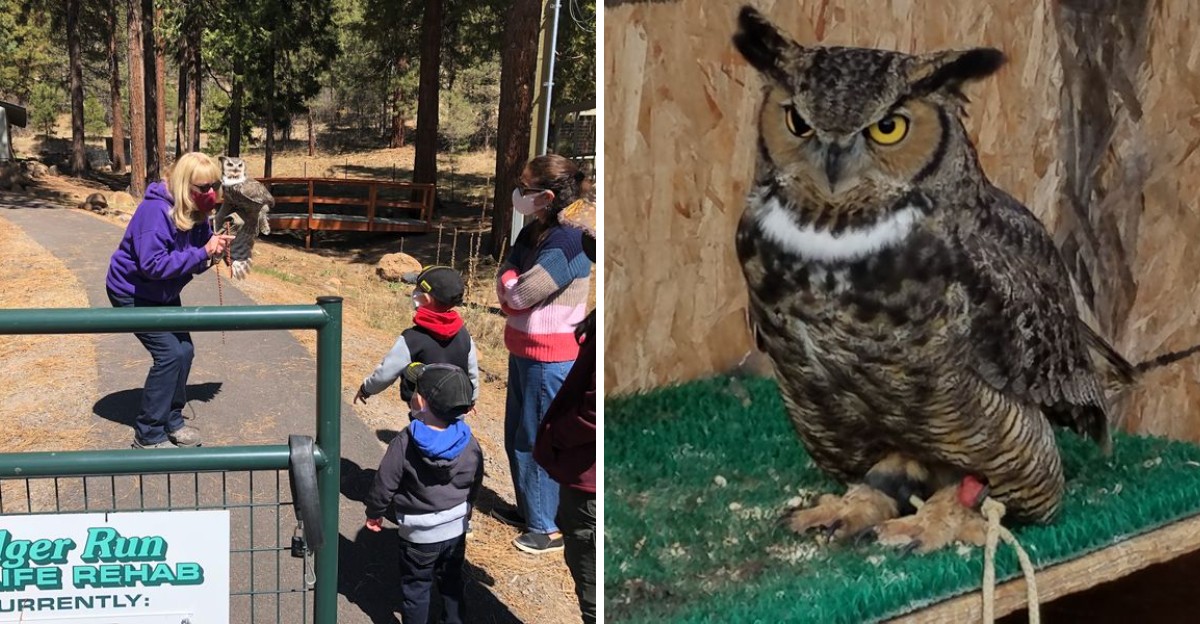
6. Badger Run Wildlife Rehab, Klamath Falls, OR
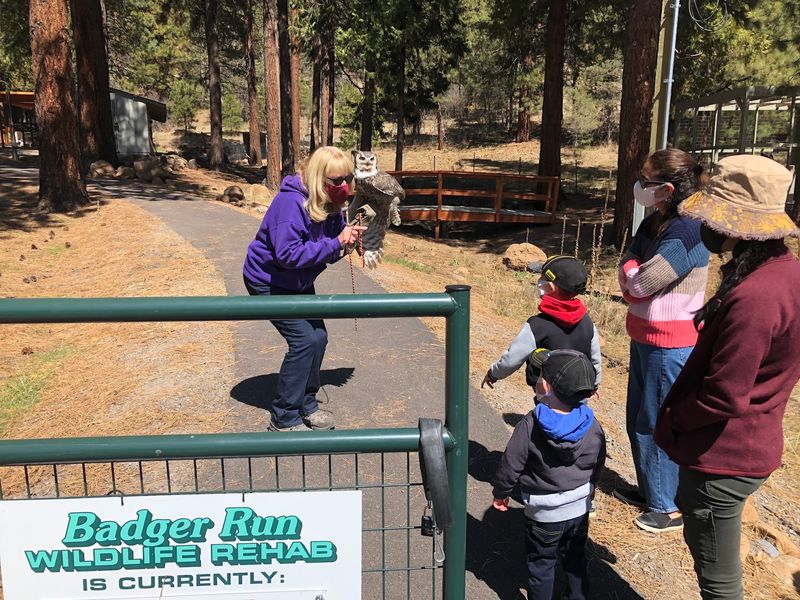
Klamath Falls is not the first place most people think of when they picture Oregon wildlife conservation. But Badger Run Wildlife Rehab is exactly the kind of operation that proves small towns can do big things.
This facility punches well above its weight, running daily rescue services alongside educational tours and classes that welcome curious visitors and prospective volunteers alike.
Tours are by appointment only, which gives the experience an intentional, unhurried quality. You are not shuffled through with a crowd. Instead, the visit feels personal, and the information shared about local wildlife and rehabilitation practices is genuinely informative rather than surface-level.
Volunteering here is something the center actively encourages, and people who have spent time helping out consistently describe the experience as rewarding in ways they did not expect.
There is something grounding about working alongside people who are fully committed to a cause that asks nothing in return except effort and care. Badger Run is a reminder that conservation does not always happen in grand, well-funded institutions.
Sometimes it happens in a modest facility on the edge of a high desert town, driven entirely by dedication. Call ahead before visiting, as the rescue service operates daily but tours require scheduling.
Address: 15993 Homestead Ln, Klamath Falls, OR 97601
7. Blue Mountain Wildlife, Pendleton, OR
Eastern Oregon has a wide-open quality that feels almost cinematic, and Blue Mountain Wildlife fits naturally into that expansive setting.
Based outside Pendleton, this nonprofit rehabilitation center serves both Eastern Oregon and southeastern Washington, covering a large and often underserved geographic area. The scope of its work is impressive for an organization of its size.
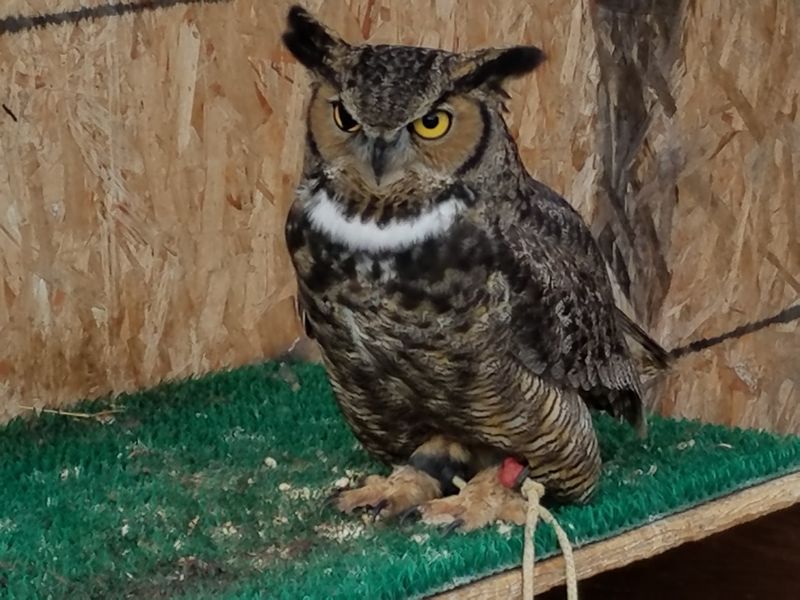
Birds of prey are a particular focus here, and getting a tour of the center means seeing hawks, owls, and other raptors at various stages of recovery. The setting itself is peaceful enough that a visit can double as a quiet nature outing. Bring a picnic and your dog, since the grounds offer room to wander.
What stands out about Blue Mountain Wildlife is how community-oriented it feels. The center acts fast when animals are in need and maintains a genuine connection with the people and landscapes it serves.
Volunteers are welcomed and valued, and the organization’s mission covers rehabilitation, research, and education in equal measure. For anyone traveling through the Pendleton area and looking for a meaningful stop, this center offers something real and worthwhile.
Address: 71046 Appaloosa Ln, Pendleton, OR 97801
8. Sunriver Nature Center & Observatory, Sunriver, OR
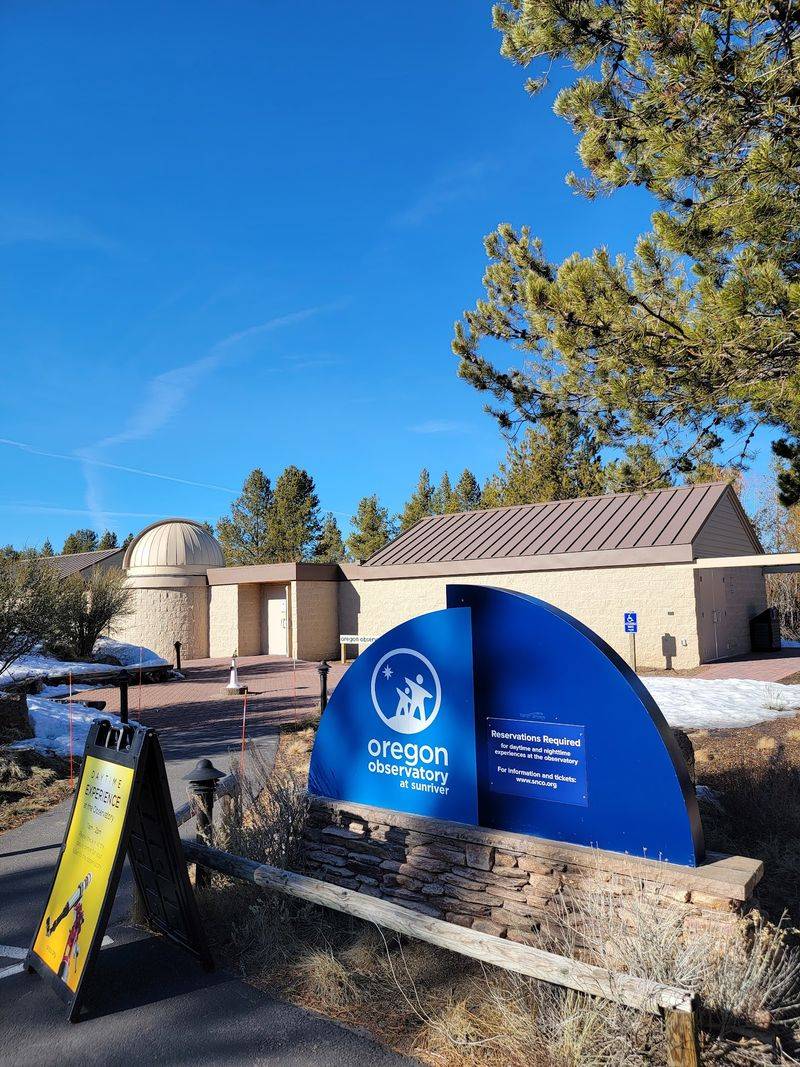
Sunriver is known mostly as a resort destination, but the Nature Center and Observatory tucked within its boundaries offers something far more substantive than vacation scenery.
The facility is compact but thoughtfully organized, with native high desert plants on display, resident birds of prey, and educational programs that genuinely hold attention across age groups. It is a small place with a lot going on.
One of the more surprising features is the presence of long-term resident animals, including a bird that has called the center home for over four decades after being struck by a car and losing the ability to fly. Stories like that give the place a depth that a brief visit might not immediately reveal.
Early summer visits offer the added bonus of spotting local wildlife near the center, including swans and their young along the nearby waterways. Beavers have left visible evidence of their presence in the surrounding trees, which is a quirky and charming detail.
Open Wednesday through Saturday, the center pairs naturally with a stay in Sunriver and adds genuine educational value to what might otherwise be a purely recreational trip.
Address: 57245 River Rd, Sunriver, OR 97707
9. Jackson Bottom Wetlands, Hillsboro, OR
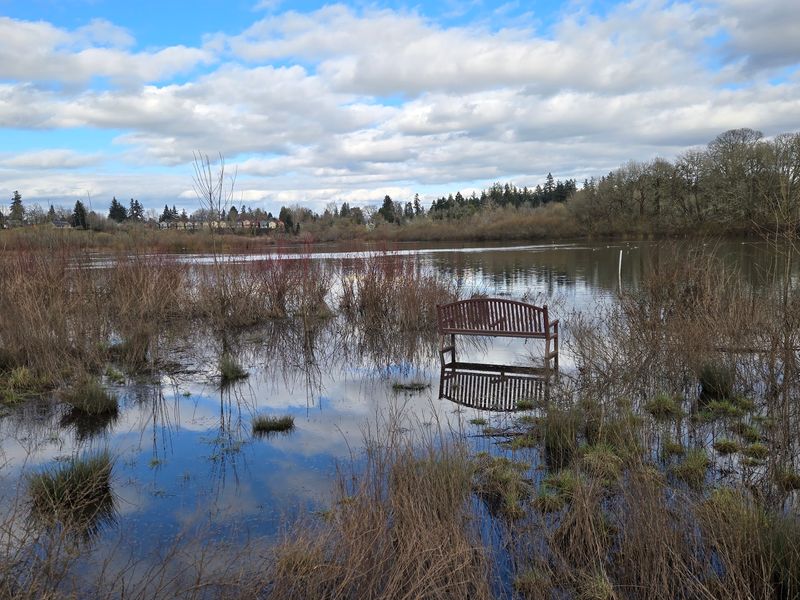
Just outside Hillsboro, Jackson Bottom Wetlands feels like a world entirely removed from the suburban surroundings that frame it. The refuge protects a rich stretch of wetland habitat where cranes, egrets, geese, herons, and tree swallows move through the landscape in full, unhurried view.
Wooden viewing platforms and well-maintained trails make the experience accessible without feeling overly developed or sanitized. The signage along the paths is clear and informative, which helps even first-time visitors understand what they are looking at and why it matters.
Year-round educational classes cover a wide range of wetland-related subjects, and seasonal events bring in families looking for something hands-on and genuinely engaging.
Dogs are not permitted on the trails, and visitors are asked to stay on marked paths to protect the habitat. That kind of intentional stewardship is part of what makes this refuge work so well. The wetland ecosystem here is sensitive, and the center takes that seriously.
Parking is available and free, restrooms are on site, and the refuge is open Monday through Saturday. For anyone in the Portland metro area looking for a meaningful wildlife experience close to home, Jackson Bottom delivers without asking much in return.
Address: 2600 SW Hillsboro Hwy, Hillsboro, OR 97123
10. Oregon Coast Aquarium, Newport, OR
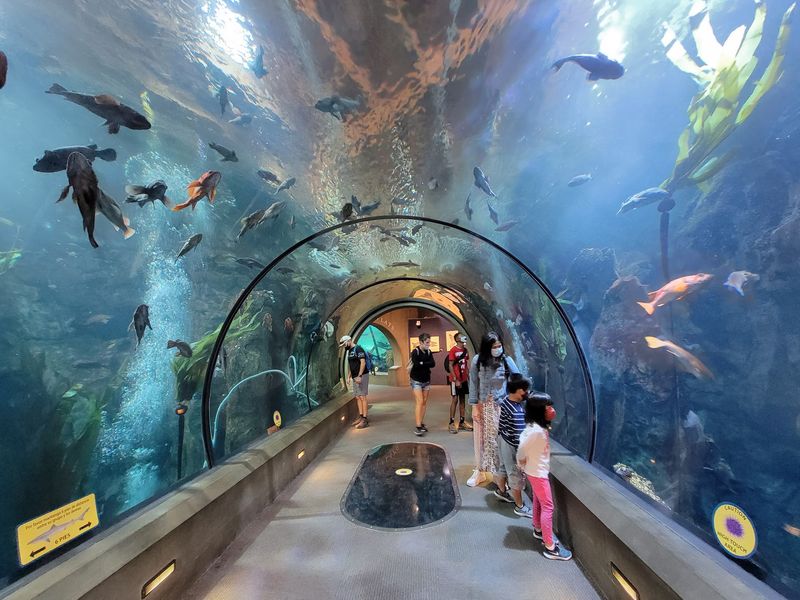
Newport has a particular coastal charm, and the Oregon Coast Aquarium sits right at the edge of Yaquina Bay in a way that feels completely intentional.
The 23-acre facility brings together northwestern birds, fish, seals, sea lions, jellyfish, and a dramatic deepwater tank that gives visitors a genuine sense of the Pacific Ocean’s depth and variety. It is immersive in the best possible way.
Marine conservation and education are woven into every corner of the aquarium, not just tacked on as an afterthought. Interactive encounters with resident animals, including a giant Pacific octopus, have left lasting impressions on visitors of all ages.
The staff are knowledgeable and genuinely enjoy sharing what they know, which elevates the experience beyond passive observation.
A cafe and gift shop are on site, and the facility is well-suited for a full day out. Tours are available for those who want a deeper look at what happens behind the scenes. The aquarium is open daily and offers free parking, making it logistically easy as well as rewarding.
For anyone traveling the Oregon coast with an interest in marine ecosystems and conservation, this stop in Newport is not one to skip lightly.
Address: 2820 SE Ferry Slip Rd, Newport, OR 97365
11. Tualatin River National Wildlife Refuge Visitor Center, Sherwood, OR
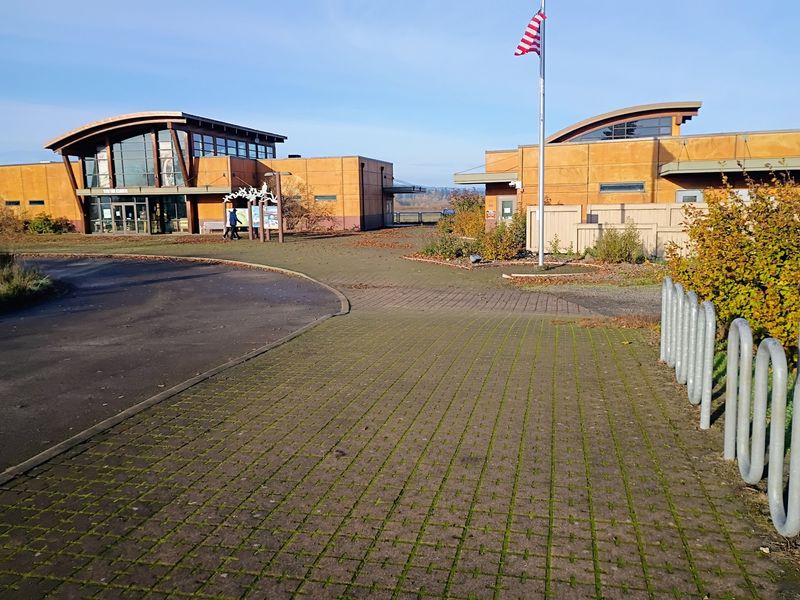
Sherwood sits in the Tualatin Valley, and the national wildlife refuge here manages to feel genuinely wild despite being surrounded by suburban development.
Miles of well-maintained trails wind through distinct habitat zones, offering views of the Tualatin River and encounters with herons, ducks, nutria, and dozens of bird species that use the area year-round. The variety is quietly surprising.
The visitor center is compact but smartly designed, with interactive displays and useful maps that orient you before you head out onto the trails. A volunteer is usually stationed at the entrance and can point you toward whatever is currently worth seeing.
That kind of personal guidance makes a real difference, especially for first-time visitors who are not sure where to start.
Parking is free, restrooms are available at the trailhead, and the refuge is accessible directly from Highway 99W, which makes it easy to fold into a broader day of exploring the region. The trails are level and wide, which means the refuge works well for families with younger kids.
Open Tuesday through Sunday, the Tualatin River National Wildlife Refuge is one of the most accessible and rewarding conservation destinations in the greater Portland area.
Address: 19255 SW Pacific Hwy, Sherwood, OR 97140
