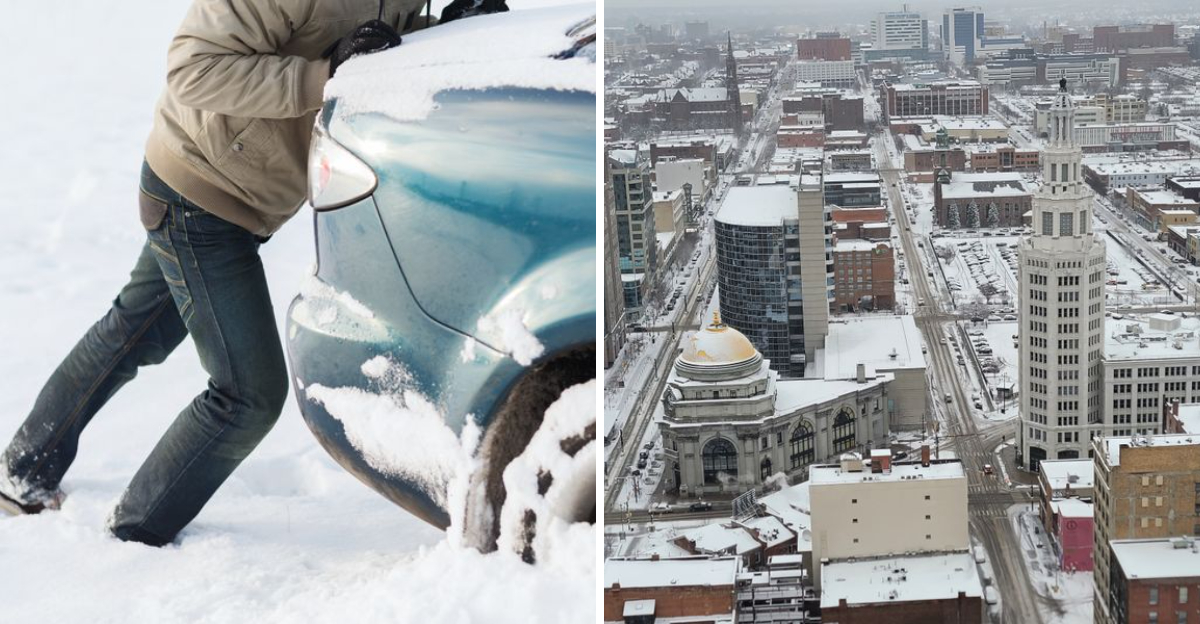
A fast moving winter system is barreling toward Upstate New York, and the timing has travelers on edge.
Forecast discussions from local offices hint at heavy bands, roaring gusts, and treacherous travel corridors across familiar routes.
If you are planning a weekend getaway or a scenic drive, the smart move is to rethink the schedule and adapt now.
Read on for clear, current, safety-first guidance that still keeps your love for discovery alive.
Every tip here is crafted to help you navigate New York with confidence when snow and wind team up.
The imminent threat and immediate action
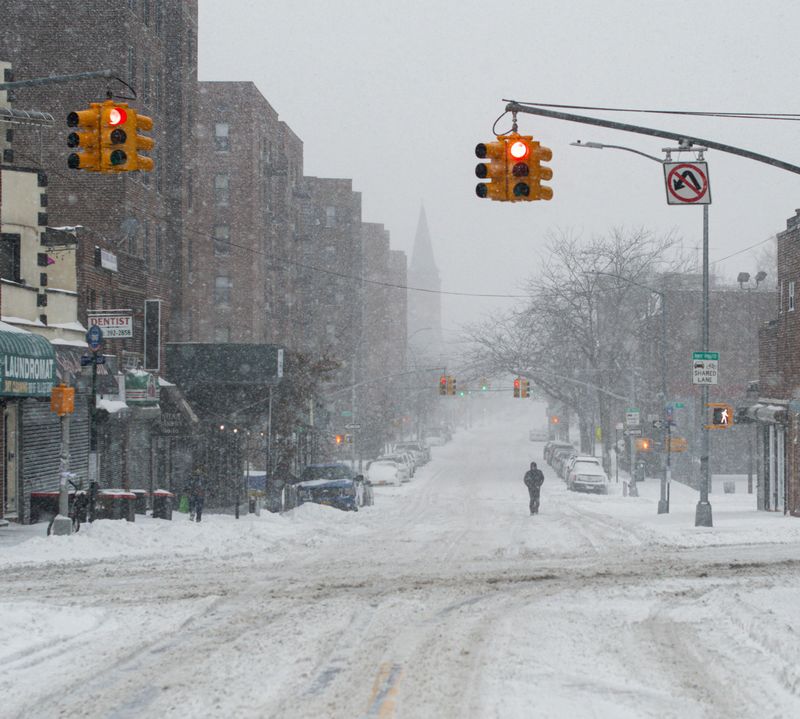
A potent winter storm is targeting the Southern Adirondacks, with recent National Weather Service advisories highlighting heavy snowfall potential in Herkimer, Hamilton, and Fulton Counties.
Local forecast discussions cite rapidly developing bands capable of producing seven to eleven inches in a short window, which is a meaningful threshold for significant impacts.
When snowfall rates approach or exceed one inch per hour, roads deteriorate quickly and plowing cannot keep pace, so non essential travel should be postponed immediately.
Visitors mapping trips between the Mohawk Valley and the High Peaks should expect disruptions to increase as lake moisture interacts with terrain and intensifies snowfall.
Traffic cams often turn to a uniform gray during these bursts, signaling white knuckle conditions that escalate within minutes.
If you are already on the road when the core bands arrive, exits can vanish in blowing snow, and ramps may be slick and poorly defined.
Hotels fill up fast during storms, so consider booking a safe stopover early rather than racing the weather.
Public safety crews across New York consistently stress that staying off the roads during peak impact periods preserves resources for genuine emergencies.
Travelers should not assume that all wheel drive can overcome near zero visibility or rapidly accumulating drifts.
Give yourself more time, more space, and a clear plan that prioritizes arriving late over not arriving at all.
Understanding official NWS alerts
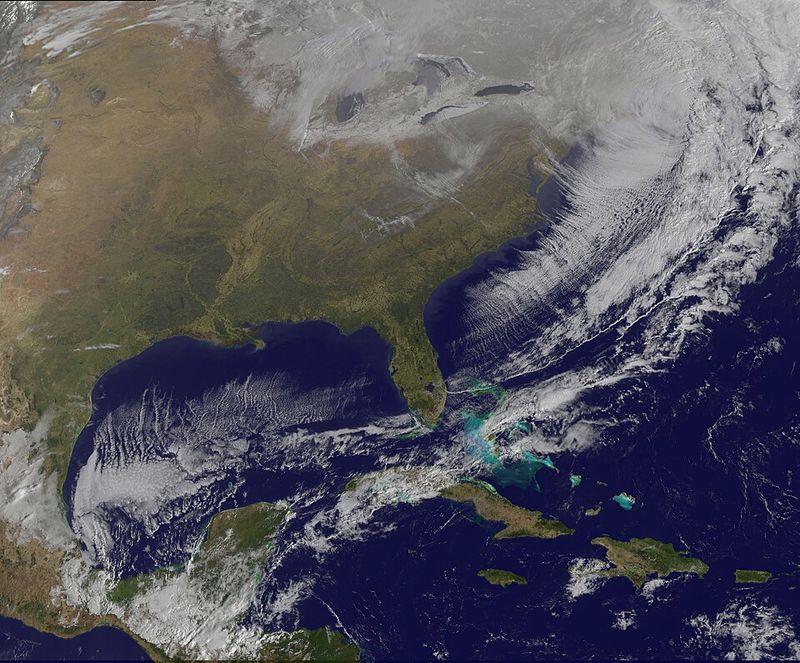
Knowing the difference between alerts will help you make smart choices as conditions change across Upstate New York.
A Blizzard Warning means sustained winds of 35 mph or greater combined with visibility reduced to one quarter mile or less for at least three hours.
Those criteria point to dangerous whiteouts where landmarks melt away and even short walks become risky.
A Winter Storm Warning covers heavy snow, ice, or blowing snow that makes travel difficult or impossible even when blizzard thresholds are not met.
Watches indicate potential within a window, while warnings confirm that hazardous conditions are imminent or already happening.
Advisories communicate lower level impacts that can still snarl traffic, extend commutes, and create a high crash risk.
Set your phone to receive Wireless Emergency Alerts and enable notifications from your local NWS forecast office.
Weather radios remain reliable during outages and may deliver updates faster than congested data networks.
Understanding each alert equips you to decide whether to delay departure, shelter in place, or adjust your route.
Clarity now prevents panic later and keeps your focus on safety rather than speculation.
Key information sources for road conditions
When roads turn slick and visibility fades, authoritative data beats guesswork every time.
The 511NY system provides real time maps, camera feeds, lane closure details, and plow activity across New York.
You can access 511NY through the website or app to see speed reductions, crash markers, and travel time trends.
Pair that with your local NWS Forecast Office page, such as Buffalo or Albany, for mesoscale discussions and snow total graphics.
Discussion pages often explain band movement, wind shifts, and timing that standard apps miss.
Check the hourly forecast graphs for visibility, wind gusts, and brief bursts that align with squalls.
Social media from county emergency managers can add localized road closures and shelter updates.
Verify every post against 511NY or NWS before changing plans, since unofficial maps sometimes lag or overstate hazards.
Bookmark the pages now so you are not fumbling through search results during a whiteout.
Accurate sources reduce stress and help you pivot while keeping your trip aligned with safety first choices.
New York State travel bans and penalties
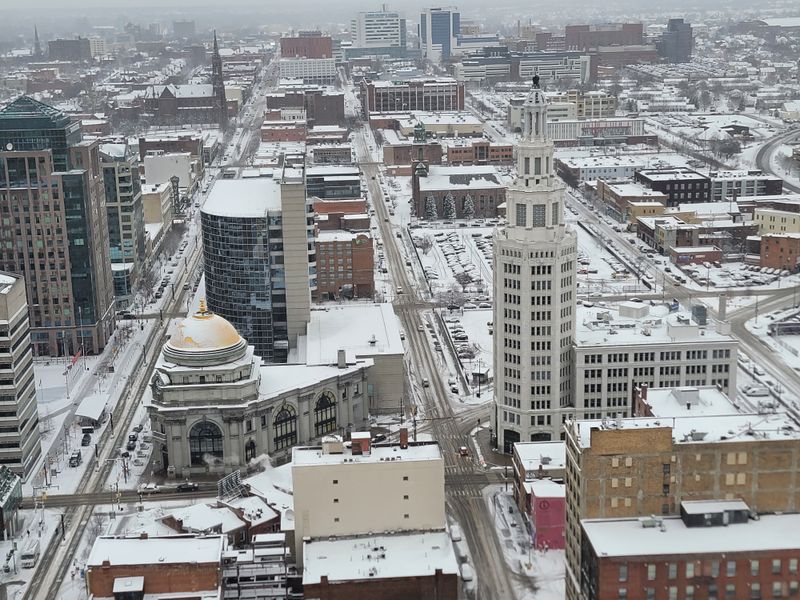
During severe winter weather, New York officials can restrict travel to protect lives and ensure emergency access.
The Governor or local leaders near Lake Erie, including Buffalo, can enact a Full Travel Ban that prohibits non essential movement.
These orders are serious and often coincide with blizzards that combine fierce winds and immobilizing drifts.
In December 2022, the Buffalo region endured a catastrophic blizzard, and authorities strictly enforced multiple driving bans.
Violating a mandatory ban can lead to fines and potential towing, while also placing first responders in danger.
Some bans escalate in stages, starting with advisories, then restrictions for certain roads, and finally a full prohibition.
Monitor county and city channels to understand what applies to your route rather than assuming blanket rules.
If a ban is active, lodging providers often accommodate extended stays to keep guests off closed roads.
Respecting a ban is not just a legal requirement, it is a contribution to community safety.
Plan conservatively, pause non essential trips, and wait for official confirmation that roads have reopened.
Vehicle preparedness and required gear
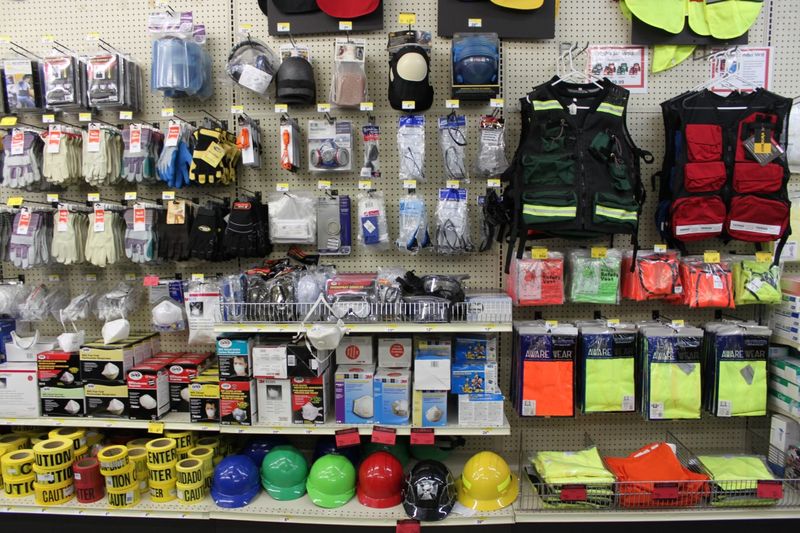
A winterized vehicle turns a risky journey into a managed challenge when storms sweep across New York.
Start with a strong battery, streak free wipers, and deep tire tread suitable for snow packed roads.
Top off winter blend windshield fluid and verify that defrosters and heaters push steady warm air.
Pack a compact shovel and abrasive traction material like sand or cat litter to free the car if stuck.
Include bright signaling gear, such as LED beacons or road flares, to mark your position in low visibility.
Add a jump starter, tow strap, reflective triangles, and a high visibility vest to boost roadside safety.
Blankets, insulated gloves, and a hat help conserve body heat if the engine must be cycled sparingly.
Keep a headlamp, spare batteries, a first aid kit, and a power bank for critical device charging.
Store water in insulated containers and pack calorie dense snacks that tolerate freezing temperatures.
A tidy, accessible kit saves minutes when conditions change faster than expected on Adirondack or Finger Lakes roads.
Driving in whiteout and lake effect conditions
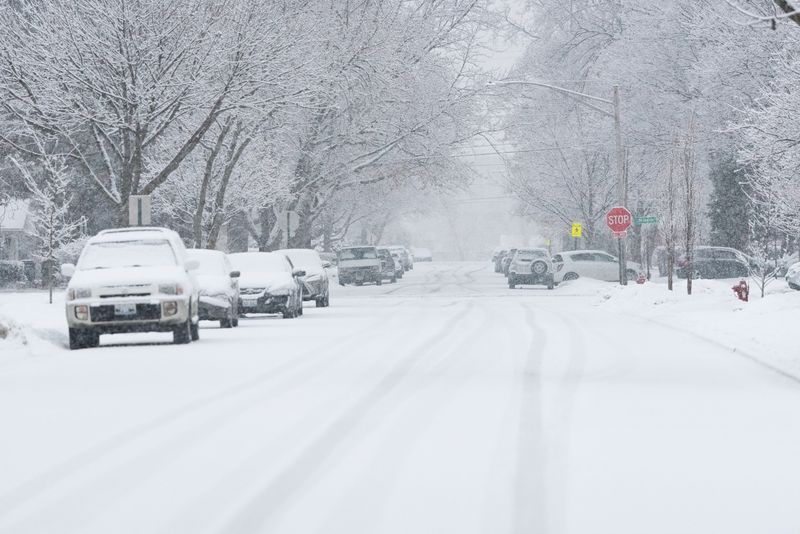
Lake effect snow can flip a clear drive into a blinding maelstrom with almost no lead time.
Near Lake Ontario and Lake Erie, narrow bands focus extreme snowfall and brutal crosswinds on a small corridor.
Visibility may collapse in seconds, erasing centerlines, signs, and the taillights ahead.
If that happens, pull off the roadway and out of the traffic flow as soon as it is safe.
Turn on hazard lights so approaching drivers can see your outline through the blowing snow.
Avoid stopping in travel lanes or at the crest of a hill where others may not react in time.
Wait for conditions to ease rather than attempting to creep forward into a blind curve.
Stay buckled, reduce distractions, and keep the defroster clearing glass to maintain situational awareness.
Use low beam headlights, since high beams reflect off snow and worsen glare during whiteouts.
Patience and discipline are your best tools for staying safe when the band parks over your route.
Life saving protocol if stranded
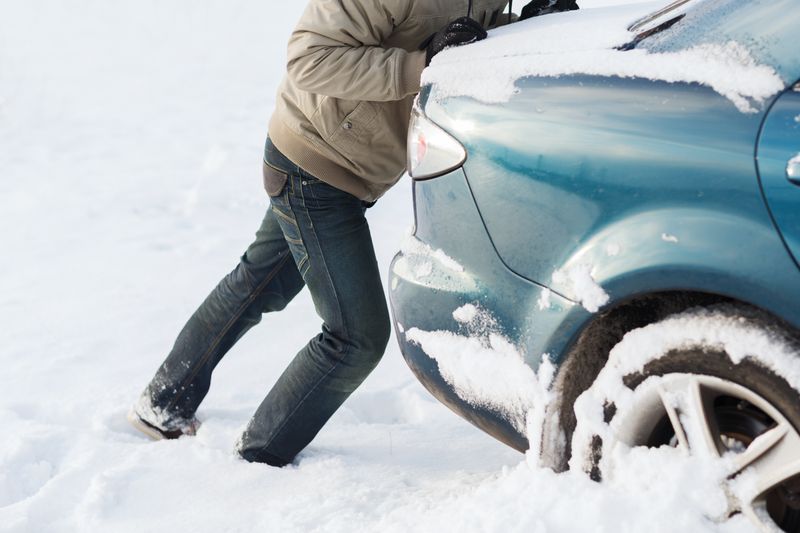
If you become stranded during a blizzard, your vehicle is the safest shelter available.
Stay inside, conserve heat, and avoid exhausting yourself by walking into poor visibility and wind chill.
Run the engine for about ten minutes each hour to warm the cabin while preserving fuel.
Before starting, check that the exhaust pipe is completely clear of snow to prevent carbon monoxide buildup.
Crack a window slightly on the side away from the wind to promote ventilation and reduce fogging.
Activate hazard lights when visibility improves or when plows pass so your position is obvious.
Ration battery use, stick to essential calls or texts, and keep chargers plugged into a power bank.
Bundle in layers, cover your head and neck, and sip water to maintain circulation and alertness.
Use bright fabric or an LED beacon to mark the antenna or door handle when winds subside.
Staying put increases your odds of a safe rescue when conditions finally allow responders to reach you.
Carbon monoxide and heating risks
Power outages and plunging temperatures push travelers to improvise heat, which introduces hidden hazards.
Carbon monoxide is odorless and deadly, and poisoning risk rises when snow blocks vents or generators are misused.
Never heat a room with a gas oven, charcoal grill, or unvented propane heater under any circumstances.
Check that furnace and fireplace exhaust vents remain clear of drifting snow before and after the storm.
Place battery powered carbon monoxide detectors in living spaces if your rental lacks them.
Run portable generators outside and far from doors or windows with exhaust pointing away from the building.
Avoid idling vehicles in attached garages even with doors open since fumes can invade quickly.
If alarms sound, move outdoors immediately and call for help from a safe location.
Symptoms like headache, dizziness, and nausea should be treated as urgent warnings rather than minor discomfort.
Smart heating choices keep your New York stay safe while crews work to restore power.
Home and property safety plus final steps
Outages can stretch longer than expected during major storms, so prepare the home base with practical backups.
Keep multiple flashlights and battery lanterns available rather than relying on phone screens for light.
Know where the main water shutoff is located because frozen pipes can burst and cause fast flooding.
Protect faucets with slow drips and open cabinet doors to circulate warm air around indoor plumbing.
Charge phones fully and maintain power banks so communications remain possible if service flickers.
Top off the fuel tank since pumps may be offline when electricity fails in parts of New York.
Store extra layers, dry socks, and blankets to manage colder indoor temperatures during an extended outage.
Secure outdoor items that could become wind borne debris and clear eaves of heavy snow when safe.
As the storm peaks, listen for official updates and adhere to the NWS mantra that emphasizes do not travel during a Blizzard Warning.
With thoughtful preparation and respect for alerts, your trip through New York remains resilient and ready for calmer skies.
Dear Reader: This page may contain affiliate links which may earn a commission if you click through and make a purchase. Our independent journalism is not influenced by any advertiser or commercial initiative unless it is clearly marked as sponsored content. As travel products change, please be sure to reconfirm all details and stay up to date with current events to ensure a safe and successful trip.
