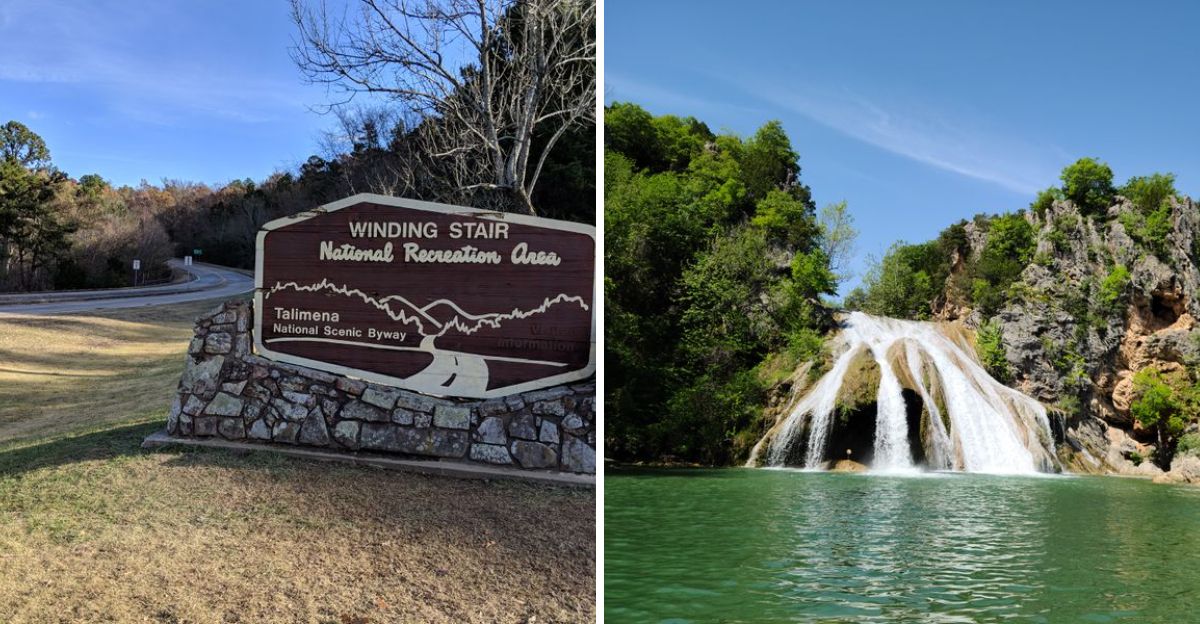
Oklahoma transforms into a scenic wonderland during winter, offering road trips that draw tourists from across the country.
While visitors flock to these routes for stunning landscapes and unique attractions, many locals overlook these gems in their own backyard.
The cooler months create perfect conditions for exploring winding highways, charming small towns, and natural wonders without the summer crowds.
From frozen waterfalls to historic landmarks wrapped in seasonal beauty, these seven winter road trips showcase Oklahoma’s diverse terrain and rich culture.
Tourists arrive with cameras ready, eager to experience what makes this state special during the coldest season.
Yet surprisingly, residents often miss out on these adventures, choosing familiar paths over new discoveries.
Whether you’re seeking outdoor exploration, historical education, or simply a peaceful drive through changing landscapes, these routes deliver memorable experiences.
Pack your warmest jacket, fill up the gas tank, and prepare to see Oklahoma through fresh eyes as we explore winter journeys that deserve more local appreciation.
Talimena National Scenic Byway
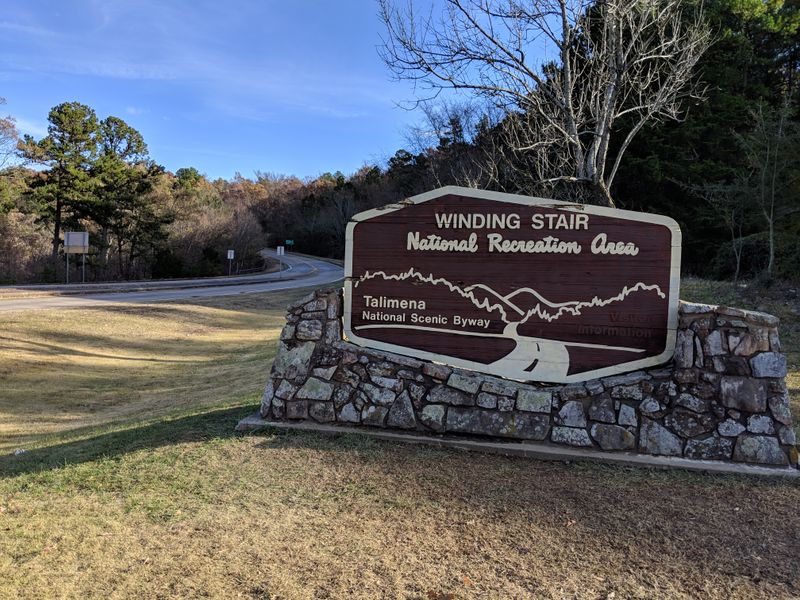
Stretching 54 miles through the Ouachita Mountains, this breathtaking route connects Talihina, Oklahoma to Mena, Arkansas along Highway 1.
Winter brings a special magic to this elevated drive as bare trees reveal panoramic views that summer foliage often conceals.
Tourists consistently rank this among Oklahoma’s most spectacular drives, yet locals frequently skip it during colder months.
The byway climbs to over 2,600 feet elevation, offering overlooks where you can see for miles across layered mountain ridges.
On clear winter days, the visibility stretches up to 70 miles, creating photo opportunities that rival any national park.
Fourteen vista points along the route provide safe places to pull over and absorb the majesty of these ancient mountains.
Wildlife sightings increase during winter when animals move to lower elevations and become more visible against the sparse landscape.
Deer, wild turkey, and even occasional black bears make appearances along the roadside.
The Talimena State Park near the eastern terminus offers hiking trails that become peaceful winter wonderlands after light snowfall.
Small-town charm awaits at both ends of the journey, with Talihina offering cozy diners and local shops.
The Queen Wilhelmina State Park in Arkansas provides a historic lodge with warming fireplaces and hot meals.
Plan for a full day to truly appreciate this drive, allowing time for frequent stops and short walks to scenic overlooks.
Dress in layers because temperatures can drop significantly at higher elevations, even on sunny days.
The winding road requires careful driving, especially if ice forms in shaded areas.
Gas stations become sparse along this remote route, so fill your tank before starting the adventure and bring emergency supplies for safety.
Cherokee Heritage Center Route
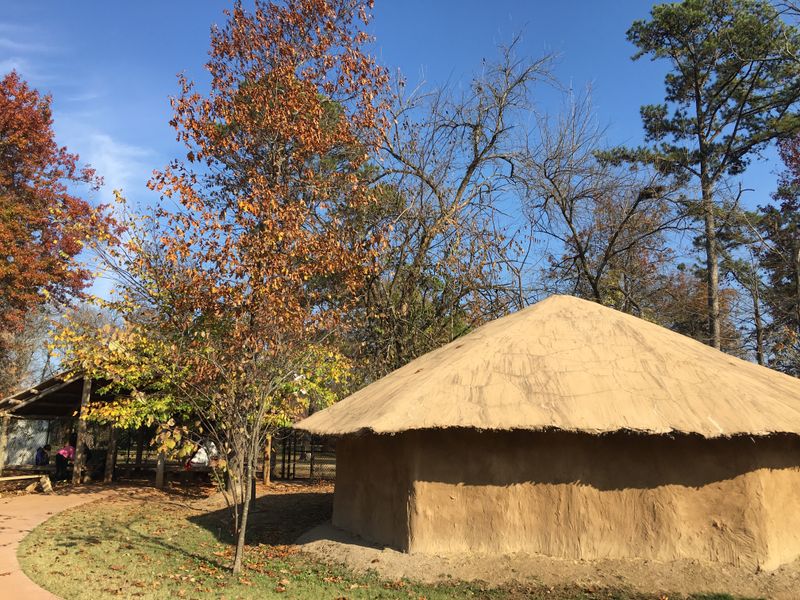
History comes alive along this cultural journey through northeastern Oklahoma, centered around Tahlequah and the Cherokee Nation’s heartland.
Tourists travel from distant states to walk in the footsteps of the Trail of Tears, while many Oklahoma residents have never explored this profound historical corridor.
Winter’s quiet atmosphere adds solemnity to sites commemorating one of America’s most significant indigenous stories.
Begin at the Cherokee Heritage Center located at 21192 S Keeler Drive in Park Hill, where indoor exhibits provide warmth and education during cold weather.
The Ancient Village recreates pre-contact Cherokee life, and winter visits mean smaller crowds and more personal interactions with knowledgeable guides.
The Trail of Tears exhibit powerfully documents the forced removal of Cherokee people from their southeastern homelands to Oklahoma Territory.
Nearby, the Cherokee National Capitol building in Tahlequah stands as a testament to resilience and self-governance.
Built in 1869, this brick structure witnessed the rebuilding of Cherokee society after devastating displacement.
Winter light streaming through historic windows creates atmospheric conditions perfect for contemplative photography.
Extend your journey to Hunter’s Home, a restored 1844 log home that belonged to a Cherokee leader.
The surrounding grounds become especially photogenic when frost covers the native grasses.
Illinois River overlooks along Highway 10 offer stunning views where ice formations create natural sculptures along the banks.
Tahlequah’s downtown square features locally-owned restaurants serving both traditional Cherokee fry bread and modern fusion cuisine.
The Northeastern State University campus adds youthful energy to this historic town.
Plan at least six hours for this route to properly absorb the cultural significance and historical weight of each stop along the way.
Turner Falls Winter Loop
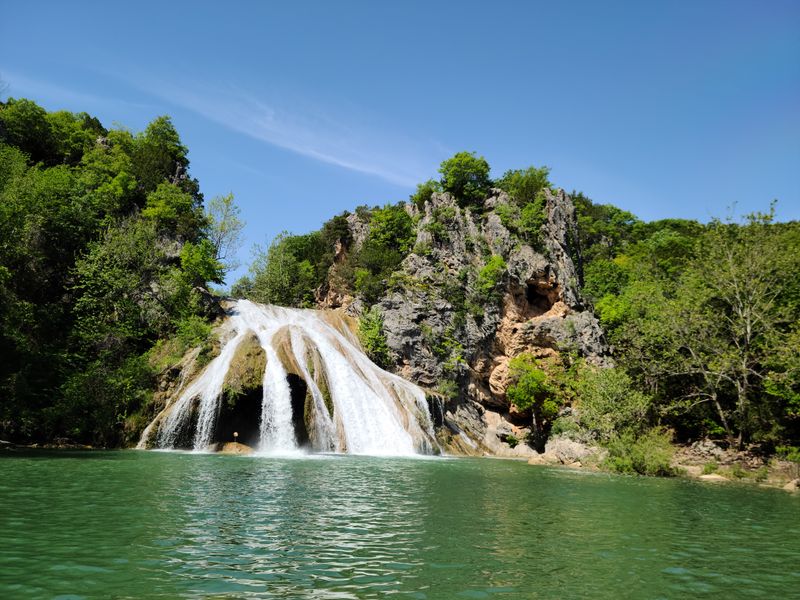
Tucked in the Arbuckle Mountains near Davis, Turner Falls becomes a frozen spectacle that attracts tourists seeking Oklahoma’s most dramatic winter transformation.
Standing 77 feet tall, Oklahoma’s tallest waterfall partially freezes during cold snaps, creating ice formations that locals often miss by staying home during chilly weather.
The surrounding park offers a complete winter road trip experience combining natural beauty with small-town hospitality.
Turner Falls Park remains open year-round, though swimming areas close when temperatures drop.
Winter visitors gain access to trails and overlooks without summer’s overwhelming crowds.
The waterfall itself becomes a photographer’s paradise as ice clings to rock faces and mist creates delicate frozen patterns.
Highway 77 south from Interstate 35 provides the main approach, winding through rolling hills dotted with century-old rock formations.
The Arbuckle Mountains, though modest in height, create dramatic landscapes especially striking under winter’s harsh light.
Honey Creek flows alongside portions of the drive, its clear waters contrasting beautifully with dormant vegetation on the banks.
Davis, the nearest town, offers several mom-and-pop restaurants where locals gather for comfort food after outdoor adventures.
The Bedré Fine Chocolate factory provides tours and warm treats perfect for cold days.
Antique shops along Main Street invite browsing when outdoor temperatures become too uncomfortable.
Chickasaw National Recreation Area lies just 20 minutes north, extending this trip with additional waterfalls, springs, and hiking opportunities.
The Travertine Nature Center offers free admission and educational displays about the area’s unique geology.
Veterans Lake rarely freezes completely but develops interesting ice shelves along its edges.
Bring sturdy boots with good traction because trails become slippery near the waterfall’s base.
Park entrance fees apply, but the cost remains minimal for the spectacular natural show you’ll witness during Oklahoma’s coldest months.
Route 66 Western Heritage Drive
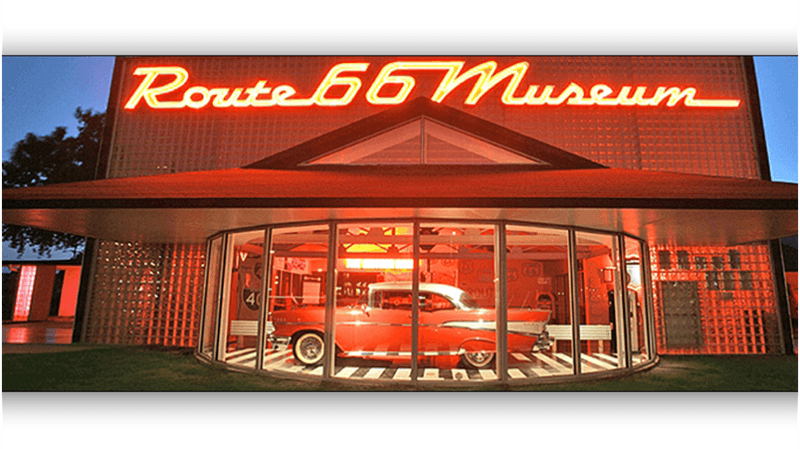
America’s most famous highway cuts through Oklahoma for 400 miles, but the western section from Oklahoma City to the Texas border offers concentrated vintage charm.
Tourists make pilgrimages along Route 66 throughout the year, documenting every neon sign and roadside oddity for social media.
Oklahoma residents drive past these same landmarks regularly without stopping to appreciate the nostalgic treasures in their midst.
Start at the Oklahoma Route 66 Museum in Clinton at 2229 W Gary Blvd, where exhibits chronicle the highway’s golden age.
Winter’s slower pace means museum staff have more time for personal stories and detailed explanations.
The building itself captures mid-century architectural style with period-appropriate design elements throughout.
Westward, the town of Elk City presents the National Route 66 Museum complex, combining transportation history with pioneer heritage.
Classic cars displayed indoors provide shelter from cold winds while still delivering that vintage automobile experience.
The adjacent Farm and Ranch Museum showcases agricultural equipment that shaped Oklahoma’s development.
Texola, a ghost town straddling the Oklahoma-Texas border, becomes hauntingly beautiful in winter’s stark light.
Abandoned buildings and rusted signs create photography opportunities that tourists treasure but locals rarely explore.
The empty streets tell stories of boom times past when Route 66 traffic sustained entire communities.
Don’t miss the Leaning Water Tower in Groom, Texas, just across the state line, visible from miles away as a quirky roadside attraction.
Lucille’s Service Station in Hydro, though no longer operational, remains a pilgrimage site for Route 66 enthusiasts worldwide.
Small diners along this stretch serve classic American comfort food perfect for warming up during winter travels.
Pops Arcadia, with its giant soda bottle landmark, offers 700 soda varieties and modern amenities in a retro-inspired setting.
Allow a full day for this journey, embracing the slower pace that defines true Route 66 exploration.
Wichita Mountains Refuge Circuit
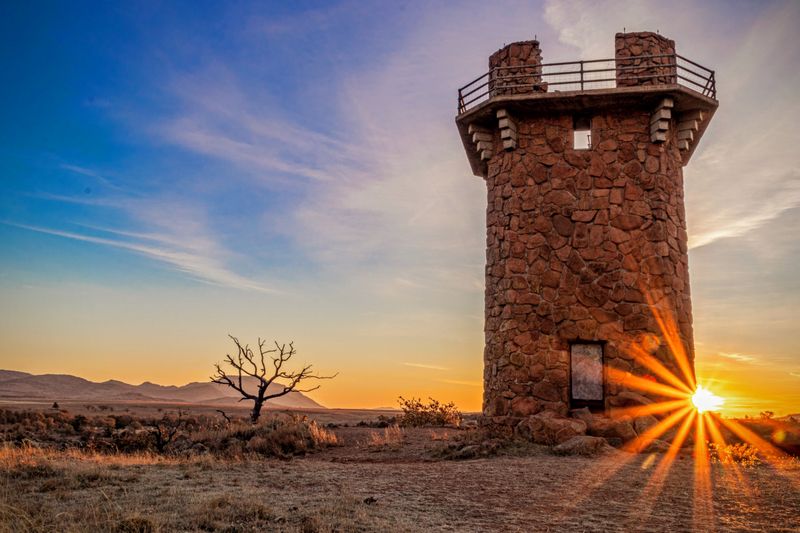
Southwest Oklahoma’s most dramatic landscapes rise unexpectedly from surrounding plains at the Wichita Mountains Wildlife Refuge near Lawton.
This 59,000-acre sanctuary draws nature photographers and wildlife enthusiasts from across the nation, especially during winter when animals congregate around valleys.
Surprisingly, many Oklahoma families have never ventured to this spectacular refuge despite its accessibility and free admission.
Ancient granite peaks, formed over 500 million years ago, create a rugged skyline visible for miles across the prairie.
Winter strips away concealing vegetation, revealing the mountains’ true geological character and making wildlife spotting significantly easier.
American bison, Texas longhorn cattle, elk, and prairie dogs roam freely throughout the refuge, often approaching roadways for close viewing opportunities.
The scenic drive along State Highway 115 winds through the refuge’s heart, offering pullouts at strategic locations for photography and observation.
Mount Scott Road climbs to the area’s highest accessible point at 2,464 feet, where 360-degree views stretch across three counties.
On exceptionally clear winter days, you can see the Slick Hills shimmering in the distance like a mirage.
Hiking trails range from easy nature walks to challenging climbs up rocky peaks, all less crowded during colder months.
The Elk Mountain Trail provides moderate difficulty with rewarding summit views after a steady ascent.
Quanah Parker Lake and Dam offer peaceful picnic spots where winter sunlight creates golden-hour magic in late afternoons.
The Holy City of the Wichitas, an outdoor Easter pageant venue, sits quietly during winter but welcomes exploration of its biblical-era structures.
Meers Store and Restaurant, located just outside the refuge, serves legendary longhorn burgers in a building dating to 1901.
Dress warmly because wind sweeps across these exposed peaks with surprising force, dropping temperatures below what thermometers suggest.
Bring binoculars for wildlife viewing and watch for ice on shaded trail sections during early morning hikes.
Little Sahara Sand Dunes Adventure
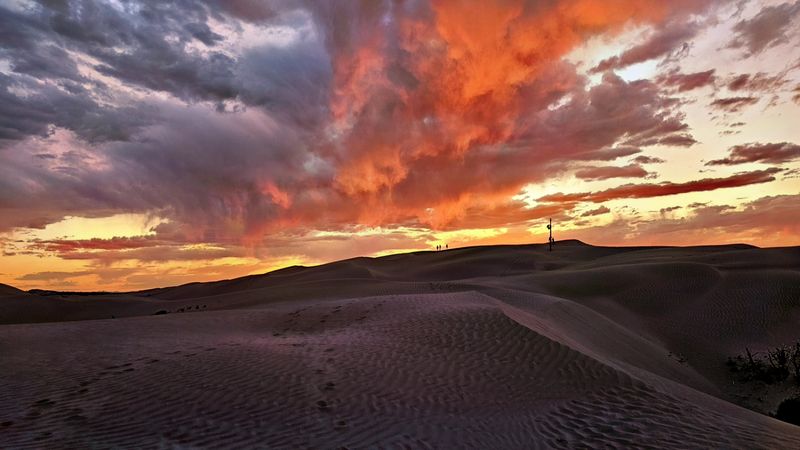
Few landscapes seem more unlikely in Oklahoma than a 1,600-acre desert of fine sand dunes rising up to 75 feet high.
Little Sahara State Park near Waynoka attracts off-road enthusiasts and curious tourists who can’t believe such terrain exists in the middle of the Great Plains.
Local residents often express surprise when learning about this unique geological feature hiding in northwestern Oklahoma.
Formed by ancient deposits from a riverbed that dried thousands of years ago, these dunes shift constantly with wind patterns.
Winter transforms the experience, making the sand firm enough for hiking without sinking deeply with each step.
The contrast between white sand and blue winter sky creates surreal photographic conditions that don’t require filters or editing.
While summer brings ATV riders and sand boarders, winter offers quieter appreciation of this natural wonder’s stark beauty.
Walking the dunes provides unexpected exercise as your legs work against the shifting surface.
The park’s 1,100 acres of open riding area attract adventurers, but designated hiking zones allow non-motorized exploration.
Sunrise and sunset paint the dunes in constantly changing colors, from soft peach to deep purple shadows between ridges.
Wind creates ripple patterns across the sand that resemble ocean waves frozen in time.
Hardy vegetation clings to life along the dunes’ edges, showcasing nature’s adaptation to harsh conditions.
The nearby town of Waynoka offers basic amenities and local history at the Waynoka Historical Museum.
Camping facilities at the park remain open year-round for hardy visitors who don’t mind cold nights under incredibly clear, star-filled skies.
Bring sunglasses because winter sun reflecting off white sand creates intense glare that can cause headaches.
The sand gets everywhere, so seal cameras and electronics in protective bags when not actively using them.
Check wind forecasts before visiting because strong gusts can make the dune experience uncomfortable rather than enjoyable during particularly blustery winter days.
Grand Lake Scenic Shore Drive
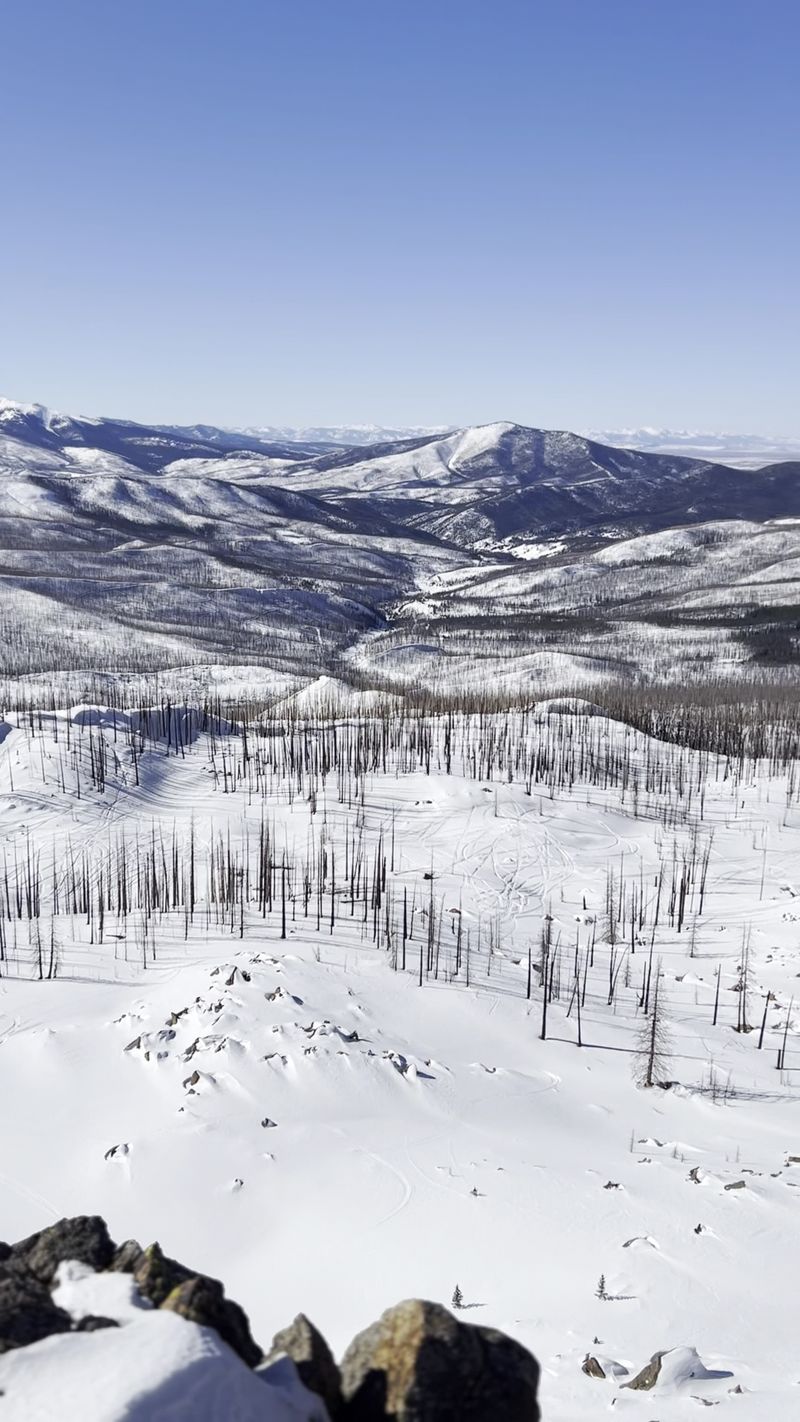
Northeastern Oklahoma’s largest lake stretches across 46,500 acres, creating a recreation paradise that tourists discover through fishing tournaments and resort advertisements.
Grand Lake o’ the Cherokees, as it’s officially named, transforms during winter when summer’s boat traffic disappears and the shoreline takes on peaceful solitude.
Oklahoma families often reserve lake trips for warm weather, missing the serene beauty that emerges when temperatures drop and crowds vanish.
Highway 59 hugs the western shore, providing continuous water views and access to charming lakeside communities like Ketchum and Langley.
Winter’s lower water levels reveal rocky shorelines and create interesting patterns where ice forms along protected coves.
Bald eagles migrate to Grand Lake during cold months, perching in tall trees and diving for fish in open water areas.
The town of Grove serves as the lake’s commercial hub, offering restaurants, shops, and the Har-Ber Village Museum at 4404 W 20th St.
This pioneer village recreation features over 100 historic buildings relocated and restored to create an immersive historical experience.
Indoor exhibits provide warmth while outdoor exploration remains possible on milder winter days.
Pensacola Dam, one of the world’s longest multiple-arch dams, spans nearly a mile across the Grand River.
Walking across the dam’s roadway offers perspective on the engineering achievement that created this massive reservoir in the 1940s.
Interpretive signs explain the dam’s construction and its role in regional development.
Marinas close for the season, but lakeside parks remain accessible for picnicking and photography.
Sunrise over the water creates mirror-like reflections that disappear once daytime breezes pick up.
Several casinos operated by Cherokee Nation provide indoor entertainment and dining options when outdoor temperatures become too cold.
Local wineries around the lake offer tastings and tours, creating perfect warm-up stops during a winter shore drive.
Pack layers because lakeside winds intensify the cold, making the temperature feel significantly lower than inland areas just miles away from the water’s edge.
Dear Reader: This page may contain affiliate links which may earn a commission if you click through and make a purchase. Our independent journalism is not influenced by any advertiser or commercial initiative unless it is clearly marked as sponsored content. As travel products change, please be sure to reconfirm all details and stay up to date with current events to ensure a safe and successful trip.
