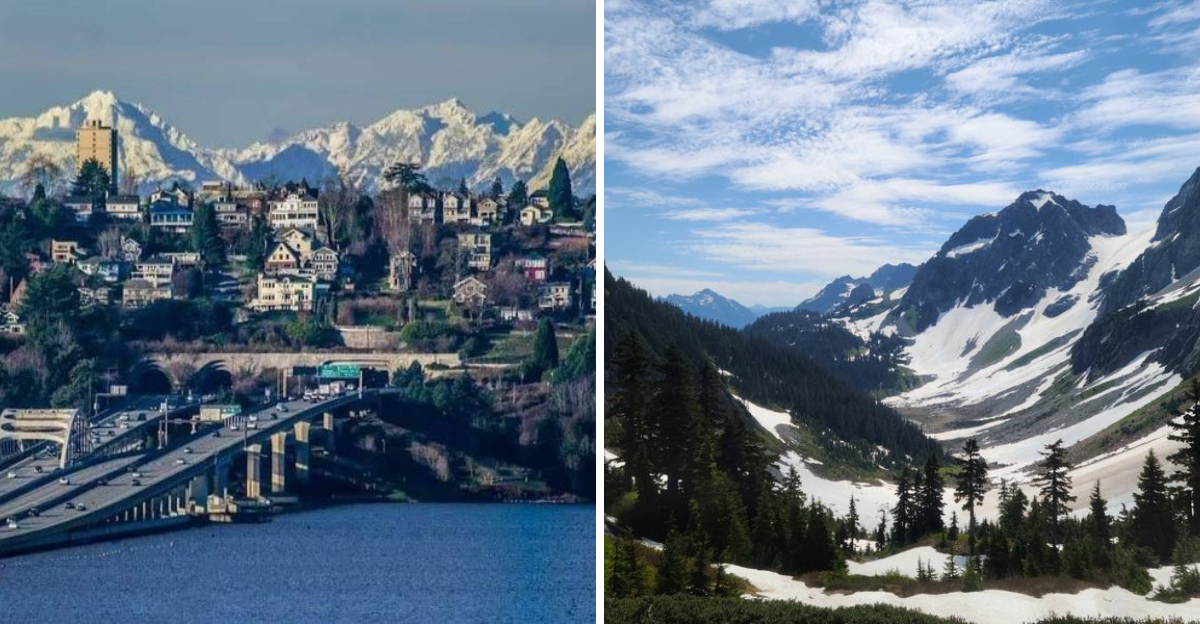
You have 48 hours, fresh snow in Washington, and a craving for quiet places that feel like secret harbors tucked in the trees.
This guide steers you toward reliable access, safe decision making, and the kind of winter calm you can reach without days of planning.
Expect concise tips, verified locations, and a smooth flow that helps you pick a path quickly.
Pack smart, check conditions, and let the state surprise you with easy to reach snow and silent views.
Trailheads Near Plowed Corridors
When time is tight, trailheads near major highways let you step into snow fast without wrestling with long approaches or uncertain plowing.
Look to I-90 and US 2 for dependable winter maintenance, then branch onto short spurs that often get cleared to popular lots.
You minimize risk of getting stuck, and you keep your 48 hour clock focused on snow time, not tire chains and digging.
Snoqualmie Pass is a sweet spot, because the corridor stays busy and plows roll often, so parking tends to open early after storms.
Similarly, the Stevens Pass stretch has pullouts and trailheads close to the roadway, which reduces driving on narrow unmaintained lanes.
Arriving pre dawn helps beat weekend congestion and positions you for first light navigation checks before stepping out.
Use the lot kiosks to confirm maps, elevation, and seasonal notices, because winter reroutes sometimes shift signed starts.
Carry a shovel and traction boards anyway, since berms can freeze overnight and plow piles change parking contours.
Choose destinations with proven winter use so you are not postholing a lonely approach from an untracked shoulder.
Hyak Sno-Park, 1005 WA-906, Snoqualmie Pass, WA 98068, places you right at the line between quick access and deep quiet.
Snowshoeing Is Your Quiet Key
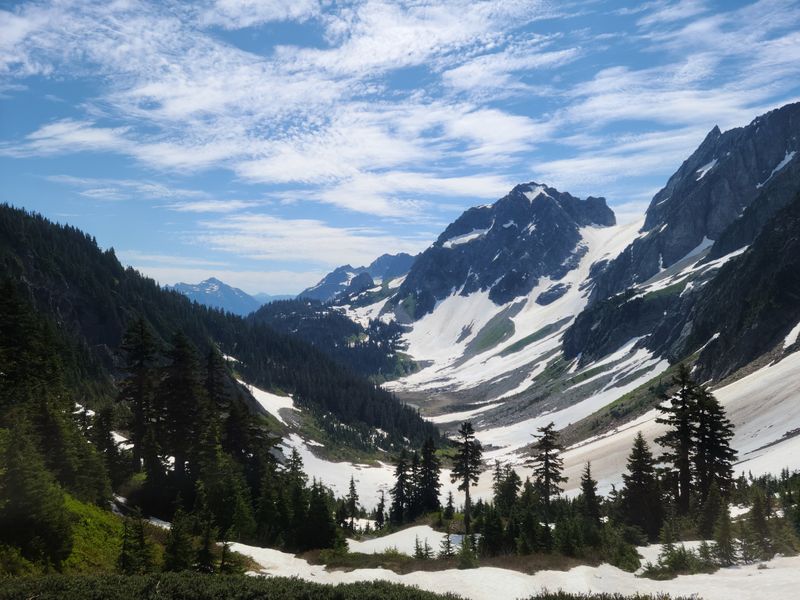
Snowshoes unlock hidden corners where boots punch through, giving you smooth rhythm and less energy loss on untracked paths.
They turn small forest clearings into destinations, places where you hear only your steps and the hush of powder falling from branches.
You cover ground steadily, and you avoid the ankle twisting holes that spoil short winter windows.
Pick models with heel lifts for steeper grades, then match your gaiters and poles to keep snow out and balance tuned.
Forested benches north of the highway often stay sheltered, so wind slabs are rare and the vibe stays calm.
Practice quick transitions at the car, so you move from parking to glide without fidgeting in the cold.
Favor loop options when available, since retracing steps can ice up track edges and slow the late day return.
Pay attention to canopy density, because thick trees keep snow drier in cold snaps, which makes footing consistent.
Carry a small repair kit with straps and a multitool to fix a binding mid route without calling it early.
Gold Creek Sno-Park, 8902 Gold Creek Rd, Snoqualmie Pass, WA 98068, offers gentle terrain that reveals quiet bowls just beyond the first bend.
Mountain Passes Bring Fast Snow
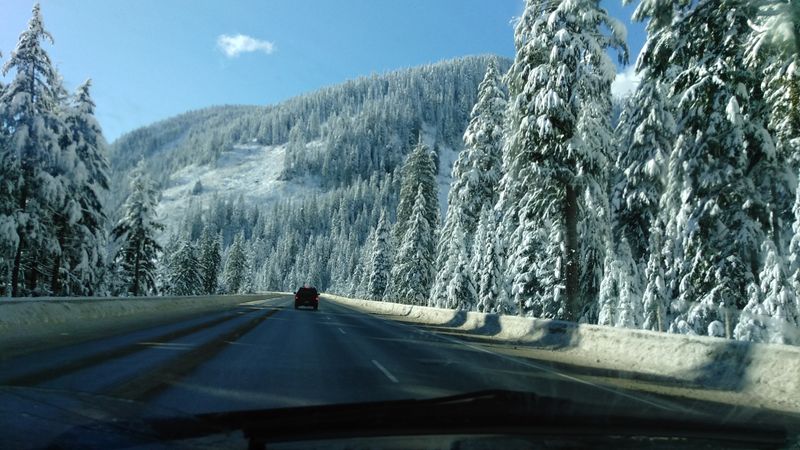
When fresh snow is the goal, mountain passes deliver quick coverage within minutes of the main road.
Snoqualmie Pass and Stevens Pass anchor reliable trail networks that gather snow early and keep it through typical cold spells.
You step out, snap your layers tight, and start gliding almost immediately.
Near Snoqualmie Summit, short approaches like the routes beyond Hyak or Commonwealth start close to plowed lots, saving daylight.
Stevens offers tree lined benches on the west side where wind is less aggressive and visibility tends to hold.
These pockets become your hidden snow harbors, calm and tucked away even when the resort scene hums nearby.
Use conservative terrain when visibility drops, since pass weather can flip from friendly to flat light in minutes.
Carry a waypoint list to tag junctions, because snow buries small signs and your return line should stay simple.
Have a turnaround time that respects sunset, and keep warm layers accessible so stops stay comfortable.
Snoqualmie Summit, 1001 WA-906, Snoqualmie Pass, WA 98068, puts winter within arm’s reach and keeps your schedule intact.
Olympic Lowlands For Gentler Snow
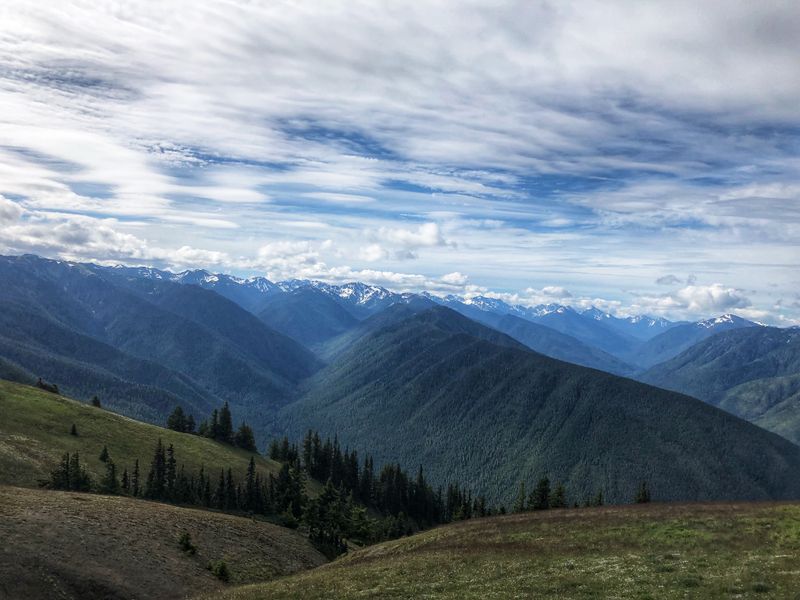
Not every winter mission needs big alpine terrain, and the Olympic Peninsula offers friendly snow in lower zones when storms align.
Hurricane Ridge can open with controlled access, and the lower approaches often hold enough snow for a quiet wander.
You trade steep exposure for rolling views and glades that feel like a private retreat.
Check current status, because the road operates on a managed schedule that shifts with weather and staffing.
When the upper gate is closed, look for nearby lowland trails where snow drifts into meadows and shaded forest pockets.
These spots become mellow harbors where you can fine tune your layers and enjoy the hush without technical objectives.
Wildlife tracks etch the flats, and your own line paints a gentle path between cedar trunks and open benches.
Use microspikes if coverage is thin, then swap to snowshoes as drifts deepen beyond the next rise.
Finish with a tidy loop that returns before dusk, keeping navigation easy and the ride back simple.
Hurricane Ridge Visitor Center, 3002 Mount Angeles Rd, Port Angeles, WA 98362, anchors access within Washington’s coastal mountain rhythm.
Check Conditions Before You Go
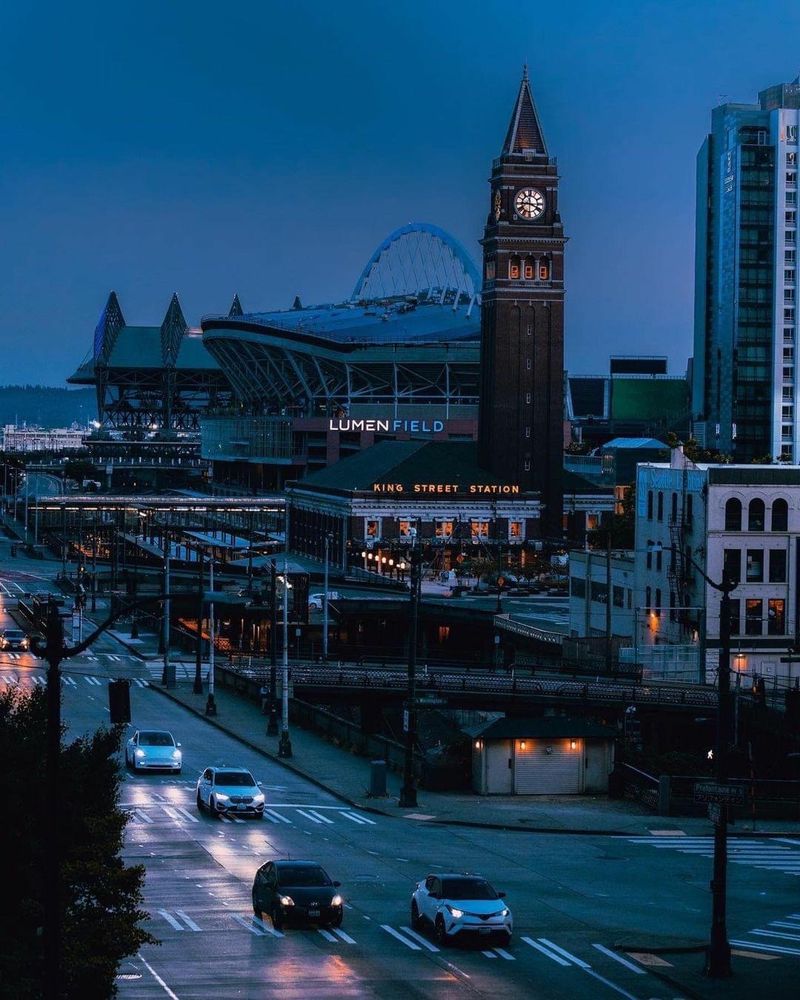
Fast trips work only when you trust the latest road and avalanche information, so conditions checks come first.
WSDOT updates pass reports, traction requirements, and closures, which shape drive times and parking choices.
NWAC publishes avalanche forecasts that outline danger ratings and problem types by zone.
Match your plan to the lowest risk hazard set, then select terrain that avoids steep open slopes and suspect runouts.
Confirm weather timing, because warm pulses can load tree bombs and turn trailheads into slush by afternoon.
Save offline maps and download forecast pages in case cell coverage drops behind ridges.
Share an itinerary with a contact who knows your turnaround time and car location.
Carry a headlamp even on short routes, since clouds can dim the day early in Washington winters.
Pack a paper map as a backup for GPS, and keep batteries warm in an inner pocket.
WSDOT Snoqualmie Pass, 27150 I-90, Snoqualmie Pass, WA 98068, sits on the route where information changes your day decisively.
Pack For All Weather
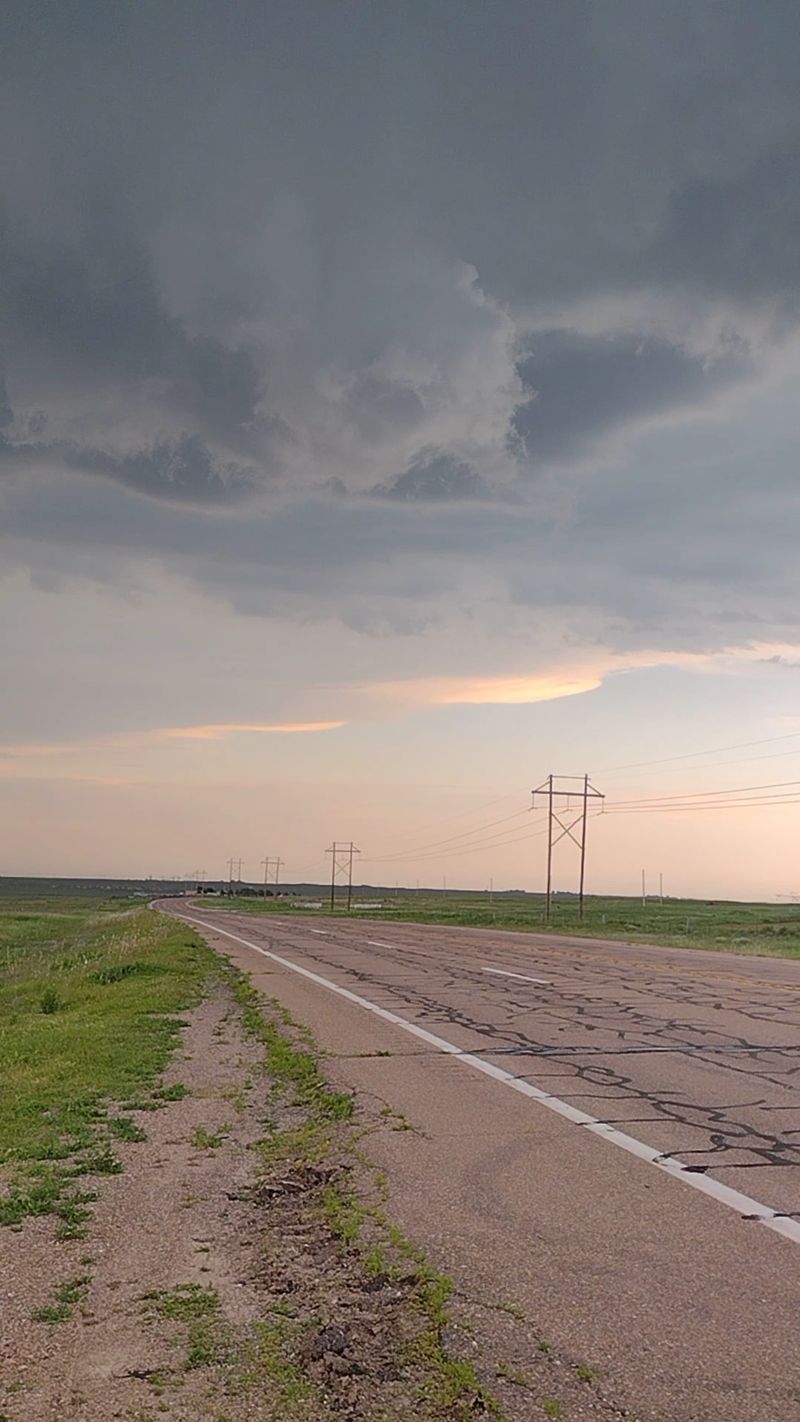
Washington winter swings fast, so a solid kit keeps the trip smooth when sunshine shifts to graupel and cold wind.
Build layers you can shuffle on the move, with breathable insulation and a waterproof shell that vents easily.
Dry gloves and spare socks lift morale when snow sneaks in during deep steps or transitions.
Include navigation tools, a first aid kit, and a compact bivy in case the timeline stretches after sunset.
Hot hands live near the top of the pack for quick access during snack breaks or map checks.
Throw in a small repair pouch with spare straps and duct tape to quiet flapping gear and fix bindings.
A foam sit pad turns any trail edge into a warm, dry pause that saves heat and energy.
Keep water inside the pack to prevent freezing, and store the filter away from direct cold.
Test your system on a short loop before committing to the farther harbor you have in mind.
North Bend Visitor Information Center, 250 Bendigo Blvd S, North Bend, WA 98045, stands near the corridor where last minute checks happen.
Find Your Hidden Snow Harbor
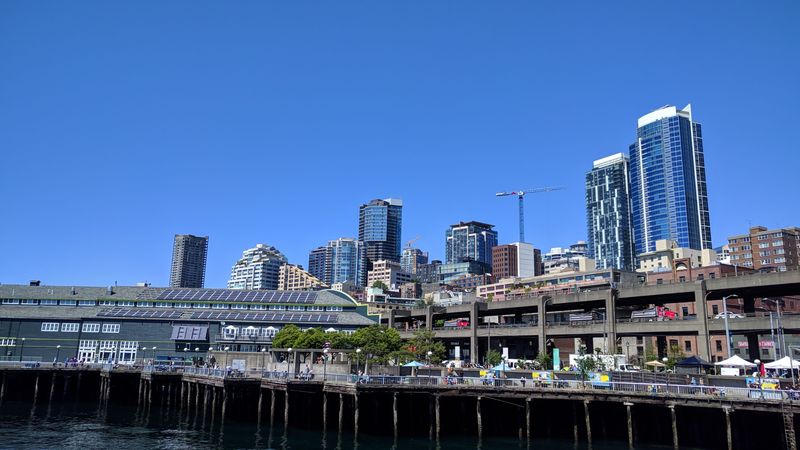
Your harbor is a feeling more than a place, a pocket of quiet tucked behind a stand of firs or along a frozen lakeshore.
It might be a forest clearing where wind softens, or a saddle that catches morning light without the rush.
Short approaches keep it simple, and the reward comes as sound fades and breath steadies.
Study contour lines to spot benches that flatten above creeks, then aim for those shelves to escape crowd noise.
Lakes near the corridor often hide sheltered inlets where snow stacks gently and tracks stay sparse.
Respect ice uncertainty and keep distance from edges, using visible shoreline features to frame photos safely.
Mark a safe tree island for your break so you avoid overhead hazards along the open margin.
Choose a modest viewpoint so you can linger without pushing into complex terrain.
Leave no trace, and step lightly around delicate plants near exposed logs.
Gold Creek Pond, end of Gold Creek Rd, Snoqualmie Pass, WA 98068, reflects the hush many seek within Washington winters.
Quick Winter Camping Options
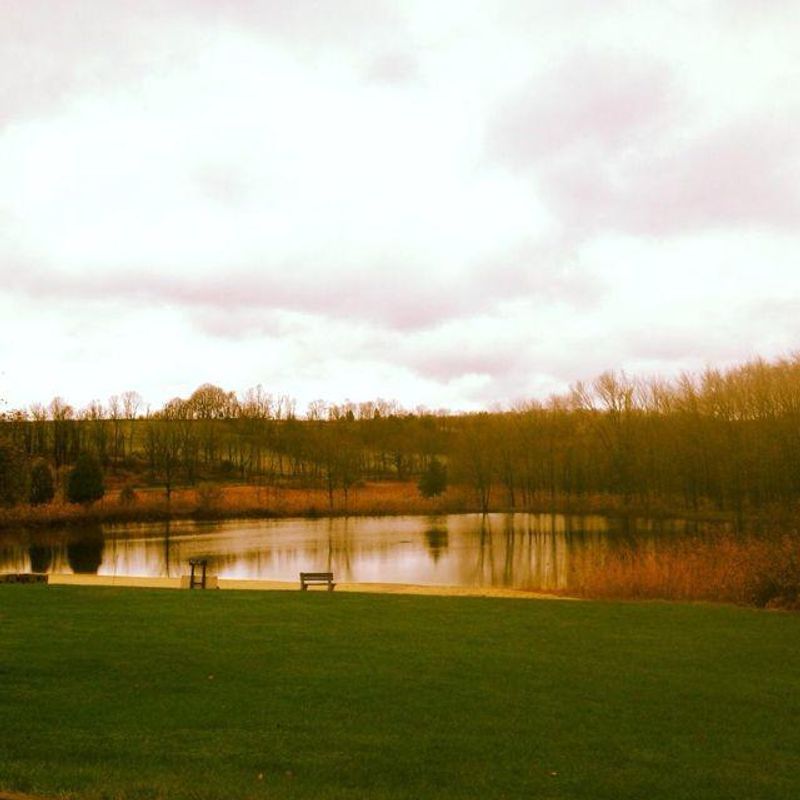
If a single night fits your window, winter camping can expand your reach beyond day crowds and into real solitude.
Some areas allow dispersed camping with seasonal rules, so check land management pages before committing.
You need a four season shelter or a stout bivy, a warm pad stack, and a sleep system that stays dry.
Build a platform with your snowshoes, then block wind with a low wall that does not cut vegetation.
Cook away from the sleeping area, and ventilate so condensation does not soak layers overnight.
Keep electronics warm in an inner pocket and protect water from freezing with an inverted bottle trick.
Follow leave no trace guidelines, and pack out everything to keep these harbors pristine for the next visitor.
Pick camps close to simple terrain so you can bail safely if weather turns.
Set alarms to check snowfall, and clear the shelter if loading surprises you at dawn.
Cle Elum Ranger District, 803 W 2nd St, Cle Elum, WA 98922, offers current guidance on winter camping expectations in Washington.
Explore Plowed Forest Roads
Plowed forest service roads open gentle corridors where snowshoeing feels easy and navigation stays straightforward.
You can follow the packed center, then step onto quiet spurs that lead into meadows and clearings.
These routes turn a short drive into a half day wander with multiple scenic pauses.
Check agency pages for seasonal closures, and avoid blocking plow turnarounds when you park.
Keep a wide margin from road edges where berms hide culverts and soft shoulders.
Mind snowmobiles on shared corridors, and give a friendly wave while holding a predictable line.
Spur junctions make handy landmarks, so record coordinates to simplify your return in flat light.
Fresh snowfall resets the canvas, and you get first tracks without the commitment of a deep trail.
Turn around at your planned time, not at the farthest corner, so late day feels relaxed.
Sno-Park at Cabin Creek, 1398 Cabin Creek Rd, Easton, WA 98925, provides access to plowed approaches within central Washington.
Respect The Mountain
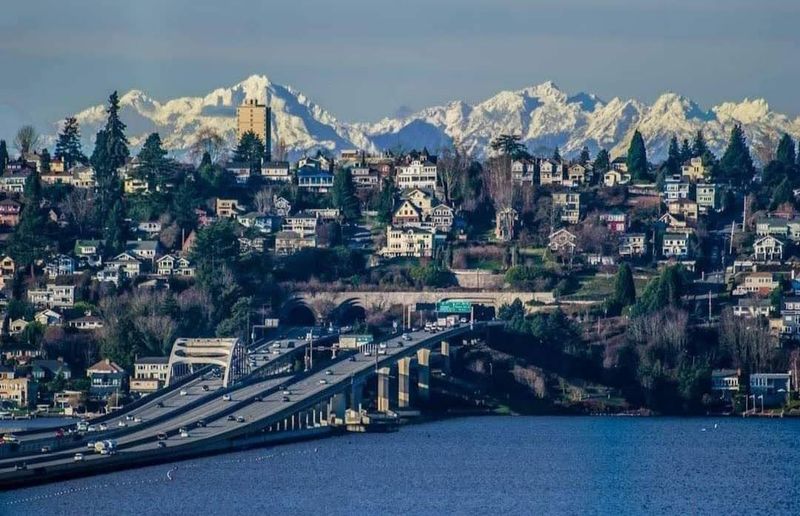
Winter travel rewards patience and preparation, and the mountains respond better when you move with humility.
Deep drifts hide obstacles, cornices hang on leeward edges, and visibility can vanish in a quiet minute.
Your plan should shrink when conditions grow uncertain, because turning early is a strong choice, not a failure.
Carry beacon, shovel, and probe when terrain or forecast suggests avalanche concerns along your route.
Use small features for handrails, and set frequent checkpoints that keep your navigation crisp.
Watch for tree well hazards near heavy branches, and give each other space while passing.
Keep energy steady with regular micro breaks, then reassess weather before each short push.
Headlamps, extra layers, and a dry pair of gloves transform an unexpected delay into a calm exit.
Share observations with others at the trailhead, since real time notes improve decisions across the community.
Stevens Pass Trailhead, 93020 US-2, Skykomish, WA 98288, anchors a reminder that Washington rewards respect on winter days.
Dear Reader: This page may contain affiliate links which may earn a commission if you click through and make a purchase. Our independent journalism is not influenced by any advertiser or commercial initiative unless it is clearly marked as sponsored content. As travel products change, please be sure to reconfirm all details and stay up to date with current events to ensure a safe and successful trip.
