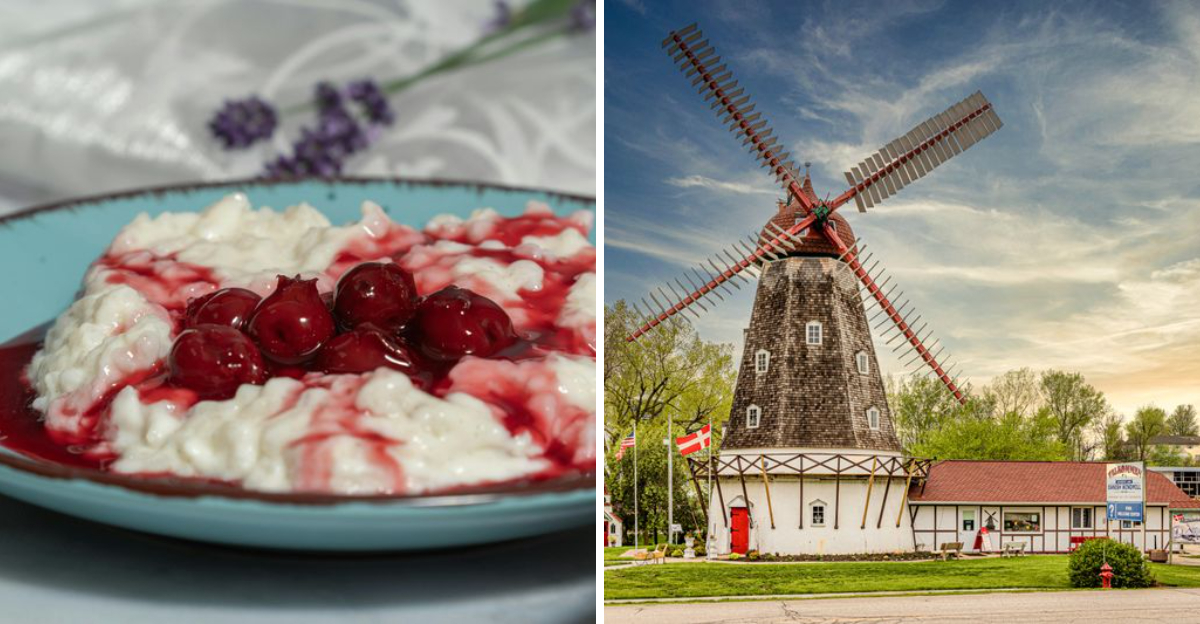
Nestled in the rolling farmland of western Iowa lies a small town that feels like a slice of Scandinavia transported to the American heartland.
Elk Horn proudly celebrates its Danish roots year-round, but winter brings something truly magical to this community of fewer than 700 residents.
When snow blankets the streets and the temperature drops, traditions passed down through generations come alive in ways that warm both body and spirit.
From festive gatherings that echo Old World customs to culinary delights that have survived the Atlantic crossing, Elk Horn transforms into a winter wonderland steeped in Danish heritage.
Families bundle up to participate in activities their great-grandparents would recognize, creating bridges between past and present.
The town’s commitment to preserving these customs offers visitors and residents alike a unique glimpse into how immigrant traditions adapt and thrive in their new homeland.
Understanding these winter practices reveals not just the story of one small Iowa town, but the broader narrative of how cultural identity persists across oceans and generations.
Whether you’re planning a visit or simply curious about cultural preservation, Elk Horn’s winter traditions offer fascinating insights into Danish-American life.
Julefest Christmas Celebration
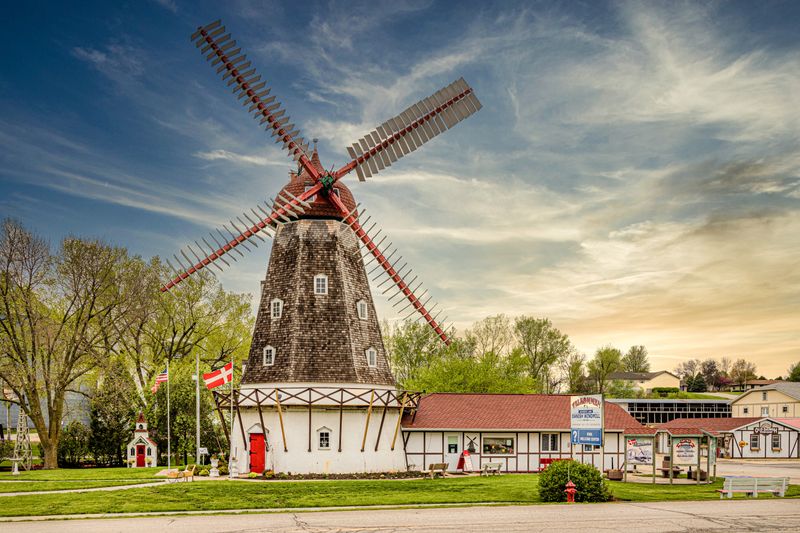
Every December, Elk Horn comes alive with Julefest, a celebration that transforms the entire town into a Danish Christmas village.
Streets fill with the aroma of roasted almonds and aebleskiver, those delightful spherical Danish pancakes dusted with powdered sugar.
The Danish Windmill, standing tall at 60 feet as one of the few authentic working windmills in America, becomes the centerpiece for holiday festivities that draw visitors from across the Midwest.
Families gather at the Museum of Danish America located at 2212 Washington Street to participate in traditional craft workshops where children learn to weave heart-shaped Christmas baskets from glossy paper.
These julehjerte decorations have adorned Danish trees for centuries, and watching young hands master the intricate weaving technique connects them directly to ancestors who performed the same ritual in Copenhagen or Odense.
Local volunteers dressed in traditional Danish folk costumes guide visitors through exhibits explaining how Christmas customs traveled from Scandinavia to Iowa soil.
The celebration includes a community sing-along featuring both English and Danish Christmas carols, with hymnals printed in both languages distributed to participants.
Older residents who still speak Danish often tear up hearing younger generations attempt the rolling pronunciation of “Glaedelig Jul.”
Storefronts along Main Street display traditional Danish decorations including nisser, those mischievous gnome-like creatures believed to protect farms and bring good fortune during winter months.
Evening brings candlelit processions through town, with participants carrying paper lanterns while singing traditional songs.
This Julefest tradition has occurred annually since 1976, making it one of Iowa’s longest-running ethnic heritage celebrations and a cornerstone of how Elk Horn maintains its cultural identity during the darkest, coldest months of the year.
Aebleskiver Breakfast Traditions
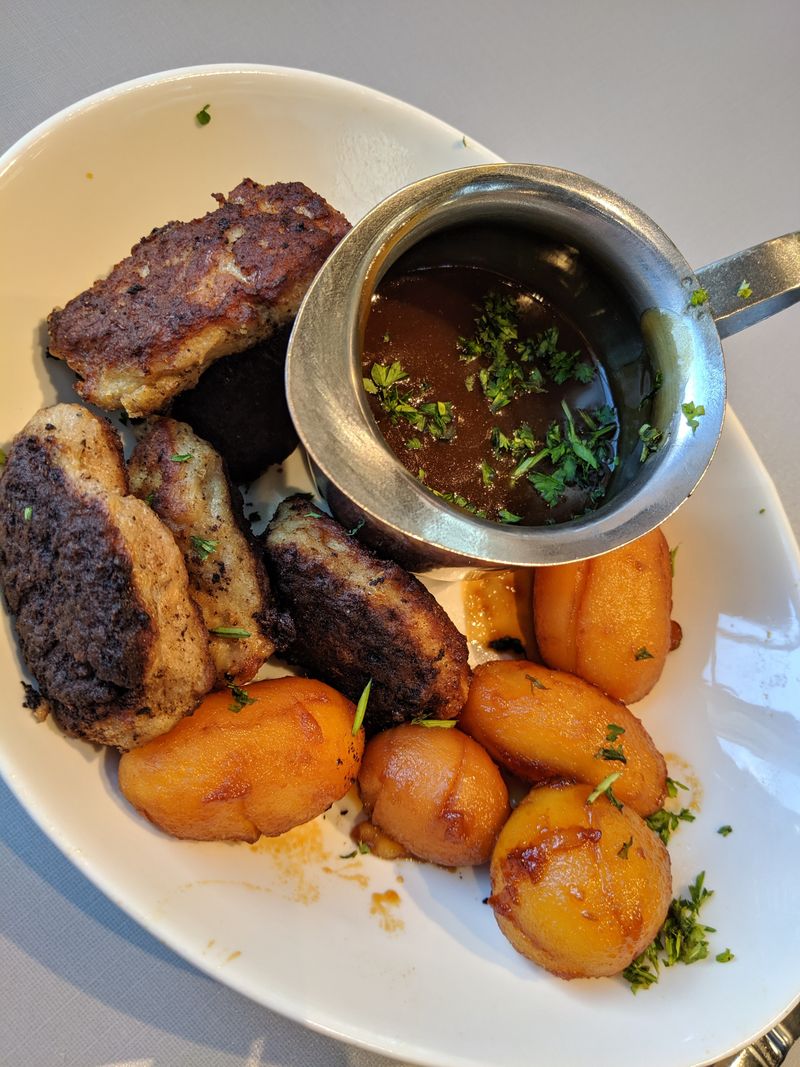
Nothing says Danish winter morning quite like the sizzle of batter hitting a specialized cast-iron pan with seven round indentations.
Aebleskiver, those golden spheres of pancake perfection, have become synonymous with Elk Horn’s winter identity, served at community breakfasts throughout the cold months.
Beulah’s Cafe on Main Street serves them year-round, but winter brings a special reverence to this dish that Danish immigrants introduced to Iowa farmland over a century ago.
The technique requires skill and patience, with cooks using knitting needles or specialized picks to flip each aebleskive at precisely the right moment to achieve that perfect golden exterior with a fluffy, slightly gooey center.
Traditional recipes call for buttermilk in the batter, though some Elk Horn families guard secret ingredient variations passed down through four or five generations.
Served piping hot with raspberry jam and a generous dusting of powdered sugar, they provide the fuel needed for winter work on Iowa farms.
During Tivoli Fest in late May and early June, volunteers flip thousands of aebleskiver, but the winter versions served at church basements and community centers feel more intimate and authentic.
The Danish Brotherhood Lodge hosts monthly Sunday breakfasts from November through March where members demonstrate proper flipping technique to curious newcomers.
Young couples learning to make their first batch together represents a rite of passage in Elk Horn, connecting them to culinary traditions that predate Iowa statehood.
Local hardware stores stock aebleskiver pans year-round, but sales spike dramatically in November as families prepare for holiday cooking.
The Museum of Danish America offers cooking classes where participants learn not just the technique but the cultural significance of this simple food that has sustained Danish communities through countless harsh winters on both sides of the Atlantic Ocean.
Hygge Winter Gathering Philosophy
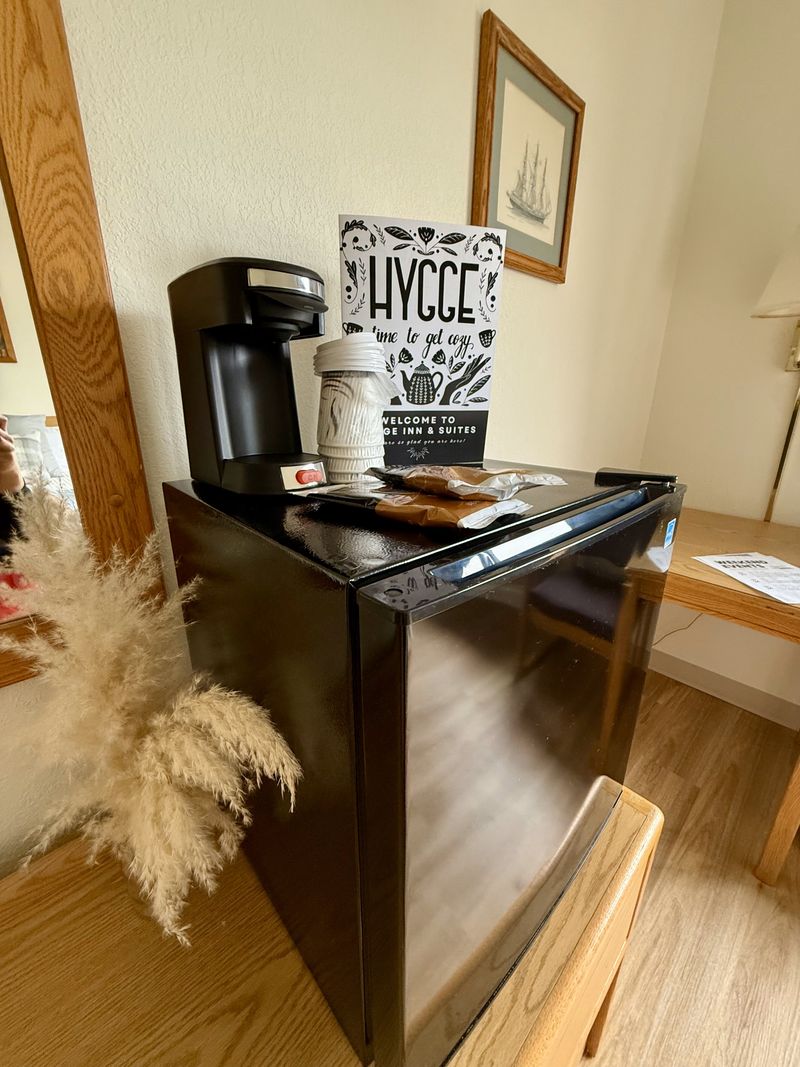
Danish immigrants brought more than recipes and decorations to Iowa; they transported an entire philosophy of winter survival called hygge, pronounced “hoo-gah.”
This untranslatable concept encompasses coziness, contentment, and the art of creating warmth during dark months when Scandinavian countries experience only a few hours of daylight.
Elk Horn has embraced hygge as both cultural heritage and practical necessity during Iowa’s brutal winters when temperatures regularly plummet below zero and wind chills make outdoor activities dangerous.
Local homes feature hygge corners with thick blankets, candles, and comfortable seating arranged to maximize both warmth and conversation.
The concept extends beyond physical comfort to encompass emotional wellbeing, emphasizing quality time with loved ones over material excess.
Community centers throughout Elk Horn host hygge evenings where residents gather for board games, storytelling, and simple meals shared by candlelight, deliberately disconnecting from electronic devices to focus on human connection.
This philosophy directly counters the isolation that winter can bring to rural communities where farms sit miles apart and weather conditions sometimes prevent travel for days.
The Danish concept recognizes winter not as something to merely endure but as an opportunity for deeper relationships and inner reflection.
Elk Horn’s adoption of hygge practices has influenced everything from home design to business hours, with many establishments creating cozy spaces specifically designed for lingering rather than rushing.
The local library features a hygge reading room with a fireplace, soft lighting, and comfortable chairs where residents spend winter afternoons.
This Danish approach to winter wellness has gained attention from mental health professionals who recognize its benefits in combating seasonal depression.
By framing winter as a season for intentional coziness rather than deprivation, Elk Horn’s Danish heritage offers a sustainable model for thriving during harsh Midwestern winters.
Sankt Hans Aften Winter Preparation
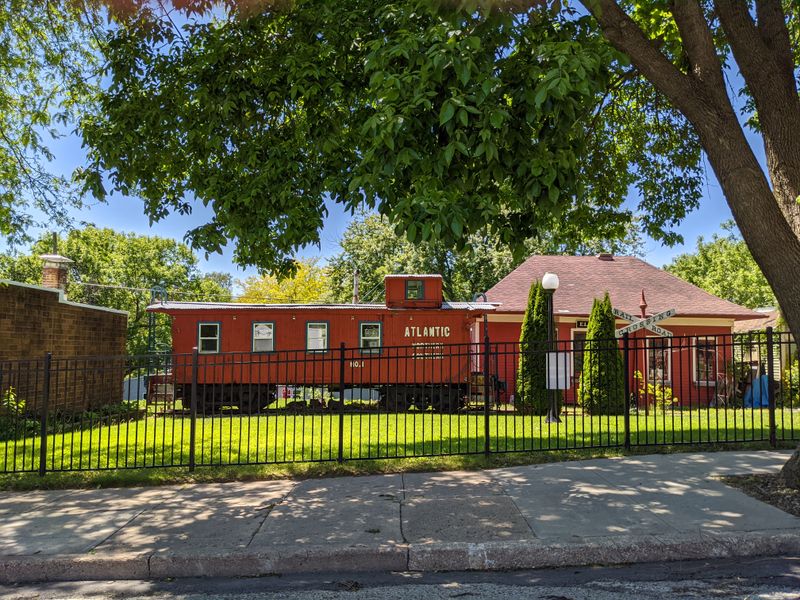
While Sankt Hans Aften traditionally celebrates the summer solstice in June, Elk Horn has adapted this Danish bonfire tradition into a winter preparation ritual that occurs in late November.
Community members gather to burn accumulated brush and fallen branches, creating massive bonfires that serve both practical land management purposes and symbolic functions as the town prepares for winter’s arrival.
This adaptation demonstrates how immigrant communities modify traditions to fit new environments while maintaining cultural significance.
The original Danish celebration involves burning an effigy of a witch to symbolize driving away evil spirits, but Elk Horn’s version focuses more on community gathering and seasonal transition.
Families bring thermoses of hot cocoa and glogg, that spiced Scandinavian wine that warms from the inside out.
Children roast marshmallows while adults share stories about past winters, creating an oral history tradition that preserves memories of blizzards, frozen pipes, and the ingenuity required for rural survival.
The fires also serve an educational purpose, with older farmers teaching younger generations about responsible land management and fire safety.
This knowledge transfer happens naturally around the flames, with practical wisdom shared in the same breath as family anecdotes and cultural history.
The evening includes singing traditional Danish songs, with lyrics adapted to reference Iowa landscapes rather than Danish coastlines.
Local fire departments supervise the controlled burns, which occur on farmland surrounding the town.
The practice brings together Elk Horn’s agricultural reality with its cultural heritage, acknowledging that Danish immigrants came to Iowa specifically for farming opportunities.
As flames reach toward the November sky, participants feel connected both to the land they work and the ancestors who first cleared it, creating a bridge between Old World traditions and New World practicality that defines Elk Horn’s unique cultural identity.
Danish Folk Dancing in Community Halls
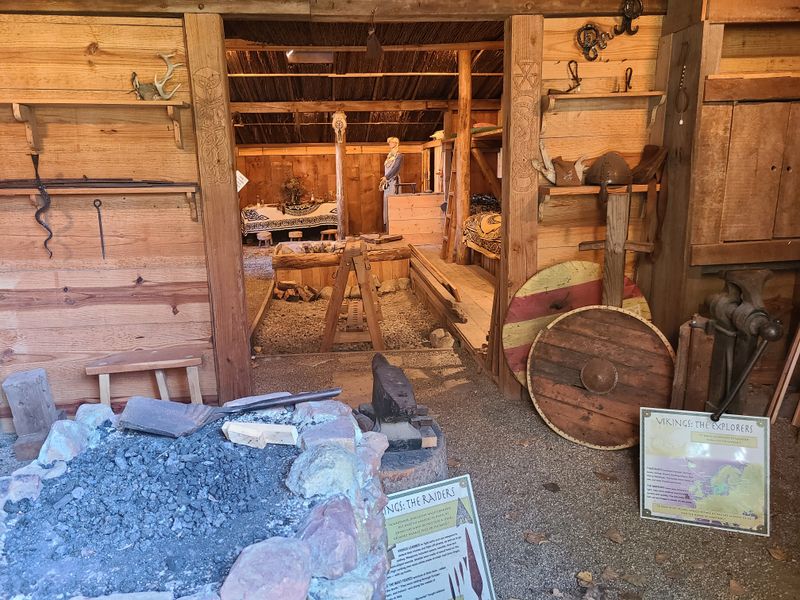
Tuesday evenings from November through March transform the community hall into a lively scene of spinning skirts, stomping boots, and accordion music echoing off wooden walls.
Danish folk dancing provides both exercise and entertainment during months when outdoor recreation becomes challenging in Iowa’s harsh climate.
The dances, with names like “Sekstur” and “Totur,” follow patterns established centuries ago in Danish villages, though Elk Horn dancers wear modern clothing rather than full traditional costumes for weekly practice sessions.
Participants range from children barely tall enough to hold their partners’ hands to octogenarians who learned these steps from immigrant grandparents who spoke little English.
The intergenerational nature of folk dancing creates natural mentorship opportunities where cultural knowledge passes seamlessly between age groups.
Unlike formal dance classes, these gatherings feel more like family reunions where everyone contributes to keeping traditions alive through movement and music.
The dances themselves require coordination and memory, with complex patterns that challenge participants to remember sequences while maintaining rhythm.
Many dances involve partner changes, ensuring that even newcomers quickly feel welcomed into the community.
This social mixing function served important purposes in rural Danish communities where young people needed opportunities to meet potential spouses, and those practical origins still influence the friendly, inclusive atmosphere of Elk Horn’s dance nights.
Local musicians provide live accompaniment on accordions, fiddles, and guitars, playing tunes their own grandparents performed at similar gatherings decades earlier.
The Museum of Danish America occasionally hosts special demonstrations where dancers wear full folk costumes imported from Denmark, complete with elaborate embroidery and traditional wooden shoes.
These winter dance sessions combat isolation while burning calories, addressing both social and physical health needs through cultural practice that has sustained Danish communities through countless long, dark winters.
Risalamande Christmas Dessert Ritual
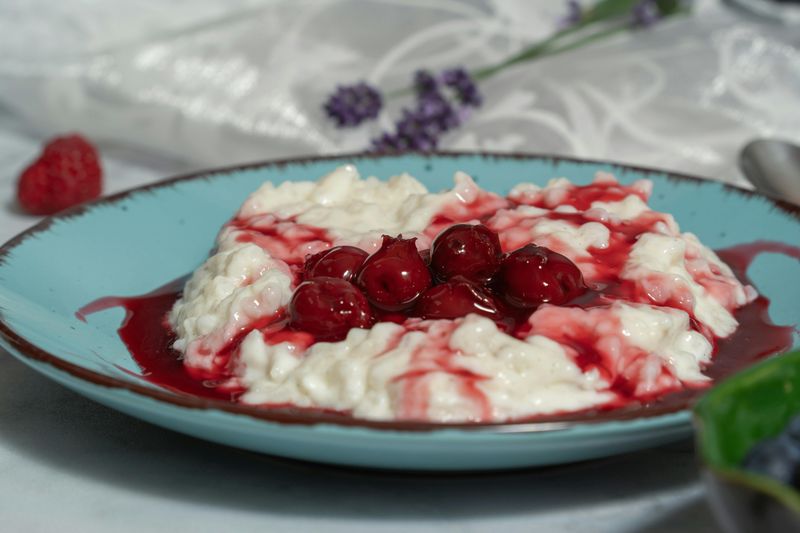
Christmas Eve in Elk Horn wouldn’t be complete without risalamande, that creamy rice pudding dessert studded with chopped almonds and topped with cherry sauce.
But this dish represents far more than simple dessert; it embodies a tradition that turns the final course into a game connecting generations through shared anticipation.
One whole almond hides within the communal bowl, and whoever discovers it in their portion wins a small prize, traditionally a marzipan pig, though Elk Horn families often substitute other tokens.
The suspense builds as family members eat slowly, carefully checking each spoonful while trying not to reveal whether they’ve found the prize.
Some strategic diners hide their discovery to watch others continue searching, while children often lack the poker face necessary for such deception, their eyes widening with excitement the moment their spoon hits the hidden almond.
This simple game creates lasting memories, with adults often recounting decades later the year they finally won after childhood years of disappointment.
Preparation begins days in advance, with rice cooked in milk until tender, then chilled before being folded with whipped cream and chopped almonds.
Recipes vary slightly between families, with some adding vanilla or almond extract while purists insist on letting the simple ingredients speak for themselves.
The cherry sauce topping, made from preserved tart cherries, provides tartness that balances the rich, sweet pudding beneath.
Churches throughout Elk Horn serve risalamande at Christmas programs, often making enormous batches that require multiple whole almonds to ensure several winners among the crowd.
The tradition has remained remarkably unchanged since Danish immigrants first celebrated Christmas in Iowa sod houses, offering continuity in a world of constant change.
For Elk Horn residents, that first creamy spoonful signals not just dessert but connection to ancestors who ate the identical dish in vastly different circumstances, united across time by shared tradition and the hope of discovering that lucky almond.
Windmill Winter Maintenance Demonstrations
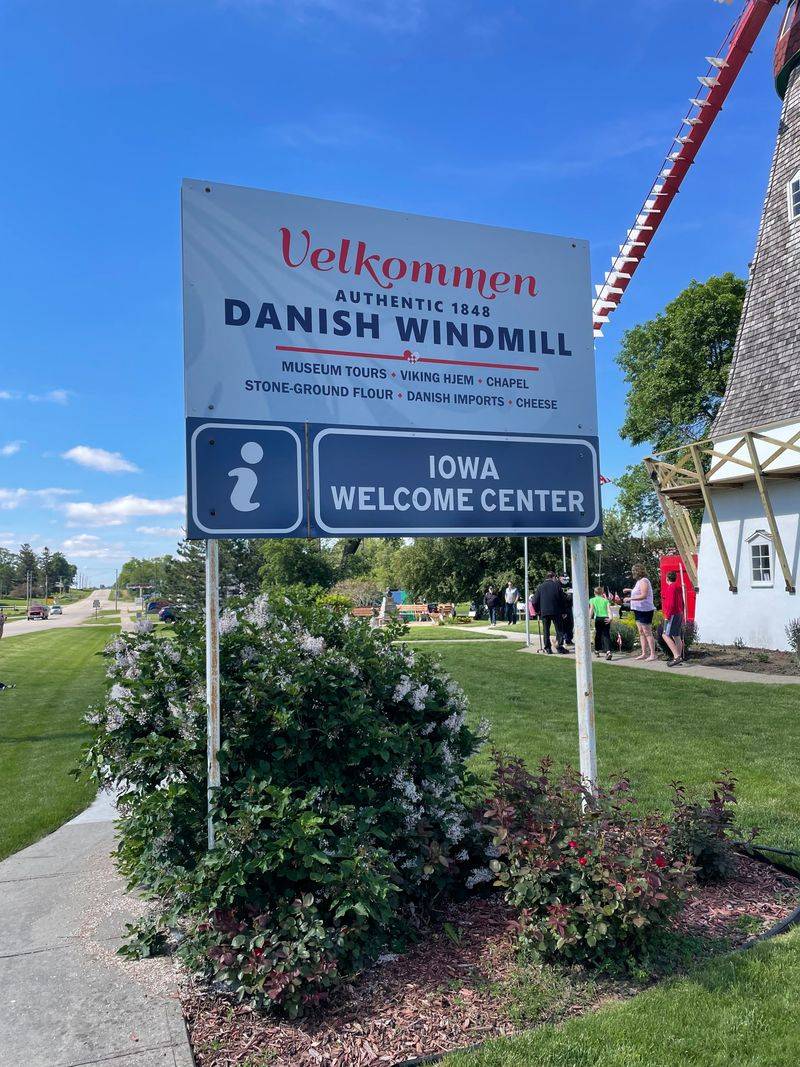
Elk Horn’s authentic Danish windmill stands as the town’s most recognizable landmark, but winter brings unique challenges for maintaining this 1848 structure that was disassembled in Denmark and rebuilt in Iowa.
The Danish Windmill Corporation hosts winter maintenance demonstrations where volunteers explain how traditional millwrights prepared these structures for harsh weather, sharing knowledge that connects modern Iowa to centuries of Danish engineering.
These sessions attract both tourists curious about historic preservation and locals invested in maintaining their community’s signature attraction.
Winter winds that sweep across Iowa farmland can reach speeds that would damage the windmill’s massive sails if left unprotected.
Demonstrators explain the process of securing the 30-foot oak blades and protecting the grinding mechanism from moisture that could freeze and crack essential components.
This practical knowledge represents cultural heritage as surely as any folk dance or recipe, preserving the technical expertise that allowed Danish communities to harness wind power for grain milling.
The windmill’s interior, accessed by steep wooden stairs, reveals the complex gear systems that convert rotational energy into grinding power.
During winter tours, guides explain how millers monitored weather conditions constantly, making split-second decisions about when to engage or disengage the mechanism based on wind speed and direction.
This intimate relationship with natural forces defined Danish agricultural life for generations, and Elk Horn’s preservation efforts keep that knowledge alive for future generations.
Children participating in these demonstrations often express surprise at the physical demands of traditional milling, gaining appreciation for modern conveniences while understanding their ancestors’ ingenuity.
The windmill also serves as a gathering point during winter festivals, its distinctive silhouette visible for miles across flat Iowa landscape.
By maintaining this structure and sharing the knowledge required for its operation, Elk Horn preserves not just a building but an entire worldview that understood humans as participants in natural systems rather than controllers of them, a perspective increasingly relevant in our changing climate.
Dear Reader: This page may contain affiliate links which may earn a commission if you click through and make a purchase. Our independent journalism is not influenced by any advertiser or commercial initiative unless it is clearly marked as sponsored content. As travel products change, please be sure to reconfirm all details and stay up to date with current events to ensure a safe and successful trip.
