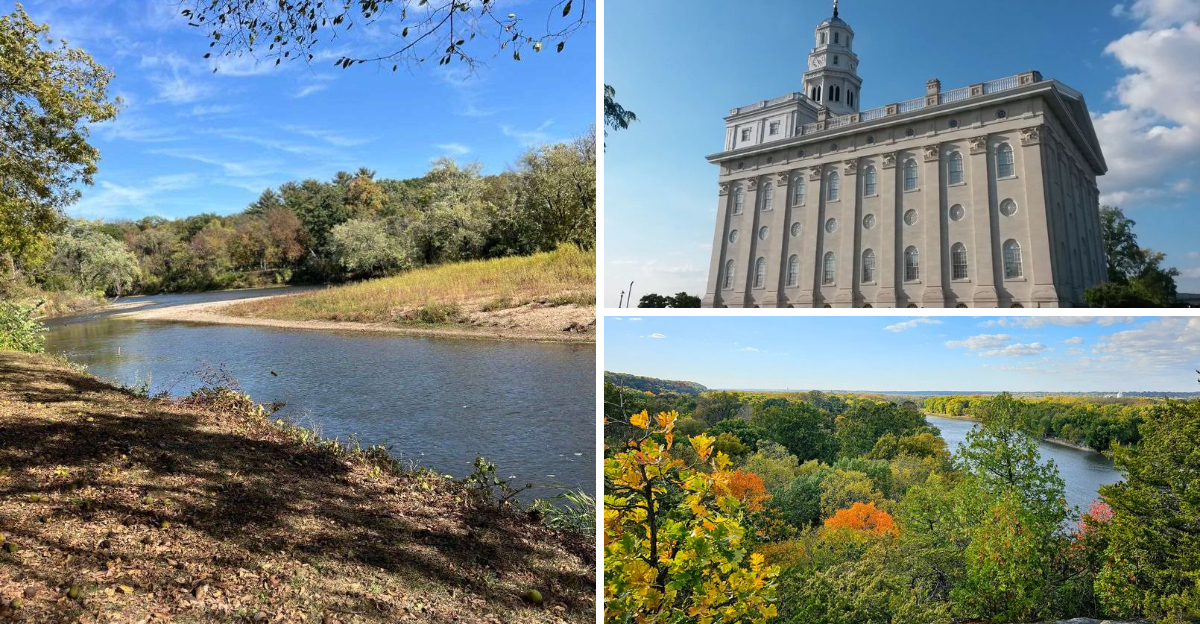
Illinois transforms into a wonderland of frozen waterfalls, historic charm, and snowy landscapes when winter arrives.
The Prairie State offers travelers a chance to escape the ordinary and explore destinations that shine brightest during the coldest months.
From towering bluffs along the Mississippi River to quiet forest preserves blanketed in white, these road trips promise memories that will warm your heart long after the snow melts.
1. Starved Rock State Park
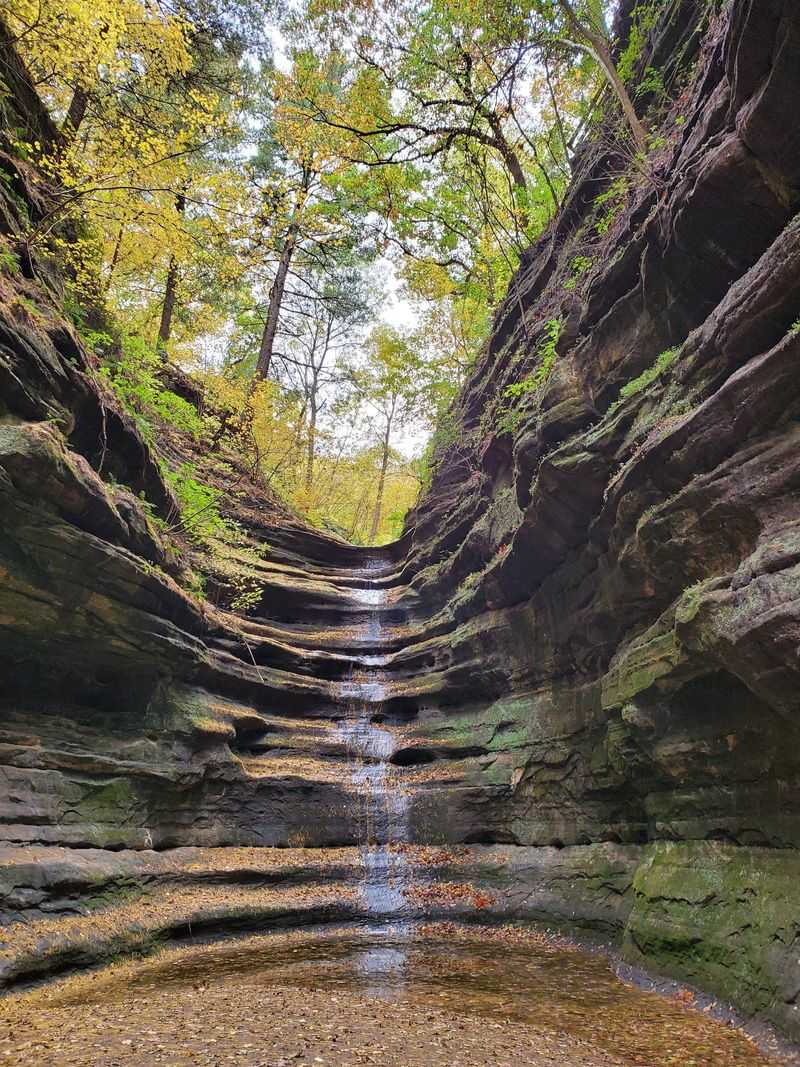
Waterfalls that cascade during warmer months turn into shimmering ice sculptures when temperatures drop at this beloved natural wonder.
Starved Rock State Park sits along the Illinois River and features 18 sandstone canyons that become magical winter galleries.
Hikers bundle up to explore trails that wind past frozen falls, some reaching heights that make you tilt your head back in awe.
The park earned its name from a Native American legend about a group of Illiniwek trapped atop the rock by rival tribes.
Winter visitors often spot bald eagles soaring above the river, their white heads contrasting against gray skies.
Cross-country skiing becomes possible when enough snow blankets the trails, offering a peaceful way to experience the landscape.
The lodge provides a cozy retreat where you can warm up with hot chocolate after hours of outdoor adventure.
Photography enthusiasts arrive early to capture the way morning light hits the ice formations in the canyons.
Each canyon has its own character, from narrow passages to wider spaces where icicles hang like nature’s chandeliers.
The park remains open year-round, though some trails may close temporarily after heavy snowfall or icy conditions.
Winter crowds are thinner than summer throngs, giving you more solitude to appreciate the quiet beauty.
Dress in layers and bring sturdy boots with good traction, as trails can be slippery even when cleared.
The visitor center offers maps and updates on trail conditions before you set out on your frozen adventure.
Address: 2668 East 873rd Road, Oglesby, Illinois
2. Galena
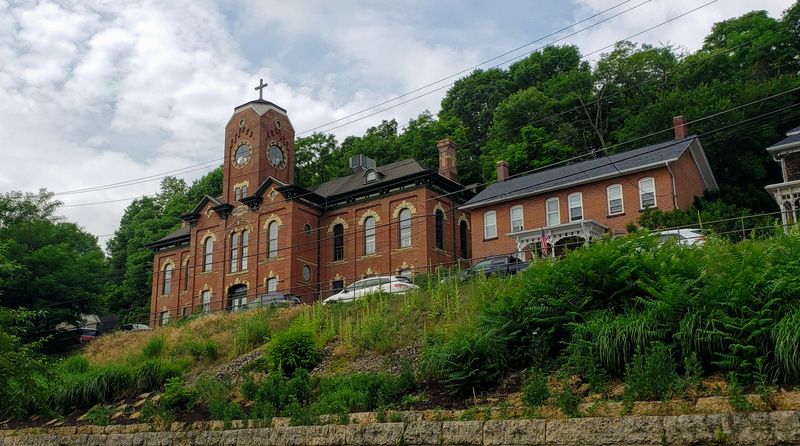
Brick buildings from the 1800s line streets that look like they belong on a vintage postcard when snow begins to fall.
Galena thrived during the lead mining boom and later became home to Ulysses S. Grant before his presidency.
The entire downtown area is a National Historic Landmark, preserving architecture that tells stories of frontier prosperity.
Winter brings a hushed quality to the rolling hills of the Driftless Area, a region untouched by ancient glaciers.
Main Street shops invite you inside with glowing windows displaying handmade goods, antiques, and local artwork.
The Galena River winds through town, sometimes freezing along its edges to create patterns that look like lace.
Walking tours become more intimate in winter, with guides sharing tales of riverboat captains and mining fortunes in the crisp air.
Several historic homes offer tours, including the Grant Home, where you can imagine life during a different era.
Bed and breakfasts in restored mansions provide authentic period charm with modern comforts like heated floors and fireplaces.
The surrounding countryside offers scenic drives where farms and forests create a patchwork quilt under snow.
Local restaurants serve hearty comfort food perfect for cold days, from pot roast to homemade pies.
Cross-country skiing and snowshoeing trails wind through nearby parks when conditions allow.
The town’s elevation creates hills that make for picturesque views but require careful driving during winter weather.
Evening strolls reveal homes lit from within, their warmth spilling onto snowy sidewalks like scenes from a storybook.
3. Alton and the Mississippi River Bluffs
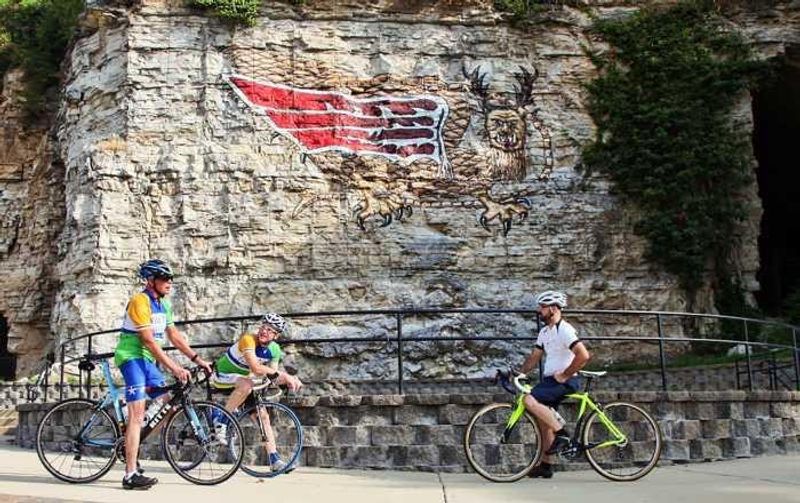
Limestone cliffs tower above the Mississippi River, creating dramatic backdrops that become even more striking against winter skies.
Alton sits at the confluence of three great rivers, where the Missouri and Illinois meet the mighty Mississippi.
The Great River Road follows the bluffs, offering pullouts where you can stop and scan the waters for bald eagles.
These majestic birds migrate here each winter to fish in waters that remain partially open despite freezing temperatures.
Historic neighborhoods feature homes built into hillsides, their Victorian details preserved through generations of careful stewardship.
The riverfront district includes markers telling stories of the Civil War era, when Alton played a role in the Underground Railroad.
Elijah Lovejoy, an abolitionist newspaper editor, was murdered here in 1837, and a monument honors his courage.
The meeting of the rivers creates unique ice formations when temperatures plunge, with chunks piling up like abstract sculptures.
Several overlooks provide panoramic views where you can watch river barges navigate channels kept clear by current.
The Piasa Bird, a legendary creature depicted on the bluffs, has fascinated visitors since Native American times.
Winter light at sunset paints the bluffs in shades of pink and gold, creating moments worth capturing.
Downtown shops and cafes occupy buildings from the 1800s, their brick facades warm and inviting on cold afternoons.
The National Great Rivers Museum explains the ecology and history of this powerful waterway system.
Bundle up for bluff walks, where wind off the river can cut through even the warmest coat.
4. Springfield

Abraham Lincoln walked these streets before becoming president, and his presence still echoes through preserved homes and government buildings.
The Lincoln Home National Historic Site sits in a neighborhood that looks much as it did in the 1860s.
Winter visits mean shorter lines and more personal interactions with guides who share intimate details about the Lincoln family.
The Old State Capitol, where Lincoln delivered his famous House Divided speech, opens its doors to visitors year-round.
Snow dusting the building’s Greek Revival columns creates scenes that transport you back to frontier politics.
The Illinois State Museum offers warmth and fascinating exhibits about natural history and Native American cultures.
Lincoln’s tomb at Oak Ridge Cemetery becomes a quiet, contemplative space in winter, with fewer crowds to disturb reflection.
The bronze bust at the tomb’s entrance has a nose rubbed shiny by countless visitors seeking good luck.
Downtown Springfield features architecture from multiple eras, from Victorian mansions to Art Deco storefronts.
The Dana-Thomas House, designed by Frank Lloyd Wright, showcases Prairie School architecture with original furnishings and art glass.
Local restaurants serve horseshoe sandwiches, a regional specialty featuring meat, fries, and cheese sauce that warms you from the inside.
The state capitol building, with its stunning dome, offers free tours where you can learn about Illinois government and history.
Winter weather in Springfield can be unpredictable, so checking forecasts before your trip helps with planning.
Most historic sites have limited hours during winter months, making advance research essential for maximizing your visit.
5. Rockford and the Forest Preserves
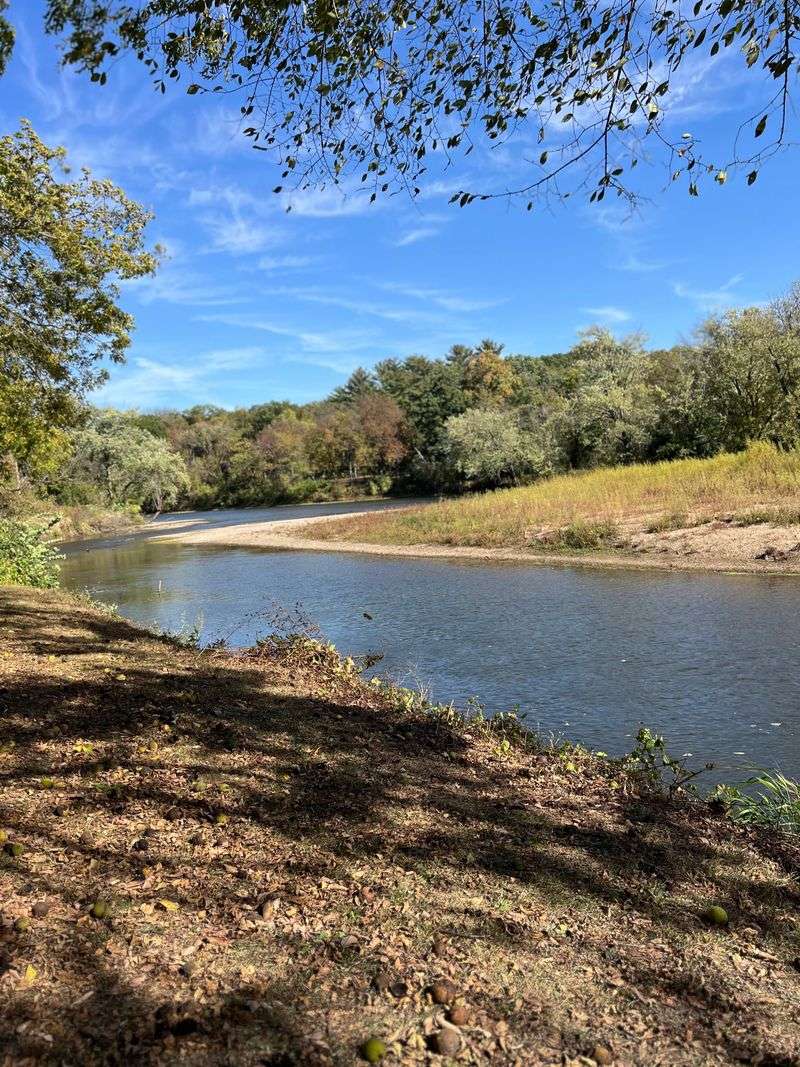
Forest preserves surrounding Rockford create pockets of wilderness where city sounds fade into bird calls and wind through bare branches.
The Rock River flows through town, its banks lined with trails that become winter wonderlands after fresh snowfall.
Photographers find endless subjects in the way frost coats prairie grasses and ice forms along stream edges.
The Nicholas Conservatory and Gardens offers tropical warmth as a contrast to the frozen world outside its glass walls.
Inside, butterflies flutter among orchids and palms, creating a surreal escape during the coldest months.
The conservatory’s seasonal displays change throughout winter, providing reasons to return multiple times.
Nearby preserves like Kishwaukee Gorge feature deep ravines where microclimates create unique ecological niches.
Cross-country skiing becomes popular when snow depths reach sufficient levels, with groomed trails available at some locations.
The Anderson Japanese Gardens, while less lush in winter, takes on a minimalist beauty with snow highlighting its careful design.
Rockford’s downtown has undergone revitalization, with local breweries and restaurants occupying historic buildings.
The Burpee Museum of Natural History houses Jane, one of the most complete juvenile Tyrannosaurus rex fossils ever found.
Winter bird watching in the preserves can yield sightings of species that migrate here from farther north.
Owls become more visible in leafless trees, their camouflage less effective against bare bark and snow.
Dress warmly for preserve visits, as open spaces offer little protection from wind that sweeps across frozen landscapes.
6. Chain O’Lakes State Park
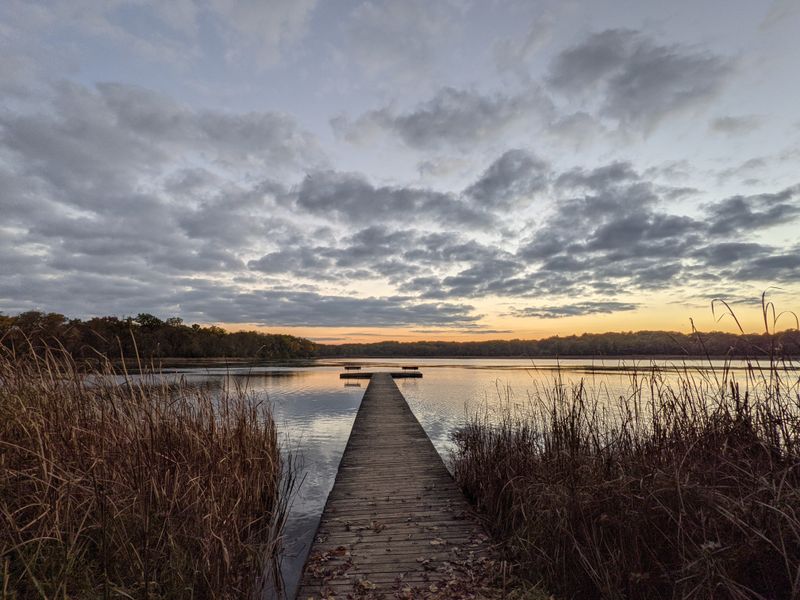
Ten natural lakes connect through channels and marshes, creating a water wonderland that transforms completely when ice takes hold.
Chain O’Lakes State Park sits in the northeastern corner of Illinois, where glaciers shaped the landscape thousands of years ago.
Ice fishing becomes a favorite pastime when lake surfaces freeze thick enough to support shanties and anglers.
Perch, bluegill, and northern pike lurk beneath the ice, waiting for bait dropped through hand-augered holes.
The park’s trail system winds through oak forests and along shorelines, offering varied terrain for winter hiking.
Snowmobiling trails connect to a larger regional system, allowing riders to explore miles of frozen countryside.
Cross-country skiers glide through quiet woods where deer tracks crisscross the snow like nature’s calligraphy.
The Fox River flows through the chain, its current keeping some sections open even in the deepest cold.
Waterfowl that haven’t migrated south gather in these open patches, diving for food in the frigid water.
The park’s campground closes in winter, but nearby towns offer lodging for those wanting multi-day adventures.
Sunrise over frozen lakes creates color shows that shift from purple to pink to gold in minutes.
The marsh areas, so vibrant with life in summer, become stark landscapes of cattail stalks poking through snow.
Winter silence here feels profound, broken only by ice cracking and shifting as temperatures fluctuate.
Always check ice thickness before venturing onto frozen lakes, as conditions can vary dangerously across different areas.
7. Illinois River Road: Utica to Starved Rock
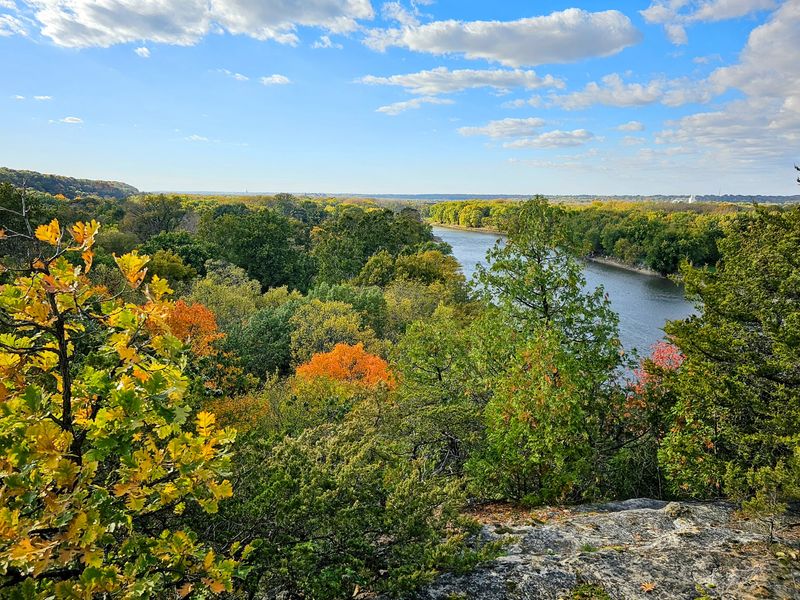
The road follows curves carved by the Illinois River, revealing new vistas around each bend as bluffs rise and fall.
Starting in Utica, a small town with vintage charm, the drive takes you through landscapes that seem untouched by time.
The river widens and narrows, creating varied habitats that attract wildlife even in the harshest weather.
Bald eagles perch in trees along the banks, their white heads visible from the road if you know where to look.
Pullouts allow you to stop and simply watch the river flow, ice forming along its edges in delicate patterns.
The route passes through small communities where grain elevators and church steeples mark the skyline.
Historical markers tell stories of the Illinois and Michigan Canal, which once connected the Great Lakes to the Mississippi River system.
Lock and dam structures stand as monuments to engineering ambition from the 1800s, now quiet in winter.
The drive culminates at Starved Rock State Park, but the journey itself holds as much beauty as the destination.
Winter light bounces off the river’s surface, creating sparkles that dance and shift with the current.
Farmland stretches away from the road on one side, while bluffs and forest line the river on the other.
The contrast between cultivated fields and wild riverbanks shows the balance humans have struck with nature here.
Small roadside parks offer picnic areas that, while cold in winter, provide perfect spots for thermos coffee and contemplation.
Take this drive slowly, savoring each mile rather than rushing to reach the end point.
8. Apple River Canyon State Park
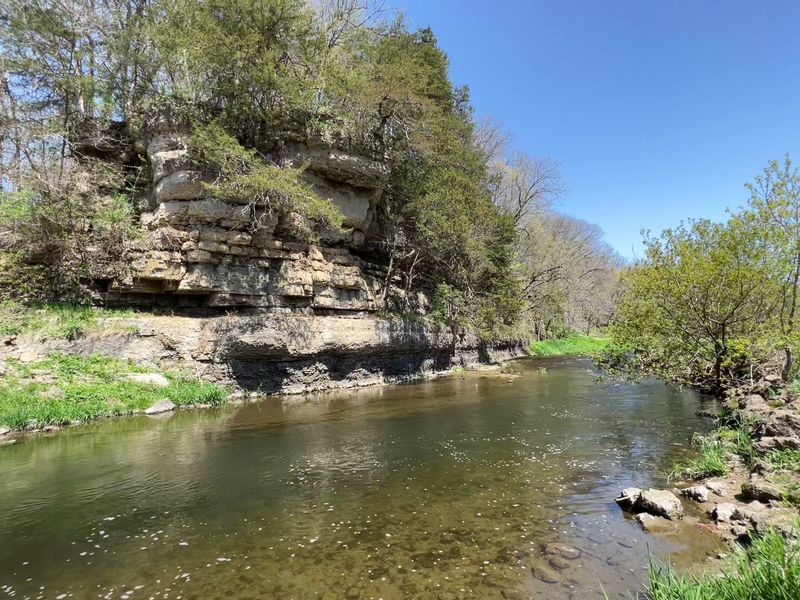
Limestone walls rise dramatically from the canyon floor, their layers telling geological stories spanning millions of years.
Apple River Canyon State Park hides in the northwest corner of Illinois, far from major highways and tourist crowds.
The Apple River carved this canyon through ancient rock, creating depths that surprise visitors expecting flat prairie landscapes.
Winter hiking here requires careful footing, as trails descend steeply into the canyon where ice can make surfaces treacherous.
The reward for cautious travel is solitude in a landscape that feels primordial, especially when snow muffles sound.
Hemlocks and other evergreens cling to canyon walls, their green branches vivid against gray rock and white snow.
The river at the canyon bottom sometimes freezes completely, creating a pathway where water normally flows.
Rock formations include overhangs and small caves where temperature differences create unique ice formations.
Wildlife tracks in snow reveal the secret lives of creatures that call the canyon home year-round.
The park encompasses only about 300 acres, making it one of Illinois’ smaller state parks but no less impressive.
Birders come searching for species that prefer deep forests and protected ravines during harsh weather.
The canyon’s microclimate means temperatures at the bottom can differ significantly from the rim above.
Dress in removable layers so you can adjust as you descend into warmer canyon air or climb back to windswept heights.
Address: 8763 East Canyon Road, Apple River, Illinois
9. Nauvoo’s Riverside Historic District
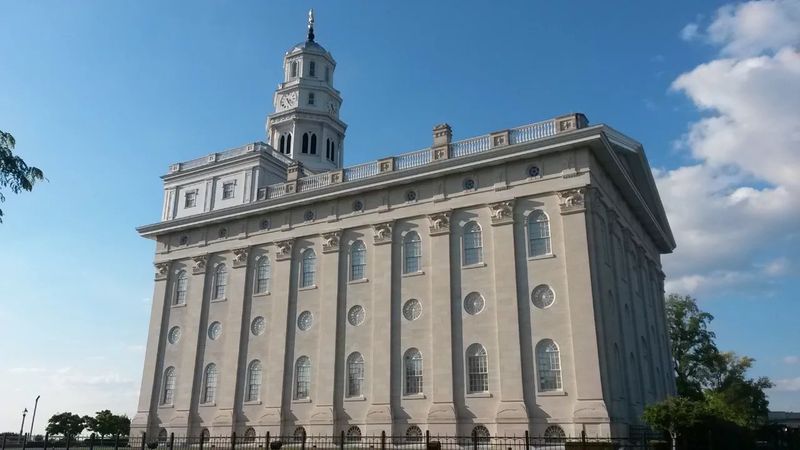
Restored homes from the 1840s line quiet streets where Mormon settlers once built a thriving city on the Mississippi River.
Nauvoo represents one of the most significant periods in American religious history, when thousands gathered here before heading west.
The town sits on a bend in the river, with views stretching across to Iowa’s bluffs on the opposite shore.
Winter strips away summer’s tourist bustle, leaving the historic district peaceful and contemplative.
The reconstructed Nauvoo Temple rises prominently, its white limestone and gold details striking against winter gray skies.
Original homes, including those of church leaders and craftsmen, have been carefully preserved and furnished with period pieces.
Costumed interpreters sometimes demonstrate 19th-century crafts, though winter schedules are more limited than summer offerings.
The riverfront provides walking paths where you can imagine steamboats arriving with new settlers full of hope.
Ice forms along the Mississippi’s edges, though the main channel usually remains navigable throughout winter.
The town’s grid layout, planned by Joseph Smith himself, creates orderly blocks that are easy to explore on foot.
Local museums explain the complex history of conflict and exodus that marked Nauvoo’s early years.
The Old Nauvoo Cemetery holds graves of those who never completed the journey west, their stories preserved in weathered stones.
Winter sunsets over the river paint the sky in colors that seem almost otherworldly, reflecting off snow and ice.
The quiet season allows for deeper reflection on the determination and faith that built this riverside community.
Dear Reader: This page may contain affiliate links which may earn a commission if you click through and make a purchase. Our independent journalism is not influenced by any advertiser or commercial initiative unless it is clearly marked as sponsored content. As travel products change, please be sure to reconfirm all details and stay up to date with current events to ensure a safe and successful trip.
