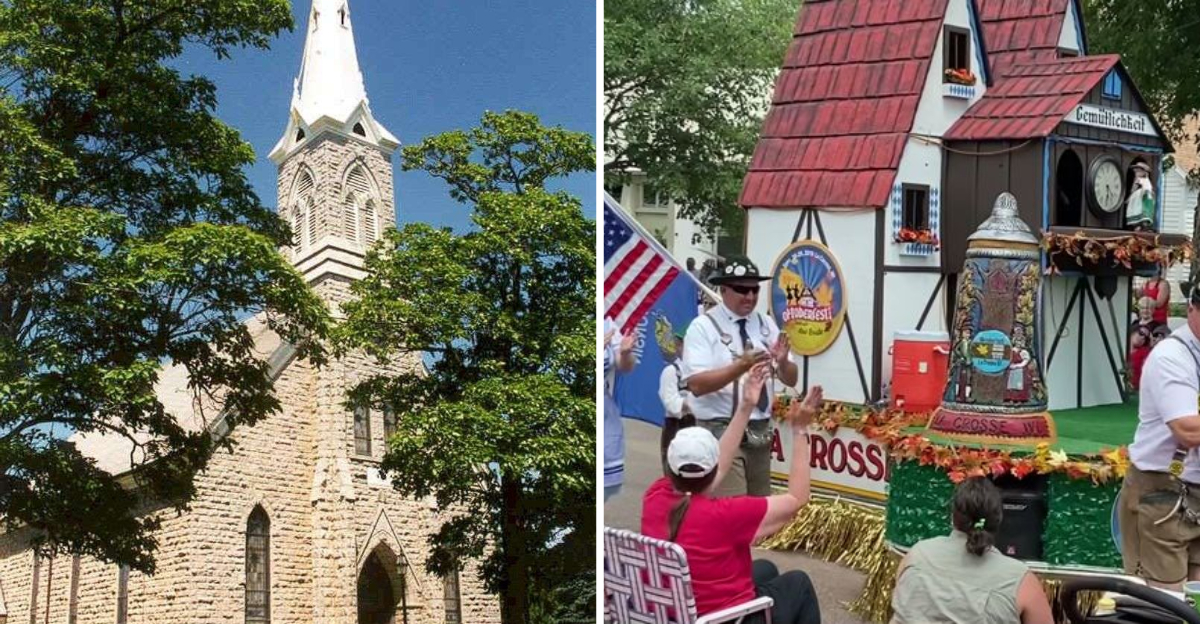
I did not expect to find Germany in the middle of Wisconsin. But somehow, it is everywhere once you start looking.
The beer halls are real. The bratwurst is legit.
And the architecture makes you feel like you wandered onto a movie set. I have visited a few of these Bavarian-style towns over the years, and every single one has its own personality. Some lean hard into the lederhosen and polka.
Others just quietly serve incredible pretzels and call it a day. Either way, Wisconsin is holding onto its German roots in a big way. And honestly, I am here for all of it.
Milwaukee
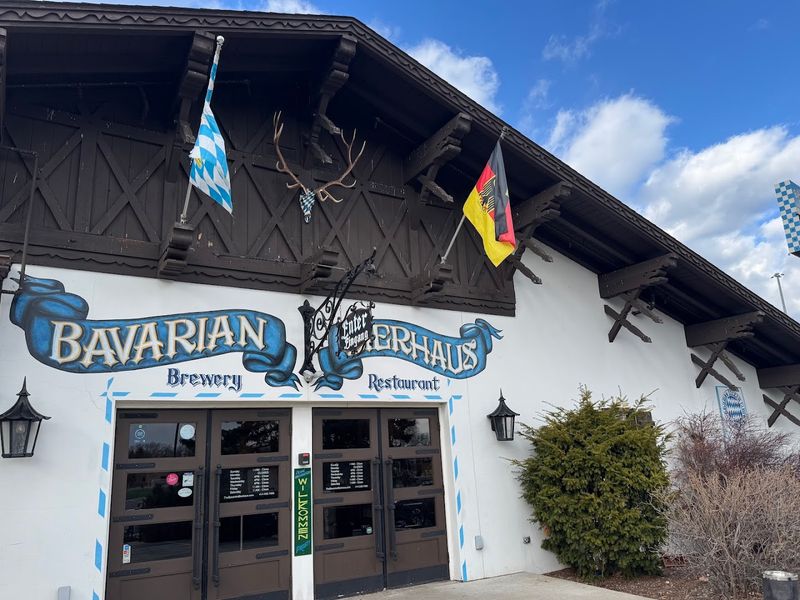
Milwaukee caught me off guard in the best way, because its German roots are not hidden in a museum corner but folded right into the city streets, old neighborhoods, and skyline. You notice it in brick facades, onion-domed church towers, and the satisfying sense that history here still feels lived in rather than staged.
As I moved through districts shaped by nineteenth-century immigrants, the city felt both confident and comfortable, with grand architecture balanced by lake breezes and an easy rhythm that keeps things from becoming too serious. Public squares, historic halls, and sturdy old commercial blocks carry a Central European spirit, yet the setting remains unmistakably Wisconsin, grounded by water, industry, and wide skies.
What makes Milwaukee such a strong starting point is the scale of it all. The heritage is big enough to shape the whole mood.
Even if you are not searching for Bavarian details, they keep appearing in church interiors, neighborhood names, and the handsome proportions of streets designed by people who brought pieces of home with them and then adapted those memories to a new landscape beside Lake Michigan.
Freistadt (Mequon)
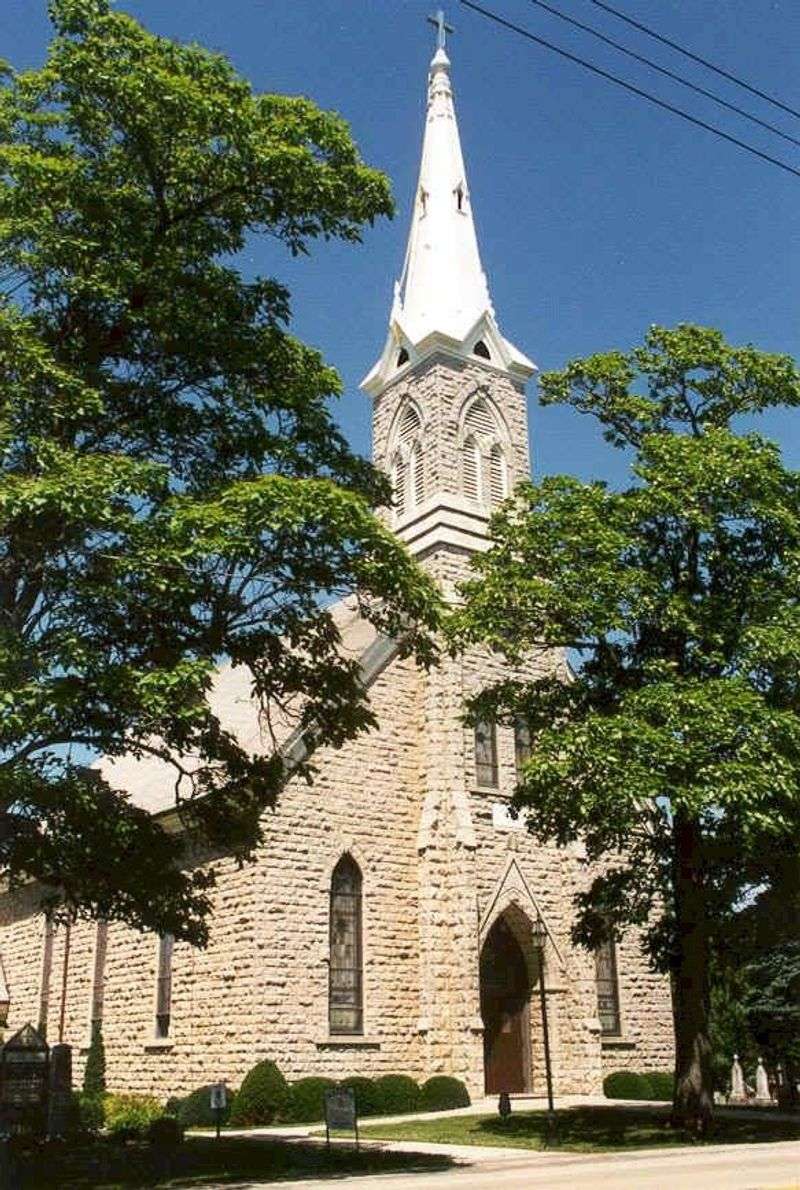
Freistadt has a quieter presence than bigger destinations, and that is exactly why I found it so moving. The old settlement near Mequon feels rooted in faith, farmland, and memory, with a sense of continuity that lingers in the landscape long after you leave.
Here, the German story is tied to early immigrant determination rather than flashy facades, so the beauty comes through in subtler ways like country roads, historic church grounds, and the calm geometry of fields stretching around old buildings. It feels intimate.
It also feels deeply sincere.
I liked how Freistadt invites you to notice the texture of settlement itself, the way communities carried traditions across an ocean and translated them into worship spaces, homes, and everyday patterns of life in southeastern Wisconsin. There is something distinctly European in the orderliness, the relationship between village and countryside, and the lasting importance of the church as a visual anchor.
If you are chasing loud tourism, this stop may seem understated at first, but give it a little time and it reveals one of the most authentic glimpses of Wisconsin’s German past, gentle in tone yet surprisingly powerful in atmosphere.
Germantown

Germantown wears its heritage right in the name, but what stayed with me most was how natural it all felt instead of theatrical. The town has a grounded, neighborly character, and its German influence comes through as part of daily life rather than a costume put on for visitors.
Main roads, civic spaces, and older buildings create a pleasant sense of order, the kind of place where you can imagine traditions passing from one generation to the next without much fuss. There is nothing overly dramatic about the scenery.
That calm confidence is exactly the appeal.
I enjoyed the way Germantown balances suburban ease with hints of old-country identity, giving travelers a softer version of Bavarian atmosphere than they might expect. You see it in architecture, in community pride, and in the way public spaces feel cared for, as if the town understands that heritage is not only about preservation but also about rhythm, routine, and belonging.
For anyone tracing Wisconsin’s German map, Germantown matters because it shows how immigrant influence can shape a place long after the first settlers are gone, leaving behind a style of living that still feels organized, welcoming, and distinctly connected to central European roots.
La Crosse
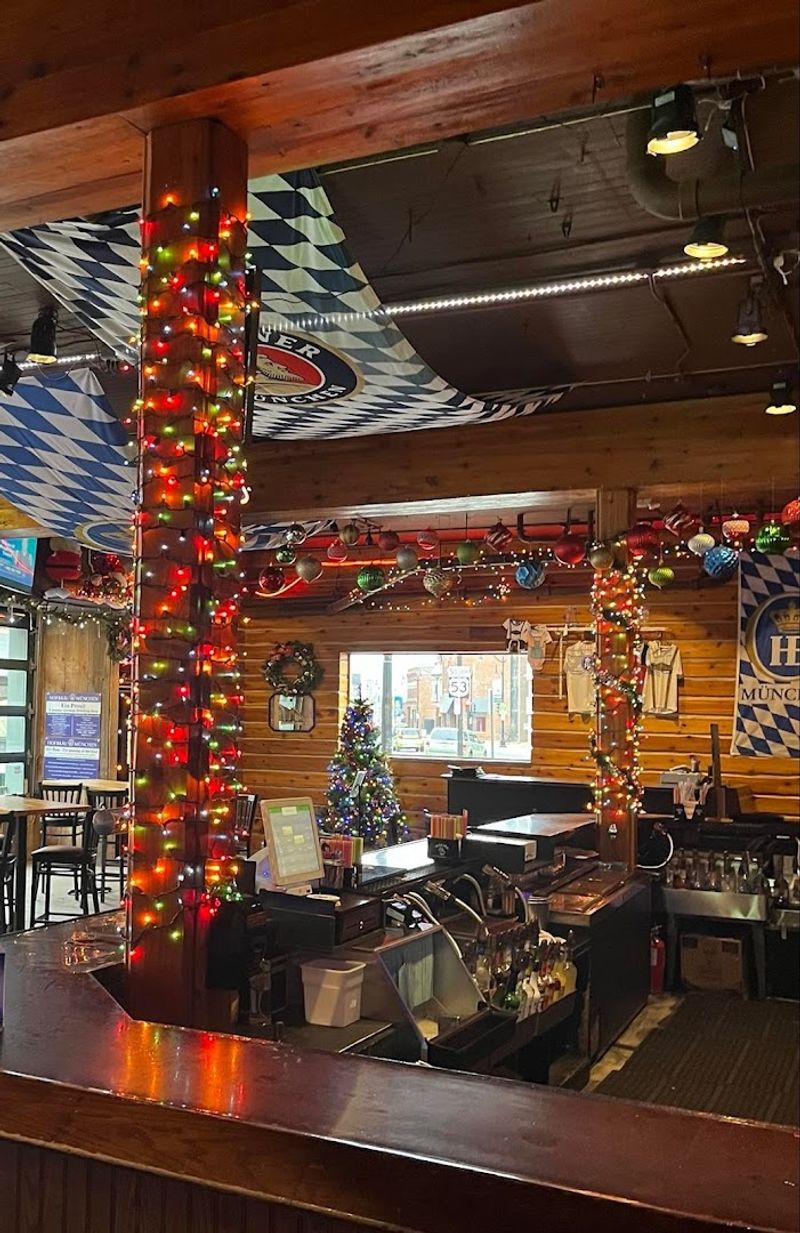
La Crosse feels dramatic from the start, tucked between the Mississippi River and the bluffs, and I loved how that landscape gives its old German character extra depth. Historic buildings rise with real presence here, and the city carries itself with a slightly old-world confidence that suits the scenery.
The downtown streets have a sturdy elegance, with brick facades, decorative details, and church towers that make the river city feel more layered than a quick visit would suggest. It is scenic.
It is also surprisingly atmospheric once you start noticing the European touches woven into everyday blocks.
What makes La Crosse stand out on this route is the combination of geography and heritage, because the surrounding bluffs create a sense of enclosure that almost amplifies the city’s traditional architecture. I found myself slowing down, looking up more often, and appreciating how the German influence here feels less village-like and more urban, shaped by trade, movement, and the river’s long importance.
The result is a place that feels substantial but not overwhelming, with enough texture to reward wandering. If you want one stop that blends Wisconsin’s natural grandeur with a distinct Central European visual legacy, La Crosse earns its place without needing to announce itself too loudly.
New Ulm
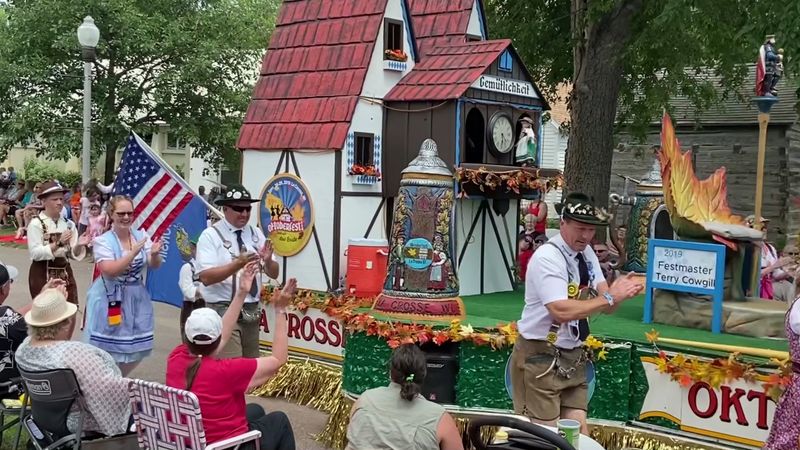
New Ulm enters this journey like a slightly unexpected cousin, but its German personality is strong enough that I could not ignore it. Even with a setting that feels more broad-shouldered prairie than alpine postcard, the town carries a heritage that is immediately visible in its architecture and civic identity.
I was drawn to the way the streets combine Midwestern openness with details that feel imported from another tradition, giving the town a distinct rhythm and silhouette. Historic structures help a lot.
So does the way public spaces seem designed to keep memory present rather than tucked away.
There is an appealing directness to New Ulm, and that makes its old-world atmosphere feel especially honest. Instead of relying on novelty, the place lets its German roots show through towers, facades, and a strong sense of cultural continuity that shapes how the town looks and moves.
On a route focused on Wisconsin’s Bavarian echoes, this stop broadens the story by reminding you that regional heritage often spills past neat state lines and into a larger Upper Midwest pattern. I liked that perspective.
It made the whole trip feel less like a checklist and more like a cultural landscape, one where immigration left visible marks that still give ordinary streets an unmistakable European accent.
Sheboygan
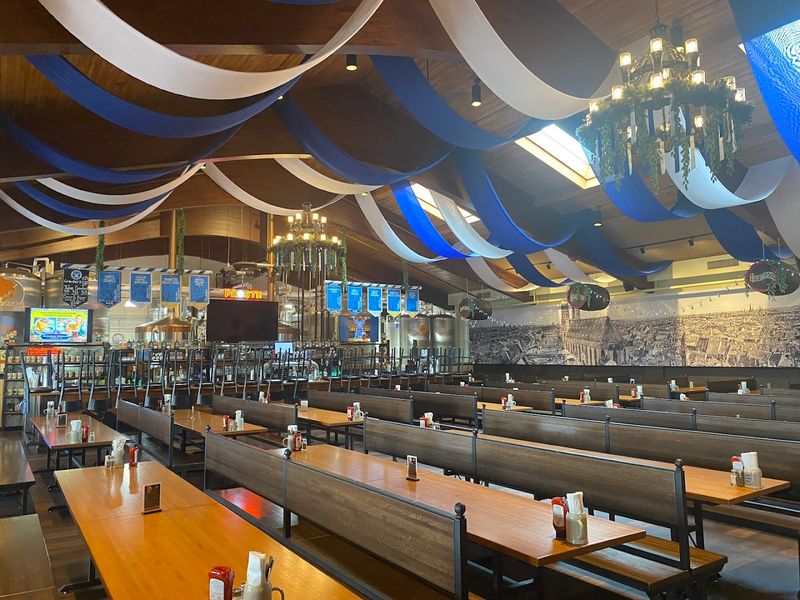
Sheboygan has a brisk, cheerful energy that I found instantly likable, and beneath that easygoing lakefront mood sits a strong current of German heritage. The city feels practical and warm at the same time, with architecture and traditions that hint at old roots without ever making the place feel frozen.
Near the downtown core, older buildings and church spires give the streets a little extra character, while the presence of Lake Michigan keeps everything bright and open. I liked that contrast.
The setting feels breezy, but the historic fabric still gives the city weight.
Sheboygan works so well on this route because its Bavarian and broader German influences are part of a full city experience rather than a single preserved district. You get the sense of immigration shaping neighborhoods, food traditions, and public life over many decades, all while the shoreline adds its own fresh personality.
That combination keeps the city from feeling overly nostalgic. Instead, it feels lived in, confident, and genuinely distinctive, the kind of place where heritage survives through atmosphere as much as through landmarks.
If some stops on this journey whisper their European connections, Sheboygan speaks in a friendlier everyday voice, making it easy to imagine returning for longer just to enjoy the mix of lake air, history, and unforced local character.
Cedarburg
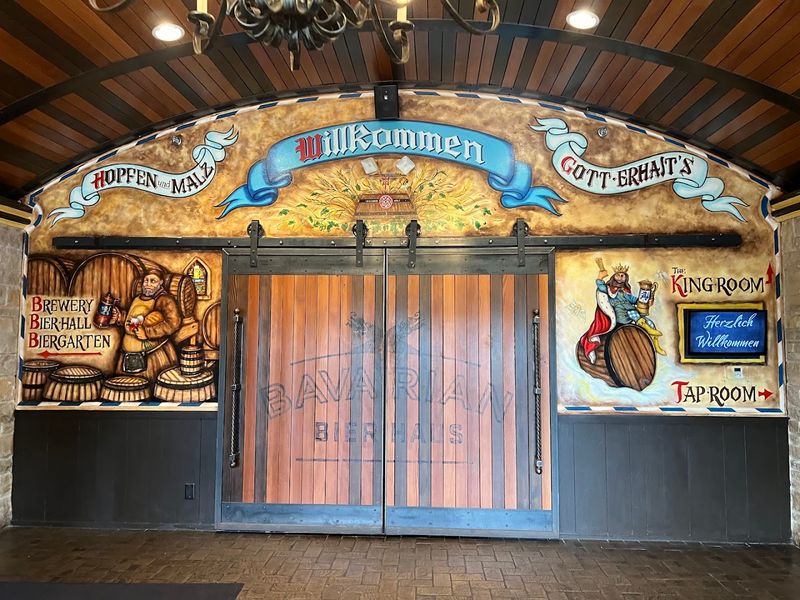
Cedarburg has that rare kind of beauty that feels almost too tidy until you spend time in it and realize the charm is real. I was won over by the limestone buildings first, then by the way the whole town seems to settle into a rhythm that is both relaxed and carefully preserved.
The historic district carries a strong Central European mood, especially when you notice the masonry, narrow visual lines, and old structures gathered so closely together. It feels intimate.
It also feels wonderfully walkable, with every block encouraging you to slow down and keep looking.
What I liked most about Cedarburg is that its Bavarian flavor does not come from a gimmick but from the coherence of the place itself, where architecture, streetscape, and history all reinforce one another. The town is polished enough to feel special, yet not so polished that it loses its personality, and that balance is harder to find than people think.
Wisconsin has plenty of attractive small towns, but Cedarburg stands apart because its German heritage reads so clearly in stone, scale, and atmosphere. On this route, it offers one of the most complete old-world settings, a place where a simple afternoon stroll can feel rich with detail, from textured facades to quiet corners that seem almost unchanged by time.
West Bend
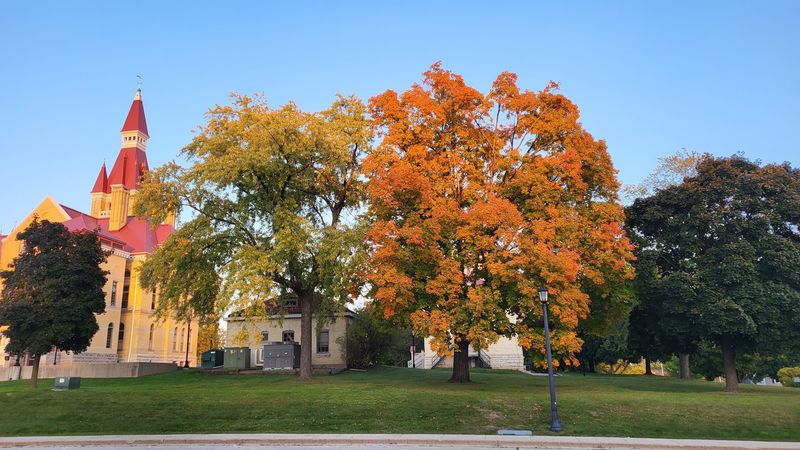
West Bend gave me the feeling of a place that does not need to show off, because its character is already built into the streets. The city has a pleasant solidity to it, with historic architecture, church presence, and a steady civic feel that quietly reflects its German background.
As I looked around downtown, the details started adding up in satisfying ways, from older facades to the measured layout of public spaces and the sense that the town grew with purpose. Nothing feels rushed.
That slower visual rhythm makes the heritage easier to notice.
West Bend fits this journey so well because it captures a practical side of Bavarian influence in Wisconsin, where immigrant traditions shaped communities that were meant to endure, not merely impress. I appreciated how the city blends everyday functionality with pockets of beauty, especially in its older core where the architecture gives the streets real texture.
The effect is subtle but lasting. Rather than delivering one dramatic postcard view, West Bend offers a more cumulative pleasure, the kind that grows as you walk, notice materials, and pay attention to how buildings relate to one another.
For travelers who like places with substance and a lived-in sense of history, this stop proves that German heritage can be felt just as strongly in quiet civic order as in overt decorative flair.
Watertown
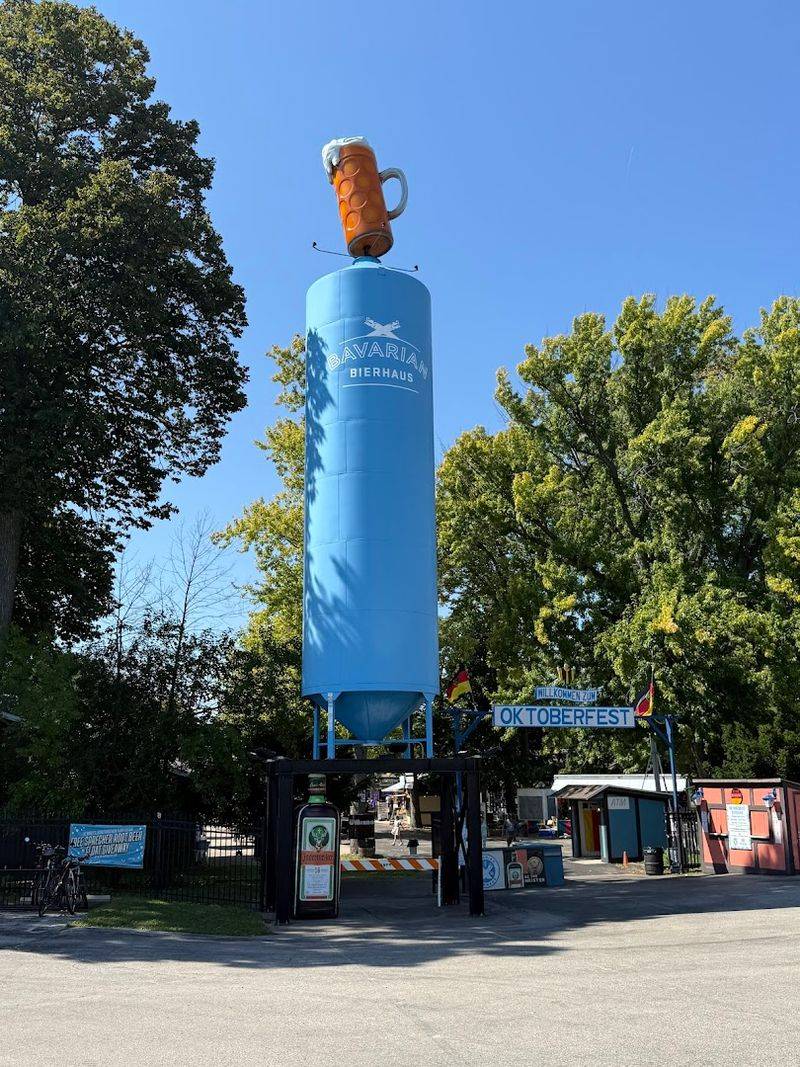
Watertown impressed me with its river setting and its sense of age, which together give the city an old-world depth that feels earned. The German influence here is not loud, but it surfaces again and again in architecture, settlement patterns, and the dignified look of long-standing public buildings.
There is something especially pleasing about how the waterways and historic blocks interact, softening the town while also making its older structures stand out more clearly. I kept noticing balance everywhere.
The city feels orderly without becoming stiff, historic without feeling trapped in the past.
On a trip like this, Watertown offers a nice middle note between grander urban stops and smaller heritage communities, and that makes it memorable in its own way. The place has enough architectural weight to feel significant, yet it remains approachable, the kind of city where you can imagine a long afternoon unfolding at an easy pace.
Its German character comes across through continuity, not spectacle, and I think that often leaves the stronger impression. You are not being told what to admire.
You simply begin to sense how generations shaped the streets according to habits, aesthetics, and communal priorities they carried with them. That makes Watertown feel less like a themed destination and more like a genuine chapter in Wisconsin’s broader European story.
Jefferson
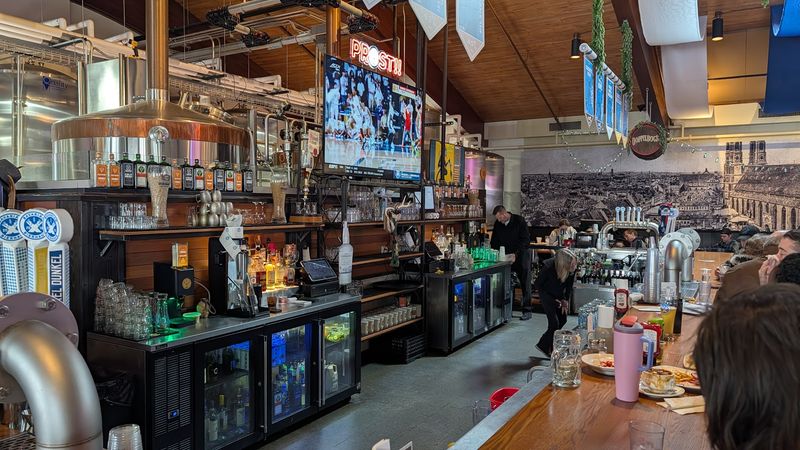
Jefferson has a gentler presence than some of the better-known stops, and I ended up really appreciating that. The town feels comfortable in its own skin, with historic streets and an undercurrent of German heritage that reveals itself gradually through architecture, layout, and atmosphere.
I liked the way the older center holds together visually, creating a sense of continuity that makes even a short visit feel grounded. The mood is calm.
Small details do a lot of work here, from brick facades to the steady, traditional proportions of the streetscape.
Jefferson rounds out this route beautifully because it shows how Bavarian and broader German influences can settle into a community so fully that they become part of the place’s natural character. Nothing feels overstated, and that restraint gives the town a quiet credibility that travelers often remember more than louder attractions.
I found myself enjoying the pauses here, the moments when a familiar Midwestern scene suddenly took on a slightly European shape through a roofline, a church tower, or the symmetry of old buildings facing one another. It is a reminder that heritage travel does not always depend on spectacle.
Sometimes it is enough to be somewhere that still carries the imprint of earlier lives, allowing you to feel history in the shape of the town itself.
