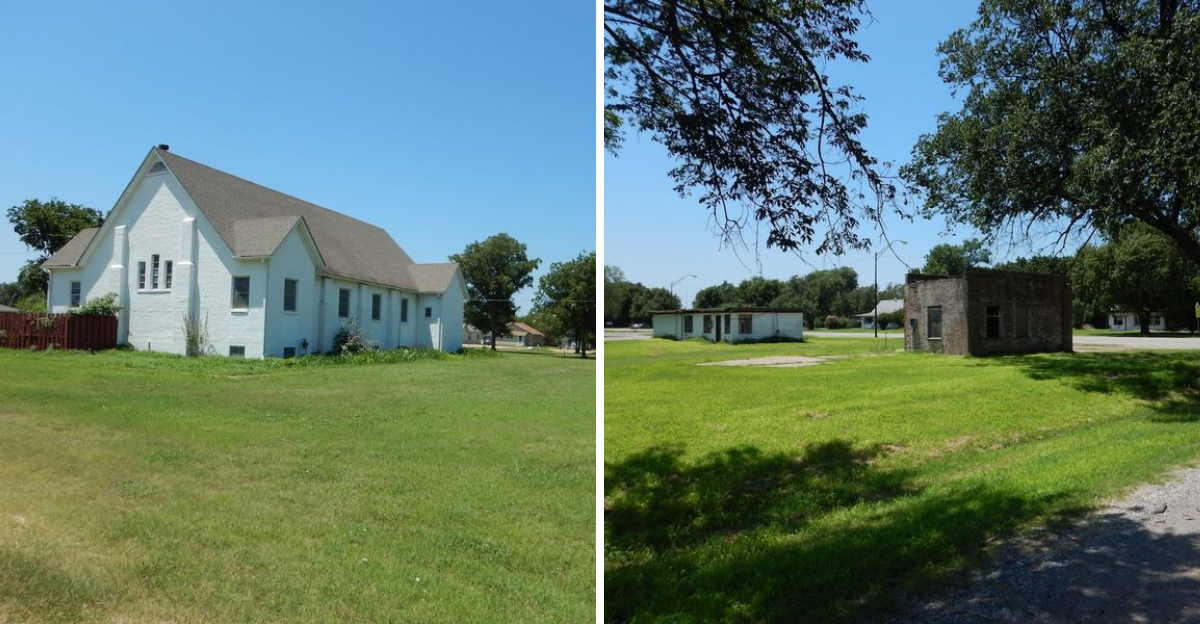
Some places make everything slow down without even trying. This Oklahoma town is one of those rare spots where the modern world seems to have politely knocked on the door and then walked away.
Sitting in Grant County with a population of just 78 people as of the 2020 census, this small incorporated community feels like a living snapshot of rural America at its most honest and unhurried.
If you have ever wondered what life looks like when stripped down to its simplest, most genuine form, Deer Creek might just be the answer you did not know you were looking for.
A Town That Time Forgot to Update
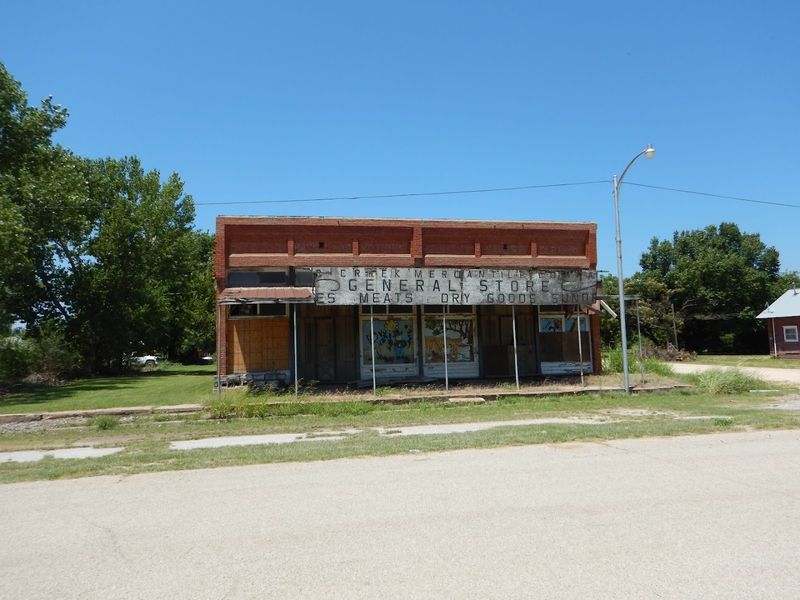
There is something almost surreal about arriving in Deer Creek, Oklahoma for the first time. The landscape does not announce itself with billboards or traffic lights.
It just opens up, wide and unhurried, like a page from a book that nobody has turned in decades.
Deer Creek is an incorporated community in Grant County, Oklahoma, located at approximately 36.8058631 latitude and -97.5194922 longitude.
The town sits quietly in the northern part of the state, not far from the Kansas border, in a region defined by rolling plains and agricultural land that stretches as far as the eye can follow.
With just 78 residents recorded in the 2020 census, Deer Creek holds the kind of stillness that most people only find on a camping trip or a long drive through nowhere in particular. There are no crowds, no lines, no noise beyond the wind moving through the grass.
Every corner of this place feels deliberately unhurried, and that is exactly what makes it so magnetic to anyone craving a genuine escape from the pace of modern life.
The Story Behind the Name
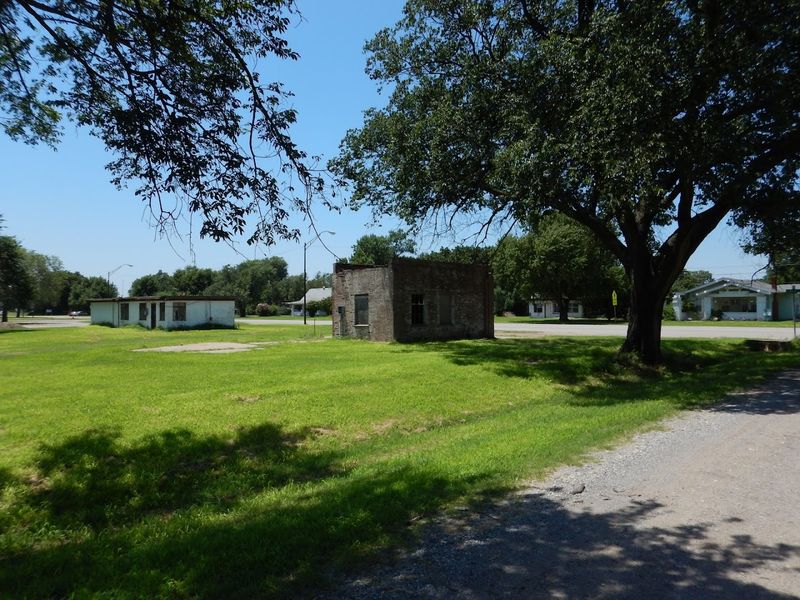
Place names in rural Oklahoma often carry a quiet history, and Deer Creek is no exception. The town takes its name from the nearby stream that flows through the surrounding countryside, a modest waterway that has shaped the land and the lives connected to it for generations.
That creek is itself a tributary of the Salt Fork of the Arkansas River, which is one of the more significant waterways cutting through northern Oklahoma.
The Salt Fork has long served as a geographic and cultural landmark for communities throughout Grant County, and the smaller streams feeding into it, including Deer Creek, helped define where early settlers chose to put down roots.
Naming a town after a local natural feature was common practice in this part of the country, and it reflects how closely tied early communities were to the land around them. The creek was not just a water source.
It was a landmark, a boundary, and a daily presence in the lives of the people who built homes nearby. That connection between the town and its namesake stream still feels alive when you walk the surrounding land and hear the soft sound of moving water not far off.
Grant County and Its Wide Open Character
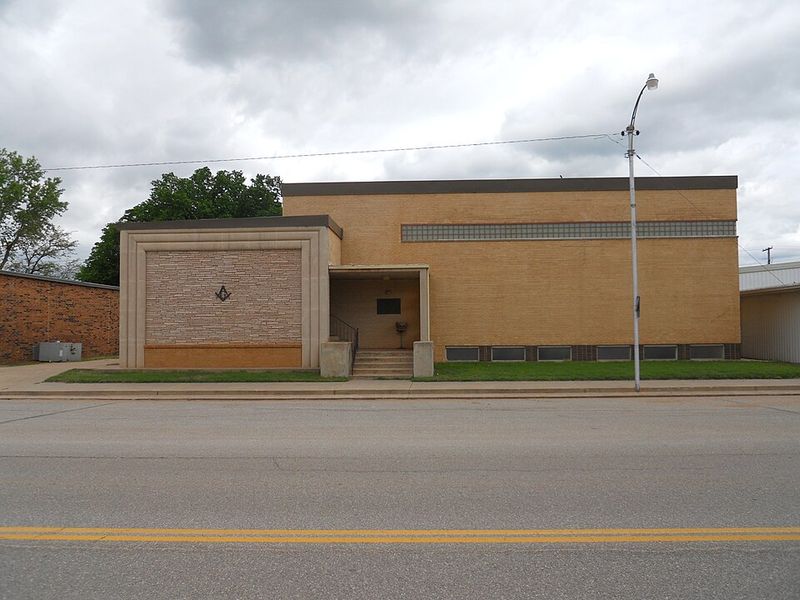
Grant County, Oklahoma has a personality all its own. It is the kind of place where agriculture is not just an industry but a way of life, and where the seasons dictate the rhythm of everything from conversation to daily schedules.
Deer Creek sits within this broader rural fabric, sharing its character with the surrounding county in the most natural way possible.
The county was established in 1893 and named after President Ulysses S. Grant.
It covers a large stretch of northern Oklahoma, and much of it looks the way the Great Plains are supposed to look: wide, flat, and honest. Wheat fields dominate the landscape, and grain elevators rise on the horizon like landmarks on an otherwise level canvas.
Visiting Deer Creek means stepping into this agricultural world fully and without a filter. The smell of turned earth, the sound of farm equipment in the distance, and the sight of hawks circling above open fields all become part of the experience.
It is a place where the land does most of the talking, and if you slow down long enough to listen, what it says is surprisingly compelling and deeply grounding for anyone used to city living.
What a Population of 78 Actually Feels Like
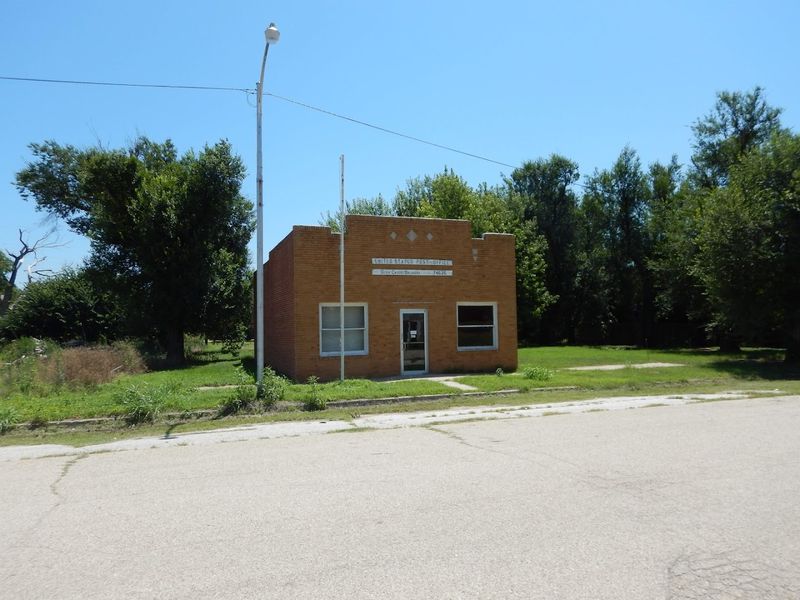
Most people have never lived in a town with fewer than 100 residents, and the experience is genuinely hard to imagine until you are standing in the middle of one. In Deer Creek, the concept of community takes on a completely different meaning than it does in a city or even a mid-sized town.
With 78 people calling this place home, everyone likely knows everyone else. There is no anonymity here, no fading into a crowd, and no such thing as a stranger for very long.
The social fabric is tight by necessity, and that closeness creates a kind of trust and familiarity that feels increasingly rare in the wider world.
Walking through Deer Creek, the quiet is the first thing that registers. Not an empty or uncomfortable quiet, but the kind that comes from a place that has found its own pace and stuck with it.
There are no coffee shop lines, no honking horns, and no background noise of a thousand lives colliding. Just space, sky, and the simple presence of a community that has chosen, perhaps not consciously but certainly consistently, to stay small and stay itself.
That choice alone is worth admiring.
The Landscape That Surrounds Everything
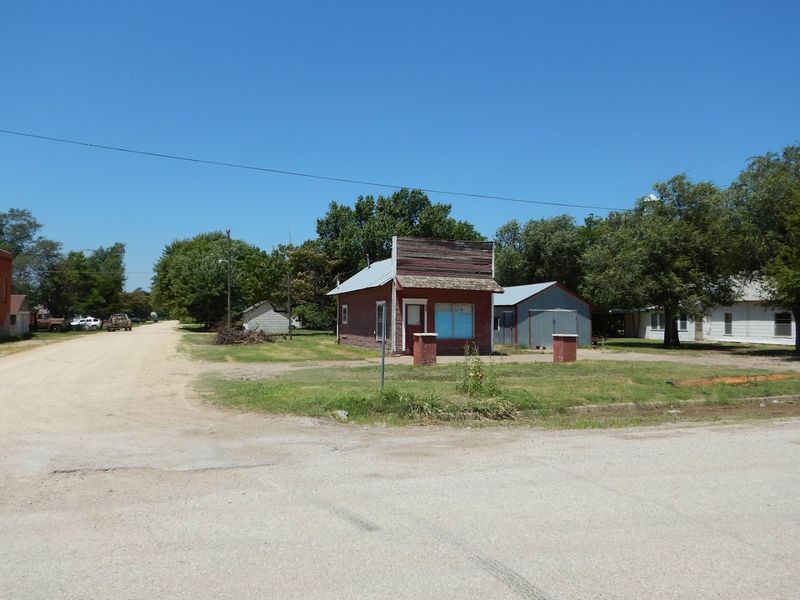
Northern Oklahoma has a landscape that does not try to impress you with drama. It earns your attention slowly, through repetition and scale, until you suddenly realize you have been staring at the horizon for ten minutes without thinking about anything else at all.
Around Deer Creek, the terrain is mostly flat with gentle undulations that become visible only when you drive across them. The soil is rich and dark in the agricultural patches, lighter and grassier where the land has been left to its natural state.
Cottonwood trees cluster near water sources, their leaves catching the wind with a sound like scattered applause.
The sky above this part of Oklahoma is genuinely enormous. Cloud formations here feel architectural, building upward in towers during the warmer months and spreading in long, thin layers during the cooler ones.
Sunsets can be spectacular, painting the flat horizon in shades of orange and deep red that seem almost too vivid to be real.
For anyone with an eye for natural beauty, the land around Deer Creek offers a kind of slow, patient reward that feels entirely separate from the curated beauty of tourist destinations elsewhere.
The Salt Fork of the Arkansas River Connection
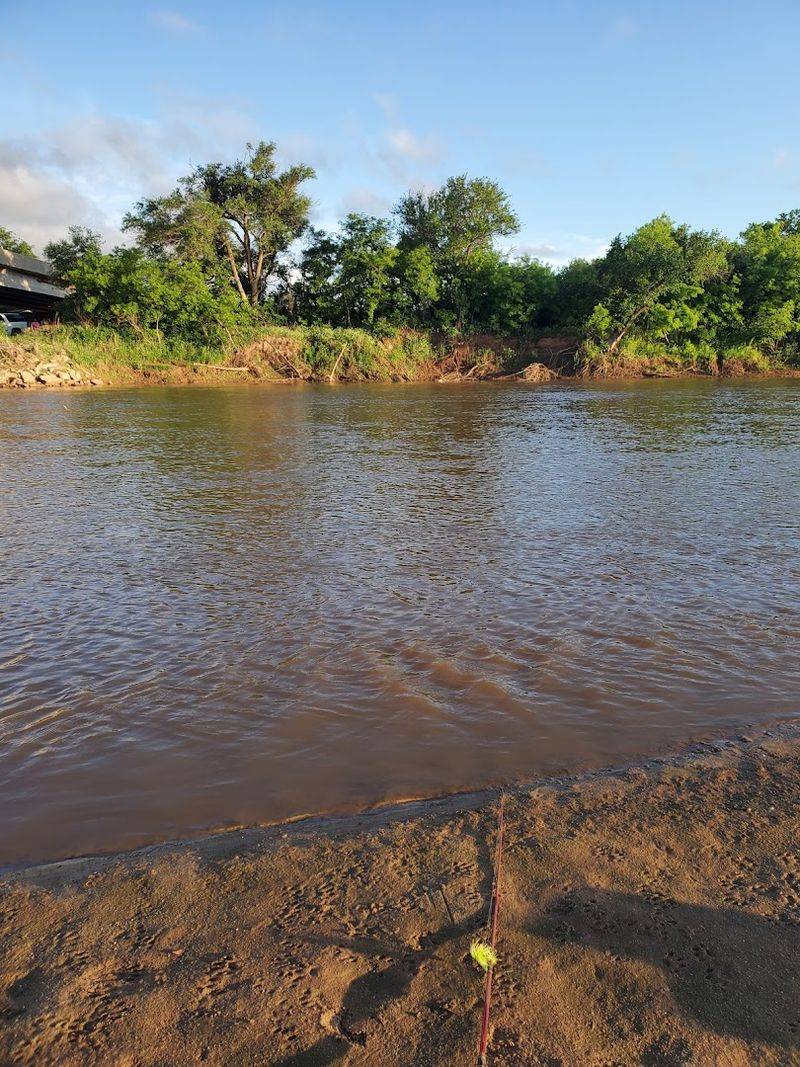
The Salt Fork of the Arkansas River is one of those waterways that quietly shapes everything around it without demanding much attention. It runs through northern Oklahoma in a generally eastward direction, collecting smaller streams along the way, including the creek that gave Deer Creek its name.
For early settlers in this part of Oklahoma, rivers and their tributaries were essential navigation tools, water sources, and boundaries.
The Salt Fork helped define settlement patterns across Grant County, and communities that grew up near its tributaries, like Deer Creek, carried that geographic relationship into their very identities.
Today, the Salt Fork and its surrounding riparian areas provide habitat for a variety of wildlife. White-tailed deer, wild turkey, and numerous bird species use the river corridor throughout the year, making it a quiet but rewarding destination for anyone interested in nature.
The connection between Deer Creek the town and Deer Creek the stream is more than just a name. It is a reminder that even the smallest communities in Oklahoma are tied to larger natural systems that have been flowing, flooding, and shaping the land long before any of us arrived to put names on things.
Rural Oklahoma Life at Its Most Genuine
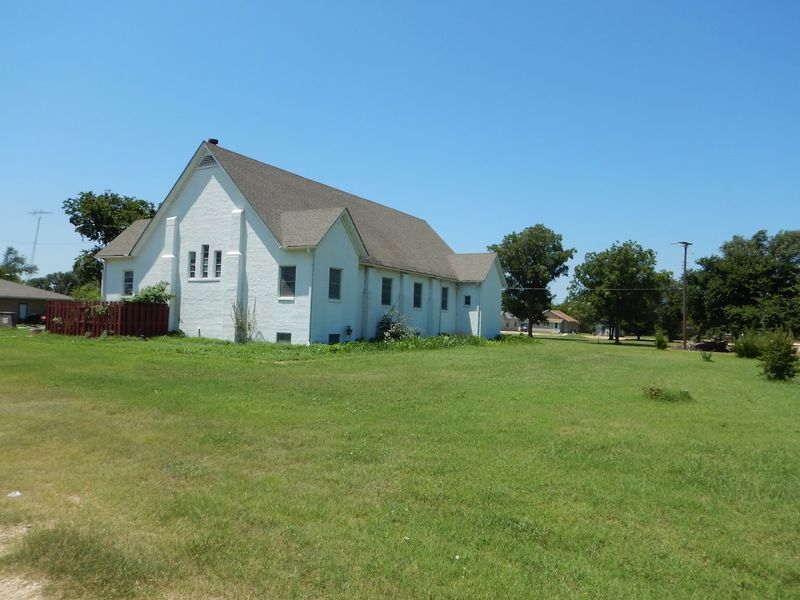
There is a version of American life that gets talked about a lot but rarely seen up close. It is the version built around hard work, seasonal rhythms, and a deep connection to the land.
Deer Creek is one of the places where that version is not a nostalgic idea but an ongoing daily reality.
Agriculture drives the local economy here, as it does across much of Grant County. Wheat farming is central to the region, and the cycles of planting and harvest give the year a structure that people in urban areas rarely experience.
Spring means green fields and anticipation. Summer brings heat and hard work.
Fall arrives with the satisfying weight of a completed growing season.
Living in or visiting a place like Deer Creek offers a perspective shift that is hard to achieve any other way. The priorities feel different here.
The pace is slower, the connections are more direct, and the relationship between effort and outcome is clearer and more visible. Oklahoma has many faces, and this quiet agricultural one is among the most honest and least performed of all of them.
Spending even a short time here has a way of recalibrating your sense of what actually matters.
How a Small Town Stays Incorporated
One of the more interesting things about Deer Creek is its status as an incorporated community.
With just 78 residents, maintaining that official designation requires a level of civic commitment that might surprise people used to large municipal structures with entire departments handling each function of local government.
Incorporation in Oklahoma means a community has legal status as a municipality, which comes with both rights and responsibilities. Even the smallest incorporated towns can have a mayor and a town council, maintain local ordinances, and hold elections.
For a place the size of Deer Creek, this is a genuinely collective effort, and the fact that the community has maintained its incorporation speaks to a real sense of local identity and pride.
There is something admirable about a community of 78 people choosing to remain officially organized rather than simply dissolving into the surrounding county. It is a statement, even if an unspoken one, that this place matters and that the people here intend to keep it that way.
Oklahoma has many small incorporated towns with similarly determined populations, and each one represents a kind of civic stubbornness that, in the best possible way, refuses to let geography or demographics have the final word.
The Best Time to Visit and What to Expect
Spring is probably the most rewarding season to visit Deer Creek and the surrounding Grant County area. The wheat fields turn a vivid green before shifting toward gold as summer approaches, and the wildflowers that appear along roadsides add unexpected color to the landscape.
Temperatures in spring are generally comfortable, and the sky tends to be active with interesting cloud formations.
Fall is another strong option, particularly after the harvest when the fields have been cut and the light takes on that low, amber quality that makes everything look like it belongs in a painting.
The heat of summer has passed, and the air carries a crispness that makes long drives through the countryside genuinely pleasant.
Visitors should come prepared for a very different kind of travel experience. There are no major tourist facilities in Deer Creek itself, and the appeal lies entirely in the landscape, the quiet, and the authenticity of a place that has not been shaped for outside consumption.
Bring your own supplies, plan your route in advance, and approach the visit with curiosity rather than a checklist. Oklahoma rewards that kind of open-minded exploration more generously than most people expect, and Deer Creek is a fine example of why.
Dear Reader: This page may contain affiliate links which may earn a commission if you click through and make a purchase. Our independent journalism is not influenced by any advertiser or commercial initiative unless it is clearly marked as sponsored content. As travel products change, please be sure to reconfirm all details and stay up to date with current events to ensure a safe and successful trip.
