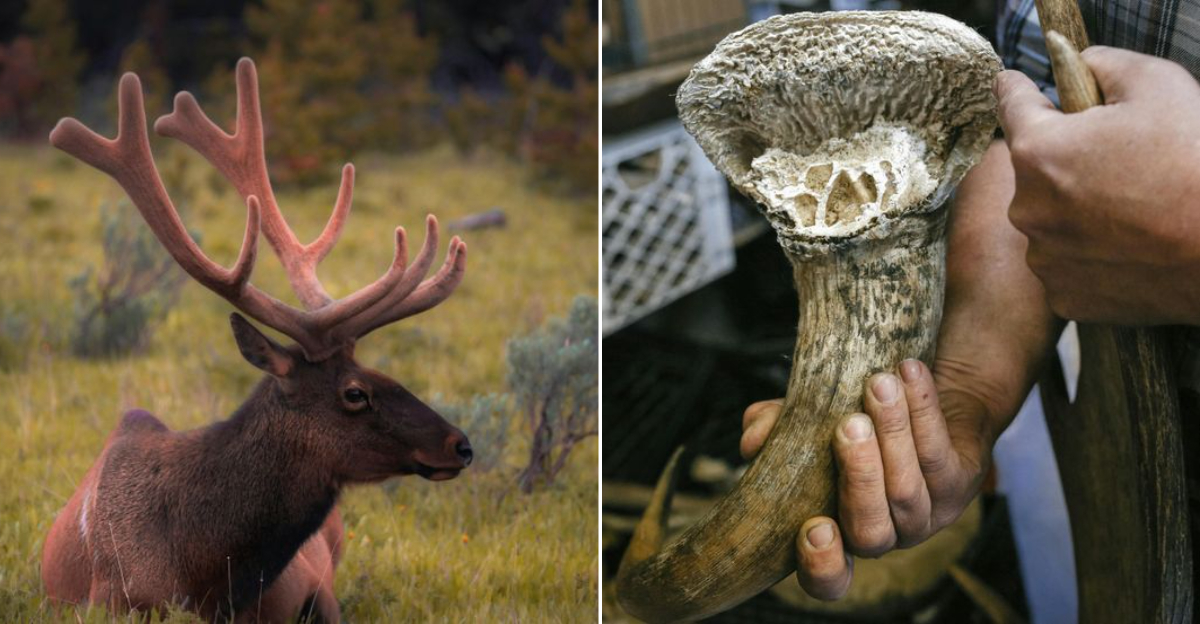
Wyoming turned shed hunting into an opening-day tradition, and the calendar is basically the rulebook. In key parts of the state, collecting shed antlers and horns on public land is restricted during winter and early spring, because wintering big game needs space when it is stressed and running on low energy.
That is why you see firm closure windows like Jan. 1 through April 30 in many areas west of the Continental Divide, followed by a very specific opening that can feel like the starting gun for anyone who loves the hunt. Wyoming has also used timing layers in some places, like resident-only windows and later openings for nonresidents in Collection Area 1, which makes planning and local rules matter even more.
Show up early and you can get cited, show up on the right morning and you will see just how quickly a quiet spring hobby turns into a full-on event.
The Shed Antler Rule That Turns Spring Into A Real Calendar Season
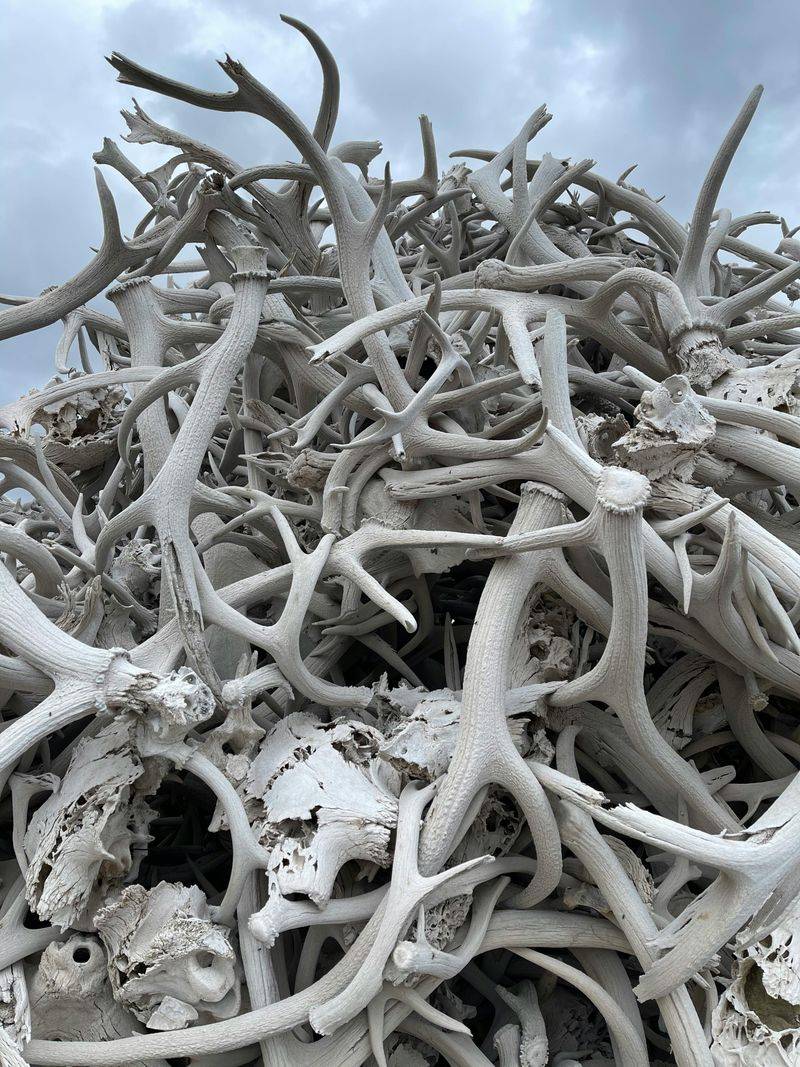
You know how some places count time by storms, not months? In Wyoming, shed antlers do that job now, because the state drew a hard line on when you can step onto winter range with antlers on the brain.
The rule does not just shape a hobby, it defines spring travel plans, gas-station chatter, and when everyone digs out the beat-up tote bins and leather gloves.
Instead of a loose, whenever-you-feel-like-it wander, the calendar runs the whole show, and you can feel it in the rhythm of towns from Alpine to Pinedale. Hotels see the same trucks circling lots before dawn, and trailheads turn quiet again once the first flurry of searching is out of their system.
If you time your trip right, you get that surge of focus without stepping on stressed wildlife.
The visual part is oddly soothing, because the range looks open and simple until you slow down and notice ribbed snow patches, wind-scrubbed ridges, and last year’s tracks pressed into thawing mud. That is when the rule lands, because you understand these places are still holding winter.
The season is not a buzzkill, it is a nudge to be the kind of visitor who can wait, then move with intention.
What “Collecting” Means In The Regulation, Even Searching Counts
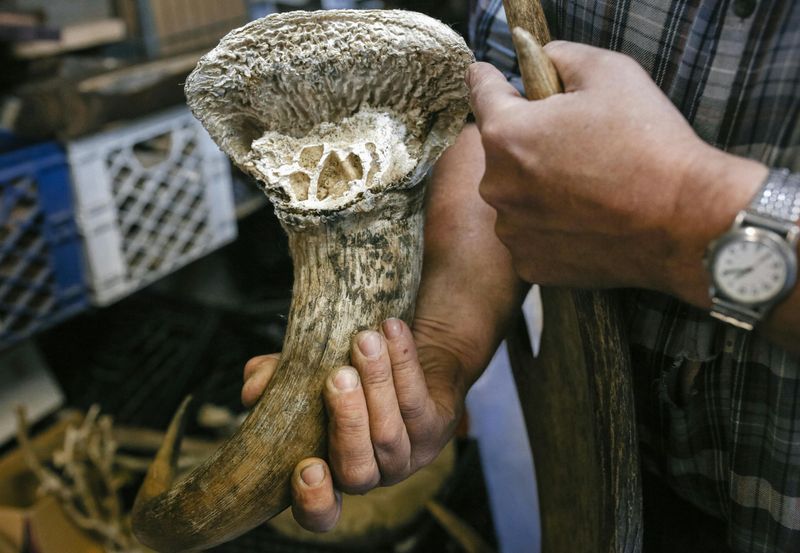
Here is the part that trips people up, because the word collecting sounds harmless until you read the fine print. Wyoming says collecting includes searching, locating, and stockpiling, not just stuffing an antler into a pack.
That means even cruising a drainage with sharp eyes and empty hands still counts as the act.
I tell friends to picture the intention as the line, not the pickup tailgate. If you are out there purposefully scanning, you are in the arena, and the regulation applies.
Casual hiking without the hunt is different, but it gets gray fast when the route hugs winter range and your gaze keeps dipping to the ground.
So when the season is closed, you take a scenic drive, photograph fresh snow on the buttes, and leave the grid search for later. It feels strict until you watch elk flinch at a single set of boots drifting their way.
The state draws the box wide on purpose, and honestly, clarity beats loopholes built on technicalities.
The Closed Window That Starts January 1 And Runs Through April 30
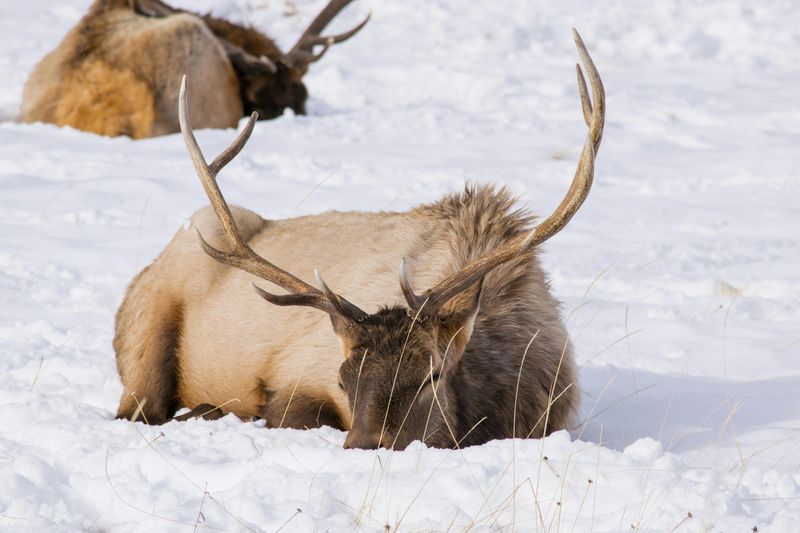
From the first real deep-cold mornings through mud season, Wyoming locks the door on shed hunting across the big wintering swath. That closed window is not just a bureaucratic block on your calendar, it is a blanket around deer and elk trying to coast on fumes.
Every step you spare them in January and April adds up.
The months inside that window are when animals burn the last of their savings, and you can see it in their hips and their slow, careful pacing. I have stood on a ridge and counted breaths on a windless day, just to remind myself that my footsteps carry.
If you plan a trip then, aim for groomed town trails, museum days, and hot springs soaks without drifting toward winter range.
The quiet is part of the deal, and it makes the opener feel earned. Locals will tell you the best practice is to scout maps at the kitchen table, not scout basins with binoculars.
Your patience turns into a better first day and a cleaner conscience.
Why Wyoming Shut It Down, Protecting Winter Stressed Big Game
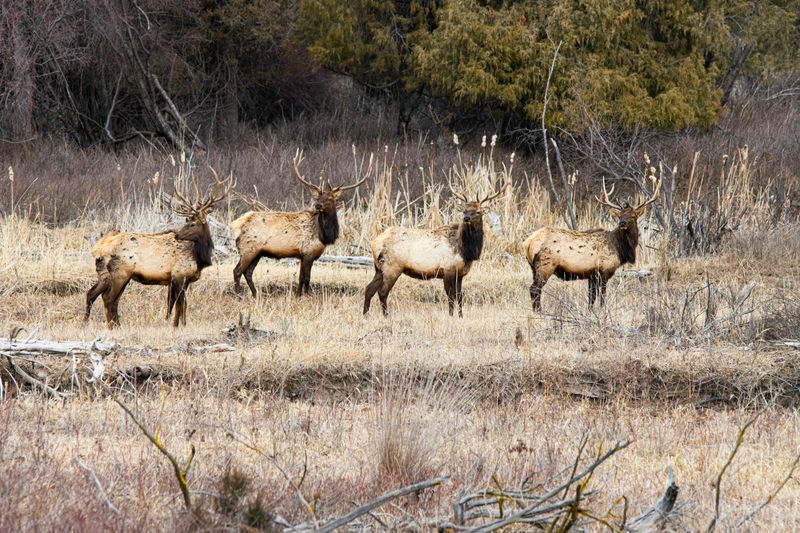
If you have watched mule deer pick through crusted snow with their heads down, you get the why immediately. Wyoming pulls pressure off winter range so animals can save every calorie they have left, because even a spooked trot can be the wrong withdrawal from a near-empty account.
The science is not fancy, it is common sense with hooves attached.
There is also a timing piece that feels humane, because late winter hands out the meanest tests. Elk and moose carry that weary look, and constant rerouting around hikers or snowmachines keeps the meter running.
The closure gives them one calm lane to the green-up.
I think about it like a trail sign that respects both sides, because you still get your adventure, just at a better moment. You see fresh sign without bad outcomes, and the antlers feel like a bonus instead of a cost.
In the end, protecting big game is not complicated, it is just a choice to be a patient neighbor in Wyoming.
The May 1 Opener That Creates The Annual Shed Hunting Scramble
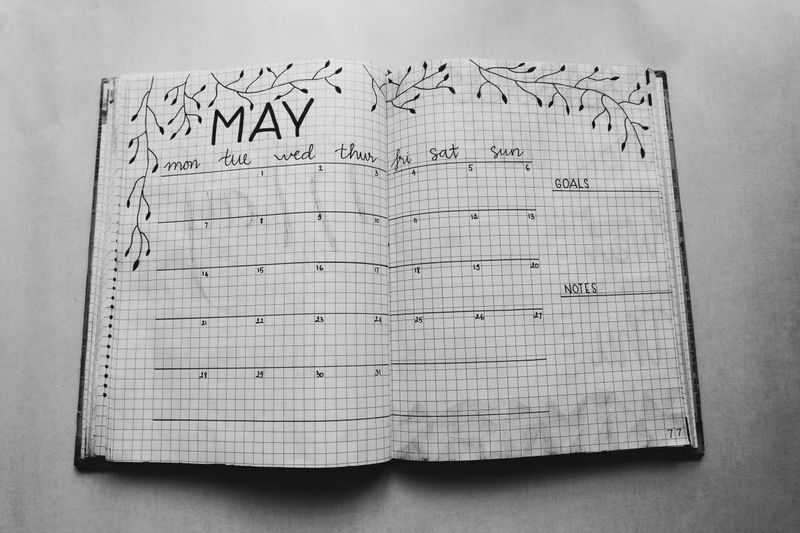
When that first legal morning clicks over, the trailheads feel like a quiet race start. Headlamps blink to life, tailgates drop, and the same crews fan into familiar drainages with a mix of superstition and habit.
The opener in Wyoming is more ritual than errand, and the air hums even when folks barely speak.
Travel-wise, I plan the night before like it is a road trip prologue, because the little decisions stack up. You stage boots by the door, preload maps, and map out a loop that avoids bumping animals during the early light.
It is not just about finding antlers, it is about being first where you can move softly and leave clean tracks.
The scramble part winds down fast, and then everyone gets better at patience again. Midday turns into glassing benches and reading wind.
By the time you circle back to the truck, the valley feels less like a contest and more like a long walk with purpose.
The Resident Only Week That Keeps The First Days Local
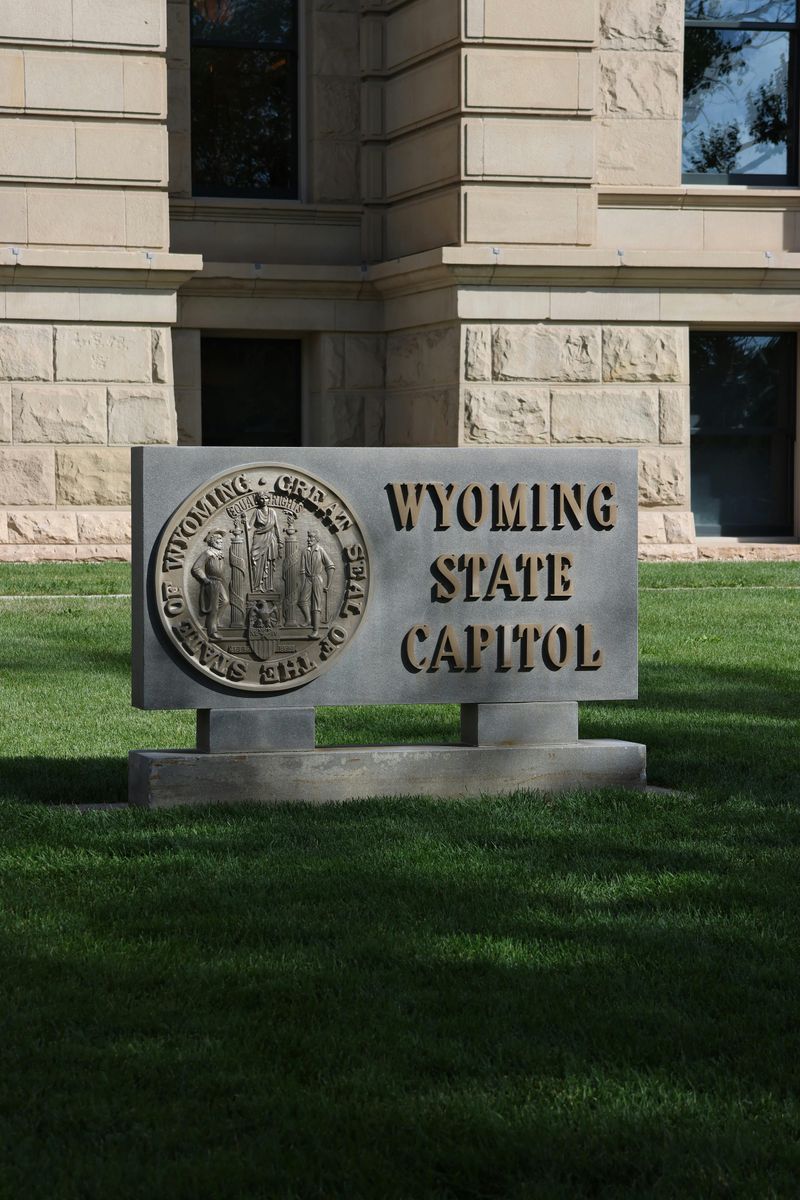
The first stretch belongs to residents, and the tone changes in a way you can feel at the gas pumps. It gives locals a clean lane to their backyard hills, and it keeps pressure down in those fragile early days after the gate swings open.
The vibe is calm, measured, and grounded in the same faces year after year.
When I travel during that span, I pivot to river walks, galleries, and scenic drives that do not nudge winter range. There is plenty to do while the home crowd makes their first careful passes.
If you are visiting Wyoming later, you will actually benefit from that pacing, because trails stay less trampled and animals settle faster.
It also keeps conversations friendly, which matters in small towns where the coffee shop doubles as the bulletin board. Locals notice when visitors read the room and the rules.
By the time the broader group steps in, the landscape and the people feel ready to share space.
The Nonresident Start Date That Waits Until May 8 At 6 AM
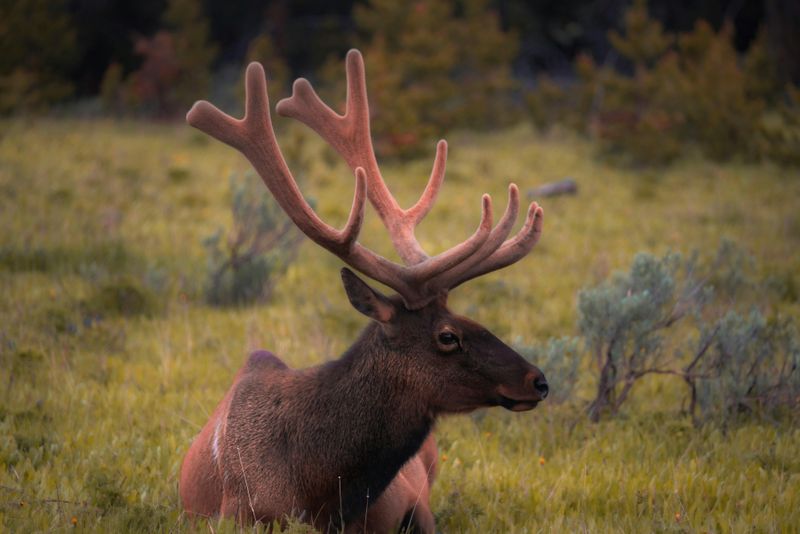
For visitors, the starting gun comes a little later, and that delay is not a punishment, it is a pressure valve. It lets the landscape breathe after the initial rush and gives wildlife a less chaotic handoff.
By the time nonresidents step in, tracks have thinned, and the routes make more sense.
What matters most is showing up informed and calm. I set alarms, check maps, and build a loop that keeps me on legal ground from the first step.
You want your morning to be about reading country, not learning the rulebook in the parking lot.
Western Wyoming has big shoulders, but even big valleys get crowded when everyone piles in at once. Staggered timing smooths that out and turns competition into a shared ritual.
Your best day often starts with an early drive, a quiet pullout, and a slow, steady pace into the sage.
Extra Winter Range Closures That Stack On Top Of The Shed Rules
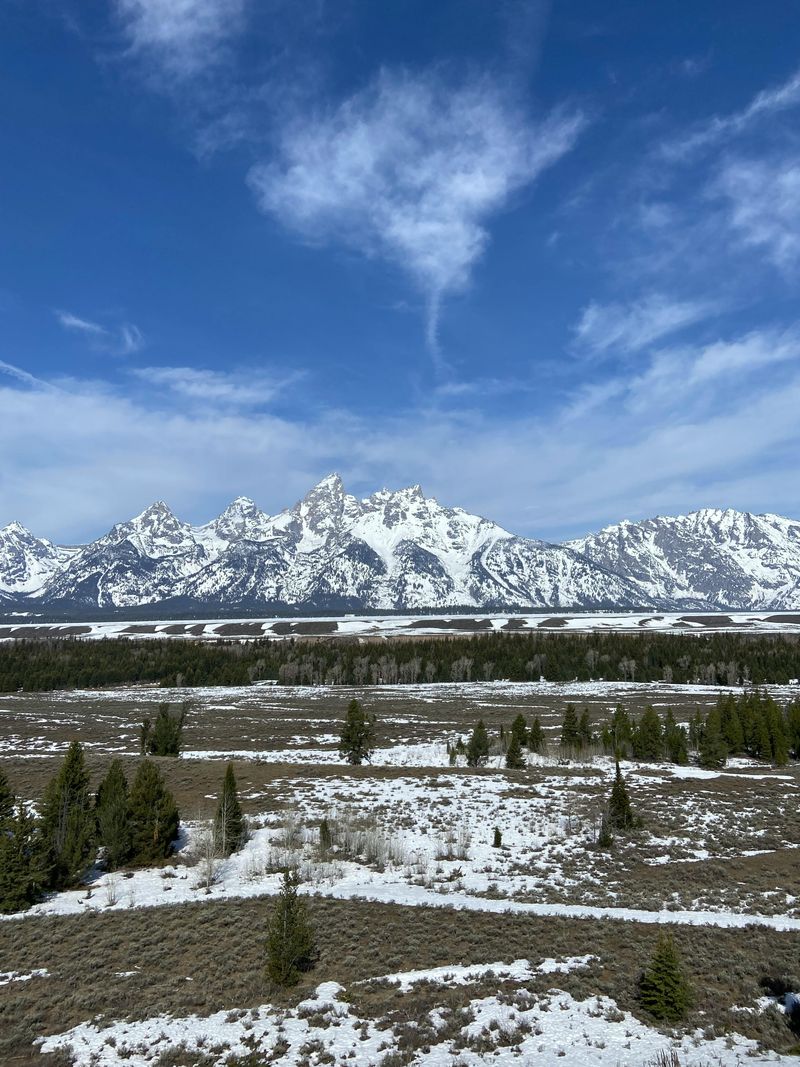
Even when shed season opens, certain wildlife habitat areas stay closed to people entirely until their own posted dates. Those signs are not suggestions, and the gates across two-tracks are there to keep winter-stressed herds from one last push.
You can plan a beautiful day around the closures if you give the map an honest look.
I like to layer digital maps with agency pages, because openings can vary by area and snowpack. It takes ten quiet minutes at a motel desk to avoid a ruined morning at a locked gate.
The payoff is a route that flows without backtracking or boundary hopscotch.
Wyoming’s west side is big country, and those stacked rules are the bones that hold spring together. When you step around a closure, you are helping mule deer save the last bit of energy before green-up.
The landscape thanks you in subtle ways, like elk tracks that do not scatter when your boots pass by.
How Enforcement Works When People Break The Season And Boundary Rules
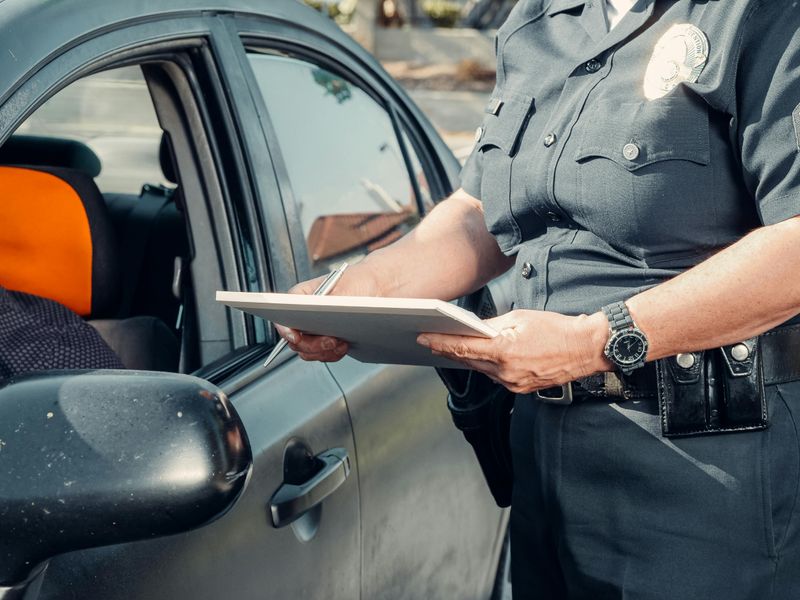
On the ground, enforcement looks calm, steady, and very present, which is exactly how it should feel. Wardens check vehicles, chat at trailheads, and keep an eye on the obvious pinch points where maps and temptation meet.
If someone pushes past the line, the consequences can include tickets, seized antlers, and a long memory.
Most days, a friendly conversation clears up confusion before it grows teeth. I have seen wardens point at a ridge and walk someone through a boundary like a neighbor, and that tone helps everyone.
The system works best when people arrive prepared, carry the right stamps, and treat the map as part of their gear.
Wyoming takes these rules seriously because they protect real animals in real time. That is the frame I keep in my pocket when I shoulder a pack and pick a direction.
You leave the land better when you know the lines, follow them, and pass that habit to the next truck in the lot.
Dear Reader: This page may contain affiliate links which may earn a commission if you click through and make a purchase. Our independent journalism is not influenced by any advertiser or commercial initiative unless it is clearly marked as sponsored content. As travel products change, please be sure to reconfirm all details and stay up to date with current events to ensure a safe and successful trip.
