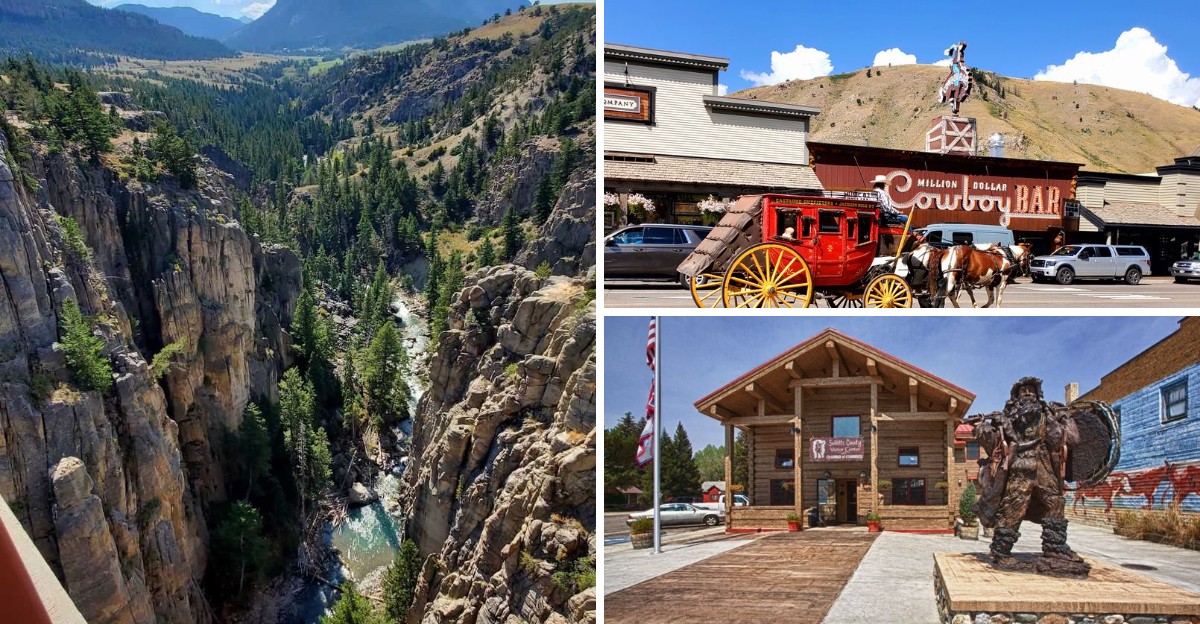
Wyoming transforms into a bustling destination every summer when tourists flood into the state seeking mountain adventures, wildlife encounters, and iconic national parks.
The sudden surge of visitors brings traffic jams, crowded restaurants, and packed hiking trails that can overwhelm even the most patient residents.
Many locals who call these popular towns home choose to escape the chaos, seeking quieter corners of the state or simply avoiding their own downtowns until the season passes.
Understanding which Wyoming towns experience this seasonal exodus reveals fascinating insights into the balance between tourism-driven economies and quality of life for year-round residents.
1. Jackson
Jackson stands as Wyoming’s most famous mountain resort town, attracting celebrities, outdoor enthusiasts, and international visitors throughout the summer months.
The population swells from around 10,000 year-round residents to over 30,000 during peak season.
Town Square becomes a congested hub where parking spaces vanish by mid-morning and restaurant wait times stretch beyond an hour.
Locals who work in hospitality, retail, or tourism-related industries endure the crowds out of necessity, but many others flee to surrounding areas.
Some residents head to nearby towns like Pinedale or even drive hours away to find peace.
The cost of living in Jackson ranks among the highest in the nation, yet summer brings even more strain as vacation rentals dominate the housing market.
Traffic on Highway 22 over Teton Pass and Highway 191 through town becomes a daily frustration.
Grocery stores overflow with tourists stocking up for camping trips.
Trails in nearby Grand Teton National Park see thousands of hikers daily.
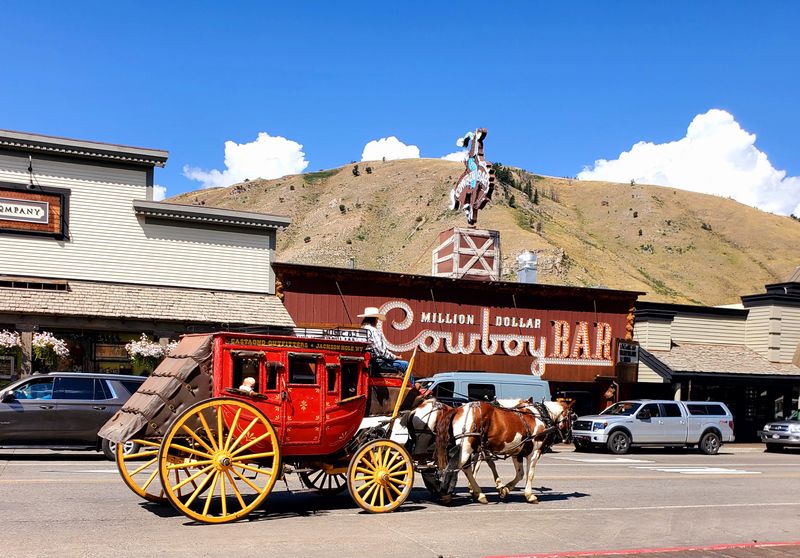
The famous Million Dollar Cowboy Bar and local breweries burst at the seams with visitors seeking authentic Western experiences.
Year-round residents often schedule their own vacations during July and August, escaping the very tourism that sustains their economy.
The irony isn’t lost on locals who recognize that summer chaos pays their bills yet makes daily life nearly unbearable.
By September, when tourists depart and golden aspens replace summer crowds, Jackson residents reclaim their beloved town.
2. Cody
Buffalo Bill founded this gateway town to Yellowstone’s east entrance in 1896, and his legacy draws massive summer crowds.
Cody’s population of roughly 10,000 residents experiences a dramatic influx from June through August.
The nightly rodeo becomes the centerpiece of tourist activity, with thousands attending performances throughout summer.
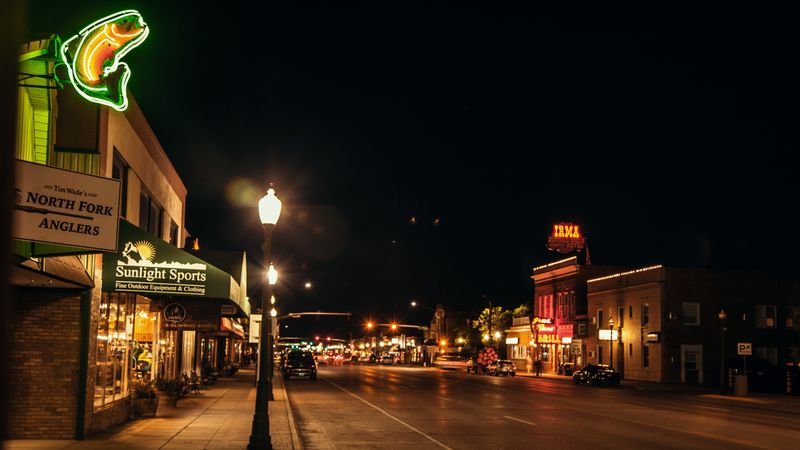
Sheridan Avenue, the main thoroughfare, transforms into a congested strip of souvenir shops, restaurants, and tour operators.
Locals avoid downtown entirely during peak hours, opting for residential areas and back roads.
The Buffalo Bill Center of the West sees lines stretching out the door on busy afternoons.
Many Cody residents take advantage of slower shoulder seasons to explore their own museums and attractions.
RV traffic clogs the roads leading to and from Yellowstone, creating bottlenecks that test local patience.
Campgrounds fill completely, and hotel rooms book months in advance.
Restaurants that locals frequent year-round suddenly require reservations or involve long waits.
Some residents temporarily relocate to cabins in the Absaroka Mountains or visit family elsewhere.
The economic benefits are undeniable, as tourism employs a significant portion of the workforce.
However, the constant stream of visitors asking for directions and photographing every storefront wears thin.
By late September, Cody returns to its authentic self, where neighbors recognize each other again and parking downtown becomes effortless.
3. Chugwater
With only 165 residents, Chugwater offers a glimpse into authentic Wyoming life that larger tourist towns have lost.
This tiny village sits along Interstate 25 between Cheyenne and Casper, making it surprisingly accessible.
During summer months, when nearby destinations overflow with tourists, Chugwater receives a modest uptick in curious visitors.
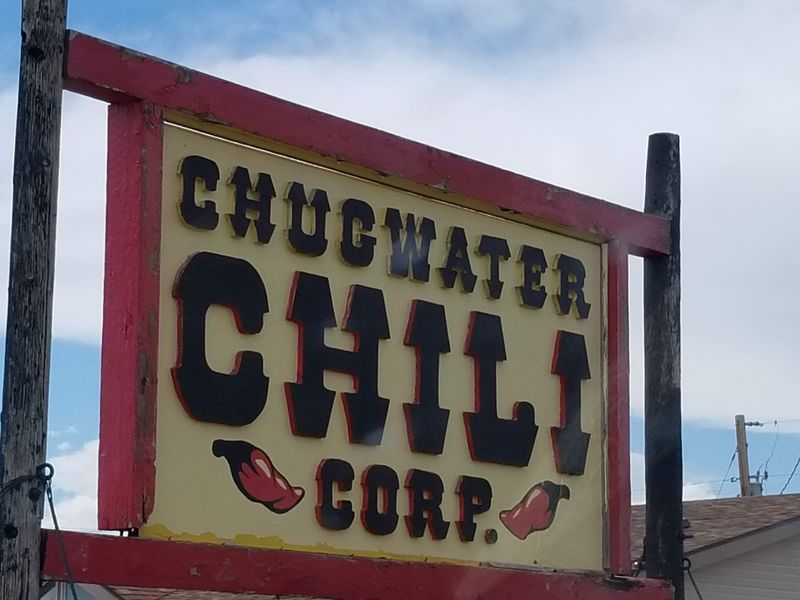
The famous Chugwater Chili company attracts food enthusiasts, and the annual Chili Cook-Off brings temporary crowds.
Even this small increase in activity prompts some locals to keep to themselves more than usual.
The village maintains its ranching heritage and small-town atmosphere despite occasional tourist attention.
Unlike Jackson or Cody, Chugwater doesn’t experience a mass exodus because it never becomes truly overrun.
However, residents who cherish absolute solitude might head to even more remote ranches during event weekends.
The Chugwater Soda Fountain serves as a local gathering spot, and regulars notice when unfamiliar faces appear.
Visitors seeking alternatives to expensive resort towns discover Chugwater’s affordability and genuine Western character.
The surrounding prairie stretches endlessly, offering wide-open spaces that feel worlds away from Yellowstone’s congestion.
Locals appreciate that their village remains largely undiscovered, preserving a way of life increasingly rare in modern Wyoming.
Those who live here year-round rarely leave during summer because Chugwater never loses its peaceful essence.
The village represents what many Wyoming towns once were before tourism transformed them into seasonal destinations.
4. Teton Village
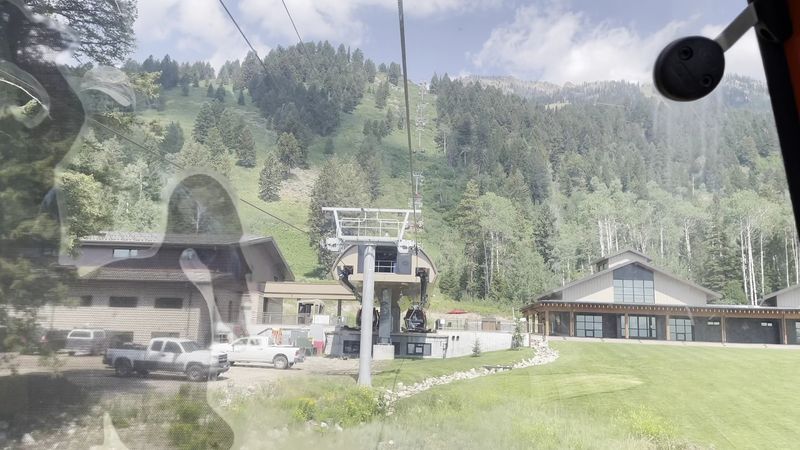
Situated at the base of Jackson Hole Mountain Resort, Teton Village serves primarily as a ski destination but summer brings different crowds.
Mountain bikers, hikers, and sightseers replace winter skiers, filling hotels and condos throughout warm months.
The aerial tram carries thousands to the summit daily, creating lines that snake through the village plaza.
Locals who live in Teton Village often work in hospitality or mountain operations, making escape difficult.
Those with flexibility head to less-traveled areas like the Gros Ventre wilderness or even leave the valley entirely.
Restaurants and shops cater almost exclusively to tourists, with prices reflecting resort economics.
Village residents grow weary of constant questions about trail conditions, wildlife sightings, and dining recommendations.
Parking becomes a competitive sport as day-trippers from Jackson arrive in waves.
Concert series and outdoor events pack the village throughout July and August.
The sense of community that exists among year-round residents gets diluted by the transient population.
Some locals schedule their own mountain adventures for early morning hours before tourist crowds arrive.
Others simply retreat to their homes, avoiding the village center until evening when day visitors depart.
The economic reality means most residents tolerate the summer surge, knowing winter will bring different but equally intense crowds.
September offers a brief respite before ski season marketing begins anew, and locals savor those quiet weeks.
5. Pinedale
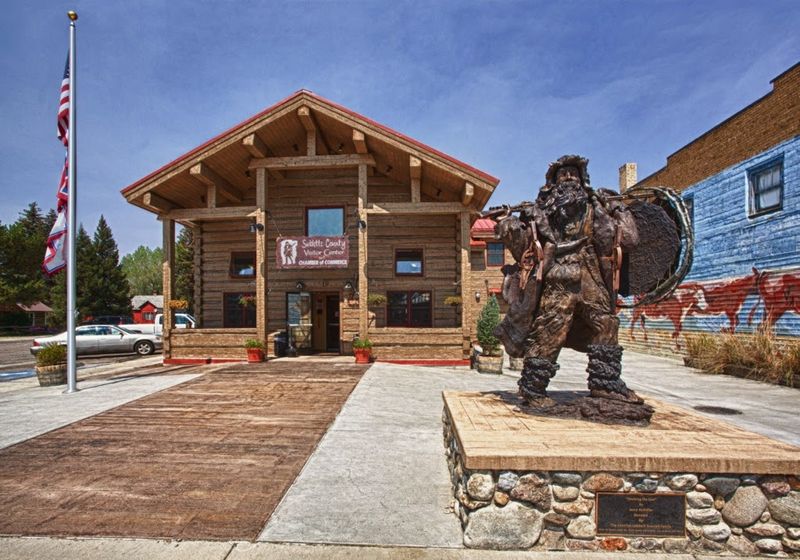
Nestled in the Upper Green River Valley, Pinedale sits near the Wind River Range and experiences significant summer tourism.
The town’s population of approximately 2,000 residents more than doubles during peak season.
Fremont Lake, just outside town, attracts boaters, fishermen, and campers who pack the shoreline.
Trailheads leading into the Wind River Range become parking nightmares on summer weekends.
Locals who treasure these wilderness areas often hike midweek or explore lesser-known access points.
Downtown Pinedale transforms as galleries, outfitters, and restaurants cater to the tourist influx.
The Museum of the Mountain Man sees steady visitor streams, and the Green River Rendezvous brings historical reenactors and spectators.
Many year-round residents work in natural gas extraction or ranching, industries that continue regardless of tourist seasons.
However, those not tied to summer employment often leave town during the busiest weeks.
Some head to family cabins in even more remote locations, while others visit relatives in quieter parts of Wyoming.
Grocery shopping becomes an exercise in patience as tourists unfamiliar with the store layout clog aisles.
Gas stations see lines of vehicles towing boats and campers, creating delays locals find frustrating.
The trade-off for Pinedale residents involves balancing economic benefits against quality-of-life concerns.
By Labor Day, the town exhales collectively as visitor numbers drop and familiar rhythms return to daily life.
6. Powell
Located 80 miles from Yellowstone’s northeast entrance, Powell maintains a quieter profile than gateway towns like Cody.
The population of 6,551 residents enjoys relative peace compared to neighbors directly on major tourist routes.
However, summer still brings increased traffic as visitors seek less expensive lodging outside Yellowstone.
The town serves as a bedroom community for tourists who commute daily into the park.
Hotels and motels fill completely during July and August, bringing unfamiliar faces to local restaurants.
Powell residents generally don’t flee their town in large numbers because the tourist impact remains manageable.
The agricultural community maintains its identity despite seasonal visitors passing through.
Northwest College provides educational stability, and the Heart Mountain Interpretive Center attracts history enthusiasts year-round.
Some locals appreciate the modest economic boost without the overwhelming crowds seen elsewhere.
Those seeking absolute solitude during peak season might spend weekends at remote fishing spots or family ranches.
The Homesteader Museum and local events continue serving residents first, tourists second.
Main Street businesses see increased revenue but rarely experience the chaos of pure tourist towns.
Powell represents a middle ground where tourism supplements rather than dominates the local economy.
Residents who value small-town life without complete isolation find Powell’s balance appealing.
The town never truly empties of locals because summer remains tolerable, even pleasant, compared to Yellowstone’s gateway communities.
7. Lander
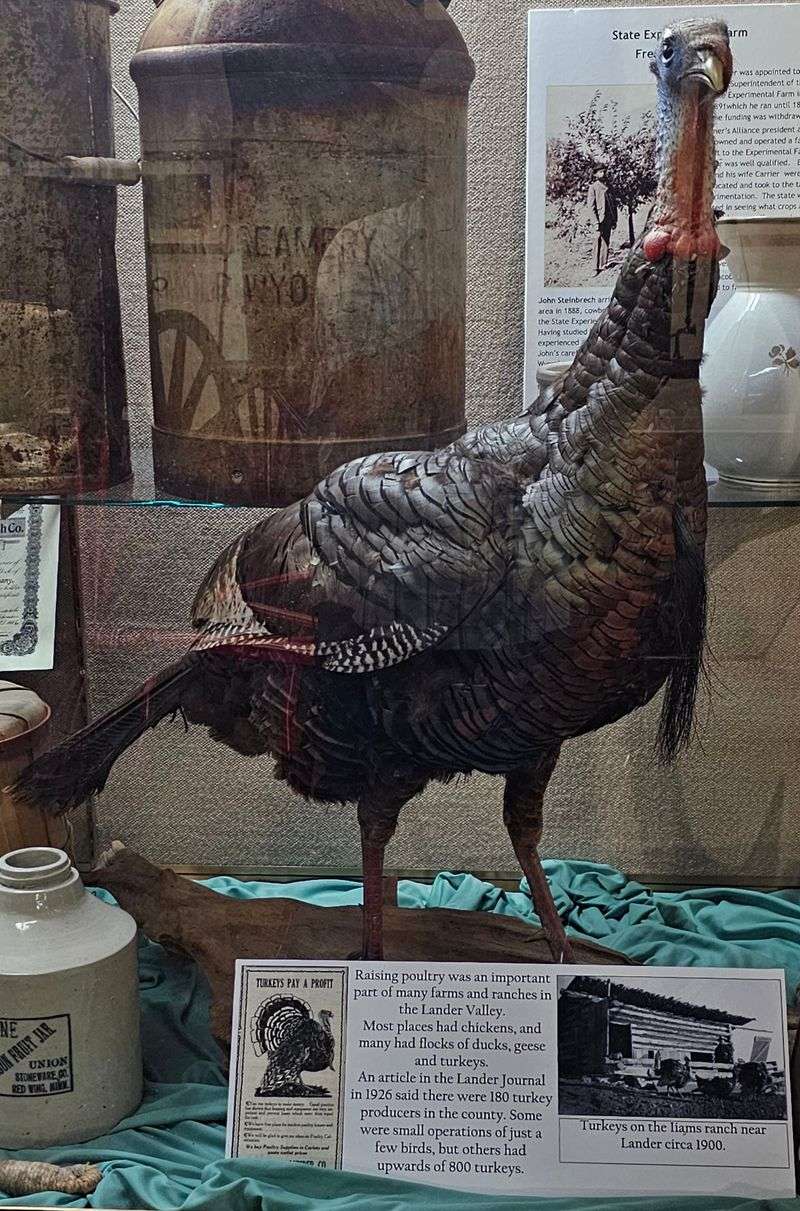
Lander has earned a reputation as a climbing mecca, drawing outdoor athletes from around the world each summer.
The town’s population of roughly 7,500 residents welcomes an influx of climbers, backpackers, and adventure seekers annually.
Wild Iris, Sinks Canyon, and other nearby climbing areas become international destinations during warm months.
Main Street fills with lean, tanned visitors sporting chalk bags and discussing route grades.
Local climbers who discovered these areas decades ago now share them with thousands of newcomers.
Some year-round residents embrace the energy and cultural diversity tourists bring to their small town.
Others grow frustrated with crowded crags and trailhead parking that overflows by dawn.
The International Climbers’ Festival in July brings the biggest surge, filling every hotel room and campsite.
Locals often schedule vacations during this week, heading to quieter corners of Wyoming or neighboring states.
Lander’s climbing shops, breweries, and coffee houses thrive on tourist dollars, creating economic dependence.
The National Outdoor Leadership School (NOLS) headquarters adds to the outdoor-focused atmosphere year-round.
Wind River Reservation borders the town, adding cultural complexity to the tourist experience.
Residents who aren’t involved in the outdoor industry sometimes feel their town transforms into something unrecognizable each summer.
By September, when climbing season winds down and students return to school, Lander reclaims its small-town character and locals breathe easier.
8. Dubois
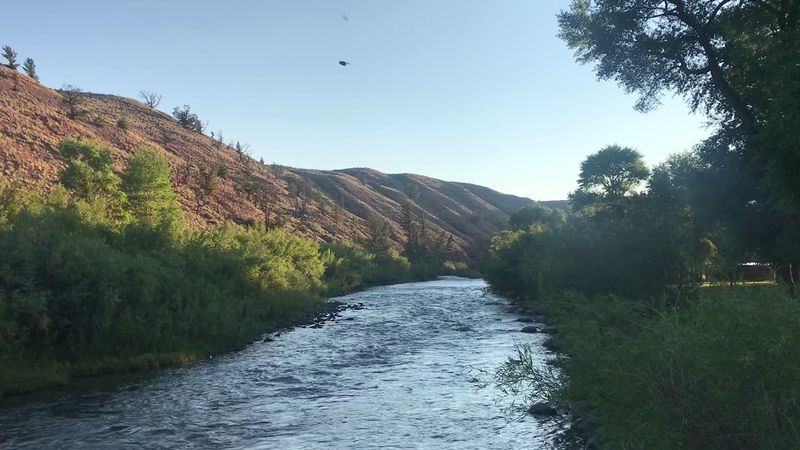
Positioned along the scenic Togwotee Pass route between Jackson and Yellowstone, Dubois sees heavy summer traffic.
The population of approximately 900 residents experiences a dramatic shift when tourist season arrives.
Highway 26/287 runs directly through town, funneling thousands of vehicles daily during peak months.
RVs, motorcycles, and tourist-packed SUVs create constant noise and congestion on the main street.
The National Bighorn Sheep Interpretive Center attracts visitors interested in wildlife, adding to local traffic.
Dubois maintains a genuine Western atmosphere that hasn’t been completely commercialized, which ironically attracts more tourists.
Local outfitters lead pack trips and fishing expeditions, employing some residents throughout summer.
Those not dependent on tourism income often escape to remote cabins along the Wind River.
The Whiskey Basin habitat area and nearby wilderness provide refuges where locals can avoid tourist crowds.
Restaurants and the few shops in town see their busiest days from June through August.
Some residents intentionally plan hunting or fishing trips during peak tourist weeks.
The economic benefits help Dubois survive, but the quality of life trade-off weighs heavily on year-round inhabitants.
Motorcycle rallies and car shows bring additional waves of visitors beyond typical park-bound tourists.
By October, when Togwotee Pass sees its first significant snowfall, Dubois returns to its isolated, peaceful existence and locals reclaim their town.
9. Sunlight Basin
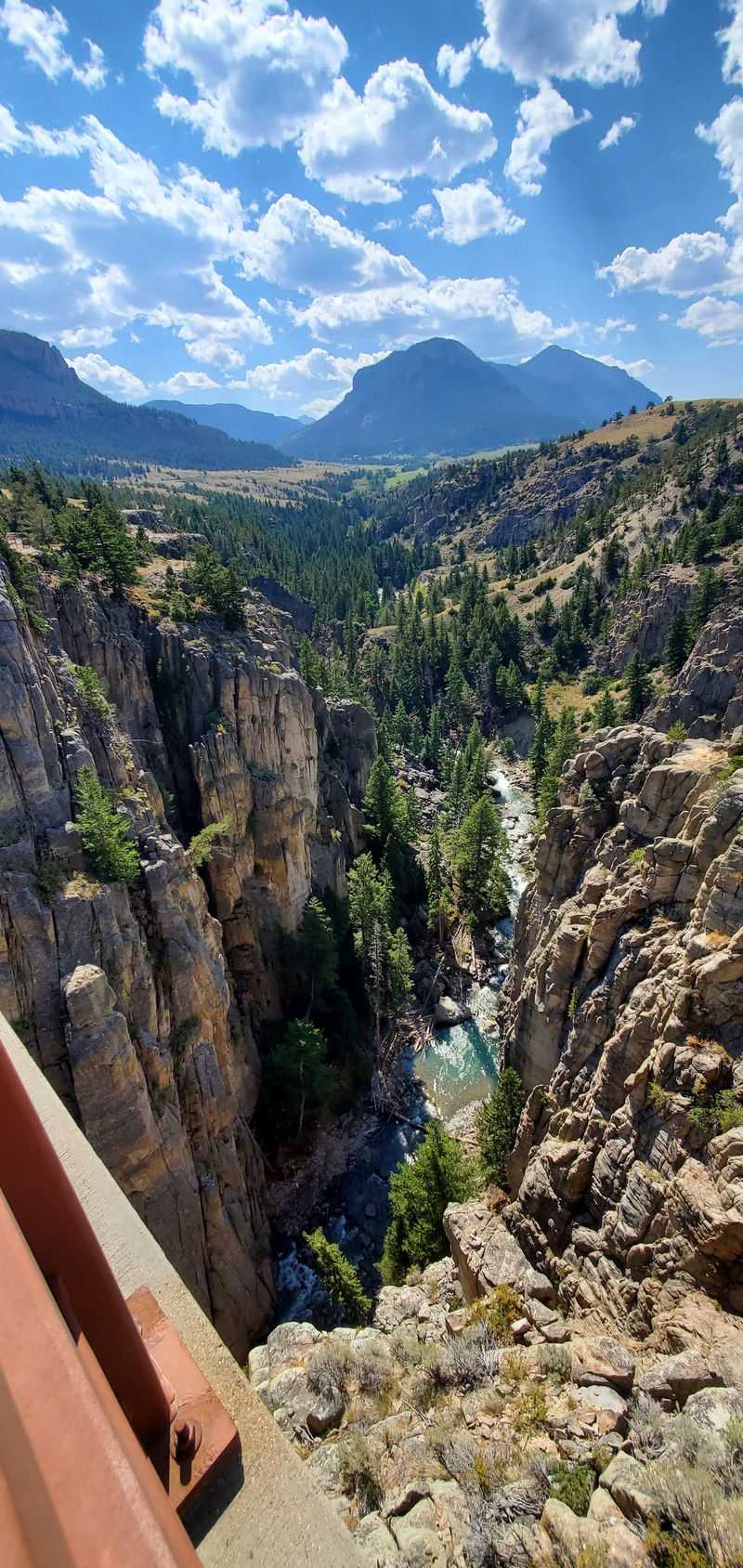
Tucked deep in the Absaroka Mountains northwest of Cody, Sunlight Basin remains one of Wyoming’s most secluded areas.
The sparse population consists mainly of ranchers and those seeking extreme solitude.
Even during peak tourist season, Sunlight Basin receives relatively few visitors compared to nearby Yellowstone.
The rough, winding road into the basin deters casual tourists, filtering out all but the most determined adventurers.
Locals who live here year-round chose this location precisely for its remoteness and lack of crowds.
However, the modest increase in summer traffic still represents a significant change to those accustomed to seeing almost no one.
Hunters, backcountry horseback riders, and serious wilderness seekers make up the majority of summer visitors.
The few residents might retreat even deeper into the mountains or simply avoid the main valley during busier weekends.
Sunlight Basin doesn’t have typical tourist infrastructure, which helps maintain its isolated character.
No gas stations, restaurants, or shops exist to accommodate visitors, preserving the area’s pristine nature.
Those who venture here must be completely self-sufficient, a requirement that naturally limits numbers.
The dramatic landscape features towering peaks, rushing streams, and abundant wildlife visible to patient observers.
Year-round residents appreciate that Sunlight Basin will likely never experience the tourism pressures of gateway towns.
The combination of difficult access and lack of amenities ensures this corner of Wyoming remains a true refuge from summer crowds.
10. Pahaska Tepee
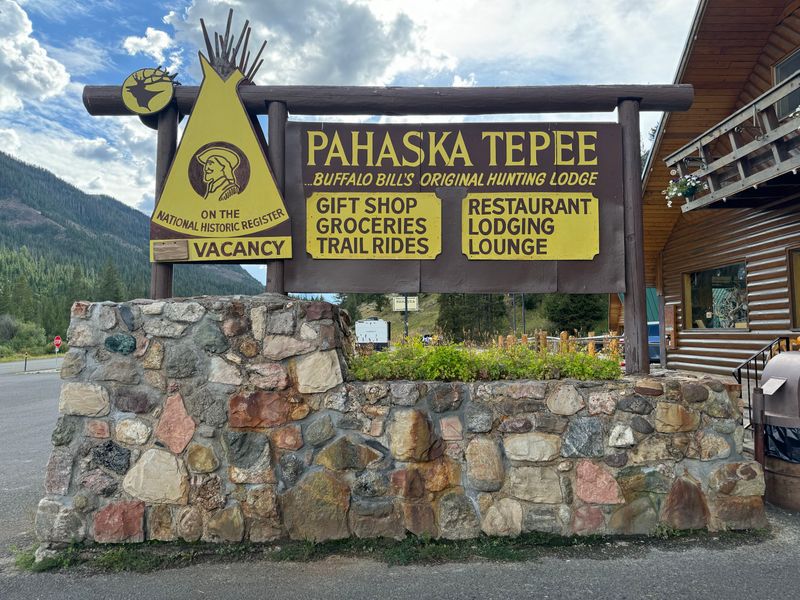
Buffalo Bill Cody built this historic lodge just outside Yellowstone’s east entrance in 1904, creating one of the park’s earliest tourist accommodations.
The location sits along the scenic Buffalo Bill Scenic Byway, experiencing constant traffic during summer months.
Pahaska Tepee operates as a resort with cabins, a restaurant, and a gas station serving park-bound tourists.
The handful of year-round staff and nearby residents endure the relentless stream of visitors from May through September.
Thousands of vehicles pass daily, many stopping for fuel, food, or lodging before entering Yellowstone.
The remote setting provides little escape for those who work here, as the nearest town lies 50 miles away.
Staff members often schedule days off midweek when traffic volumes slightly decrease.
The surrounding Shoshone National Forest offers backcountry escape routes for locals seeking solitude.
Fishing remote streams and hiking lesser-known trails become survival strategies during peak season.
The historic lodge attracts tourists interested in Buffalo Bill’s legacy, adding to the constant activity.
Wildlife viewing opportunities along the highway create traffic jams as visitors stop suddenly to photograph animals.
Those living and working at Pahaska Tepee accept summer chaos as part of their chosen lifestyle.
The trade-off involves stunning natural surroundings and proximity to Yellowstone against months of tourist intensity.
Winter brings blessed relief when snow closes the road and silence returns to this historic outpost.
11. Moran Junction
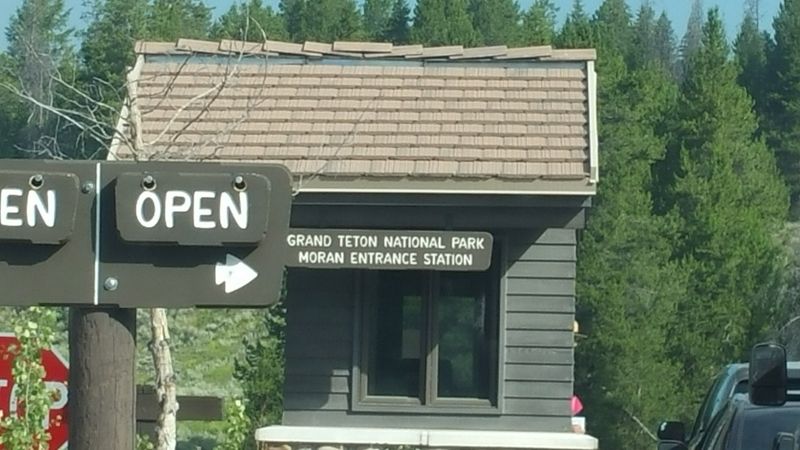
Where Highway 89/191/287 meets Highway 26/287 inside Grand Teton National Park, Moran Junction serves as a critical crossroads.
The tiny community consists mainly of park employees, concessionaire staff, and a few private inholdings.
Summer brings an absolute deluge of traffic as tourists navigate between Yellowstone and Jackson.
The historic Moran Post Office and nearby Triangle X Ranch represent the limited development at this junction.
Residents and workers here have no real option to flee since their employment ties them to this location.
However, they develop coping strategies like exploring the park during off-peak hours or hiking remote trails.
The constant stream of vehicles creates noise pollution that shatters the natural soundscape locals cherish.
Wildlife viewing opportunities attract photographers who create dangerous roadside situations.
Moose, elk, and bears frequent the area, and tourist behavior around these animals tests local patience daily.
The Snake River flows nearby, offering fishing spots where residents can briefly escape the highway chaos.
Some workers schedule their breaks to coincide with the brief lull between morning and afternoon traffic peaks.
Living at Moran Junction during summer requires a special temperament and genuine love for the landscape.
The privilege of residing inside Grand Teton National Park comes with the burden of sharing it with millions.
By late September, traffic volumes drop dramatically, and the handful of year-round residents finally enjoy their spectacular surroundings in relative peace.
12. Moose
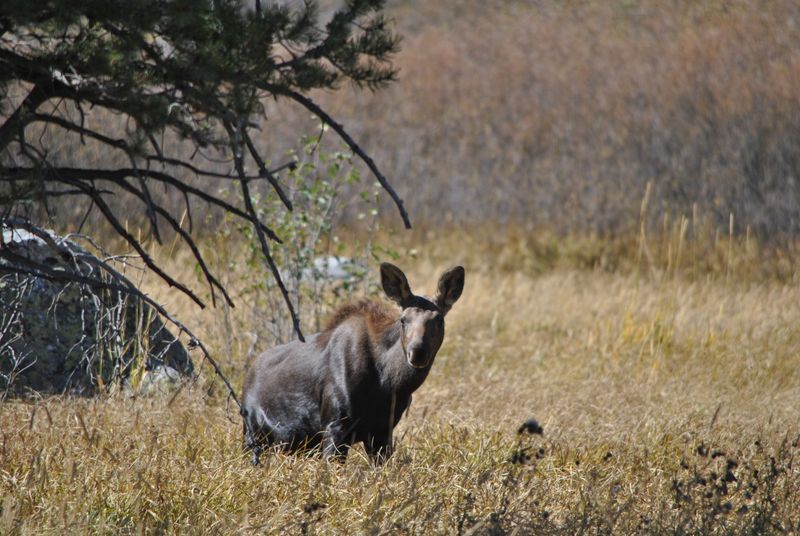
The village of Moose serves as the headquarters for Grand Teton National Park, making it ground zero for summer tourism.
Craig Thomas Discovery and Visitor Center welcomes hundreds of thousands of guests annually, with peak numbers in July and August.
The few year-round residents include park rangers, concessionaire employees, and those with private property grandfathered into park boundaries.
Daily life during summer involves navigating parking lots jammed with tour buses and rental cars.
The historic Dornan’s complex provides dining, shopping, and lodging, creating a constant hub of tourist activity.
Locals working in Moose develop thick skin against the repetitive questions and occasional entitled tourist behavior.
Some residents kayak the Snake River early in the morning before visitors arrive in force.
Others hike lesser-known trails on the park’s periphery where tourist concentrations remain lower.
The Chapel of the Transfiguration attracts photographers seeking the iconic window-framed Teton view, creating crowds even at this small church.
Rangers living in park housing have limited escape options, essentially trapped in tourist central throughout summer.
The privilege of living amid such spectacular scenery comes with significant sacrifices to personal space and quiet.
Some employees request transfers to more remote ranger stations just to maintain their sanity.
Moose represents the extreme end of tourism impact, where locals are completely outnumbered and overwhelmed.
Only those with deep commitment to the park’s mission or no other options remain year-round in this beautiful but exhausting location.
Dear Reader: This page may contain affiliate links which may earn a commission if you click through and make a purchase. Our independent journalism is not influenced by any advertiser or commercial initiative unless it is clearly marked as sponsored content. As travel products change, please be sure to reconfirm all details and stay up to date with current events to ensure a safe and successful trip.
