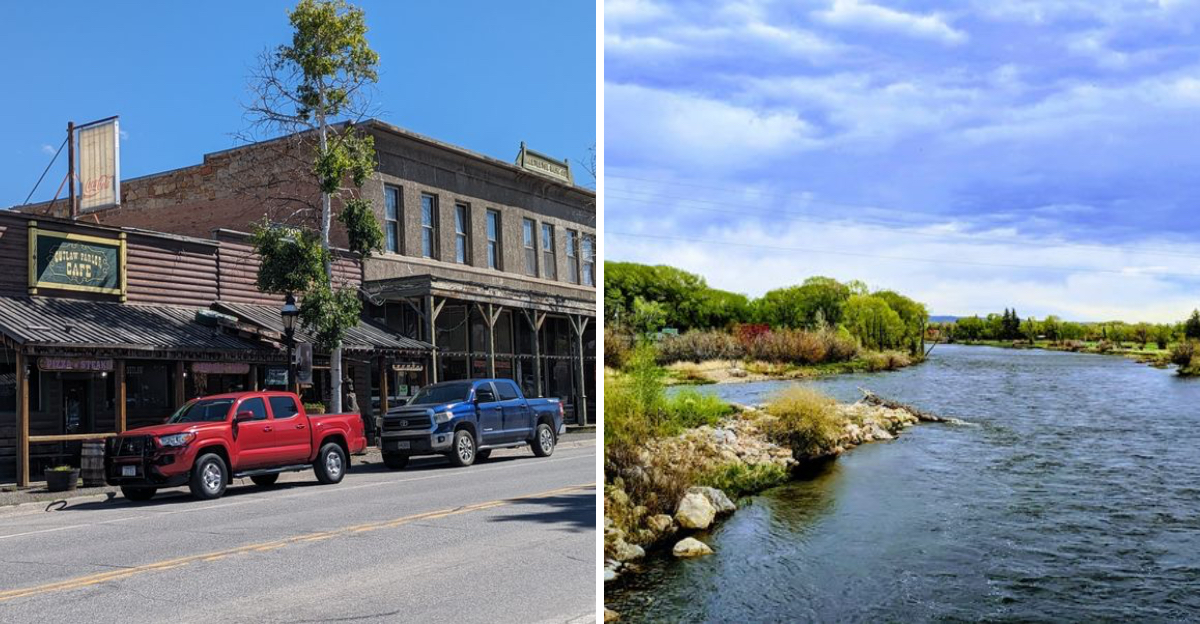
Wyoming offers more than just wide-open spaces and famous national parks.
Tucked between mountain ranges and high plains, small villages across the state provide perfect escapes for travelers seeking solitude and genuine Western charm.
These quiet communities welcome visitors with historic main streets, access to stunning natural landscapes, and a slower pace that feels worlds away from busy city life.
Whether you want to explore pioneer history, hike rugged trails, or simply relax in a place where everyone knows your name, Wyoming has village getaways that deliver authentic experiences without the crowds.
This list is based on scenic appeal, local character, and the overall sense of tranquility each village offers, as observed by our team and local sources.
Conditions, accessibility, and experiences can vary, and the order reflects editorial judgment rather than a definitive ranking.
1. Dubois
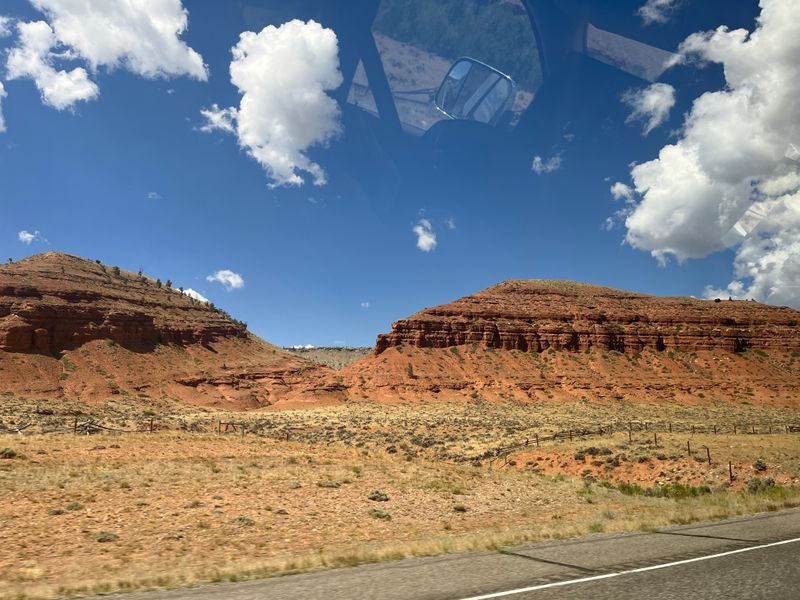
Perched along the Wind River at the edge of the Absaroka Range, Dubois feels like a secret kept by those who love authentic mountain living.
This village of fewer than a thousand residents sits at the junction of several scenic byways, making it an ideal base for exploring some of Wyoming’s most remote wilderness areas.
The town retains its ranching and timber heritage with weathered log structures lining the main road, giving visitors a glimpse into frontier life that has barely changed in a century.
Local museums offer insights into the region’s pioneer past and the indigenous peoples who first called these valleys home.
Wildlife viewing opportunities abound, with bighorn sheep often spotted on rocky slopes just outside town and elk herds migrating through surrounding meadows during autumn months.
The nearby Whiskey Mountain habitat supports one of the largest wintering bighorn sheep populations in the lower 48 states.
Hiking trails lead into the Wind River Range and Shoshone National Forest, where alpine lakes reflect jagged peaks and wildflowers carpet high meadows in summer.
Fishing enthusiasts appreciate the excellent trout streams that wind through the area, offering both solitude and challenging catches.
Art galleries showcase works inspired by the dramatic landscape, and local craftspeople sell handmade goods that reflect the region’s rugged character.
Small cafes serve hearty meals that fuel outdoor adventures, and the welcoming atmosphere makes strangers feel like neighbors within hours.
Dubois provides that rare combination of natural beauty, genuine Western culture, and peaceful isolation that defines the best of Wyoming village life.
2. Centennial

Named for the centennial of American independence, this tiny village sits high in the Snowy Range at an elevation that keeps summer temperatures comfortable and winter snowfall abundant.
Centennial serves as a gateway to the Medicine Bow National Forest, where trails wind through subalpine terrain and crystal-clear lakes dot the landscape.
The village itself consists of a handful of buildings clustered along a single road, creating an intimate atmosphere where visitors quickly disconnect from modern distractions.
Lodging options range from rustic cabins to a historic hotel that has welcomed travelers since the early 1900s, all offering front-row views of towering peaks.
During warmer months, wildflower displays transform meadows into colorful tapestries, and hikers can access dozens of trails leading to alpine lakes and rocky summits.
The Snowy Range Scenic Byway passes directly through Centennial, offering one of Wyoming’s most spectacular mountain drives with pullouts at glacial lakes and panoramic viewpoints.
Fishing remains a popular pastime, with high-elevation streams and lakes producing native cutthroat trout in settings of remarkable beauty.
Winter transforms the area into a snowy wonderland popular with cross-country skiers and snowmobilers who appreciate the quiet backcountry access.
The village maintains a genuine mountain community feel, with locals who are passionate about their surroundings and happy to share recommendations.
Small businesses operate seasonally, reflecting the rhythms of mountain life and the flow of visitors who return year after year.
Centennial offers an escape into high-country wilderness while providing just enough amenities to make a quiet weekend both comfortable and memorable.
3. Ten Sleep
The unusual name comes from the indigenous practice of measuring distances by the number of sleeps required to travel between locations.
Ten Sleep sits precisely ten days’ journey from several important Native American landmarks, making it a natural resting point for centuries of travelers.
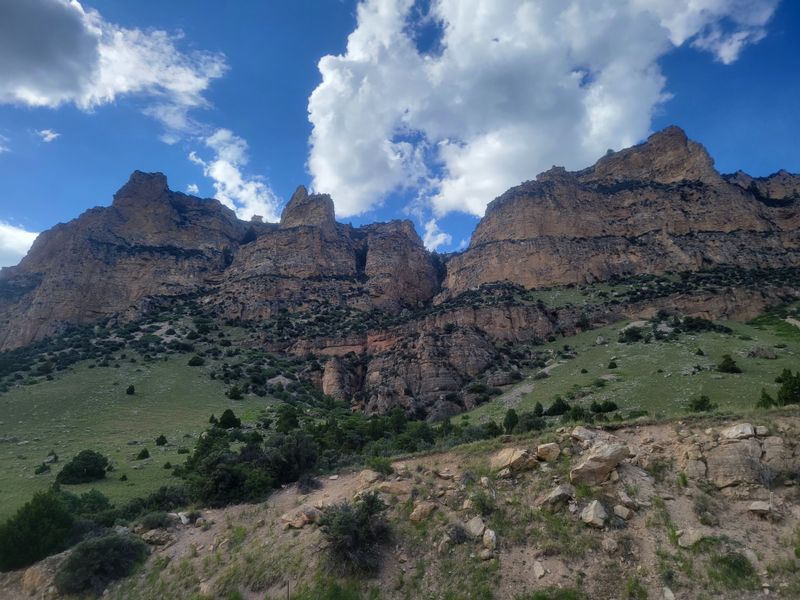
Today, this village draws visitors seeking access to stunning canyon country and some of the finest rock climbing in the Rocky Mountain region.
Ten Sleep Canyon cuts through layered sedimentary rock, creating dramatic walls that glow in shades of red, orange, and cream depending on the light.
The canyon road climbs through this geological wonderland, passing waterfalls and pullouts where the scale of the landscape becomes truly apparent.
Rock climbers from around the world come to test their skills on limestone cliffs that offer hundreds of established routes ranging from beginner-friendly to extremely challenging.
The village itself maintains a quiet, agricultural character with tree-lined streets and a compact downtown area where local businesses serve both residents and visitors.
A small museum preserves artifacts and stories from the area’s ranching and homesteading past, adding historical context to the surrounding landscape.
Camping and picnicking opportunities fill the canyon, with developed sites near the creek and more primitive options for those seeking deeper solitude.
Fishing in Ten Sleep Creek provides a relaxing counterpoint to more adventurous pursuits, with shaded pools holding populations of trout.
The community hosts a summer rodeo that showcases authentic Western traditions without the commercialization found in larger tourist destinations.
Ten Sleep offers a genuine slice of rural Wyoming life combined with access to spectacular natural features that reward exploration and quiet contemplation.
4. Saratoga

Natural hot springs have drawn people to this spot along the North Platte River for thousands of years, and the tradition continues today with free public pools that invite relaxation.
Saratoga combines the therapeutic benefits of mineral-rich waters with access to world-class fly fishing, creating a perfect destination for those seeking both activity and restoration.
The village radiates a welcoming charm, with locally-owned shops, galleries, and restaurants clustered along a walkable downtown area that encourages leisurely exploration.
Hot springs pools are maintained by the community and available to all visitors without charge, offering a rare opportunity to soak in naturally heated waters while gazing at surrounding peaks.
The temperature stays comfortable year-round, making winter soaks particularly magical when steam rises into cold mountain air and stars shine brilliantly overhead.
The North Platte River flows through town, providing exceptional trout fishing that attracts anglers who appreciate technical challenges and beautiful settings in equal measure.
Guided float trips allow visitors to experience the river from a different perspective, drifting past cottonwood groves and sandstone bluffs while casting to rising fish.
Hiking and mountain biking trails access nearby forest lands, where aspen groves turn golden in autumn and wildflowers bloom throughout summer months.
The Saratoga Museum occupies a historic railroad depot and shares the story of the town’s development from indigenous gathering place to modern recreational destination.
Local events throughout the year celebrate community traditions without overwhelming the village’s peaceful character.
Accommodations range from historic hotels to riverside cabins, all reflecting the area’s commitment to preserving its small-town atmosphere.
Saratoga delivers a balanced Wyoming experience where natural wonders, outdoor recreation, and genuine hospitality combine to create memorable quiet weekends.
5. Meeteetse
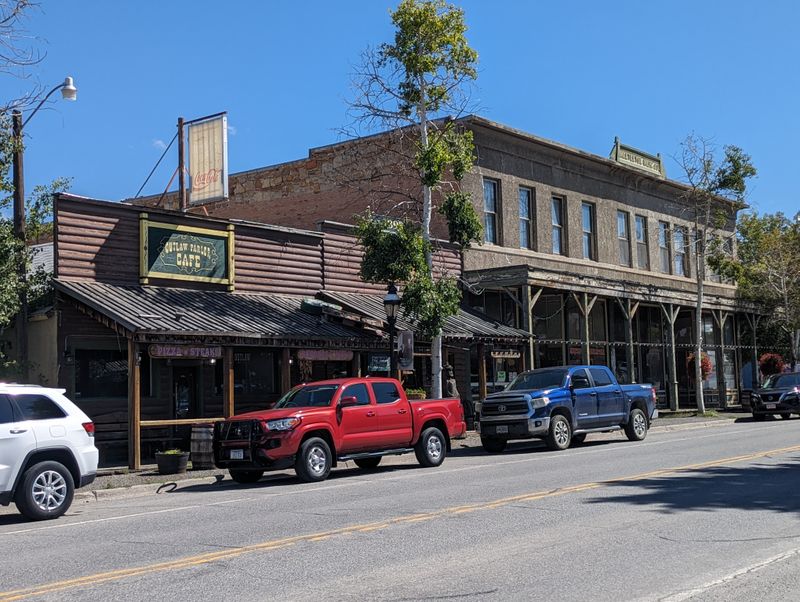
Tucked into a valley where the Greybull River flows from the Absaroka Mountains, Meeteetse preserves an authentic Old West character that larger towns have long since lost.
The village name derives from a Crow word meaning meeting place, reflecting its historical role as a gathering point for trappers, traders, and indigenous peoples.
Today, Meeteetse attracts visitors who appreciate well-preserved historic architecture and proximity to some of Wyoming’s wildest backcountry.
The main street features wooden boardwalks and false-front buildings that would look at home in a Western film, except here they house actual businesses serving a working ranching community.
Several museums document the area’s colorful past, including stories of outlaws, homesteaders, and the discovery of black-footed ferrets nearby, which became a turning point in endangered species conservation.
The Meeteetse Museums complex includes exhibits on pioneer life, ranching history, and the natural history of the region, all housed in historic structures that add authenticity to the experience.
Outdoor enthusiasts use Meeteetse as a launching point for adventures into the Washakie Wilderness and surrounding national forest lands, where trails lead to remote lakes and high mountain passes.
The Wood River Valley offers scenic drives through ranch country, with the Absaroka Range providing a dramatic backdrop to pastoral scenes of cattle grazing and hay fields.
Fishing opportunities abound in area streams and reservoirs, with less pressure than more famous Wyoming waters and equally rewarding catches.
Local businesses maintain traditional values of hospitality, and visitors often find themselves engaged in conversations with ranchers and longtime residents who are happy to share local knowledge.
Meeteetse provides a window into Wyoming’s frontier heritage while offering peaceful surroundings and access to wilderness that remains largely unchanged for generations.
6. Encampment
Copper mining once dominated life in this Sierra Madre foothills village, and remnants of that industrial past add a layer of history to what is now a quiet mountain community.
Encampment sits in a valley surrounded by forested peaks, with the Encampment River providing a scenic centerpiece and excellent fishing opportunities.
The village retains a frontier feel with historic buildings that have been carefully maintained, creating an atmosphere that honors the past while serving present-day residents and visitors.
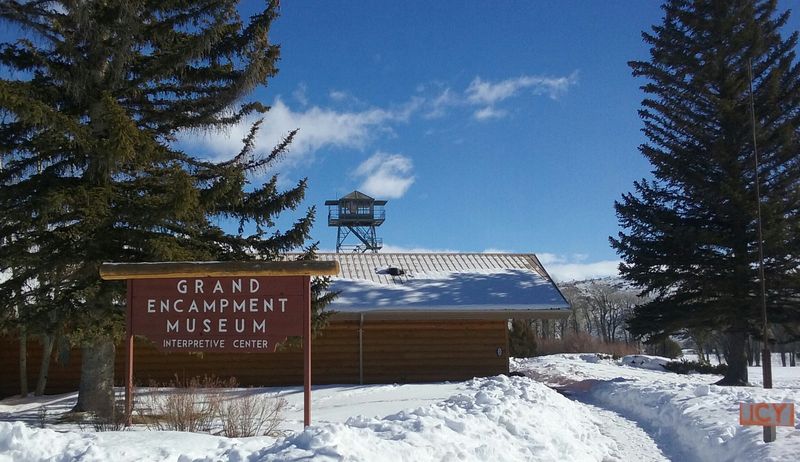
A local museum preserves mining equipment, historic photographs, and artifacts that tell the story of the copper boom and the hardy individuals who built this community in a remote mountain setting.
The Grand Encampment Museum includes an entire historic village with relocated structures representing different aspects of early 20th-century life in this isolated region.
Outdoor recreation draws people year-round, with summer offering hiking, fishing, and wildlife viewing, while winter brings snowmobiling and cross-country skiing in pristine backcountry.
The Continental Divide Trail passes near Encampment, giving hikers access to one of America’s premier long-distance routes and the high-elevation wilderness it traverses.
Fishing in the Encampment River and nearby streams provides solitude and the chance to catch native trout in waters that see relatively light pressure.
The village hosts a few small businesses that cater to locals and visitors alike, maintaining the kind of personal service that has become rare in more developed areas.
Accommodations are limited but genuine, with options that reflect the rustic character of the community and its surroundings.
Encampment offers a glimpse into Wyoming’s mining heritage combined with access to wilderness areas where silence and natural beauty remain the dominant features.
The pace of life here encourages slowing down and appreciating simple pleasures that often get overlooked in busier destinations.
7. Shell

Shell takes its name from the abundance of marine fossils found in surrounding rock layers, evidence of ancient seas that once covered this now-mountainous region.
The village serves as the gateway to Shell Canyon, one of Wyoming’s most dramatic geological features, where the highway descends through layered cliffs displaying millions of years of earth history.
Visitors driving through the canyon pass interpretive signs explaining the rock formations and the forces that created this spectacular landscape.
Shell Falls thunders over a limestone ledge within the canyon, accessible via a short paved path that leads to viewing platforms offering multiple perspectives of the cascade.
The falls and surrounding canyon walls create a natural amphitheater where the sound of rushing water echoes off ancient stone.
The village itself maintains a quiet agricultural character, with ranching remaining the primary livelihood for most residents.
A small general store and a few other businesses provide basic services, and the lack of commercial development preserves the area’s peaceful atmosphere.
The Big Horn Mountains rise directly behind Shell, offering extensive forest lands where hiking, camping, and fishing opportunities abound without the crowds found in more famous Wyoming destinations.
Medicine Lodge State Archaeological Site sits nearby, preserving indigenous rock art and providing insight into the cultures that inhabited this region long before European settlement.
The site includes a walking trail that leads to sandstone cliffs decorated with petroglyphs and pictographs, offering a tangible connection to the area’s deep human history.
Wildlife viewing opportunities include sightings of deer, elk, and occasionally bears in the surrounding mountains and foothills.
Shell provides a base for exploring some of Wyoming’s most impressive geology and accessing mountain recreation while maintaining the quiet, unhurried character that defines the best village getaways in the state.
8. Big Piney

Situated in the Upper Green River Valley, Big Piney experiences some of the coldest winter temperatures in the lower 48 states, but summer brings mild weather and endless blue skies.
The village sits in high desert country where sagebrush flats stretch toward distant mountain ranges, creating a landscape of remarkable openness and clarity.
Big Piney serves ranching and energy communities, maintaining an authentic working-town character that contrasts with more tourist-oriented destinations.
Visitors who appreciate wide-open spaces and the genuine rhythms of rural Western life find Big Piney refreshingly unpretentious and welcoming.
The Green River flows through the region, offering fishing and floating opportunities in a setting of austere beauty where wildlife sightings are common and human presence feels minimal.
Antelope roam the sagebrush flats in large numbers, and birdwatchers appreciate the diversity of species that inhabit these high-elevation grasslands.
The nearby Wind River Range provides a dramatic backdrop and access to some of Wyoming’s most pristine wilderness areas, with trailheads leading to alpine lakes and glacier-carved peaks.
Big Piney celebrates its ranching heritage with annual events that showcase authentic cowboy culture, including rodeos and livestock shows that draw participants from across the region.
The Museum of the Mountain Man in nearby Pinedale offers exhibits on the fur trade era and the trappers who explored these valleys in the early 19th century.
Local businesses maintain a no-frills approach, providing necessary services without pretense or inflated prices.
Accommodations are basic but comfortable, reflecting the practical sensibilities of a community more focused on work than tourism.
Big Piney offers a quiet weekend experience for those who seek authenticity over amenities and appreciate landscapes where nature still dominates the view in every direction.
Dear Reader: This page may contain affiliate links which may earn a commission if you click through and make a purchase. Our independent journalism is not influenced by any advertiser or commercial initiative unless it is clearly marked as sponsored content. As travel products change, please be sure to reconfirm all details and stay up to date with current events to ensure a safe and successful trip.
