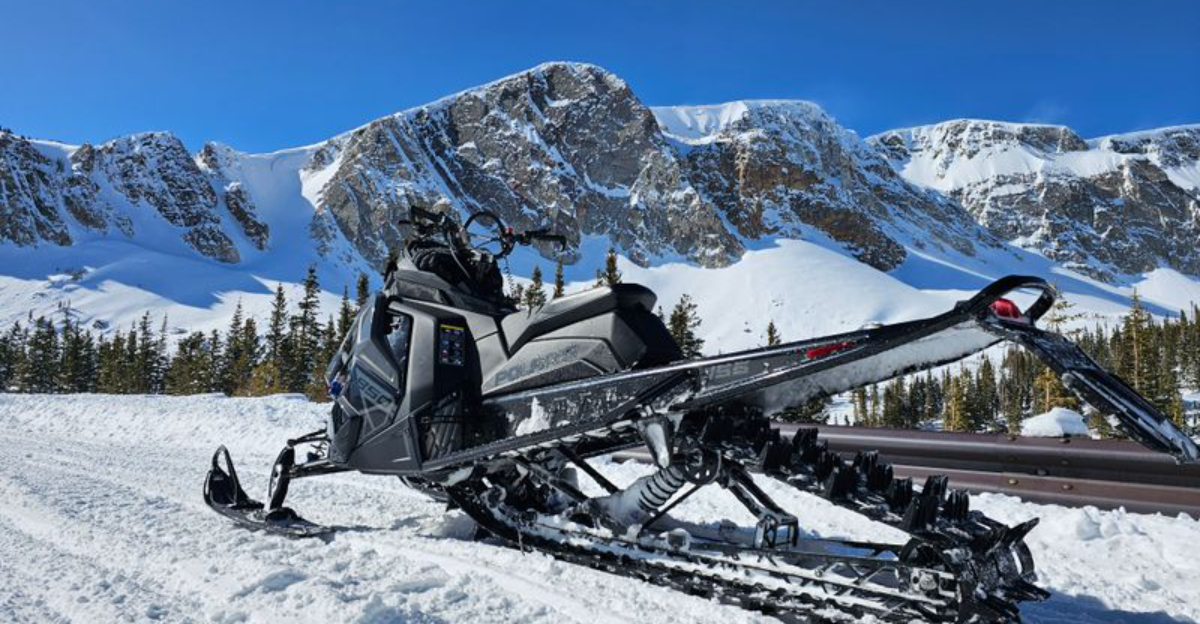
Wyoming transforms into a magical wonderland when winter arrives, blanketing its charming villages in pristine snow and creating scenes that look like they belong inside a glass globe.
From the towering peaks of the Tetons to the rugged wilderness of the Wind River Range, these small towns offer more than just beautiful scenery.
They provide authentic Western hospitality, rich frontier history, and endless opportunities for winter adventure that draw travelers seeking both tranquility and excitement.
Whether you crave adrenaline-pumping activities or peaceful moments surrounded by snow-draped landscapes, these villages deliver unforgettable experiences that capture the true spirit of the American West in its most enchanting season.
1. Jackson
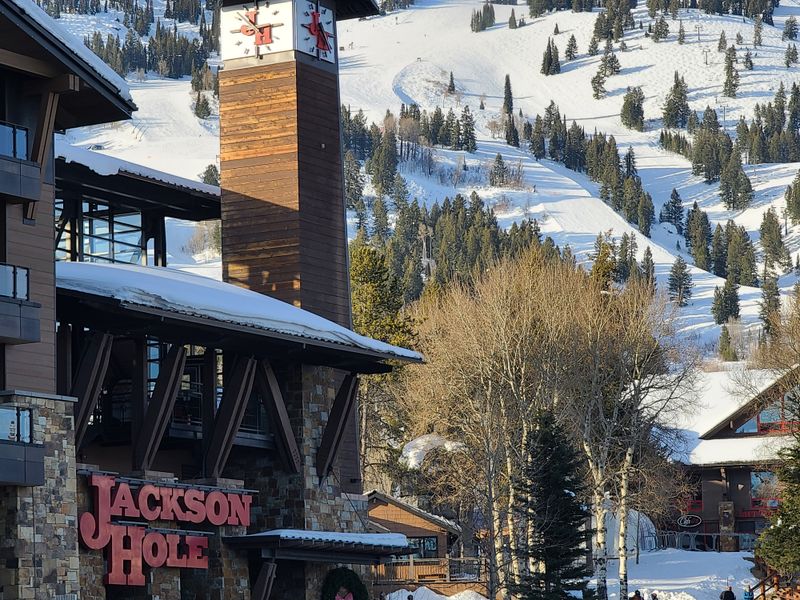
Jackson sits at the base of the Teton Range like a jewel nestled in cotton, where mountain peaks rise so dramatically they seem almost unreal.
This town has earned its reputation as one of America’s premier winter destinations, drawing visitors from around the globe who seek both adventure and authentic Western charm.
The famous Town Square features four archways made entirely of elk antlers, creating a unique focal point that becomes even more magical when dusted with fresh powder.
Winter activities here range from world-class skiing at Jackson Hole Mountain Resort to gentler pursuits like sleigh rides through the National Elk Refuge, where thousands of elk gather each season.
Snow King Mountain offers skiing right in town, making it incredibly convenient for families who want quick access to the slopes.
The boardwalks lining the streets give Jackson an Old West feeling that transports visitors back to frontier days, especially when icicles hang from wooden awnings.
Art galleries, cozy restaurants, and shops selling everything from cowboy boots to fine jewelry line the streets, providing perfect spots to warm up between outdoor adventures.
The surrounding Jackson Hole Valley creates a natural amphitheater where wildlife thrives and scenery stuns at every turn.
Local events throughout winter keep the community spirit alive, from holiday parades to winter festivals that celebrate mountain culture.
When evening arrives, the glow from restaurant windows and streetlights reflecting off snow creates an atmosphere so picturesque it hardly seems real.
Jackson manages to balance its status as a world-renowned resort town while maintaining the authentic character that makes it genuinely special.
2. Pinedale
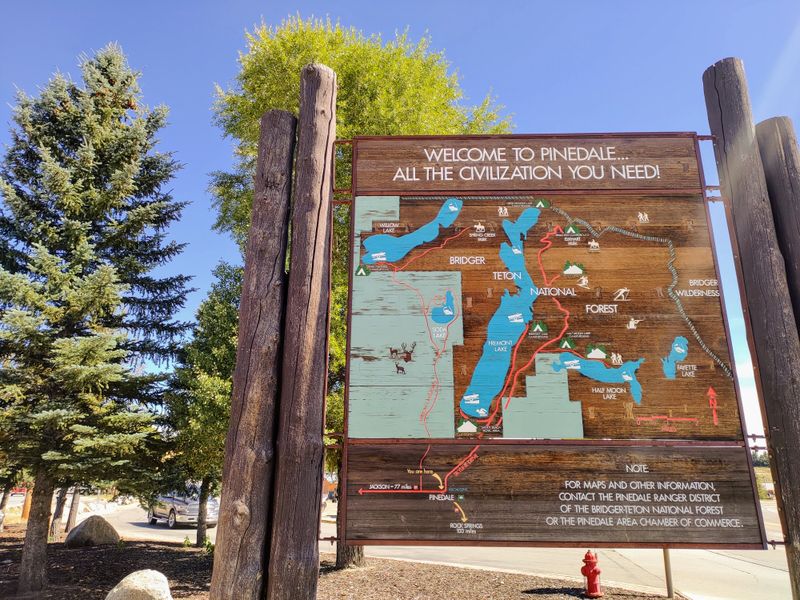
Pinedale claims the title of snowmobile capital of the world, and one visit during winter makes it clear why this designation fits perfectly.
Positioned at the base of the Wind River Range, this small town offers access to over 300 miles of groomed snowmobile trails that wind through forests, meadows, and mountain passes.
The landscape here feels untouched and wild, with vast stretches of wilderness that make you feel like an explorer discovering new territory.
Beyond snowmobiling, Pinedale offers excellent ice fishing on Fremont Lake, where anglers drill through thick ice hoping to catch lake trout and mackinaw.
Cross-country skiing and snowshoeing trails crisscross the area, providing quieter ways to experience the winter landscape for those who prefer human-powered adventures.
The annual Pinedale Winter Carnival transforms the town into a celebration of all things snowy, featuring impressive ice sculptures, sled dog races, and community gatherings that showcase small-town hospitality.
Main Street maintains its historic character with buildings that reflect the town’s ranching and trapping heritage, giving visitors a genuine sense of Wyoming’s frontier past.
Local businesses close their doors during shoulder seasons, but winter brings them back to life as outdoor enthusiasts flock to this high-altitude paradise.
The crisp mountain air at 7,175 feet elevation invigorates visitors, though newcomers might need a day to adjust to the altitude.
Sunsets paint the snow-covered peaks in shades of pink and gold, creating daily spectacles that never get old no matter how many times you witness them.
Pinedale represents Wyoming at its most authentic, where nature dominates and human presence feels appropriately humble.
3. Lander
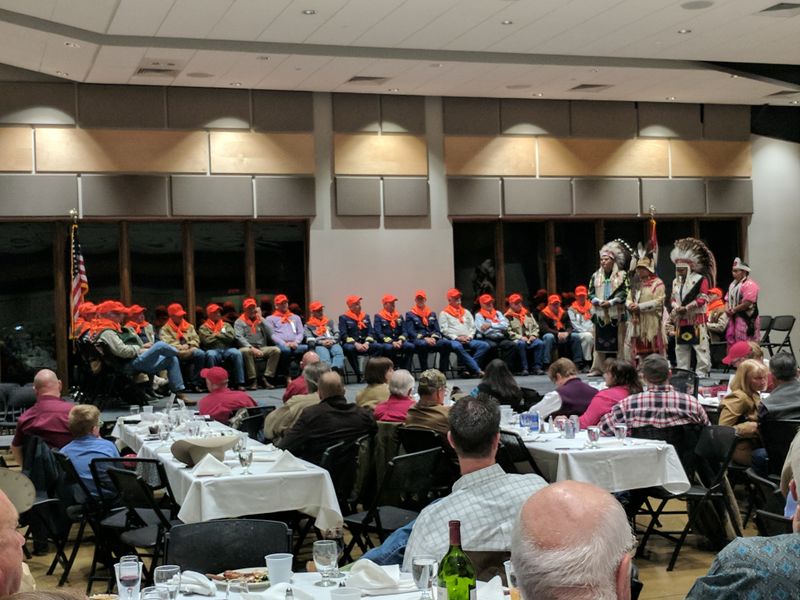
Lander rests against the Wind River Mountains like a town that knows exactly what it wants to be, balancing outdoor recreation with genuine community warmth.
Sinks Canyon State Park, just minutes from downtown, offers geological wonders that become even more fascinating in winter when ice formations transform the canyon into a frozen gallery.
The Middle Fork of the Popo Agie River literally disappears into a cave called The Sinks, then reappears a quarter mile away at The Rise, creating a natural mystery that captivates visitors year-round.
Winter trails throughout the area provide excellent snowshoeing and cross-country skiing, with routes suitable for beginners and experienced adventurers alike.
The town celebrates winter with events like the Light Up Lander Parade, where the community gathers to watch decorated floats and enjoy hot cocoa under starry skies.
An Old Fashioned Christmas at the Pioneer Museum brings history to life with period decorations and stories from Lander’s past, connecting modern visitors to frontier traditions.
Main Street features locally owned shops and restaurants where proprietors often know customers by name, creating a welcoming atmosphere that larger resort towns sometimes lack.
The National Outdoor Leadership School headquarters here adds an adventurous spirit to the town, with expeditions regularly departing into the surrounding wilderness.
Coffee shops serve as community gathering spots where locals and visitors mingle, sharing trail conditions and recommendations over steaming mugs.
The Wind River Mountains provide a stunning backdrop that changes with the light, sometimes appearing soft and inviting, other times looking fierce and formidable.
Lander feels like a place where people genuinely want to be, not just pass through, creating an authentic atmosphere that visitors immediately notice.
4. Sheridan
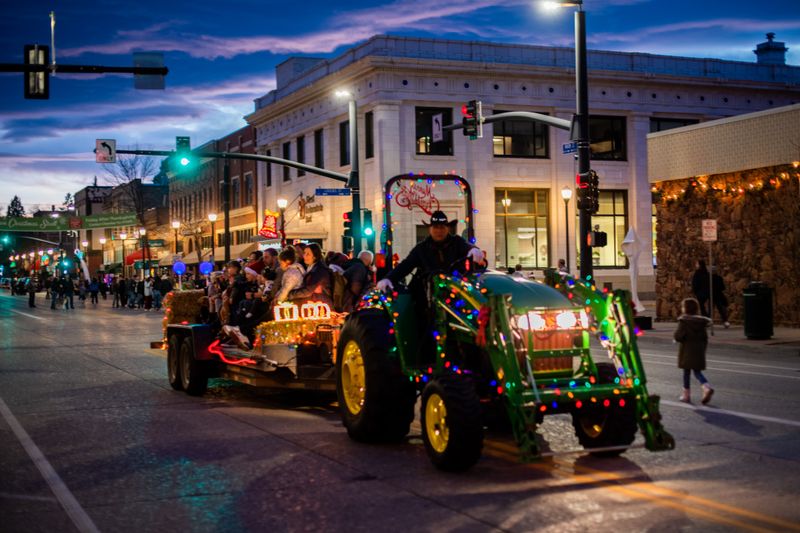
Sheridan sits where the Great Plains meet the Bighorn Mountains, creating a unique landscape that combines wide-open spaces with dramatic mountain terrain.
The town’s historic Main Street glows during winter months with thousands of lights strung across storefronts, transforming ordinary buildings into something that belongs in a holiday movie.
Bighorn National Forest provides endless opportunities for Nordic skiing and snowshoeing, with trails winding through pine forests where silence feels almost sacred.
The Sheridan WYO Winter Rodeo brings excitement to cold months with skijoring races, where horses pull skiers across snow-covered courses at thrilling speeds.
This unique sport combines equestrian skill with skiing ability, creating a spectacle that perfectly captures Wyoming’s blend of cowboy culture and winter sports.
Downtown architecture reflects the town’s cattle baron history, with buildings dating back to the late 1800s when Sheridan served as a hub for ranching operations.
The WYO Theater, a beautifully restored Art Deco venue, hosts performances throughout winter, providing cultural entertainment that rivals anything found in larger cities.
Antique shops and bookstores invite browsing on cold afternoons, offering treasures and stories that connect visitors to the region’s colorful past.
Local restaurants serve hearty Western fare that warms you from the inside, with steaks and bison burgers that remind you this is genuine cattle country.
The King’s Saddlery and Museum showcases leather craftsmanship and Western gear, demonstrating skills that have been passed down through generations.
Sheridan manages to honor its heritage while embracing modern amenities, creating a town that feels both timeless and contemporary.
When snow blankets the streets and mountains, Sheridan becomes a place where past and present merge beautifully.
5. Dubois
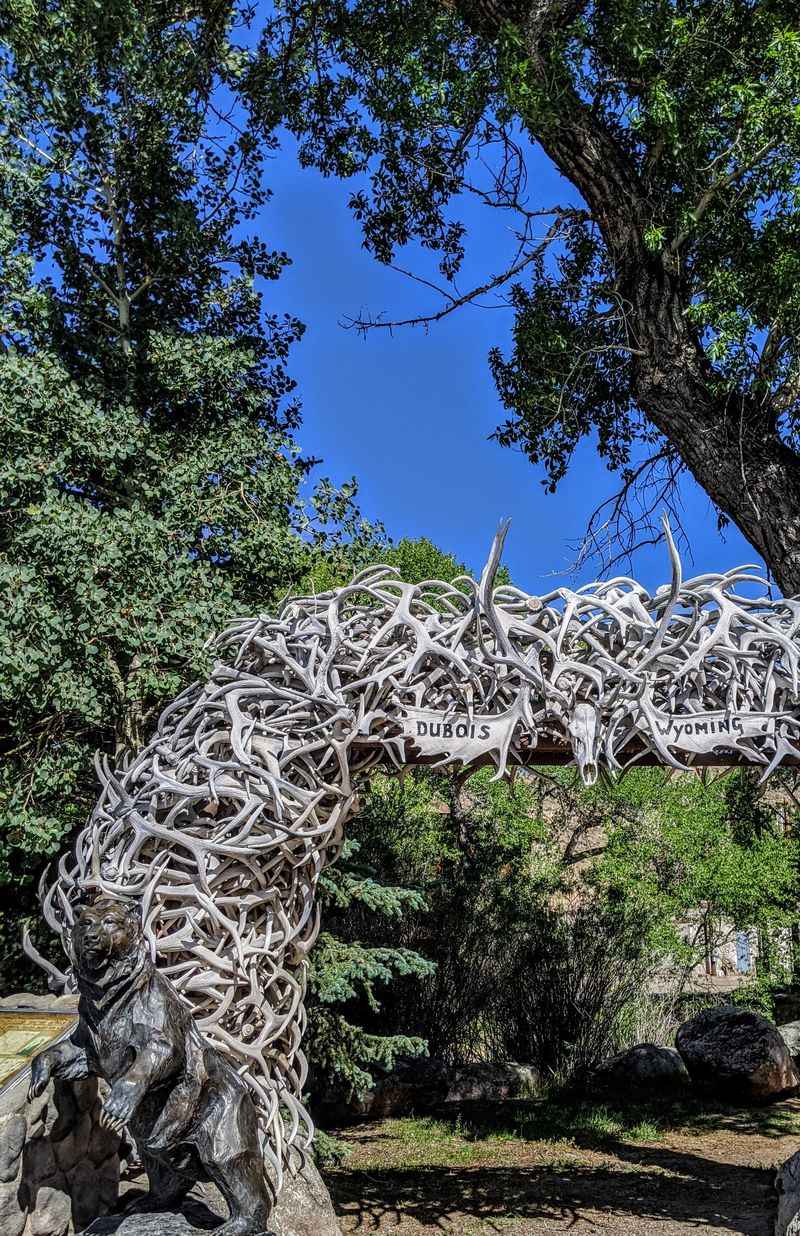
Dubois occupies a spectacular valley corridor with the Wind River Mountains to the south and the Absaroka Range to the north, creating scenery that photographers dream about.
This small town embraces its isolation, sitting along the Wind River with a population that knows everyone and welcomes strangers like future friends.
Trails radiating from town provide access to wilderness areas where snowshoeing and cross-country skiing reveal landscapes that few people ever see.
Dog sledding operations offer thrilling rides through forested slopes and open meadows, giving visitors a taste of how trappers and traders once traveled these mountains.
Togwotee Pass, about 25 miles away, features some of the best snowmobiling in Wyoming, with routes that climb to breathtaking viewpoints overlooking the Continental Divide.
The National Bighorn Sheep Interpretive Center educates visitors about these magnificent animals that thrive in the surrounding mountains, with exhibits that fascinate both children and adults.
Winter brings bighorn sheep down from high elevations, and spotting them along rocky outcrops becomes a favorite activity for wildlife enthusiasts.
Dubois maintains an authentic Western character that some other mountain towns have lost to development, with wooden sidewalks and buildings that look like they belong in the 1800s.
Local businesses close on Sundays, reflecting a slower pace of life that visitors often find refreshing after the constant rush of modern existence.
The Wind River flows through town even in winter, its dark water contrasting beautifully with white snow and ice formations along its banks.
Dubois feels remote without being inaccessible, offering solitude and adventure in equal measure for those willing to venture off the beaten path.
6. Cody
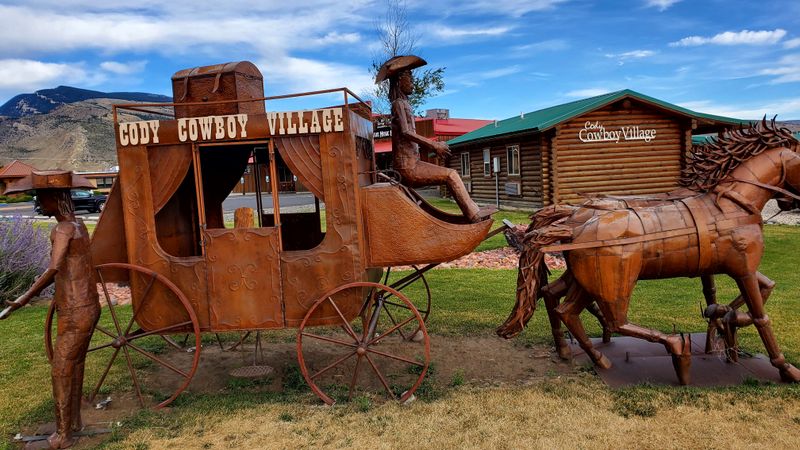
Cody carries the legacy of Buffalo Bill in its name and spirit, embodying Wild West heritage more completely than perhaps any other Wyoming town.
Founded by the famous showman himself in 1896, the town maintains connections to frontier days through museums, architecture, and an attitude that celebrates Western independence.
The Buffalo Bill Center of the West, often called the Smithsonian of the West, houses five museums under one roof, offering world-class collections that require multiple days to fully appreciate.
Winter transforms the surrounding landscape into a pristine wilderness where wildlife viewing becomes exceptional, with opportunities to spot wolves, bison, and eagles.
The road from Cody to Yellowstone National Park, though sometimes closed by snow, offers stunning winter scenery when passable, with ice formations and frozen waterfalls creating natural sculptures.
Downtown streets lined with Western-style buildings create an authentic atmosphere enhanced by snow cover that makes everything look like a vintage postcard.
The Irma Hotel, built by Buffalo Bill and named for his daughter, still welcomes guests with historic charm and stories from over a century of operation.
Local shops sell everything from authentic cowboy gear to Native American artwork, providing shopping experiences that feel genuine rather than touristy.
The Shoshone River flows through Cody, its canyon walls rising dramatically and creating a natural gateway to the wilderness beyond.
Winter events celebrate Western heritage with rodeos, cowboy poetry, and gatherings that bring the community together during the coldest months.
Cody manages to be both a real working town and a destination that honors its colorful past, creating a balance that many tourist towns struggle to achieve.
7. Saratoga
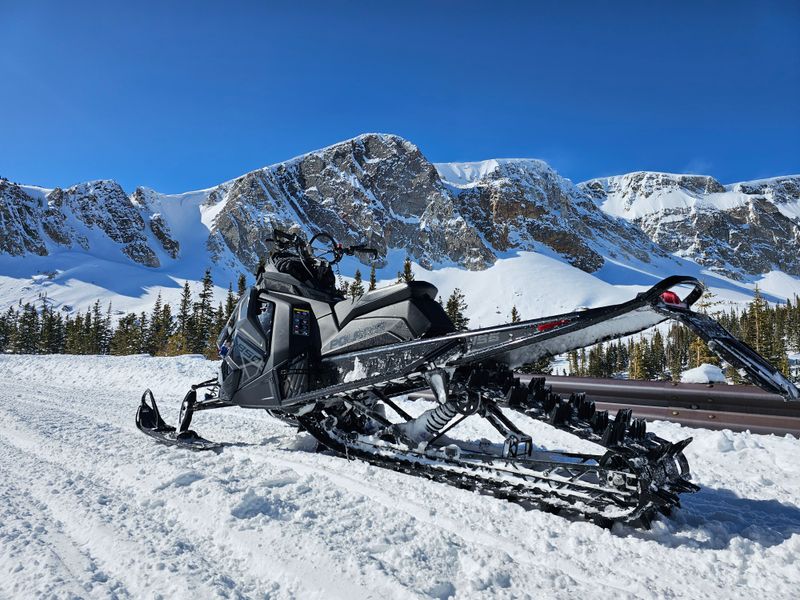
Saratoga offers something truly special among Wyoming winter destinations with its natural hot springs that create steaming pools in the midst of snow-covered landscapes.
The Hobo Pool, a free public hot spring along the North Platte River, invites visitors to soak in 115-degree mineral water while snowflakes fall around them.
This combination of hot water and cold air creates an experience that feels both surreal and deeply relaxing, melting away tension accumulated from modern life.
The North Platte River flows through town, offering excellent fly fishing even in winter for anglers dedicated enough to brave the cold.
Cross-country skiing trails wind through the surrounding Medicine Bow National Forest, where aspen groves and pine forests create varied terrain for skiers of different abilities.
The Snowy Range, visible from town, lives up to its name with peaks that stay white from October through June, dominating the horizon like a frozen wave.
Downtown Saratoga maintains a quiet charm with locally owned businesses that reflect the town’s ranching heritage and outdoor recreation focus.
Several resorts offer more private hot spring experiences, with pools of varying temperatures that allow guests to customize their soaking experience.
The contrast between hot spring warmth and winter cold creates unique sensations that many visitors find addictive, returning year after year for this specific experience.
Saratoga avoids the crowds that flock to larger resort towns, providing a peaceful retreat where relaxation takes priority over constant activity.
The combination of natural hot springs, excellent fishing, and beautiful scenery creates a unique destination that appeals to those seeking rejuvenation in a stunning setting.
8. Thermopolis
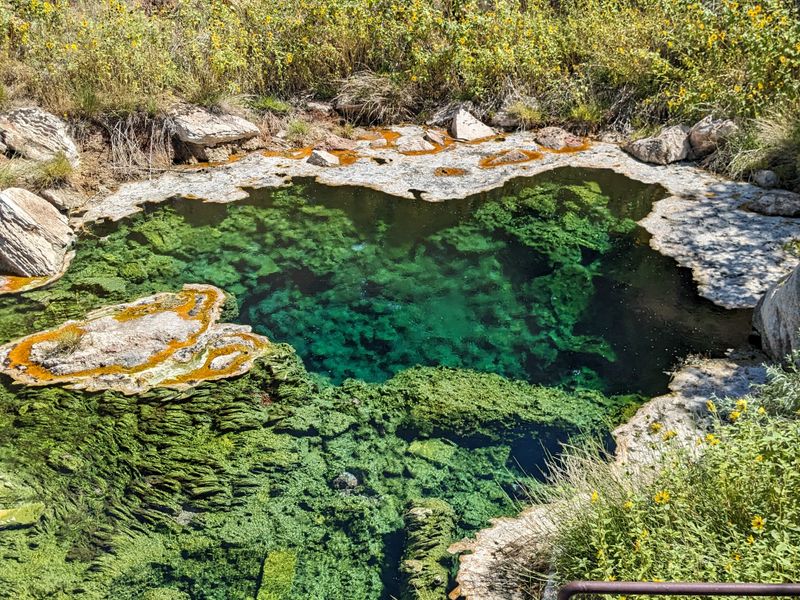
Thermopolis claims the title of having the world’s largest mineral hot springs, with water flowing from the ground at an impressive 3.6 million gallons daily.
Hot Springs State Park provides free access to these therapeutic waters, a gift from the Shoshone and Arapaho tribes when they ceded the land over a century ago.
Steam rises from pools and terraces throughout the park, creating ethereal scenes when cold air meets hot water, especially dramatic during winter mornings.
The mineral-rich water maintains a constant temperature around 135 degrees at the source, then cools to comfortable soaking temperatures in various pools.
Rainbow Terraces, formed by mineral deposits over thousands of years, create colorful formations that look almost otherworldly when surrounded by snow.
A resident bison herd grazes within the state park, often visible from the hot springs, adding authentic Western wildlife viewing to the soaking experience.
The Wyoming Dinosaur Center houses impressive fossil collections and offers tours of active dig sites, providing fascinating indoor activities for cold days.
Downtown Thermopolis features murals depicting local history, transforming ordinary building walls into outdoor galleries that tell stories of the region’s past.
The Wind River Canyon, just south of town, offers spectacular scenery with sheer rock walls rising hundreds of feet above the highway.
Winter brings fewer visitors than summer, making it easier to find peaceful moments in the hot springs without crowds disrupting the tranquil atmosphere.
Thermopolis combines natural wonders with small-town simplicity, creating a destination where healing waters and Western hospitality merge perfectly.
9. Buffalo
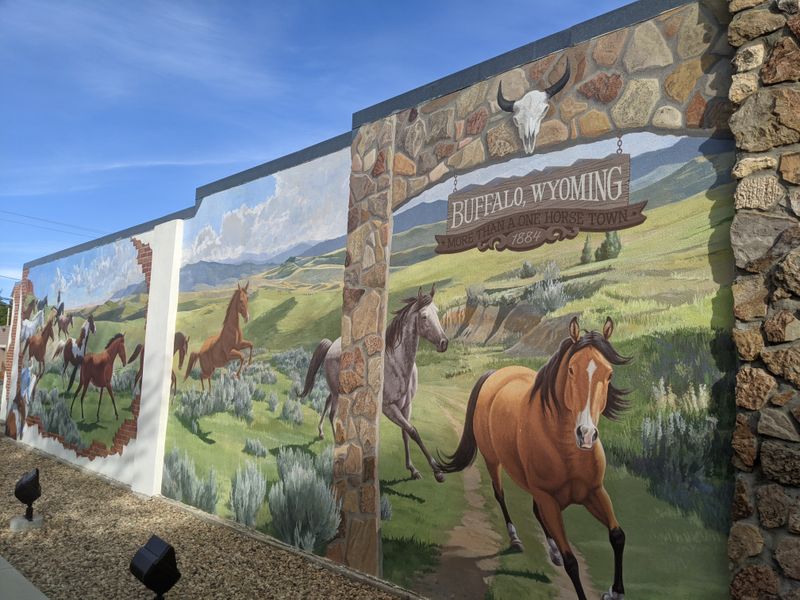
Buffalo nestles against the Bighorn Mountains with a main street that looks like it was designed specifically for holiday postcards and nostalgic photographs.
The historic downtown features buildings from the late 1800s, many constructed with local sandstone that gives the town a distinctive architectural character.
The Occidental Hotel, where legends like Butch Cassidy and the Sundance Kid once stayed, still operates today, offering guests a chance to sleep where outlaws once plotted.
Cloud Peak Wilderness, accessible from Buffalo, provides backcountry experiences for winter adventurers willing to venture into serious mountain terrain.
The Jim Gatchell Memorial Museum houses fascinating collections related to the Johnson County War, Native American history, and frontier life in this corner of Wyoming.
Clear Creek flows through town, its banks lined with trees that create beautiful scenery in every season, especially striking when covered in fresh snow.
The library, housed in a beautiful Carnegie building, serves as a community gathering spot where locals and visitors can warm up with books and conversation.
Buffalo maintains an active arts community despite its small size, with galleries and studios showcasing work from local and regional artists.
Main Street shops offer antiques, Western wear, and locally made products, providing authentic shopping experiences without corporate chains or tourist traps.
Winter brings a peaceful quality to Buffalo, with fewer tourists and more opportunities to experience genuine small-town Wyoming life.
The mountains rising behind town create a dramatic backdrop that changes throughout the day as light shifts, never looking exactly the same twice.
10. Newcastle
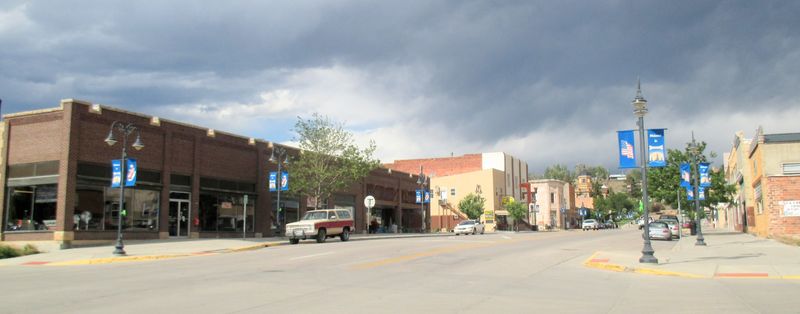
Newcastle sits in the shadow of the Black Hills, occupying Wyoming’s northeastern corner where Great Plains meet mountain foothills in a landscape of subtle beauty.
The town serves as a gateway to Devils Tower National Monument, that geological wonder made famous by close encounters of the cinematic kind.
Winter transforms Devils Tower into an even more impressive sight, with snow clinging to its vertical columns and creating stark contrasts that enhance its otherworldly appearance.
Downtown Newcastle features historic buildings that reflect the town’s coal mining and railroad heritage, with architecture that tells stories of boom times and resilience.
The Anna Miller Museum preserves local history through exhibits showcasing everything from Native American artifacts to pioneer tools and mining equipment.
Outdoor recreation opportunities abound in the surrounding Black Hills National Forest, where trails provide access to pine-covered slopes perfect for snowshoeing and cross-country skiing.
LAK Trail System offers year-round recreation just outside town, with paths winding through varied terrain that appeals to hikers, bikers, and winter sports enthusiasts.
Newcastle maintains a quiet dignity as a working town where ranching and energy industries still drive the economy, creating authentic Western character.
Main Street businesses include family-owned establishments that have served the community for generations, where customer service means genuine personal attention.
The Mondell Pinnacles, unusual rock formations north of town, create interesting geological features that become even more photogenic with snow highlighting their unique shapes.
Newcastle represents Wyoming at its most unpretentious, offering real experiences in a place where tourism remains secondary to daily life and community values.
11. Afton
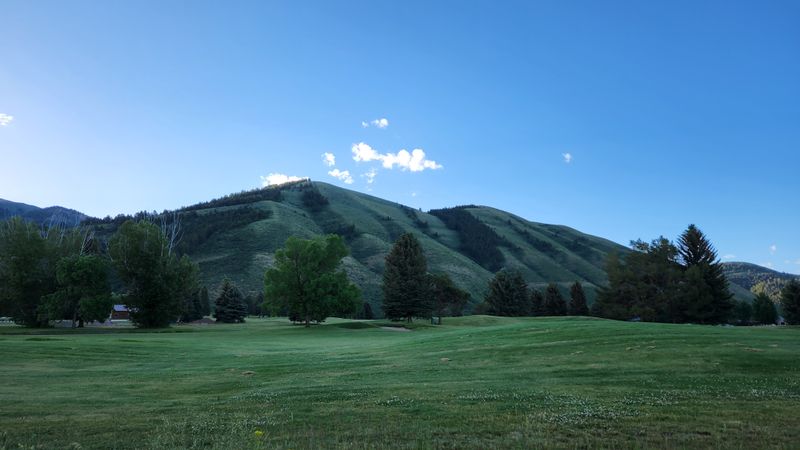
Afton claims fame for having the world’s largest elk antler arch spanning its main street, an impressive structure built from over 3,000 antlers naturally shed by elk.
Star Valley surrounds Afton with agricultural beauty and mountain scenery, creating a pastoral setting that feels removed from the busier tourist corridors elsewhere in Wyoming.
The Salt River flows through the valley, providing year-round beauty and winter recreation opportunities including ice fishing and scenic walks along frozen banks.
Periodic Spring, located in nearby Swift Creek Canyon, ranks as one of only three cold water geysers in the world, though winter access requires snowshoes or skis.
This natural phenomenon flows for about 18 minutes, then stops completely for a similar period, creating a mysterious cycle that has fascinated visitors for generations.
Afton maintains strong ties to its pioneer heritage, with many residents descended from families who settled the valley in the late 1800s.
The community celebrates winter with events that bring neighbors together, from holiday light displays to community dinners that welcome newcomers warmly.
Surrounding mountains offer snowmobiling and backcountry skiing for adventurous souls, with vast areas of public land providing endless exploration possibilities.
Main Street businesses reflect small-town values, where handshake deals still matter and reputation means everything in this close-knit community.
The valley’s agricultural character remains strong, with hay fields and ranches creating a working landscape that many Wyoming towns have lost to development.
Afton offers a glimpse into a Wyoming that feels increasingly rare, where community bonds remain strong and winter brings people together rather than driving them apart.
12. Ten Sleep
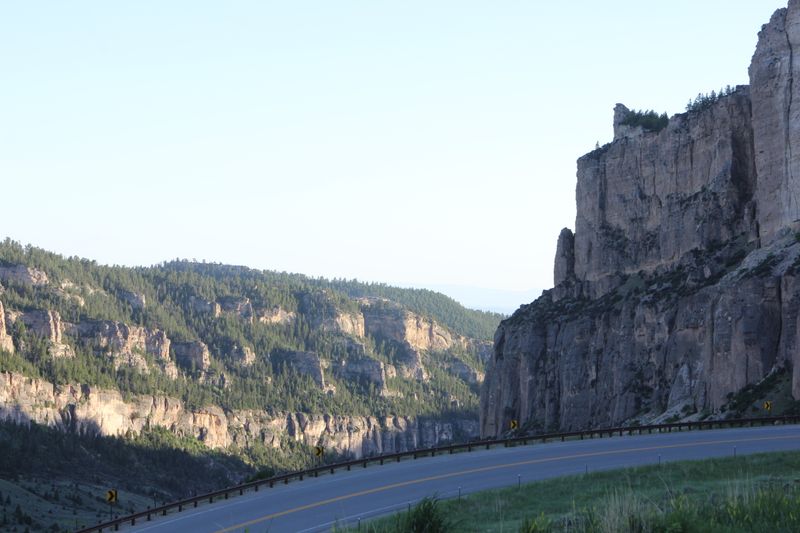
Ten Sleep earned its unusual name from Native American tradition, marking a location that was ten sleeps, or ten days’ journey, from various important landmarks in different directions.
This tiny town of fewer than 300 residents sits at the base of the Bighorn Mountains, where Ten Sleep Creek flows through a canyon of stunning red rock walls.
The canyon becomes a frozen wonderland in winter, with ice formations creating temporary sculptures that exist only during the coldest months.
Rock climbing enthusiasts know Ten Sleep Canyon as one of America’s premier climbing destinations, though winter shifts focus from climbing to ice appreciation.
The town itself consists of a few blocks of buildings that look like they haven’t changed much since the early 1900s, creating an authentic time capsule effect.
Local businesses include a general store that serves as a community gathering spot, where conversations range from weather predictions to shared memories.
Surrounding public lands provide endless opportunities for winter exploration, from snowshoeing to wildlife tracking in areas where humans rarely venture.
The Pioneer Museum preserves local history in a building that itself represents frontier architecture, with exhibits showing how settlers survived harsh winters in this isolated location.
Ten Sleep represents Wyoming at its most remote and authentic, where self-reliance remains a necessity rather than a lifestyle choice.
Winter isolation intensifies the town’s already quiet character, creating an atmosphere of profound peace that appeals to those seeking escape from modern chaos.
Visiting Ten Sleep feels like stepping back in time to an era when communities depended entirely on themselves and neighbors for survival and entertainment.
Dear Reader: This page may contain affiliate links which may earn a commission if you click through and make a purchase. Our independent journalism is not influenced by any advertiser or commercial initiative unless it is clearly marked as sponsored content. As travel products change, please be sure to reconfirm all details and stay up to date with current events to ensure a safe and successful trip.
