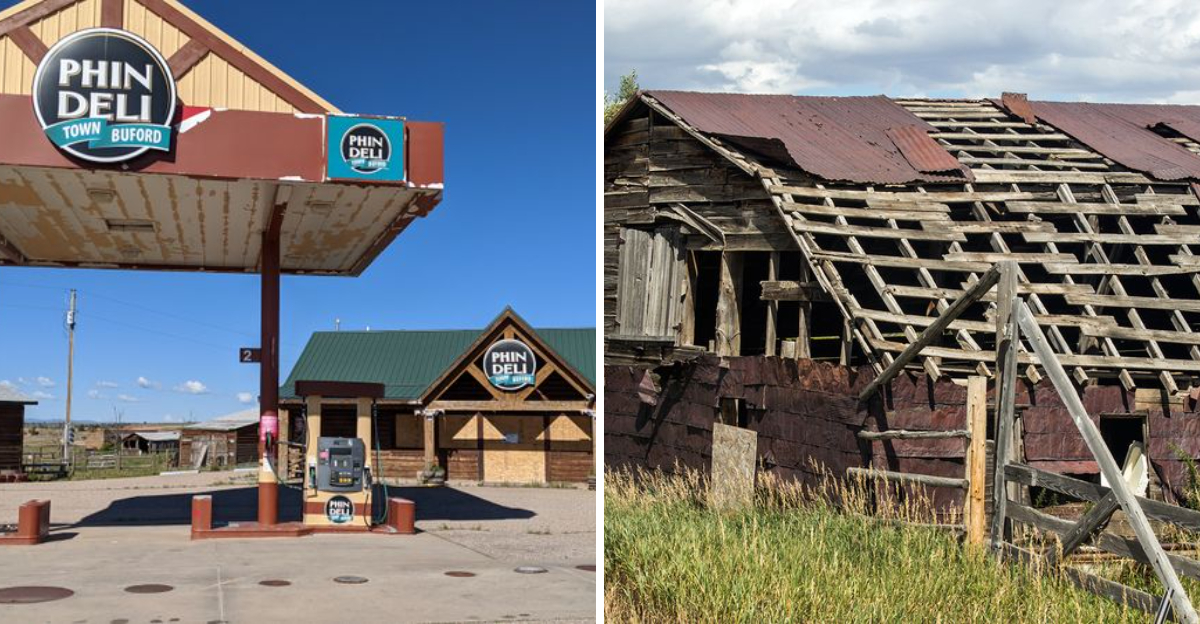
Buford, Wyoming may be tiny, but its story is larger than life. Once owned and inhabited by just one man, this quirky town became a roadside legend.
Travelers couldn’t resist stopping to snap photos and marvel at its unusual claim to fame.
With a gas station, a trading post, and a population sign that read ‘1,’ Buford turned solitude into spectacle.
Today, it remains a fascinating reminder that even the smallest dot on the map can make a big impression.
A mile-high stop with a zero population sign
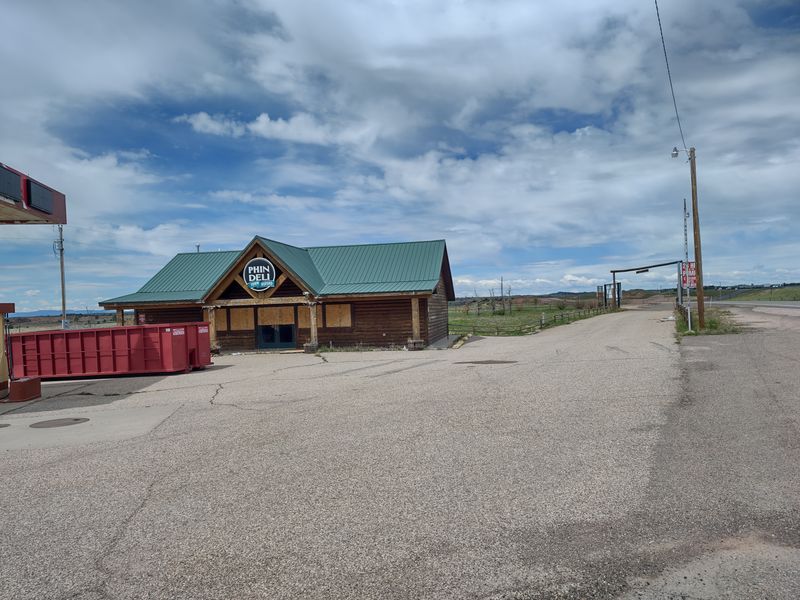
Buford sits along Interstate 80 between Cheyenne and Laramie, and it is one of those places that feels like a pause in time.
Drivers pull off the highway to stretch their legs, read the sign, and feel the wind that never seems to rest across the high plains.
You will notice the vast sky first, then the open land that frames the structures with a quiet that borders on theatrical.
Wyoming history often collects in small places, and Buford is a fine example of how a dot on the map can hold a large narrative.
The town rose with the railroad, evolved with the highway, and now stands as a waypoint where stories pass through more than they stay.
When you step out of your car here, the sound is mostly wind and distant traffic, with occasional bird calls tracing the fence lines.
Local maps mark it as an unincorporated community with no current residents, and that detail is part of its magnetic pull.
There is a sense that you are visiting a stage set after the actors have left, leaving props and scenery for your imagination to fill in.
The view stretches toward the Laramie Range, and light shifts quickly, painting the grasses and gravel with changing color.
If you linger, you start to notice small textures like weathered wood, faded paint, and stubborn tufts of sage.
Wyoming travelers use Buford as a mental milepost, a reminder that the West still keeps room for wide open margins.
It is easy to photograph because the composition builds itself, with low structures set against an enormous horizon that simplifies framing.
There are no crowds, which makes it a peaceful place to reset your road rhythm and breathe deep.
You will find thoughtful silence here, and that mood stays with you as you merge back onto the interstate.
Let the quiet guide your pace, and you will carry a little of Buford forward down the long Wyoming road.
The legend of the one-person town
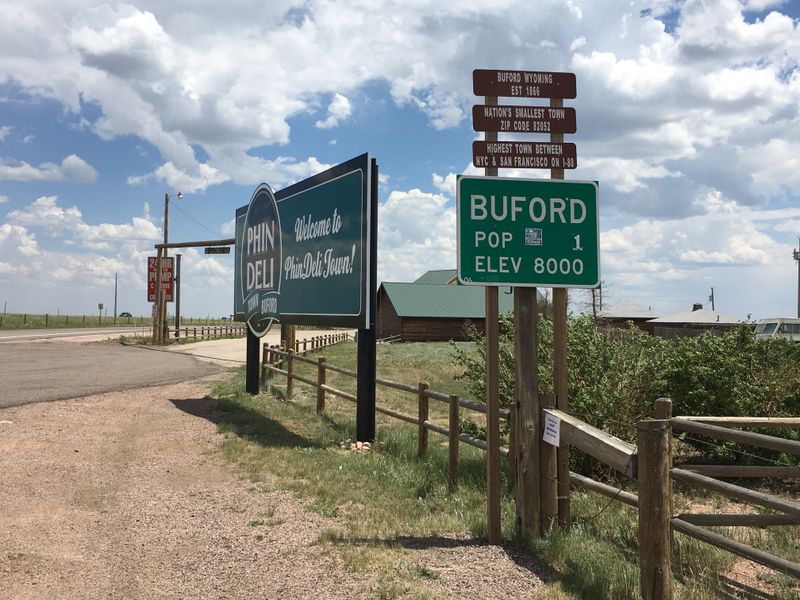
Buford became famous because it was once known as a one-person town, a detail that grabbed headlines across the country.
For nearly two decades, a single resident kept watch over the stop and welcomed travelers with directions and small talk.
News crews stopped in, filmed the sign, and marveled at the idea that a town could fit inside one daily routine.
That chapter closed in 2012 when the last resident moved away, and the census eventually reflected a population of zero.
The story lives on as part history and part legend, and road trippers still repeat it with a grin at gas stations.
You can stand by the old storefronts and imagine the rhythms, from unlocking in the morning to locking up as the light drained.
The mythmaking feels friendly rather than mysterious, like a campfire anecdote that grows a little with each retelling.
It is important to separate colorful retellings from confirmed facts, since some details circulate without clear documentation.
What remains beyond doubt is the setting itself, the prairie wind, the thin air near the crest of the continental interior.
Wyoming has many small places, yet this one earned a special place in collective memory because the number one feels astonishing.
Travelers often arrive curious and leave reflective, finding comfort in the idea that scale does not define significance.
You will likely share the tale with someone later, and that keeps the place alive even as its buildings sit quiet.
The legend continues to pull people off Interstate 80, where they look around and smile at the stubborn charm.
Consider it a human sized story set in a landscape that feels larger than life, which is a pleasing contrast.
That balance between tiny and huge is the real reason Buford still makes headlines long after the cameras moved on.
Railroad roots and wind-swept present
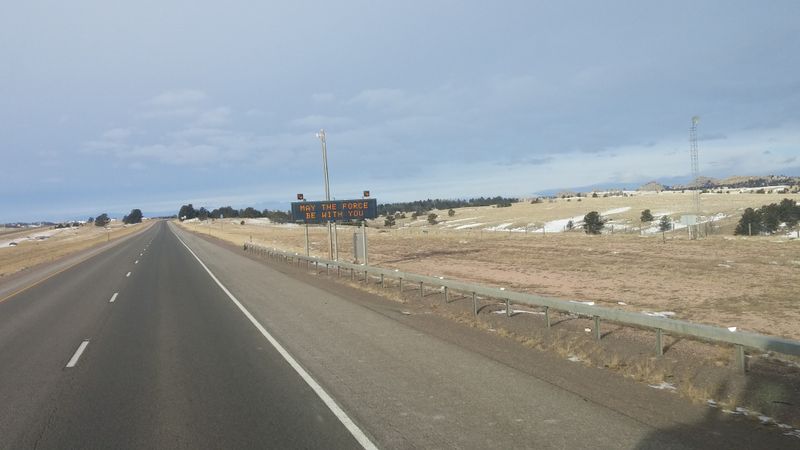
Buford began as a railroad siding in the late nineteenth century, riding the wave of transcontinental ambition across the plains.
Workers camped near the grade, and freight rolled past while crews cut ties, set spikes, and kept schedules on unforgiving timetables.
As train priorities shifted, the stop lost its urgency, and the highway era eventually cast it as a roadside pit stop.
Today the Union Pacific mainline still runs across southern Wyoming, though Buford itself functions more as a memory waypoint.
You can trace the historic flow by watching freight strings on distant rails while trucks hum steadily along Interstate 80.
The wind writes daily footnotes across the scene, bending grass and whistling through gaps in siding and fence wire.
That elemental soundtrack defines the present, reminding you that weather is the real superintendent in this corridor.
Snow squalls can sweep in quickly during winter, and summer storms build tall anvils that ignite dramatic sunsets.
If you plan a stop, check highway advisories and temperature swings, since elevation makes small changes feel bigger.
Wyoming travelers learn to respect wind warnings, and Buford offers a practical classroom in that regional discipline.
You will appreciate sturdy layers, eye protection, and a firm grip on car doors when gusts flex across the lot.
The railroad legacy pairs nicely with the minimalist present, creating an open air museum of movement and pause.
Stand still for a minute and listen for both eras, the steel rhythm of trains and the steady hiss of traffic.
That blend reveals how transportation corridors shape communities by sheer repetition and relentless momentum.
Buford captures the crossroads mood, inviting you to witness time passing in parallel tracks under an enormous sky.
Finding Buford on the open road
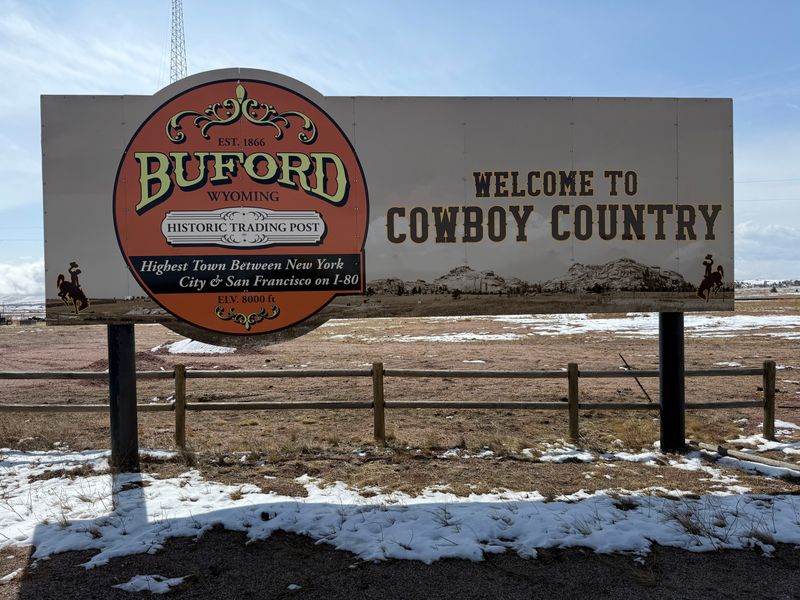
Reaching Buford is simple, because it sits directly off Interstate 80 between Cheyenne and Laramie with clear signage for exits.
The location rests near the crest of a broad ridge, which means weather can shift quicker than you expect during any season.
Cell coverage is present but variable, so download maps and pin the stop if you want offline confidence while driving.
You do not need a long detour to see the site, and parking is straightforward with space for cars and larger vehicles.
The scene is compact, making it easy to explore in a few minutes or stretch to a short walk along safe edges.
Keep a respectful distance from any closed buildings, since posted notices and barriers exist for safety and preservation.
Road shoulders can feel narrow when wind rises, so use designated pullouts rather than improvising along ramp curves.
Sunlight can be intense at elevation, which makes sunglasses and sunscreen surprisingly helpful even on cooler days.
You will want layers in spring and fall, as mornings start chilly and afternoons warm quickly when clouds part.
Wyoming road trips reward flexibility, and Buford fits naturally into a day that includes stops in Cheyenne or Laramie.
Check the Wyoming Department of Transportation updates for closures and watch for chain laws during deep winter events.
Restrooms and services are limited at the immediate site, so plan essentials at larger exits before or after your stop.
Photographers should arrive during golden hour for softer tones, wider shadows, and calmer traffic for safer compositions.
Patience helps when trucks surge by, creating brief blasts that settle fast back into a calm plateau hush.
Once you find the rhythm, the stop feels easy, and the open road beckons you onward with a refreshed mindset.
Elevation, climate, and the feel of the air
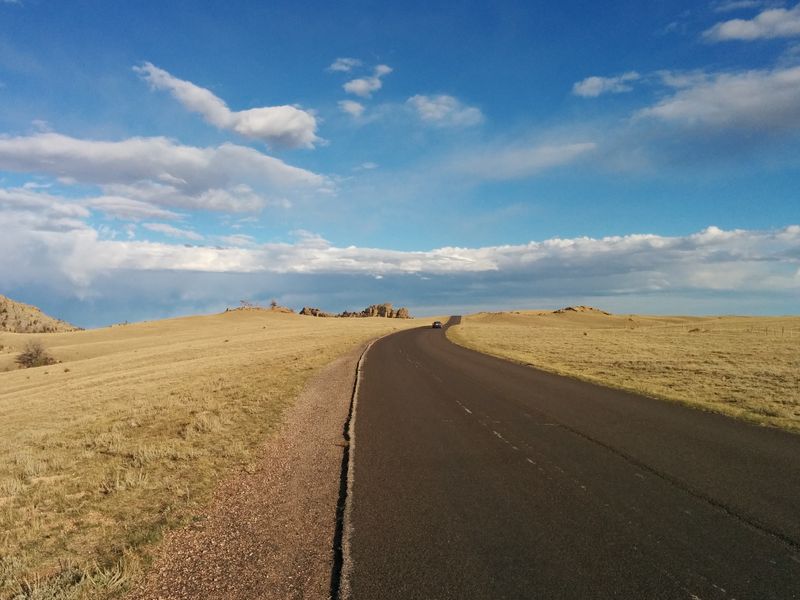
Buford sits high on the plains, and that elevation shapes the feeling of every breath you take when you step outside.
Air moves steadily across this ridge, and the breeze can swing from gentle to sharp within a few short minutes.
Skies open wide, which lets sunlight paint hard edges on buildings and clouds that look close enough to touch.
Winter brings cold that bites quickly, and snow can drift across lots even when accumulation looks modest at first.
Spring pushes back with longer days and sudden showers, leaving the ground smelling clean and the horizon freshly washed.
Summer is bright and deceptively dry, so water, hats, and sunscreen make every pause more comfortable and safe.
Autumn carries crisp mornings that invite slow walks, with grasses turning tawny and shadows stretching like ribbons.
The constant is wind, a companion that writes its presence in rattling signs and flapping straps on roof edges.
If you listen closely, you will hear tonal changes as gusts shift angles across corners and open gaps.
Wyoming weather forecasts deserve respect, since small shifts in the jet stream can deliver surprises with little preamble.
Drivers learn to steady the wheel and reduce speed when gusts build, especially near exposed cuts and overpasses.
The thin air also favors spectacular sunsets that bloom quickly and then fade into clean star fields after dark.
A clear night invites stargazing from safe pullouts, where you can watch satellites cruise across a deep blue dome.
Morning light feels sharp and energizing, which makes a quick stop here a fine reset before a longer highway run.
You will leave with wind-swept hair and a better sense of how elevation shapes daily life across southern Wyoming.
Photo spots and framing ideas
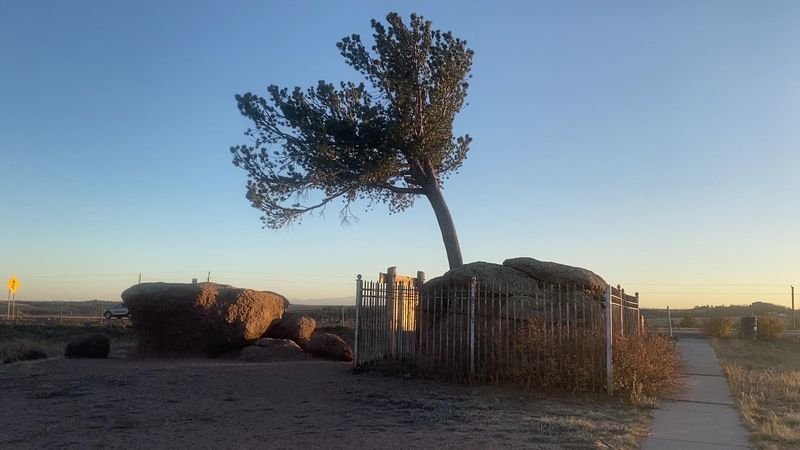
Photography in Buford rewards careful framing, because the geometry of low structures against an oversized sky invites clean lines.
Use the parking stripes as leading lines, and angle low to let the horizon slice the frame with bold simplicity.
Telephoto lenses compress the distance to the Laramie Range, while wides make the buildings feel small against towering clouds.
Golden hour brings warmth that hugs textures, and that light makes weathered wood and gravel pop without harsh contrast.
Cloudy days are not a loss, since soft light preserves shadow detail and keeps highlights from clipping on pale surfaces.
Always watch traffic flow and stay well inside safe areas, since wind and passing trucks can nudge stance and balance.
Tripods help in evening light, yet a sturdy handheld stance works when gusts might topple taller rigs.
Try a symmetrical shot centered on the main facade, then break symmetry with a corner angle to show depth and context.
Look for repeating patterns like fence rails, roof ribs, and gravel rakes, which create rhythm inside wide frames.
Wyoming skies often deliver fast changing cloud shapes, so time lapses can capture movement without leaving the lot.
Reflections after rain add interest, and shallow puddles offer mirror effects that double the sky in playful ways.
Consider black and white to emphasize tonal range, especially on days when color feels muted by haze or smoke.
Keep compositions simple, because the scene reads best when clutter disappears and subjects breathe in negative space.
Move slowly, check horizons, and adjust for level since sloping ground can trick your sense of balance while shooting.
You will leave with a small set of strong frames that tell a quiet story about scale, light, and wind.
Safety and road-wise etiquette
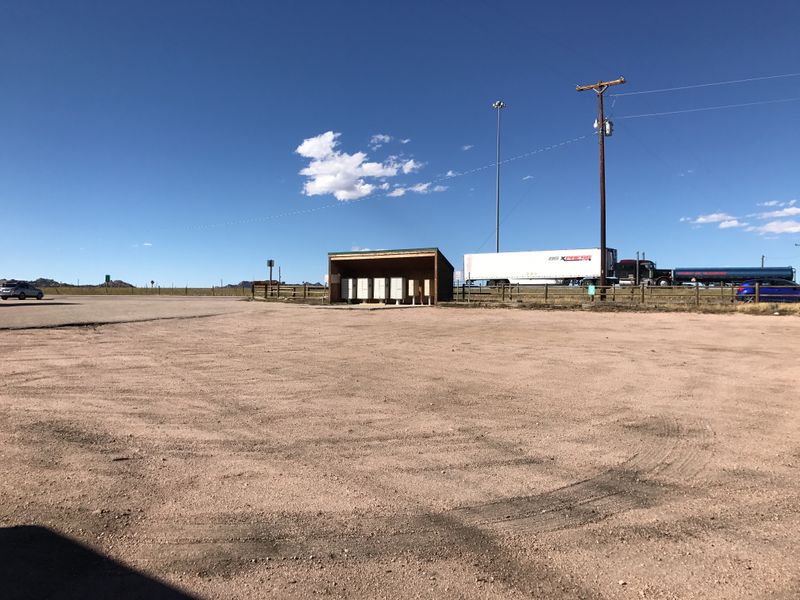
Buford is easy to access, yet safety should guide every step while you explore the compact roadside setting.
Park only in marked areas, and leave room for trucks and emergency vehicles that share the same limited space.
Keep doors controlled in wind, since sudden gusts can swing them wide and risk damage to hinges or nearby cars.
Watch footing on gravel and ice, which can hide slick patches or small holes that twist ankles without warning.
Never cross active lanes on foot, and use designated paths where available to maintain separation from traffic at speed.
Stay clear of closed structures and respect signage that indicates private areas or restricted maintenance zones.
Carry water and layers, because elevation and sun can amplify fatigue faster than expected during short outdoor stops.
Let someone know your route during winter, as brief storms can reduce visibility and complicate quick returns to the car.
Headlamps or reflective vests improve visibility at dusk if you step outside the vehicle for any reason.
Wyoming troopers patrol the corridor, and cooperative driving helps everyone reach their destinations without delay.
Slowly reenter the highway, use signals early, and wait for a comfortable gap rather than forcing a merge.
Keep pets leashed, since wildlife scents and noise can tempt quick dashes beyond the safe margin of the lot.
Mind your trash and pack out anything you bring, because winds scatter litter quickly across open prairie.
Photographers should avoid standing on berm crests during gusts, which can nudge balance toward unsafe edges.
Simple habits like patience and awareness turn a brief stop in Buford into a calm and memorable experience.
Nearby day plans from Cheyenne or Laramie
Buford works nicely as a waypoint for a day that begins in Cheyenne and arcs through the high plains toward Laramie.
You can start with museums in the morning, drive west for a scenic pause in Buford, and finish with a campus stroll.
Reverse the loop if you want afternoon light in Buford, which bathes the buildings and grasses in warm color.
Cheyenne offers year round attractions and seasonal events that pair well with a simple outdoor stop halfway through.
Laramie features historic streets and public art, giving you an easy contrast to the quiet minimalism of Buford.
Pack snacks and water since services are sparse in between, and plan restroom breaks at larger exits along the way.
Winter routes may require extra time, and chain laws can appear during heavy storms on this elevated corridor.
Sunny days reward patience with sweeping views that stretch across the Laramie Range and the open plains beyond.
Keep your camera handy and your layers close, because conditions can swing from brisk to warm over an hour.
Wyoming road culture values preparedness, and a small kit with gloves and a flashlight makes every plan smoother.
Families appreciate the short drive times, which fit naps and photo breaks without testing the patience of young travelers.
Look for pullouts with safe sightlines before stopping, and always signal well ahead of your intended exit.
Music pairs well with the open scene, and scenic playlists seem to echo across the wide bowl of the sky.
By evening you will have a set of memories, a handful of photos, and a calmer pace for the next stretch.
That simplicity is the charm, and Buford slots perfectly into a day trip that balances motion with stillness.
Responsible visits and respectful storytelling
Visiting Buford is about appreciating a place with a delicate footprint, and that starts with a light touch.
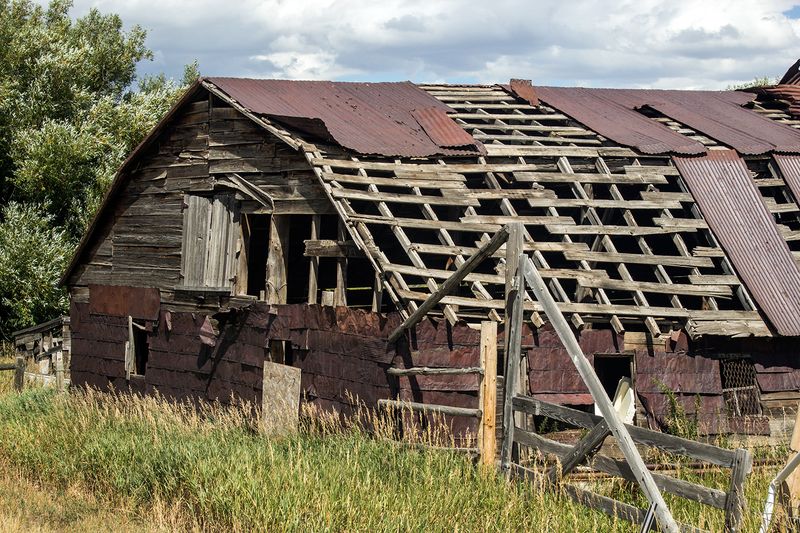
Stay on durable surfaces, keep distance from closed doors and windows, and avoid leaning on weathered structures.
Leave what you find, including loose hardware or old signs, because small removals add up quickly over years.
Share the story carefully, since legends and rumors can blur with facts when repeated without context or sources.
If you pass along local lore, label it clearly as a story rather than evidence, and let listeners decide its weight.
Photographers can help by excluding sensitive details that invite trespass or vandalism, focusing instead on wider scenes.
That approach protects the location while still offering a sense of place that feels honest and generous.
Respect extends to wildlife, which may pass through quietly at dawn and dusk along the edges of the lot.
Give animals room, keep food sealed, and enjoy sightings without altering their routes or rhythms.
Wyoming travel ethics center on stewardship, and small actions here echo across many miles of open land.
When you post about the stop, include practical context like weather readiness and safe parking etiquette.
Offer directions in general terms rather than step by step paths to specific doors or unsecured corners.
The goal is to celebrate the mood without encouraging behavior that strains a fragile setting.
You will feel good knowing your visit leaves no trace beyond footprints that the wind erases.
That care keeps Buford welcoming, and it honors a story that still draws people from far away.
What to expect in 2025
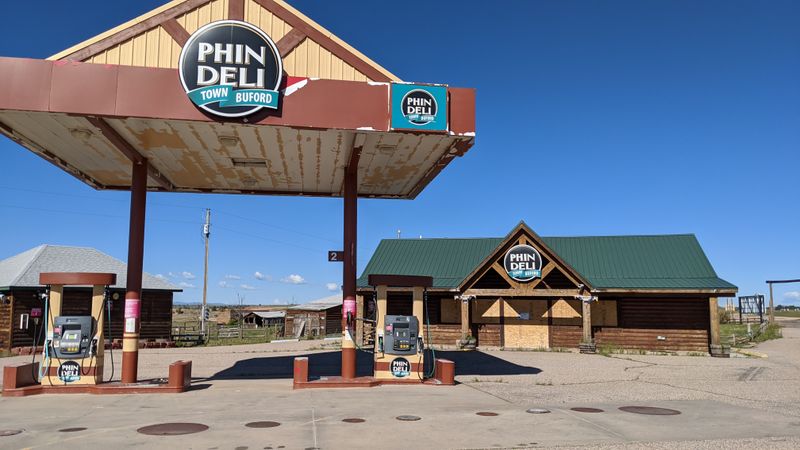
As of 2025, Buford remains a quiet roadside stop with limited services and a steady stream of curious travelers.
Do not expect a full service plaza, since operations have shifted over time and the site functions primarily as a waypoint.
Road conditions, hours for any open facilities, and access can vary seasonally, so check recent traveler reports.
The surrounding landscape stays the star, with long sightlines, constant wind, and the kind of silence that calms.
Smartphones work on most days, yet speeds can dip, which makes offline maps a helpful backup for navigation.
Restrooms may not always be available on site, so plan ahead at nearby exits in either direction along Interstate 80.
Parking remains straightforward for short stops, but you should avoid lingering during poor visibility or heavy snow.
Maintenance crews appear periodically, and giving them space keeps everything safe and efficient for passing drivers.
Interpretive signage is minimal, so a quick search before arrival adds context that makes the visit more meaningful.
Wyoming continues to promote safe travel across this corridor, and alerts provide timely guidance during storms.
Bring patience for weather shifts and an appreciation for simple scenes that feel larger than their footprint.
If you collect roadside places, this one stands out for its blend of lore and a setting that feels elemental.
You can photograph the exterior angles, watch clouds march east, and note how fast shadows race across gravel.
The mood leans peaceful most days, although truck traffic adds a rhythmic backdrop that keeps time.
Expect a brief, grounding pause that reminds you why the open road in Wyoming still feels wonderfully free.
Dear Reader: This page may contain affiliate links which may earn a commission if you click through and make a purchase. Our independent journalism is not influenced by any advertiser or commercial initiative unless it is clearly marked as sponsored content. As travel products change, please be sure to reconfirm all details and stay up to date with current events to ensure a safe and successful trip.
