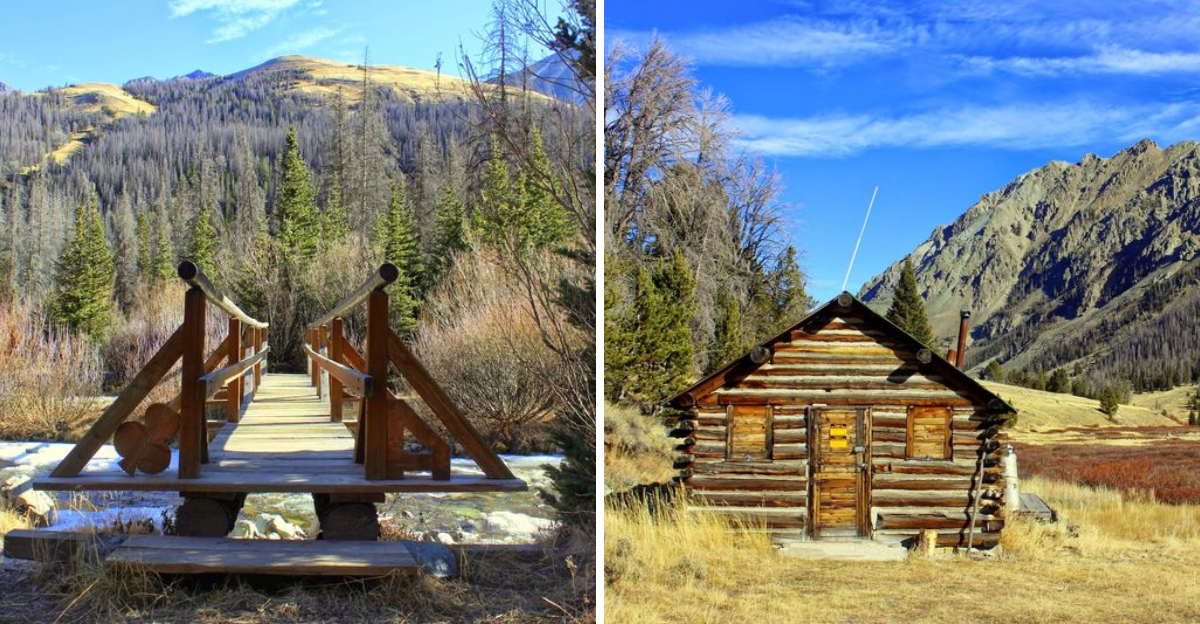
Wind slices through the high valley as the ruins of Kirwin sit quiet against the Absaroka crest, their weathered timbers holding the last warmth of the sun like coals fading in a stove.
You arrive by a rough road that climbs from the Greybull River, and the change is immediate, with Wyoming’s big sky opening into a bowl of peaks and tumbled scree.
The townsite feels paused rather than abandoned, the kind of silence that seems to listen back while you step between foundations and collapsed cabins.
If you crave a place where history has not been polished smooth, this forgotten corner of Wyoming meets you with raw edges, clean air, and the steady hush of mountain wind.
A valley framed by stone and sky
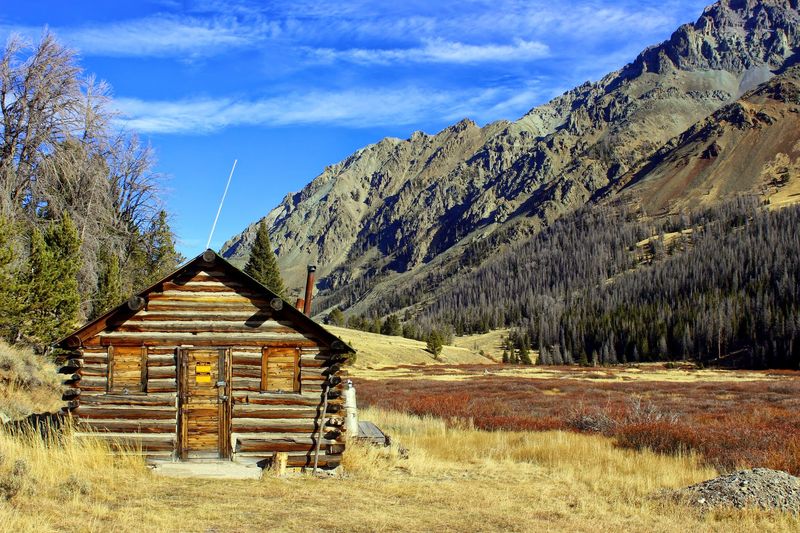
The first impression at Kirwin is the way the valley narrows until rock and sky nearly touch.
Peaks guard the townsite like quiet sentries, their slopes stitched with talus and lingering patches of summer snow.
It feels remote because it is, and the silence arrives before you notice the last cell signal slipping away.
The Greybull River curls below the benches where buildings once stood, and its sound becomes a map you follow by ear.
Lodgepole and spruce edge the flats, giving flashes of shade that carry the cool smell of resin.
Underfoot, you find iron fragments, tinned lids, and square nails that once held roofs through biting Wyoming winters.
Light changes fast here, sliding along cribbed walls and stacks of lumber left to weather into gray.
Clouds travel low, and their shadows fold and unfold across the empty main street like a slow tide.
Every view invites a pause, then another, until the day moves as gradually as the river.
Even in summer the air feels high and clean, with a taste of stone and snow.
Ravens ride the thermals above the ridge and speak in harsh notes that suit the scene.
The town becomes a landscape more than a settlement, a frame that holds sky and memory together.
The rough road ends here but the sense of space continues past the last cabin.
Stand still at midday and you can hear sawtimber creak in the heat.
Stand again at evening and the temperature falls like a pulled curtain.
Echoes of a mining camp
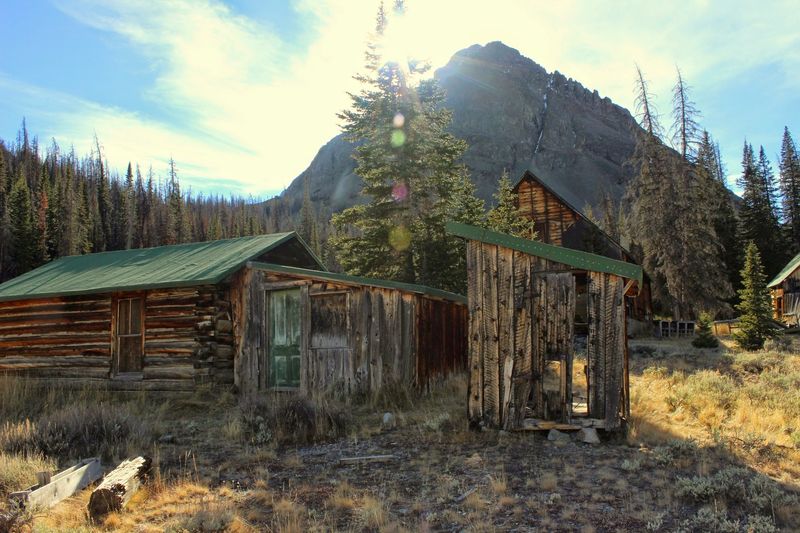
Kirwin began as a mining camp, and the traces make that plain without a signboard in sight.
Stone foundations sit square to the grade, as if waiting for timber that will not come.
Ore bins gape like open mouths above the slope where wagons once rolled to the river road.
Tails of tramway cable hide in grass, thin as rope burned by weather and time.
You can pick out the stamp mill site by the level pad and scattered metal ribs.
Rails are gone, and yet the alignment remains visible in the bent line of the hillside.
Every nail head and stove plate feels like a sentence clipped short by winter.
There is no museum here, only the artifacts exactly where they fell or were left.
Respect the ground and you see the story better, with nothing rearranged for a photograph.
The quiet helps your eye adjust to the scale of work done with hand tools.
It is easy to imagine the clang of a hammer, then the echo dissolves into wind.
The camp’s rise and retreat live side by side in these bones of industry.
Wyoming’s mining history often hides in timber, snowfields, and scree, and this is a prime example.
The place holds the tension between ambition and the mountain’s refusal to be tamed.
You leave with dust on your boots and a clearer sense of how quickly plans can fade.
Cabins weathered to silver
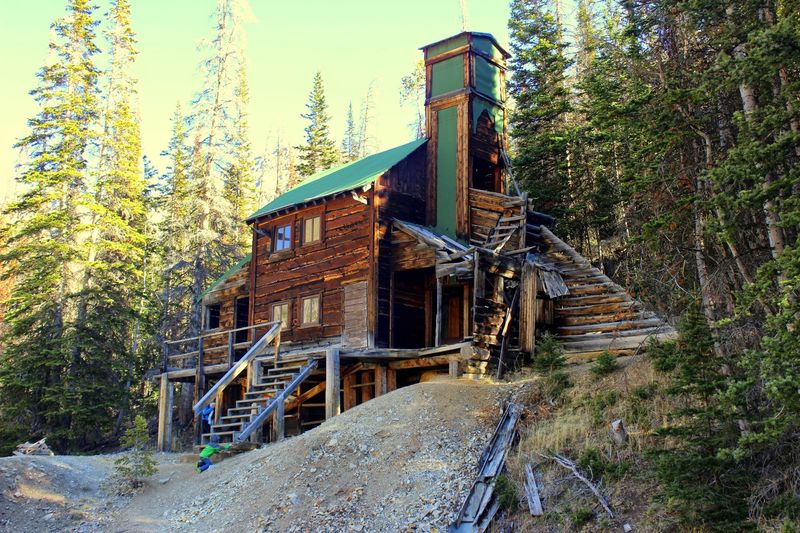
Cabins at Kirwin have turned the color of old coins, their grain lifted into ripples by long winters.
Doorways lean a few degrees off square, a pose that gives each structure a tired charm.
Broken windows frame the ridges beyond like rough wooden picture frames hung by the wind.
Some roofs rest on the ground where their walls used to stand, shingles feathered into the grass.
Nails line up along splintered boards, the only straight lines left in the architecture.
The interiors are bare, save for a few stove rings pressed into soot black floors.
Light drifts through gaps in the siding and paints moving stripes across the emptiness.
One cabin sits lower in the meadow, its porch steps sinking into sage and yarrow.
Another perches against a pile of tailings, as if it never decided between work and shelter.
Each one faces the weather with the same quiet patience seen across rural Wyoming.
Standing just outside the thresholds keeps the site whole and the danger low.
Wood fibers snap softly when touched, a reminder to admire but not disturb.
Photographs come easy here, especially when thin clouds act as a giant soft box.
In evening, the cabins take on a pewter shine that matches the surrounding peaks.
They feel less abandoned than retired, watching the valley settle into night.
The Greybull River is the only steady voice in Kirwin, and it speaks in cold syllables.
Water folds over cobbles and braids along shallows shaded by willow and spruce.
Across the flats you hear it before you see the glint between the grasses.
Traces of old fords mark spots where wagons crossed when the banks ran low.
In spring the flow pushes hard and paints fresh lines in the sandbars.
Midsummer brings clarity that shows trout moving like shadows under ripples.
You can walk the bench above the river and feel its chill rise with each gust.
Along the banks, tracks tell their own guidebook, with deer slots and small prints.
This water carried freight, stories, and the weight of ore on its way down valley.
Kneeling to touch it sets the scale of the place against your own pulse.
Wyoming rivers have a sober honesty, and the Greybull wears it without show.
The sound builds at bends where fallen logs split the current into a fan.
Late light turns the surface metallic, as if the valley remembers the mines.
When wind drops, the quiet seems stitched to the water’s gentle hiss.
You leave the bank with damp cuffs and a calmer pace for walking.
Weather as the main character
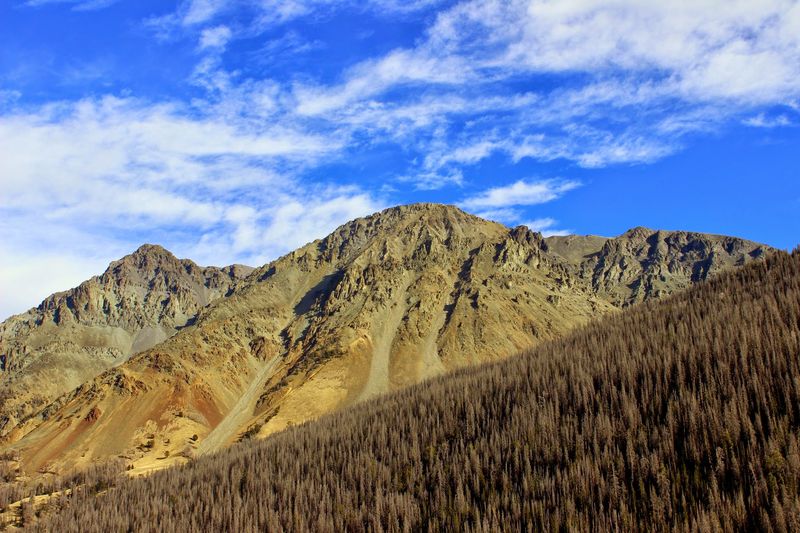
Kirwin lives at elevation where weather decides how your day goes and how it ends.
Skies look friendly at breakfast and stern by noon, then kind again toward evening.
Clouds roll off the Absarokas in scalloped ranks that carry grit and sudden chill.
Sunlight can feel close enough to touch even as wind tugs at your hat.
Short bursts of rain arrive like quick conversations that end before you answer.
When storms build, thunder walks the ridges and gives the whole valley a drumline.
The cabins answer with soft rattles as boards adjust to the pressure change.
A jacket earns its space in the pack, even on clear days that seem settled.
Wyoming weather has a way of testing plans without apology or bravado.
Reading the sky becomes an easy habit once you have been caught once.
Shadows lengthen early behind the hills, and temperatures follow them down.
The river lifts mist after rain and wraps the flats in a thin shawl.
Even snow can appear in the shoulder seasons, quick and quiet and gone.
You learn to move with the conditions rather than against them.
That rhythm makes the valley feel more welcoming than harsh.
The approach to Kirwin is part of its story, and the road asks for patience and awareness.
It follows the Greybull upstream, trading smooth stretches for ruts and stone.
High clearance becomes helpful, and slow driving protects both you and the roadbed.
The climb pulls you through sagebrush country into thicker timber with each turn.
Views widen and close again, like curtains moving across mountain windows.
Pullouts appear where old workings left space, and they make good places to breathe.
You feel the present thin out as the townsite draws near and the last fences end.
No services wait at the end, which keeps the visit quiet and focused.
A paper map still proves its worth when signals vanish behind ridges.
Wyoming travel often means self reliance, and this road illustrates the point clearly.
Carry layers, water, and respect for private land along the way.
Gate etiquette matters where access crosses ranch country before climbing.
By the final mile, the valley holds you in a calm that rewards care.
Arriving feels earned, which matches the history scattered across the flats.
Leaving takes longer because the view insists on one last stop.
Seasonal moods in a high valley
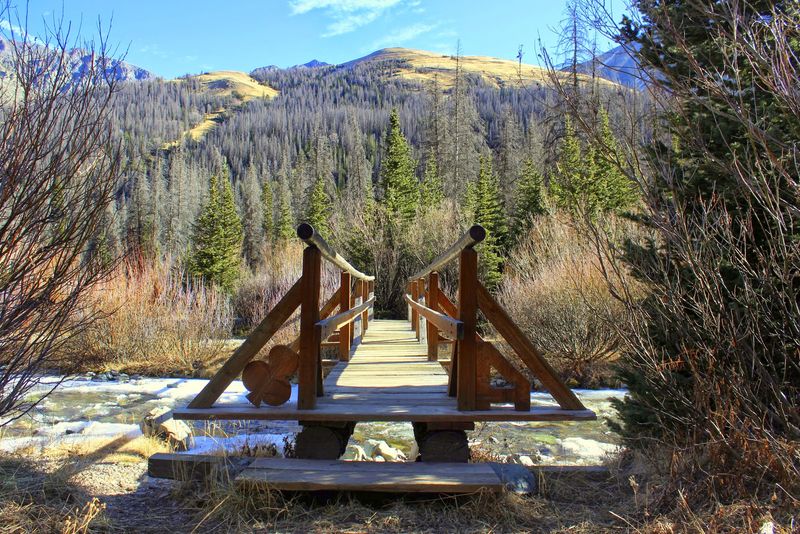
Kirwin changes character with the seasons in ways that shape how you experience its quiet.
Early summer brings wildflowers to the meadows and fresh scent from wet timber.
Snow lingers in shadowed cuts, and crossings run louder and colder.
Midseason warms the valley, yet nights stay crisp enough for a heavy layer.
Storms wander through, short and lively, leaving clean air and bright stones.
Late season tilts the light toward amber and pulls longer shadows from the cabins.
Grass turns the color of straw and the hillsides look more sculpted.
Wind picks up edges and carries the first flavors of frost.
Winter access is limited and demands knowledge, skill, and the right equipment.
The town rests under drifts that make new shapes from familiar lines.
Each visit rewards an unhurried pace that fits the mountain tempo.
Wyoming’s high country always asks you to read conditions with care.
Bring warm hands and dry socks, no matter what the forecast claims.
Sunrise and sunset pay off with color that travels fast across the stone.
Every season frames the same story in a different light.
The valley around Kirwin belongs to the animals as much as to the wind and the river.
You notice sign first, with tracks pressed into damp soil near seeps and crossings.
Birds patrol the ridgelines, and their calls carry farther than you expect in thin air.
Ground squirrels give quick alarms that ripple through the grass like tossed pebbles.
Along the creek, shapes vanish before you name them, which is part of the privilege.
Distance is the rule here, and it keeps both parties calm and healthy.
Binoculars earn their place for quiet observation from a respectful range.
Color blends with rock and brush so completely that patience becomes your best skill.
Wyoming’s high basins support more life than a quick pass suggests.
Early and late hours often reveal movement that midday hides.
Leaving no trace helps the valley remain a refuge rather than a stage.
Food stays sealed, and scraps leave with you the same day.
Paths follow durable surfaces to protect the thin alpine soils.
The result is a visit that feels more like sharing space than claiming it.
That mindset fits the measured quiet of Kirwin perfectly.
Reading ruins with care and context
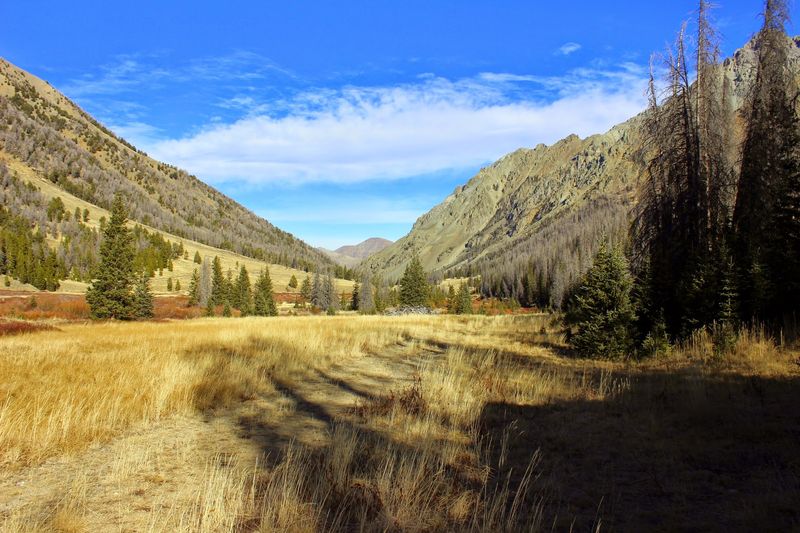
Exploring Kirwin means listening for context that has no signs, guides, or tour times.
Old boards deserve a light step and watchful eyes so they can last longer for others.
Walls tilt and nails stand proud, which makes a slow pace both safer and kinder.
Photography becomes better when you move softly and frame without climbing.
Pockets stay empty of souvenirs so the town does not shrink piece by piece.
Notes and sketches turn into memories that carry more than objects ever could.
Reading the site gets easier when you match materials to their purposes.
Metal near flat pads often marks work areas rather than homes.
Domestic fragments appear where ground is level with nearby water and light.
The big views make a fine backdrop, but the small details hold the narrative.
Wyoming protects places like this best when visitors act as quiet partners.
Gates close as found and footprints stay on firm ground where possible.
Even brief visits can support local stewardship by preventing damage that accumulates.
Leaving with nothing but photographs keeps the story intact for the next arrival.
That care makes your time in Kirwin feel fuller and more grounded.
The drive away from Kirwin opens the valley again, and the world returns in stages.
Cabins shrink to silver marks while the river keeps speaking behind the trees.
Gravel pops under tires like punctuation that closes a chapter without hurry.
Dust hangs briefly in the mirrors and then dissolves into clean air.
You carry the stillness with you longer than expected, the way cold lingers in stone.
Each bend frames the mountains differently and tempts another stop for one last look.
The road eventually finds sage again, and color shifts toward softer greens and browns.
Hawks trade places with ravens along the wind lines over the benches.
Small towns down valley feel busier after the hush of the high basin.
Wyoming’s scale makes departures feel like gentle launches rather than endings.
The memory that stays is not a single cabin or foundation.
It is the whole, made of weather, rock, water, and the careful way you moved.
Time did not forget Kirwin so much as leave it to keep its own pace.
You leave tuned to that rhythm and a little more patient on the way home.
The sky seems bigger after the lesson.
Dear Reader: This page may contain affiliate links which may earn a commission if you click through and make a purchase. Our independent journalism is not influenced by any advertiser or commercial initiative unless it is clearly marked as sponsored content. As travel products change, please be sure to reconfirm all details and stay up to date with current events to ensure a safe and successful trip.
