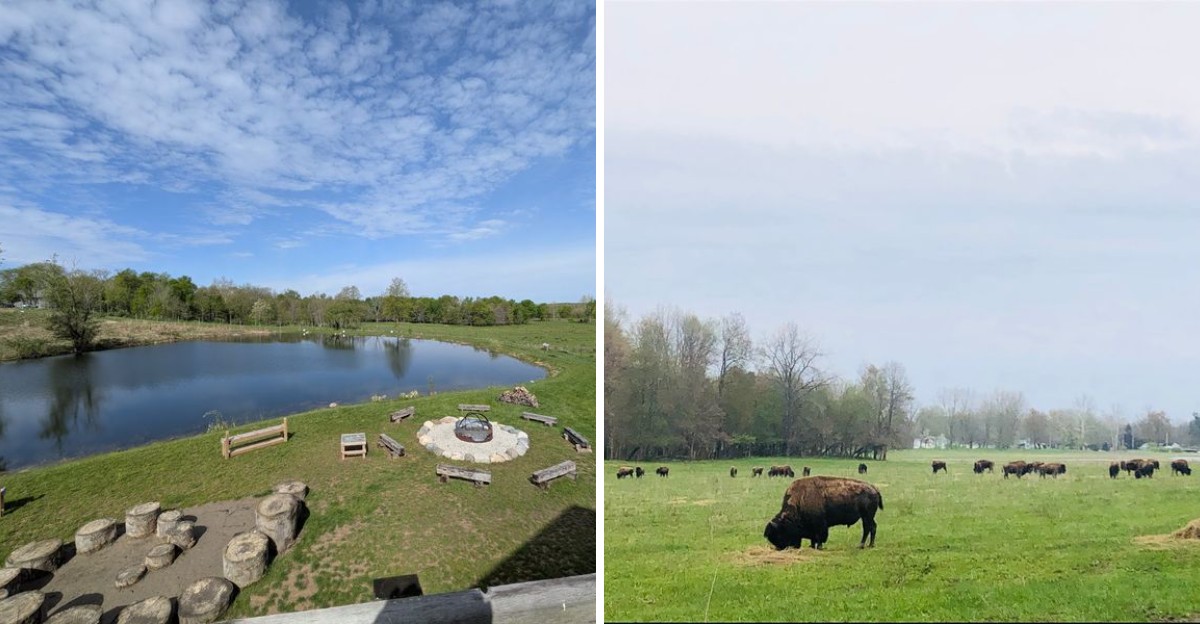
A bison has a very different idea of personal space. Fortunately, the bus does too.
That is what makes this Indiana safari so much fun. Visitors ride along the enclosure while a herd of American bison grazes nearby.
Calves stick close to their mothers. Elk wander across the property.
Hawks circle above. The park covers 200 acres.
It is not just a bison stop either. Nearly five miles of trails run through prairie, forest, and wetland.
Wildflowers change with the seasons. An ancient sand dune adds an unexpected bit of geology.
And somehow, this whole wild-looking landscape sits less than half an hour from Fort Wayne. No ranch.
No western road trip. Just one very unexpected afternoon.
Bison Roaming Free Right in the Middle of Indiana
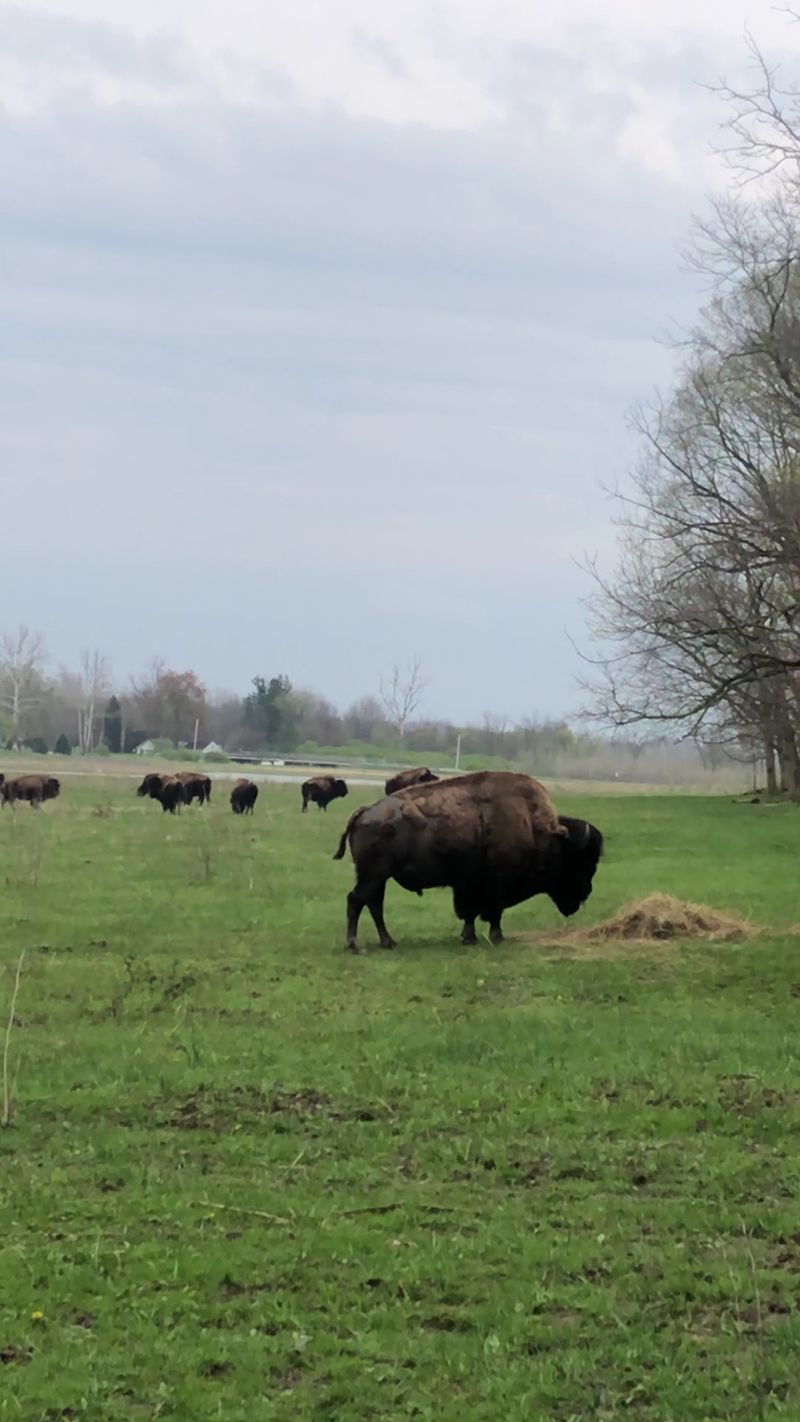
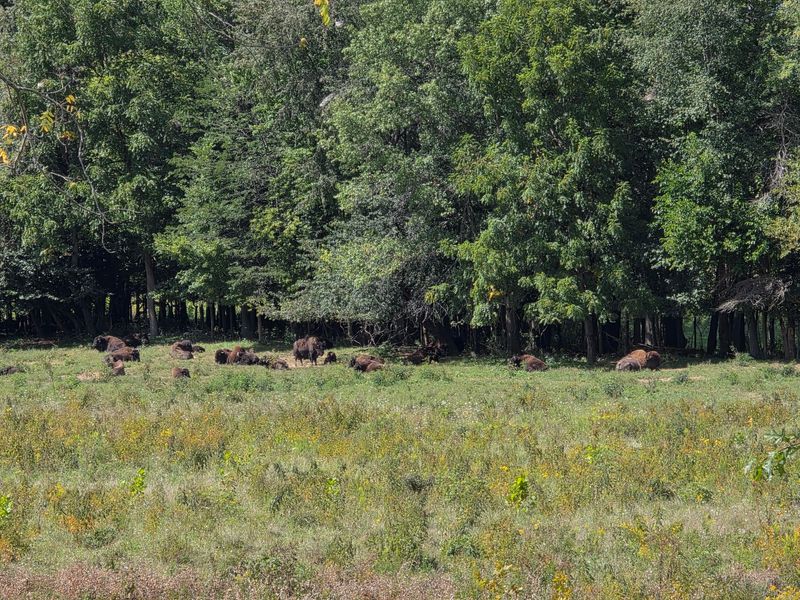
Most people picture Yellowstone when they think of bison, not a county road in northeast Indiana. Yet the herd at LC Nature Park moves across restored prairie with the same slow, heavy confidence.
Big shoulders. Dust clouds.
Deep, rumbling grunts that carry farther than expected.
The park sits at 9744 Aboite Road, Roanoke, Indiana 46783, and the bison share their enclosure with a herd of elk, another species that once shaped this land before disappearing from the state. Seeing both together makes the prairie feel complete again, the way it might have looked generations ago.
Bison are not decoration here. Their hooves break up compacted soil, which lets native seeds take hold, and their grazing creates patchy grassland that birds and insects depend on.
Ecologists call them a keystone species, meaning the whole system leans on them. Watching a two-thousand-pound animal casually rototill a field with its feet puts that idea into perspective fast.
Calves show up in spring, reddish and wobbly, and they tend to stick close to the adults. Late summer brings louder behavior as the herd grows more active.
Fall and winter shift the mood again, with thick coats and frosted breath against brown grass. Each visit lands differently depending on the month, which is a good excuse to come back more than once.
The Safari Bus Gets Closer Than Any Trail Can
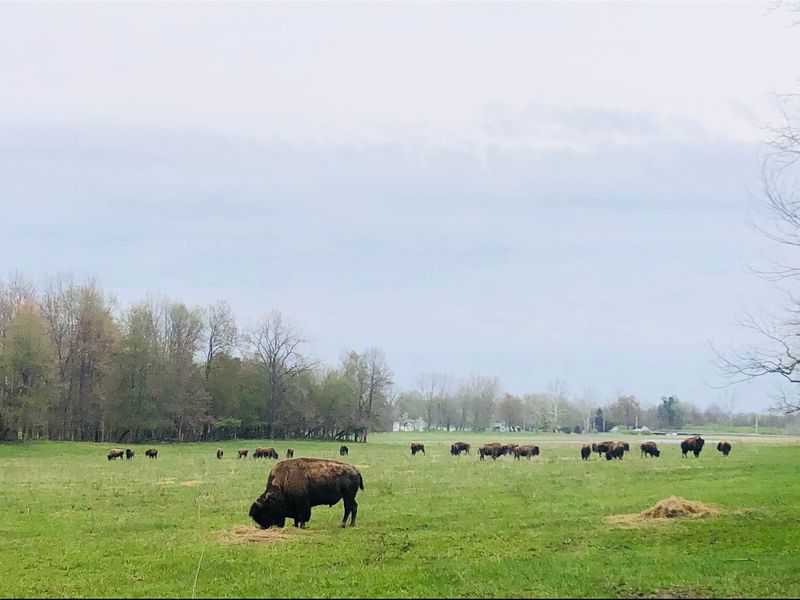
Trails are great, but the safari bus is where the park shows off. The route loops the entire perimeter of the enclosure, reaching stretches of prairie that hikers never see.
Guides ride along and explain what the herds are doing and why, which turns casual animal watching into something closer to a field lesson.
Questions get answered on the spot. Why are the bison rolling in that dirt patch?
What is that elk bugling about? How does the park decide herd size?
The pace stays relaxed, with plenty of pauses when animals drift near the fence line. Cameras get busy during those moments, and phones held up against the window rarely do the scale justice.
Tickets need to be reserved at least 24 hours ahead, so this is not a spur-of-the-moment stop. A little planning goes a long way, especially on weekends when spots fill up.
Dress for the weather, since prairie wind does not care about the forecast in town. Binoculars help, though the bus usually gets close enough that they are optional.
What makes the ride memorable is not just proximity. Rolling slowly through open grassland while a guide describes how the ecosystem knits together gives the whole landscape context, and the herds stop looking like attractions and start looking like residents doing their jobs.
Ground With a Long Memory
Land carries stories, and this particular stretch holds several. During the late 1800s, the acreage served as a reserve for the Myaamia, also known as the Miami tribe, whose presence shaped this region of Indiana long before farms and highways arrived.
Knowing that changes how the grassland feels underfoot.
Restoration work continues today, focused on water quality, healthier soil, and native plant communities that had mostly vanished from the area. Progress here is measured in seasons rather than weeks, which suits a prairie perfectly.
The bison and elk are part of that work. Grazing patterns keep aggressive invasive plants in check, while heavy hooves press seeds into the earth and open bare spots where wildflowers can start over.
Elk browse differently than bison, nibbling shrubs and young growth, so the two species together create a more varied landscape than either could alone. That variety is exactly what songbirds, pollinators, and small mammals need.
Nutrient cycling improves too, since droppings feed the soil and support the insect life that feeds everything else.
Visitors walking the trails are essentially watching a repair project in progress. Some sections look lush and established, others still rough around the edges, and that honest mix makes the whole place feel real rather than staged.
Five Miles of Trails, Plus an Ancient Sand Dune
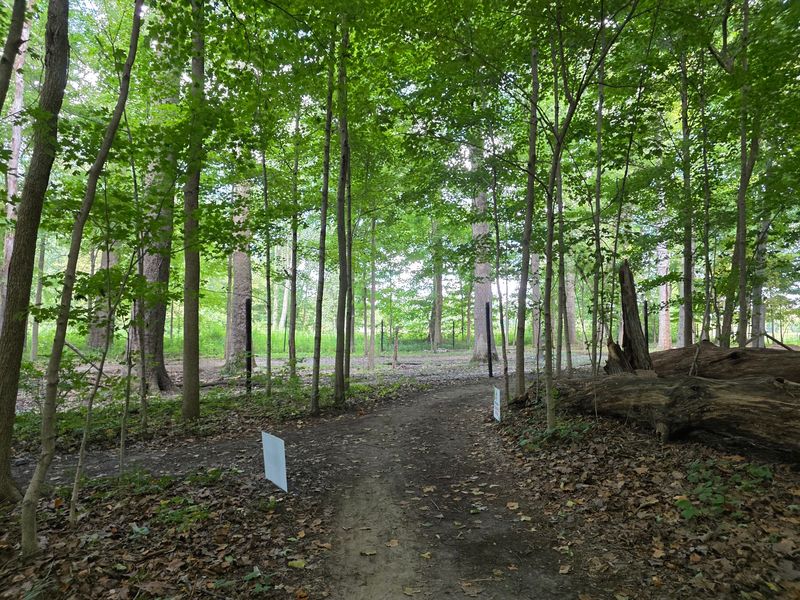
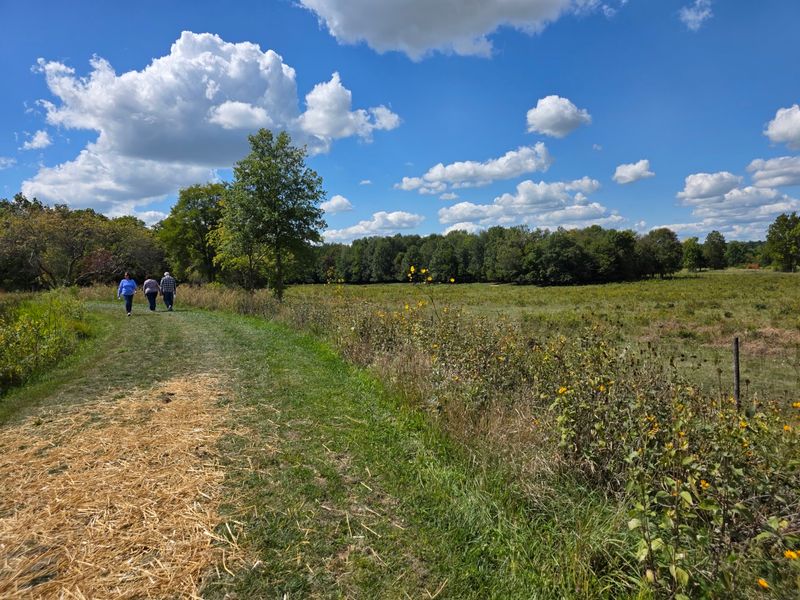
Forest, prairie, wetland, and an ancient sand dune sit within the same 200-acre property, which is an unusual combination for the Midwest. Nearly five miles of trails connect them.
The dune is the surprise. A leftover from a much older geological chapter, it supports plants that prefer dry, sandy footing and looks nothing like the grassland around it.
Trail walking here rewards slow attention. Bird calls shift noticeably when the path leaves shade and enters open grass, and the plant list changes right along with them.
Spring brings ephemeral woodland blooms, including trillium, which the park celebrates with its own festival. Summer belongs to tall grasses and coneflowers, while autumn turns the prairie into a wash of copper and gold.
Winter strips everything back and makes tracks in snow easy to read.
Sturdy shoes matter more than fancy gear, and wetland sections can hold moisture after rain. Water and bug spray earn their place in a backpack during warmer months.
Benches and quiet overlooks show up at useful intervals, so there is no pressure to power through. Families with small kids can stick to shorter loops without missing much, since even the easiest paths pass through more than one habitat.
Bring patience, and the smaller residents start showing themselves.
Where Kids Learn Nature by Touching It
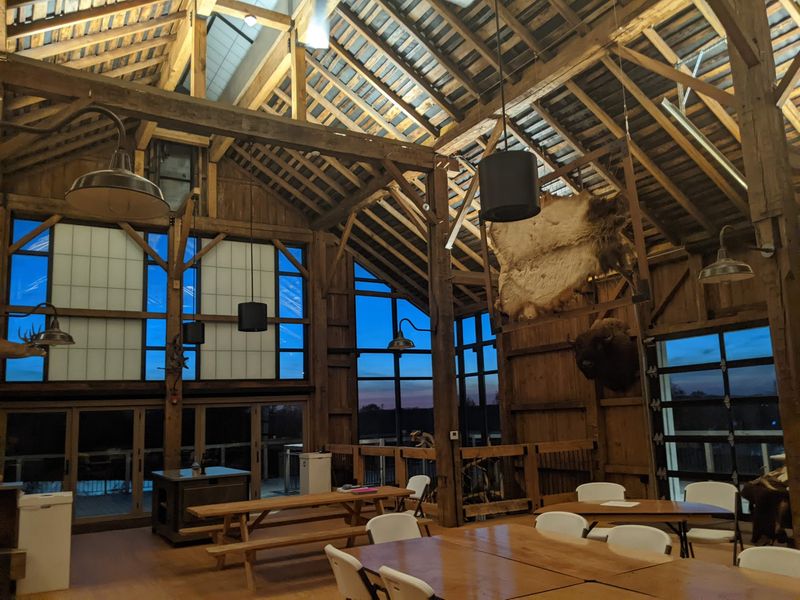
A renovated century-old barn anchors the education side of the park, and it has been outfitted with a teaching kitchen, a rainwater lab, and exhibit space. Old beams overhead, modern equipment below.
School field trips use the property as an outdoor classroom, where students track ecosystems and observe native wildlife instead of reading about it. Camp Trillium fills a similar role during camp season, with structured days built around hands-on discovery.
For the youngest crowd, Saturday Sprouts runs on the third Saturday of Park Open Days and is designed for preschoolers through first graders. Each session pairs a story with a craft and a snack, all tied to a monthly nature theme.
Simple format. Kids love it.
Guided hikes and specialty workshops round out the calendar for older visitors who want more than a walk. Topics range across plants, animals, soil, and water, which keeps repeat visits interesting.
Parents often find themselves learning alongside the children, since the material is presented plainly without talking down to anyone.
What sticks with families is not a single fact but the habit of noticing. Once a kid learns to spot a bird nest or identify a milkweed pod, that skill travels home with them and turns ordinary backyards into something worth investigating.
A Park Built as a Tribute
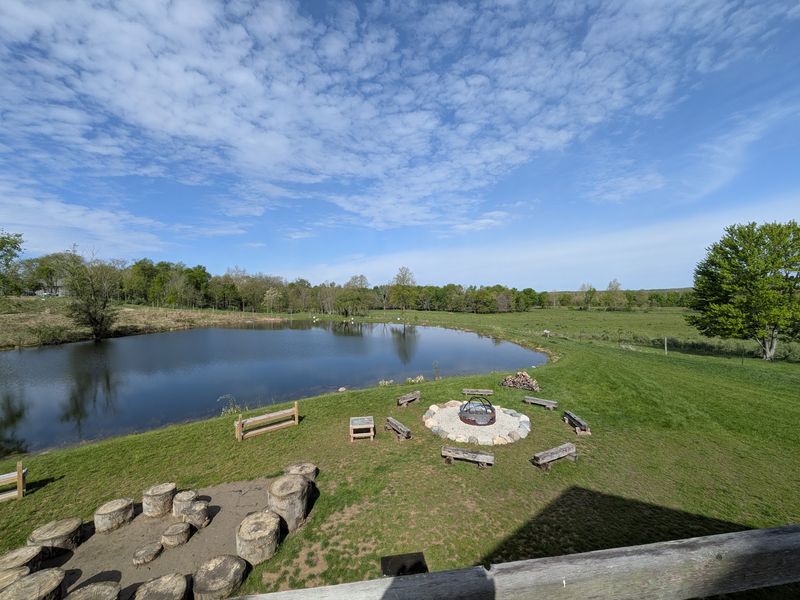
Behind the trails and the herds sits a family story. The Brooks Family established the park in 2019 in memory of Carol Brooks, whose affection for nature, science, and children guided how the place took shape.
The letters LC stand for Loving Carol.
Doors opened to the public in 2021, and the property has grown into a regular stop for families across northeast Indiana. Word spread quickly once people realized bison were involved.
Operations work differently here than at a county or state park. LC Nature Park runs as an independent nonprofit with no government funding or tax support behind it.
Donations, grants, sponsorships, and program fees cover animal care, habitat restoration, and the education calendar. Every visit contributes to that effort in a direct way.
Signature events pull the community together throughout the year, including Trillium Fest in spring and National Bison Day in the fall. Both lean into celebration rather than lecture, with activities that appeal to all ages.
That nonprofit structure explains a lot about the atmosphere. Staff and volunteers clearly care about the mission, the signage feels thoughtfully written, and there is no sense of a corporate attraction anywhere on the property.
Stopping by is a small way of keeping a legacy going.
The Easy Day Trip That Sticks With You
Some outings fade by the next weekend. This one tends to linger, mostly because it rearranges what people expect from Indiana.
Roanoke sits an easy drive from Fort Wayne, which makes a morning visit and an afternoon back in town completely doable. No flights, no long itineraries, no complicated planning beyond reserving a safari seat a day ahead.
Quiet is part of the appeal. Away from the bus route, the prairie fills with wind and insect sounds, and the nearest highway noise disappears entirely.
Wetland edges attract frogs and wading birds, while the woods hold woodpeckers and squirrels that seem unbothered by visitors. Small discoveries pile up.
The bigger takeaway usually involves conservation. Watching a restored landscape function, with keystone animals doing what they evolved to do, makes the idea of protecting land feel concrete instead of abstract.
Kids ask better questions afterward. Adults start noticing native plants along their own streets.
Pack a camera, wear shoes that can handle mud, and leave enough time to sit still somewhere along the trail. The park rewards unhurried visits far more than quick ones.
Northeast Indiana keeps this one relatively under the radar, which is part of the charm. Show up curious, and the prairie handles the rest.
