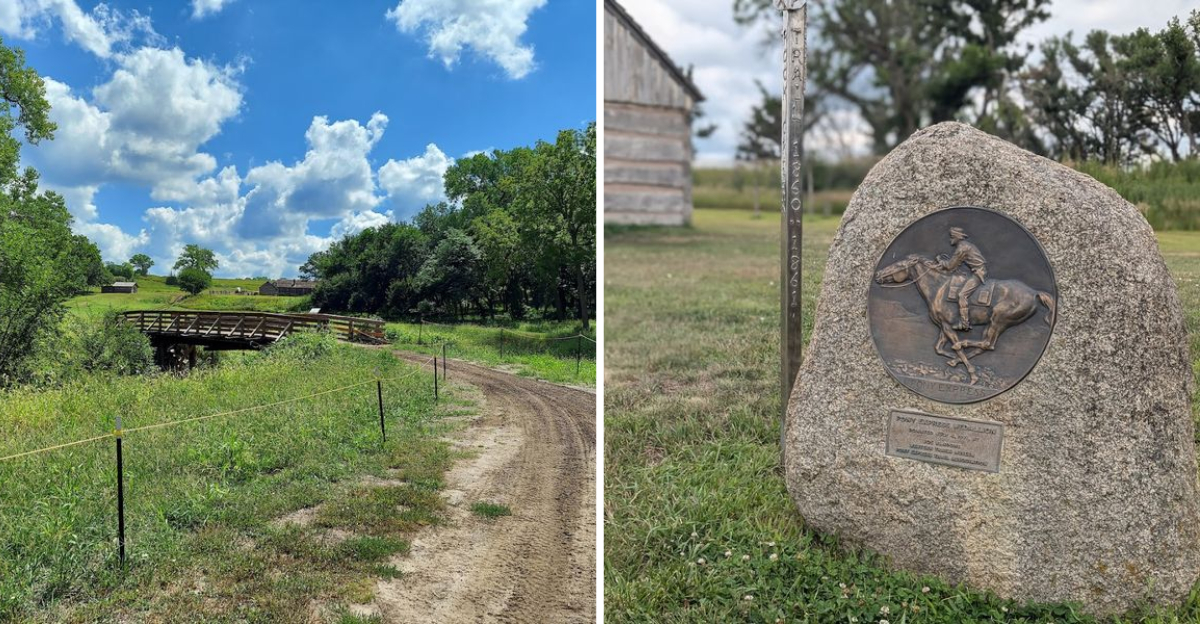
There is a place in southeastern Nebraska where the past does not stay quiet. Deep wagon ruts still carved into the earth tell you that thousands of people passed through here chasing a new life out West. A recording from the Library of Congress actually captured what locals call phantom horses on the creek, filed under ghost stories, which tells you this legend has been whispered about for a long time. This is where Wild Bill Hickok earned his name after a tragic shootout in the summer of eighteen sixty one.
The exact circumstances are still debated, but the outcome launched him into the public imagination as a fearless gunfighter. I had heard the stories before visiting, but nothing quite prepares you for standing near that creek at dusk when the wind drops and the prairie goes completely still. The phantom hooves come out on still nights.
The Origin Story: How Rock Creek Station Came to Be
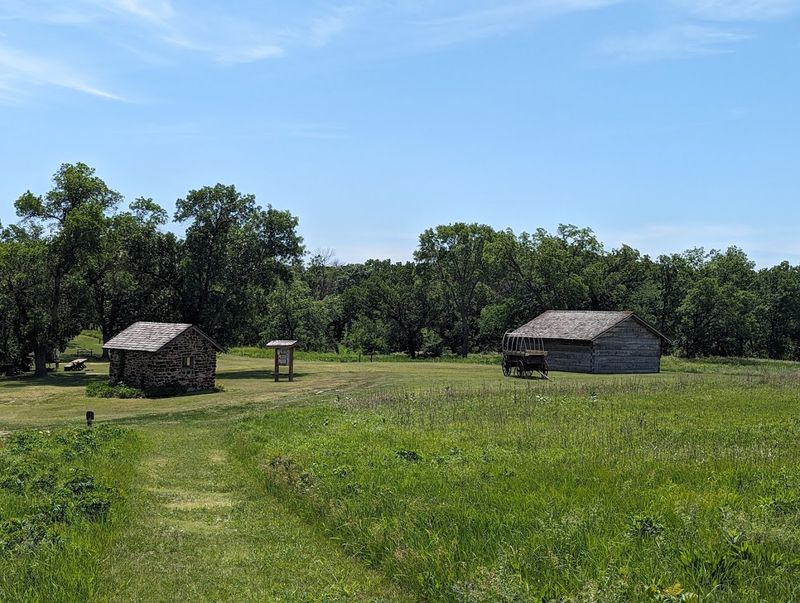
Some places earn their history slowly. Rock Creek Station was not one of them.
S.C. Glenn established it in 1857, and within just a few years it had become one of the busiest stopping points on the Oregon and California Trails in all of southeastern Nebraska.
Emigrants heading west needed supplies, rest, and a safe place to camp. Rock Creek Station offered all of that, functioning as a road ranch with a cabin, a barn, and a small store stocked for the long journey ahead.
The location made practical sense, sitting near a natural water source and along a well-traveled route.
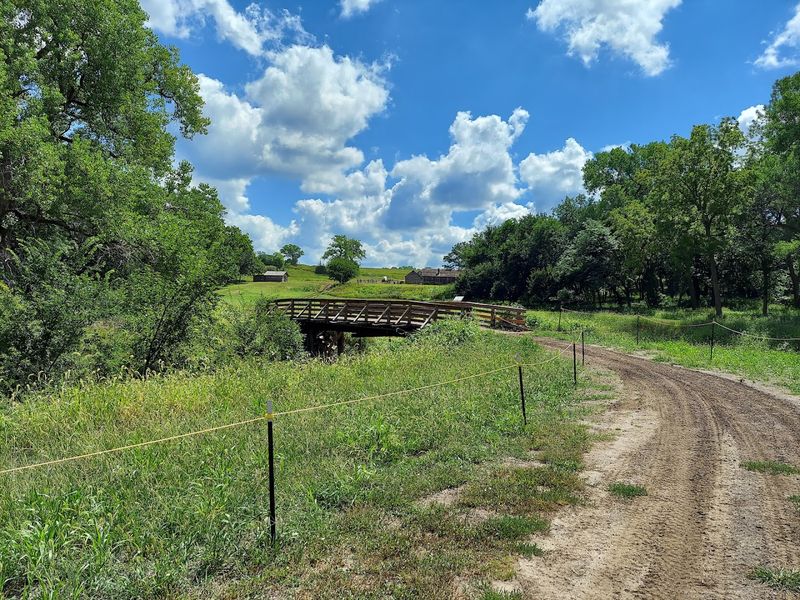
David McCanles purchased the station in 1859 and added a toll bridge across Rock Creek, turning it into an even more essential crossing point. The station eventually became a relay stop for the Pony Express and the Overland Stage Company.
It was never just a pit stop. It was a lifeline for thousands of families rolling westward with everything they owned loaded onto wagons, hoping the next leg of the trail would be kinder than the last.
Wagon Ruts That Still Scar the Earth Today
Few things hit harder than seeing the actual grooves left by pioneer wagons still pressed into the earth more than 160 years later. At Rock Creek Station, those ruts are not recreated or roped off behind barriers.
You can walk right up to them and trace the lines with your eyes, following the path thousands of families once took.
The sheer weight of loaded wagons, repeated over and over across the same ground, carved these channels deep enough that the prairie never fully healed. Grass grows around them now, but the depression in the land remains unmistakable.
One visitor described putting themselves back in those times and struggling to imagine what those travelers endured, and honestly, standing there, that feeling comes naturally without any prompting.
The ruts serve as the most honest artifact on the property. No reconstruction, no interpretation needed.
They are raw physical evidence of human determination on a massive scale. If you visit Rock Creek Station and skip the ruts, you have missed the emotional center of the whole park.
Bring good walking shoes and give yourself time to just stand there quietly for a moment.
Wild Bill Hickok and the Shootout That Started a Legend
Rock Creek Station is where James Butler Hickok earned the name Wild Bill. In July of 1861, a violent altercation broke out at the station that left David McCanles and two of his associates terminated.
Hickok was working as a stock tender at the time, and the exact circumstances of what happened that day are still debated by historians.
Some accounts frame it as self-defense. Others point to an unpaid debt between McCanles and the station operators as the real spark.
What is not debated is the outcome. The incident launched Hickok into the public imagination as a fearless gunfighter, and the legend grew considerably from there.
What makes this spot feel different from other historical markers is that you are standing on the actual ground where it happened. There are no dramatic reenactment signs overselling the drama.
The park lets the history speak at its own volume. One reviewer noted that this is where Wild Bill got his name, calling it a stop that does not get the attention it deserves.
Hard to argue with that assessment once you have been there yourself.
The Phantom Horses Legend and That 1996 Recording
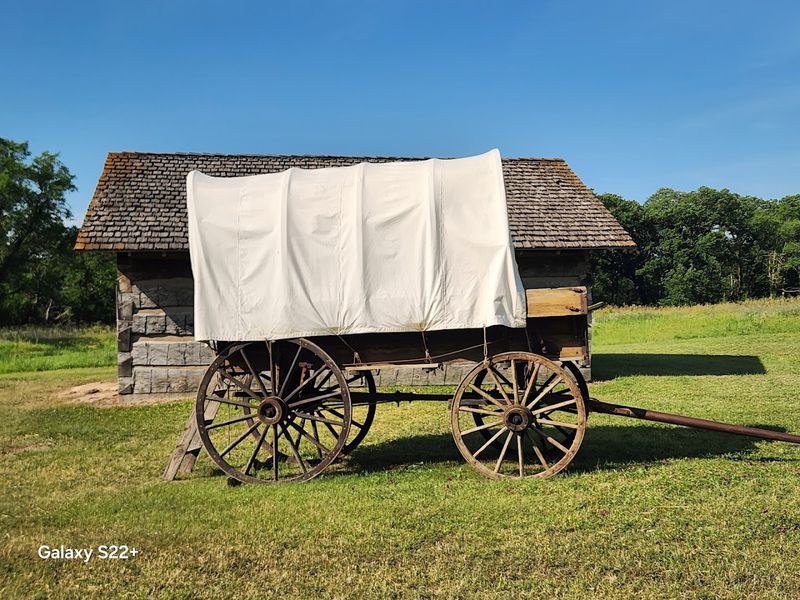
The title of this article is not just creative writing. There is an actual audio recording archived in the Library of Congress, filed under the American Folklife Center collection, dated 1996, titled Phantom horses on Rock Creek.
It is categorized under ghost stories and interviews, which means someone thought this legend was worth preserving formally.
Local oral tradition around Rock Creek has long included stories of unexplained sounds near the creek after dark. Whether those sounds are echoes of the past, tricks of the wind moving through the prairie grass, or something else entirely depends entirely on who you ask.
The history here is heavy enough that the idea of residual energy does not feel far-fetched when you are actually on site.
On still nights especially, the absence of sound becomes its own kind of presence. No traffic, no city hum, just open Nebraska sky and the occasional rustle near the water.
I am not saying I heard hooves. I am saying I understand why people have been telling this story for decades, and why someone in 1996 thought it was worth recording for posterity.
Some legends stick because the place earns them.
The Reconstructed Buildings and What They Actually Show You
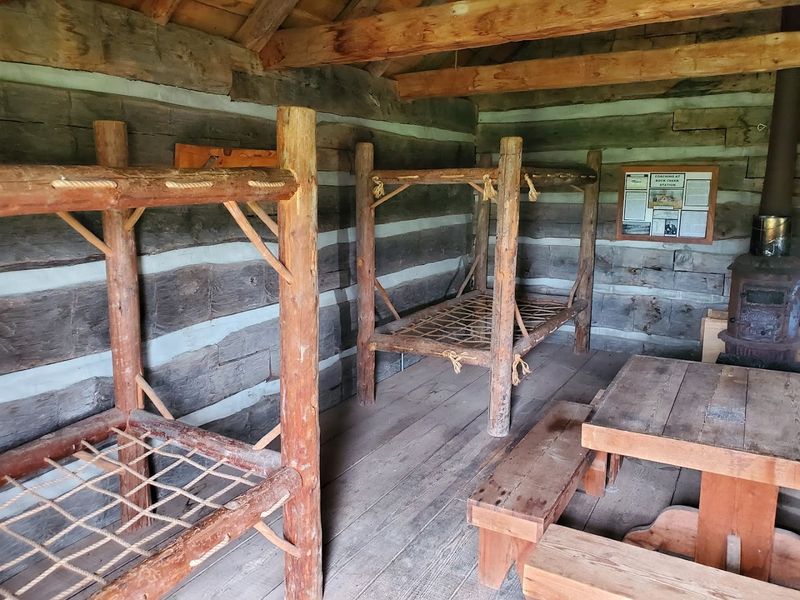
The reconstructed buildings at Rock Creek Station are not the sanitized, overly polished kind you sometimes find at tourist sites. They feel lived-in, which is exactly the point.
Both the East Ranch and West Ranch areas have been rebuilt with period-accurate structures, and several of the cabins contain furniture that reflects what daily life actually looked like out here in the 1860s.
One visitor mentioned the old log cabins being pretty cool, specifically noting the furniture inside that showed what life was like back then. Another highlighted the recreated wagon and oxen in front of the visitor center as a fun photo moment.
These small touches add up to something that feels more like a window than a display case.
The interpretive visitor center holds a solid collection of artifacts and is staffed by people who genuinely know the site. One reviewer praised the staff member who helped identify wildflowers along the trail, which gives you a sense of how personal the experience can get here.
Plan to spend at least two to three hours if you want to move through both ranch areas and the trails without feeling rushed. The buildings reward slow looking.
Trails, Prairie Wildflowers, and the Quietest Hike in Nebraska
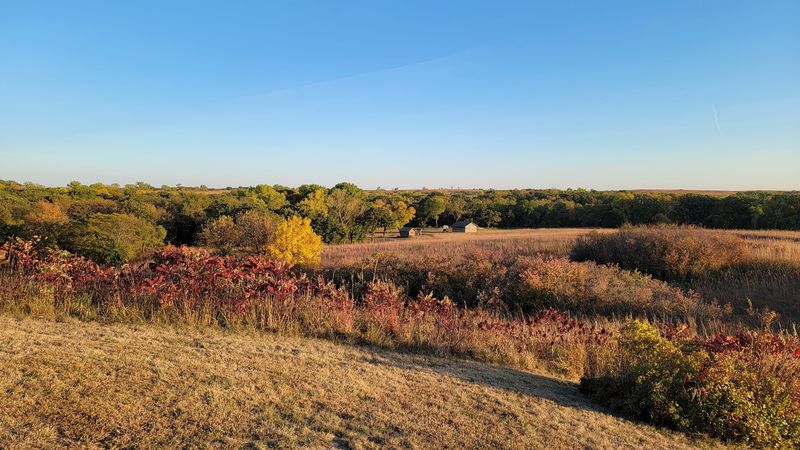
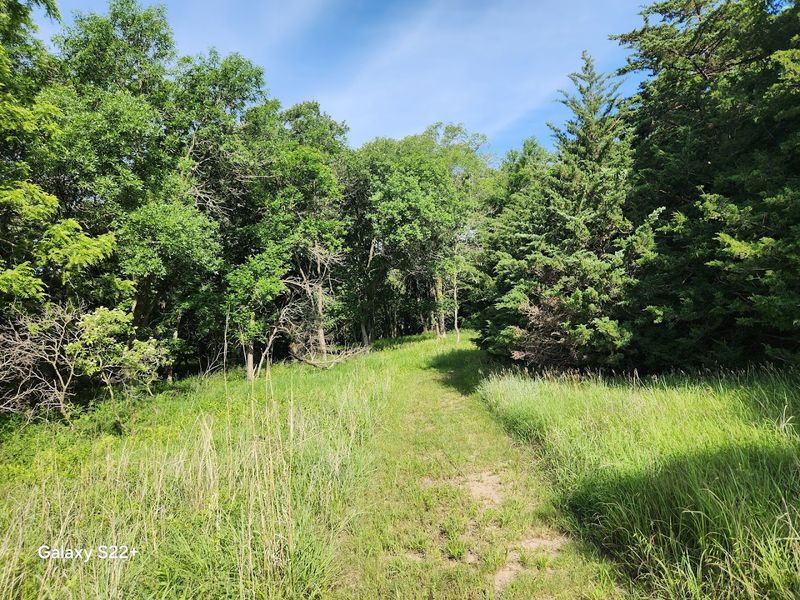
The trails here cover a surprising range of terrain for a 350-acre park. Most are mowed grass paths that cut through native prairie, and the prairie trail in particular is worth taking slowly.
Wildflowers grow in dense clusters along the route, and at least one visitor called it the prettiest wildflower prairie they had ever seen, which is a strong claim for anyone who has traveled through the Great Plains.
One reviewer logged 7.2 miles in just over two and a half hours, which tells you there is enough ground here to make a real morning of it. The trails are peaceful in a way that feels earned rather than manufactured.
No piped-in ambiance, no curated soundscape. Just grass, wind, and the occasional meadowlark.
There are also four miles of dedicated horse trails and equestrian camping available, which adds a layer of irony given the phantom hooves reputation of the place. Practical tip: bring sunscreen and water because shade is limited on the prairie sections.
Watch for wasps near the historic buildings, as at least one visitor encountered a nest inside. Ticks are also a real consideration, so check yourself thoroughly after any trail time here.
Planning Your Visit to Rock Creek Station State Historical Park
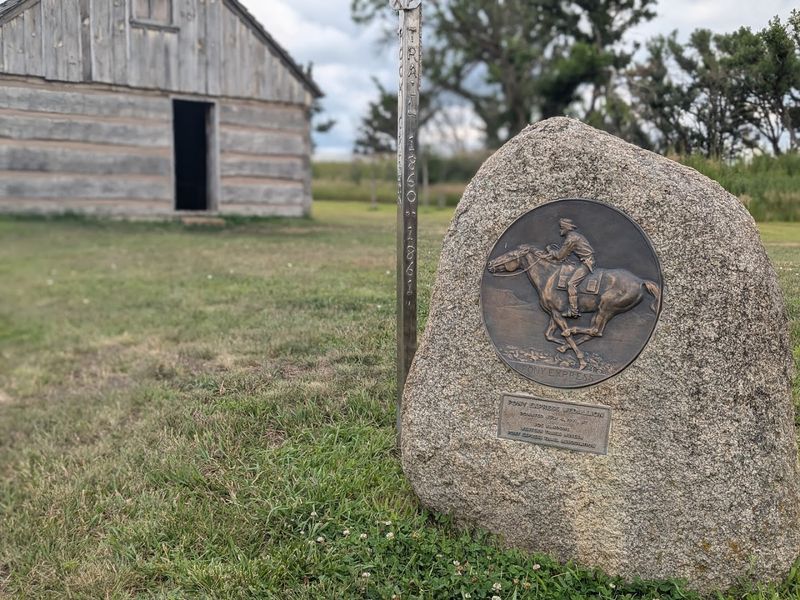
Rock Creek Station is open Friday through Sunday from 10 AM to 5 PM, and it is closed Monday through Thursday. That limited schedule is worth planning around because showing up on a Wednesday means locked gates and no access to the visitor center.
The park is managed by the Nebraska Game and Parks Commission, and a park entry sticker is required, so factor that into your budget before arriving.
Camping is available on site and gets genuinely good reviews. Electric hook-ups, potable water, a dump station, and clean showers are all available.
Visitors who have camped here in early spring describe it as quiet and restorative, the kind of place where you wake up to birdsong rather than traffic. The staff consistently gets mentioned in reviews as knowledgeable and friendly, which makes the whole experience feel more personal.
The park sits northeast of Endicott and is straightforward to find using a maps app. It rates 4.7 stars across more than 220 reviews, which is impressive for an off-the-beaten-path historical site.
If you are road-tripping through Nebraska or following any stretch of the Oregon Trail corridor, this stop earns its place on the itinerary without question.
Address: 57426 710th Rd, Fairbury, NE 68352
