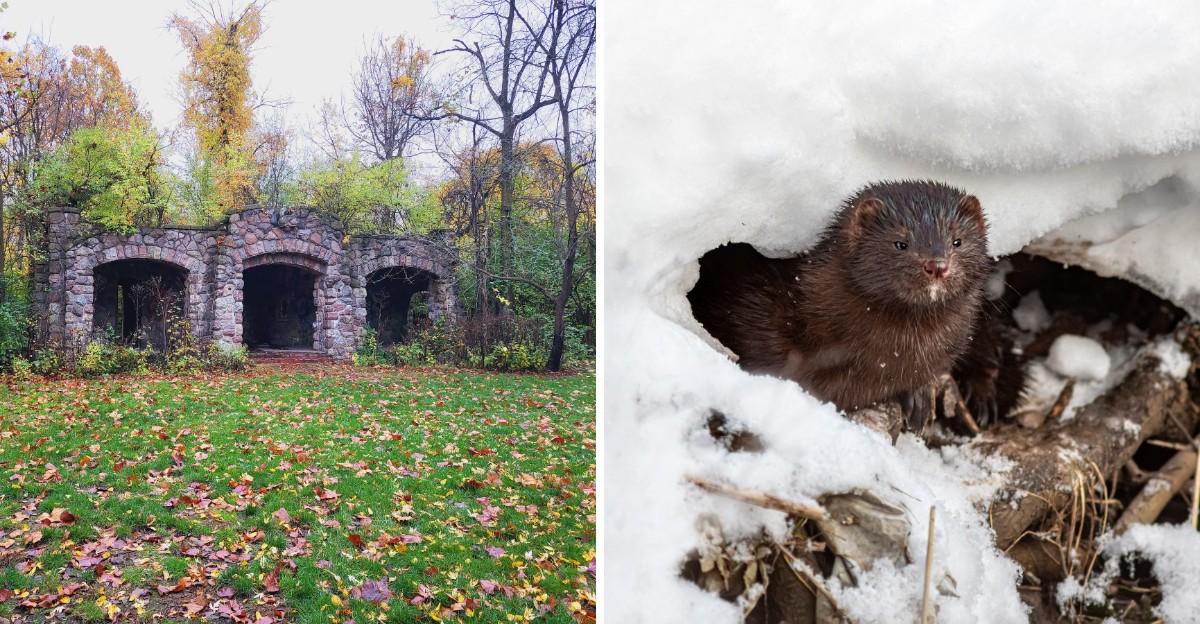
A colony of wild beavers has built a lodge on a pond that sits on a college campus. Mink and muskrat share the neighborhood too, along with more than 170 kinds of birds.
The pond itself has a famous backstory. A legendary landscape designer shaped it in 1911 using only native plants, long before restoring nature was trendy.
I find it pretty amazing that a place this wild has survived right in the middle of a busy Indiana city. You can wander over stone bridges, climb limestone stairs, and spot old ruins tucked between wetland trees.
I’d take the scenic route around this pond any day, especially with a chance of spotting a beaver along the way. Who knew college could get this wild?
Say Hello to the Busiest Builders on Campus
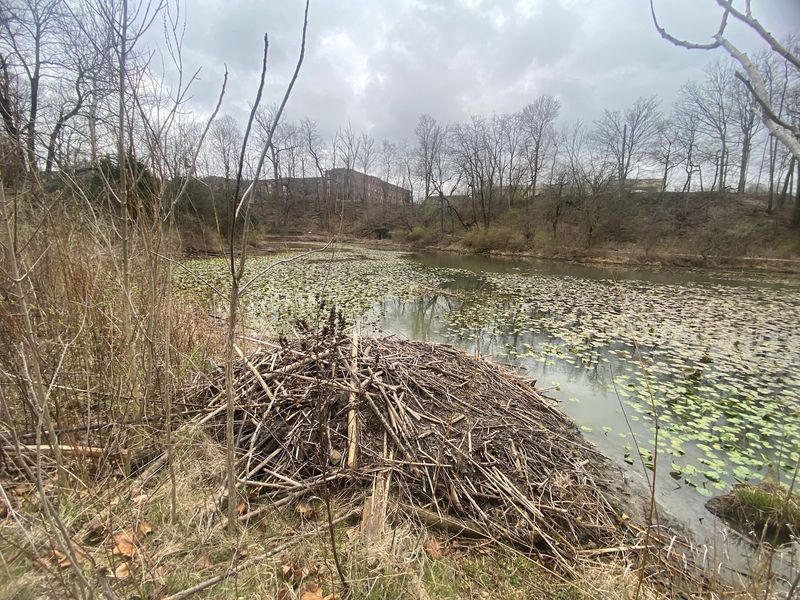
The hardest workers at Marian University might not be students at all. They have flat tails, orange teeth, and a stick lodge on Jens Jensen Pond.
Welcome to the Marian University Nina Mason Pulliam EcoLab, a 75-acre natural area on campus in Indianapolis. Its resident beaver colony is one of the biggest reasons people come looking.
Spotting the lodge is the easy part. It’s a big mound of branches and mud rising from the water, built by animals with serious engineering skills.
Seeing the beavers themselves takes more patience. They tend to be most active around dawn and dusk, which lines up nicely with the EcoLab’s hours.
Bring a little quiet and a lot of curiosity. Sudden noises can send a beaver slapping its tail and diving out of sight.
Keep your eyes on the shoreline too. Chewed stumps and gnawed branches are clues that these furry contractors have been on the job.
Honestly, it’s hard to believe this happens in Indiana’s capital city. One minute you’re near campus buildings, and the next you’re watching a wild animal remodel its home.
That kind of surprise doesn’t show up on most college tours. It’s a pretty great bonus.
Mink, Muskrat, and a Whole Lot of Feathers
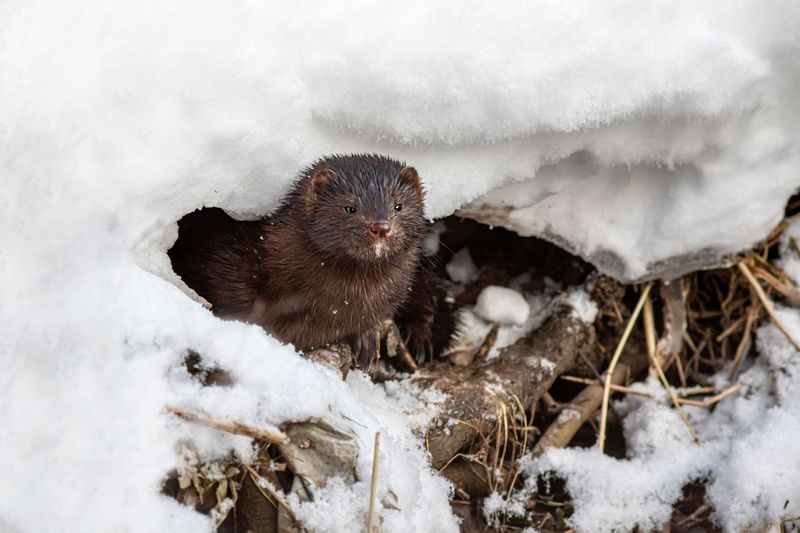
Beavers get the headlines, but they have plenty of neighbors. Mink and muskrat also call the EcoLab home.
Mink are sleek, dark, and quick. They move along the water’s edge like tiny shadows, so a sighting feels like winning a nature lottery.
Muskrats look a bit like small beavers with skinny tails. They paddle around wetlands, munching plants and building their own smaller homes.
Then come the birds. More than 170 species have been recorded at the Nina Mason Pulliam EcoLab, which makes it a favorite spot for bird lovers.
You don’t need fancy gear to enjoy them. A pair of binoculars and a free bird app on your phone can turn a simple stroll into a scavenger hunt.
Wetlands, forests, and prairies all sit in one place here. Each habitat attracts different creatures, so changing trails can mean meeting a fresh cast of characters.
Here’s a smart tip for spotting more animals. Walk slowly, pause often, and listen before you look.
Rustling leaves and ripples on the water often give wildlife away. Your patience might reward you with a moment you’ll be talking about at dinner.
A Race Car Legend Once Called This Backyard Home
James A. Allison helped start the Indianapolis 500.
In the early 1900s, this land was part of his country estate, called Riverdale.
That’s right, the guy linked to one of the fastest races on Earth chose a peaceful, slow-paced landscape for his getaway. Talk about balance.
The estate eventually became part of Marian University. Today, its old grounds form the heart of the Nina Mason Pulliam EcoLab.
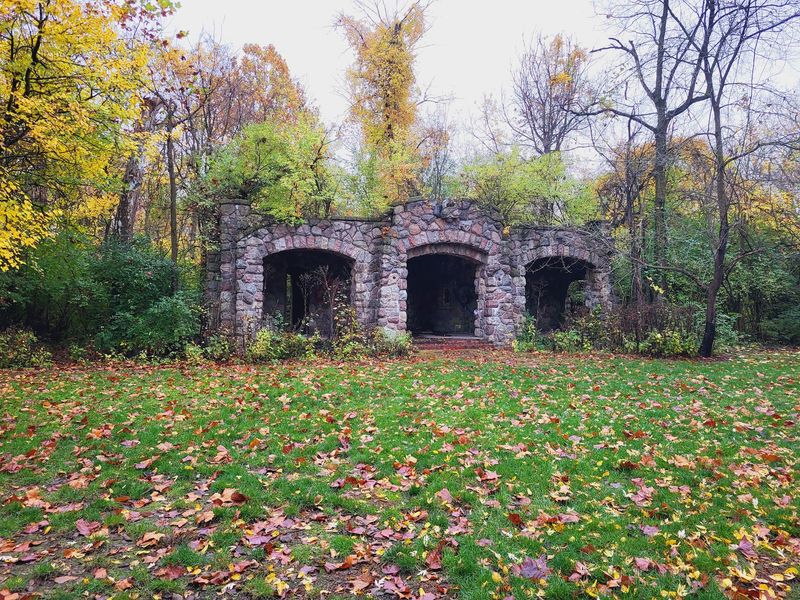
Pieces of that past still peek through the trees. You can find remnants of old buildings scattered along the trails, almost like a history book left outside.
Kids especially love this part. Stumbling onto old stone walls in the woods feels like discovering a secret.
The EcoLab became official on November 13, 2009. A major grant from the Nina Mason Pulliam Charitable Trust helped make it happen.
So when you walk here, you’re stepping through more than a century of Indiana history. Racing, design, and nature all overlap in one surprising spot.
Take a moment near the ruins to soak that in. It’s not every day a hike doubles as a field trip back in time.
The Prairie Prophet Left His Fingerprints Everywhere
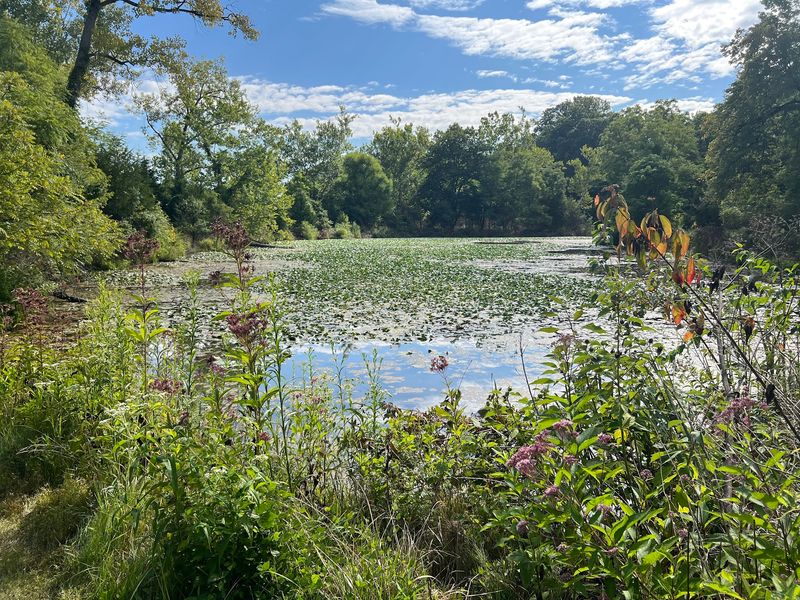
Jens Jensen earned the nickname Prophet of the Prairie. In 1911, he designed this landscape using only native Indiana plants.
Back then, that was a bold choice. Many fancy estates showed off exotic plants, but Jensen wanted things to look and grow naturally.
His vision paid off big time. The EcoLab is considered one of the best-preserved Jensen landscapes anywhere.
It’s also known as an early example of ecological restoration. In plain words, Jensen was helping nature heal long before most people cared about that idea.
The pond that bears his name is a perfect example. Jens Jensen Pond feels wild, yet every curve and plant once came from his careful planning.
Here’s a fun way to see his work differently. Try spotting places where water, stone, and plants seem to blend together without a clear line.
That blending was the whole point. Jensen believed people should feel connected to the land instead of just looking at it.
Over a hundred years later, his idea still works beautifully. Not bad for a design older than sliced bread.
Stone Bridges and Spring-Fed Pools Steal the Show
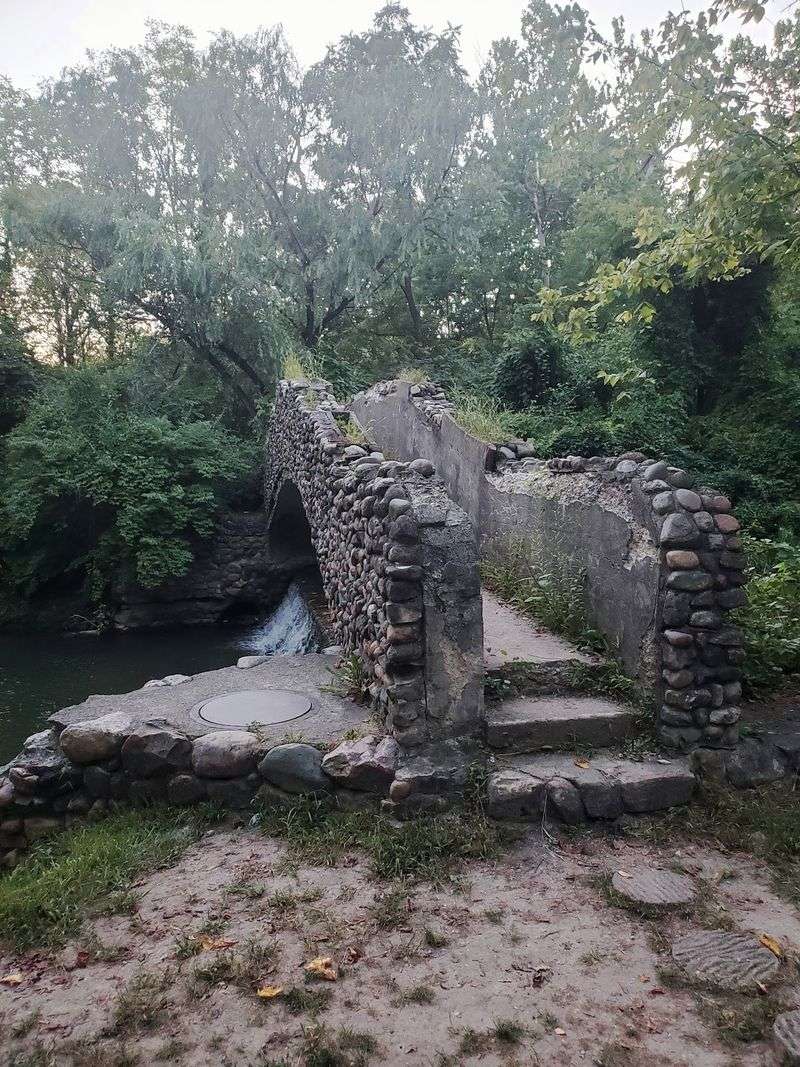
Cobblestone bridges arch over the water like something from a storybook. They’re part of Jensen’s original design and still stand today.
Spring-fed pools add another layer of charm. Cool, clear water bubbles up from underground, feeding the wetlands around them.
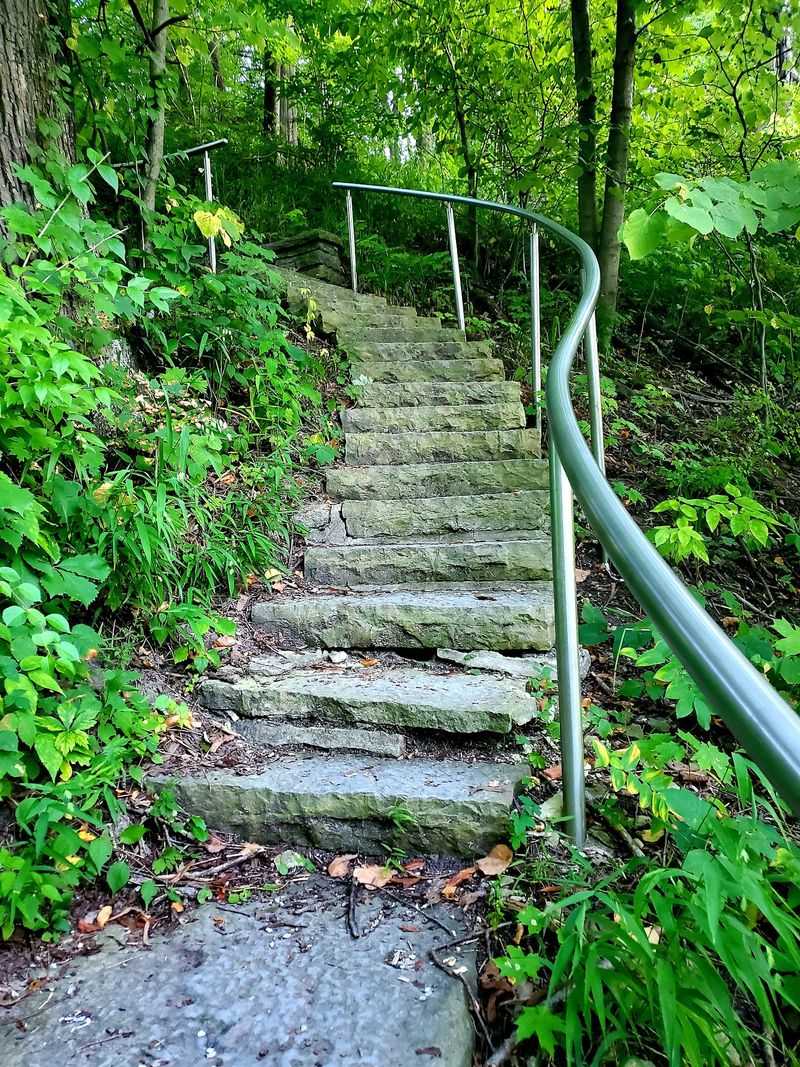
Limestone stairways connect different parts of the grounds. Each step feels a little old-fashioned in the best way possible.
These features give the Nina Mason Pulliam EcoLab a look you won’t find at a typical city park. Nature and craftsmanship work together here instead of competing.
Photographers, take note. Mossy stones, rippling water, and leafy trees make for gorgeous shots in nearly every season.
Spring brings fresh green growth and wildflowers. Fall swaps in warm colors that reflect on the water like a painting.
A quick reminder keeps the magic intact. Stay respectful of the old structures, since they’ve been around for more than a century.
Climbing on fragile stonework might seem fun, but it can cause damage. Admire, snap your photos, and leave everything as lovely as you found it.
Three Miles of Trails With Maps to Keep You on Track
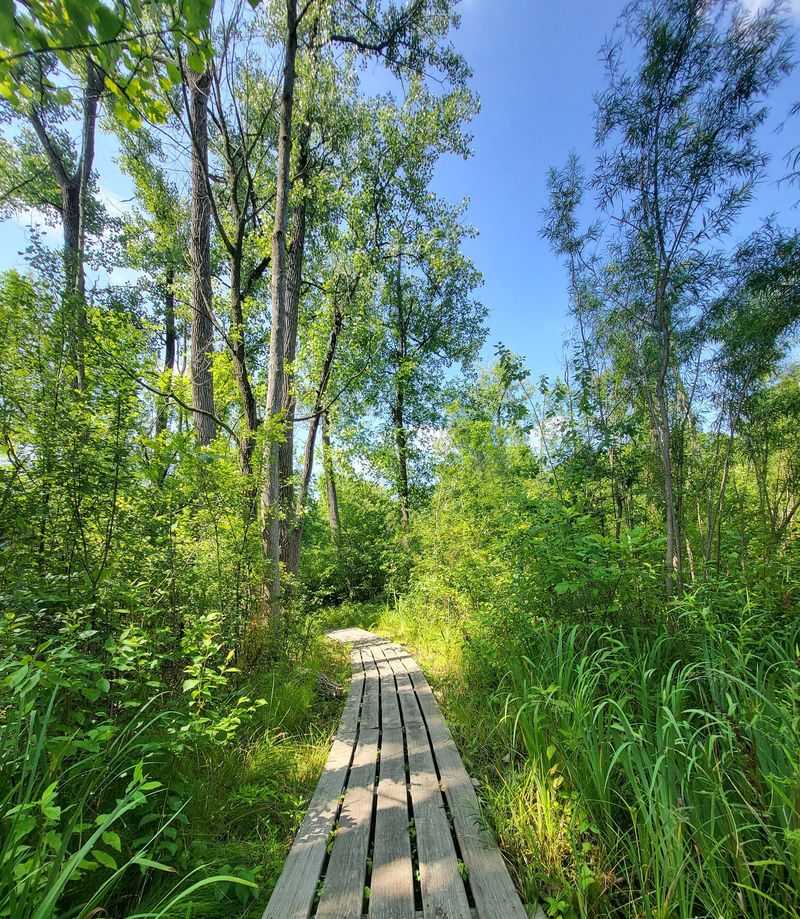
Over three miles of hiking trails wind through the EcoLab. That’s enough to fill a relaxing morning without wearing out your legs.
Getting lost isn’t much of a worry. Maps and informational signs dot the trails, so you can check your spot and learn something along the way.
The signs explain the plants, animals, and history around you. Think of them as a friendly tour guide that never asks for a tip.
Wetlands, lowland forest, and prairie each have their own feel. Mixing routes lets you sample all three in a single visit.
The main trails are generally easy to walk. That makes them a solid pick for beginners and families with older kids.
Wear shoes that can handle some mud, though. Wetlands are wet by nature, and puddles can pop up after rain.
A water bottle and bug spray are smart additions too. Warm months near water can bring buzzing visitors of the mosquito kind.
Plan to go slow rather than fast. The best details here reveal themselves to hikers who take their time.
Your Dog Is Invited, Just Bring the Leash
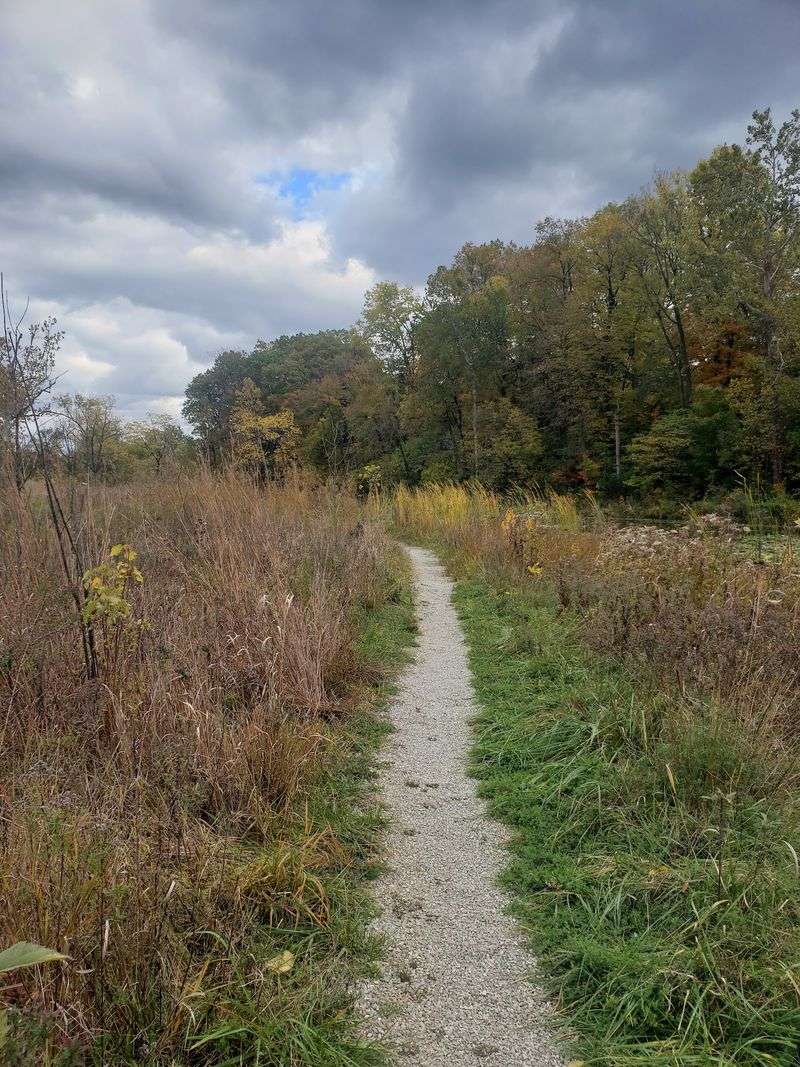
Good news for pup parents everywhere. Leashed dogs are welcome on the trails at the Nina Mason Pulliam EcoLab.
Your four-legged buddy will probably love the smells. Beavers, muskrats, and birds leave plenty of interesting scents for a curious nose.
The leash rule matters a lot here. Wild animals live in this space, and keeping dogs close protects both pets and wildlife.
A loose dog chasing a bird or mink could stress the animals. It could also send your pup splashing into a pond you didn’t plan to visit.
Pack a few basics before you go. Water, a collapsible bowl, and waste bags will make the outing easier for everyone.
Muddy paws are almost guaranteed after a wet week. Keeping an old towel in the car can save your seats from becoming a wetland exhibit.
Steady walkers of any size can enjoy the main paths. Just watch for steep stairs at certain access points, especially with older dogs.
A tired, happy dog at the end of the day is the goal. This place delivers that pretty easily.
A Classroom Where the Walls Are Made of Trees
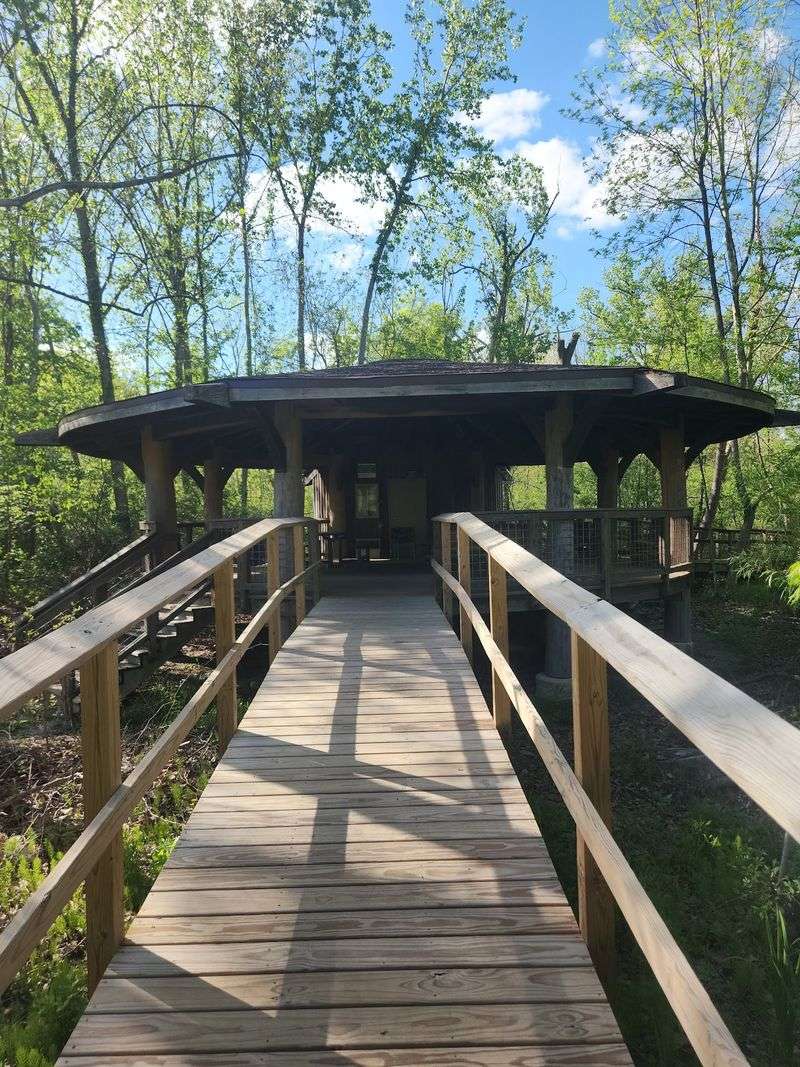
Most classrooms have desks and whiteboards. At Marian University, some lessons happen beside a beaver pond.
The EcoLab serves as a living laboratory for students in many subjects. Environmental biology, chemistry, and education programs all use it for hands-on learning.
Students also get internships focused on ecological restoration and environmental education. That means real work helping the land stay healthy.
The public can join the fun too. The EcoLab offers field trips and public programs that bring nature lessons to life.
Teachers looking for a memorable outing should take note. Watching wetland creatures in person sticks with kids far longer than reading about them.
I love how this setup benefits everyone. Students gain real experience while visitors enjoy a well-cared-for natural space.
Indiana has plenty of parks, but few double as a university lab. That blend of science and scenery makes this spot stand out.
Keep an eye out for program announcements from the university. A guided walk might reveal secrets you’d never notice on your own.
Free Entry, Dawn to Dusk, and a Few Smart Tips
Admission costs exactly nothing. The EcoLab is open daily from dawn to dusk, so early birds and sunset fans both win.
You’ll find it at 3200 Cold Spring Road, Indianapolis, IN 46222, on the Marian University campus. It’s an easy escape for anyone already in the city.
Plan ahead for the stairs. Some access points include steep steps, which makes the area less friendly for strollers.
Families with little ones might want a baby carrier instead. Your back may complain later, but your hands will thank you.
Timing can change your whole visit. Early mornings and evenings tend to offer better chances to catch wildlife moving around.
Each season brings something new to the Nina Mason Pulliam EcoLab. Spring blooms, summer greenery, fall color, and quiet winter views all deserve a turn.
Respect goes a long way here too. Stick to trails, pack out trash, and give animals plenty of space.
Few places in Indiana let you mix history, wildlife, and a college stroll for free. Lace up your shoes, because those beavers aren’t going to wave at you from your couch.
