Confession time. Most history museums make you want to nap standing up.
This New Jersey farm is the glorious exception that actually lets you do something about it.
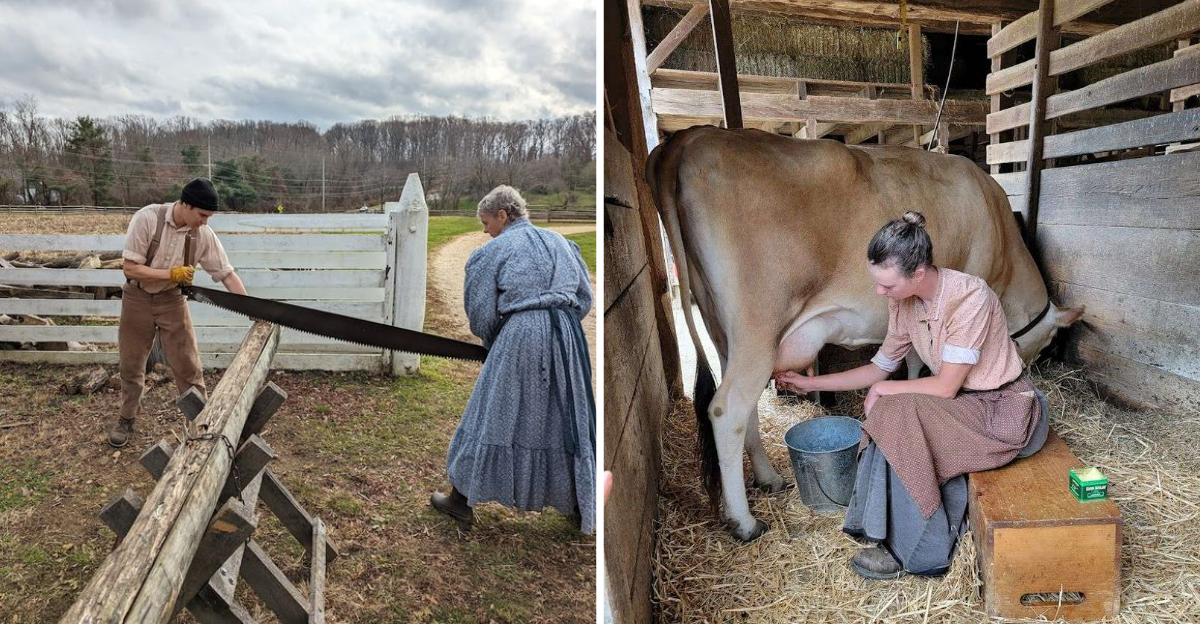
You can milk a cow, grind corn, and churn butter like a proper 1890s homesteader, all while wearing your modern sneakers.
The animals look at you with mild judgment, the costumed guides are fully committed to their roles, and the whole experience feels wonderfully surreal.
It is educational without being preachy, active without being exhausting, and honestly, just plain fun.
You will leave with a newfound appreciation for refrigeration and indoor plumbing, plus some genuinely great stories to tell.
New Jersey has cracked the code on making history come alive in the most hands-on way possible.
The Magic of Milking a Real Dairy Cow
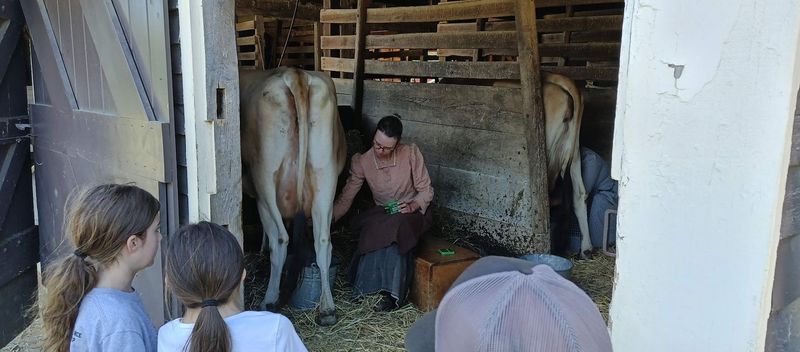
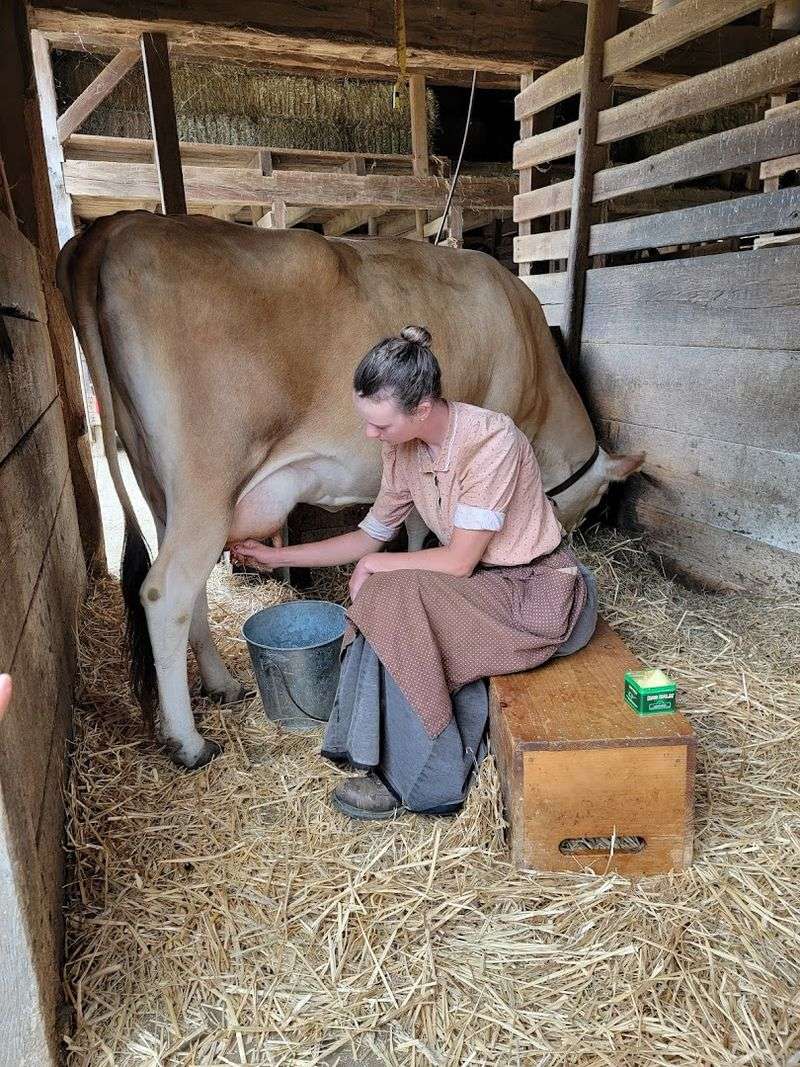
Getting up close with a dairy cow is one of those experiences that sounds simple until you are actually doing it. At Historic Longstreet Farm inside Holmdel Park, cow milking demonstrations bring visitors right into the rhythm of 1890s farm life.
The costumed interpreters make it approachable, even for first-timers who have never touched a farm animal in their lives.
The barn itself sets the mood perfectly. Wooden beams, the smell of hay, and the low sounds of the animals create an atmosphere that no museum exhibit could replicate.
Milking a cow requires a surprisingly specific technique, and learning that firsthand is genuinely satisfying.
Kids absolutely love this part of the visit. Adults tend to get just as caught up in it once they realize this is not a staged show but actual daily farm work.
The cows are heritage breeds, cared for exactly as they would have been over a century ago. It is the kind of moment that sticks with you long after you have driven home.
Grinding Corn the Old-Fashioned Way
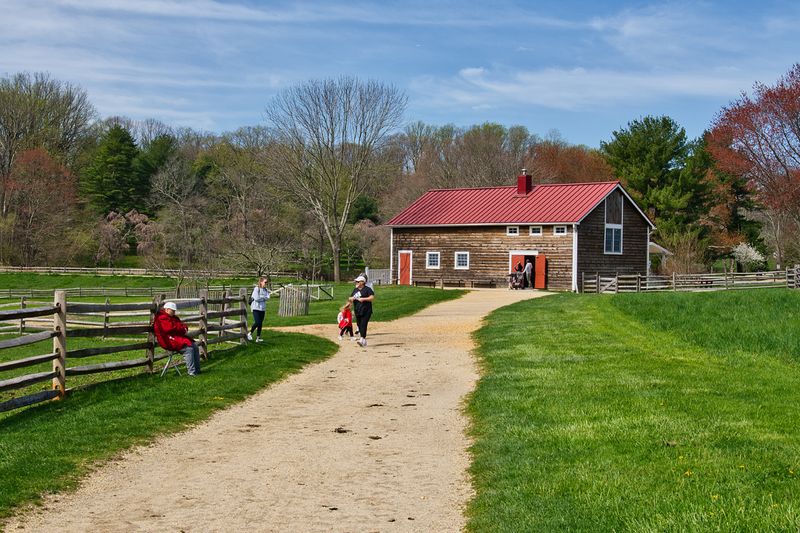
There is something deeply satisfying about grinding corn by hand, even if your arms start complaining after about thirty seconds. At Longstreet Farm, this is not just a novelty activity thrown in for entertainment.
Grinding corn was a daily necessity in the 1890s, and the farm treats it with the same seriousness it deserves.
The ground corn produced here goes toward feeding the farm animals, which makes the whole process feel purposeful rather than performative. Costumed interpreters walk visitors through the steps, explaining how different grind sizes served different needs on a working farm.
The equipment used is authentic to the period, which adds a tactile layer of history that is hard to find anywhere else.
Families tend to take turns at the grinder, and there is usually some friendly competition about who can produce the finest grind. It is a small activity that carries a lot of meaning when you understand how central it was to everyday survival.
You leave with a genuine appreciation for how much effort went into feeding a household before modern machinery existed.
Blacksmithing Sparks and Stories
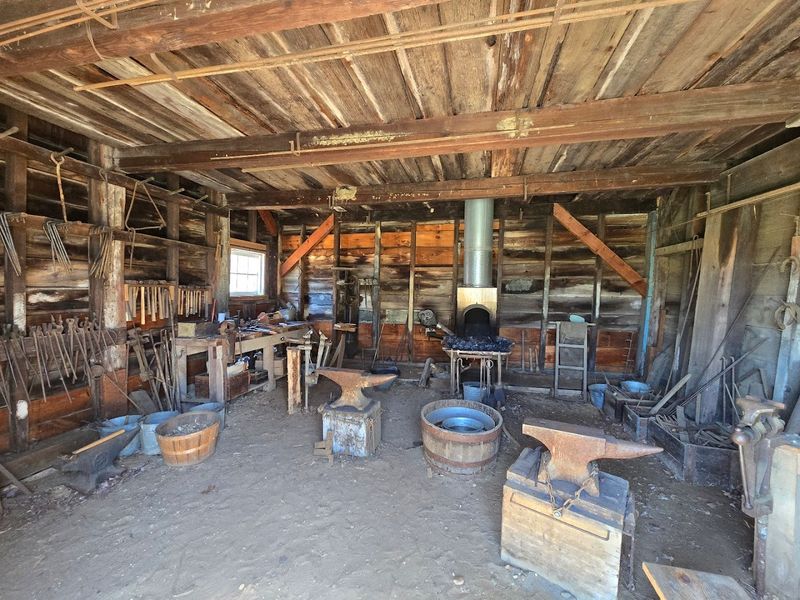
Walking into the blacksmithing workshop at Longstreet Farm feels like stepping into a different dimension. The heat hits you first, then the rhythmic clang of metal on metal, and suddenly the modern world feels very far away.
Blacksmithing was essential to every working farm in the 1890s, and the demonstrations here show exactly why.
Watching metal transform under a hammer is genuinely mesmerizing. The costumed interpreters explain each step as they work, connecting the craft to specific farm needs like repairing tools, making hardware for the barn, or shaping equipment that kept the whole operation running.
Nothing was wasted, and nothing was outsourced.
What makes this stop particularly interesting is how it illustrates the self-sufficiency that farm life demanded. A broken piece of equipment in the 1890s could not be replaced with a quick online order.
It had to be fixed on-site, by hand, with skill. Spending a few minutes watching that process unfold gives you a whole new level of respect for the people who lived and worked this way every single day.
Wood Stove Cooking That Smells Incredible
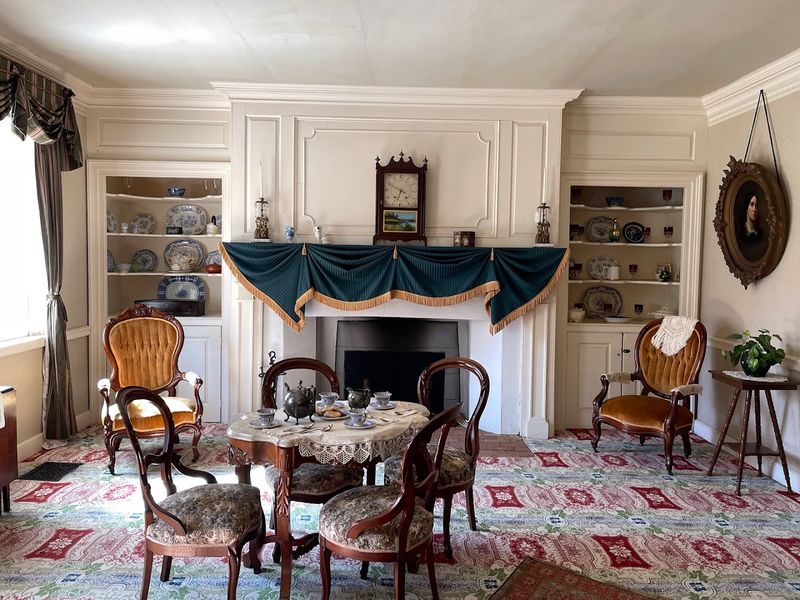
The farmhouse kitchen at Longstreet Farm is the kind of place that makes your stomach growl the moment you walk through the door. Wood stove cooking demonstrations fill the room with warmth and the kind of rich, slow-cooked aromas that modern kitchens rarely produce.
Everything is prepared using period-accurate methods, tools, and recipes from the late Victorian era.
Cooking on a wood stove is a completely different skill set from anything a modern kitchen requires. Controlling the heat means managing the fire itself, adjusting airflow, and knowing exactly where on the stove surface each dish needs to sit.
The interpreters make it look effortless, but they are quick to point out how much experience it actually takes.
The farmhouse is open weekends and holidays from March through December, so timing your visit around those days gives you the best chance of catching a full cooking demonstration. The restored interior, furnished in late-Victorian style, adds incredible context to everything happening in that kitchen.
Food here is not just sustenance. It is a window into how people organized their entire day around keeping a household fed.
The Restored Farmhouse and Its Late-Victorian Charm
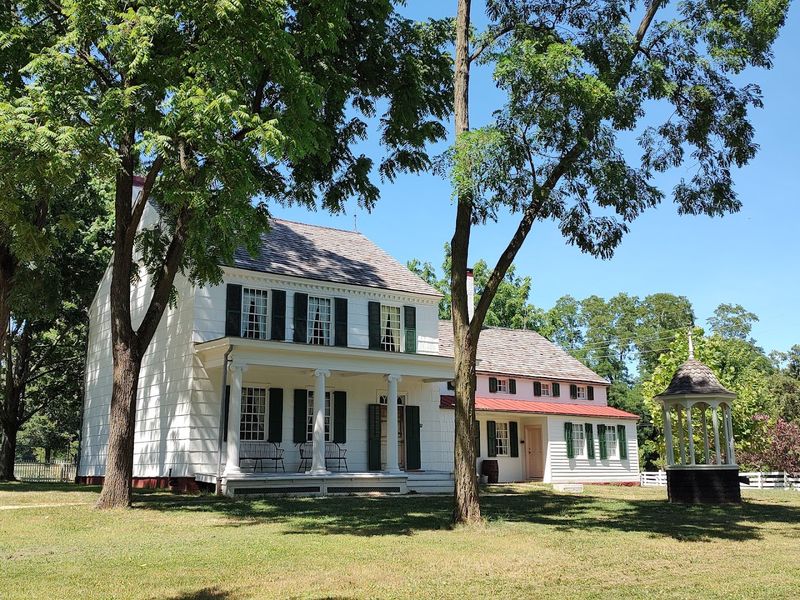
Stepping inside the restored farmhouse at Longstreet Farm feels like flipping through a living photo album from the 1890s.
Every piece of furniture, every curtain, and every kitchen tool has been carefully chosen to reflect how a Monmouth County farm family would have actually lived.
The attention to detail is remarkable and genuinely moving.
The late-Victorian style means there is an interesting mix of practicality and modest elegance throughout the rooms. Farm families of that era were not wealthy, but they took pride in their homes, and that comes through clearly in the way the space is arranged and maintained.
Visiting on a weekend or holiday between March and December gives you full access to the interior.
Each room tells a slightly different story about daily life. The kitchen speaks to labor and routine, the sitting room to community and rest, and the bedrooms to the quiet rhythms of a family that rose before dawn and worked until dark.
Spending time here makes the whole farm visit feel more complete, like you have finally met the people behind all the activity outside.
The Massive Dutch Barn Worth Every Step
The Dutch barn at Longstreet Farm is the kind of structure that stops you mid-stride. It is enormous, beautifully preserved, and filled with the kind of quiet drama that only old buildings seem to carry.
Dutch barns were engineering marvels of their time, designed to store massive quantities of hay while sheltering livestock through brutal winters.
The scale of it becomes more impressive the longer you stand inside. The ceiling soars overhead, the wooden framework is thick and deliberate, and the whole thing feels like it was built to last forever.
It was, more or less. Barns like this one were community projects, raised by neighbors working together over the course of a single day.
Animals are housed here in a way that reflects 1890s farm management, which means they are working animals with specific roles rather than pets. Horses and mules share space with other livestock, and the sounds and smells are completely authentic.
If you have only ever seen barns in photographs or paintings, standing inside this one recalibrates your sense of scale in a way that is hard to describe but impossible to forget.
Sheep Shearing and the Art of Working with Wool
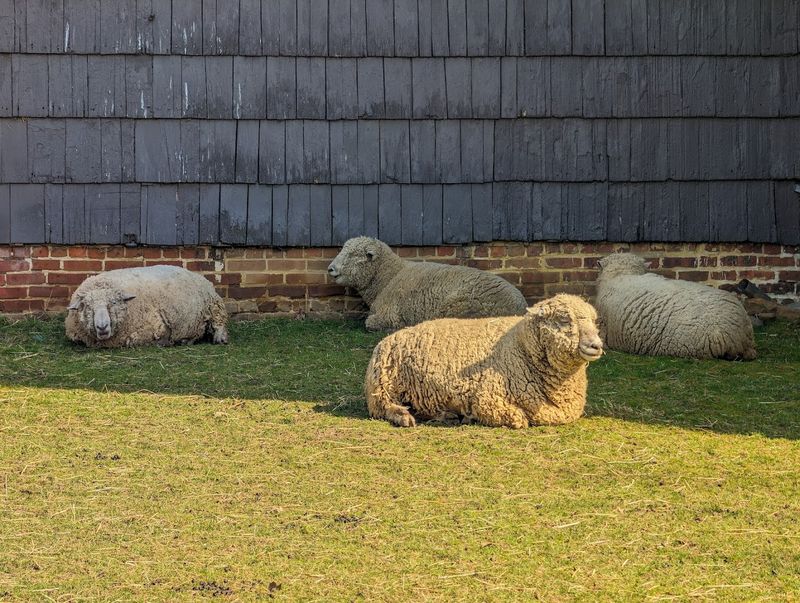
Sheep shearing at Longstreet Farm is one of those demonstrations that draws a crowd every single time.
There is something unexpectedly dramatic about watching a skilled shearer work through a full fleece, the wool coming away in one connected piece while the sheep remains remarkably calm throughout the process.
Seasonal timing matters here since shearing happens at specific points in the farming calendar.
The wool produced by the farm’s heritage sheep was essential to 1890s households in ways that are easy to underestimate today. Clothing, blankets, and insulation all came from the flock, and the quality of the shearing directly affected the quality of everything made from it.
The interpreters connect each step of the process to the broader picture of farm self-sufficiency.
Heritage sheep breeds look noticeably different from the animals most people picture when they think of sheep. They are sturdier and often more vocal, with personalities that seem to surprise visitors who expect passive, quiet animals.
Getting to observe them up close, in an environment where they serve the same purpose they would have over a century ago, is one of the more unexpectedly engaging parts of the whole visit.
Free Admission and Year-Round Access at Holmdel Park
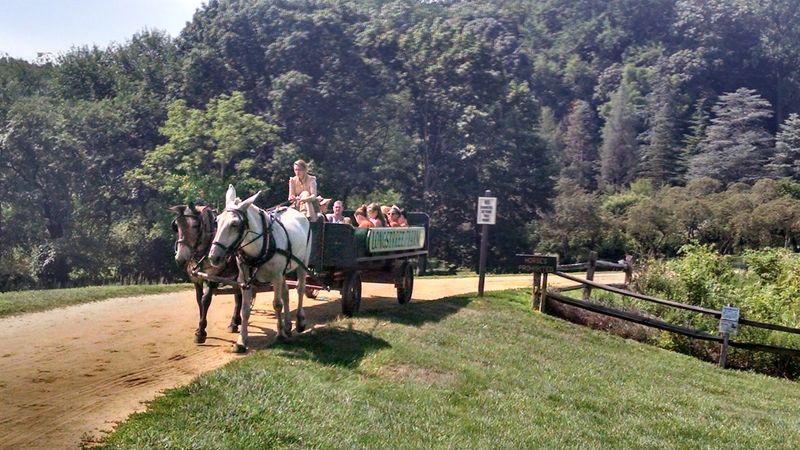
One of the best things about Longstreet Farm and the surrounding Holmdel Park is that neither costs a single dollar to visit.
Admission and parking are completely free, which makes this a genuinely accessible experience for families, solo travelers, and anyone who wants a meaningful day out without planning a budget around it.
Free does not mean thin on content here.
The farm is open daily year-round from 10 a.m. to 4 p.m., with extended hours from Memorial Day through Labor Day running 9 a.m. to 5 p.m. That kind of consistent availability makes it easy to fit into almost any schedule.
The broader Holmdel Park opens at 7 a.m. daily, so arriving early to walk the trails before the farm opens is a perfectly good plan.
The 565-acre park surrounding the farm includes hiking trails, ponds, picnic areas, playgrounds, and an arboretum, so there is genuinely no reason to feel rushed. Spending a full day here is easy and comfortable.
Pack a lunch, wear comfortable shoes, and plan to move slowly through everything the farm has to offer. This is not a place you want to speed through.
Why Longstreet Farm Belongs on the National Register of Historic Places
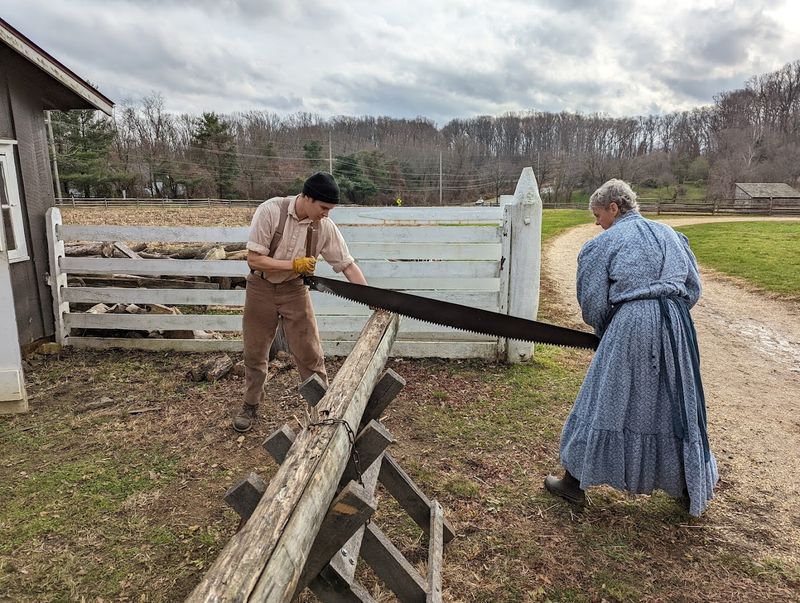
Being listed on the National Register of Historic Places is not a casual honor. Longstreet Farm earned that designation on November 29, 1979, and the reasons become obvious within minutes of arriving.
The 9-acre site preserves not just buildings but an entire way of life, maintained with enough care and accuracy to function as a genuine educational resource rather than a theme park approximation.
The collection of preserved structures on the property is remarkable. The Dutch barn, the farmhouse, the workshop, the smokehouse, and the corn crib all survive in forms that reflect their original purpose and period.
Each building has its own story, and the costumed interpreters who work within them help connect those stories to the bigger picture of rural New Jersey in the 1890s.
What makes this place feel different from a typical historic site is the living quality of it. The animals are real, the work being demonstrated is real, and the knowledge being shared comes from genuine research into how Monmouth County farm families actually lived.
History here is not behind glass. It is happening right in front of you, and that makes all the difference.
Address: 44 Longstreet Rd, Holmdel, NJ
