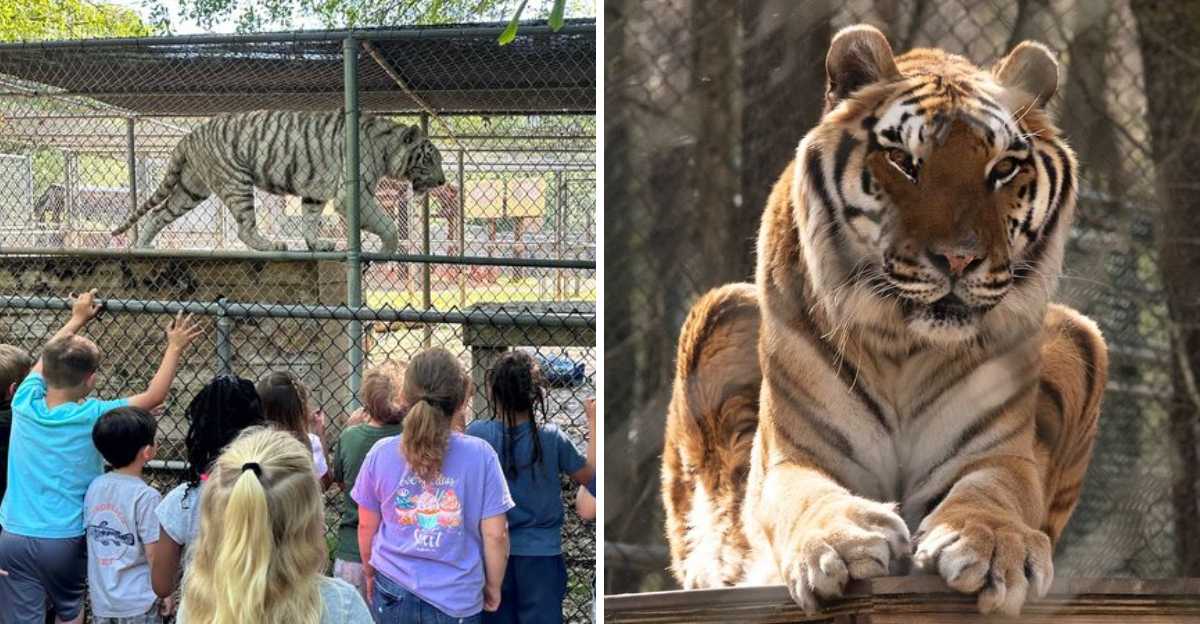
Most people have never stood close enough to a tiger to hear it chuff. This Alabama wild animal preserve offers the kind of experience that makes moments like that genuinely possible.
Spread across roughly 140 acres of mountainous terrain, the nonprofit sanctuary is home to more than 160 rescued animals, including big cats, bears, wolves, and other species that visitors rarely get to observe this closely.
The setting feels more rugged and expansive than a traditional zoo, giving the experience a different kind of atmosphere.
Whether you are planning a family outing, a school trip, or simply searching for something unforgettable, it delivers a powerful look at rescued wildlife in a setting that feels immersive, educational, and surprisingly moving.
Tiger Feeding Experiences You Will Not Find Anywhere Else

Feeding a tiger sounds like something reserved for wildlife professionals. At Tigers For Tomorrow, it is something regular visitors can actually do during private tours and special events.
The experience uses a specialized feeding pole and takes place safely behind two secure barrier fences, so there is no risk involved but plenty of adrenaline.
Guests who have participated in tiger feedings consistently describe it as one of the most memorable things they have ever done. Watching a tiger take food from a pole you are holding, even through a barrier, creates a connection that is hard to replicate anywhere else.
The animal is calm, the staff guides you through every step, and the whole thing lasts just long enough to feel completely real.
Special event packages, like the couples experience, have included tiger feeding along with capybara encounters and warm treats like s’mores and hot chocolate. These events tend to sell out, so booking ahead through the Tigers For Tomorrow website is strongly recommended.
Private guided tours that include feeding experiences are also available and can be arranged by contacting the preserve directly.
For anyone who has ever dreamed of getting close to one of the world’s most powerful predators in a responsible and respectful setting, this is one experience worth planning an entire trip around.
A Staggering Variety of Animals Beyond Just Tigers
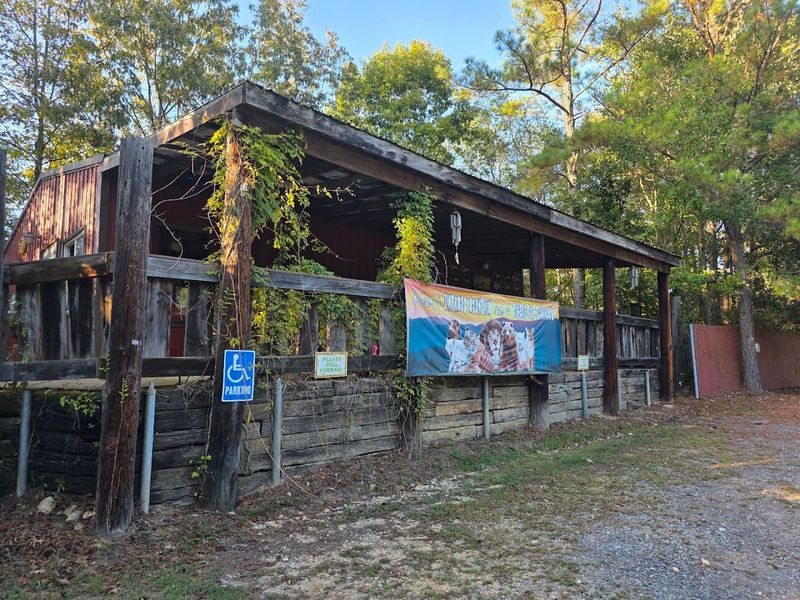
The name says tigers, but the experience goes far beyond them. Tigers For Tomorrow is home to over 160 animals representing an impressive range of species that most people have never seen outside of a major metropolitan zoo.
The sheer variety on display across the 140-acre preserve keeps visitors moving from one enclosure to the next with genuine curiosity.
Bears are a highlight for many guests. The preserve houses both black bears and grizzly bears, with one brown bear reportedly measuring around eight feet tall.
Wolves and foxes, including red foxes and arctic foxes, are also part of the collection. Miniature horses, goats, a petting area, capybaras, emus, and even giant turtles round out the experience in ways that surprise first-time visitors.
The big cat lineup alone is worth the trip. Eight species of wild cats call this preserve home, including mountain lions, African lions, black leopards, white tigers, and servals.
Each animal has its own backstory, and many were rescued from situations where they had no other safe option. Staff and volunteers are genuinely knowledgeable about each resident and happy to share details about individual personalities and histories.
The Dragonfly Cafe offers a pleasant outdoor seating area for a midday break. The full address for the preserve is 708 Co Rd 345, Attalla, AL 35954, and it is open Wednesday through Sunday.
Wildlife Education That Actually Sticks With You

A lot of places claim to be educational. Tigers For Tomorrow actually earns that label.
As a formal environmental education center, the preserve offers structured programs for schools and groups alongside the kind of spontaneous learning moments that happen naturally when you are standing three feet from a wolf.
Tour guides at the preserve are consistently praised for their depth of knowledge and ability to connect with audiences of all ages.
Whether leading a group of third graders or a class of middle schoolers, the guides make complex topics about animal behavior, conservation, and habitat feel accessible and genuinely interesting.
Teachers who have brought field trips here often note that the animals themselves do a lot of the teaching. Hearing lions roar in response to each other or watching tigers chuff toward a curious crowd makes wildlife biology feel alive in a way no classroom can replicate.
The preserve also welcomes informal visitors who simply want to learn at their own pace. Exhibit talks happen throughout the day, and volunteers are often nearby to answer questions and share insights about individual animals.
For families, homeschool groups, or anyone who wants more from a day out than just entertainment, Tigers For Tomorrow delivers an educational experience grounded in real conservation work. The animals here are not just residents.
They are ambassadors for a broader understanding of wildlife and what it takes to protect it.
Up-Close Predator Viewing That Feels Almost Unreal
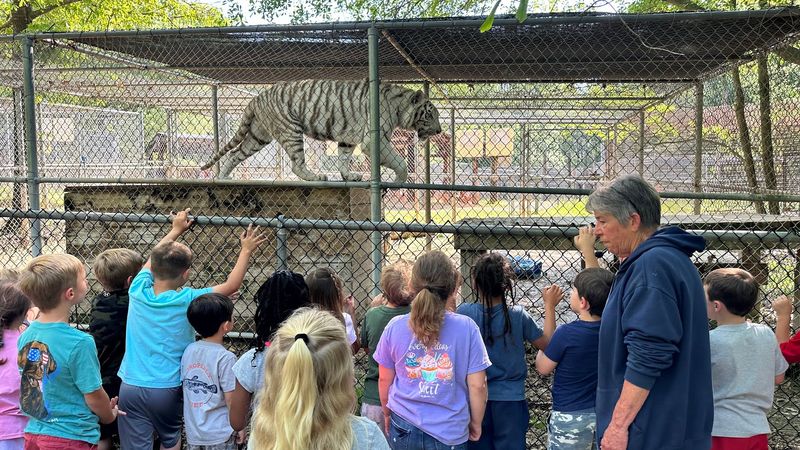
There is a particular kind of stillness that comes over you when a 400-pound tiger walks directly toward the fence and locks eyes with you. At Tigers For Tomorrow on Untamed Mountain in Attalla, Alabama, that moment is not a rare exception.
It is practically the whole point of visiting.
The preserve is designed so that guests can walk pathways that bring them genuinely close to the animals. You are not watching through thick glass from a hundred feet away.
You are separated by a secure barrier, but the proximity still feels extraordinary. Big cats, wolves, and bears move naturally through their enclosures while visitors observe from just a few feet away.
Over 75 big cats live here, representing eight species including African lions, mountain lions, servals, and black leopards. Hearing a lion roar or watching a tiger chuff hello toward a group of wide-eyed visitors is the kind of experience people talk about for years.
The terrain is natural and the atmosphere is calm, which makes the animals feel relaxed and engaged with the people watching them. Nothing about it feels staged or forced.
It feels like a genuine encounter with wild animals who have found a peaceful, permanent home on an Alabama mountain.
Supporting Real Animal Rescue With Every Visit
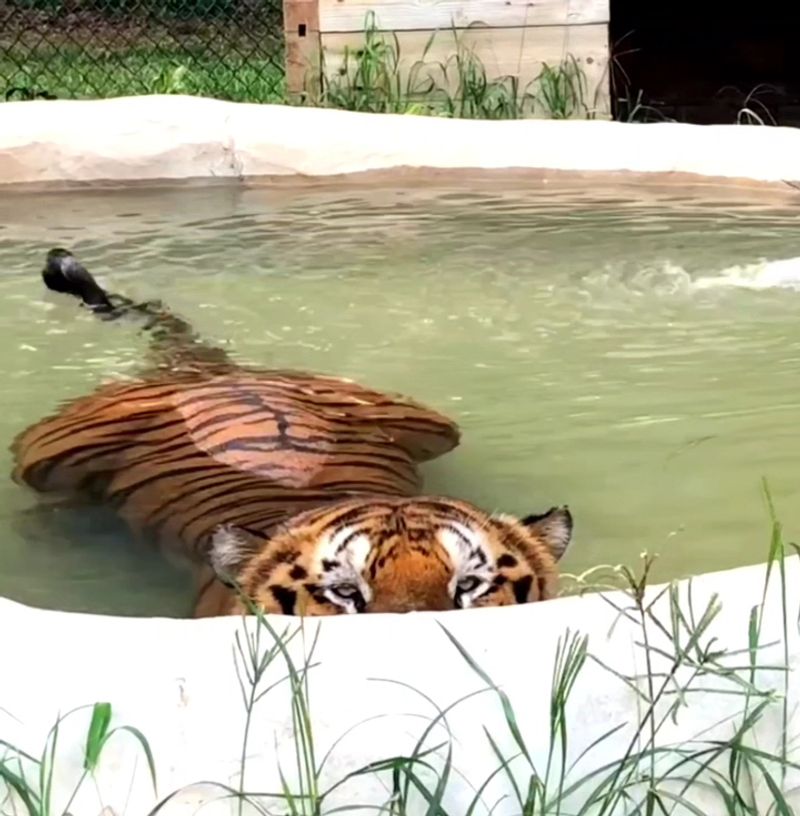
Every ticket purchased at Tigers For Tomorrow goes directly toward supporting animals that had nowhere else to go. The preserve operates as a non-profit, no-kill facility, meaning that every animal here has a permanent home for the rest of its natural life.
None of them are bred for profit or traded. They arrived because they needed help, and they stayed because this place made a commitment to them.
The stories behind these animals are often sobering. Many were rescued from situations involving neglect, illegal ownership, or circumstances where their previous caretakers simply could not provide proper care.
Tigers, bears, wolves, and other species that cannot be released into the wild need facilities that are willing and able to care for them long-term. Tigers For Tomorrow has been doing exactly that for years, and the animals visibly thrive in the environment the preserve has built for them.
Visitors who come here are not just observers. They are contributors to a mission that matters.
The preserve is actively working on a long-term expansion initiative called Echoes of the Wild, which aims to develop additional habitats and acreage to further improve quality of life for the animals in its care.
Knowing that your admission fee supports real, ongoing rescue and conservation work adds a layer of meaning to the visit that most tourist attractions simply cannot offer.
Coming here feels purposeful in a way that is hard to find elsewhere.
Capybara Encounters That Are Surprisingly Heartwarming
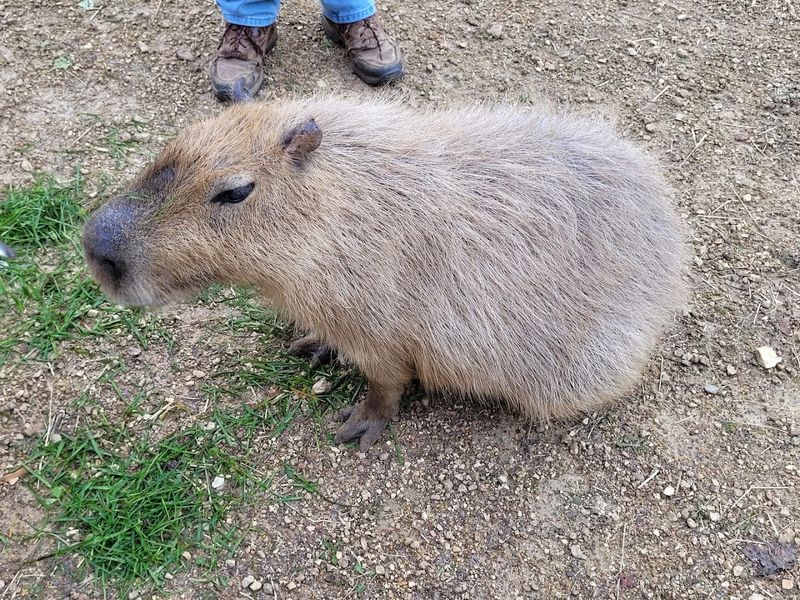
Not every unforgettable moment at Tigers For Tomorrow involves a predator. The capybara encounter has become one of the most talked-about experiences at the preserve, and it is easy to understand why once you are standing next to the world’s largest rodent with a pair of tongs and a snack.
Capybaras are social, surprisingly expressive animals that tend to be calm and curious around people. Visitors get to pet them and feed them directly, guided by a staff member who clearly loves these animals and enjoys sharing what makes them special.
The interaction is hands-on in a way that feels genuinely meaningful rather than gimmicky. Kids and adults alike tend to walk away from the capybara area with huge smiles.
Special event packages often bundle the capybara encounter with other experiences like tiger feeding, making them an excellent value for guests who want to maximize their time at the preserve.
The couples experience, for example, has included both the capybara meet-and-greet and a tiger feeding for a flat per-person rate that visitors have described as a great deal given everything included.
If you are someone who assumes a wildlife sanctuary is all intensity and serious conservation messaging, the capybara area will pleasantly catch you off guard.
It is warm, funny, and oddly moving to spend a few minutes with an animal that seems completely unbothered by the fact that it lives on an Alabama mountain.
Flexible Tour Options for Every Kind of Visitor

One of the quieter strengths of Tigers For Tomorrow is how well it accommodates different kinds of visitors. Not everyone wants a structured guided experience, and not everyone wants to wander without context.
The preserve offers both, and each option has real appeal depending on what you are looking for.
The self-guided walkabout tour lets guests explore the 140-acre property at their own pace. The pathways wind through the mountain terrain and are largely shaded, which makes the walk comfortable even on warmer days.
Guests who have visited early on weekday mornings often describe the experience as feeling almost private, with the sounds of chuffing and howling carrying through the trees while the preserve is quiet and unhurried.
Private guided tours offer a more personalized experience, with knowledgeable guides who can answer specific questions and provide deeper context about individual animals. These tours are especially popular for school groups, family outings, and special events.
Booking in advance through the Tigers For Tomorrow website is recommended, particularly for private tours and experience packages. The preserve is open Wednesday through Sunday, with Friday, Saturday, and Sunday offering the longest hours from 9 AM to 5 PM.
Whether you are a first-time visitor trying to see everything or a returning guest with a favorite animal to check on, the flexible structure here means the visit can feel tailored to you every single time you come back.
