Tucked into a quiet green valley, there’s a spot where warm water has been bubbling up from the ground for hundreds of years. Long ago, folks traveled across the country believing this water could heal what ailed them.
Today the springs still flow at the same steady temperature they always have, right here in West Virginia. What makes this place special isn’t just the water, though.
It’s the layers of history you can practically feel resting under those old brick columns.
A Storied Spring in Monroe County
Way out in the rolling hills near the Virginia border sits a place that once carried a reputation stretching far beyond its quiet valley. Folks around here still call it Old Sweet, and for good reason.
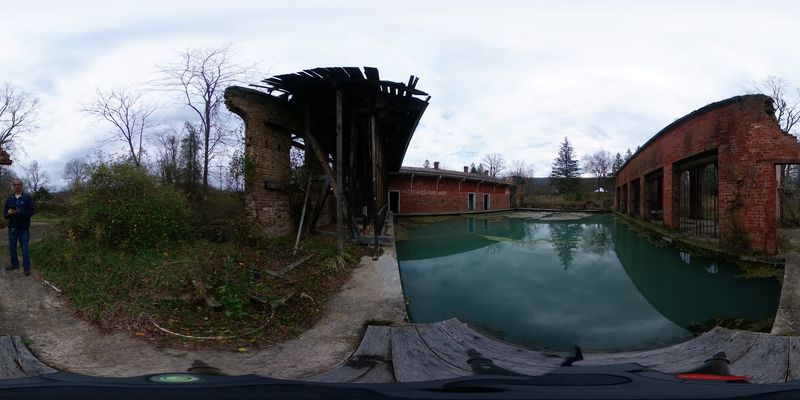
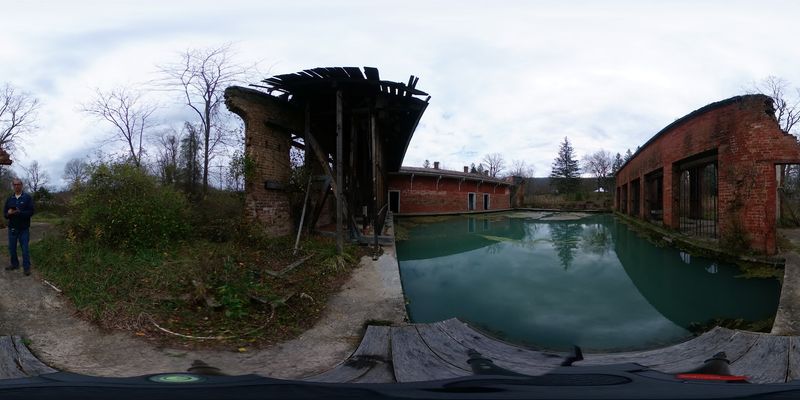
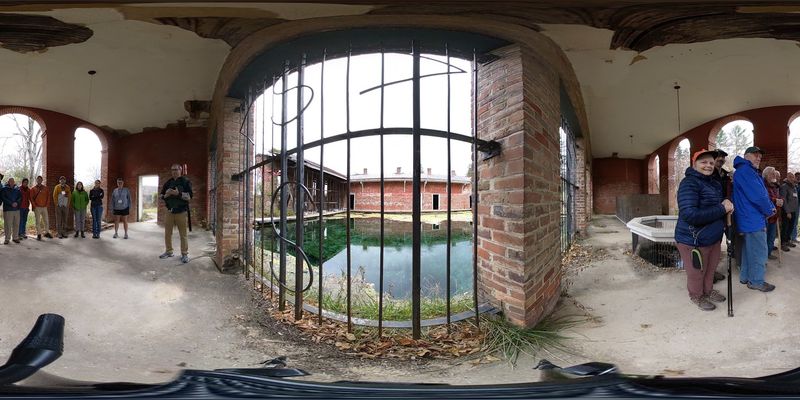
The spring itself is the star. Water rises from the ground at a steady 73 degrees all year long, holding a little iron and carbon dioxide that gave it a lively, brisk taste people once traveled miles to sample.
Visitors have noted steam curling off the surface even on cold mornings.
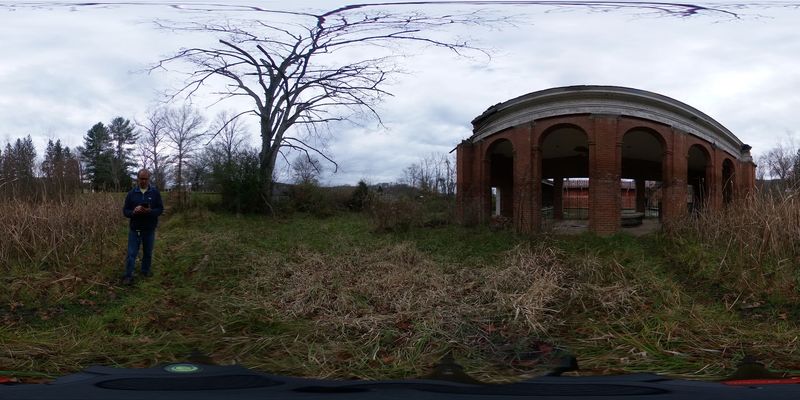
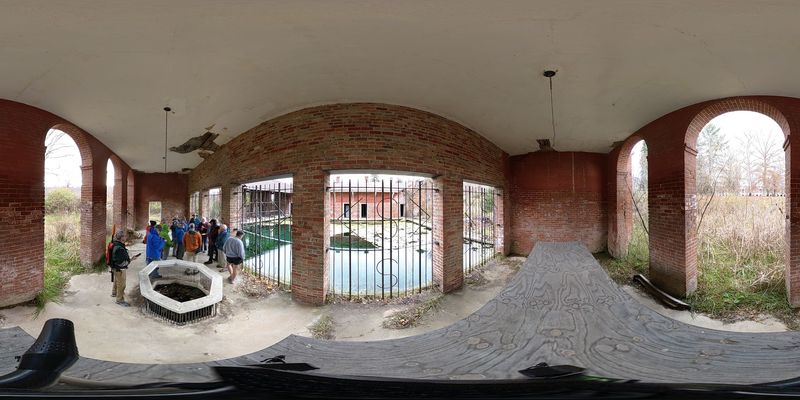
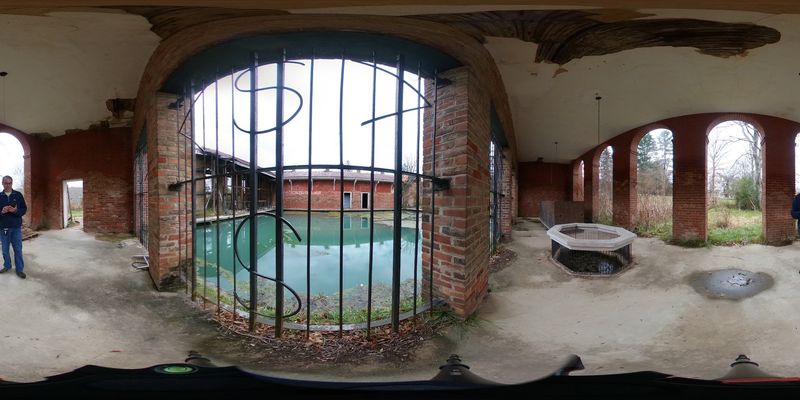
Set beside the water stands a grand columned brick building that speaks to grander days. The whole property sits along Sweet Springs Valley Road, listed on the National Register of Historic Places as a preserved window into the state’s past.
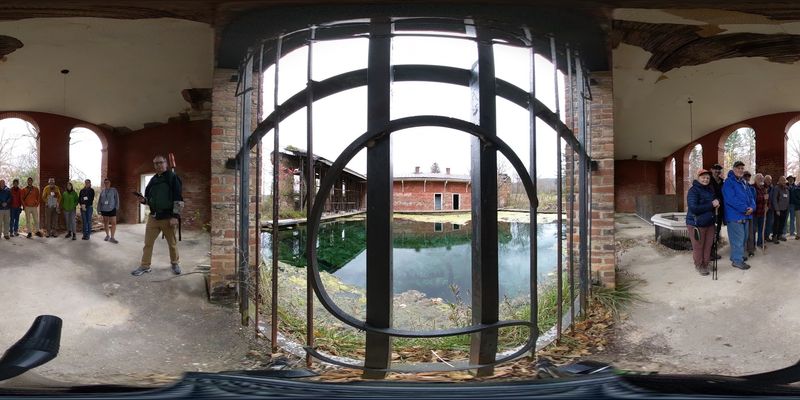
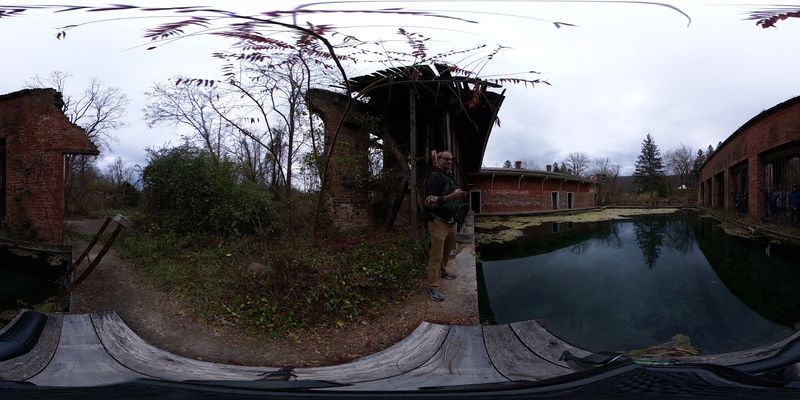
What draws the curious today is simple. The springs never stopped flowing, and observers have described the spring-fed pool as remarkably clear, with fresh water running constantly through it.
Standing there, you get a rare feeling of touching something old and living at the same time, right in the West Virginia countryside.
Roots Reaching Back to the 1790s
Picture a Revolutionary War veteran surveying a quiet valley and deciding this water was worth building around. That’s roughly how the story began.
William Lewis put up the first hotel here around 1792, planting the seed for what would grow into one of the region’s most talked-about retreats. Over the following decades, the property kept expanding as its fame spread through the young nation.
By the 1830s, the resort’s main building went up, a large brick structure crowned with columned porticos. Its design so resembled the work of Thomas Jefferson that people long credited him with it, though scholars now point to a Jefferson associate instead.
A second big building and five cottages followed in 1857.
There’s even a legal chapter to the tale. From 1795 to 1807, a Virginia district court met right here, and a courthouse and jail were built on the grounds.
The old jailhouse reportedly still stands and is thought to be among the oldest west of the Alleghenies.
Every brick seems to carry a piece of frontier West Virginia, back before West Virginia was even a separate state.
When the Nation Believed in Healing Waters
Long before modern medicine, people put a great deal of faith in what came out of the ground. Sweet Springs sat near the center of that belief.
The water here was once called the best acidulous water in the United States, praised for a carbonated briskness that made it stand apart from ordinary springs. That fizzy quality gave every sip a memorable snap.
Claims about its powers ran deep. The water was reportedly believed to help with conditions like sub-acute rheumatism and neuralgia, and immersion was recommended to ease certain nephritic complaints.
Whether or not those cures held up, plenty of people came away convinced.
Appreciation for the water stretched back even further than the resort. Trans-Allegheny Indigenous people reportedly valued the pure springs for generations, using the clean water for birthing and daily life.
All of that reputation turned a remote West Virginia valley into a national name. When you understand how seriously the country once took these waters, standing beside the spring today feels a little like stepping into an old advertisement come to life.
The Guest List That Read Like a History Book
Imagine a summer afternoon here in the resort’s prime, with carriages rolling up and famous faces stepping onto the veranda. The names attached to this place are genuinely remarkable.
George and Martha Washington reportedly passed through, as did General Lafayette and Chief Justice John Marshall. Patrick Henry, James and Dolley Madison, and Robert E.
Lee are all counted among the notable visitors who once enjoyed the waters.
The circle went wider still. Jerome Bonaparte spent time here, and two sitting-era presidents, Pierce and Fillmore, are among those linked to the resort’s glory years.
Gatherings like that weren’t accidental. From the 1820s until the Civil War, this was a social hub where the well-known and the well-traveled mingled between sips of spring water and long conversations on shaded porches.
For a West Virginia valley this tucked away, hosting so many towering figures speaks to just how magnetic the place once was. Walking the grounds now, it’s easy to imagine those same porches crowded with laughter, music drifting out, and the steady sound of the spring never far in the background.
Part of a Famous Circuit of Springs
Traveling for your health used to mean more than a single stop. Around here, it meant a whole tour.
Sweet Springs anchored what people called the Springs Region of pre-Civil War Virginia, back before West Virginia broke off on its own. The resort sat within a day’s carriage ride of eight other mineral spring destinations.
Summer guests rarely settled for one. They’d make a circuit, sampling the waters and social scene at each resort, comparing which spring felt best and where the company was liveliest.
It was part treatment, part vacation, part gossip tour.
That network helped spread the fame. Being one stop on a well-worn loop meant word of Sweet Springs reached far corners of the country, carried home by travelers who’d tasted its brisk, carbonated water firsthand.
The most famous neighbor was White Sulphur Springs, known today as The Greenbrier. Their fortunes would later split in a big way, but during those decades they were simply two jewels on the same bright necklace of Appalachian retreats, drawing crowds through the West Virginia and Virginia countryside every warm season.
How the Missing Railroad Changed Everything
Sometimes a place’s fate comes down to something as simple as a missing set of tracks. That was the hard lesson at Sweet Springs.
When the Civil War interrupted the resort’s operation, it struggled to bounce back to its earlier heights. The world was changing fast, and one problem loomed larger than the rest.
No railroad line ran nearby. While rival resorts like White Sulphur Springs thrived on easy rail access, guests bound for Sweet Springs still faced the slower, bumpier journey that fewer travelers were willing to make.
Convenience quietly won out over reputation.
The decline stretched on for decades. Around 1930, after facing bankruptcy, the resort stopped operating in its traditional form, closing the book on its era as a fashionable getaway.
There’s a bittersweet pride in that story for anyone who loves West Virginia history. The valley kept its beauty and its bubbling spring, but the crowds drifted toward places the trains could reach.
It’s a reminder of how much small-town fortunes once rode on where the rails happened to run, and how easily a golden age can fade.
Second Lives as a Sanitarium and a Care Home
Buildings this grand rarely sit still, even after the crowds move on. Sweet Springs found new purposes long after its resort days closed.
West Virginia purchased the property in 1941 and put it to work serving the public. The old hotel became a tuberculosis sanitarium, caring for patients from 1941 until 1945.
After that chapter ended, the place shifted again. From 1945 all the way to 1991, it operated as the Andrew S.
Rowan Memorial Home, providing a home for the aged within those same historic walls.
Think about that stretch of time. For nearly half a century, folks lived out quiet years beside the very spring that had once drawn presidents and generals, the water still flowing steadily as generations came and went.
When the Rowan Home closed in 1991, plans for a rehabilitation center didn’t pan out, and the property passed into private hands in 1996 and again in 2005. Vacant stretches followed, and the buildings began to fade.
Still, those decades of service gave the site a gentler, more human story, one many longtime West Virginia families remember with real fondness.
A Restoration Bringing the Grounds Back to Life
Good news doesn’t always make the headlines, but this valley has been quietly turning a corner. After years of neglect, hope returned in the form of one determined buyer.
In 2015, Ashby Berkley purchased the resort with restoration in mind. Rather than keep it as a private curiosity, he helped establish the non-profit Sweet Springs Resort Park Foundation, an organization dedicated to bringing the historic property back.
Progress has been steady and real. As of September 2024, construction had begun on an extension to one of the structures, a clear sign that revitalization is moving forward rather than stalling out.
Efforts like this matter for the whole region. Preserving a landmark listed on the National Register of Historic Places keeps a piece of West Virginia’s story standing for the grandchildren of the folks who remember it in earlier days.
There’s something heartening about watching a place once left to weather and time get a fresh chance. It’s the kind of small-town comeback that reminds you these grand old buildings still have plenty of life left, if the right hands are willing to care for them.
The Water That Never Stopped Flowing
Empires rose and fell, owners came and went, but one thing at Sweet Springs never took a break. The spring itself kept right on running.
That constancy is the real marvel here. The water still emerges at the same steady 73 degrees it always has, warm enough that steam rises off the surface when the air turns cold.
Visitors have described the spring-fed pool as remarkably clear, with fresh water constantly moving through it. There’s a quiet magic in seeing water that people trusted centuries ago still bubbling up, unchanged and unbothered by all the history around it.
Those who’ve made the trip speak warmly of it. Folks call it an amazing and historic thermal spring, often noting that it’s regarded as the oldest of West Virginia’s healing thermal springs.
Historical accounts and recent observations suggest the pure drinking waters remain accessible, carrying on a tradition that reaches all the way back to Indigenous use. To sip from it today is to share a small ritual with countless people across the generations, right in the heart of the West Virginia hills.
Planning Your Visit to Old Sweet
Ready to see it for yourself? Getting here is part of the charm, since the valley stays refreshingly off the beaten path.
You’ll find the historic resort at 19540 Sweet Springs Valley Road, Sweet Springs, WV 24941, tucked into the quiet countryside near the Virginia line. It’s the kind of drive where the scenery slows you down in the best way, with hills unfolding around every bend.
Because the property is an active restoration project run by a non-profit foundation, it helps to come with patience and respect for the ongoing work. Treat it as a living historic site rather than a polished tourist stop, and you’ll appreciate it all the more.
The setting suits history lovers, curious road-trippers, and anyone who enjoys a peaceful spot far from crowds. Retirees and families tracing West Virginia’s past will find plenty to reflect on among these old bricks and warm waters.
Bring your curiosity and take your time. Standing beside a spring that once promised the country a cure, in a valley full of stories, makes for the sort of unhurried afternoon that stays with you long after you’ve headed home.
