Tour an abandoned New Jersey site where nuclear missiles once sat ready to launch within minutes.
Sounds intense, right?
This Cold War relic was part of a defensive ring around New York City for two decades.
The site sat closed and forgotten for years until someone finally said, “Hey, let’s open this up.” Good call.
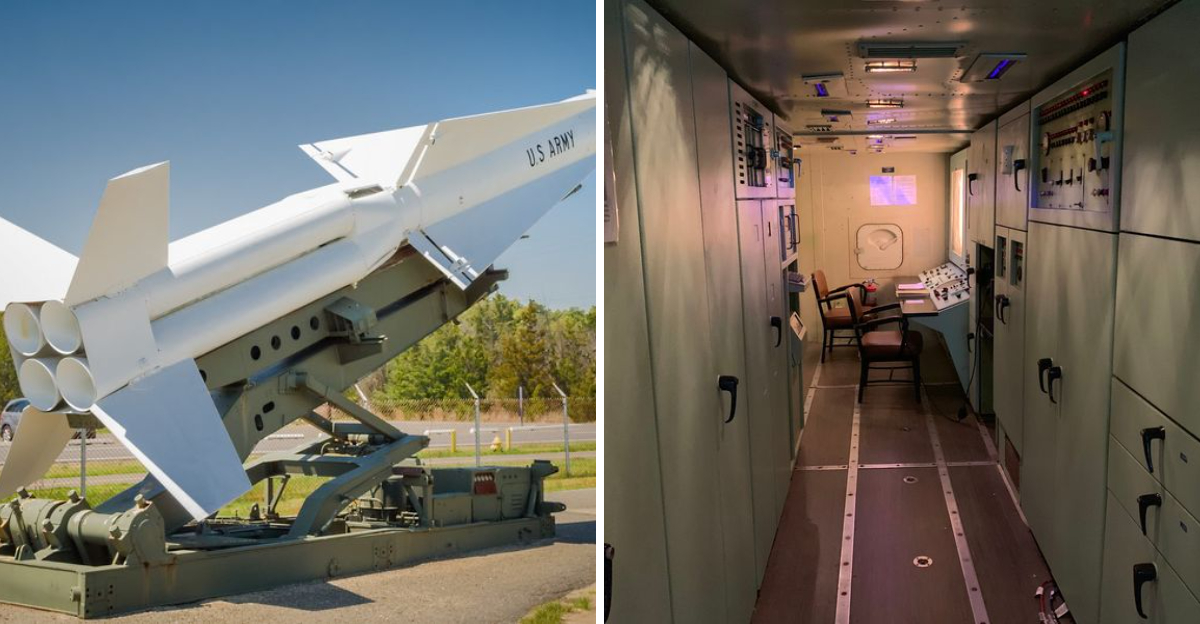
Today, you can walk among the radar platforms, see restored control equipment, and even touch a preserved missile. Yes, touch it.
The tours are led by volunteers, some of whom actually served here during the Cold War. Their stories will give you chills.
It is equal parts history lesson and spine-tingling adventure. Bring your curiosity and your camera.
This place will leave you speechless.
A Cold War Secret On The Shore
Salt air and secret weapons make an odd pairing, yet that is exactly what this stretch of Sandy Hook once offered. The peninsula had guarded the coast for generations, but after World War II the threat changed shape entirely.
Instead of ships, the worry became bombers flying high over the Atlantic toward New York City. Designated NY-56, the installation became one link in a defensive ring built to protect millions of people who had no idea it existed.
Walking the grounds now, the quiet feels almost unfair given what once happened here. Beach grass leans in the wind, gulls complain overhead, and the towers just stand there looking patient.
What strikes visitors most is the contrast between the peaceful shoreline and the seriousness of the mission. Soldiers stationed here spent their days scanning empty sky, hoping it stayed empty.
The site rewards slow looking. Give yourself time to stand still, read the interpretive signs, and let the scale of the responsibility settle in properly.
When Sandy Hook Stood On Alert
From 1955 until 1974, this place never really slept. Crews rotated through around the clock, keeping equipment warm and eyes on the screens, because the entire point was being ready faster than anyone could react.
Nearby communities knew missiles were somewhere on the peninsula. What most people did not know was that some of those missiles carried nuclear warheads, a detail that stayed carefully quiet for years.
A single radio message, the phrase BLAZING SKIES followed by the words THIS IS NOT A DRILL, would have shifted everything from routine to real in seconds.
Imagining that tension while standing on the same ground is genuinely sobering. Days here were mostly ordinary, filled with drills, checks, and paperwork, and then punctuated by the constant awareness that ordinary could end abruptly.
Visitors often say the timeline is what surprises them. Nineteen years of continuous alert is a long stretch of holding your breath, and the site does a fine job of making that duration feel real.
Hidden Behind The Radar Towers
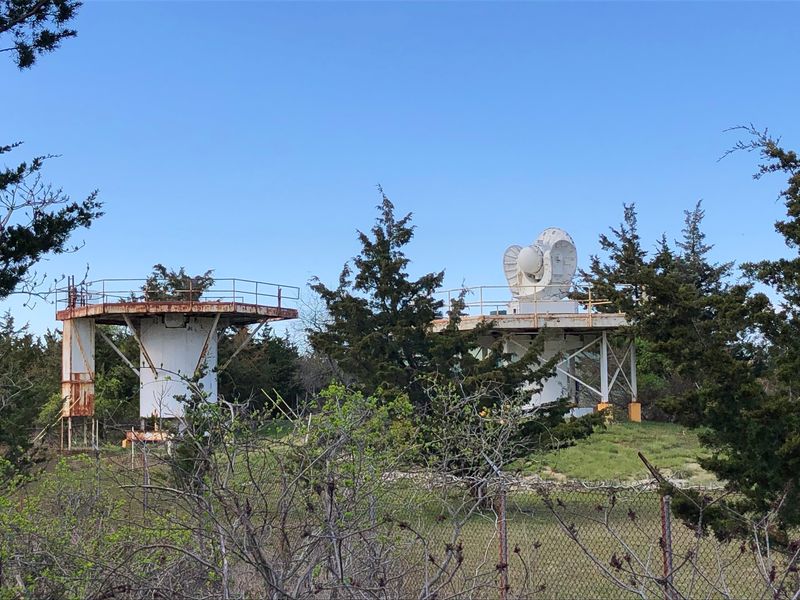
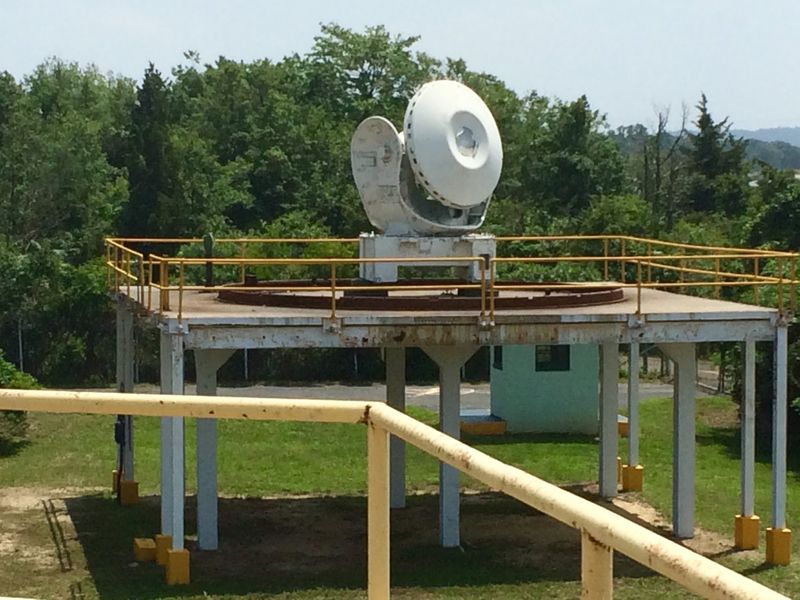
The towers are the first thing that grabs attention, and they earn it. Painted bright white and rising above flat coastal scrub, they look both futuristic and delightfully outdated at the same time.
Those platforms held the radar equipment that made the entire defense system possible. Without them, the missiles sitting a couple of miles south would have been expensive metal tubes pointing at nothing in particular.
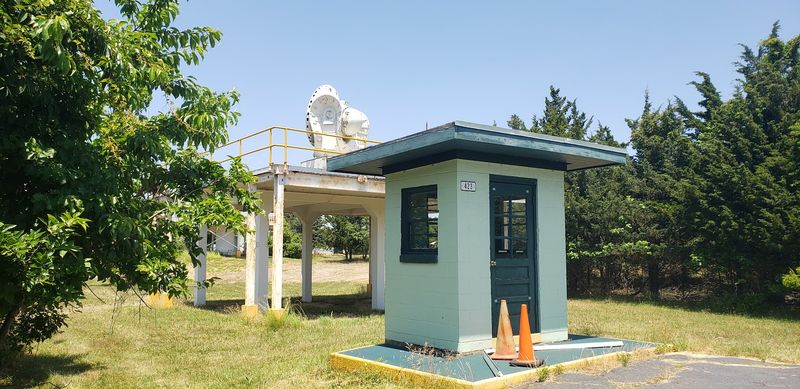
The Integrated Fire Control area, usually shortened to IFC, was the brain of the operation. Everything that happened at the launch area started with a signal generated right here.
Standing beneath the platforms gives a real sense of scale that photographs flatten out. The metal stairs, the railings, the boxy equipment housings all feel handmade in a way modern technology rarely does.
Bring a camera and take your time circling the structures. Light shifts constantly on this peninsula, and the towers look completely different under fog than they do in bright afternoon sun.
Built For A Very Different Era
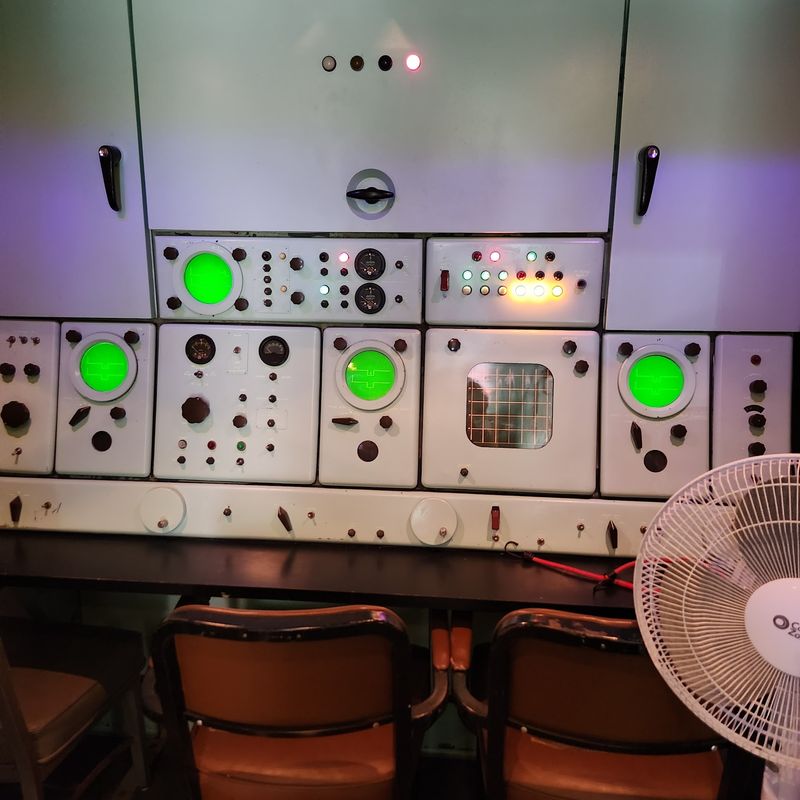
Bell Telephone Laboratories developed the Nike system, which sounds strange until you remember that the phone company employed some of the sharpest engineers alive at the time.
The result was a ground based command guidance system capable of tracking fast aircraft and steering an interceptor into their path. For the 1950s, that was extraordinary.
Everything ran on analog technology. Vacuum tubes, oscilloscopes, hand calibrated dials, and racks of wiring did work that a pocket sized chip would handle today without warming up.
Anyone who enjoys engineering history will find the equipment fascinating rather than dusty. The control vans function almost like a museum of postwar innovation, showing how much could be accomplished before computers shrank.
Weather has worn the buildings, yet the structures still communicate urgency. Concrete pads, sturdy platforms, and practical layouts show a place built quickly and built to last.
Seeing the physical remnants makes the pace of Cold War technology feel tangible, and it explains why the system eventually became obsolete so fast.
Inside The Former Missile Site
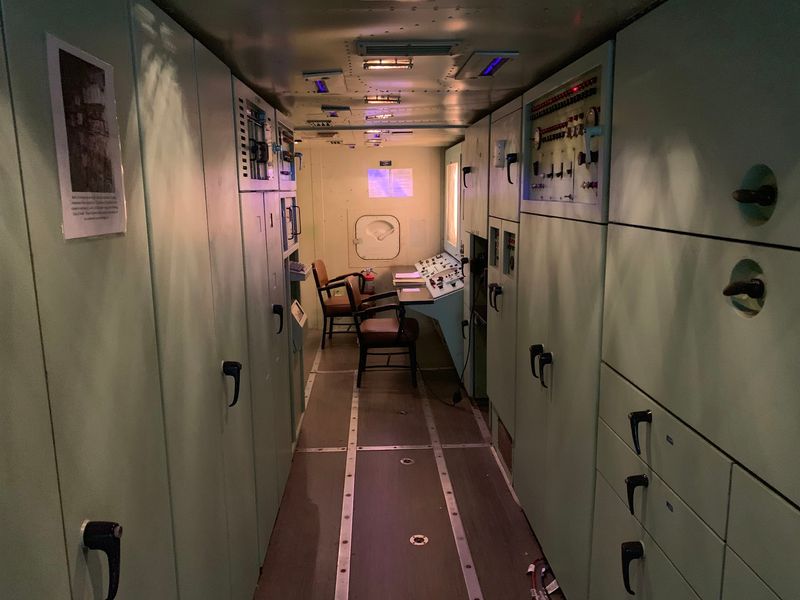
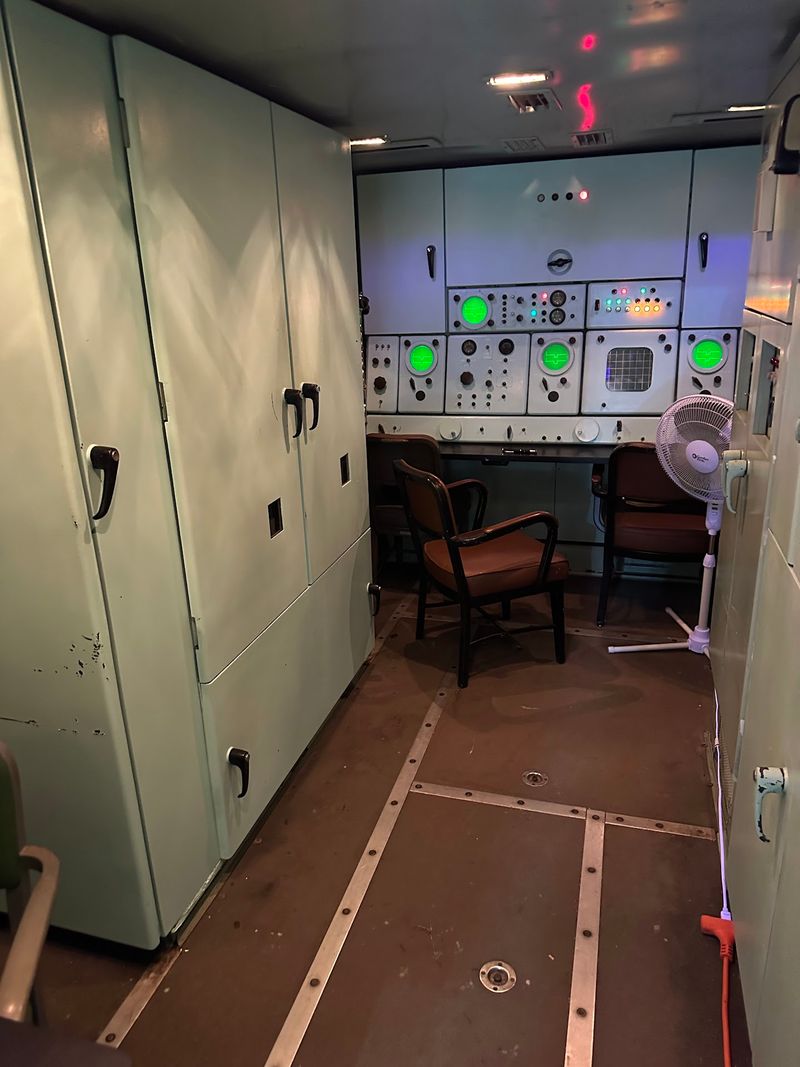
Stepping into the restored control center changes the mood immediately. Outside it is wind and open sky, and inside it becomes close air, low ceilings, and rows of consoles waiting for someone to sit down.
Radar screens, switches, and terminals fill the space. Each station had a specific job, and each operator knew their part of a sequence measured in seconds rather than minutes.
What lands hardest is realizing how small the room feels. Decisions affecting an entire metropolitan area were made from a handful of chairs in a building you could walk across in a few strides.
Restoration work has been careful, using authentic surplus equipment so the interior reads as genuine rather than staged. Dials, labels, and cabling all belong to the period.
Take a moment before leaving to simply stand still in there. The quiet inside those walls carries an intensity that outdoor exhibits, however impressive, cannot quite match.
How The Defense System Worked
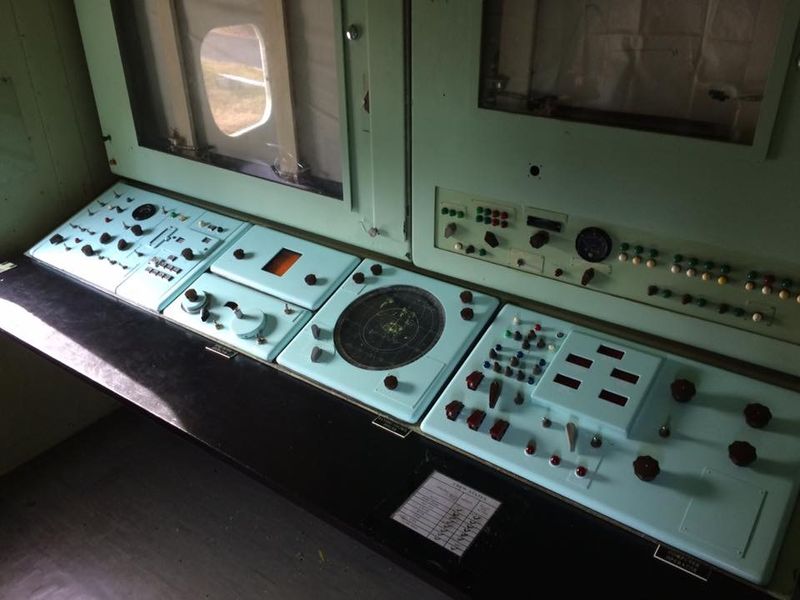
Three radars, one job. The system worked like a relay race where every runner had to be flawless or the whole effort collapsed.
Acquisition radar swept the airspace first, hunting for anything that did not belong. Once something appeared, the target tracking radar locked on and followed it with relentless precision.
Meanwhile the missile tracking radar guided the Nike itself, comparing both paths and nudging the interceptor toward a meeting point far out over the water.
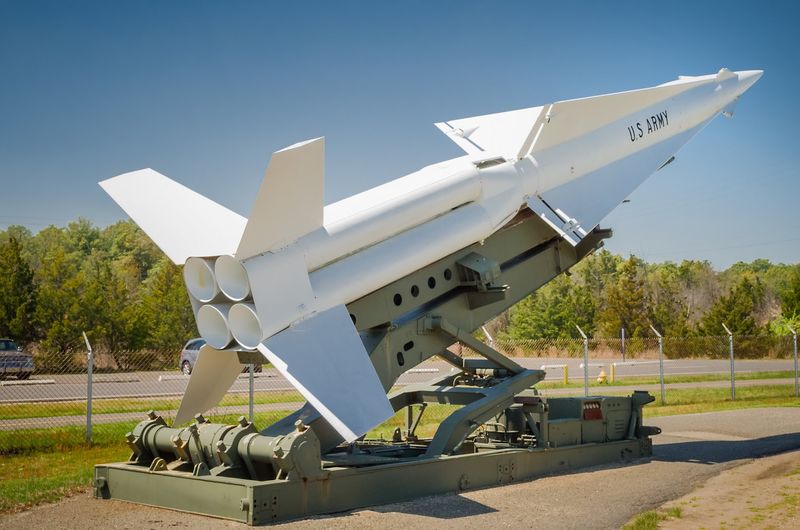
Early on the system used conventional Nike Ajax missiles, later replaced by the larger, more capable Nike Hercules. Intercepts were designed to happen miles offshore, long before any threat reached populated areas.
Crews worked in twenty four hour shifts and lived on site in barracks, because readiness meant nobody could be far from their station.
Between the drills there were meals in the mess hall within the administrative area, simple plates of stew or baked chicken that fueled long watches and gave soldiers a warm, ordinary moment together.
What Still Remains Today
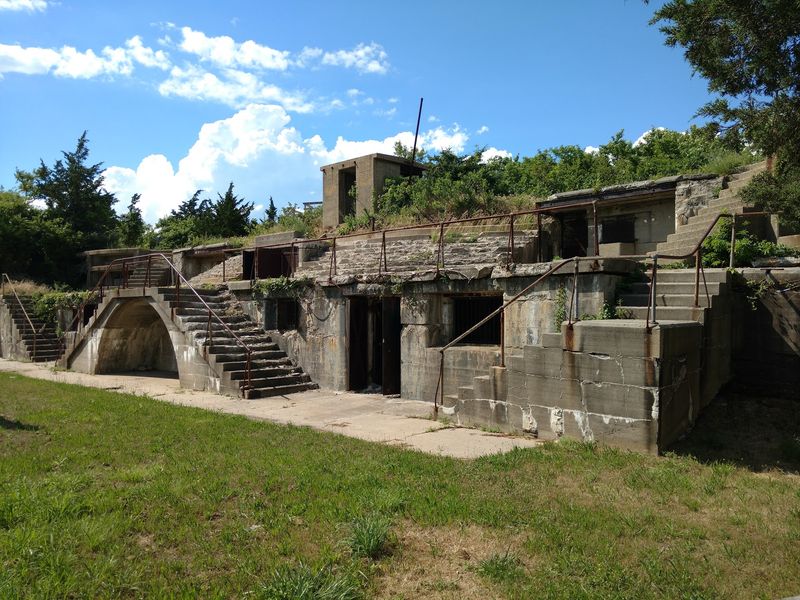
Deactivation came in 1974, and the National Park Service took over the following year. For nearly three decades afterward, the place mostly sat still and collected salt air.
Restoration efforts began around 2001, and the change has been remarkable. NY-56 is now considered the second best preserved Nike missile site in the entire country.
Radar platforms have been refurbished with authentic surplus equipment. Original buildings remain in place, giving the whole area a coherent, believable feel rather than a scattered collection of leftovers.
Actual Nike Ajax and Nike Hercules missiles sit on display atop launchers, and their size surprises people who expected something smaller and tidier.
Nature keeps editing the site too. Coastline erosion has gradually exposed portions of the underground missile magazine bunker, which adds an unplanned layer of drama to the visit.
Seeing preservation and erosion happening side by side makes the place feel alive, still changing, still worth returning to in a few years.
Touring A Piece Of Military History
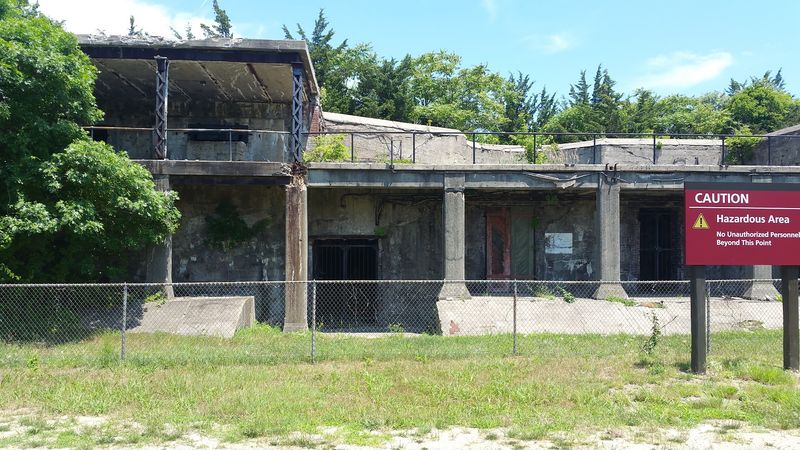
Guided tours run regularly from spring through fall, and they turn a quiet collection of buildings into something closer to a living classroom.
Volunteers lead the way, and many of them served at Nike sites themselves. Their firsthand knowledge gives the concrete and steel a pulse that signage alone never achieves.
Walking through the IFC area, exploring the buildings, and getting close to restored equipment builds understanding gradually rather than dumping facts all at once.
Comfortable shoes help, since the ground is sandy and the route covers open terrain. Bring water, sun protection, and a little patience for coastal wind.
Talk turns naturally toward daily life, including meals. Picture breakfasts of eggs and toast before a long shift, or a plate of meatloaf and vegetables at the end of one.
Those shared tables inside the administrative area offered a small, steady comfort, proof that even inside a top secret operation, people still gathered around food and simply ate together.
The Stories Behind The Concrete
Concrete does not talk, but the guides certainly do, and their stories fill in everything the ruins leave out.
Details about rigorous training, strict inspection routines, and the mental discipline required to stay sharp during quiet hours make the history feel immediate instead of distant.
Every rusted bracket and cracked slab connects to somebody’s ordinary Tuesday. That shift in perspective is what makes the visit stick with people long after they leave.
Conversations often circle back to the mess hall, an unglamorous building that mattered enormously. Meals marked the rhythm of the day and softened the edges of a demanding assignment.
Picture a late supper for the night crew, grilled cheese or hamburgers and something warm to drink before heading to the barracks.
Food built the bonds that held the crew together, and those bonds mattered as much as the radar did. Behind the machinery, the story here has always been about people keeping each other steady.
From High Alert To Historic Landmark
Listed on the National Register of Historic Places, NY-56 has completed an unlikely journey from classified installation to public landmark.
The National Park Service and the Fort Hancock Nike Association deserve credit for that transformation, keeping buildings standing and stories circulating instead of letting both fade.
A place designed for instant action now moves at the pace of a walking tour, which feels like a genuinely happy ending.
Leaving the site, thoughts drift back to that mess hall again, a small symbol of normal life tucked inside an extraordinary mission. Beef stew, fresh bread, and shared tables kept people human.
Nothing is served there now, yet the idea lingers pleasantly, a reminder that vigilance and comfort somehow coexisted here for nineteen years.
The site offers a real feast for curious minds, generous with history and honest about the weight of it. Visit while veteran guides are still sharing what they lived.
Address: Nike Missile Radar Site NY-56, IFC Area, Sandy Hook, NJ 07732
