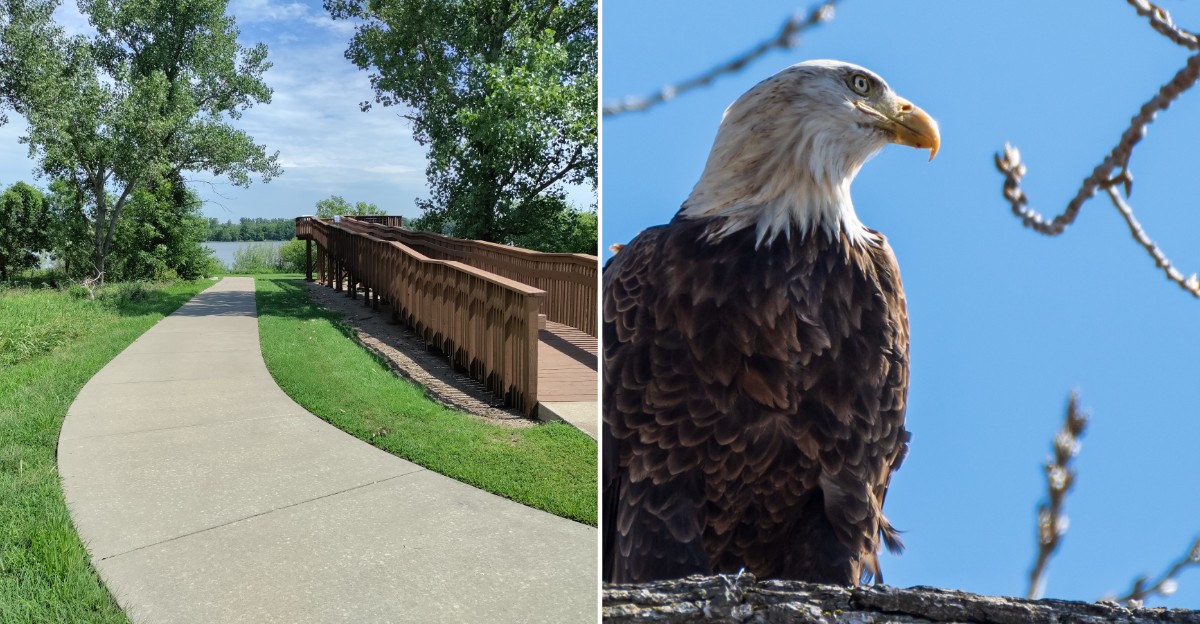
You do not need to be an expert birder to find something worth watching here. This Missouri nature center sits beside wetlands, prairie, and open water along a major migration corridor for birds.
More than three hundred species have been documented across the surrounding sanctuary, so the view can change dramatically with the season. Inside, visitors can learn more about the wildlife and habitats before heading outside to explore the trails and observation areas.
Bald eagles, pelicans, herons, ducks, and migrating songbirds are among the many possibilities throughout the year. Best of all, spending a quiet morning surrounded by all that wildlife does not require an expensive attraction ticket.
Rivers Meet And Birds Follow
Picture a stretch of land where big rivers come together and millions of birds use the water like a highway in the sky. That is basically what you get at the Audubon Center at Riverlands, and it feels a lot bigger than a simple nature stop once you understand it.
The whole place is built around showing people why these rivers matter so much to wildlife.
The center sits right along the Mississippi River, close to where the Missouri and Illinois rivers join in. Water from all those rivers shapes the wetlands, prairies, and forests you will see around the sanctuary.
When you stand outside and look across the river, you are really looking at one of the most important wildlife corridors in North America.
What I like is that nobody expects you to be a river expert when you show up. The exhibits and the people working there explain things in a way that makes sense, even if you have never thought about rivers beyond crossing a bridge.
You will probably leave with a whole new respect for the water flowing past.
So if you want a trip that mixes pretty views with a little bit of learning, this is a great place to start. Bring your curiosity and plan to linger by the water for a while.
Finding Your Way To West Alton
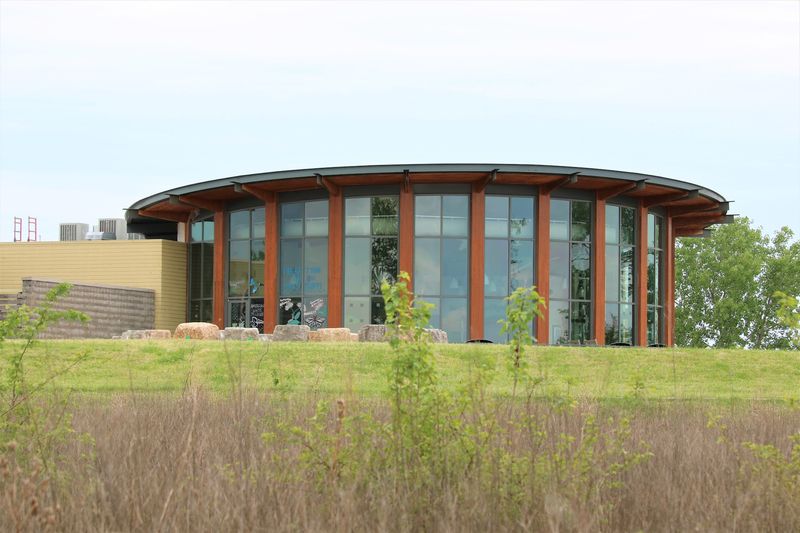
Getting there is easier than you might think, and the drive itself has a nice, open feeling once you leave the busier roads behind. You will want to plug in 301 Riverlands Way, West Alton, MO 63386 and just follow the signs toward the river.
The building sits inside the much larger Riverlands Migratory Bird Sanctuary, so you will pass plenty of wide water and marshy land on the way in.
The sanctuary covers a huge amount of ground, which means the nature center is really just your home base. From there, you can walk, drive slowly along the roads, or pull off at different spots to look out over the water.
Visitors often mention that there is plenty of parking, along with restrooms and picnic tables, which makes a long visit way more comfortable.
Keep in mind that the center closes on Mondays and shuts its doors in the afternoon on other days, so an early start is a smart move. Mornings also tend to be quieter, and the birds are often more active then.
Admission is free, though a small donation is welcome if you want to help support the work they do. Honestly, it feels good to chip in when you see how much care goes into the place.
Inside The Free Nature Center
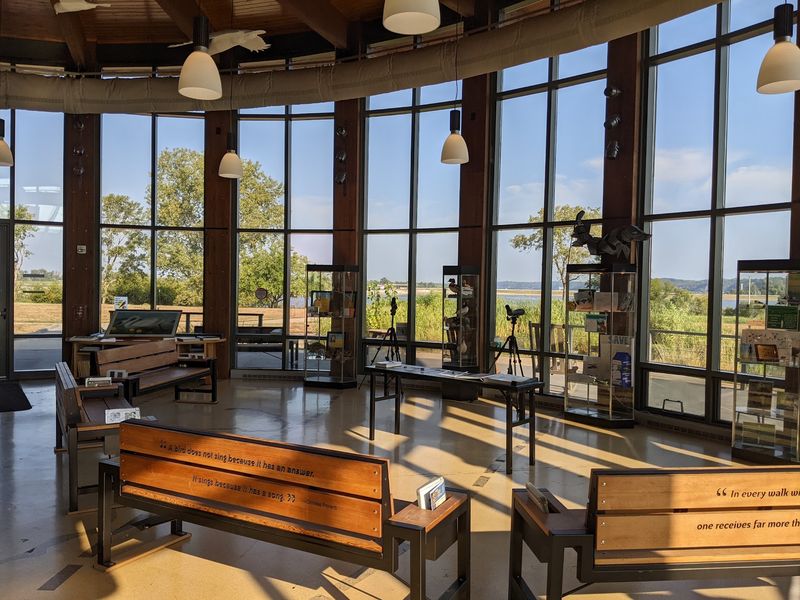
You know how some museums make you feel like you need to whisper and keep your hands to yourself? The nature center here is nothing like that, and it has a relaxed, welcoming feel the second you walk through the door.
Best of all, you do not pay anything to come inside and look around.
The exhibits cover what birds eat, how they travel along the Mississippi Flyway, and how the river ecosystem works. You will also find bird displays and natural history pieces that let you see feathers, beaks, and wings up close.
It is a cool way to learn what you are looking at before you head outside to find the real thing.
Visitors usually say the museum part keeps them busy for a nice little stretch without dragging on too long. That makes it easy to pair with a walk or some time at the telescopes.
You can also browse a small gift shop with bird books, puzzles, shirts, and jewelry if you want a little souvenir.
The big windows let in tons of natural light, so the room feels open and bright. Take your time, read a few panels, and let yourself get a little nerdy about birds for a while.
Telescopes Pointed At The River
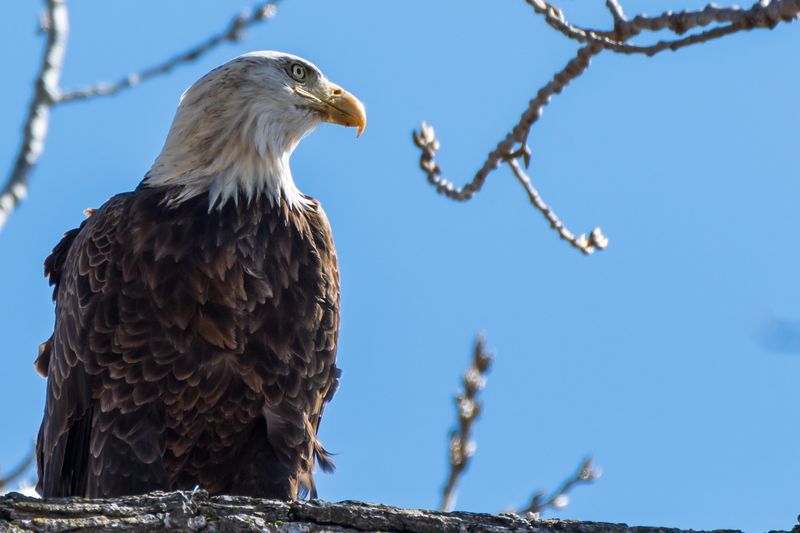
Here is the part that surprises a lot of people, because you do not even need to bring your own fancy gear. The center keeps telescopes and scopes set up and pointed toward the river, so you can spot birds that would look like tiny dots with your eyes alone.
It turns a plain view of the water into something pretty thrilling.
Staff members and volunteers often help aim the scopes at whatever is out there that day. Visitors frequently mention being shown bald eagles perched in trees or pelicans resting on the water within minutes of walking in.
That kind of help is huge when you are new to birding and do not know where to look.
You can also borrow binoculars, which is great if you want to wander a bit while still getting good views. Some folks say smaller faces might find the binoculars a little tricky, so kids may have better luck with the scopes.
Either way, you get a chance to see wildlife in a really personal way.
If you only have a short amount of time, spend most of it here. Ask questions, take turns at the eyepiece, and see how many different kinds of birds you can count before you head out.
Bald Eagles On Chilly Days
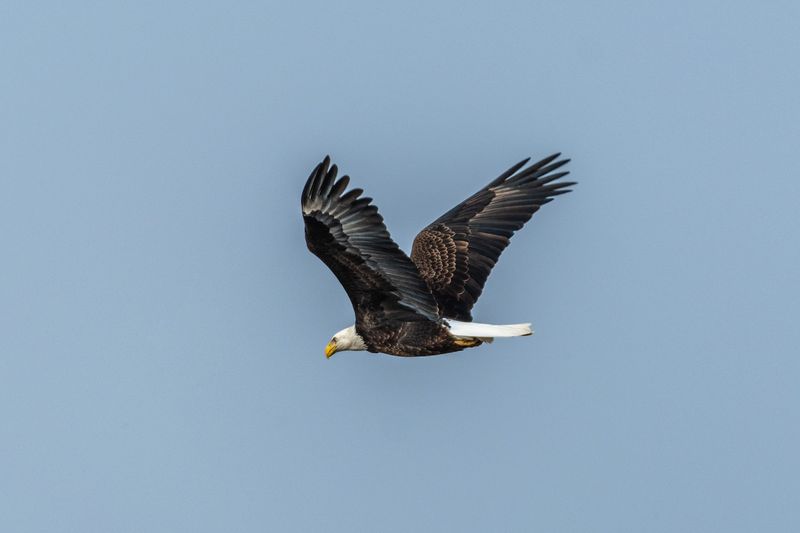
Cold weather usually makes people want to stay home, but at Riverlands it is actually your best chance to see something amazing. When winter settles in, dozens of bald eagles gather along the river to hunt for fish in the open water.
Seeing them perched in bare trees or gliding over the ice is the kind of thing you will talk about for weeks.
Visitors who know the area often say that the colder and grayer the day, the better your eagle luck tends to be. The birds come looking for spots where the water has not frozen, and the river near the sanctuary is a favorite.
So bundle up, wear warm socks, and plan to spend some time scanning the treetops.
The center usually has scopes aimed right where the eagles like to hang out during this season. Volunteers have even helped visitors find local eagle nests, which is pretty special to see from a respectful distance.
You may also notice young eagles, which look brown and patchy before they get their famous white heads.
If you have ever wanted to see our national bird in the wild, this is one of the easiest places in Missouri to do it. A thermos of hot cocoa in the car does not hurt either.
Every Season Brings Different Feathers
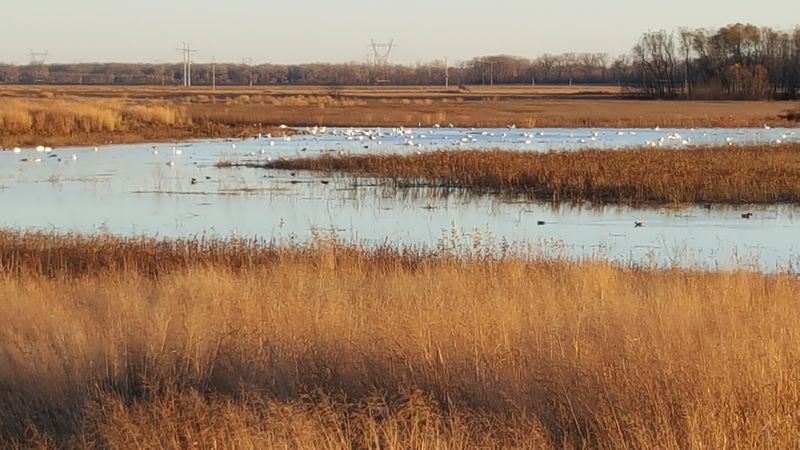
Not a winter person? No worries at all, because the birds at Riverlands keep changing all year long.
This sanctuary sits right on the Mississippi Flyway, a path that a huge share of North American migrating birds follow. That means spring and fall bring a steady parade of travelers stopping by to rest and eat.
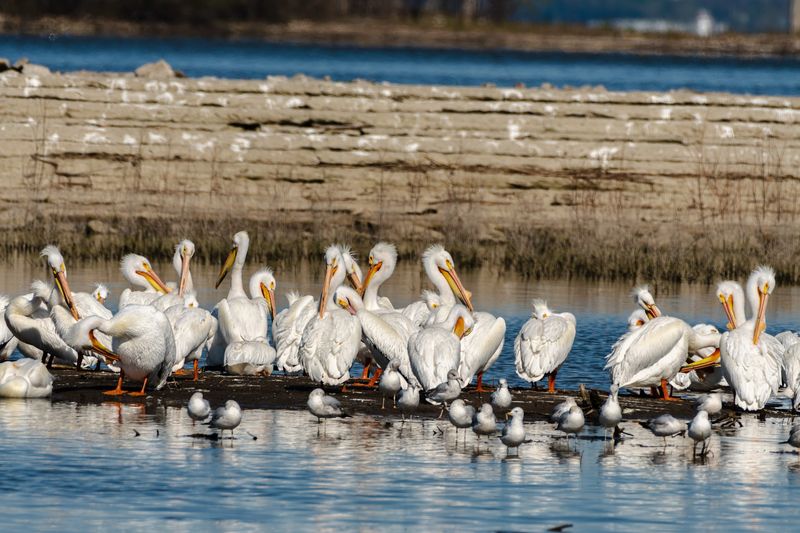
During those migration seasons, you can look for shorebirds poking around the mudflats and colorful warblers flitting through the trees. American white pelicans are another crowd favorite, and they often show up in big, bright groups on the water.
Watching them float together is oddly peaceful and kind of funny at the same time.
Summer brings plenty of wading birds, and the great blue heron is one you are likely to spot standing still in shallow water. Kingfishers, egrets, and other local birds also hang around, so there is usually something moving.
The landscape turns green and lush, which makes for really pretty photos.
Since the scene shifts so much, it is fun to come back more than once. Each visit can feel like a totally new trip, even though you are standing in the same spot along the river.
Trails Through Prairie And Marsh
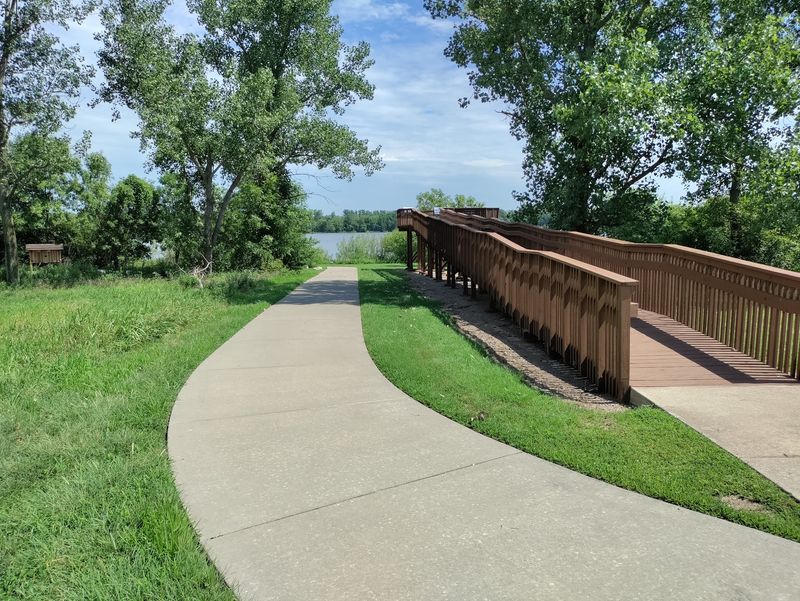
Once you are done inside, step out back and give your legs a nice, easy stretch on the trails. The paths wind through prairie, marsh, and bottomland forest, so the scenery keeps shifting as you go.
Some trails are paved and flat, while others are mowed grass, which gives you choices depending on how you feel.
The paved paths are a big plus for strollers and wheelchairs, and visitors often mention how accessible everything feels. You can take a short loop or wander for a longer stretch if the weather is nice.
Along the way, you may come across bird blinds and viewing platforms that let you watch wildlife without scaring it off.
One thing to know is that some trails close for part of the colder season to protect the birds. Checking ahead with the center before your trip is a smart idea so you are not caught off guard.
Even when certain paths are closed, the roads and pull-offs still give you great views.
On hot summer days, bring water and a hat, since much of the land is open with little shade. Early mornings are usually more comfortable, and the birds tend to be busier then too.
Little Explorers Feel Right At Home
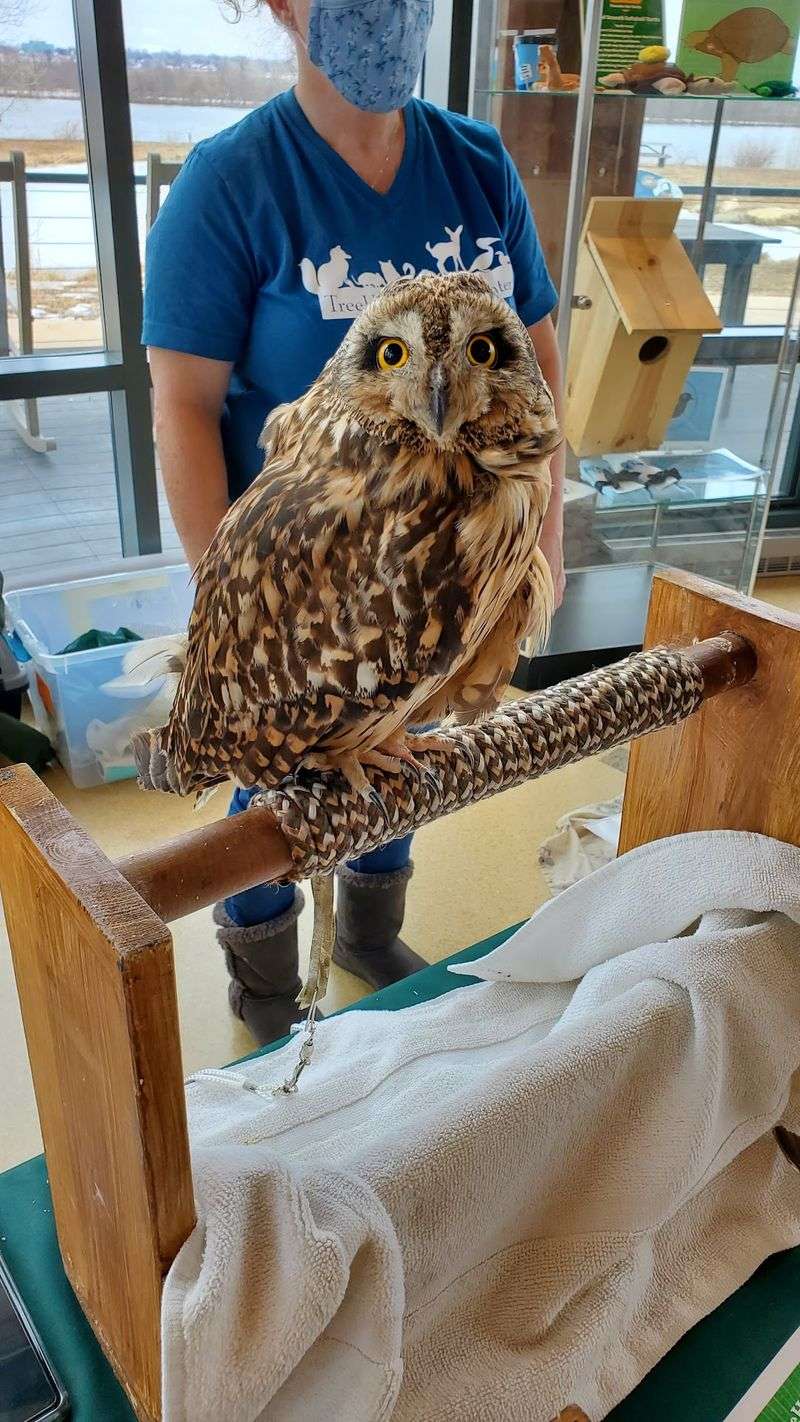
If you have kids, you are going to love how much thought went into making them comfortable here. There is a special area just for little ones, with books, small chairs, puzzles, and hands-on activities.
Families often mention their kids building with blocks, coloring, or hiding out in a play tent while the grownups browse.
The center also hosts educational programs, such as live bird encounters with owls and raptors, that kids tend to find fascinating. Scout groups and schools sometimes schedule visits that include trail walks and time at the scopes.
It is a great way to spark a lifelong interest in nature without anything feeling like homework.
Everything is built to be accessible, so strollers and small legs can get around without much trouble. Restrooms are right there, which any parent knows is a big deal on an outing.
Opening early in the morning also makes it a handy choice for families with early risers.
Behind all the fun is a serious mission, since the National Audubon Society and the U.S. Army Corps of Engineers work together to protect these habitats.
Bringing kids here shows them that caring for wildlife in Missouri can be exciting, hopeful, and totally worth their time.
