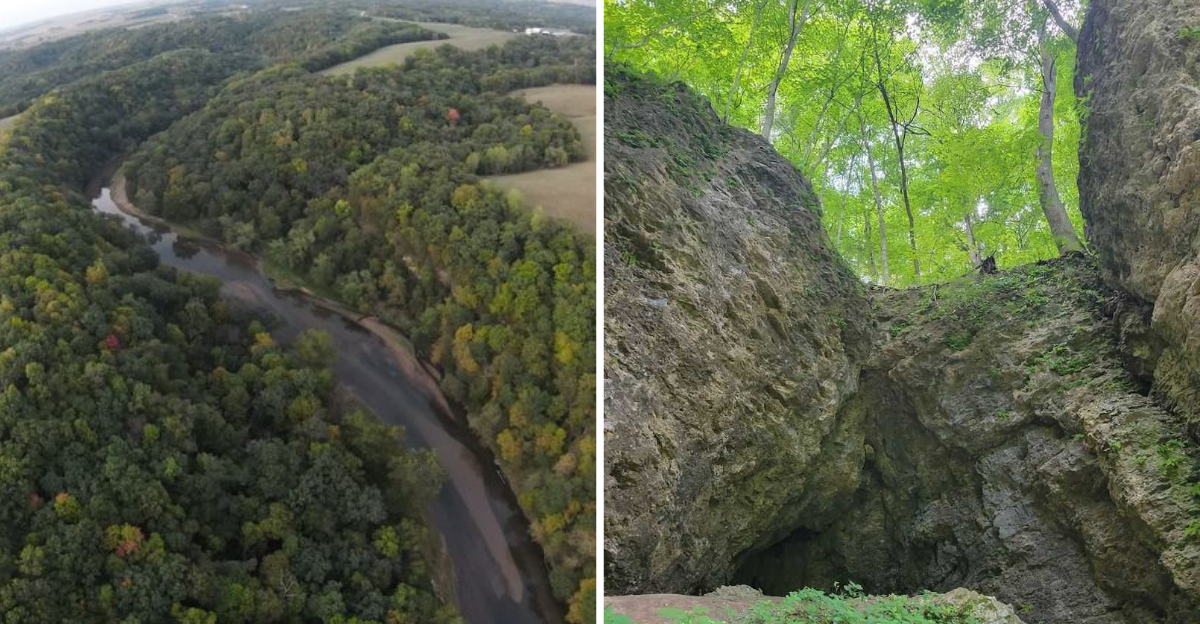
Most people drive through this part of Iowa without realizing there is a place where ancient rock walls press in so close around you that the sky nearly disappears overhead. Towering limestone and dolomite bluffs rise dramatically on either side of the trail, and the deeper you walk, the more the gorge seems to tighten around you. Some sections overhang the trail slightly, and when you look up, the strip of sky above you shrinks to almost nothing.
It feels ancient, quiet, and completely unlike anything else in the state. I stumbled onto this place on a quiet afternoon and stood there for a full minute just taking it all in.
The rock faces are streaked with color, and the whole area has this hushed energy that is hard to describe. If you have never heard of this Iowa gorge, that is exactly why you need to go.
The Gorge That Closes In Around You
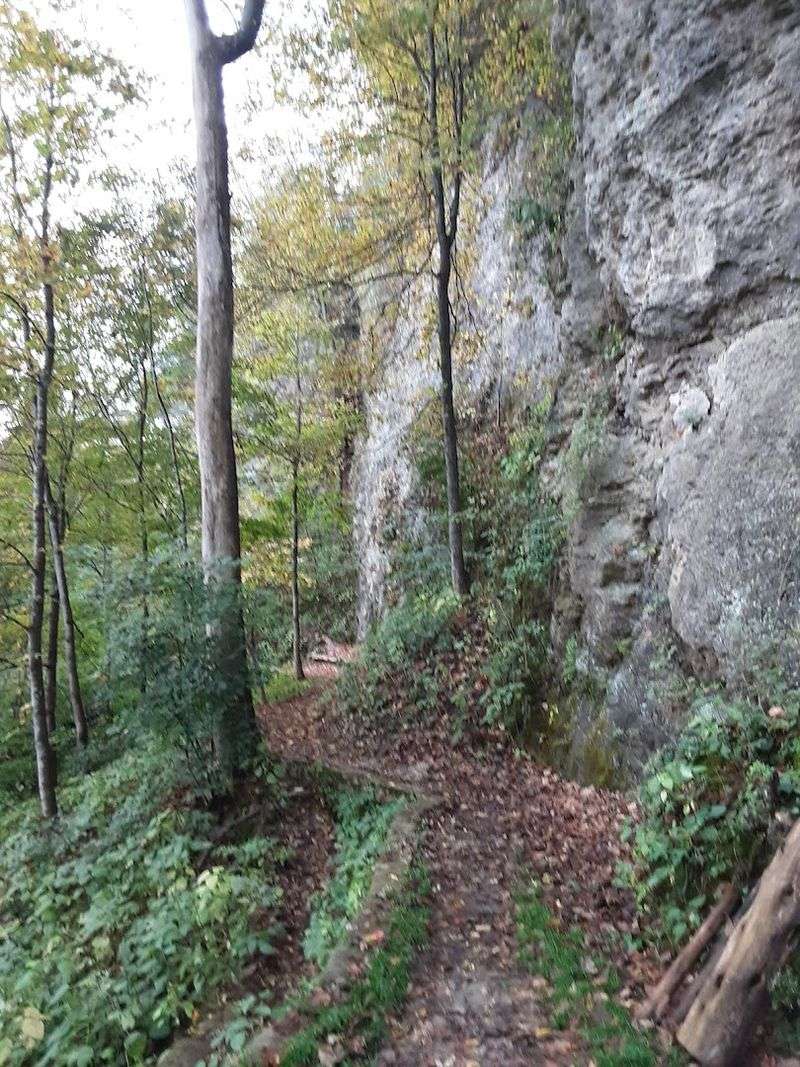
There is a moment on the main trail at Pictured Rocks when the bluffs on either side stop feeling like scenery and start feeling like walls. The path narrows, the rock rises, and suddenly you are not just hiking beside cliffs but moving through a genuine gorge carved by centuries of water and weather.
It is one of those rare spots in the Midwest that genuinely surprises you.
The geology here is mostly Silurian-age dolomite and limestone, resistant enough to erosion that the bluffs have held their dramatic shape for a very long time. Some sections overhang the trail slightly, and when you look up, the strip of sky above you shrinks to almost nothing.
It feels ancient, quiet, and completely unlike anything else in Iowa.
The trail itself is not especially long, but it packs a lot into a short stretch. Rocky staircases, crevices between boulders, and sudden open views of the Maquoketa River below keep things interesting the whole way.
First-timers often slow down without realizing it, spending more time looking up and around than actually walking forward. Wear sturdy shoes and bring your camera, because this gorge rewards the curious.
Indian Bluff Cave and the Underground Story
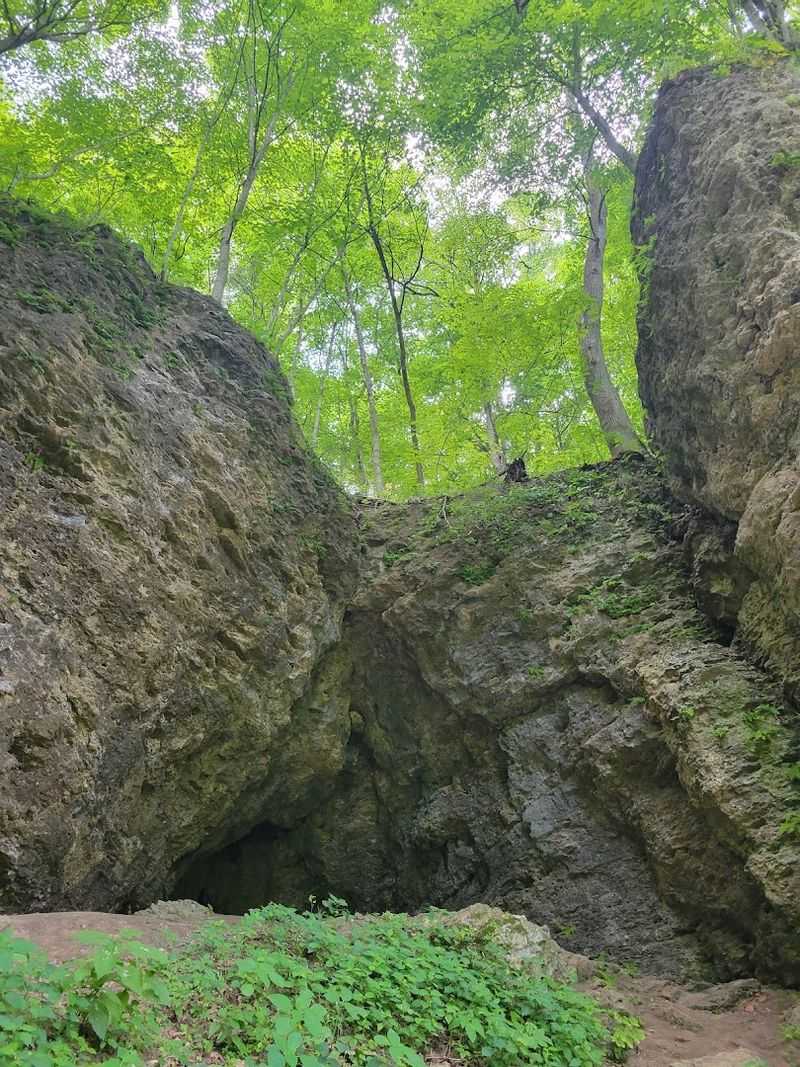
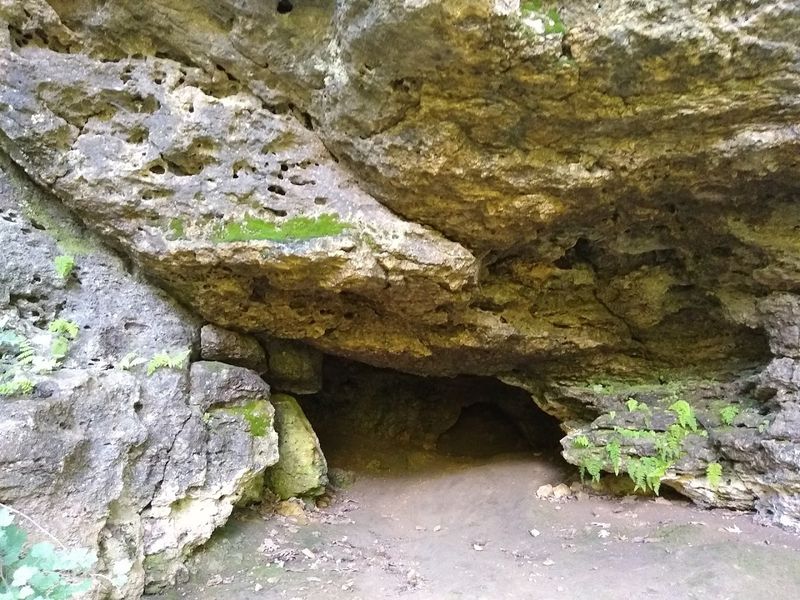
A short distance from the trailhead, the hillside opens up into something unexpected. Indian Bluff Cave sits carved into the dolomite bluff face, its entrance dark and cool even on a warm afternoon.
Water worked its way through this rock for thousands of years to create what you see today, and the result is genuinely impressive.
Access to the cave is currently restricted, which actually makes sense when you learn why. Bat populations inside the cave are vulnerable to White Nose Syndrome, a fungal disease that has devastated bat colonies across North America.
To enter, visitors need to obtain an authorization form from the Jones County Conservation Board, a small step that helps protect the bats living inside.
Even from the outside, the cave is worth the walk. The entrance itself is dramatic, framed by rock and roots, and the surrounding bluff tells its own geological story in layers of stone.
If you are the type of traveler who likes knowing the history behind what you are looking at, this spot delivers. The cave reminds you that places like this exist because of careful, ongoing stewardship, not just good luck.
Respect the rules here, and the place stays wild for everyone.
Rock Climbing on Real Iowa Limestone
Climbers from Omaha, Chicago, and beyond have quietly been making Pictured Rocks a destination for years. The bluffs here offer routes across a range of difficulty levels, with a concentration of moderate climbs that keep experienced climbers coming back and beginners feeling genuinely challenged.
The rock is in solid condition, which matters a lot when you are trusting it with your weight.
What makes this place stand out in the Midwest climbing community is the quality of the stone itself. Hard dolomite holds features well and does not crumble under your hands the way softer rock can.
Routes in the 5.8 to 5.9 range get a lot of traffic, but there is variety here for those who want to push harder or ease in gently.
The climbing community at Pictured Rocks has a relaxed, welcoming energy. Hikers and climbers share the space easily, and there is an unspoken code of courtesy that keeps things pleasant.
Some sections of the bluff have fixed hardware already in place, which helps. If you are new to outdoor climbing, this is a genuinely good place to try it with a more experienced friend.
The setting alone makes the effort worthwhile.
Kayaking and Canoeing the Maquoketa River
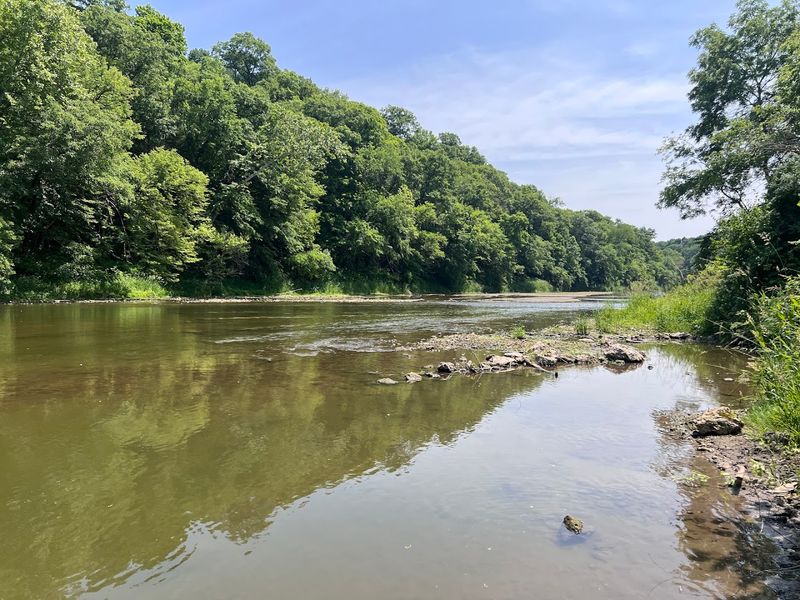
The Maquoketa River runs along the base of the bluffs at Pictured Rocks, and the park has one of the most practical and well-designed boat launches in the region. Sliding a kayak into the water here feels effortless, and the river stretches out ahead of you in both directions with clear, calm water and forested banks.
It is the kind of put-in spot that makes you want to linger before you even start paddling.
The river itself is relatively calm through this stretch, making it accessible for paddlers of most skill levels. The water is clear enough to see the bottom in the shallows, and the bluffs visible from the water give the whole float a dramatic, almost cinematic quality.
Early mornings and weekday visits tend to offer the quietest experience on the water.
Weekend days can get busy, especially when local outfitters are running groups through. Timing your visit for a weekday or early morning gives you a much more peaceful experience.
Canoes work just as well as kayaks on this stretch. The combination of the river view and the towering bluffs above makes the Maquoketa one of those floats you will end up recommending to everyone you know.
Talus Slopes and the Geology You Can Touch
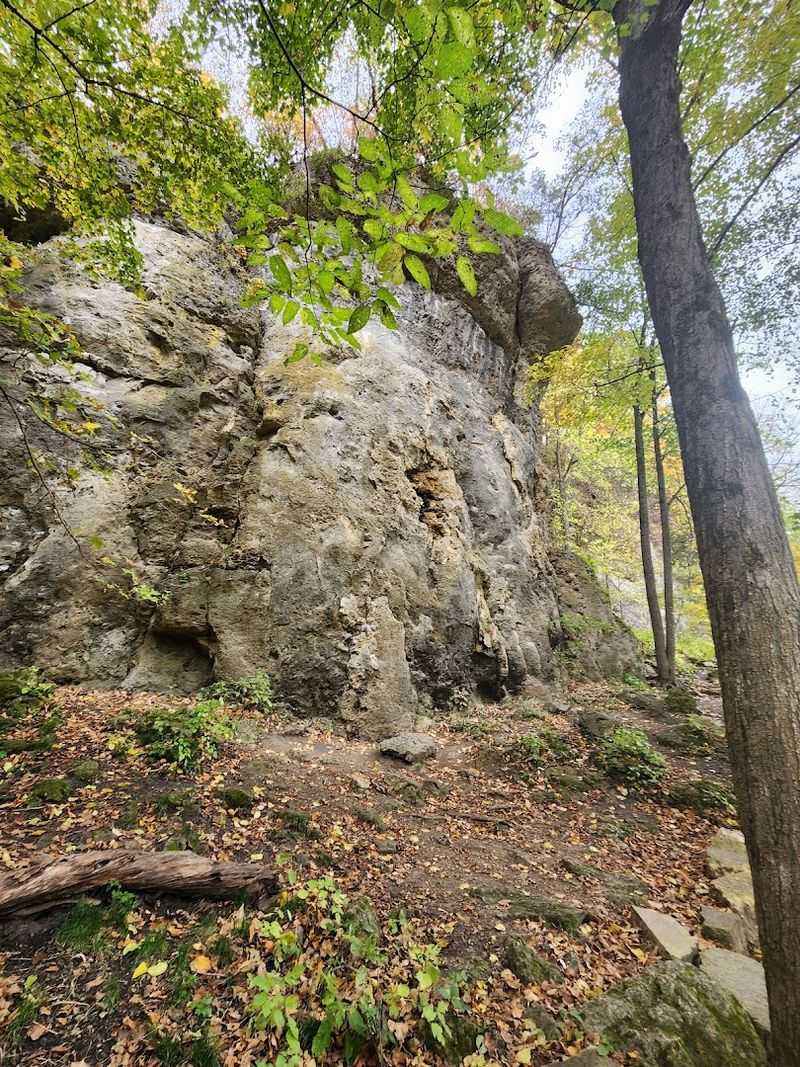
Not every remarkable thing at Pictured Rocks requires a cave permit or climbing gear. The talus slopes scattered along the base of the bluffs are fascinating in their own right, and you can explore them freely on foot.
These piles of broken rock formed over centuries as the cliff faces above slowly shed material through freeze-thaw cycles and natural erosion. The result is a chaotic, boulder-strewn landscape that feels both raw and alive.
Picking your way across a talus slope requires attention and balance, which honestly makes it more fun. Each boulder is different, some mossy and slick, others dry and stable.
The rock itself tells a story if you look closely, with visible layers, fossils embedded in some pieces, and color variations that reflect the mineral content of the original formation.
This is one of those spots where geology stops being a textbook subject and becomes something you can actually feel under your hands. Kids especially love scrambling across the rocks, though adults move a little more carefully.
The talus zones sit between the trail and the cliff base, offering a natural buffer that also doubles as a genuinely interesting landscape feature. It is the kind of detail that makes Pictured Rocks feel layered and worth exploring slowly.
The Trails and What to Expect on the Ground
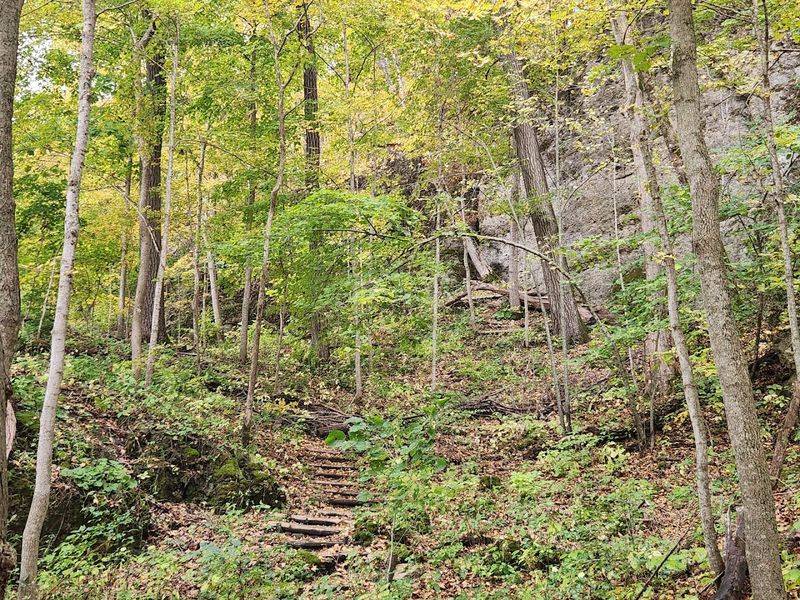
The trail system at Pictured Rocks is compact but genuinely rewarding. The main trail runs along the river and below the climbing bluffs, giving hikers a ground-level view of the rock formations without requiring any technical skill.
It is short enough to complete comfortably in under an hour, but most people end up taking much longer because there is so much to look at along the way.
Rocky staircases, crevices between boulders, and narrow sections that hug the cliff face make the trail feel adventurous without being dangerous. That said, it is not a flat, paved walk.
Uneven terrain, tree roots, and steep sections mean that proper footwear really does matter here. Sandals are a bad idea.
Trail runners or hiking boots will serve you much better.
There are no cell signals inside the park, which sounds inconvenient but actually adds something to the experience. You end up more present, more aware of the sounds around you, and less distracted.
The park also has restrooms and a picnic area near the entrance, so the basics are covered. Signage is clear and easy to follow.
First-time visitors typically find the layout intuitive, and the overall maintenance of the park reflects genuine care from the county conservation board.
Planning Your Visit to Pictured Rocks
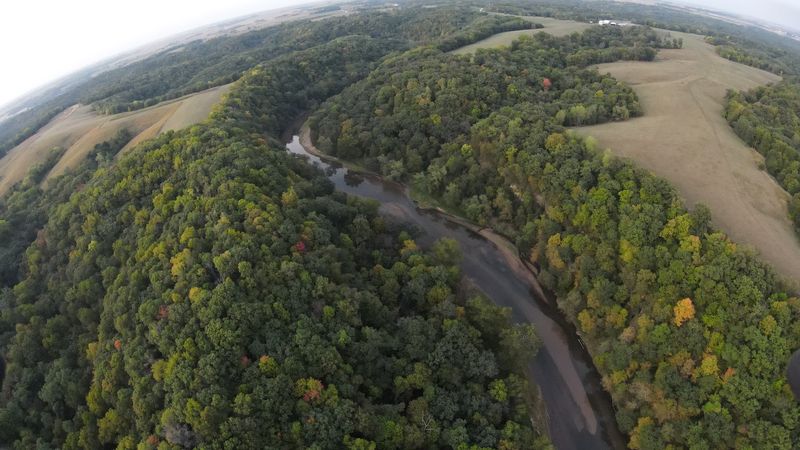
Getting to Pictured Rocks takes a little intention, and that is part of its charm. The access road into the park is steep and narrow, and it closes during winter months, so the window for visiting runs roughly from late spring through early fall.
Fall is particularly beautiful here, with the foliage against the gray rock creating a color contrast that is hard to beat.
The park opens at 6 AM on most days, with varying closing times depending on the day of the week. Weekday mornings are the quietest option if you want the gorge mostly to yourself.
Weekends draw climbers, kayakers, and hikers in larger numbers, which gives the park a livelier energy but also means the parking area fills up faster than you might expect.
Dogs are welcome on leash, which makes Pictured Rocks a great option for a day out with a pet. There is no camping on site, so plan this as a day trip.
The park is located near Monticello, Iowa, making it easy to pair with a stop in town before or after your visit. The combination of geology, river access, wildlife, and trails makes it worth the drive from almost anywhere in eastern Iowa.
Address: Park Road, Monticello, IA 52310
