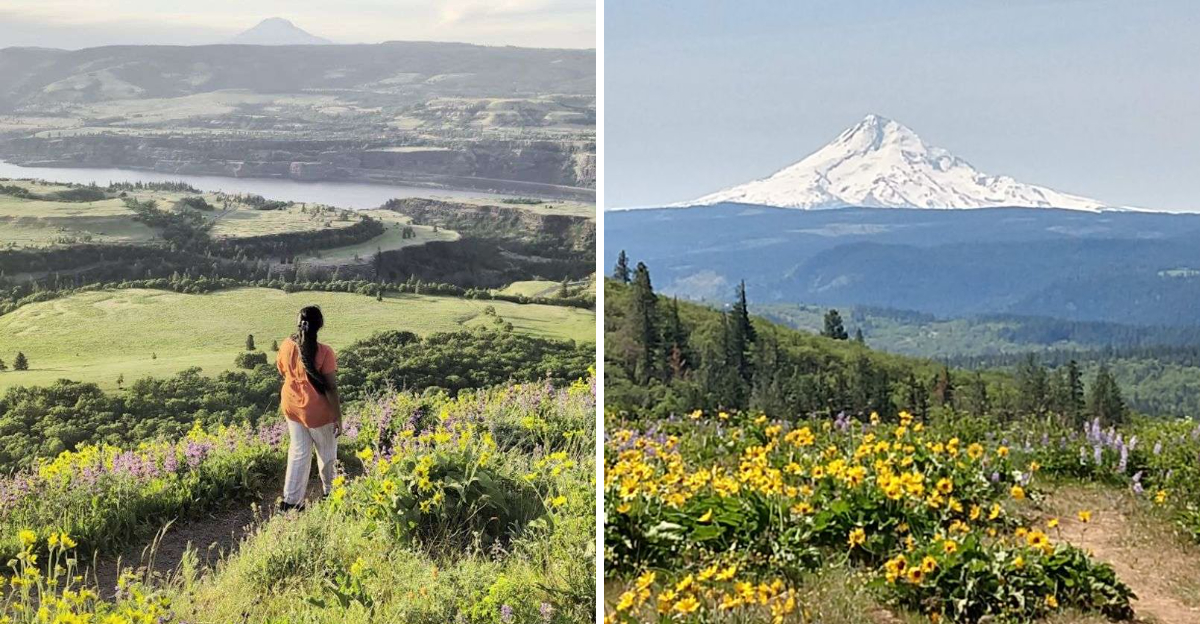
Good news: this is one Oregon view you don’t have to suffer for. No intense climbs, no dramatic “I almost gave up” moments – just a short, easy stroll to wildflower views that do all the work for you.
I showed up fully prepared to take it slow, and honestly, the trail matched my energy perfectly. Bright blooms stretch out in every direction like nature decided to throw a colorful party.
Even my camera roll started to look suspiciously professional without much effort. There’s something satisfying about getting a reward this good without breaking a sweat.
This is proof that sometimes the best views come with the least amount of effort – and I’m absolutely okay with that.
What Makes Tom McCall Point So Special
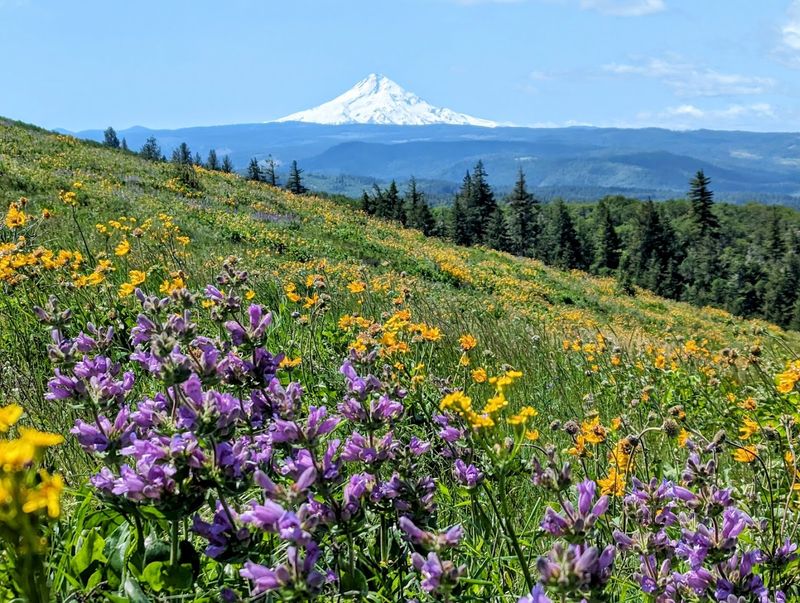
There is something quietly magical about arriving at a trailhead and immediately feeling like you made the right call. Tom McCall Point sits above the Rowena Plateau, managed by The Nature Conservancy.
It offers something rare for the Pacific Northwest.
The trail covers about 1.5 miles one way. That means a 3-mile round trip with sweeping views the entire time.
It never feels like a slog.
The Nature Conservancy protects this land carefully. No dogs are allowed here.
No flower picking either, which keeps the meadows looking wild and untouched season after season.
What really sets this spot apart is the combination of elements. You get river views, volcanic mountain peaks, and a carpet of seasonal wildflowers all in one short outing.
Most hikes make you choose between scenery and accessibility.
Tom McCall Point gives you both without apology. It is the kind of place that feels like a secret even when dozens of others are on the trail beside you.
That feeling is hard to replicate.
The Best Time To Visit For Peak Wildflower Bloom
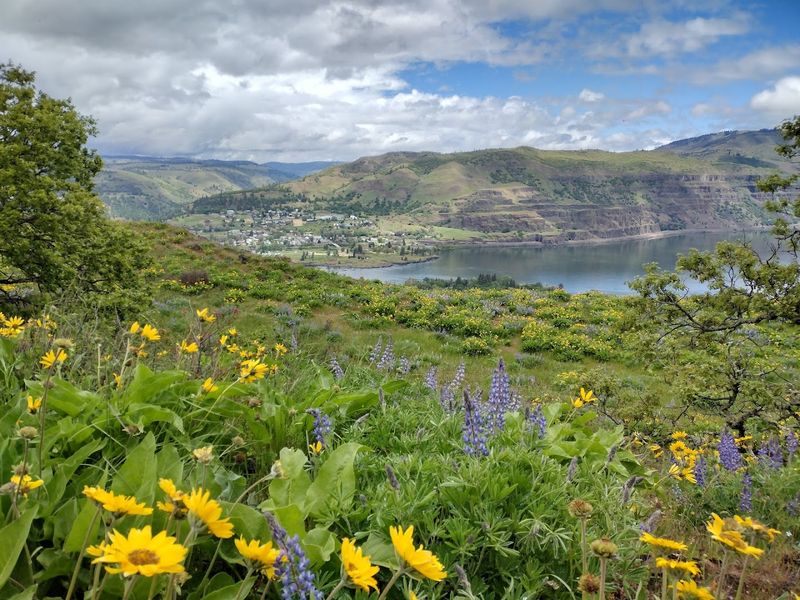
Mid-April through early May is the window you want. That is when the hillside transforms into something that looks almost too colorful to be real.
Missing that window means missing the main event.
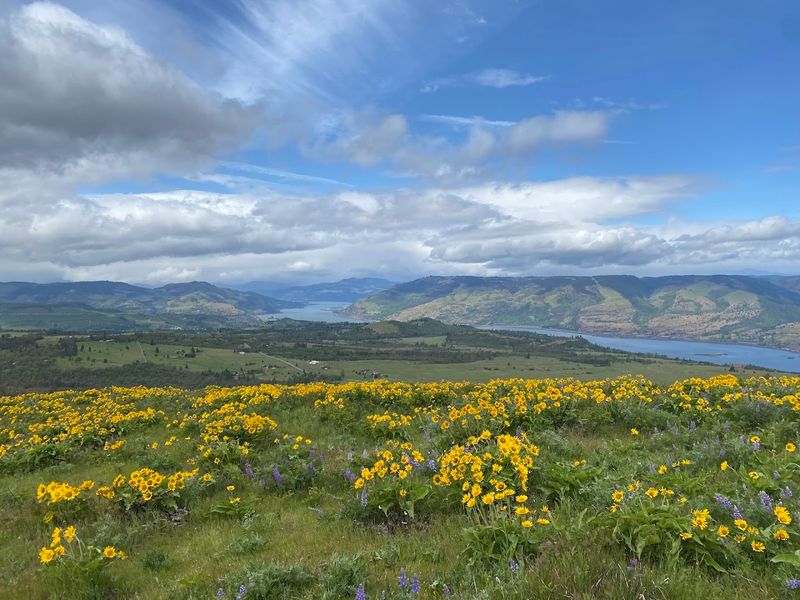
Yellow balsamroot tends to lead the charge. Purple lupine follows close behind.
Then the red Indian paintbrush starts dotting the slopes with vivid bursts of color.
Late May visits still offer some blooms. But the density thins out noticeably.
Going earlier in the season gives you that full carpet effect that makes photos from this trail so striking.
Spring mornings here can be crisp and clear. Arriving early also means fewer people on the trail.
Parking fills up fast on weekends, especially in peak bloom season.
Planning a weekday visit makes a real difference. The trail feels calmer and more personal on a Tuesday morning than a Saturday afternoon.
Timing your trip thoughtfully turns a good hike into a genuinely memorable one. The flowers reward patience and planning every single time.
Understanding The Trail Layout Before You Go
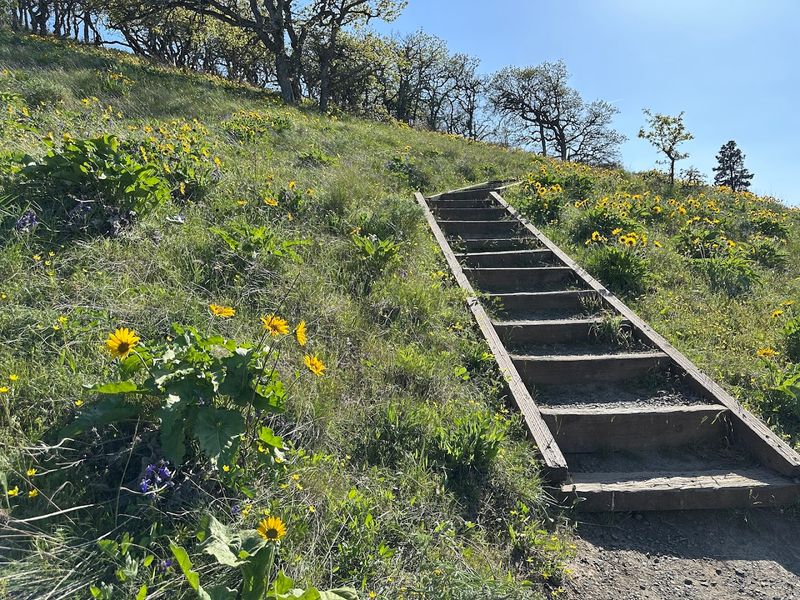
The first half mile of the trail is flat and easy. It follows an old wagon road, which gives it a pleasant historic feel underfoot.
Even beginners feel comfortable here right away.
After that flat stretch, the trail enters a mix of oak groves and open fields. The shade from the oaks is welcome on warmer spring days.
The air smells earthy and fresh in there.
Then the climbing begins. The trail gains about 1,000 feet in elevation on the way to the summit.
Switchbacks make that elevation gain feel gradual and manageable.
The views start appearing well before the top. That is one of the best things about this trail.
You do not have to wait until the summit to feel rewarded for your effort.
A false summit appears about two-thirds of the way up. Many hikers say the views just before that second peak are among the best on the entire trail.
Keep going past it. The final lookout point is absolutely worth those last few steps upward.
Wildflowers You Will Actually See Up Close
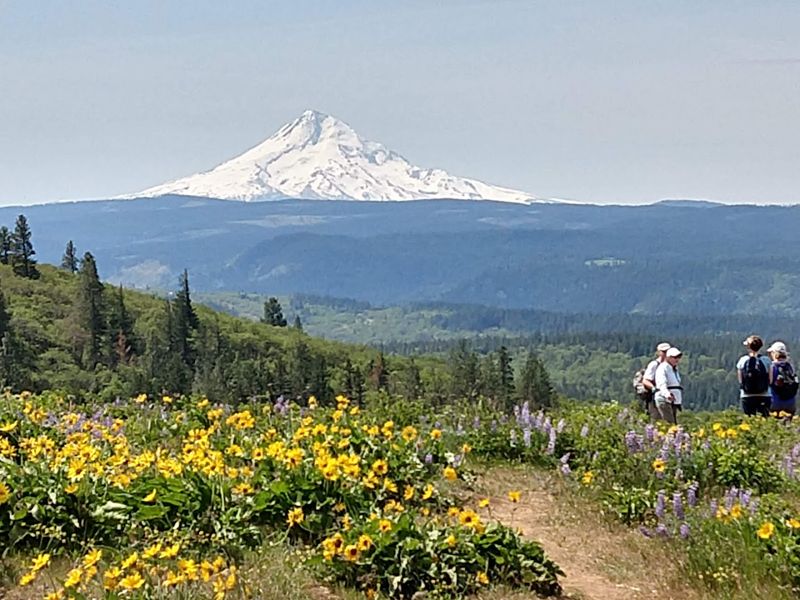
Balsamroot is the star of the show here. Its large yellow blooms face the sun confidently.
They cover the open hillsides in waves that seem to glow when the light hits them right.
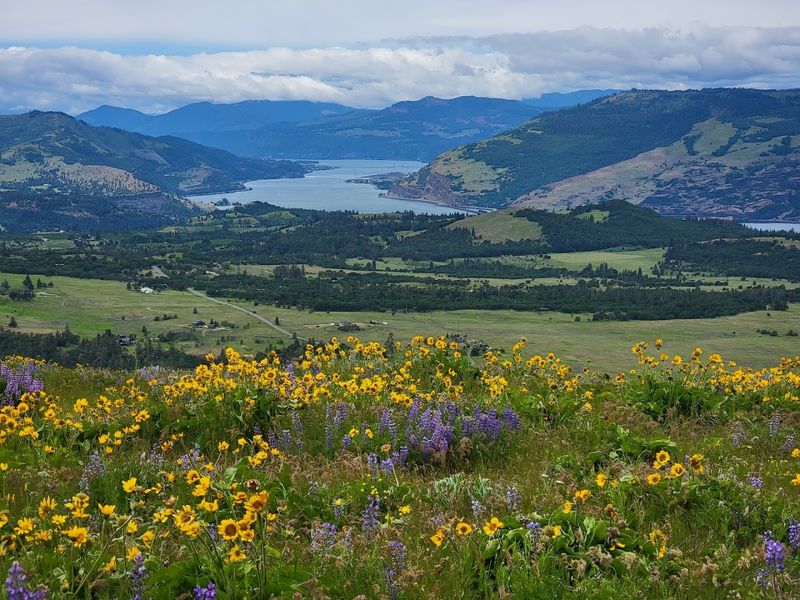
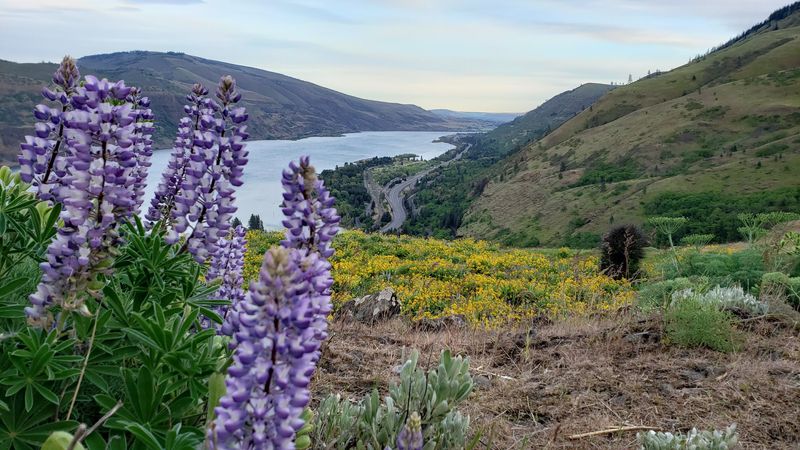
Lupine grows alongside the balsamroot in dense purple clusters. The contrast between the two colors is striking.
Standing in the middle of a mixed patch feels genuinely surreal.
Indian paintbrush adds the red tones to the palette. It grows in smaller groupings but stands out boldly.
Together, the three species create a color combination that photographers absolutely love.
These plants all thrive in the dry, rocky soil of the Columbia River Gorge. The east side of the Gorge gets far less rain than Portland.
That drier climate is exactly what these wildflower species need to flourish.
Staying on the trail protects the root systems below the surface. Even stepping slightly off the path can damage plants that take years to recover.
The Nature Conservancy asks visitors to be mindful of this. It is a small ask for such a generous display of natural beauty each spring.
Mountain Views That Make The Climb Worth Every Step
Mount Hood appears to the southwest on clear days. It rises above the landscape with that unmistakable snow-capped cone shape.
Seeing it from this angle feels different from the usual Portland viewpoints.
Mount Adams shows up to the north-northwest. It is broader and lower than Hood but equally impressive.
Having both peaks visible from one spot feels like a geographic jackpot.
The Columbia River stretches out below the ridge line. Its wide, calm surface reflects the sky beautifully in the morning hours.
The scale of the river from up here is genuinely humbling.
Clear days offer the full panoramic experience. Hazy or smoky days still deliver dramatic skies and moody light.
Sunrises from this point are reportedly stunning, with soft colors spreading across the volcanic peaks.
Evening hikes have their own appeal too. The light gets warmer and softer as the sun drops toward the horizon.
Shadows stretch across the plateau below in long, quiet lines. Watching the Gorge settle into dusk from this height is a moment that stays with you long after you drive home.
Trail Safety Tips You Should Know Before Heading Out
Rattlesnakes live in this area. That is not a reason to avoid the trail.
It is a reason to stay alert and stick to the path. They tend to avoid people but deserve respect.
Ticks are active during spring and early summer. Wearing long pants is a smart move here.
Checking yourself after the hike takes only a few minutes and is absolutely worth doing.
Poison oak lines portions of the trail. Learning to identify it before you go helps a lot.
The classic three-leaf clusters with a shiny surface are the giveaway.
There are no restrooms at the trailhead. Planning ahead before you leave for the hike saves a lot of discomfort later.
Nearby Mosier has some options if you need a stop before arriving.
Bringing enough water matters more than people expect. The open hillside gets warm quickly in spring sunshine.
A full water bottle per person is a reasonable minimum for this 3-mile round trip. Sunscreen is equally important since the exposed upper sections of the trail offer very little shade once you leave the oak grove behind.
Parking, Access, And Getting There Without Stress
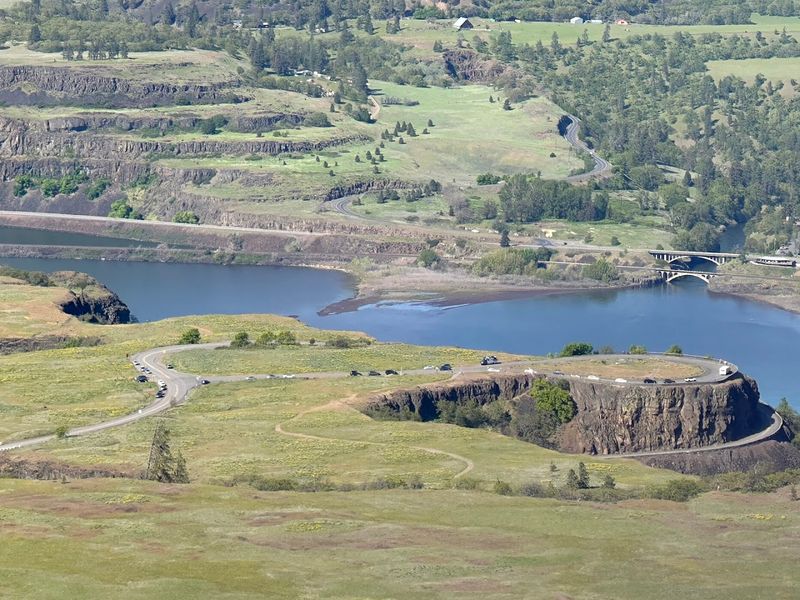
The trailhead sits near the Rowena Crest Viewpoint along Highway 30. That scenic highway is one of the most beautiful drives in the entire state.
Getting there is half the pleasure on a clear day.
Parking fills up fast on spring weekends. Arriving before 9 in the morning gives you a much better chance of finding a spot.
Latecomers sometimes park along the road and walk a short distance to the trailhead.
From Portland, the drive takes roughly an hour. The route through the Gorge along the Historic Columbia River Highway is stunning.
Mosier itself is a small, quiet town worth slowing down for.
No parking pass or entry fee is required at this trailhead. The Nature Conservancy maintains access as a free public resource.
That generosity makes this spot even more appealing for families and budget-conscious travelers.
Weekday visits dramatically reduce the parking headache. If your schedule allows a Tuesday or Wednesday morning trip, take it.
The trail feels more spacious and serene on quieter days. The wildflowers look just as spectacular with fewer people around them.
Why This Hike Works For Almost Every Fitness Level
The 3-mile round trip distance is manageable for most healthy adults. The switchbacks break up the elevation gain into digestible sections.
You never feel like the mountain is fighting you.
Older hikers regularly complete this trail without difficulty. The steady, winding path gives everyone time to find their rhythm.
Rest spots along the way offer chances to catch your breath and enjoy the views.
Younger children who are comfortable walking on uneven terrain can handle this trail. The flat opening section builds confidence early.
By the time the climbing starts, kids are usually too excited about the flowers to notice the effort.
The trail is not paved. Sturdy walking shoes or light hiking boots are a better choice than sneakers.
The rocky sections near the top benefit from footwear with some grip.
People who describe themselves as occasional walkers rather than hikers regularly enjoy this trail. The views start appearing early enough that motivation stays high throughout.
Tom McCall Point proves that meaningful outdoor experiences do not require elite fitness or expensive gear. Just show up and take it one switchback at a time.
The Nature Conservancy Rules That Protect This Place
The Nature Conservancy owns and manages this land. That means specific rules apply here that differ from state park trails.
Understanding them before you arrive prevents surprises at the trailhead.
Dogs are not permitted on this property. That rule is firm and applies regardless of leash status.
Leaving your dog at home or in the car is the only option for visiting this trail.
Picking flowers is prohibited. It sounds obvious, but the temptation is real when surrounded by such a beautiful display.
Every flower left in place contributes to the ecosystem and the experience for the next visitor.
Staying on the designated trail protects both the plants and the wildlife living among them. The soil crust in this type of ecosystem is fragile.
Off-trail foot traffic causes damage that takes years to heal.
These rules exist because this place is genuinely irreplaceable. The combination of wildflower diversity, geological setting, and mountain views here is not duplicated anywhere nearby.
Respecting the guidelines is the simplest way to ensure this trail stays beautiful for every season ahead.
Making The Most Of Your Visit To Tom McCall Point
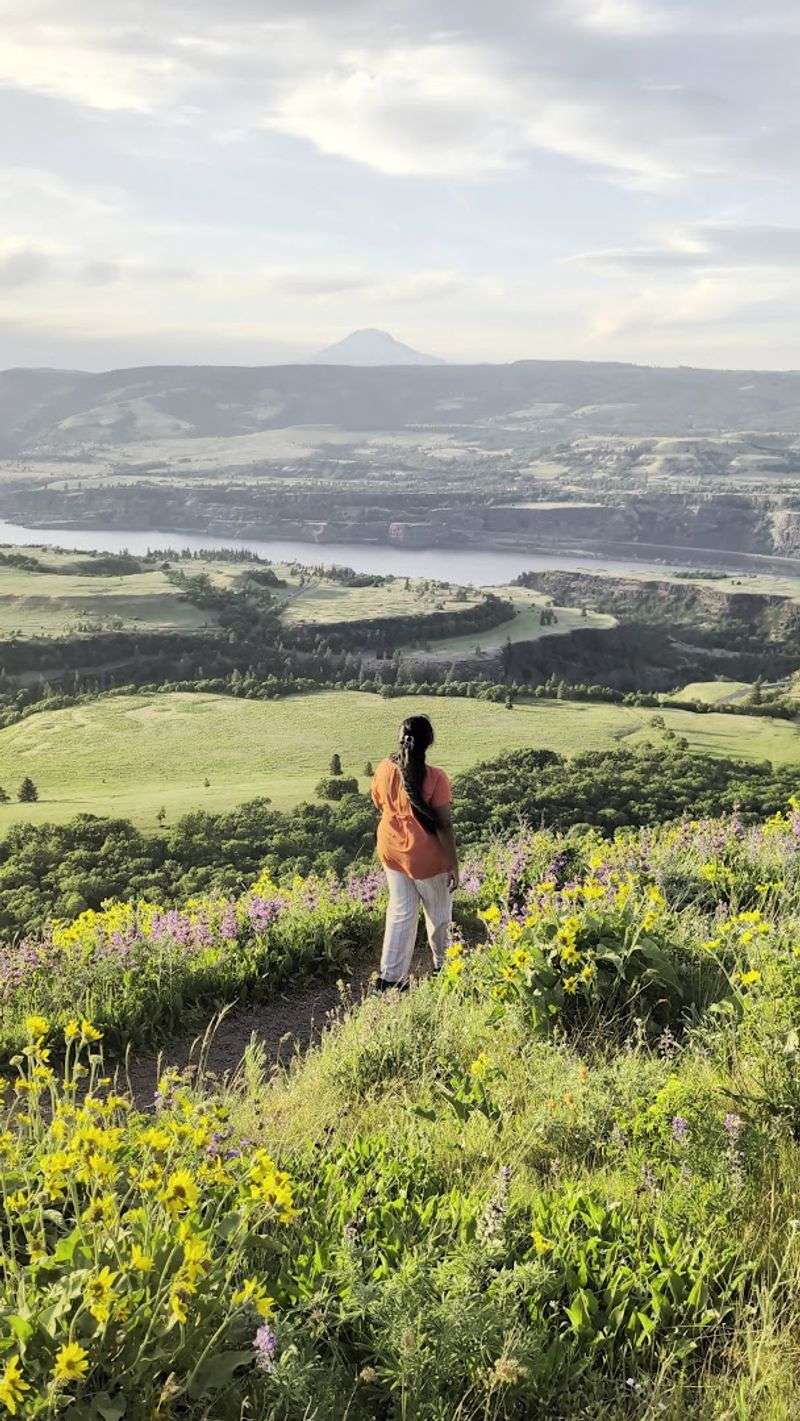
Going early in the morning gives you the best light for photography. The low angle of morning sun makes the wildflowers glow in a way that midday light simply cannot replicate.
Golden hour here is genuinely special.
Bringing a light jacket is smart even on warm spring days. The ridge can be breezy at the top.
Temperature drops noticeably once you leave the sheltered oak grove section of the trail.
Pairing this hike with a stop in Mosier makes for a full and satisfying day. The town is small and charming with a relaxed pace that matches the spirit of the hike perfectly.
It is a good place to decompress after the trail.
Taking time to sit at the summit rather than immediately turning back adds so much to the experience. The views settle into you differently when you are still.
Watching clouds move across Mount Hood from up there is quietly breathtaking.
Tom McCall Point rewards those who arrive with curiosity and leave with care. It is not a destination that needs to be rushed.
Dear Reader: This page may contain affiliate links which may earn a commission if you click through and make a purchase. Our independent journalism is not influenced by any advertiser or commercial initiative unless it is clearly marked as sponsored content. As travel products change, please be sure to reconfirm all details and stay up to date with current events to ensure a safe and successful trip.
