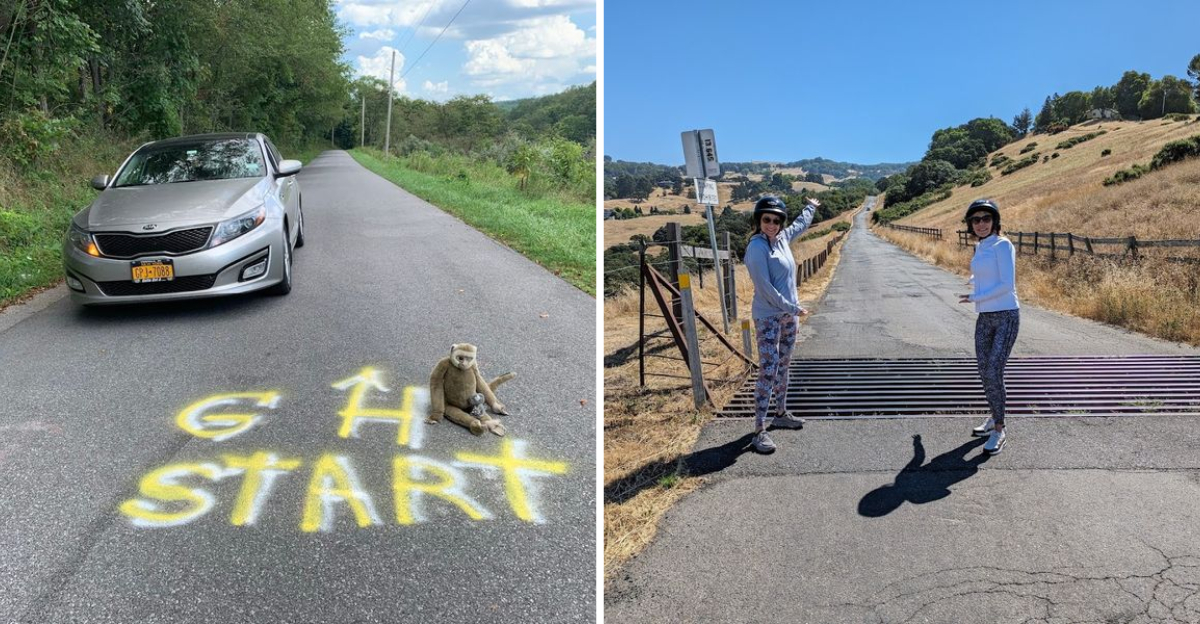
A quiet stretch of road near Malvern, Iowa offers something completely unexpected when you put your car in neutral. The car starts to roll, and it rolls in the direction that looks like uphill.
My jaw genuinely dropped the first time I saw it, because no matter how many times I told myself it was just an illusion, my eyes refused to believe it.
The surrounding fields stretch out flat and wide, the kind of landscape that makes you feel like you can see forever, yet somehow this one little hill manages to completely fool your brain.
I sat in my car watching the speedometer creep upward with my foot nowhere near the gas pedal, and I could not stop smiling. It is the sort of roadside curiosity that sounds made-up until you experience it yourself.
What Exactly Is Gravity Hill and Why Does It Exist
Most people hear the words “gravity hill” and picture something dramatic, maybe a steep cliff or a carnival ride. The reality is much quieter and somehow even more unsettling because of it.
Gravity Hill near Malvern, Iowa, is simply a stretch of ordinary country road where your vehicle appears to roll uphill on its own when left in neutral.
The phenomenon is not magic and it is not the result of any magnetic force buried under the earth. It is a powerful optical illusion caused by the way the surrounding landscape shapes your perception of the slope.
When the true horizon is hidden by trees, hills, or other landforms, your brain loses its usual reference points for deciding what is up and what is down.
Scientists who study visual perception have documented this kind of illusion all over the world, from Scotland to Japan to the American Midwest. The human brain is wired to trust what it sees, and when the environment sends confusing signals, the brain fills in the gaps with its best guess.
At Gravity Hill, that guess is spectacularly wrong. It is a perfect real-world example of how much our senses can mislead us.
The Drive Out to Malvern Sets the Mood Perfectly
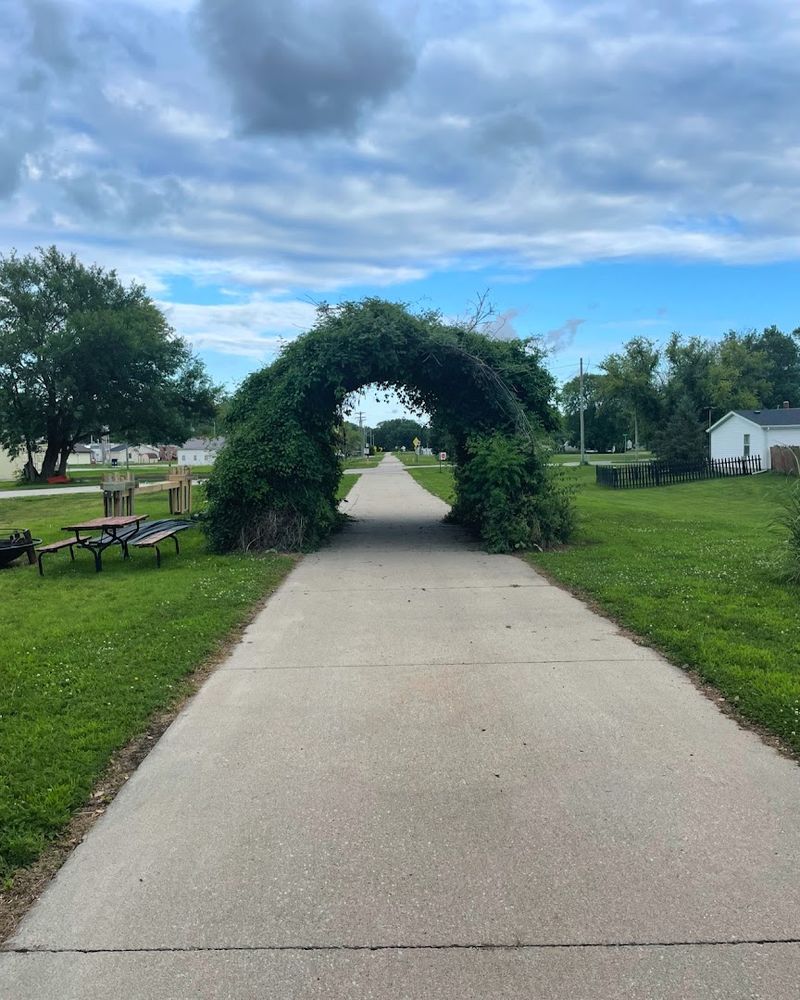
Getting to Gravity Hill is part of the experience, and the drive itself is worth appreciating before you even reach the spot. Southwestern Iowa rolls out in long, easy waves of farmland, and the roads cut through the landscape in straight, unhurried lines.
There is something genuinely calming about that kind of drive, especially on a weekday when traffic thins out and you feel like the road belongs only to you.
The towns along the way are small and unhurried. Malvern itself has that classic small-town Iowa character, the kind of place where people still wave from their front porches and the pace of life feels refreshingly slow.
It is not a tourist hub, which honestly makes the whole trip feel more like a personal discovery than a packaged attraction.
Arriving at the hill without a crowd around you makes the experience feel more personal and more convincing. The rural quiet means you can focus entirely on what your car is doing, without distraction or noise.
Pack a snack, put on a good playlist, and enjoy the countryside on the way out. The journey through those open fields genuinely adds something to the payoff waiting at the end of the road.
How the Optical Illusion Actually Works on Your Brain
Your brain is constantly making decisions about the physical world based on visual shortcuts, and most of the time those shortcuts work just fine. At Gravity Hill, they fail completely, and that failure is fascinating to think about after you have experienced it firsthand.
The road actually slopes gently downward in the direction that looks like uphill, but the surrounding terrain is arranged in a way that tricks your visual system into reading it backward.
A big part of the illusion comes from the obstructed horizon. When you cannot see a true flat horizon line, your brain starts using nearby objects like trees, fence posts, and hillsides as stand-ins.
If those objects are themselves slightly tilted or arranged in a misleading pattern, your entire sense of level gets thrown off.
Researchers who study spatial perception have found that this kind of illusion is nearly impossible to resist even after you know the explanation. Knowing the science does not make the experience disappear.
You can sit in your car, remind yourself that the road goes downhill, watch your car roll in the supposedly uphill direction, and still feel a little shiver of disbelief. That gap between knowing and feeling is what makes Gravity Hill so memorable long after you drive away.
Tips for Getting the Best Experience at the Hill
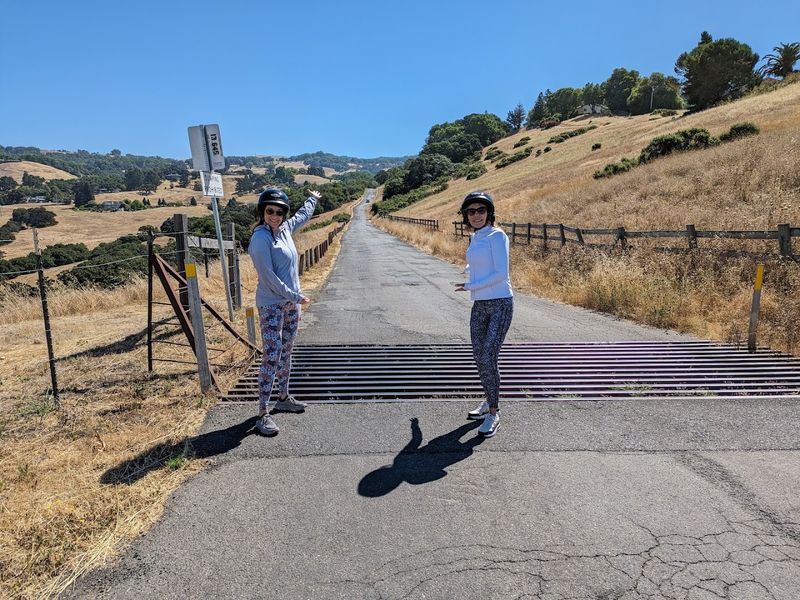
A few small details can make a big difference between a memorable visit and a shrug-and-drive-away moment. The most important thing is finding the right starting spot.
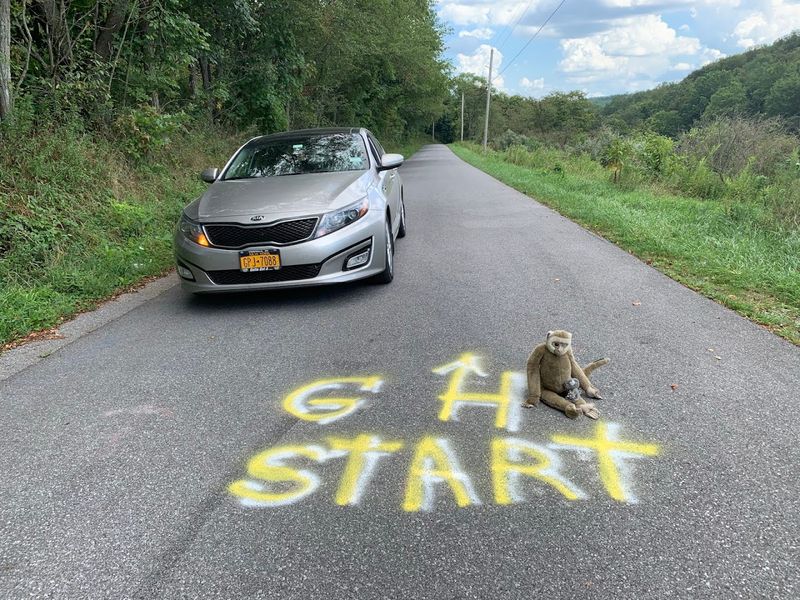
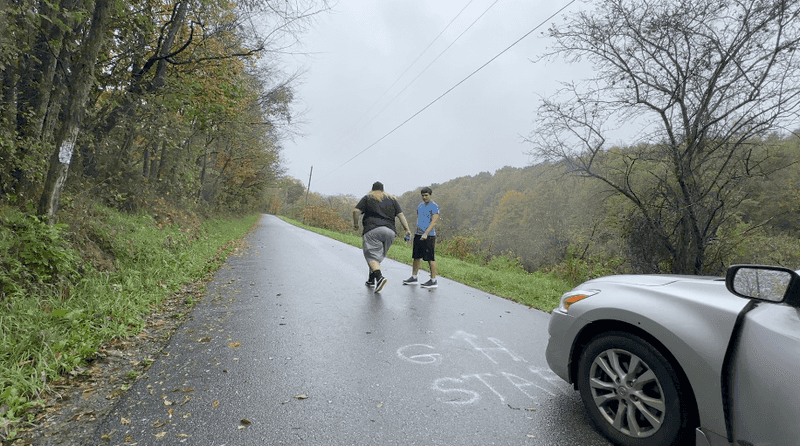
Pull up close to the sign or marker if one is visible, put the car in neutral, and release the brake slowly. Give it a moment before you decide nothing is happening, because the roll can start gently.
Some visitors have found that trying the hill in both directions adds to the fun. Going forward first and then turning around to try it in reverse gives you two slightly different perspectives on the same illusion.
The reverse approach tends to feel even stranger because your brain has even fewer familiar cues to work with when you are looking backward out the rear window.
Be mindful that this is a public road with real traffic, not a closed attraction. Check for oncoming cars before you stop, and stay aware of your surroundings the entire time.
Early mornings or weekday visits tend to mean less traffic and a more relaxed experience. Bring curious friends or family members who have not heard about it beforehand, because watching someone encounter the illusion for the first time, completely unprepared, is its own kind of entertainment.
The Eerie Atmosphere That Makes It Feel Like More Than a Trick
Even knowing the science, there is something genuinely creepy about sitting in a silent car on an empty road and feeling it move without any input from you. The landscape around Gravity Hill does not help settle your nerves either.
The fields are wide and flat, the trees along the roadside lean at angles that feel slightly off, and the whole scene has a stillness that sits somewhere between peaceful and unsettling.
Some visitors have described feeling a kind of dizziness or disorientation after spending time at the hill, which makes complete sense given what the illusion does to your sense of balance. Your inner ear and your eyes are sending conflicting signals, and the result can feel a little like the world has tilted sideways.
It passes quickly, but it is a strange and interesting physical reminder of how connected your senses really are.
The cemetery located near the site adds another layer of atmosphere that some visitors find intriguing. It is not related to the illusion in any scientific way, but the combination of rolling unexplained movement, leaning trees, and a quiet old graveyard nearby gives the place a character that is hard to find at any other roadside stop.
The mood is part of what people remember.
How Gravity Hill Compares to Other Mystery Spots Around the World
Gravity Hill near Malvern is part of a surprisingly large global family of places where the same optical illusion plays out on local roads and hillsides. Electric Brae in Scotland is one of the most famous examples, drawing visitors from across Europe who want to feel their cars roll against the expected direction.
Confusion Hill in California has been a roadside attraction for decades. New Zealand, Australia, and parts of South Korea all have their own versions of the same phenomenon.
What makes each one unique is the specific combination of landscape features that creates the illusion. No two gravity hills look exactly alike because the illusion depends on the precise arrangement of the local terrain.
Iowa’s version has a quiet, unassuming quality that feels very different from the dramatic coastal cliffs of some international examples.
There is something charming about the fact that a small country road in the American Midwest belongs to the same category as famous international landmarks. Gravity Hill near Malvern does not advertise itself with big signs or gift shops.
It just sits there on a rural road, doing its thing, waiting for curious travelers to stumble across it. That low-key authenticity is part of what makes it feel special compared to more commercialized mystery spots elsewhere.
Why This Quirky Iowa Stop Deserves a Spot on Your Road Trip List
Road trips are best when they include at least one stop that nobody planned, something stumbled upon or tucked into the route at the last minute that ends up being the story everyone tells afterward. Gravity Hill near Malvern is exactly that kind of stop.
It costs nothing, takes maybe twenty minutes out of your day, and leaves you with a memory that is genuinely hard to explain to someone who was not there.
Families with kids tend to love it because children have not yet built up the mental habit of dismissing things they cannot explain. Watching a kid experience the hill for the first time, eyes wide and completely baffled, is a reminder of how fun it is to encounter something that breaks the rules you thought were unbreakable.
Adults get that same jolt, just with slightly more skeptical commentary before the car starts moving.
Iowa has a quiet way of surprising travelers who expect nothing but flat fields and straight highways. Gravity Hill is one of those surprises that sticks with you.
Add it to your next Midwest road trip, keep your expectations open rather than sky-high, and let the hill do what it does. Chances are, you will find yourself turning the car around to try it one more time before you leave.
Address: Near Malvern, Iowa (Mills County, Iowa)
