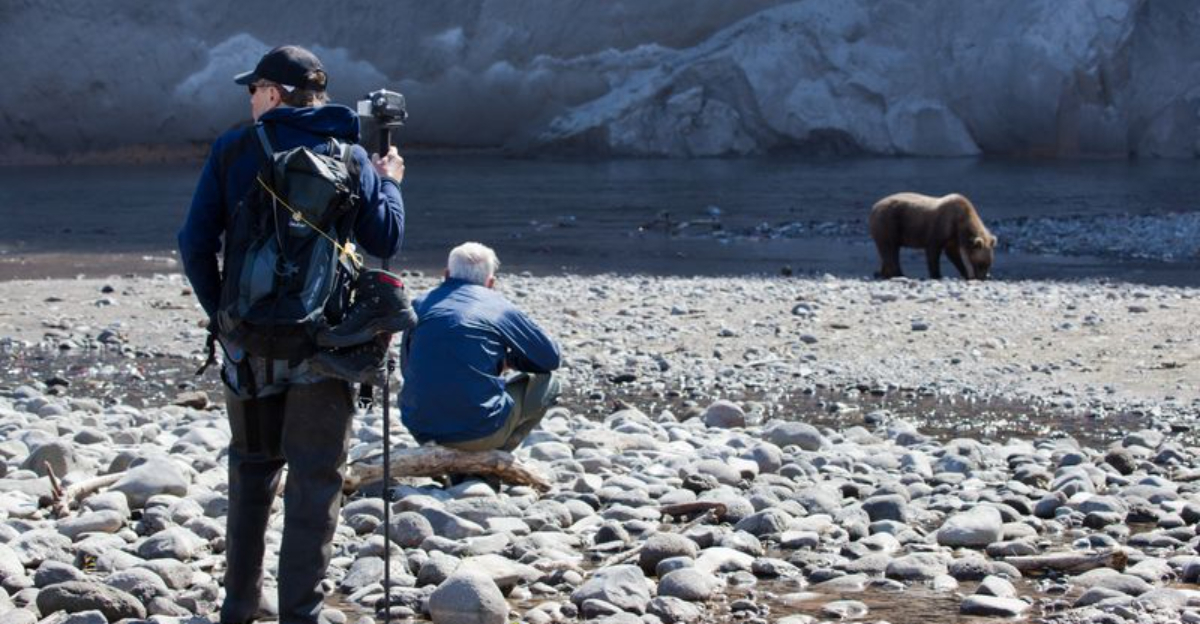
Alaska, a land of majestic landscapes and extraordinary wildlife, harbors a law that might sound bizarre to outsiders. Yet, it’s a rule rooted in deep respect for nature.
This intriguing regulation makes it illegal to wake a sleeping bear for any purpose, including photography.
While it might seem humorous at first glance, the law underscores Alaska’s commitment to preserving the sanctity of its wild inhabitants.
Here, we explore the facets of this unusual legislation, its implications, and the stories behind it, revealing why travelers must heed this cautionary statute.
The Alaska Law That Sounds Like a Joke but Isn’t
In the vast wilderness of Alaska, one might stumble upon a law that seems more suited to a comedy sketch than a legal code. The regulation prohibiting the disturbance of sleeping bears is not only real but strictly enforced. While waking a bear might seem innocuous, it can lead to serious consequences.
Alaska’s law reflects a profound respect for the natural world, where bears roam freely and deserve their peace. The state’s legal system prioritizes the protection of wildlife habitats, ensuring that humans do not disrupt the delicate balance of nature.
For travelers, this means engaging with Alaska’s wildlife on its terms. Individuals must appreciate the tranquility of slumbering bears from a distance, capturing the moment with reverence for the creature’s space. This quirky regulation serves as a reminder of nature’s sovereignty and the responsibility to coexist harmoniously with the wild.
Why Waking a Bear Is More Serious Than It Sounds
Waking a bear might conjure images of playful mischief, but in Alaska, it’s a matter of grave importance. This law reflects the potential danger to both humans and bears. Awakened bears can become agitated, leading to unpredictable and possibly harmful interactions.
Beyond personal safety, disturbing a bear in its natural habitat disrupts its natural cycles. Bears often enter a state of rest critical for conserving energy, especially important in the harsh Alaskan climate.
For Alaskans, this is more than just a rule; it’s a part of a broader respect for wildlife. Understanding the significance of not waking a bear underscores the need for travelers to appreciate the wild on its own terms. It’s a lesson in humility and caution, ensuring that both people and bears remain safe in the untamed wilderness.
How the Rule Reflects Alaska’s Wildlife Ethics
The law against waking bears underscores Alaska’s deep-rooted wildlife ethics. This rule exemplifies a broader philosophy that prioritizes the well-being and autonomy of wild animals. In Alaska, bears are more than just creatures to observe; they are integral to the state’s identity and ecology.
Rangers and locals alike adhere to a code of conduct that ensures minimal human interference in wildlife habitats. This commitment is reflected in various laws designed to protect Alaska’s diverse fauna.
For visitors, this ethical stance is a vital lesson in responsible tourism. By respecting these laws, travelers contribute to preserving the unique wildlife experience Alaska offers. It’s a testament to a community’s dedication to maintaining harmony between humans and nature, fostering an environment where both can thrive.
Stories of Tourists Who Learned the Hard Way
Though many visitors respect Alaska’s wildlife laws, some have learned their importance the hard way. There are tales of tourists who, seeking the perfect photograph, inadvertently disturbed a resting bear, leading to unexpected and often frightening encounters.
These experiences serve as cautionary tales, illustrating the unpredictable nature of wild animals when awakened. Such stories are not just about the risks involved but highlight the importance of awareness and respect.
Learning from these incidents, many are now advocates for mindful tourism, sharing their experiences to educate others. These narratives emphasize the need for understanding and respecting Alaskan laws, showcasing the potential consequences of ignoring nature’s boundaries. It’s a call for responsible interactions with the natural world.
The Science Behind Leaving Bears Undisturbed
Science underpins the reasoning behind this peculiar law. Bears, particularly in Alaska, have specific cycles of rest that are crucial for their survival. Disturbing these cycles can have detrimental effects on their health and ecology.
During rest periods, bears conserve energy needed for survival in Alaska’s extreme conditions. Interrupting this state can lead to stress and disorientation, affecting their ability to hunt and find food.
Understanding the science behind these behaviors enhances appreciation for the law. It highlights the careful balance of nature that Alaskans strive to protect. For visitors, this scientific perspective provides a deeper understanding of why leaving bears undisturbed is not merely about safety but also about ecological respect.
Respecting the Wild: Alaska’s First Travel Rule
In Alaska, respecting the wild isn’t just advisable; it’s an essential travel rule. This ethos is embodied in the law against disturbing resting bears, illustrating a broader commitment to preserving the state’s natural beauty.
Visitors are encouraged to engage with the environment thoughtfully, maintaining a respectful distance from wildlife. This approach ensures that both tourists and animals can coexist peacefully, minimizing the impact on natural habitats.
Embracing this travel philosophy enriches the Alaskan experience, offering a deeper connection to the land’s pristine beauty. It’s a reminder of the privilege and responsibility of exploring such a unique and untamed wilderness, fostering a culture of respect and admiration for the natural world.
The Culture of Coexistence in the Last Frontier
Alaska’s relationship with its wildlife is defined by coexistence rather than control. The people who live here understand that nature commands respect, and this understanding is reflected in how communities interact with their surroundings.
From the smallest villages to the most remote parks, there is an unspoken agreement that humans are visitors in a world ruled by nature.
This mindset shapes everything from local customs to tourism practices. Travelers who embrace this philosophy often leave with a deeper appreciation for the raw beauty and power of the Alaskan wilderness. It is a place where respect for the natural order is not just encouraged but expected.
When Curiosity Meets Caution
Every year, curious travelers arrive eager to experience Alaska’s wildlife up close. However, curiosity must always be balanced with caution. Encounters with bears, moose, and other large animals can be thrilling, but they require understanding and restraint.
Many of Alaska’s regulations, including the one against disturbing sleeping bears, stem from lessons learned through experience.
Nature rewards observation, not interference. For visitors, this means learning to see without disrupting, to marvel without crossing boundaries. It is a humbling reminder that the wild belongs to itself, and those who enter it must do so with care.
Lessons from Locals Who Know the Land
Locals often serve as the best teachers for those exploring Alaska’s rugged landscapes. Hunters, rangers, and long-time residents know how quickly a quiet moment can turn dangerous if the wilderness is not respected.
Their stories, passed down through generations, reveal a deep connection to the land and its creatures. They understand that every law protecting wildlife comes from a place of hard-earned wisdom.
Listening to their advice not only ensures safety but also fosters a sense of belonging within Alaska’s vast and untamed spaces. Travelers who take the time to learn from locals often find that their experiences become richer and more meaningful.
Why Alaska’s Laws Reflect More Than Rules
To outsiders, some of Alaska’s laws may seem strange or excessive, but to Alaskans, they represent a way of life built on respect and responsibility. These laws capture the spirit of a state that values harmony between people and nature above convenience or curiosity.
They remind visitors that the wilderness is not a backdrop but a living world that demands awareness. Every regulation, from fishing restrictions to wildlife protection, tells a story of coexistence earned through experience.
For those who journey north, understanding this deeper meaning transforms Alaska from a destination into a lesson in how to live alongside the wild rather than against it.
Dear Reader: This page may contain affiliate links which may earn a commission if you click through and make a purchase. Our independent journalism is not influenced by any advertiser or commercial initiative unless it is clearly marked as sponsored content. As travel products change, please be sure to reconfirm all details and stay up to date with current events to ensure a safe and successful trip.
