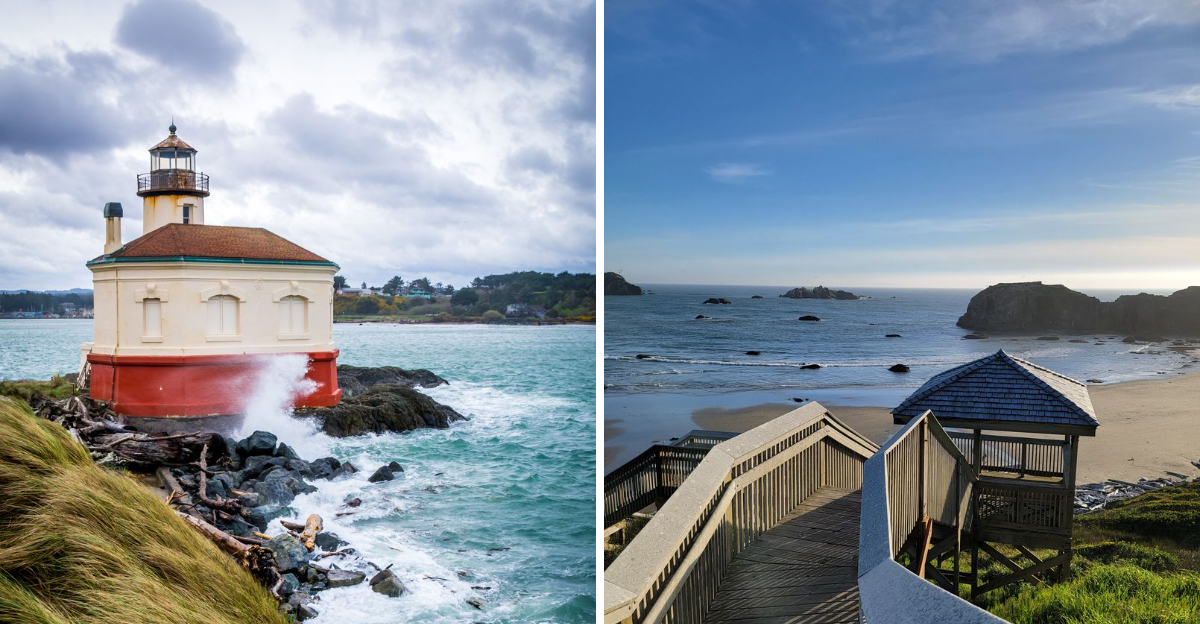
I rolled into Bandon, Oregon on a foggy winter morning thinking it was just another stop on Highway 101, and then my jaw hit the floor. Most people snap a quick pic at Face Rock and drive off, never knowing the town is hiding an entire secret world.
A sunken forest that only shows itself twice a year? Check.
Cranberry bogs so red they look like spilled paint? Absolutely.
Sea stacks forming hidden cities, tide pools that vanish and reappear, a waterfront so quiet it feels like stepping back to 1950. I spent a month uncovering every tucked-away corner, and what I found will make you rethink everything you thought you knew about the Oregon coast.
Stick around, because Bandon’s secrets are way too good to keep to myself.
The Sea Stack Cathedral You Can Only Enter at Low Tide
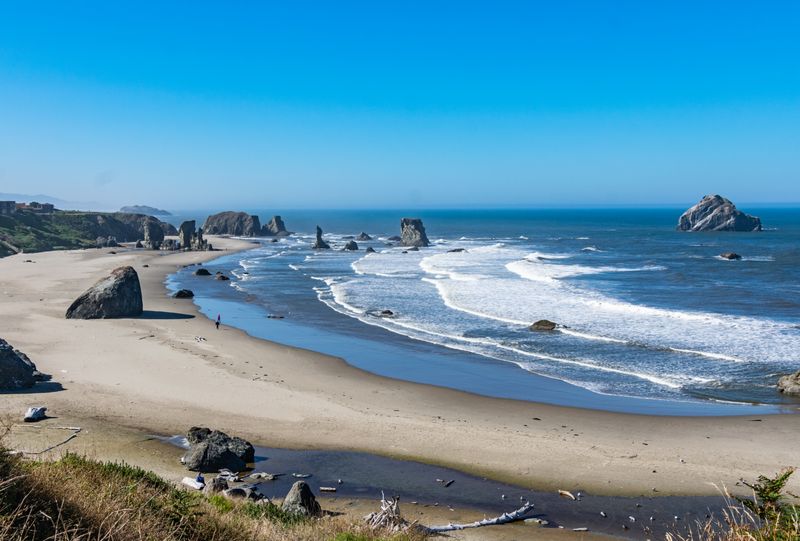
Walking south from Face Rock, I discovered something that made me stop dead in my tracks. Massive rock towers rise from the sand like ancient cathedrals, and during low tide, they reveal a completely different world.
Table Rock, Wizard’s Hat, and Kissing Rock form what locals quietly call the Hidden City, and it’s not on any tourist map.
The timing matters more than anything here. I learned this the hard way after showing up at high tide and finding absolutely nothing accessible.
Come back six hours later during a minus tide, and suddenly you’re walking through natural archways, exploring sea caves, and discovering tide pools filled with starfish and anemones.
The Samuel H. Boardman State Scenic Corridor stretches just south of town, and most visitors never venture beyond the main overlook.
I spent three different mornings timing my visits with the tide charts, and each time felt like discovering a new planet. The rock formations create sheltered pools where purple sea urchins cluster by the hundreds.
Bring waterproof boots because you’ll be scrambling over slippery rocks and wading through ankle-deep water. I watched the ocean transform these monoliths from isolated islands into connected pathways, then back again within hours.
The Ghost Forest That Appears Only in Winter
Near the Coquille River mouth, something eerie and ancient waits beneath the sand. I heard whispers about a ghost forest from a local fisherman, but I didn’t believe him until I saw it myself during a January storm.
Tree stumps thousands of years old poke through the beach like tombstones when conditions align perfectly.
These aren’t ordinary driftwood pieces. They’re petrified remains of an ancient coastal forest, preserved in the sand and only visible during the lowest winter tides.
I visited in summer and saw nothing but smooth beach. Six months later, the same stretch looked like a prehistoric graveyard.
The stumps appear when winter storms strip away the protective sand layers, combined with those rare minus tides that pull the ocean way back. Some stumps are three feet across, their roots still spread like frozen fingers.
Scientists believe they’re between 2,000 and 4,000 years old, killed by a sudden earthquake or tsunami that buried the forest instantly.
Most summer tourists have zero idea this phenomenon exists because the sand completely conceals it nine months of the year. I felt like an archaeologist discovering a lost civilization, except this one vanishes again once the tides shift and sand returns.
Oregon’s Secret Cranberry Paradise Hiding Inland
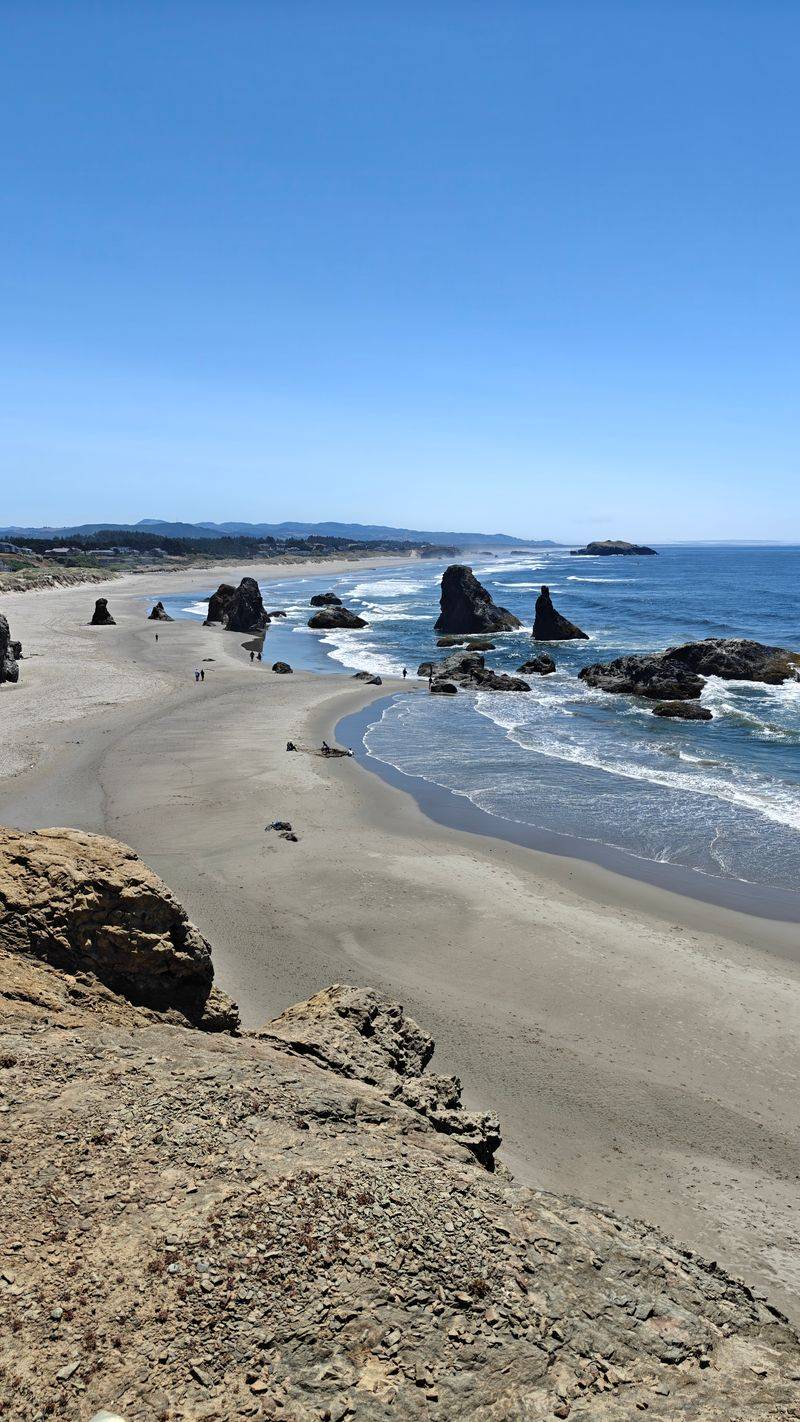
Everyone knows Bandon for its dramatic coastline, but drive three miles inland and you’ll find something completely unexpected. Brilliant red cranberry bogs stretch across the landscape like someone spilled rubies everywhere.
I had no idea Oregon even grew cranberries until I accidentally took a wrong turn looking for a hiking trail.
Bandon produces more cranberries than anywhere else in Oregon, yet tourists stick to the beach and miss this entirely. During harvest season in October, the bogs flood with water, and workers use machines to shake the berries loose.
They float to the surface, creating these incredible red carpets that look absolutely unreal against the green coastal hills.
The microclimate here is totally different from the windswept beaches just minutes away. Sheltered valleys create warmer, calmer conditions perfect for growing cranberries.
I visited Faber Farms and learned the whole fascinating process, from flowering in summer to the wet harvest in fall.
The contrast blew my mind. One moment I’m watching waves crash against sea stacks, the next I’m standing beside bright red bogs that look more like New England than the Oregon coast.
Most visitors never experience this hidden agricultural side of Bandon.
The Forgotten Boardwalk Where Fishermen Still Outnumber Tourists
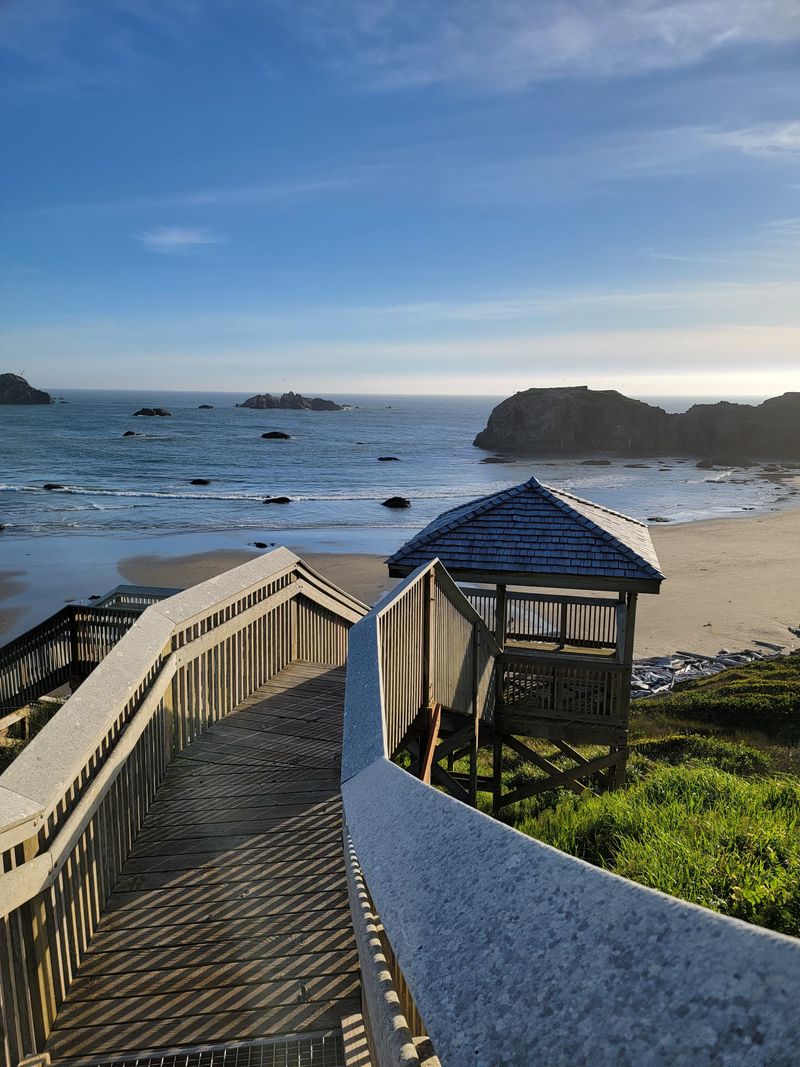
I almost missed Old Town completely because the main highway bypasses it entirely. Tucked directly on the marina, this historic district feels like stepping into a 1950s fishing village that somehow escaped modernization.
Weathered wooden buildings line a quiet boardwalk where working fishing boats still tie up every evening.
No crowds, no tacky souvenir shops, just authentic maritime life happening right in front of you. I watched commercial fishermen unload their daily catch at the dock while seals barked from the pilings.
The smell of salt water and fresh fish fills the air, and it’s absolutely perfect.
Tony’s Crab Shack sits at 155 1st Street, Bandon, OR 97411, and serves the best clam chowder I’ve tasted anywhere on the Oregon coast. But here’s the secret: go during off-peak hours and you’ll have the place practically to yourself.
Tourists flock to the newer restaurants on Highway 101 while locals quietly enjoy this waterfront gem.
The boardwalk extends along the Coquille River, offering views of the historic lighthouse and the river mouth where it meets the Pacific. I spent an entire afternoon just sitting on a bench, watching boats come and go, feeling like I’d discovered a place trapped in time.
The Sunset Beach Where Sea Stacks Catch Fire
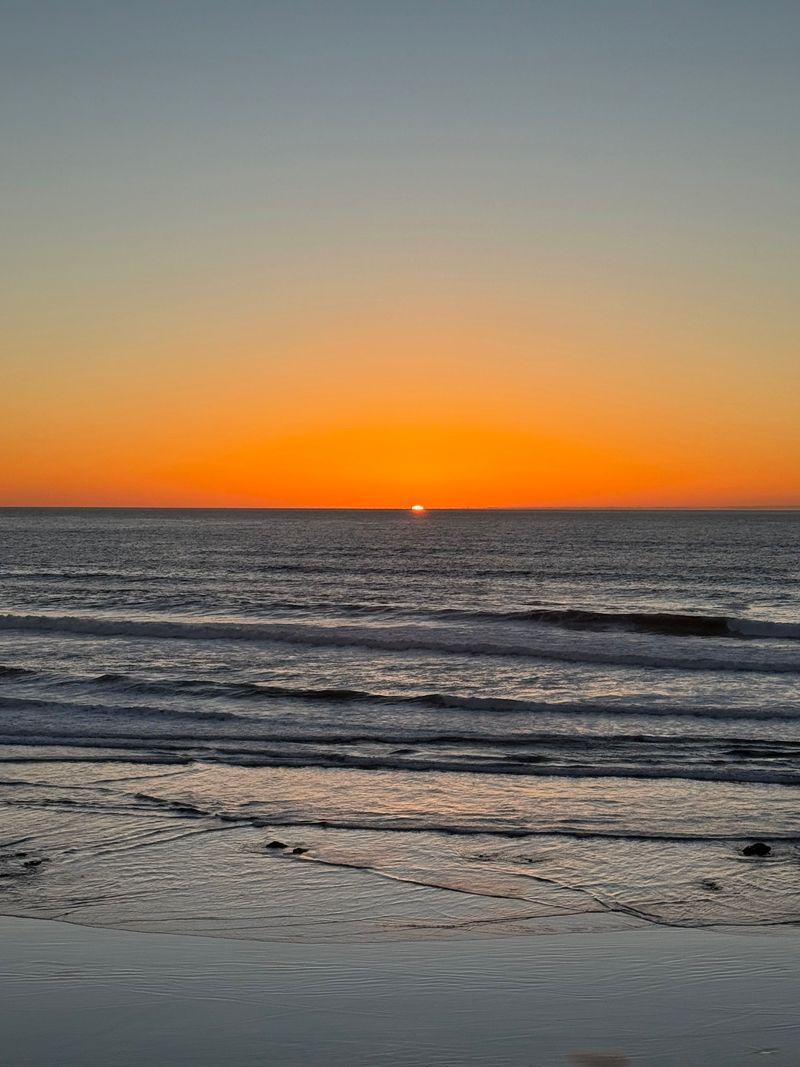
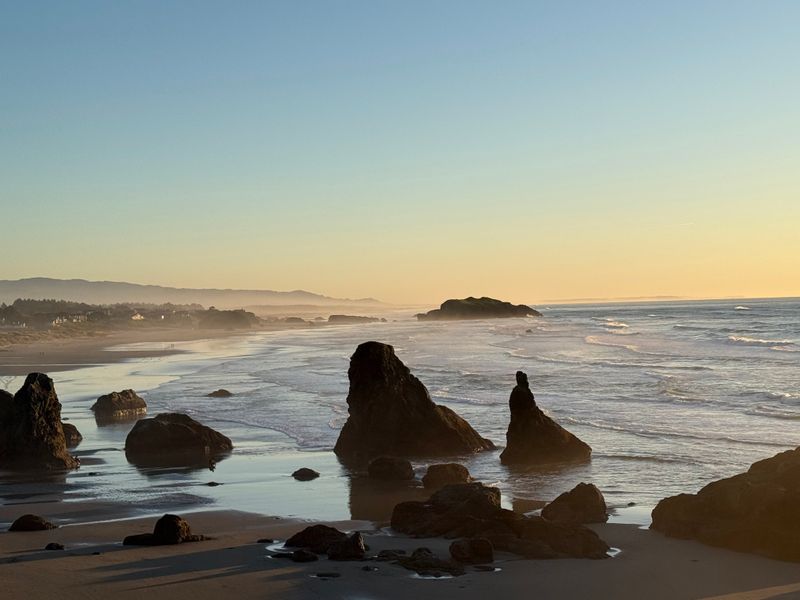
Face Rock gets all the attention, but locals know the real magic happens at the unnamed coves just south where the cliffs get too rugged for casual visitors. I hiked down a steep trail one evening and found myself completely alone on a crescent beach surrounded by towering sea stacks.
The sun sets directly behind these rock formations, creating this incredible effect where the stacks turn into black silhouettes against a sky that explodes in orange, pink, and purple. The wet sand reflects everything, doubling the spectacle.
I’ve watched sunsets all over the world, but this one legitimately made me gasp out loud.
Getting there requires some effort, which keeps the crowds away. The trail is unmarked and involves scrambling over driftwood and around rocky outcrops.
But that’s exactly why it stays secret. Most tourists want easy access, so they cluster at the main viewpoints while this spot remains gloriously empty.
I timed my visit for low tide, which gave me access to explore around the base of the sea stacks as the sun dropped. The rocks seemed to glow from within, lit by the setting sun behind them.
Waves crashed in slow motion, backlit and golden, creating this almost spiritual experience I’ll never forget.
The Lighthouse That Guards a River’s Secret Meeting
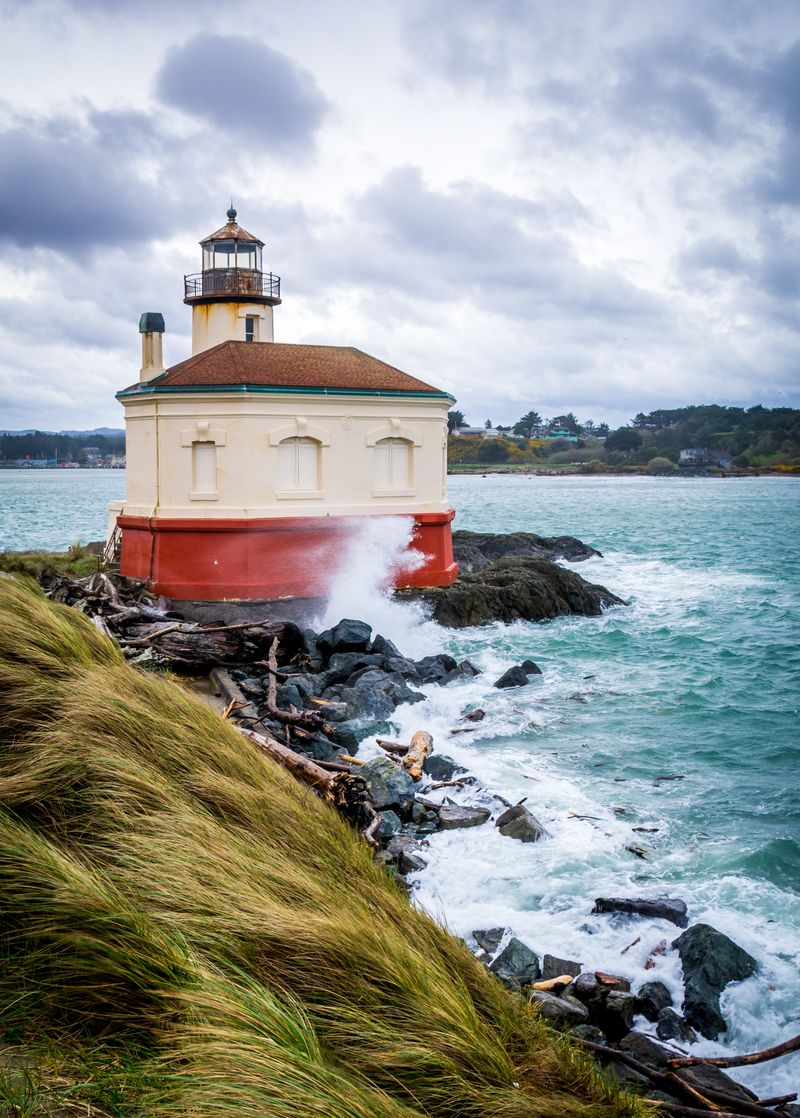
The Coquille River Lighthouse sits at the exact spot where the river surrenders to the Pacific, and most people just photograph it from the parking lot. I walked down to the beach level and discovered why this location is so special.
The river and ocean collide here in this constant battle, creating swirling currents and dramatic water patterns.
Built in 1896, this lighthouse guided ships through one of the most dangerous river bars on the Oregon coast. The jetty extends into the churning water, and I walked to its end, feeling the power of two massive water systems meeting.
Seals haul out on the rocks, and brown pelicans dive-bomb for fish in the turbulent mixing zone.
The lighthouse itself, located in Bullards Beach State Park at 52470 US-101, Bandon, OR 97411, stopped operating in 1939 but remains perfectly preserved. Rangers open it for tours during summer, and the view from the top reveals the full scope of the river mouth’s geography.
I visited during a winter storm and watched waves from the ocean crash into the outflowing river, creating these massive standing waves that looked like liquid mountains. The lighthouse stood calm through it all, a white sentinel marking this wild meeting point that’s been happening for millennia.
The Natural Aquarium Hiding in Plain Sight
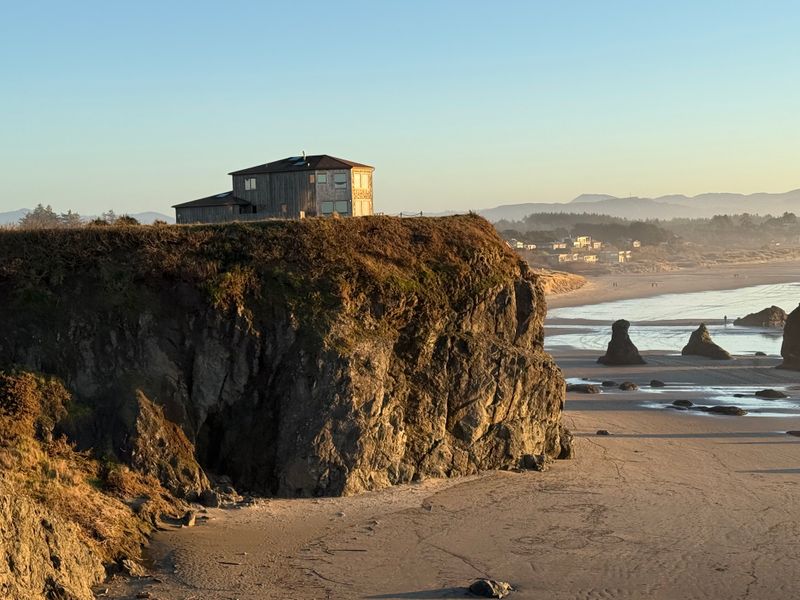
Every guidebook mentions Bandon’s tide pools, but nobody explains just how incredible they actually are. I thought I’d see a few starfish and maybe some barnacles.
Instead, I found an entire ecosystem thriving in the rocky pools between the sea stacks.
Purple and orange starfish cluster so thick they cover entire rocks. Giant green anemones wave their tentacles, looking like underwater flowers.
Hermit crabs scuttle between crevices while tiny fish dart through the shallow water. I spotted a bright red nudibranch, sculpin hiding under rocks, and even a small octopus that changed colors when it noticed me watching.
The best pools hide in the spaces between the major rock formations, accessible only during low tide. I learned to time my visits using tide charts and arrived when the ocean pulled back to reveal this hidden world.
Each pool is like a natural aquarium, perfectly maintained by the twice-daily tides.
Kids stand mesmerized, faces inches from the water, discovering creatures they’ve only seen in books. I watched a family spend two hours exploring one small area, finding something new every few minutes.
The diversity and abundance shocked me.
This isn’t just a few scattered pools; it’s an entire underwater city temporarily exposed.
The Storm-Watching Secret That Locals Keep Quiet
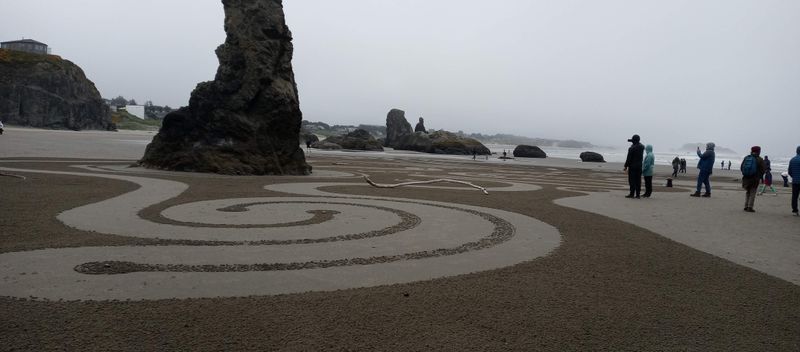
Everyone talks about summer in Bandon, but locals know winter is when this place truly reveals itself. I visited during a December storm and watched waves that must have been thirty feet tall explode against the sea stacks.
The power was absolutely hypnotic and slightly terrifying.
The best storm-watching spots aren’t advertised anywhere. Locals directed me to specific pullouts where the cliff angles provide both safety and spectacular views.
I parked at one overlook and sat in my car with hot coffee, watching nature throw a tantrum for two solid hours. Spray shot a hundred feet in the air, mist coated everything, and the roar drowned out all other sound.
Winter storms sculpt this coastline, moving massive amounts of sand and revealing those hidden features like the ghost forest. The beaches transform completely.
Summer’s gentle waves become winter’s demolition crew, and watching it happen is thrilling. I felt tiny and insignificant in the best possible way.
Few tourists brave the Oregon coast in winter, which means you get this incredible show almost entirely to yourself. The town empties out, prices drop, and the raw power of the Pacific takes center stage.
I’m convinced winter Bandon is the real Bandon, the version that shaped everything about this place.
Dear Reader: This page may contain affiliate links which may earn a commission if you click through and make a purchase. Our independent journalism is not influenced by any advertiser or commercial initiative unless it is clearly marked as sponsored content. As travel products change, please be sure to reconfirm all details and stay up to date with current events to ensure a safe and successful trip.
