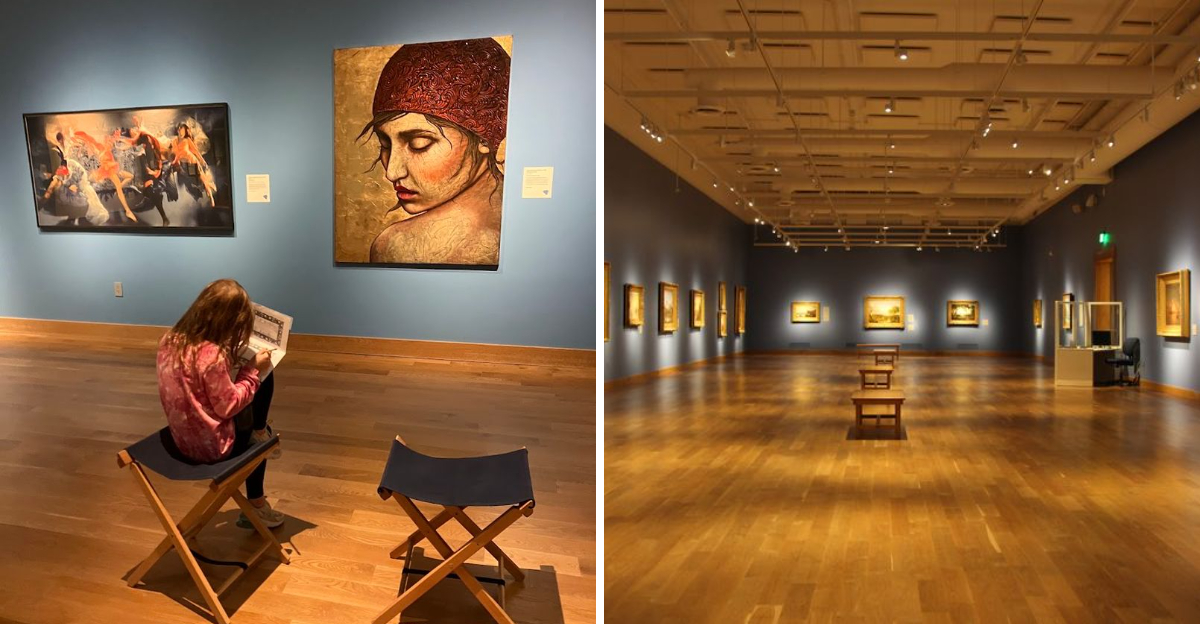
Vincent van Gogh’s first oil painting is hiding in plain sight in a small river town. A Picasso, a Monet, and a Renoir also hang on these walls, far from the crowded galleries of big cities. This museum focuses on great art inspired by water, and its collection is truly world class.
The building sits on the river, full of works that will make you check the labels twice. You will find famous historical paintings and a stunning collection of impressionist masterpieces. For its size, this museum rivals major institutions across the country.
It holds treasures most people do not expect to find in Minnesota. The galleries are intimate and inviting, allowing you to get up close with masterpieces. You can spend hours wandering through rooms filled with both maritime art and modern icons.
The museum proves that great art does not need a big city address to be exceptional. It is the kind of place that makes you wonder how it all ended up here. Minnesota keeps its best secrets quiet, and this museum is one of them. It deserves a spot on every art lover’s list.
The Surprising World-Class Art Collection
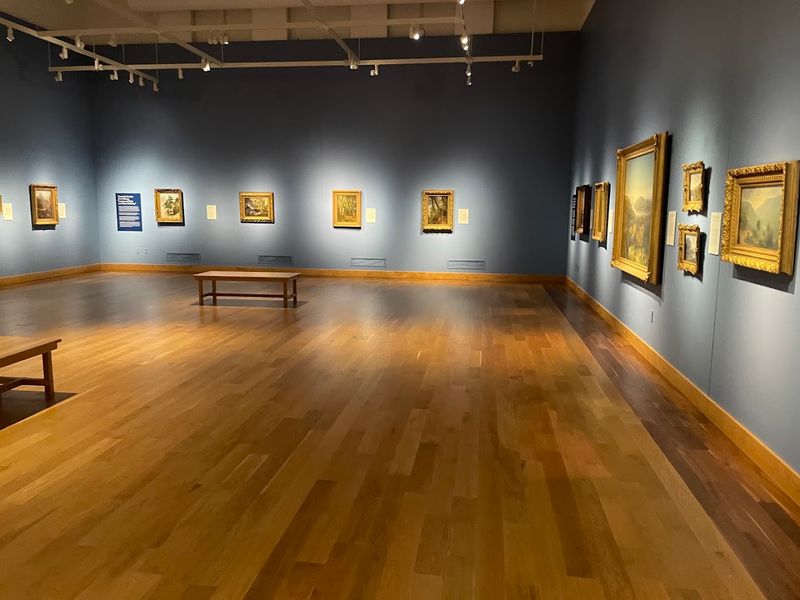
Most people assume world-class art only lives in big cities. Walking into the Minnesota Marine Art Museum for the first time genuinely changes that assumption fast.
The collection here includes authenticated works by Vincent van Gogh, Claude Monet, and Pablo Picasso. These are not reproductions or prints hanging on a wall for decoration.
They are original pieces, displayed with the kind of care and context you would expect from a major metropolitan institution. The curation feels intentional and deeply thoughtful throughout every gallery.
Each painting is given room to breathe, so you never feel crowded or rushed past something remarkable. I found myself standing in front of a Monet longer than I planned, just absorbing the brushwork up close.
For a town of Winona’s size, this level of collection is genuinely extraordinary. Art lovers who make the trip often describe it as one of the best surprises of their lives, and that reaction is completely understandable once you see it yourself.
The Magnificent Mississippi River Setting
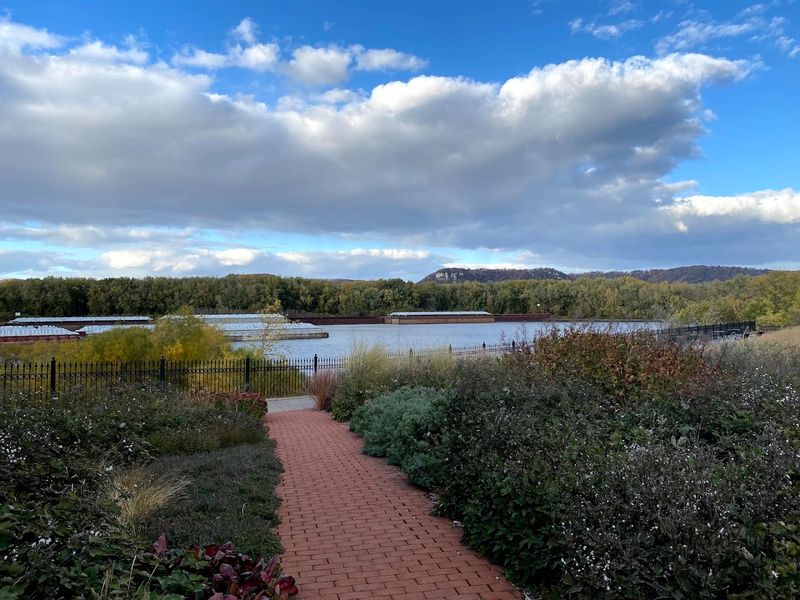
The location of this museum is not just a backdrop, it is part of the whole experience. Sitting right on Riverview Drive, the building hugs the edge of the Mississippi River with an almost theatrical view.
You can see barges slowly moving downstream through the gallery windows. The bluffs on the Wisconsin side rise dramatically across the water, framing every view like a living landscape painting.
There are outdoor tables positioned near the riverbank where visitors can sit and soak it all in. On a clear day, the light bouncing off the Mississippi adds a warmth to the whole visit that feels almost cinematic.
The museum’s water-themed focus makes perfect sense once you are standing in that spot. Art about rivers, oceans, and coastlines hits differently when actual flowing water is right outside the glass.
It is the kind of setting that makes you slow down naturally. The river has a calming pull, and the museum leans into that energy beautifully with its open, airy design and thoughtful placement along the shore.
The Extraordinary Panoramic Painting
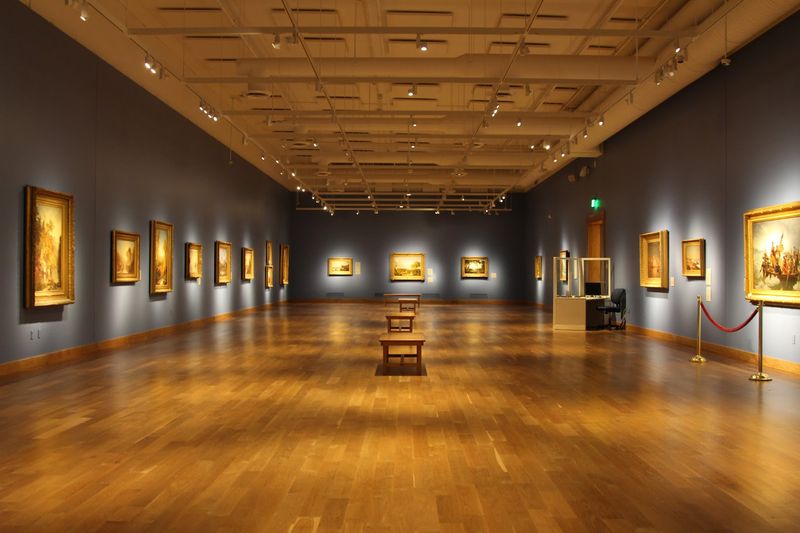
Nothing quite prepares you for the panorama. It is described as one of the longest paintings in the world, and standing in front of it feels a little like standing at the edge of something enormous.
The scale is genuinely hard to process at first. Your eyes keep moving along the canvas, finding new details tucked into every section of the composition.
It depicts a sweeping river landscape with incredible attention to detail and historical depth. The craftsmanship involved in creating something this large is staggering to think about while you are looking at it.
Visitors who come in expecting a standard museum experience often stop completely when they enter the room where this painting lives. Kids especially tend to go quiet, which is its own kind of magic in a museum setting.
The panorama alone is worth the trip to Winona. It is the kind of artwork that you cannot fully appreciate from a photo, because the physical presence of its size is central to the entire experience of seeing it.
The Rotating Special Exhibitions
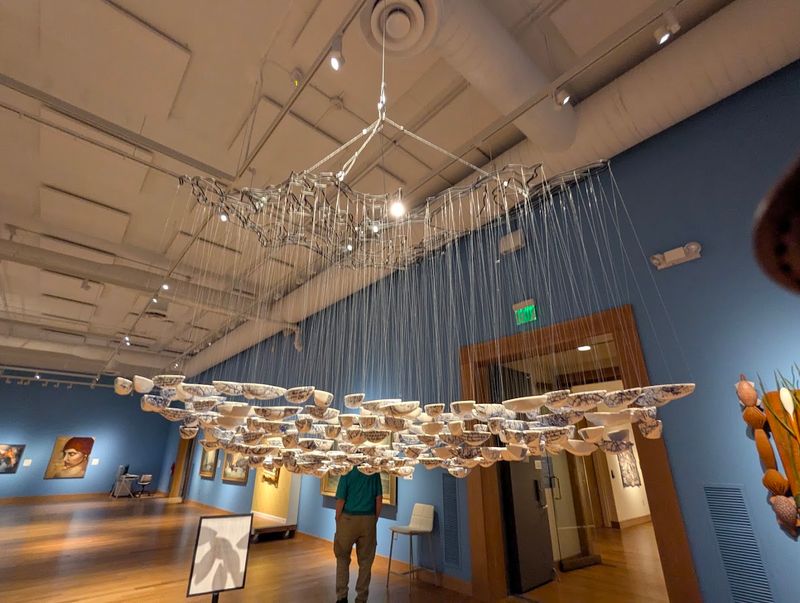
One visit to this museum is genuinely not enough, and that is by design. The Minnesota Marine Art Museum rotates its special exhibitions regularly, bringing in new work that keeps the experience fresh every time you return.
Past exhibitions have included loans from institutions like the New York Historical Society. These temporary shows sit alongside the permanent collection without feeling disconnected or out of place.
The curatorial team has a real talent for selecting work that fits the museum’s water and nature themes while still surprising visitors. You might encounter sculpture, photography, or large-scale oil paintings depending on when you visit.
I heard from another visitor that they had been coming back every few months for years. That kind of loyalty says a lot about how well the museum manages its changing program.
Planning a return visit is easy because the exhibitions shift often enough to guarantee something new. Checking the museum’s website before you go is always a smart move so you know what is currently on display during your trip.
The Water Bar Coffee Shop and Cafe
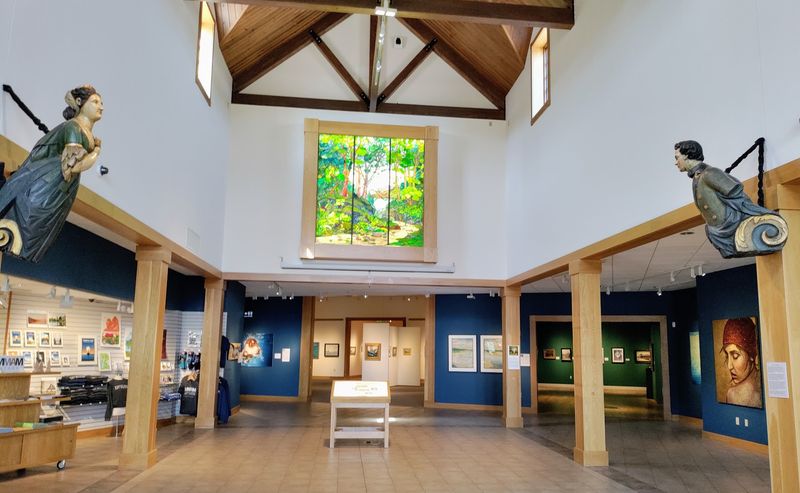
The Water Bar Coffee Shop added a whole new layer to the museum visit experience. It opened recently and has already built a loyal following among both locals and out-of-town visitors.
The driftless chowder has become something of a signature item that people talk about before they even arrive. Sitting down with a warm bowl near the river view is a genuinely satisfying way to pace a longer visit.
The cafe offers enough variety that you can make a full afternoon out of the museum without needing to leave for a meal. Light bites, coffee, and seasonal options give visitors real flexibility in how they spend their time.
There is something lovely about combining good food with good art in a single unhurried afternoon. The cafe space feels designed for lingering, not just grabbing something quick on the way out.
Outside tables near the water are available when the weather cooperates. Eating next to the Mississippi while bluffs tower across the river is a combination that most restaurants in the region simply cannot offer on their own.
The Family-Friendly and Kid-Inclusive Design
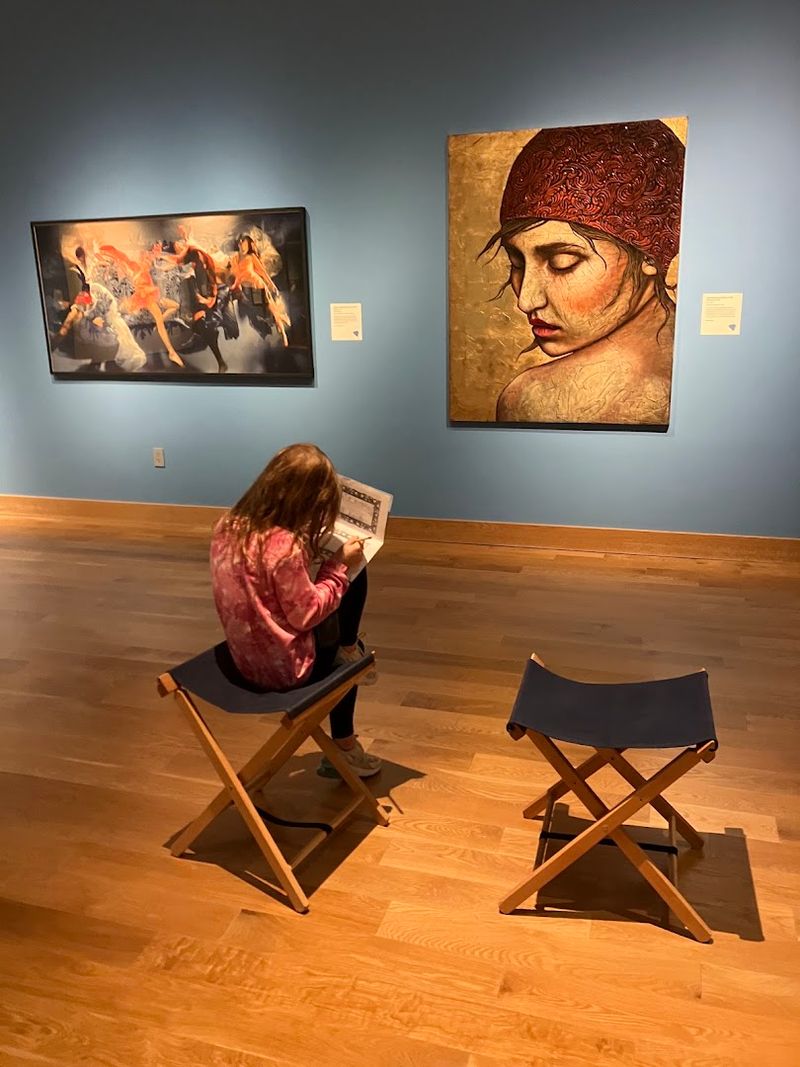
Bringing kids to an art museum can feel like a gamble, but this place has clearly thought about younger visitors with real care. There is a dedicated sitting room designed specifically for children inside the galleries.
Interactive bingo sheets are available in three different difficulty levels, which is a clever touch that works for toddlers and older kids alike. Even adults admitted to hunting for everything on the sheet and not always succeeding.
The bingo activity encourages kids to actually look at the art rather than rush through it. That kind of engagement makes the whole visit more meaningful for families traveling together.
Wheelchair accessibility is excellent throughout the building, with ADA-compliant bathrooms and first-floor entrance points. The museum clearly values making art available to every kind of visitor who walks through the door.
Parking is plentiful and the layout is easy to navigate with strollers or mobility aids. Taking the family here feels manageable rather than stressful, which is not always the case with museum visits that involve young children and long gallery walks.
The Impressionist Gallery and Its Emotional Pull
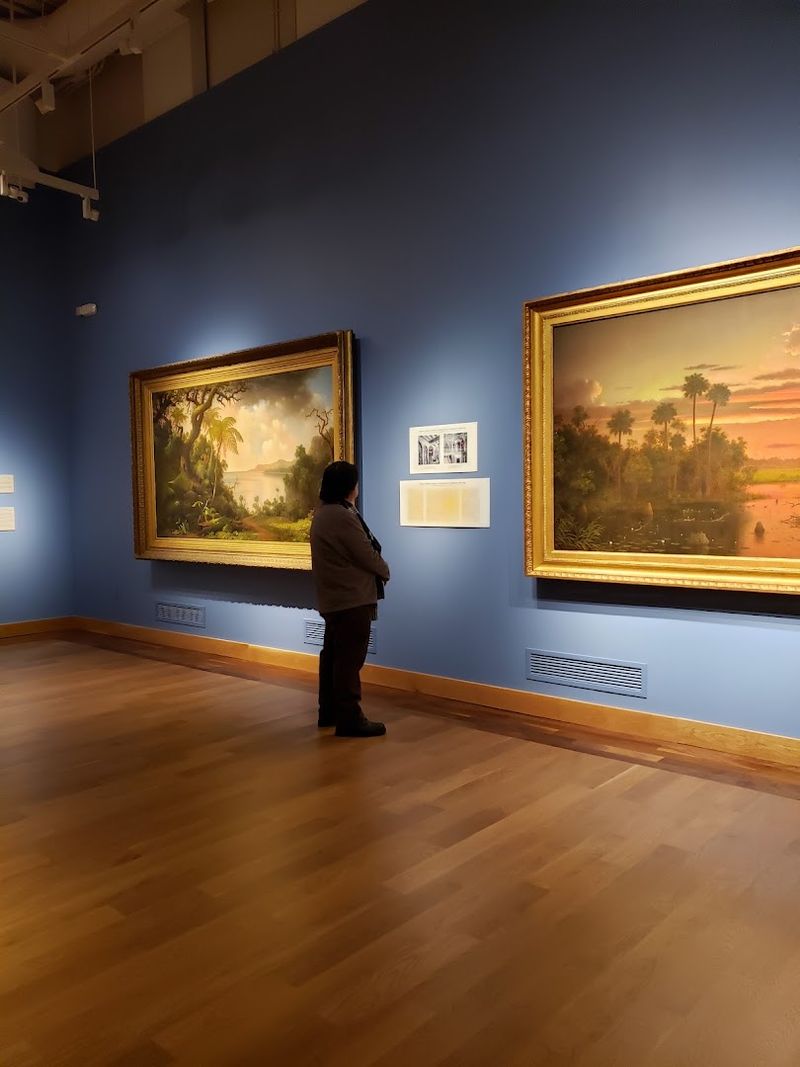
There is a specific gallery in this museum that feels different from the rest. The impressionist collection carries a kind of emotional weight that sneaks up on you mid-visit.
Seeing works by artists of that era in a small-town Minnesota museum creates a genuinely strange and wonderful cognitive dissonance. Your brain keeps asking how these paintings ended up here, and the answer only deepens your appreciation.
The gallery is not allowed to be photographed, which initially felt like a disappointment. But that restriction actually forces you to stay present with the work in a way that photography often prevents.
I noticed people moving more slowly in that room than anywhere else in the building. There was a shared quiet among strangers that felt almost like a collective exhale after holding your breath.
The diversity and quality of internationally recognized names represented in this single collection is remarkable. Several visitors have described leaving that gallery feeling genuinely moved, and that reaction is not exaggerated when you are standing inside it yourself.
The Environmental and Indigenous Art Perspective
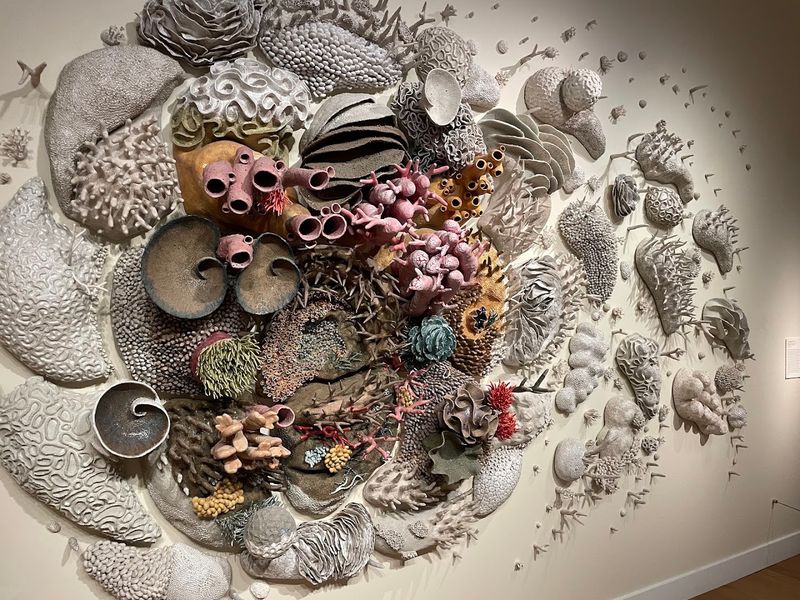
Art about water is never just about water at this museum. Several galleries weave in environmental themes and indigenous perspectives that give the collection a much broader cultural depth.
Work by local and indigenous artists appears throughout the museum alongside internationally recognized names. That combination creates a conversation between voices that rarely share the same wall space elsewhere.
One past exhibition featured sculptures by an artist whose work focused on coral reef health and environmental responsibility. The pieces were powerful enough to make visitors physically stop and reconsider their relationship to the natural world.
The museum treats environmental storytelling as a serious curatorial priority, not just a trendy addition. Labels and signage throughout the galleries are unusually well-written, offering real insight without talking down to the reader.
The Gift Shop and Community Atmosphere
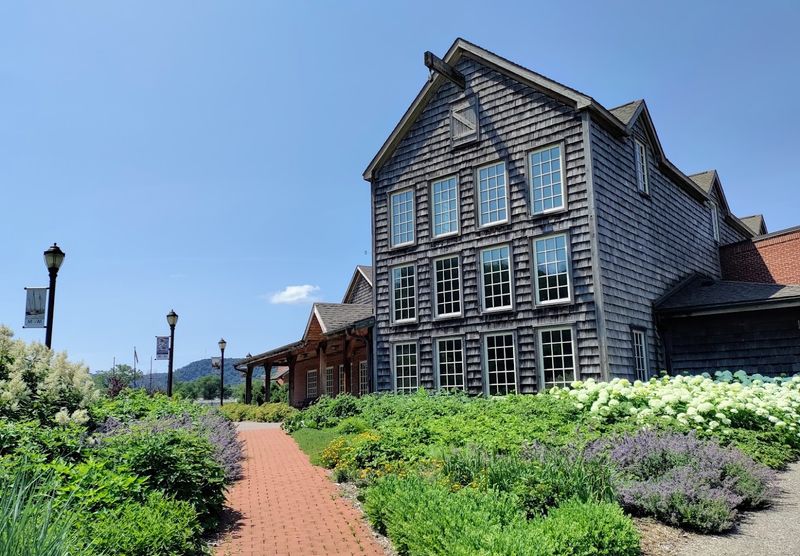
The gift shop at the Minnesota Marine Art Museum is the kind you actually want to spend time in. It is small but carefully curated, with items that feel connected to the art and the river setting around it.
You will find prints, books, and locally made goods that are genuinely worth bringing home. Nothing in there feels like the generic souvenir junk that fills so many museum shops across the country.
The atmosphere throughout the whole building feels community-driven rather than corporate. Staff members are warm and knowledgeable without being pushy or overly formal in the way some institutions can feel.
Community-engaged activities are built into the museum experience in ways that make the space feel alive. It is not just a place to look at things, it is a place where people genuinely gather and connect around shared appreciation.
Planning Your Visit to Winona and the Museum
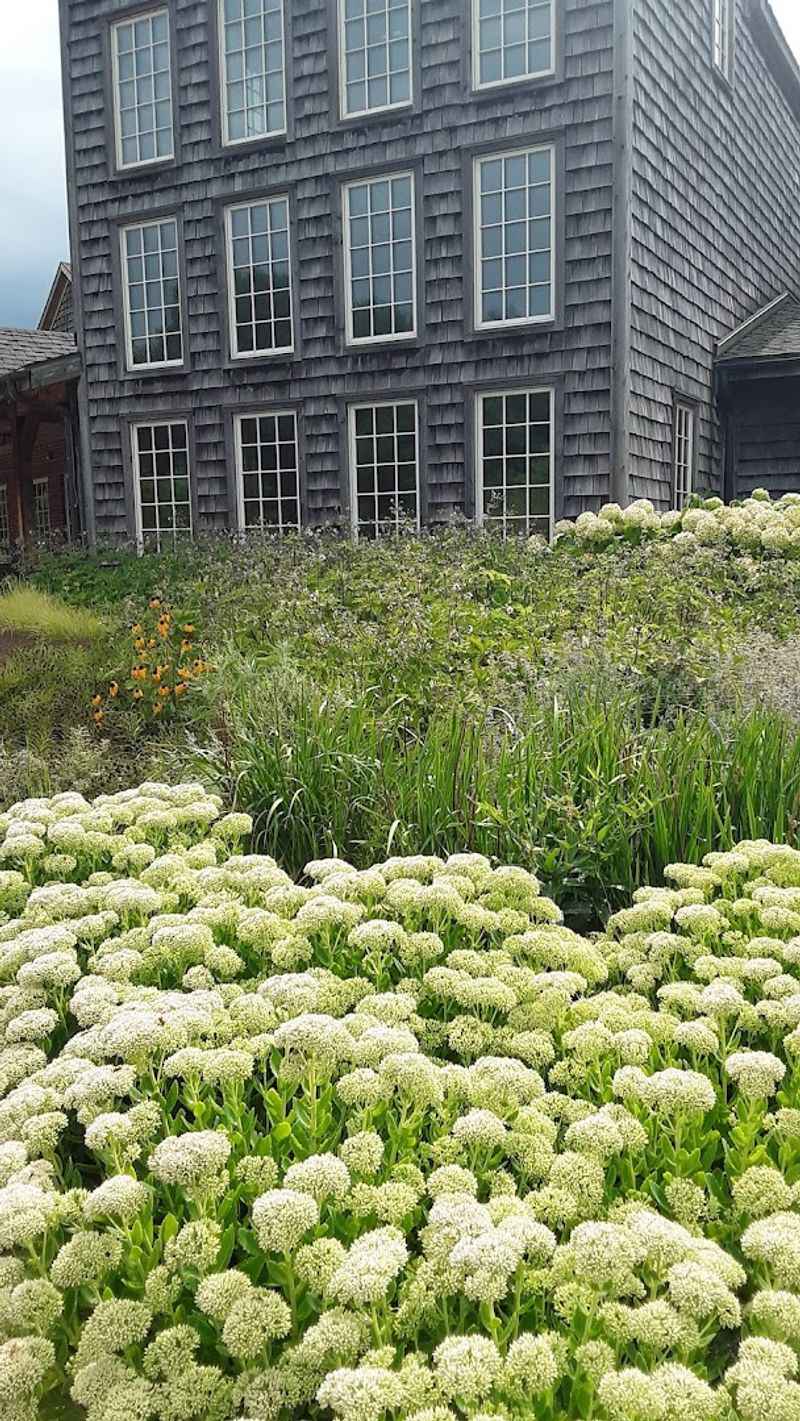
Winona itself is worth more than a quick stop on the way through. The town sits in a dramatic stretch of the Mississippi Valley, surrounded by limestone bluffs that make even the drive in feel like an event.
The museum is open Tuesday through Sunday from 10 AM to 5 PM and is closed on Mondays. Arriving close to opening gives you the galleries largely to yourself, which is a genuinely peaceful way to experience the collection.
Parking is easy and plentiful right at the museum, which removes a lot of the usual stress of visiting a cultural institution. The building is fully accessible and the layout is intuitive even if it is your first time there.
Plan for at least two hours inside, especially if you want to sit with the panorama and visit the cafe. Rushing through this museum would be a real shame given how much is quietly waiting to be discovered in each room.
The museum is located at 800 Riverview Drive in Winona, making it easy to find along the river.
