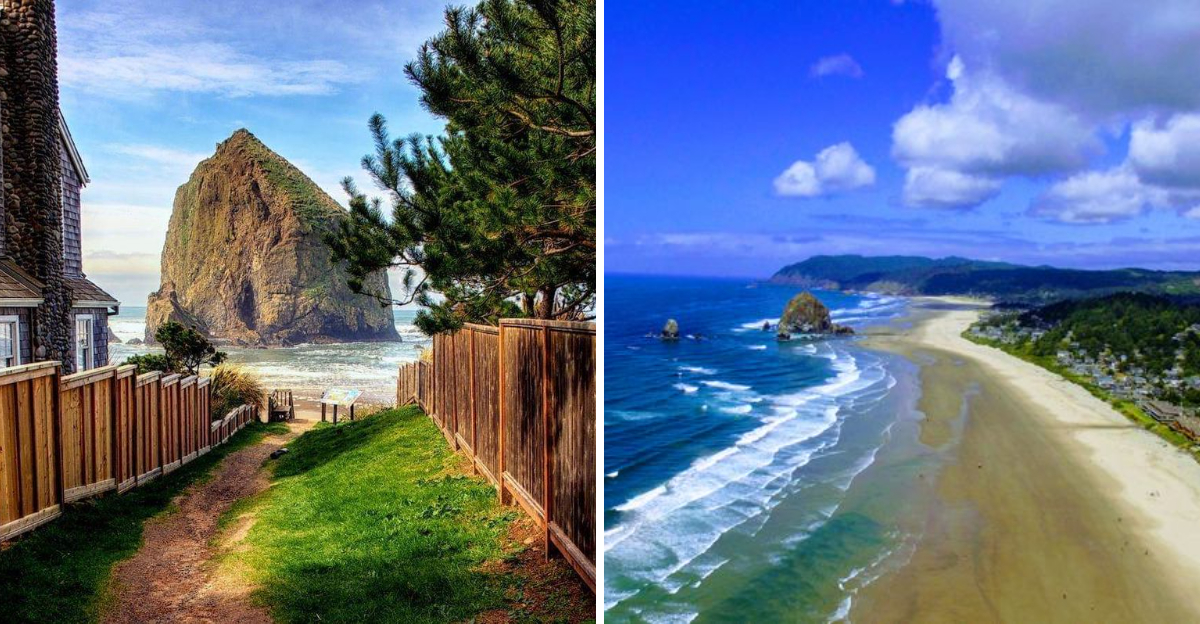
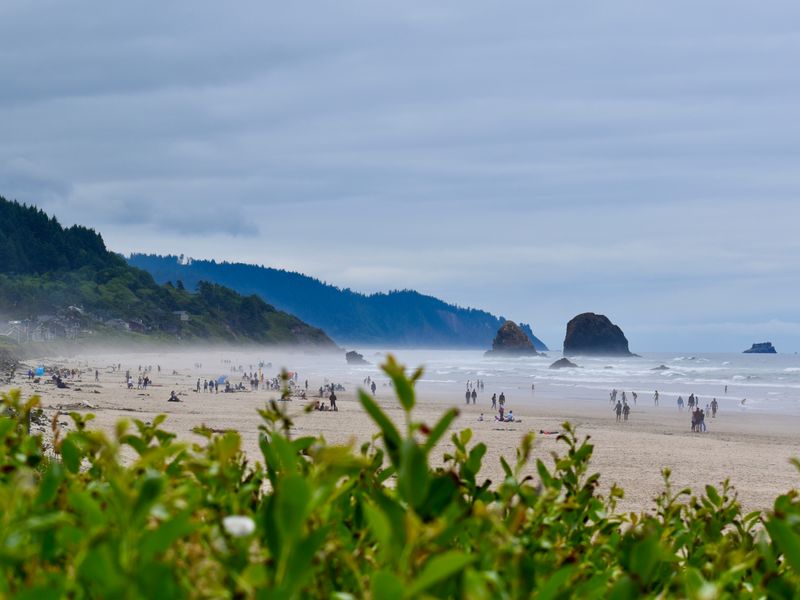
I still remember the first time I rounded the bend on Highway 101 and caught sight of Cannon Beach. The Pacific stretched endlessly before me, and rising from the surf stood Haystack Rock, a monolithic giant that seemed to hold up the sky itself.
This Oregon coastal town has earned its reputation as “Heaven on Earth” not through marketing hype, but through the kind of raw, natural beauty that makes you forget to check your phone.
With its walkable village streets, thriving arts community, and that famous 235-foot sea stack standing guard over miles of sandy shore, Cannon Beach offers something rare in our busy world: a place where time slows down and nature takes center stage.
National Geographic didn’t just stumble upon this destination when naming it one of the world’s 100 most beautiful places. They recognized what locals have known for generations.
The Towering Presence of Haystack Rock
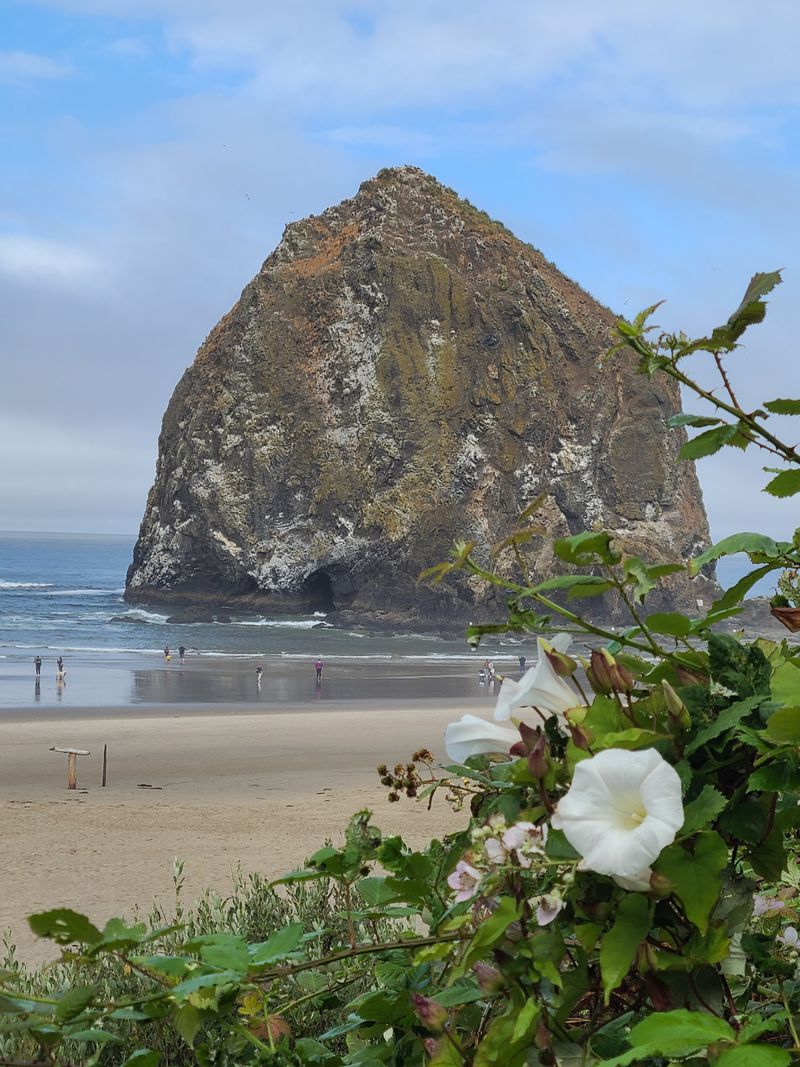
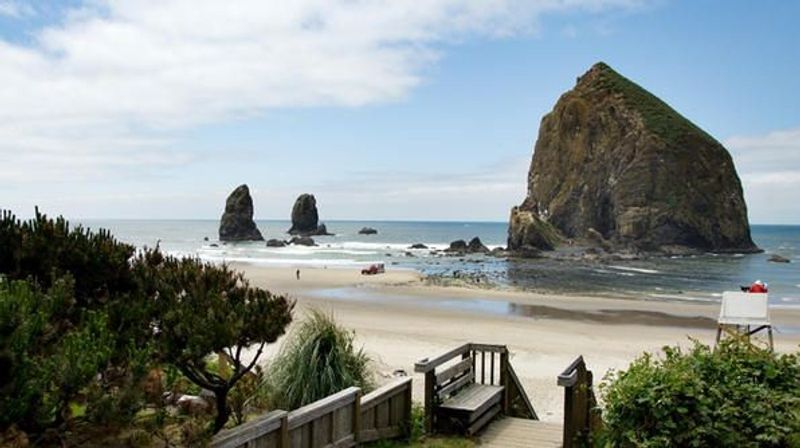
Standing at 235 feet tall, Haystack Rock isn’t just Cannon Beach’s most recognizable landmark. It’s the soul of the place, a monolithic sea stack that commands attention from every angle along the shore.
I’ve walked around its base dozens of times, and each visit reveals something new. During low tide, the rock becomes an island you can approach on foot, surrounded by tide pools teeming with marine life.
The barnacle-encrusted surface tells stories of countless storms and centuries of Pacific waves.
What makes this geological wonder truly special is its protected status as a marine sanctuary. Rangers are often stationed nearby during peak season, ready to share fascinating details about the rock’s formation and the creatures that call it home.
The rock formed roughly 15 to 16 million years ago as lava flows met the ocean. Time and erosion carved away the softer surrounding material, leaving this basalt giant standing proud.
Photographers arrive before dawn to capture the rock silhouetted against colorful skies. I’ve seen it bathed in fog, lit by golden hour sun, and standing stark against stormy gray clouds.
Each mood brings its own magic to this Oregon icon.
Puffin Watching Season Brings Rare Birds to Shore
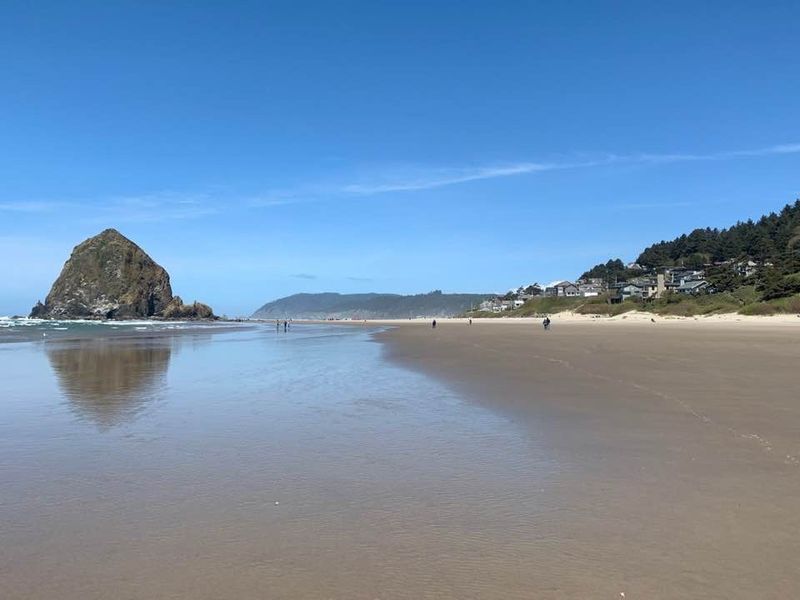
Between April and July, something extraordinary happens at Haystack Rock. Tufted puffins return to nest in the rock’s crevices, and suddenly this already special place becomes a birdwatcher’s paradise.
These charismatic seabirds, with their distinctive orange beaks and tufted head feathers, are notoriously difficult to spot along the Pacific coast. But Cannon Beach offers one of the most accessible viewing opportunities anywhere in Oregon.
I’ve stood with binoculars pressed to my face, watching these comical birds waddle along narrow ledges and dive into the surf for fish. Their flight pattern is endearingly awkward, wings beating frantically as they approach their nesting sites with beaks full of food for their chicks.
The Haystack Rock Awareness Program provides volunteers who set up spotting scopes during nesting season. They’re incredibly knowledgeable and genuinely excited to share their passion for these rare birds with visitors.
Beyond puffins, the rock hosts pigeon guillemots, cormorants, and various gull species. The cacophony of bird calls mixing with crashing waves creates a symphony that reminds you just how alive this ecosystem truly is.
An Artist’s Haven With Gallery-Lined Streets
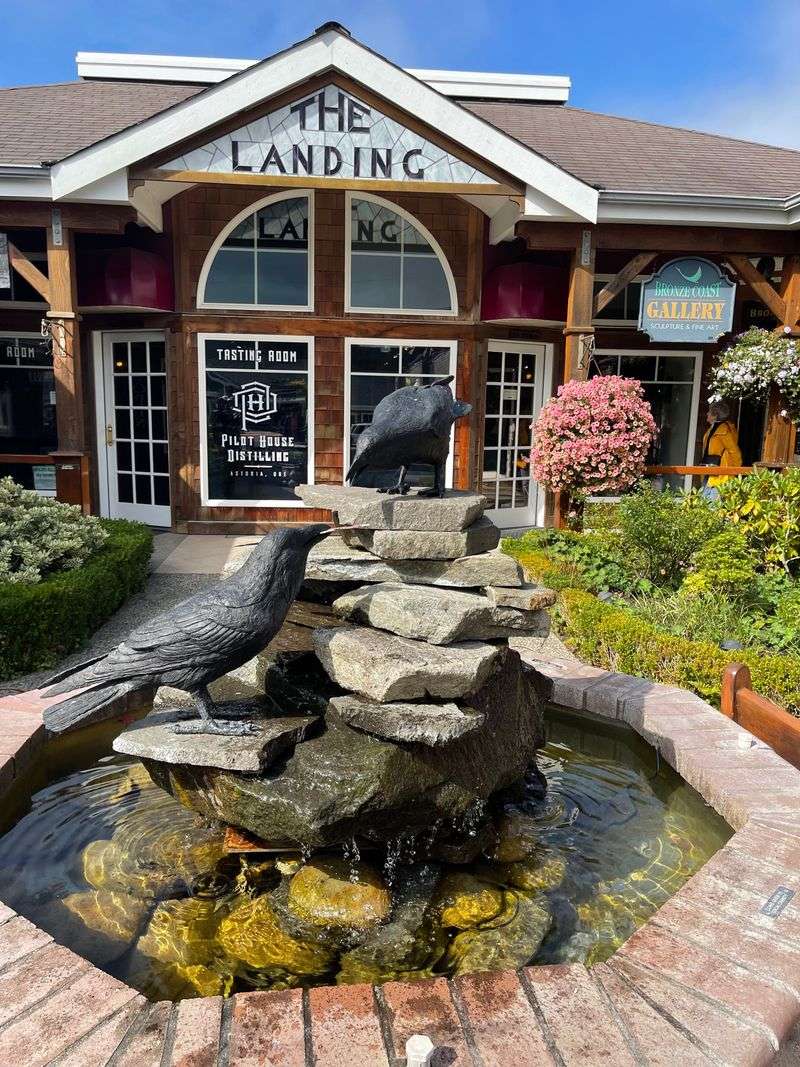
Walking through downtown Cannon Beach feels like strolling through an open-air art museum. Over a dozen galleries line the compact village streets, each offering a distinct perspective on Pacific Northwest creativity.
I’ve spent entire afternoons gallery hopping, discovering everything from massive bronze sculptures of whales and bears to delicate glass-blown jellyfish that seem to float in mid-air. The artistic community here isn’t just catering to tourists.
These are serious artists who’ve chosen this inspiring location as their creative home base.
The White Bird Gallery showcases contemporary art and traditional Native American pieces side by side. DragonFire Studio features functional art like custom-forged fireplace tools that are genuinely beautiful.
Jeffrey Hull Gallery focuses on landscape paintings that capture Oregon’s moody coastal light with remarkable skill.
Many galleries host the actual creators, who are happy to discuss their techniques and inspiration. There’s no pretension here, just genuine passion for craft.
The annual Stormy Weather Arts Festival in November transforms the entire town into a celebration of creativity, with special exhibits and artist demonstrations throughout the weekend.
Tide Pool Exploration at the Rock’s Base
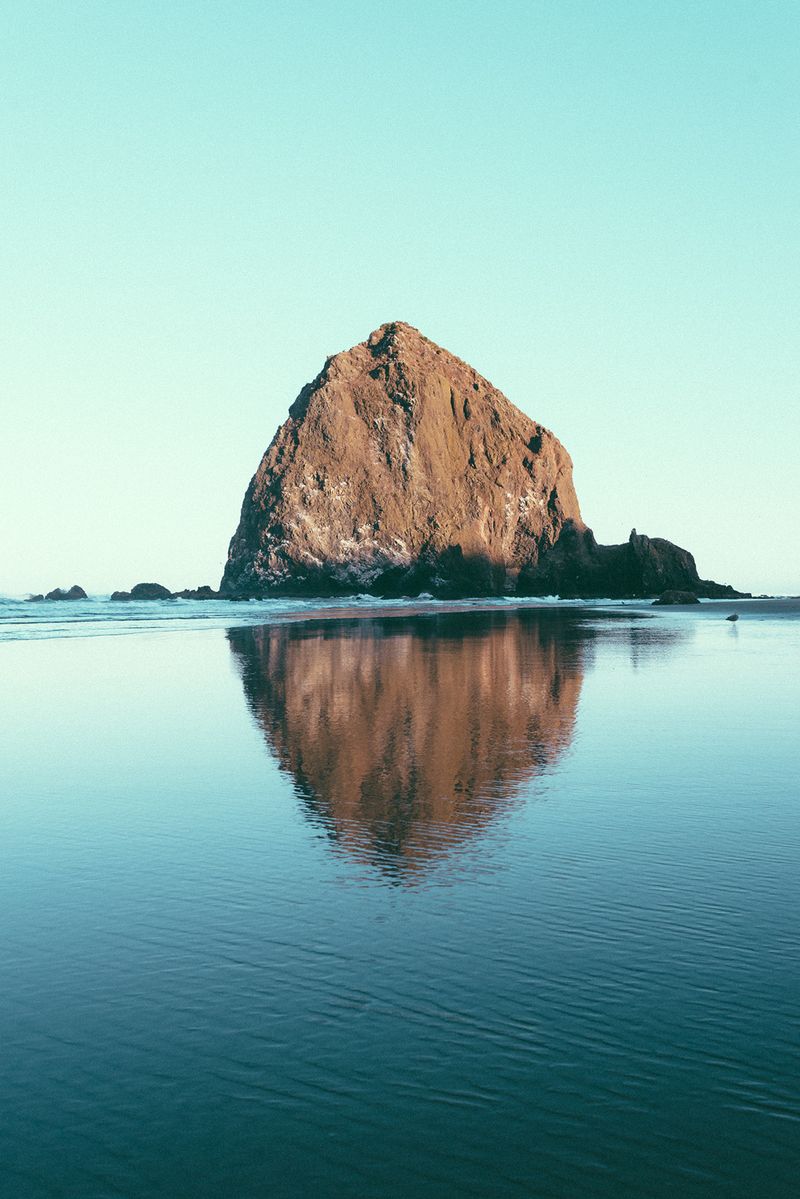
Timing your visit with low tide opens up an entirely different world at Haystack Rock. The receding water reveals tide pools that function as miniature aquariums, each one bustling with marine creatures going about their daily routines.
I’ve crouched beside these pools for hours, watching bright orange sea stars cling to rocks, their tube feet creating subtle ripples. Purple and green anemones wave their tentacles like underwater flowers, while hermit crabs scuttle between crevices in their borrowed shells.
The tide pools here are protected, so touching is discouraged, but observation is deeply rewarding. I’ve spotted chitons, those armored mollusks that look like tiny prehistoric creatures.
Sculpin fish dart between rocks, perfectly camouflaged until they move.
Rangers and volunteers patrol during low tide, ensuring visitors respect the marine sanctuary rules while answering questions about the creatures. They carry laminated identification cards showing common tide pool residents.
Bring waterproof shoes with good traction because the rocks are slippery. Check tide tables before visiting to catch the lowest tides, which expose the most extensive pools.
The experience connects you directly with Oregon’s rich marine ecosystem in an intimate, accessible way.
Ecola State Park’s Dramatic Coastal Views
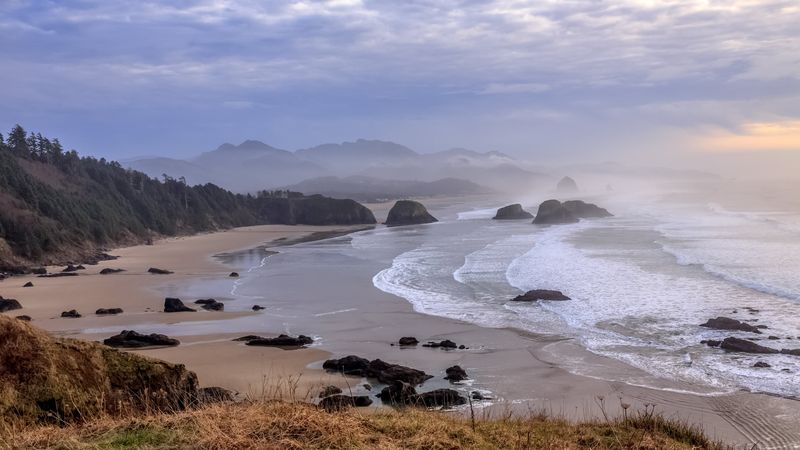
Just north of downtown Cannon Beach, Ecola State Park offers some of the most spectacular coastal vistas I’ve encountered anywhere along the Pacific. The park’s name comes from the Chinook word “ekoli,” meaning whale, a reference to the area’s historical significance for whale watching.
The park features several hiking trails, but my favorite is the trail from Ecola Point to Indian Beach. This moderately challenging route winds through old-growth Sitka spruce forest before emerging onto clifftops with heart-stopping views.
From various viewpoints, you can see Haystack Rock to the south, Tillamook Rock Lighthouse offshore, and on clear days, the coastline stretching toward Seaside. The perspective shifts your understanding of Cannon Beach’s geography, showing how the town nestles into this dramatic landscape.
I’ve hiked here during summer’s perfect weather and winter’s fierce storms. Both seasons offer their own rewards.
Summer brings wildflowers and calm seas, while winter delivers crashing waves that send spray dozens of feet into the air.
The park also holds historical significance as part of the Lewis and Clark expedition route. A monument marks the spot where the Corps of Discovery viewed the Pacific Ocean in 1806.
Hollywood’s Favorite Oregon Backdrop
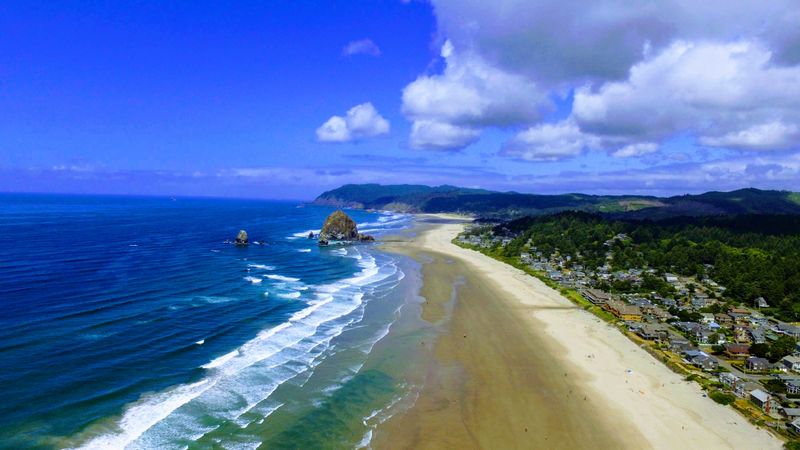
Movie buffs recognize Cannon Beach immediately, even if they’ve never visited. This stretch of Oregon coastline has starred in numerous films, most famously The Goonies, where the final beach scenes were shot here.
I’ve met visitors who make pilgrimages specifically to stand where Mikey, Brand, and their friends discovered One-Eyed Willy’s pirate ship. The rock formations and beach topography remain remarkably unchanged since that 1985 filming, making it easy to recreate favorite scenes.
Point Break featured Cannon Beach in its climactic storm sequence, and the Twilight franchise used nearby locations for several moody, atmospheric shots. The area’s natural drama requires minimal set dressing, which explains why location scouts keep returning.
What strikes me is how the town handles its Hollywood connections with understated pride. There aren’t tacky tourist traps or over-commercialized film tours.
Instead, you might notice a small Goonies reference in a shop window or overhear locals casually mentioning which scenes were filmed where.
The cinematic quality of the landscape isn’t manufactured. The same moody skies, crashing waves, and mysterious rock formations that attract filmmakers create that “Heaven on Earth” atmosphere for regular visitors too.
The Walkable Village Experience
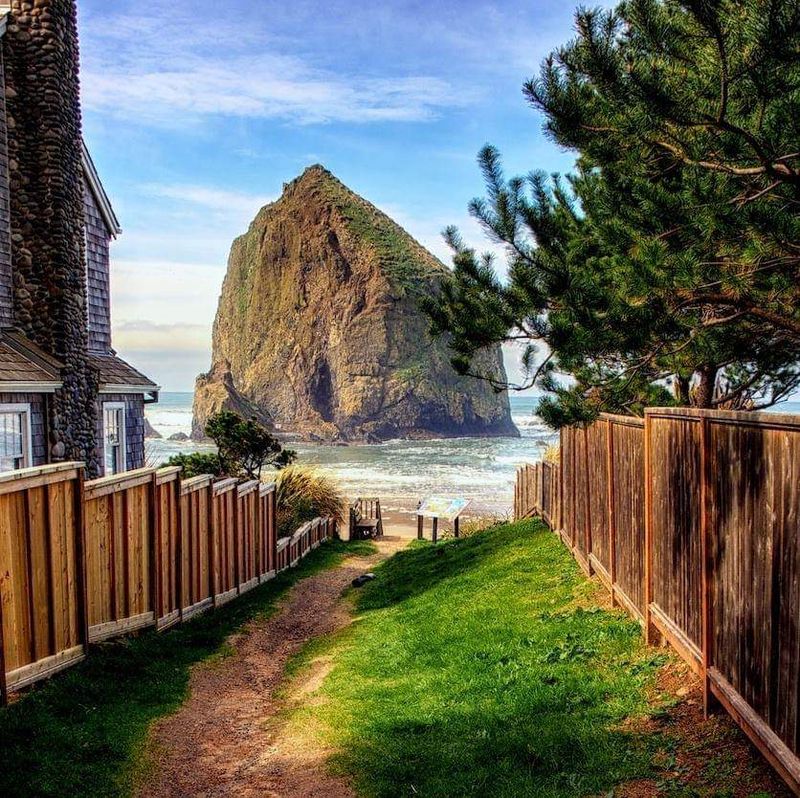
Unlike many beach destinations that require constant driving between attractions, Cannon Beach is genuinely walkable. The compact downtown stretches just a few blocks, making it easy to explore everything on foot.
I love starting at one end of Hemlock Street, the main drag, and slowly working my way through the shops, galleries, and restaurants. The pace here encourages lingering.
Nobody rushes, and window shopping feels like a legitimate activity rather than a time-waster.
The architecture maintains a cohesive coastal cottage aesthetic without feeling artificial or theme-park-ish. Buildings are wood-sided and weathered, fitting naturally into the Oregon landscape.
Flowers spill from window boxes, and hand-painted signs advertise local businesses.
Beyond downtown, residential streets are equally pleasant for walking. I’ve spent mornings strolling through neighborhoods, admiring beach houses that range from modest cottages to impressive modern designs.
Many homeowners display outdoor art or creative landscaping that reflects the town’s artistic spirit.
The beach itself serves as another walkable thoroughfare. At low tide, you can walk for miles on firm sand, passing from Cannon Beach proper toward Tolovana Beach to the south or toward Ecola Point to the north.
This walkability reduces stress and connects you more intimately with the environment.
Year-Round Events and Community Spirit
Beyond its natural attractions, Cannon Beach maintains a vibrant community calendar that gives visitors reasons to return throughout the year. These events showcase the town’s personality and tight-knit community spirit.
The Cannon Beach Sandcastle Contest in June is a serious affair, attracting professional sand sculptors alongside amateur teams. I’ve watched intricate castles, dragons, and abstract sculptures emerge from the beach, only to be reclaimed by the tide.
The temporary nature of the art makes it even more special.
Concerts in the park happen during summer months, featuring local musicians and regional acts. Families spread blankets on the grass while kids run around and the music drifts over the village.
It’s small-town America at its most charming.
The holiday season brings festive decorations and special events. The Christmas tree lighting ceremony draws the whole community, and shops stay open late for holiday shopping with hot cocoa and treats.
Locals genuinely participate and visitors are welcomed as temporary community members. This inclusive spirit is part of what makes Cannon Beach feel less like a destination and more like a place you could call home, even if just for a weekend.
Practical Tips for Your Heavenly Visit
Planning your Cannon Beach visit requires some practical considerations to maximize your experience. The town’s popularity means advance planning pays off, especially during peak summer months and major event weekends.
Accommodation books up months ahead for summer, so reserve early if you’re visiting between June and September. I’ve found that shoulder seasons offer better availability and rates while still providing excellent weather.
Spring and fall can be surprisingly pleasant along the Oregon coast.
Parking in downtown can be challenging during busy periods. The town offers several public lots, and many hotels provide parking for guests.
Arriving early in the day or later in the evening helps avoid the worst congestion.
Layer your clothing regardless of season. Coastal Oregon weather changes quickly, and temperatures can vary significantly between sunny beach and shaded forest trails.
I always bring a windbreaker, even on seemingly perfect days.
Check tide tables before your visit to plan tide pool exploration and beach walks. The NOAA website provides accurate predictions.
Low tides expose the most beach and best tide pools, while high tides bring waves closer to Haystack Rock for dramatic photos.
This small amount of planning significantly enhances your Oregon coast experience.
Dear Reader: This page may contain affiliate links which may earn a commission if you click through and make a purchase. Our independent journalism is not influenced by any advertiser or commercial initiative unless it is clearly marked as sponsored content. As travel products change, please be sure to reconfirm all details and stay up to date with current events to ensure a safe and successful trip.
