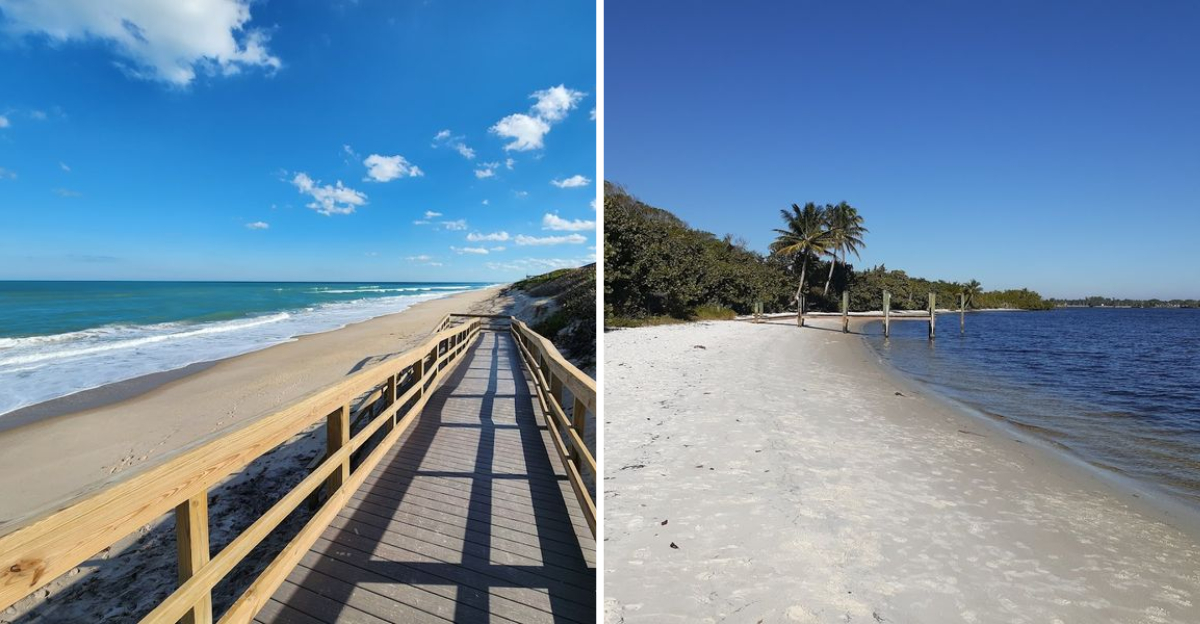
Florida has a reputation for expensive attractions. Theme parks that cost a hundred bucks a day.
Tours that drain your wallet. But the wildlife refuges?
Free. Every single one of them.
No entry fees. No ticket booths.
Just miles of trails, boardwalks, and quiet spots where you can watch birds, alligators, turtles, and whatever else decides to show up. I have been to most of these, and the only thing you pay is attention. Bring water.
Bring bug spray. Bring binoculars if you have them.
But leave your wallet in the car. Florida has some of the best wildlife viewing in the country, and it does not have to cost a thing.
Here are 13 refuges worth your time.
Arthur R. Marshall Loxahatchee National Wildlife Refuge
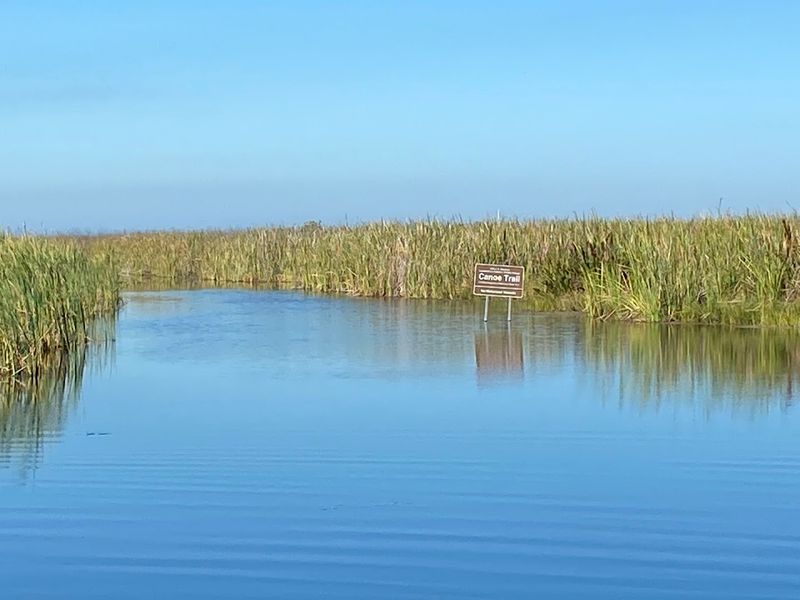
The sheer scale of Loxahatchee hits you the moment you arrive at the observation deck and see nothing but sawgrass stretching to the horizon in every direction. This refuge protects the northernmost remaining section of the original Everglades ecosystem, and that fact alone makes it feel significant.
Snail kites circle overhead, scanning the water for apple snails, and great blue herons stand motionless in the shallow marsh like patient philosophers.
The refuge covers about 145,000 acres and serves as a critical water storage area for South Florida. Two canoe trails wind through the cypress swamp on the western edge, offering a completely different experience from the open marsh views near the visitor center.
Alligators are a common sight, often sunning themselves along the banks without a care in the world.
Birders consider this one of the top spots in all of Florida, and it is easy to understand why once you start counting species. The trails along the impoundment levees are flat, easy to walk, and loaded with wildlife at almost any time of year.
Free entry makes this an easy yes for anyone passing through Palm Beach County.
Address: 10216 Lee Road, Boynton Beach, Florida
J.N. “Ding” Darling National Wildlife Refuge
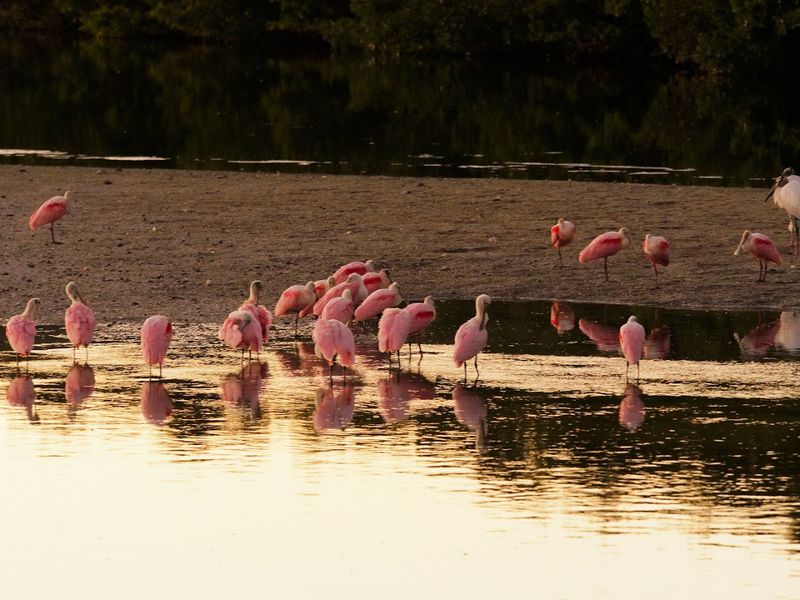
Named after a Pulitzer Prize-winning political cartoonist who also happened to be a passionate conservationist, this refuge on Sanibel Island carries a legacy that feels as vivid as its wildlife. Roseate spoonbills sweep through the shallows in shades of bubblegum pink, and the sight of them alongside great white egrets and tricolored herons is genuinely hard to forget.
The Wildlife Drive winds for nearly five miles through mangrove estuary, giving visitors a front-row seat to one of the most productive bird habitats in North America.
The drive is open to walkers and cyclists on specific days, and those quieter moments without cars feel especially rewarding. Alligators lounge along the roadside, ospreys carry fish overhead, and bottlenose dolphins have been spotted in the tidal channels.
The refuge visitor center offers free exhibits about the ecosystem and the man behind the name.
There is a fee for vehicles using the Wildlife Drive, but walking and cycling access is free, and the experience on foot is arguably richer anyway. You slow down, you notice more, and the refuge rewards that kind of attention generously.
Address: 1 Wildlife Drive, Sanibel, Florida
Merritt Island National Wildlife Refuge
There are not many places on Earth where you can watch a rocket launch from a wildlife refuge, but Merritt Island is one of them. Sharing land with NASA’s Kennedy Space Center, this refuge manages to feel both otherworldly and deeply rooted in the natural world at the same time.
Black Point Wildlife Drive offers a seven-mile loop through impounded marshes where thousands of ducks, shorebirds, and wading birds gather during winter months in numbers that are almost overwhelming.
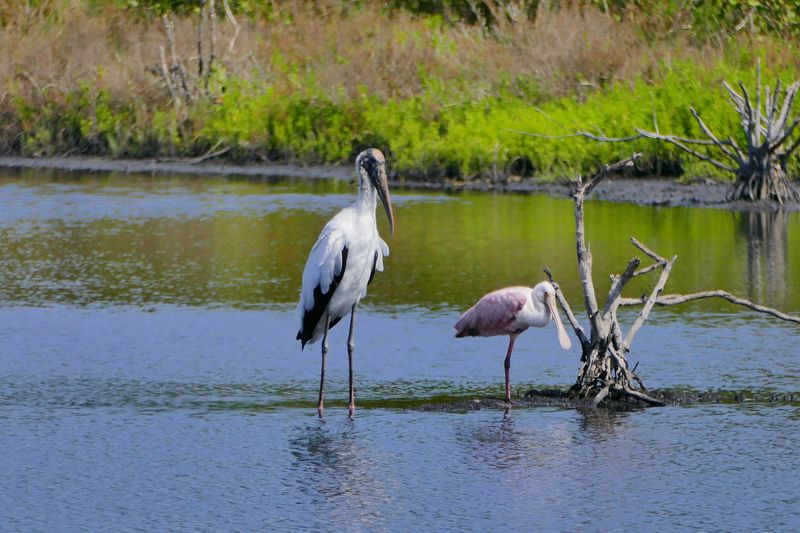
More than 330 bird species have been recorded here, along with 31 threatened or endangered species including manatees, sea turtles, and wood storks. The Cruickshank Trail, a five-mile loop off Black Point Drive, puts you right in the middle of the marsh with views that feel cinematic.
Alligators are practically guaranteed on any visit.
The refuge is free to enter, and the visitor center provides helpful orientation exhibits and trail maps. Early morning visits during fall and winter bring the biggest bird concentrations, and the light over the water at that hour is something a photographer would travel far to capture.
It is one of those places that earns a return visit before you have even finished your first one.
Address: 1987 Scrub Jay Way, Titusville, Florida
Pelican Island National Wildlife Refuge
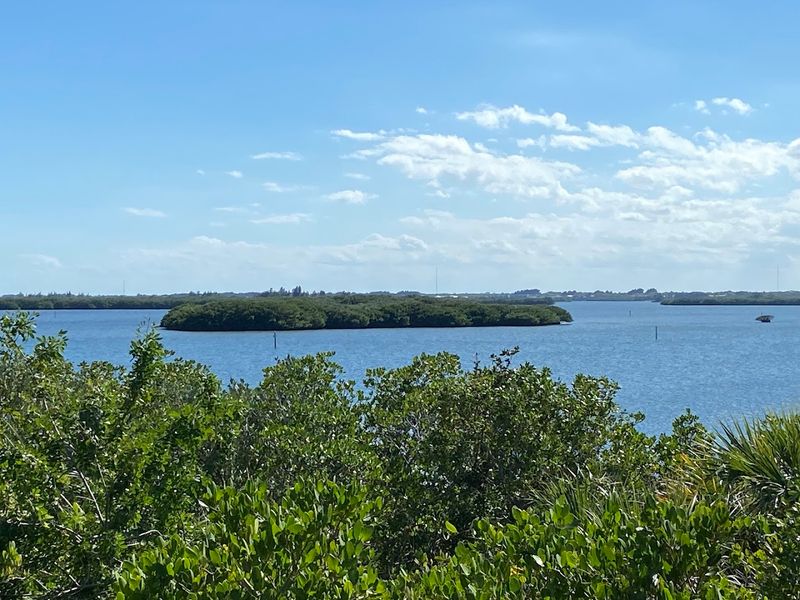
Pelican Island holds a title that no other refuge in the country can claim: it was the very first National Wildlife Refuge in the United States, established by President Theodore Roosevelt in 1903. That history adds a layer of meaning to every visit, as if you are walking on ground that helped launch an entire conservation movement.
The island itself sits in the Indian River Lagoon near Vero Beach, and the bird colonies that nest there are still thriving more than a century later.
Two three-mile loop trails and a shorter centennial walking trail give visitors access to the lagoon’s edge, where brown pelicans, anhingas, and various herons are visible from an observation tower. Free tram tours and volunteer-led meet-and-greet programs are available on select days, making the experience feel personal rather than just scenic.
The lagoon waters shimmer with life, and it is not unusual to spot manatees or dolphins from the overlook.
Access to the trails and observation tower is free, and the refuge feels refreshingly unhurried. There is something quietly powerful about standing at the birthplace of wildlife conservation in America and realizing that the birds are still there, still nesting, still wild.
Address: 4055 Wildlife Way, Vero Beach, Florida
Lower Suwannee National Wildlife Refuge
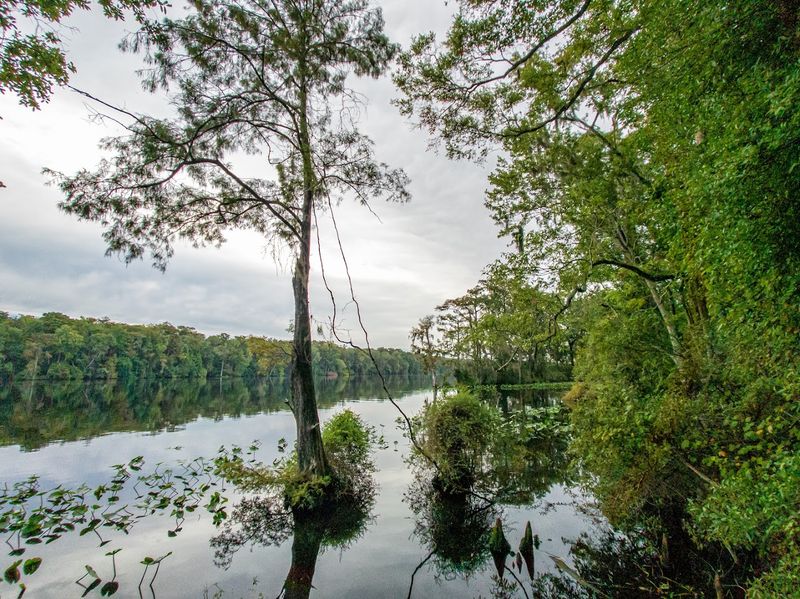
The Suwannee River carries a dark, tea-colored beauty as it winds through this refuge toward the Gulf of Mexico, and the whole landscape feels like it belongs to another era entirely. Cypress trees draped in Spanish moss lean over the water, and the forest floor hums with the kind of quiet that you do not find in many places anymore.
Lower Suwannee protects over 53,000 acres of coastal lowlands, river swamps, and tidal marsh along one of the most ecologically significant river systems in the Southeast.
The refuge has 194 miles of roads and trails open for hiking, biking, and wildlife observation, which means you could spend multiple days here and still find new corners to explore. The Shell Mound Trail leads to ancient Native American shell mounds and an observation deck overlooking the salt marsh, offering context both historical and natural.
Otters, black bears, swallow-tailed kites, and wood storks are among the wildlife regularly spotted here.
Fishing is popular along the river and the Gulf shoreline, and the refuge is free to enter year-round. The combination of freshwater river, tidal marsh, and open Gulf access makes this one of the most ecologically layered refuges in all of Florida.
Address: 16450 NW 31st Place, Chiefland, Florida
Crystal River National Wildlife Refuge
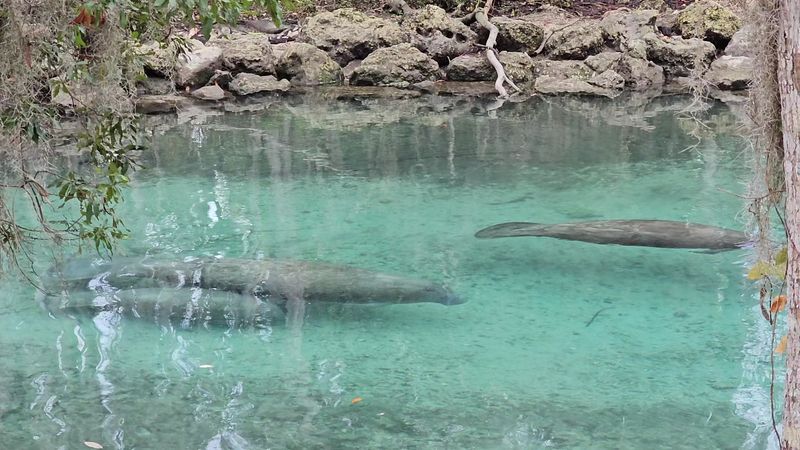
Crystal River is one of the few places in Florida where you are almost guaranteed to encounter a Florida manatee in the wild, and the experience of seeing one of those gentle giants gliding through spring-fed water is genuinely moving. The refuge was established specifically to protect the manatees that gather in King’s Bay during cooler months, drawn by the constant 72-degree water that the springs produce year-round.
The visitor center sits right on the bay and offers free entry along with exhibits that explain manatee biology and the conservation efforts that have helped their population recover.
Views from the visitor center deck stretch across the bay, where manatees often surface close enough to observe without any boat at all. The nature store inside the center adds a pleasant browsing stop, and the staff are genuinely knowledgeable and enthusiastic about the refuge’s mission.
Osprey and bald eagles are frequently spotted from the shoreline.
While some access points within the refuge system do carry fees, the visitor center itself is free and well worth the stop. It provides a meaningful introduction to one of Florida’s most beloved wildlife stories and leaves you with a much deeper appreciation for the springs that make this ecosystem possible.
Address: 1502 SE Kings Bay Drive, Crystal River, Florida
Ten Thousand Islands National Wildlife Refuge
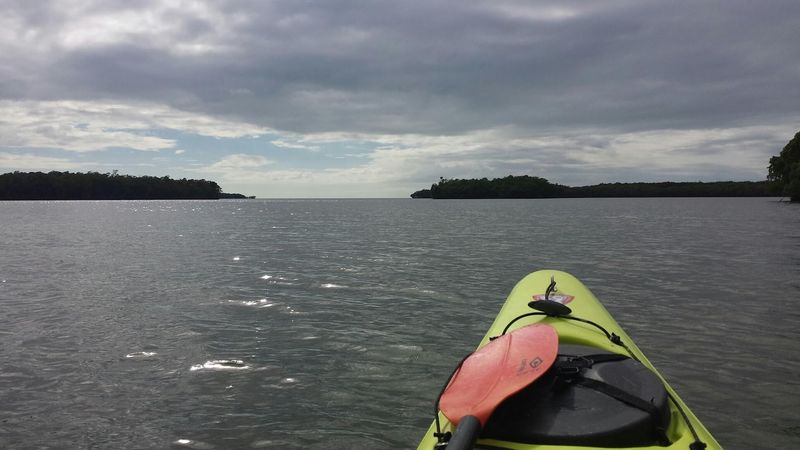
The name alone conjures something vast and labyrinthine, and the reality does not disappoint. Ten Thousand Islands stretches along the southwest coast of Florida south of Naples, protecting one of the largest mangrove estuaries in North America.
Most of the refuge is only accessible by boat, but the Marsh Trail offers a rare land-based entry point that puts you face to face with this extraordinary coastal ecosystem without needing a kayak or a guide.
The trail leads to a two-story observation tower where the view opens up across a mosaic of mangrove islands, tidal flats, and open water that genuinely looks like it goes on forever. From October through March, bird activity peaks dramatically, and the tower becomes a front-row seat to roseate spoonbills, wood storks, and clouds of shorebirds moving across the estuary.
The silence out here, broken only by bird calls and wind, feels restorative in a way that is hard to describe.
Land access via the Marsh Trail is free, and the trail itself is flat and manageable for most visitors. It is the kind of place that rewards slow movement and patience, and the wildlife tends to show up for those who are willing to wait just a few quiet minutes.
Address: US-41, Naples, Florida
Archie Carr National Wildlife Refuge
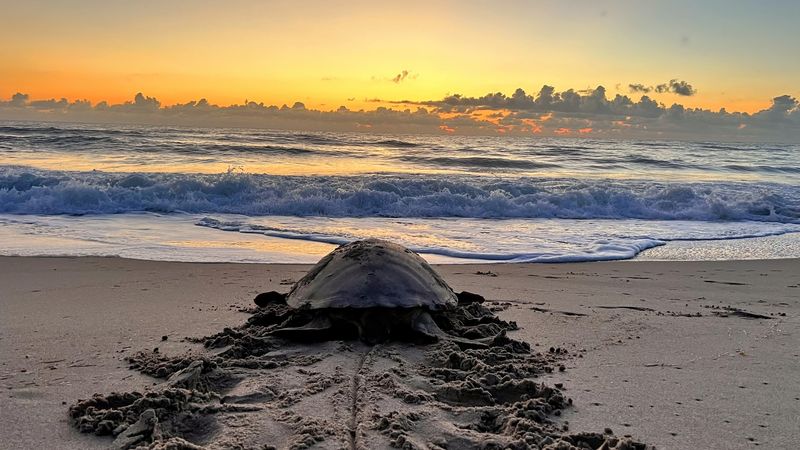
Every summer, something ancient and extraordinary happens along this stretch of Brevard County coastline. Loggerhead sea turtles crawl ashore under cover of darkness to nest on the same beaches where they were born decades earlier, guided by magnetic fields that scientists are still working to fully understand.
Archie Carr National Wildlife Refuge protects one of the most important sea turtle nesting beaches in the entire Western Hemisphere, and the scale of that nesting activity is staggering.
Named after the pioneering sea turtle biologist who spent his career studying and protecting these animals, the refuge covers about 20 miles of Atlantic beachfront. During nesting season from May through October, the refuge works with local organizations to offer guided nighttime turtle walks that let visitors witness nesting or hatching events firsthand.
Those guided experiences carry a modest fee, but daytime beach access is free and the shoreline itself is hauntingly beautiful.
Even without a turtle sighting, the beach here feels different from the developed stretches nearby. It is quieter, wilder, and more honest about what Florida’s coastline looked like before the condominiums arrived.
Shorebirds work the surf line, and the Atlantic rolls in with a rhythm that seems completely indifferent to human schedules.
Address: 8385 S A1A, Melbourne Beach, Florida
Hobe Sound National Wildlife Refuge
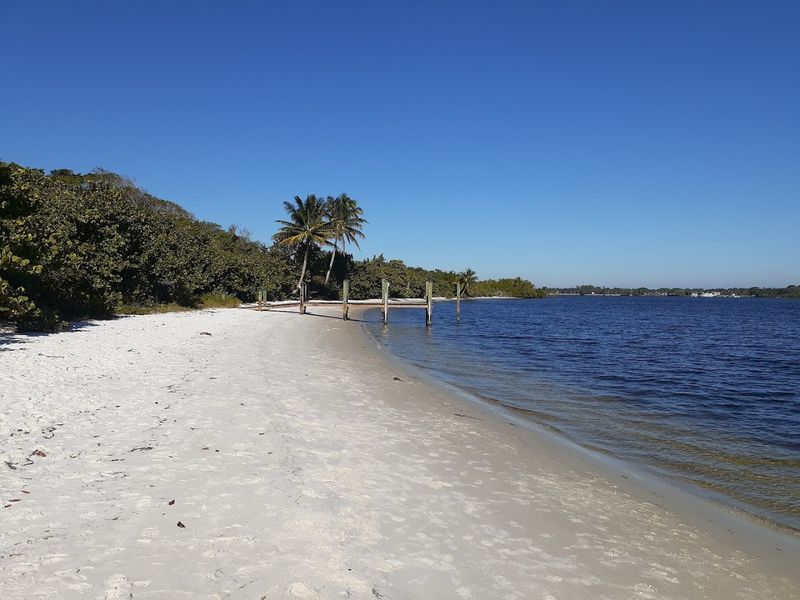
Hobe Sound splits itself between two very different landscapes, and both sides offer something worth exploring. The mainland tract features a free nature center with live animals and interactive displays that make it especially engaging for younger visitors, plus trails that wind through sand pine scrub and tropical hardwood hammock toward the edge of the Indian River Lagoon.
That combination of habitat types in such a compact area makes every walk feel like a small ecological tour.
The scrub habitat here is particularly significant because Florida scrub is one of the most endangered ecosystems in the state, home to species found nowhere else on Earth. Florida scrub-jays, gopher tortoises, and indigo snakes all depend on this type of habitat, and seeing them in a functioning scrub ecosystem feels genuinely rare.
The nature center staff are enthusiastic about sharing information and pointing visitors toward recent wildlife sightings.
The mainland tract and its nature center are free to visit, making this an accessible stop for families and solo travelers alike. The beach unit on Jupiter Island requires an entrance pass for vehicles but rewards the effort with undeveloped Atlantic shoreline that feels refreshingly unpolished and wild in all the right ways.
Address: 13640 SE Federal Highway, Hobe Sound, Florida
National Key Deer Refuge
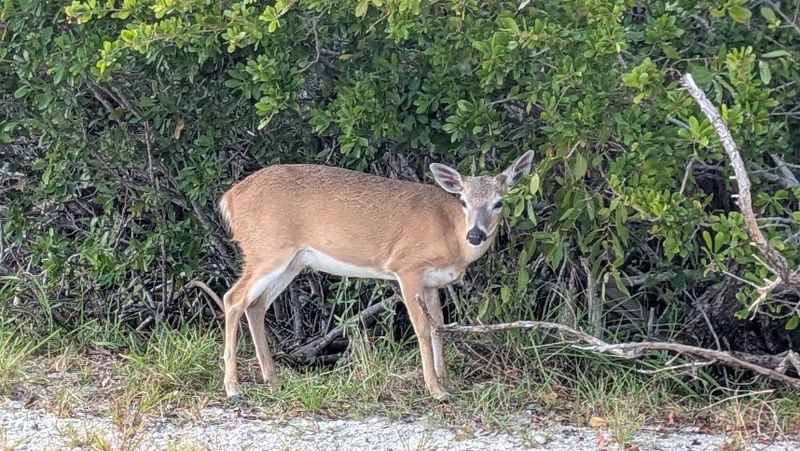
Key deer are one of Florida’s most charming wildlife stories, and the refuge on Big Pine Key exists specifically because of them. These miniature white-tailed deer, standing only about 26 inches tall at the shoulder, are found nowhere else in the world.
They nearly went extinct in the mid-twentieth century before the refuge was established in 1957, and watching one trot across a quiet road today feels like a small victory for conservation that took decades of hard work to achieve.
The free nature center provides exhibits and information about Key deer ecology, their relationship to the unique pine rockland and tropical hardwood hammock habitats of the Lower Keys, and the ongoing challenges they face from habitat loss and vehicle collisions. Blue Hole, a former rock quarry now filled with freshwater, is a popular spot within the refuge where alligators and turtles are reliably present.
The trails around Blue Hole are easy to walk and almost always productive for wildlife sightings.
Big Pine Key itself moves at a slower pace than the more tourist-heavy parts of the Keys, and the refuge fits that energy perfectly. Visiting here feels less like a scheduled activity and more like a genuine encounter with something rare and irreplaceable.
Address: 179 Key Deer Boulevard, Big Pine Key, Florida
Doc Ehrhart Sanctuary
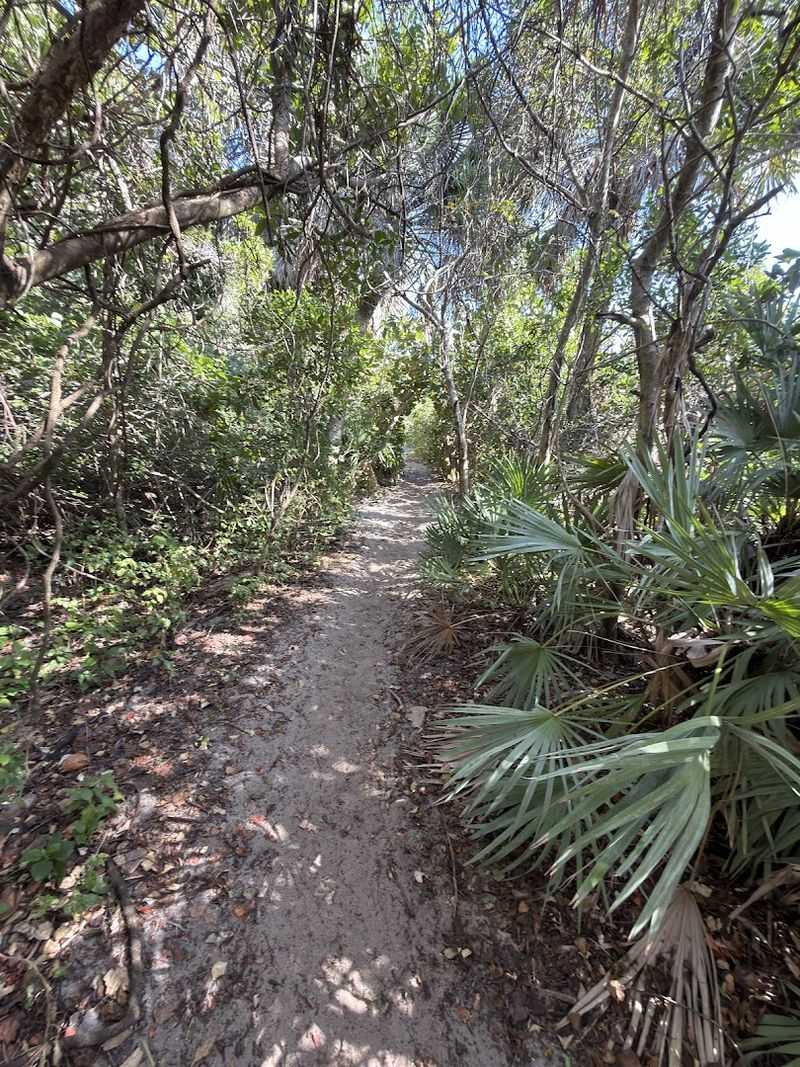
Not every remarkable wildlife sanctuary in Florida carries a federal designation, and Doc Ehrhart Sanctuary is proof of that. Tucked away in the community of Mims in Brevard County, this local sanctuary protects a stretch of freshwater wetland and upland habitat that serves as a quiet refuge for both wildlife and the people who come to observe it.
The atmosphere here is unhurried and personal in a way that larger, more visited refuges sometimes cannot replicate.
Wading birds work the shallow wetland edges with methodical focus, and the surrounding vegetation creates a sense of enclosure that feels almost intimate. The sanctuary offers a boardwalk trail that brings visitors close to the water without disturbing the habitat, and the views from the boardwalk on a calm morning are genuinely lovely.
Turtles bask on logs, red-winged blackbirds call from the reeds, and the whole scene has a gentle, unhurried quality that is easy to linger in.
Access is free, and the sanctuary is the kind of place that local residents treasure precisely because it has not been overrun. Finding a spot like this, one that feels like a genuine community secret, is one of the small pleasures of exploring Florida beyond the obvious destinations.
It rewards curiosity and rewards it well.
Barrier Island Sanctuary
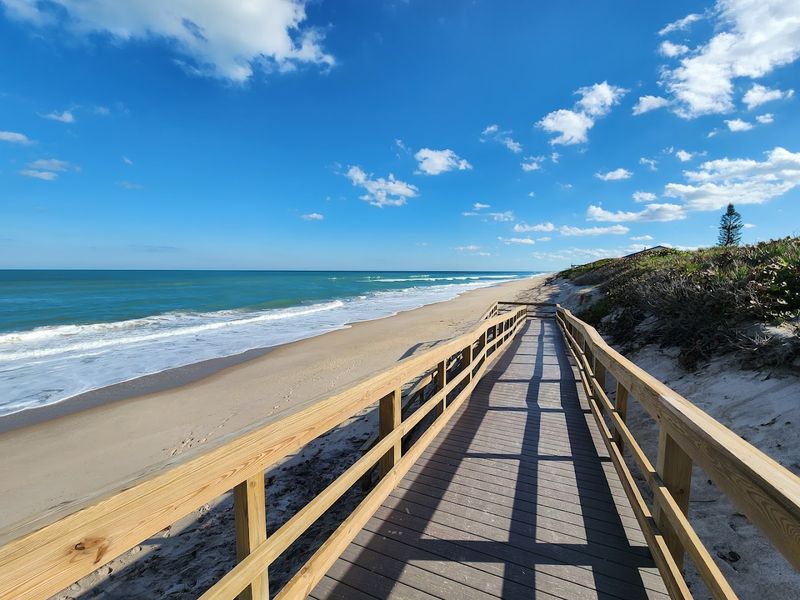
Melbourne Beach sits along one of the most ecologically significant stretches of Florida’s east coast, and the Barrier Island Sanctuary preserves a remarkable slice of what barrier island habitat looked like before development changed so much of the coastline. The sanctuary manages several natural areas along this stretch of Brevard County, protecting coastal scrub, Indian River Lagoon shoreline, and Atlantic beachfront that together support an extraordinary diversity of wildlife.
Gopher tortoises burrow through the scrub, ospreys nest on wooden platforms, and the lagoon teems with fish, birds, and the occasional manatee.
The sanctuary’s managed lands include the Environmental Learning Center on Wabasso Island, which offers exhibits and programs that connect visitors to the broader ecosystem. The trails through coastal scrub are particularly interesting because this habitat type is so rarely preserved in the developed landscape of Florida’s barrier islands.
Walking through it feels like glimpsing something that most of the coast has already lost.
Free access to the natural areas makes this an easy addition to any trip along Florida’s Space Coast. The combination of scrub, lagoon, and ocean in such close proximity creates a layered experience that keeps rewarding attention the longer you spend here.
Few places along this coast still feel this genuinely intact.
Address: 8385 S A1A, Melbourne Beach, Florida
Busch Wildlife Sanctuary
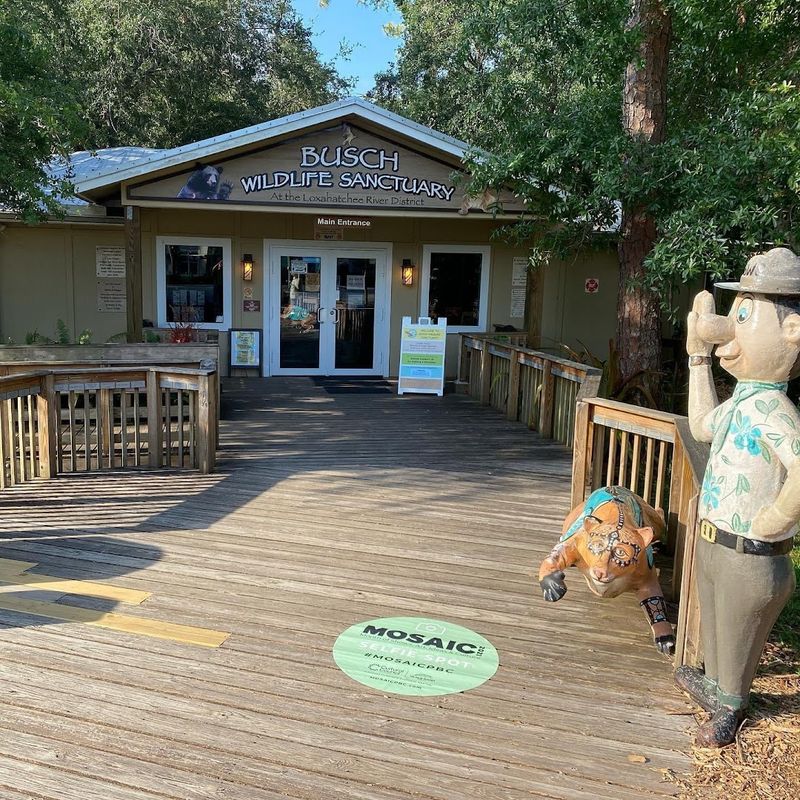
Busch Wildlife Sanctuary in Jupiter operates on a mission that is both practical and deeply moving: rehabilitating injured and orphaned native Florida wildlife and returning them to the wild whenever possible. Animals that cannot be released due to permanent injuries become education ambassadors, giving visitors a chance to see Florida’s native species up close in a way that few other experiences can match.
Black bears, bobcats, alligators, owls, and dozens of other species have called this sanctuary home at various points in its history.
Walking through the sanctuary feels like meeting Florida’s wildlife on their own terms, and the educational context provided by the staff adds real depth to every encounter. Seeing a great horned owl perched just a few feet away, or watching a river otter move through its habitat pool, creates a connection to these animals that a distant trail sighting simply cannot replicate.
The sanctuary also runs educational programs for schools and community groups throughout the year.
Admission is free, though donations are warmly welcomed and genuinely support the work being done here. For families with children, for wildlife photographers, or for anyone who wants to understand Florida’s native fauna on a more personal level, Busch Wildlife Sanctuary offers one of the most meaningful free experiences in the state.
Address: 2500 Jupiter Park Drive, Jupiter, Florida
