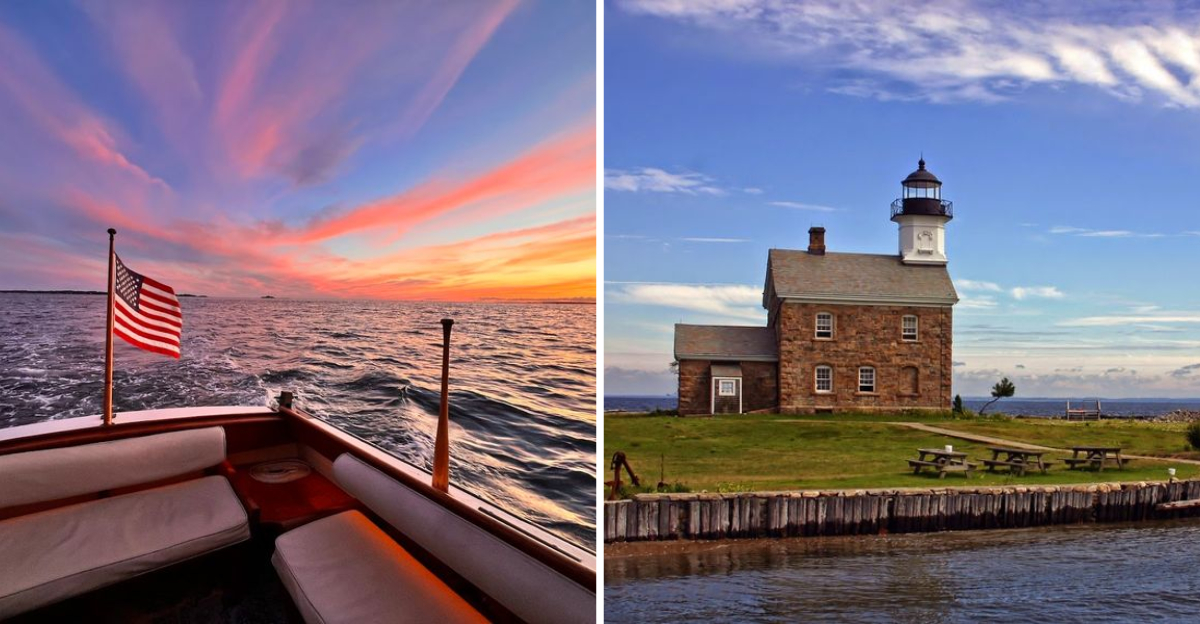
You do not expect to see seals in Connecticut. That is more of a Maine thing, right?
Cold water. Rocky coasts.
But here we are. The Norwalk Islands host a surprising number of seals during the winter and early spring, and the best way to see them is by boat. A 2.5 hour tour takes you around the islands, past rocky outcrops where seals haul out to rest.
They are curious too. They will pop their heads up near the boat and stare right at you like you owe them something.
Seabirds everywhere. The captain knows where to go.
Bundle up, bring binoculars, and prepare to be cold but happy. Connecticut has wildlife moments you would not expect. This is one of them.
Boarding the Boat at Norwalk Seaport Dock
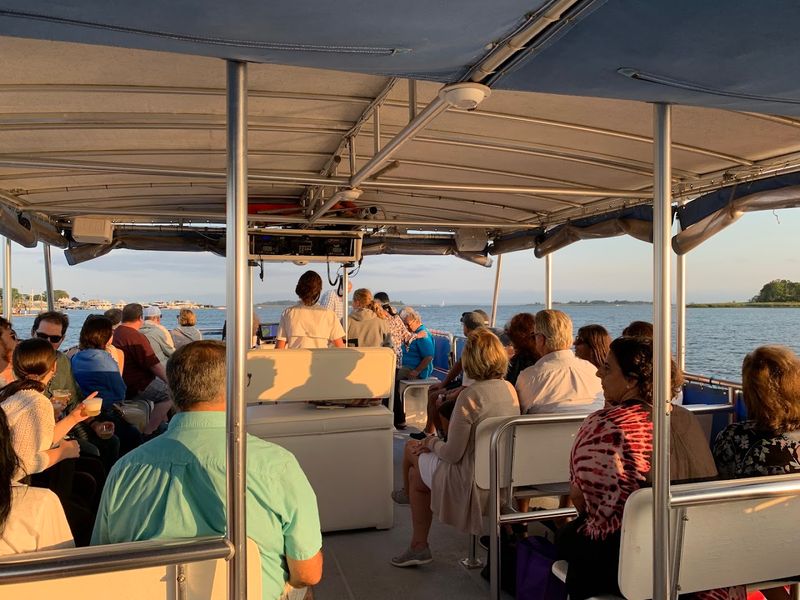
The moment you arrive at the Norwalk waterfront, there is a kind of low-key excitement in the air that you cannot quite put your finger on. People are layering up, adjusting binoculars, and chatting in hushed, anticipatory tones.
The dock sits right at the edge of the city, and yet it feels like the beginning of somewhere completely different.
The Norwalk Seaport Association runs these tours aboard the Capt. M.
C. Schlegel, a sturdy 45-foot catamaran that handles the Sound’s chop with ease.
It is not a luxury yacht, and that is exactly the point. This vessel is built for wildlife watching, not cocktail hours.
Parking near the dock requires a bit of planning since general parking is not available right at the water. The nearby paid lot on Haviland Street is a solid option, and arriving a few minutes early is genuinely worth it.
Advance reservations are strongly recommended because these tours fill up fast, especially during peak seal season. All passengers need a ticket regardless of age, which is a U.S.
Coast Guard requirement. Getting settled on deck before departure gives you first pick of the best viewing spots along the rail.
Why Winter Is the Best Time to Go
Most people assume wildlife tours are a summer thing, but for the Norwalk Islands, winter is where the real action happens. Harbor seals and gray seals migrate south from colder northern waters between January and March, using the islands as temporary rest stops.
These animals haul out onto exposed rocks at low tide, which is exactly the kind of behavior that makes them so easy to spot from the water. On a calm morning, you might see a dozen or more seals stretched out like they own the place, which, honestly, they kind of do.
The cold air also means fewer crowds on the boat, which translates to better sightlines and a more relaxed pace on deck. Birding in winter has its own rewards too, with species like Buffleheads, Mergansers, Brant geese, and Long-tailed ducks showing up in numbers you simply would not see in warmer months.
The light in winter has a particular quality, sharp and clear, that makes photographing wildlife genuinely satisfying. Layering your clothing is essential since the wind off the Sound can cut right through even a thick jacket.
Go prepared, and the cold becomes part of the charm rather than a problem.
Spotting Harbor Seals and Gray Seals Up Close
Seeing a seal in the wild for the first time is one of those experiences that genuinely stops you mid-sentence. There is something about their size and their casual confidence that catches you completely off guard.
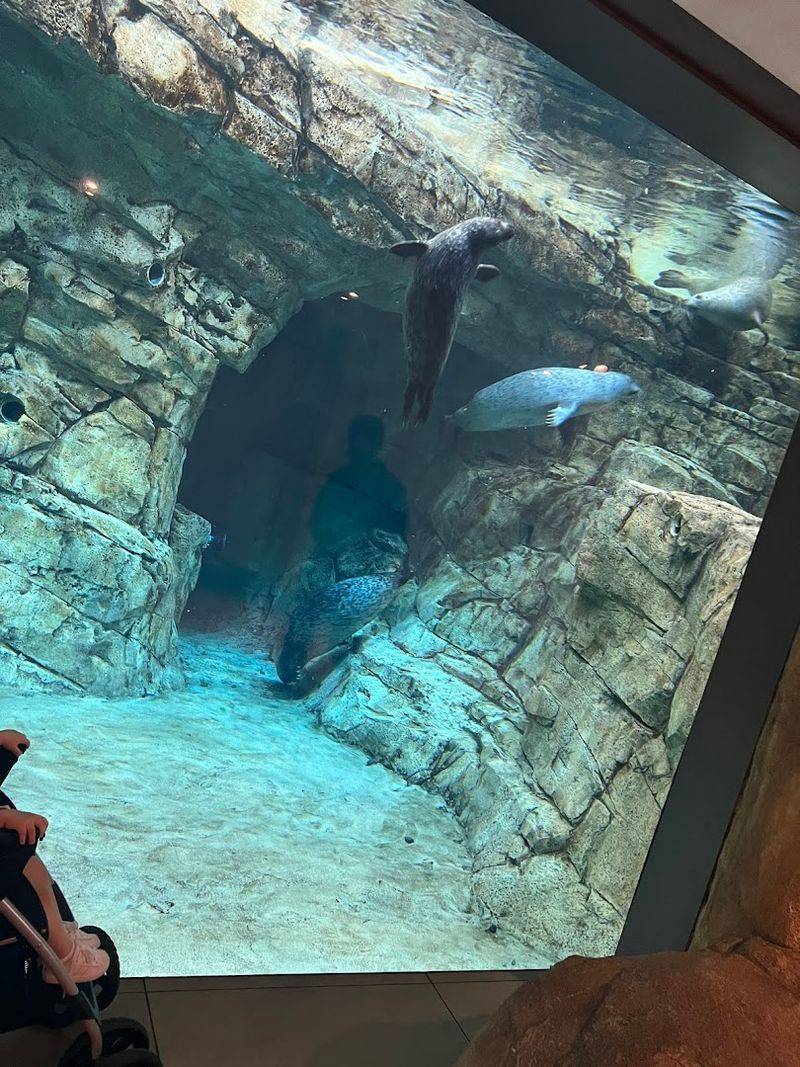
Harbor seals tend to be the smaller of the two species, with spotted coats and round, dog-like eyes that seem almost too expressive.
Gray seals are noticeably larger and tend to hold their ground on the rocks even as the boat drifts closer for a better look. Both species use the Norwalk Islands as haul-out spots, meaning they come ashore specifically to rest and conserve energy after feeding in the Sound.
Watching them flop around and jostle for the best rock positions is genuinely entertaining.
The guides on board are skilled at positioning the vessel at a respectful distance so the animals are not disturbed. That approach matters, because these seal-spotting cruises also contribute real observational data to researchers studying the Long Island Sound ecosystem.
You are not just a tourist out here; you are part of something that actually helps. Binoculars make a big difference for getting a closer look without the boat needing to move in too tight.
Bring a good pair if you have them.
The Seabirds You Can Expect to See
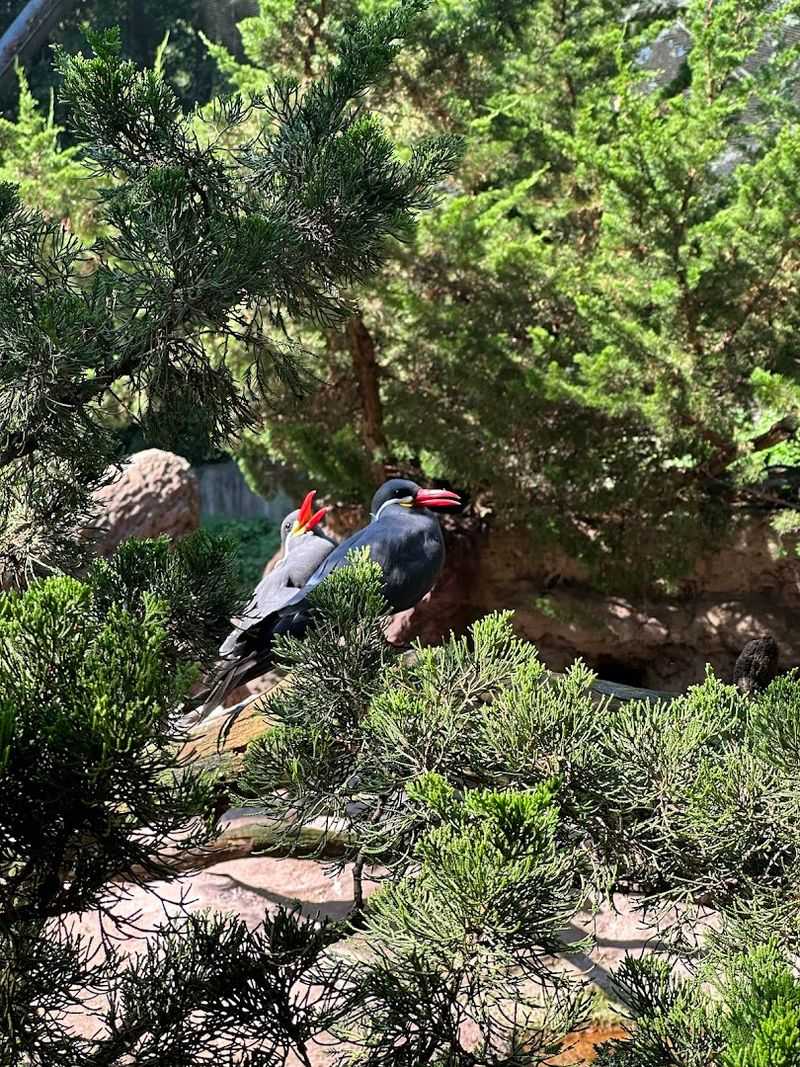
Even if seals are the headline act, the birds on this tour are absolutely worth your full attention. The Norwalk Islands sit along a major migratory flyway, and the variety of species you can encounter across a single 2.5-hour cruise is genuinely impressive.
Ospreys are crowd favorites, especially when they dive for fish right alongside the boat.
American Oystercatchers are hard to miss with their bold orange bills and loud, piping calls that carry across the water. Great Blue Herons tend to stand perfectly still in the shallows, looking prehistoric and unbothered.
Egrets, Terns, Cormorants, and several species of Gulls round out the mix, and identifying them becomes a satisfying little puzzle as the tour progresses.
Winter tours bring in waterfowl that you rarely see inland, including the striking Bufflehead duck, whose iridescent head feathers catch the light in unexpected ways. Mergansers cut through the water with a streamlined efficiency that makes them fun to watch in motion.
The guides are genuinely good at pointing out species before they disappear, which is helpful whether you are a seasoned birder or just starting out. Bring a field guide or download a bird ID app before you board.
It adds a whole extra layer to the experience.
The Norwalk Islands and Sheffield Island Wildlife Refuge
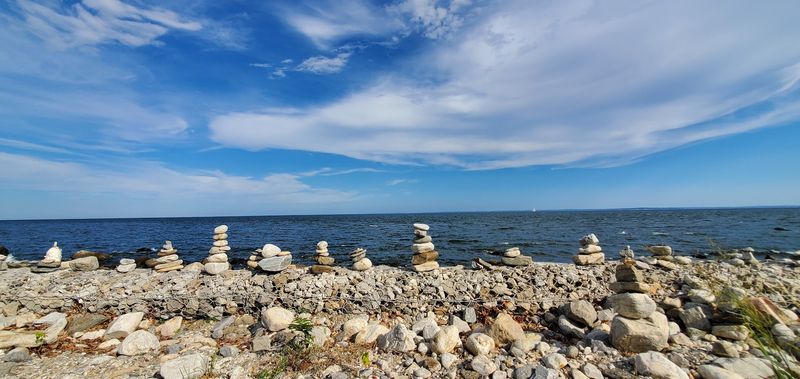
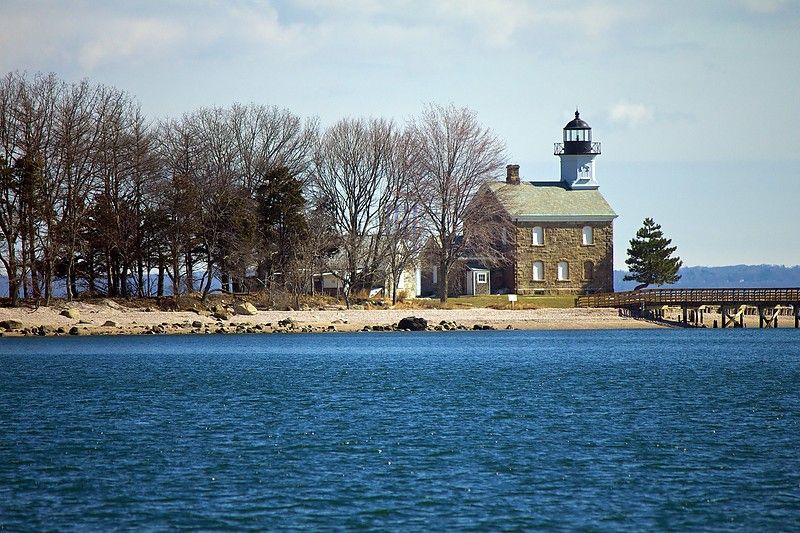
The Norwalk Islands are a loose chain of about a dozen small islands scattered across the western end of Long Island Sound, and from the water they look completely different from the Connecticut coastline most people picture. Rocky shorelines, low scrubby vegetation, and the occasional lighthouse give the whole area a rugged, almost timeless feel.
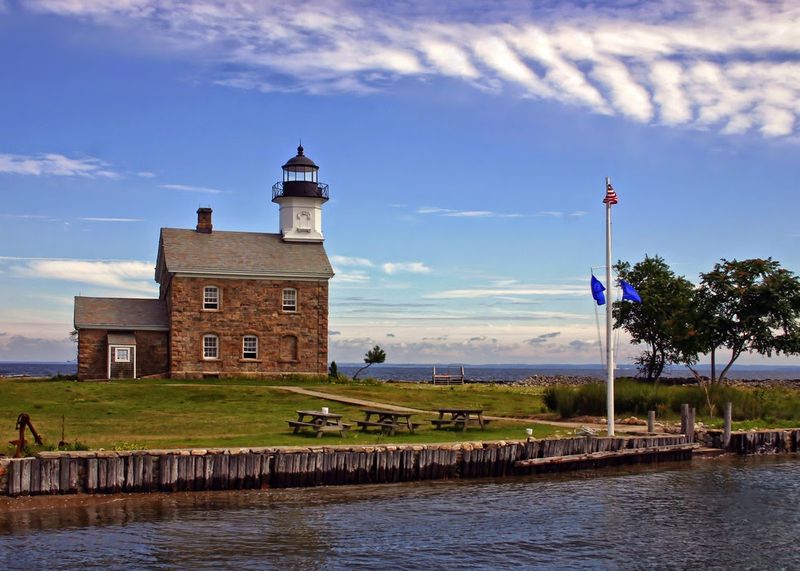
Sheffield Island is a particular highlight. It sits within the Stewart B.
McKinney National Wildlife Refuge, a federally protected area that provides critical nesting habitat for colonial seabirds and a reliable stopover point for migratory species. The island’s Victorian-era lighthouse adds a striking visual anchor to the scene as you drift past.
These islands are not just pretty backdrops; they are functioning ecosystems that support an unusually rich concentration of wildlife for a place so close to a major metropolitan area. The fact that they remain relatively undisturbed is a genuine conservation success story worth appreciating.
Watching an Osprey circle above Sheffield Island while a seal surfaces in the foreground is the kind of layered, real-world nature moment that no zoo or aquarium can replicate. The boat circles close enough to appreciate the landscape in detail without ever landing, which keeps the habitat intact and the wildlife undisturbed.
Expert Guides and What They Teach You On Board
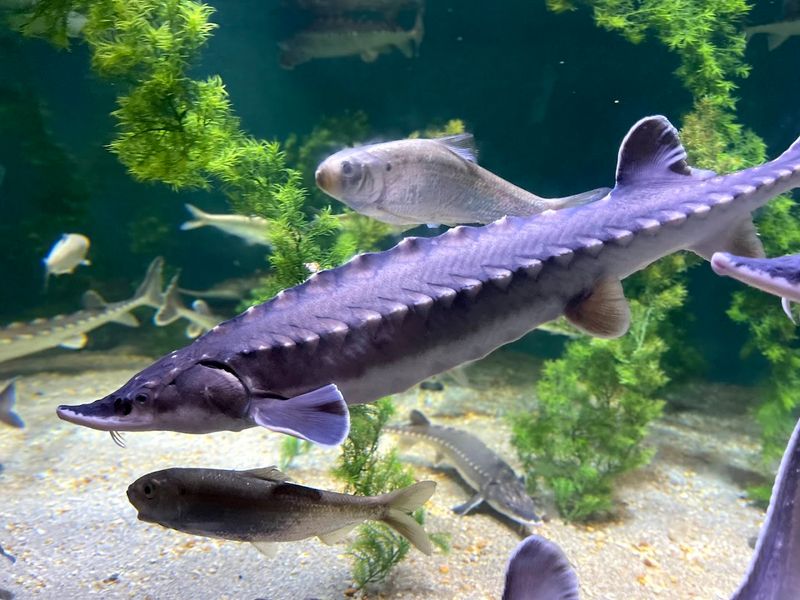
One of the things that genuinely elevates this tour above a simple boat ride is the quality of the people narrating it. The Norwalk Seaport Association’s birding cruises are often led by experienced birding enthusiasts who know these waters and their inhabitants with real depth.
Hearing someone explain the difference between a Herring Gull and a Great Black-backed Gull while one flies directly overhead is a completely different experience from reading about it in a book.
The Maritime Aquarium at Norwalk runs its own version of these cruises aboard the R/V Sound Explorer, staffed by educators who connect the wildlife you are seeing to the broader ecology of Long Island Sound. They explain why seal populations have rebounded in recent decades and what that says about water quality improvements in the region.
That kind of context transforms a casual sighting into something meaningful.
Both operators take an educational approach without ever making it feel like a lecture. The tone stays conversational and curious, which keeps everyone engaged regardless of age or prior knowledge.
Kids especially tend to light up when a guide names a bird mid-flight and explains what it is hunting. Adults are not immune to that kind of enthusiasm either.
Good guides make the whole experience feel less like a tour and more like a shared discovery.
Practical Tips for Getting the Most Out of the Tour
A little preparation goes a long way on this kind of tour, and the difference between a comfortable experience and a miserable one often comes down to what you packed. Wind on the water feels significantly colder than wind on land, especially in January and February.
Thermal layers, a windproof outer layer, and a warm hat are not optional; they are essential.
Binoculars are the single most useful piece of gear you can bring. Even basic ones make a huge difference when a seal is hauled out two hundred yards away or a Merganser is diving in the middle distance.
A camera with a zoom lens is worth the extra bag weight if you are into photography.
Advance booking is non-negotiable since the boats have limited capacity and popular dates sell out weeks ahead. Tickets are generally non-refundable unless the tour is canceled due to weather, so checking the forecast before you book is smart.
Parking near the Norwalk Seaport dock requires some planning; the paid lot on Haviland Street is the recommended option. Arrive at least fifteen minutes early so you have time to get settled on deck and ask the guide any questions before departure.
That early conversation often sets the tone for the whole trip.
Why This Tour Is Worth Adding to Your Connecticut Bucket List
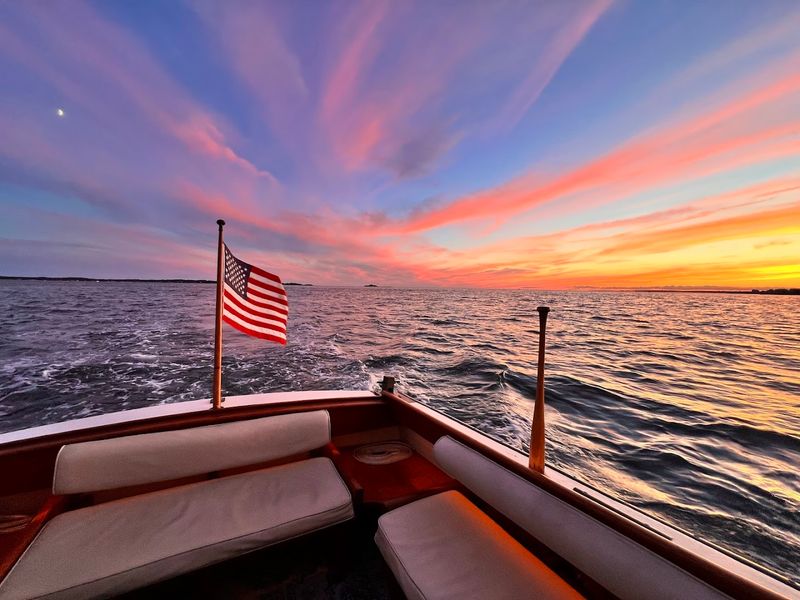
Connecticut does not always get the credit it deserves as a wildlife destination, and that is honestly part of what makes this tour so satisfying. You are not traveling far or spending a lot of time in transit to reach something genuinely wild and beautiful.
The Norwalk waterfront is accessible from most of the Northeast, and yet what waits just offshore feels miles removed from the ordinary.
There is a particular kind of pleasure in discovering that nature is thriving this close to a city. Watching a gray seal bask on a rock while the Norwalk skyline sits faintly in the background is a genuinely surprising image.
It is the sort of thing that makes you reconsider what you thought you knew about a place.
The 2.5-hour format is also just right. Long enough to feel immersive and unhurried, short enough that younger travelers or first-time boaters stay engaged throughout.
Whether you come for the seals, the birds, the fresh air, or simply the experience of being out on the Sound on a clear winter morning, this tour tends to exceed expectations in the best possible way. It is the kind of outing you end up recommending to everyone you know.
Address: 70 Water St, Norwalk, CT 06854.
