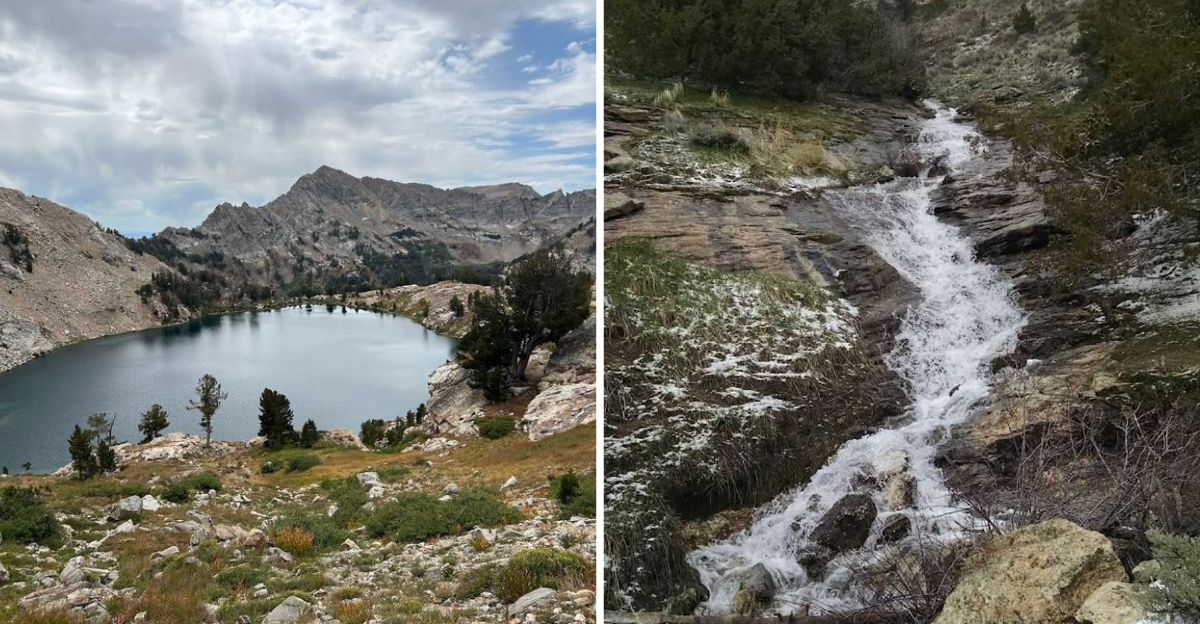
Nevada is not known for water. Desert.
Dust. Dry heat.
But drive 12 miles down an unpaved road and you will find a canyon that breaks all the rules. The trailhead sits at the end of the road.
Every hike, no matter which direction you choose, ends at a lake so clear you can see the bottom 20 feet down. The water is cold, fed by snowmelt even in late summer. The cliffs around it are striped in red and orange, dropping straight into the blue like something from a postcard.
I picked a trail, hiked for an hour, and waded into a lake that felt like a reward. Nevada hides its best spots well.
This one is worth the dust on your car.
The Lamoille Canyon Scenic Byway: Your Gateway Into Another World
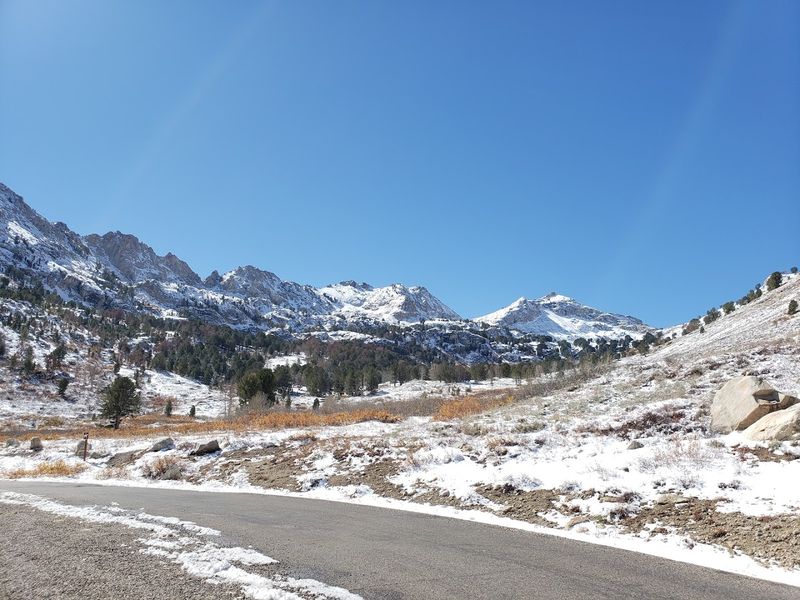
The moment you turn onto National Forest Road 660, the desert behind you disappears and something completely different takes over. The road is fully paved and in excellent condition, making it accessible for any type of vehicle, from small sedans to larger trucks pulling trailers.
That alone makes it a rare treat for a remote mountain drive in Nevada.
Stretching 12 miles into the canyon, this scenic byway climbs steadily to an elevation of 8,800 feet at its upper terminus. Pullouts appear frequently along the route, and each one offers a slightly different view of the canyon walls, the creek below, or the snow-streaked peaks above.
There is no pressure to rush, and most people do not.
The byway is typically open from May through October, though snow can delay the opening into early June some years. Winter closes the upper half entirely, but snowmobilers claim it enthusiastically during those months.
The drive itself rewards you even before you reach a trailhead, with waterfalls visible from the road in early summer, aspen groves blazing gold in fall, and mule deer grazing in meadows at nearly any time of year. Restrooms and ample parking wait at the top, and no admission fee is required to enjoy any of it.
This road is genuinely one of the most rewarding short drives in the entire American West.
Lamoille Lake Trail: The Classic Hike Everyone Should Do Once
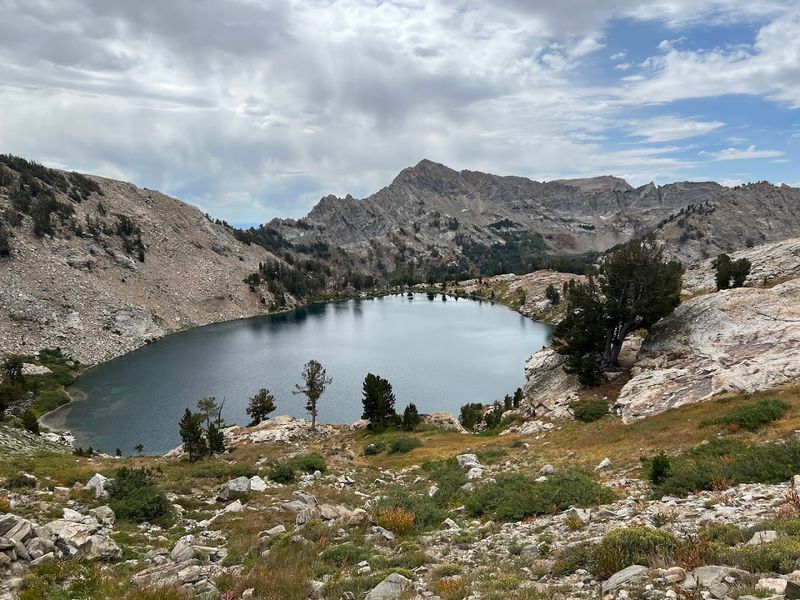
Some hikes earn their reputation honestly, and the Lamoille Lake Trail is one of them. At roughly 4 to 4.4 miles round trip, it is moderate enough for most visitors but rewarding enough to feel like a real accomplishment when you finally crest the ridge and see the lake spread out below you.
The trail gains nearly 800 feet of elevation in just over 1.5 miles to reach the lake, so the climb is steady and real. Sturdy shoes matter here, especially in early season when mud and patches of snow can make footing unpredictable.
Trekking poles are a smart addition if you have them.
Lamoille Lake itself is a glacial tarn sitting above the timberline, ringed by bare rock and whatever wildflowers manage to bloom at that altitude. The water is strikingly clear, cold, and calm on still mornings.
Nearby Dollar Lakes add to the experience for anyone willing to wander a bit further along the trail corridor. Visitors who make this hike in July often joke about the surreal contrast between the snow underfoot and the 100-degree heat baking the valley towns far below.
Packing enough water and some extra layers is genuinely important here, not just a suggestion. The trail is well-marked and sees a steady stream of hikers on weekends, so arriving early in the morning gives you the best chance of having the lakeshore mostly to yourself.
Island Lake: The Family-Friendly Hike With Views That Punch Above Its Weight
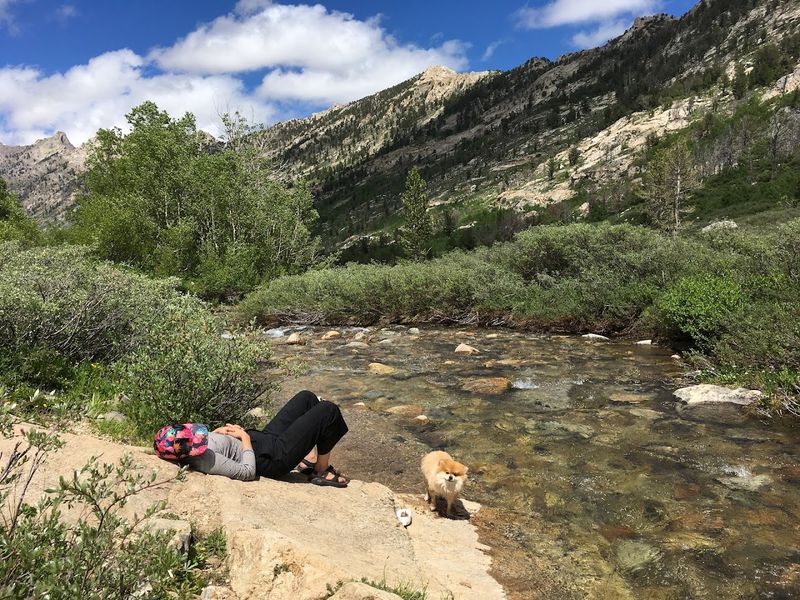
Not every great hike needs to be a suffer-fest, and Island Lake proves that completely. The trail runs about 2.9 to 3.45 miles round trip, making it one of the shorter options in the canyon, but the scenery along the way is anything but small.
Families with younger kids regularly tackle this one and come back smiling.
The trail winds through terrain that shifts pleasantly as you climb, moving from streamside paths into more open alpine stretches with wide views of the canyon walls. Bighorn sheep have been spotted along this route, and the birdwatching is surprisingly good for anyone who thinks to look up occasionally.
It has a way of slowing you down in the best possible way.
Island Lake itself sits quietly at the end of the trail, reflecting the peaks around it with that particular stillness that only high alpine water seems to manage. Even with snow still on the ground in early June, the hike holds its charm completely.
Many visitors who have done this trail multiple times say it never feels repetitive, partly because the light and season always change what you see. Bringing a picnic to eat at the lakeshore is a tradition worth adopting.
The hike is short enough to finish before afternoon clouds build up, which is a practical consideration in mountain terrain during summer months. Go early, take your time, and let the lake do the rest of the work.
Liberty Lake Trail: For Hikers Who Want to Earn the View
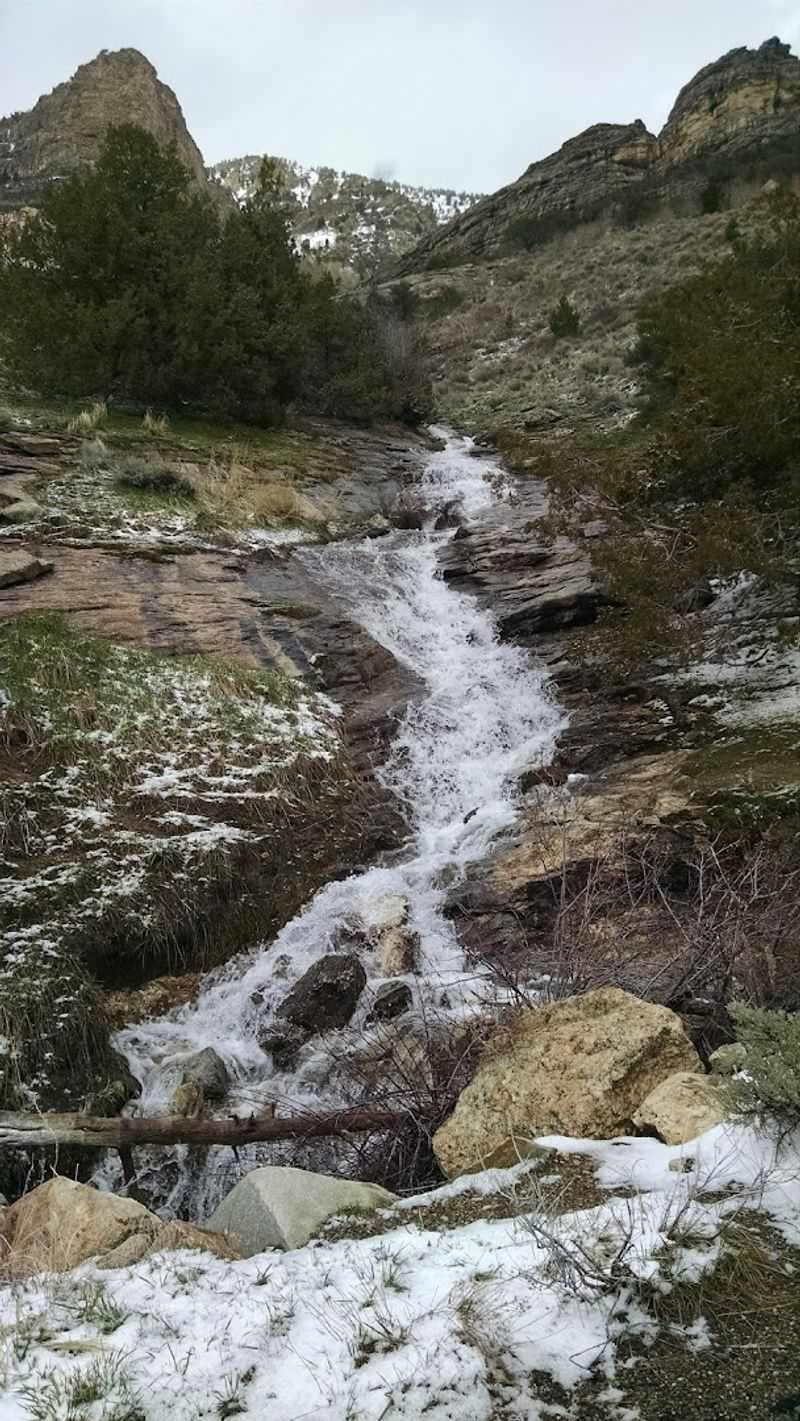
There is a particular kind of satisfaction that comes from finishing a hard hike, and the Liberty Lake Trail delivers it in full. This out-and-back route stretches roughly 8 miles total with about 1,800 feet of elevation gain, making it the most demanding day hike option in the canyon.
It is not the trail to attempt on a whim or in sandals.
The route begins the same way as the Lamoille Lake Trail, passing the glacial tarn before continuing upward toward Liberty Pass at 10,450 feet. That pass is a genuine moment.
The wind picks up, the views open in every direction, and Liberty Lake appears below like a reward that was worth every step of the climb.
Along the way, the trail passes by three alpine lakes, each one different in character and color depending on the time of year and the angle of the light. The further you go, the fewer people you encounter, and the trails feel progressively more wild and untouched.
Backpackers use this corridor regularly, and it connects to the longer Ruby Crest Trail for those planning multi-day trips. Day hikers should plan for an early start, carry plenty of water, and account for afternoon weather changes that roll in quickly at high elevation.
A trail map from the US Forest Service is worth picking up before heading out. This hike is challenging, honest, and genuinely unforgettable.
Wildlife and Wildflowers: What You Will Actually See Along the Way
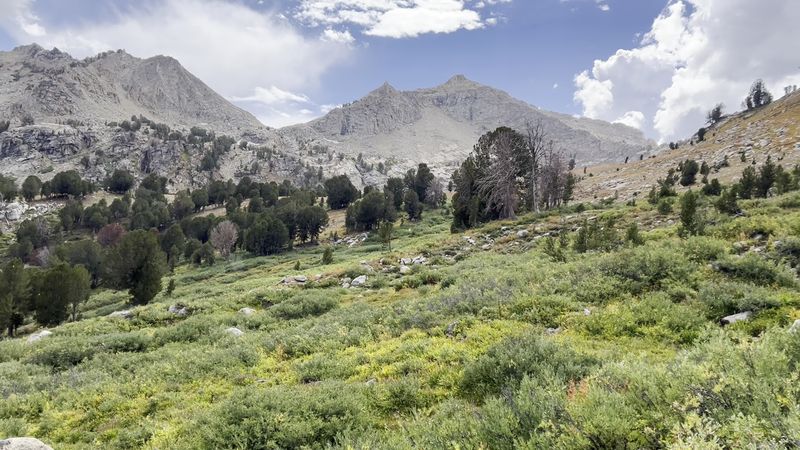
One of the quieter pleasures of spending time in Lamoille Canyon is how often something unexpected catches your eye. Mule deer graze in the lower meadows with an almost theatrical calm.
Bighorn sheep pick their way across rocky slopes that would make most humans nervous just to look at. Mountain goats appear occasionally higher up, seemingly unbothered by the exposure.
The wildflower season runs through late spring and into summer, and it turns the canyon meadows into something genuinely painterly. Lupine, Indian paintbrush, and columbine show up in clusters along the stream banks and open slopes.
The timing shifts slightly each year depending on snowmelt, so checking conditions before your visit helps set expectations.
Bird species are plentiful throughout the canyon, from hawks riding thermals above the cliffs to smaller songbirds working the streamside willows. Chipmunks and squirrels are constant and entertaining companions on any trailside lunch break.
It is also worth knowing that rattlesnakes and mountain lions do live in the area, as several longtime visitors have noted. Staying aware of your surroundings and keeping a respectful distance from any wildlife you encounter is simply good practice here.
The canyon rewards slow, attentive travel more than rushed hiking. Taking time to actually look around, listen to the creek, and notice what is living alongside the trail turns a good visit into a genuinely memorable one.
Fall Colors and Seasonal Magic: When to Visit for Peak Beauty
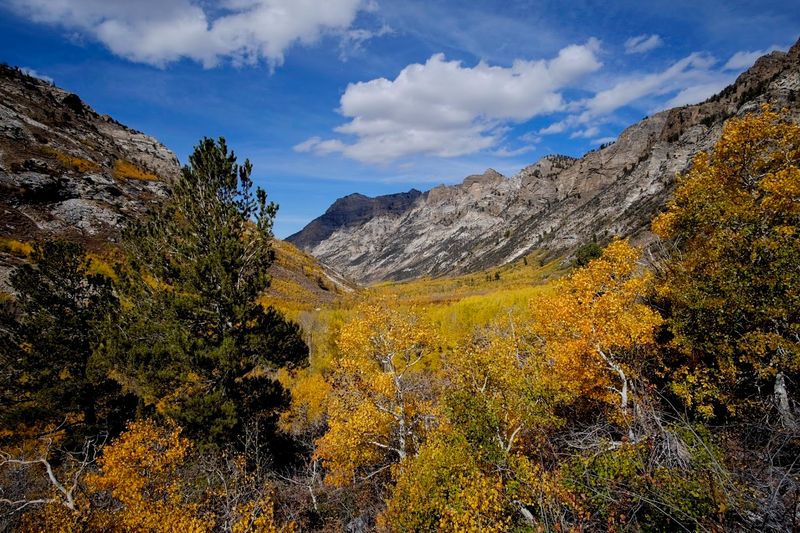
Timing a visit to Lamoille Canyon well is one of the most useful things you can do to maximize what you experience there. Each season brings something completely different to the canyon, and honestly, none of them are bad.
Summer offers the fullest trail access, the most wildflowers, and the best conditions for reaching the upper lakes.
Fall is something else entirely. The aspen groves that line the lower canyon ignite in shades of yellow and gold that feel almost unreal against the backdrop of dark granite peaks and early-season snow on the upper ridgelines.
Visitors who catch the peak of fall color in early to mid-October consistently describe the drive as one of the most visually striking things they have ever seen in Nevada.
Spring visits, typically starting in late May or June, come with fast-moving streams, visible waterfalls fed by snowmelt, and the particular freshness of a landscape waking up after a long winter. Snow can still cover the upper trails well into June, which adds its own kind of dramatic quality to the hike.
The byway is not plowed in winter, so access depends entirely on snowpack levels each year. Calling ahead or checking the Humboldt-Toiyabe National Forest website before a spring visit saves potential frustration.
Whatever season draws you in, the canyon has a way of making you feel like you found something most people simply do not know about yet.
Planning Your Trip: Practical Tips Before You Go
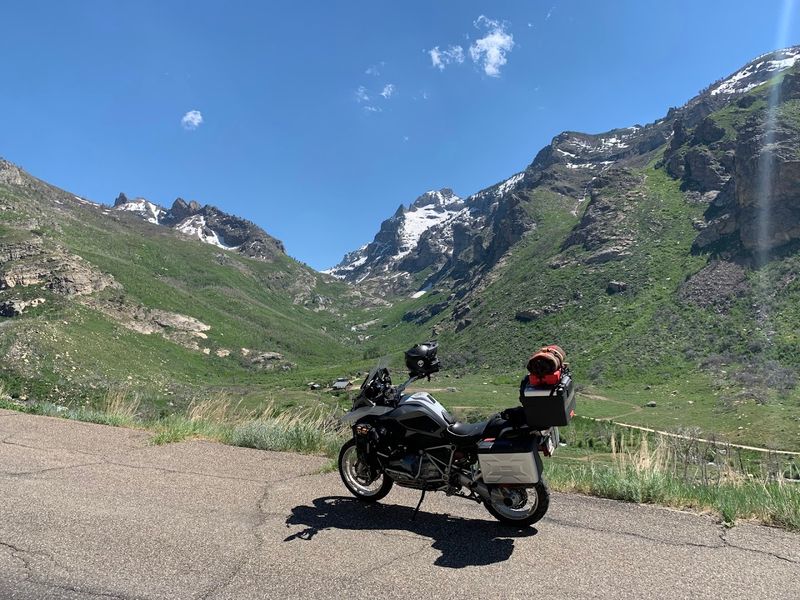
Getting to Lamoille Canyon starts with a short drive from Elko, Nevada, which sits along Interstate 80 in the northeastern part of the state. The canyon entrance is roughly 12 miles south of Elko via Lamoille Highway, making it an easy day trip or a natural stop for anyone passing through on a road trip across the Great Basin.
The parking area at the end of the byway is spacious and well-maintained, with vault toilets available. No admission fee is charged to enter or use the trails, which is genuinely refreshing.
A donation box at the top of the canyon helps support upkeep, and contributing what you can keeps the place in good shape for everyone who follows.
Cell service is limited or nonexistent once you are deep in the canyon, so downloading offline maps or picking up a printed trail map from the US Forest Service office in Elko before you go is a practical move. Bringing more water than you think you need is another non-negotiable, especially on the longer trails.
The elevation means sun exposure is intense even on days that feel mild. Campgrounds along the byway can accommodate small to medium-sized trailers, and the creek running through the lower canyon is a genuinely lovely place to spend a night.
Fishing is available during the appropriate season as well. The canyon is open 24 hours a day during its accessible months, giving early risers a real advantage on busy summer weekends.
Address: NF-660, Spring Creek, NV 89815
