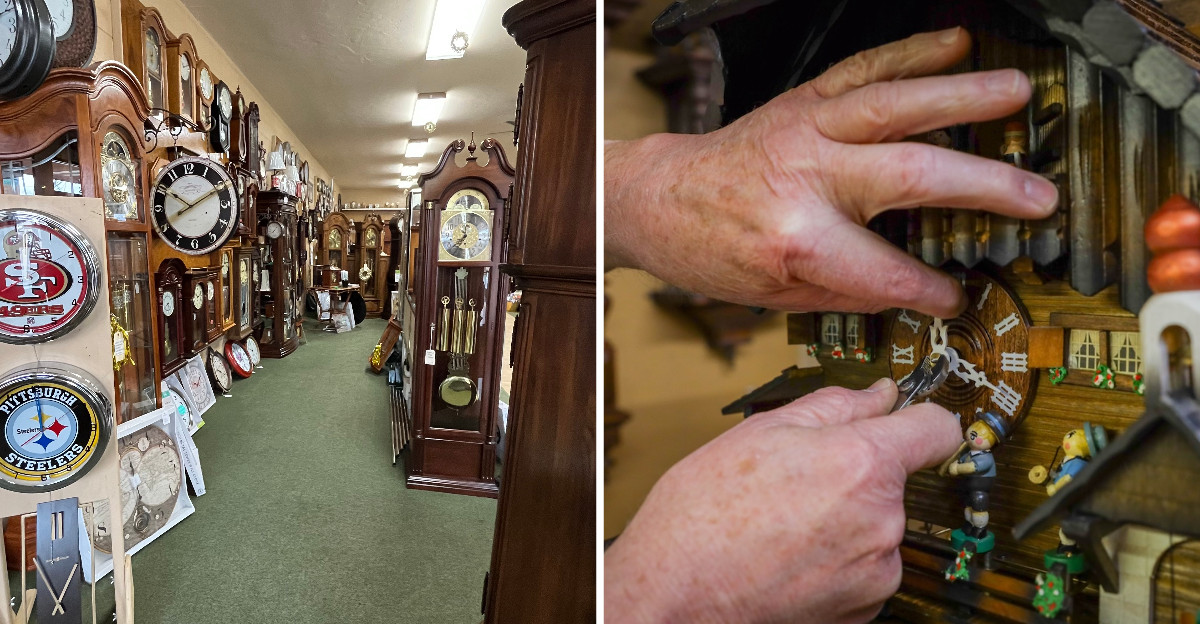
A grandfather clock built around 240 years ago still stands inside a small downtown shop. It was ticking before most of today’s furniture had even been designed.
That alone makes me want to stand next to it for a minute.
The shop around it is packed with hundreds of clocks. Cuckoo clocks, wall clocks, mantel clocks, and tall case beauties all share the same rooms.
I can’t imagine the sound when the hour strikes.
The same family has kept this California business running for more than five decades. They sell clocks, repair them, and even make house calls for heavy grandfather clocks.
Keeping a clock running for nearly two and a half centuries takes patience, skill, and a lot of careful maintenance. That’s exactly the sort of old-fashioned craftsmanship this family-run shop has spent decades preserving.
A Clock Older Than Most Of The Country Is Waiting For You
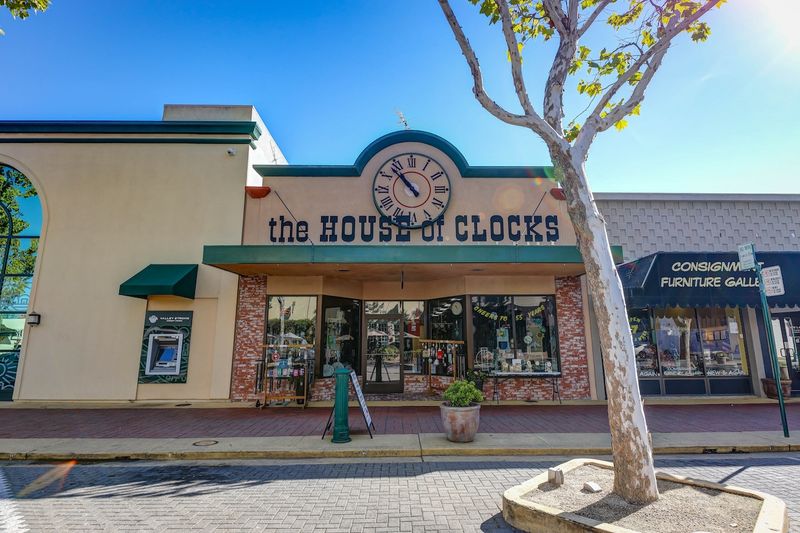
Some antiques sit behind glass and stay quiet. The star of House of Clocks in Lodi still has a job to do.
This tall case clock is roughly 240 years old, which puts its birth in the late 1700s. That means it was keeping time before trains, cars, or electric lights existed.
Think about how many hands have wound it. Every owner trusted it to mark mornings, meals, and bedtimes for generations.
Old grandfather clocks like this were usually built by skilled craftsmen working mostly by hand. Gears, cases, and dials took serious patience to make.
That effort is part of why a well-kept one can outlast several human lifetimes.
The shop is a fitting home for a clock with this much history. Its staff understands how these old movements work and what they need to stay healthy.
Few businesses still have that kind of know-how under one roof.
Seeing a piece this old in person changes how you think about time. It turns history into something you can actually hear ticking.
My advice is simple. Give yourself a few minutes to stand near it and look closely at the details.
Old dials and wood cases often reveal tiny marks of their makers. You may leave feeling a little more patient than when you came in, which is a nice bonus for any afternoon.
Fifty-Five Years Of One Family Keeping The Gears Turning
Plenty of shops come and go in a few years. House of Clocks has stayed open for about 55 years, and that is no small feat.
The business has been family owned and operated through its long run. Today, Sandy, Chuck, and Steve are the names behind the counter and the workbench.
Steve Hohn is well known for his repair skills around the region. His work stretches from Lodi through the Central Valley and toward the Bay Area.
Family businesses often carry a different kind of pride. When your name is tied to every repair, you care about getting it right.
That attitude matters even more when people hand over clocks loaded with memories.
Clock repair is also a fading trade. Fewer people learn how to clean, adjust, and rebuild mechanical movements each year.
A shop that has passed down this knowledge for decades is a real treasure for California clock owners.
Here’s a helpful tip. If you meet one of the owners, ask about your clock’s background.
They can sometimes estimate when and where a piece was made.
That kind of information turns an old clock into a story you can share. It also helps you decide how to care for it going forward.
Fifty-five years of practice tends to produce very good answers.
Hundreds Of Clocks Make Every Hour A Little Concert
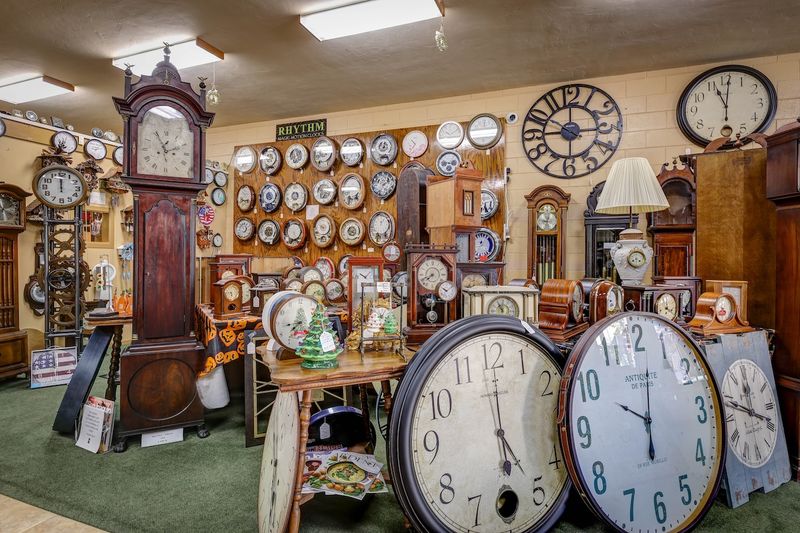
Count the clocks in your house right now. Then multiply that number by a few hundred, and you’re getting close to the scene here.
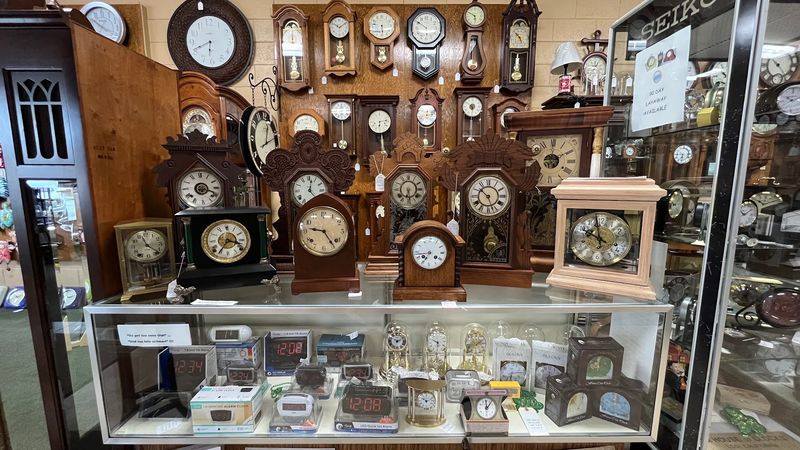
The shop holds hundreds of new and vintage clocks. Walls, shelves, and floor space all showcase different styles, sizes, and sounds.
You’ll spot elegant wall clocks with swinging pendulums. Mantel clocks sit ready for fireplaces, while grandfather clocks stand tall like friendly guards.
Variety is the real fun. Some pieces feel classic and formal, and others lean playful or seasonal.
One past find was a cheerful Santa clock, which shows the selection can surprise you.
Chimes add another layer. When several clocks ring together, the room fills with bells, tones, and soft tunes.
It’s a little like a band where every musician keeps their own rhythm.
Shopping tip time. Listen to the chimes before choosing a clock for your home.
A sound you love in the store will matter every single day once it’s on your wall.
Also think about the room where it will live. A tall case clock needs floor space, while a small mantel clock fits almost anywhere.
Measuring ahead saves you from a very awkward moment at home with a beautiful clock and nowhere to put it.
Cuckoo Fans, Your Little Wooden Birds Are Calling
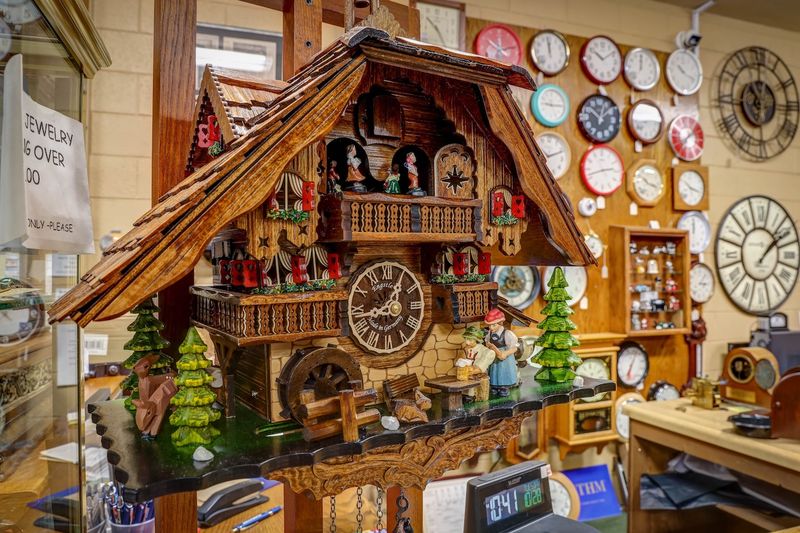
Nothing breaks a serious mood quite like a tiny bird popping out to announce the time. Cuckoo clocks bring that joy, and this shop keeps a strong collection of them.
These clocks are famous for their carved wooden cases. Many feature leaves, animals, little houses, or forest scenes in charming detail.
Most traditional cuckoo clocks run on weights shaped like pinecones. Pulling the chains winds them, which is half the fun for kids and grown-ups alike.
Fun fact. Cuckoo clocks are closely linked with the Black Forest region of Germany.
Many families brought them home as souvenirs after trips abroad.
That connection makes repairs especially meaningful. House of Clocks has restored cuckoo clocks bought in Germany decades ago, bringing them back to looking and sounding lovely again.
If you’re thinking about buying one, ask how often it needs winding. Some run one day, while others go a full week.
That difference matters if you travel or have a busy schedule.
Also check how loud the call is. A cheerful cuckoo is delightful at noon.
At two in the morning, your guests may feel differently. Many models include a way to quiet the bird at night, which is worth asking about before you head home.
Your Silent Family Clock Might Just Need A Good Doctor
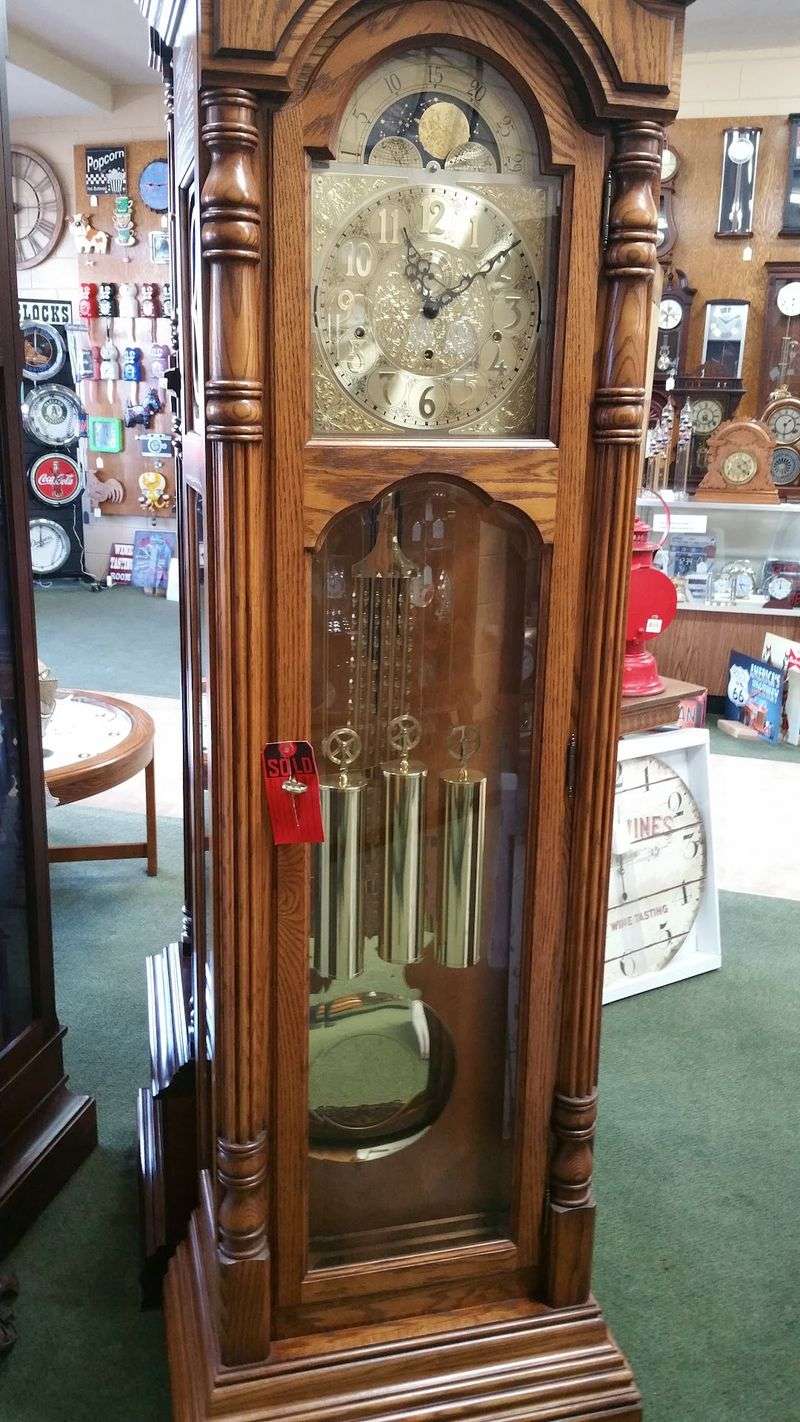
Got a clock in the closet that stopped years ago? You’re far from alone, and this shop specializes in waking those sleepers up.
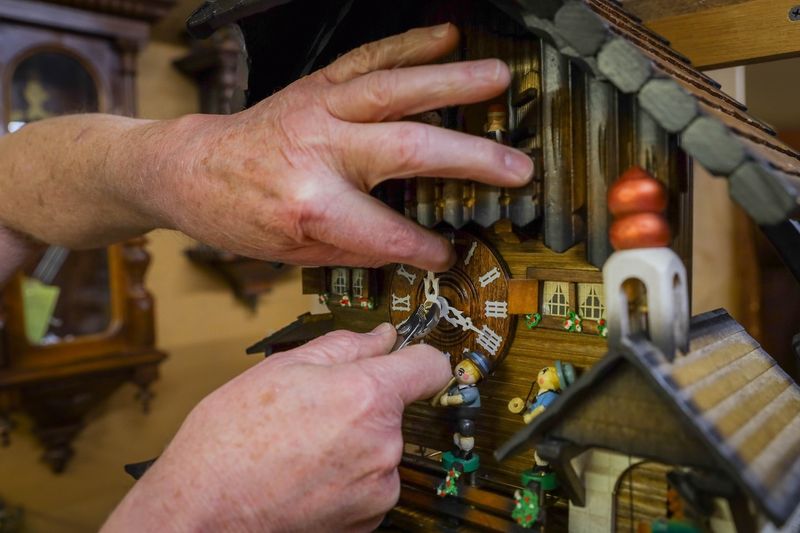
Repair is a huge part of the business. Services include grandfather clock repair, full overhauls, cleaning, and fixes for wall, mantel, and cuckoo clocks.
Some jobs are quick. A frozen mechanism can sometimes be identified fast and replaced with a new movement in less than a day.
Bigger projects take longer. A total rebuild means taking the movement apart, cleaning every piece, and putting it back together carefully.
Those clocks can come back keeping remarkably accurate time.
The staff also teaches owners how to care for their clocks afterward. Learning simple habits like proper winding goes a long way.
It helps your newly repaired clock stay healthy for years.
Here’s a practical tip. Don’t wait too long to bring in a struggling clock.
Dust and dried oil can wear down parts over time. Earlier service often means an easier fix.
Bring any history you know too. Old receipts, family stories, or labels inside the case can help.
The clock experts here can sometimes tell you its approximate age and origin. That way, you walk out with a working clock and a better story to tell at the next family gathering.
Grandfather Clocks Too Big To Move? Help Can Come To You
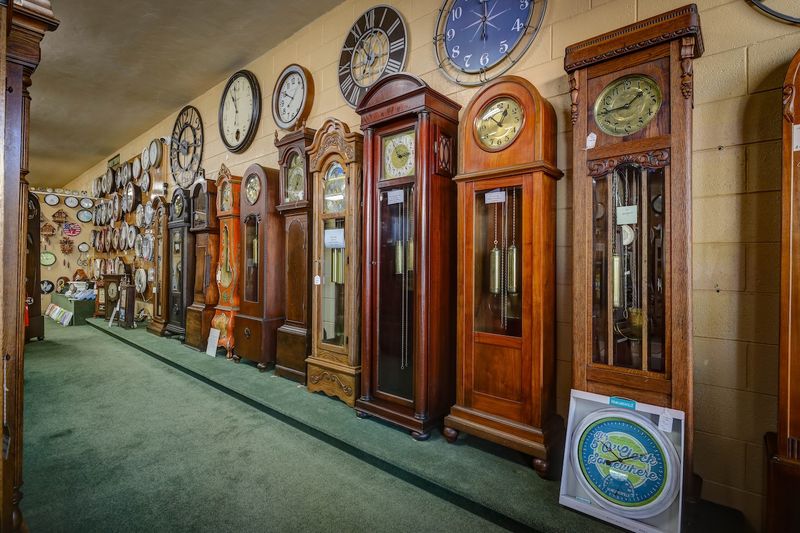
Grandfather clocks are gorgeous. They are also tall, heavy, and not exactly car-friendly.
That’s why house calls matter. House of Clocks has sent an owner out to homes in nearby cities to repair grandfather clocks right where they stand.
One Modesto clock bought in Germany in the 1980s got fixed on site in under 30 minutes. Years later, it was still working and proudly greeting guests at the front door.
Moving a tall case clock the wrong way can cause problems. Pendulums, weights, and chimes need careful handling.
A trip to the shop isn’t always the smartest choice.
The team also sets up new grandfather clocks for buyers. Proper setup includes leveling the case and getting the pendulum swinging evenly.
A clock that isn’t level may tick unevenly or stop.
My tip is to call before deciding how to handle a big clock. Ask whether a house call makes sense for your situation.
A quick chat can save your back, your floors, and possibly your clock. That’s a pretty great trade for one phone call.
Plan Your Stop Around These Easy Downtown Hours
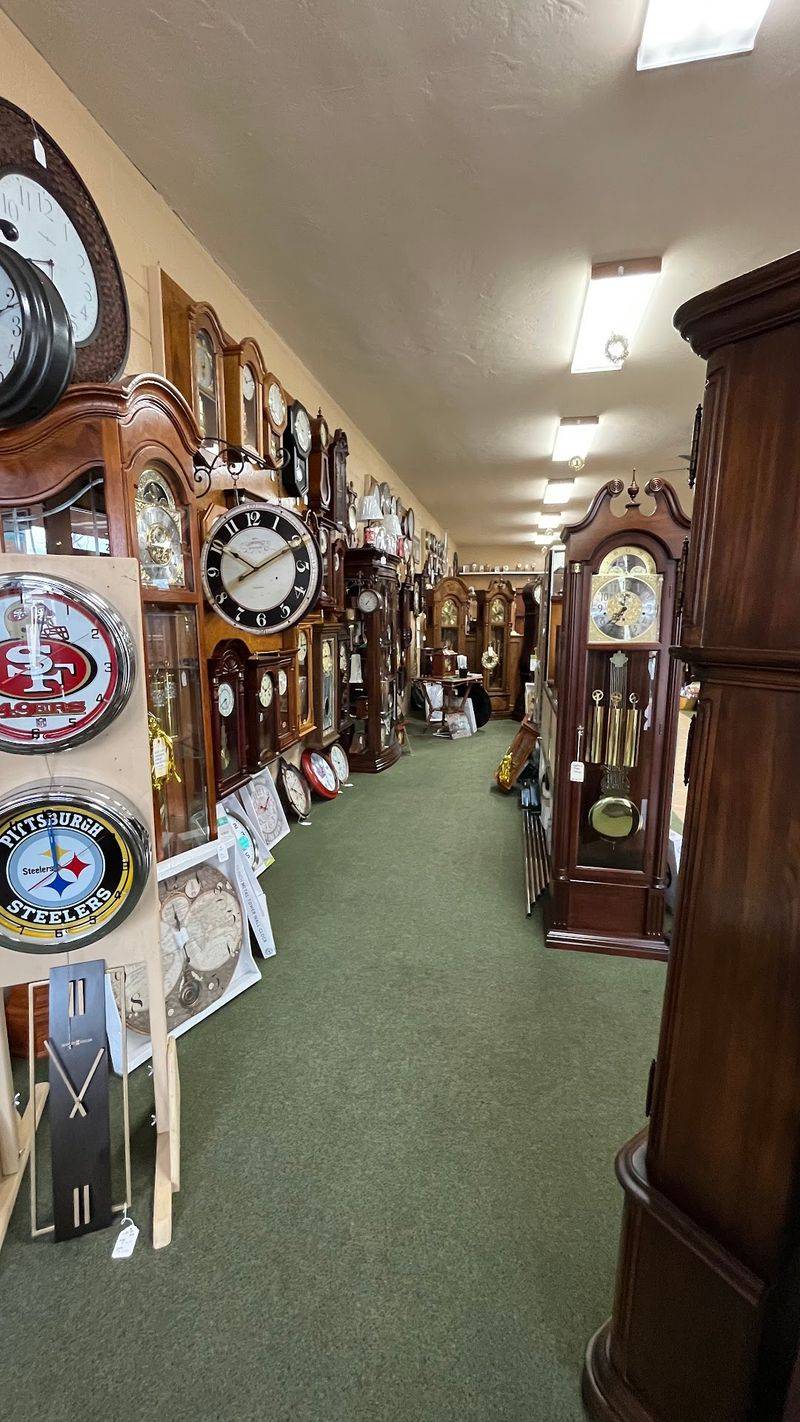
Good news for busy schedules. The shop is open every day of the week, so finding a time is easy.
You’ll find House of Clocks at 208 S School St, Lodi, CA 95240. It sits right in the downtown retail district, where strolling between shops is part of the fun.
Hours run from 10 am to 4 pm Monday through Saturday. Sunday hours are shorter, from noon until 3 pm.
That afternoon closing time is worth remembering. If you’re dropping off a repair, arrive with a little cushion.
Explaining your clock’s history takes a few minutes, and nobody wants to rush that part.
Downtown Lodi makes a nice setting for a slow afternoon. Pairing your visit with other local shops turns a quick errand into a mini outing.
California small towns are great for that kind of easy wandering.
Here’s another helpful idea. Bring photos of your clock if it’s too big to carry.
Pictures of the dial, case, and any labels can help staff understand what you have.
An Heirloom Shopping Trip Feels Different Here
Most gifts get used up, outgrown, or forgotten. A well-made clock can stick around long enough to become family history.
That idea gives shopping at House of Clocks a special feeling. You’re not just buying decor.
You might be choosing something your grandkids will someday bring in for a tune-up.
The shop sells both new and vintage clocks. That mix lets you pick between fresh pieces with modern reliability and older ones with built-in stories.
Seasonal finds pop up too. Holiday-themed clocks make playful gifts that come out each December.
They add charm without taking over your whole home.
Big milestones are a natural fit. Weddings, retirements, housewarmings, and anniversaries all feel right with a clock.
Few presents say “time together” quite so literally.
A smart tip is to ask about care before you buy. Mechanical clocks need winding and occasional service.
Battery clocks need less attention. Knowing which suits the person helps your gift actually get enjoyed.
Go Even If You Don’t Own A Single Clock
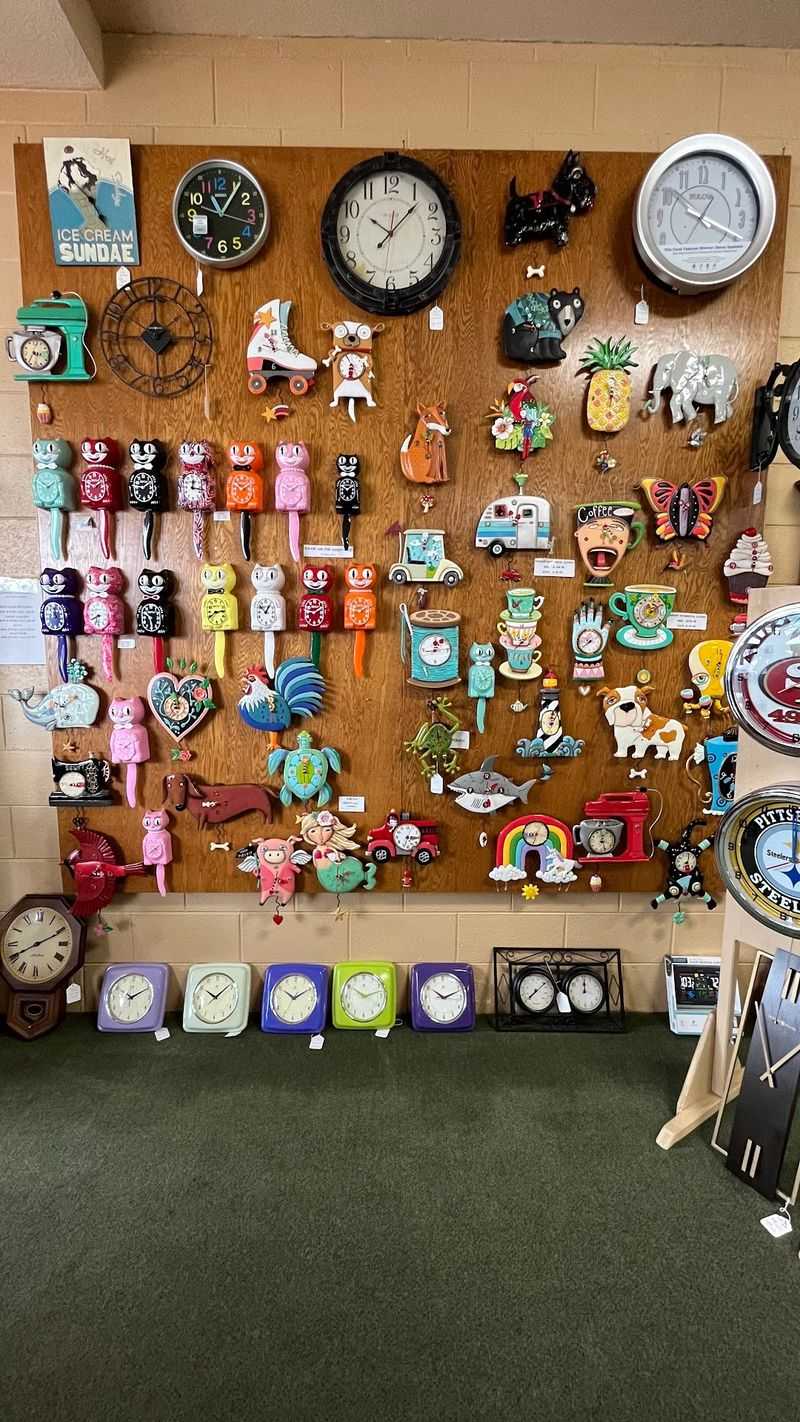
Here’s a fun twist. Plenty of people stop in just to look, and the shop works beautifully as a free little museum.
Think of each clock as a piece of art with moving parts. Carvings, painted dials, polished wood, and brass pendulums all reward a close look.
The staff enjoys sharing stories too. Some antique grandfather clocks date back to the 1800s, and of course one goes back much further.
Kids may love the place more than you’d expect. Swinging pendulums and pop-out birds hold attention better than many screens.
It’s a sneaky way to talk about history and how machines work.
The shop also celebrates something rare. Skilled clock repair is a disappearing craft in California and beyond.
Visiting supports people who keep that skill alive.
My suggestion is to time your visit near the top of the hour. That’s when chimes tend to ring out.
Hearing a room full of clocks announce the hour is a memory worth catching.
And who knows. You may arrive as a curious browser and leave planning where a clock could go.
Nobody will blame you. After 55 years and one remarkably old grandfather clock, House of Clocks has plenty of practice making time feel worth keeping.
