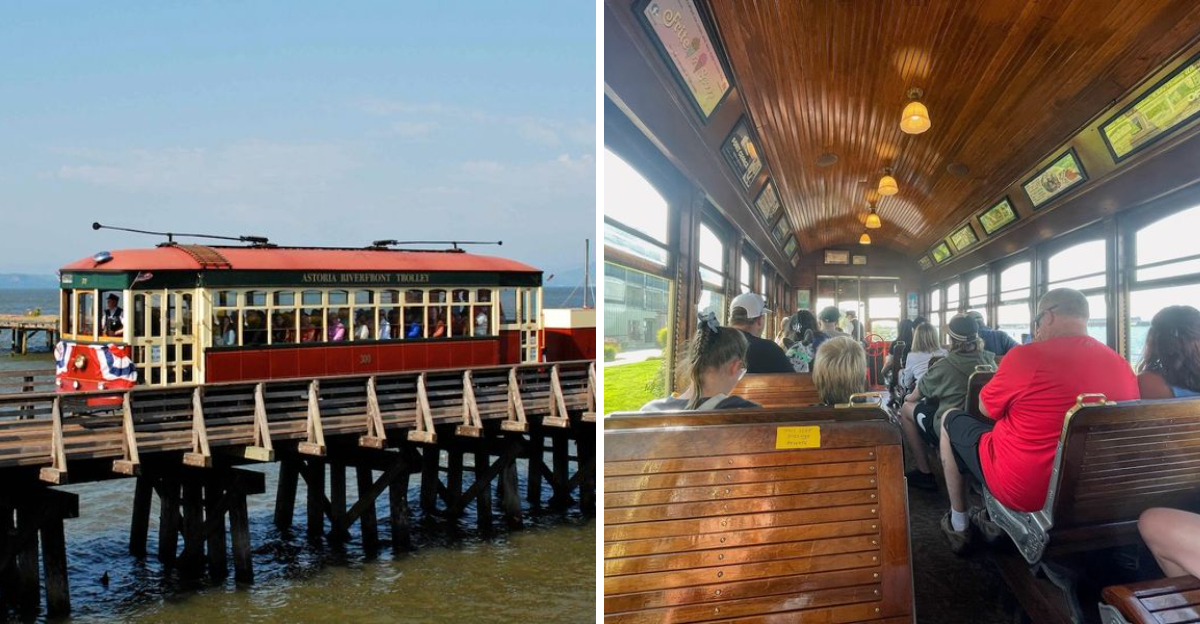
A shiny restored streetcar from 1913 rolls slowly along the waterfront while a narrator points out stories you would never find in a guidebook. That is the whole experience and it works beautifully.
This Oregon trolley ride feels like stepping into a postcard that also happens to be moving. The streetcar itself is gorgeous with polished wood, vintage windows, and that old timey charm that makes you want to wear a hat.
You sit back while the narrator shares tales of shipwrecks, fires, and the salmon canneries that built this town. The waterfront glides by on one side with boats bobbing in the harbor.
Historic buildings pass on the other side with their brick facades frozen in time. Kids love ringing the antique bell at the front.
Adults love not having to walk up any hills. Oregon has plenty of scenic drives and hiking trails, but this gentle trolley ride lets you soak everything in without breaking a sweat.
Round trip takes about an hour and you can hop on and off at different stops. Bring a jacket because the river breeze gets cool even on sunny days.
The 1913 Streetcar, A Living Piece of American History
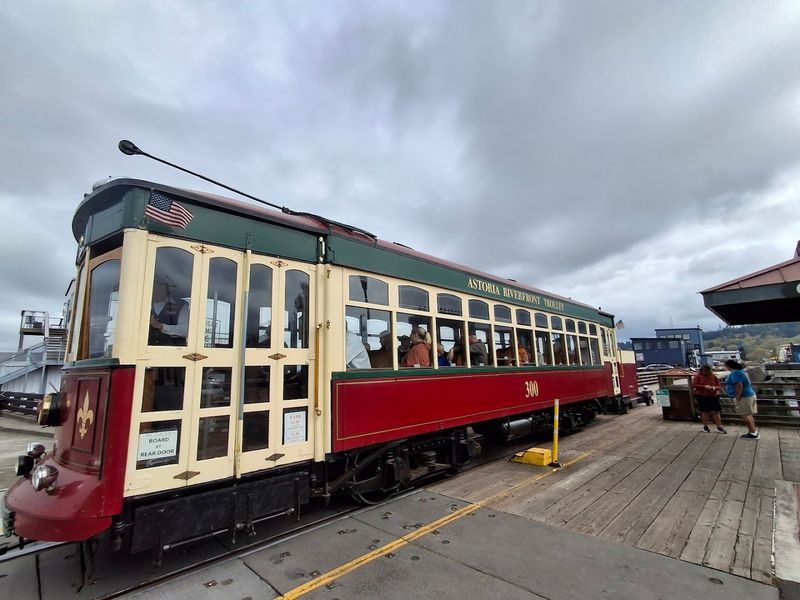
Stepping aboard this trolley, the first thing you notice is how genuinely old everything feels. The wooden seats, the brass fittings, the narrow aisle, all of it is real.
This is not a replica built to look vintage. Old No. 300 is an actual 1913 streetcar, carefully restored and lovingly maintained by dedicated volunteers.
It originally ran in other cities before finding its permanent home in Astoria. The restoration work took years of effort and fundraising.
Every detail, from the painted exterior to the reversible bench seats, reflects serious craftsmanship and community pride.
Riding it feels different from any modern tour vehicle. The trolley moves at a gentle pace, around ten miles per hour.
That slowness is part of the charm. You get time to actually look, think, and absorb the waterfront views rolling past the windows.
History rarely feels this tactile or this close.
Volunteer Guides are The Real Heart of the Experience
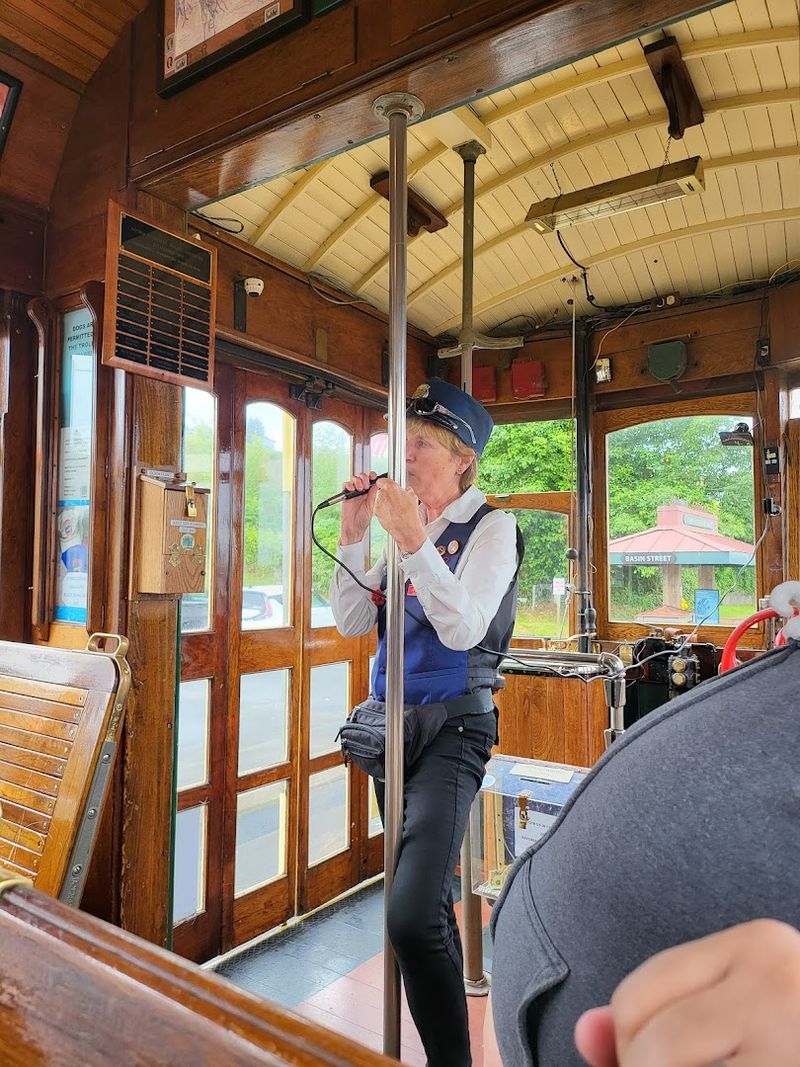
Nobody gets paid to run this trolley. Every single person involved, from the driver to the narrator, is a volunteer.
That fact alone says something meaningful about how much this community values its history. The guides bring genuine enthusiasm that no script could manufacture.
The narration is lively and personal. Guides share local stories, point out landmarks, and throw in light humor that keeps even restless kids engaged.
They clearly know Astoria well. Some have lived here for decades.
Their knowledge comes from real experience, not a tourism brochure.
One visitor described the guide as someone who tells great stories without ever being boring or repetitive. That tracks with what I experienced.
The commentary flows naturally, like listening to a knowledgeable neighbor explain their hometown. You leave the ride feeling like you actually understand Astoria a little.
That kind of connection is rare on any tour, paid or otherwise.
Famous Film Locations Spotted Along the Way
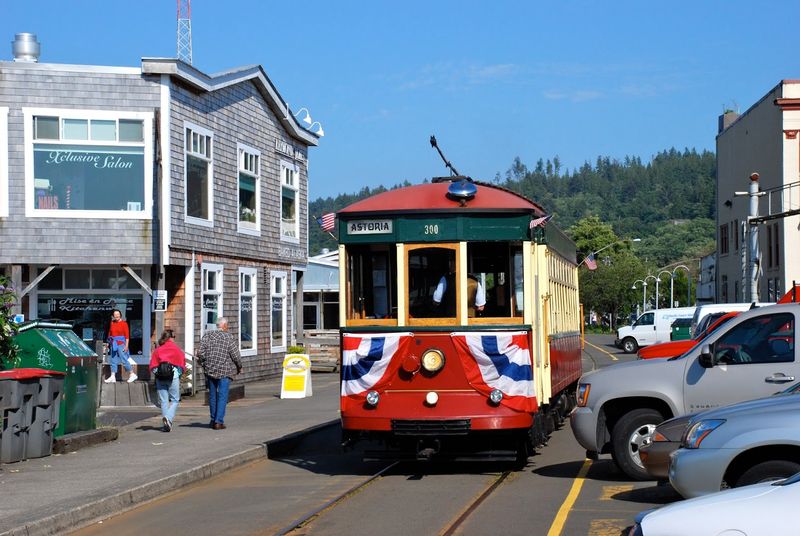
Astoria has a surprisingly strong connection to Hollywood. Several well-known films were shot here, and the trolley route passes near some of those iconic spots.
The guides make sure you know exactly what you are looking at.
Fans of classic 1980s movies will recognize references to The Goonies. The house used in that film sits on a hillside visible from the trolley.
Kindergarten Cop was also filmed in Astoria, and the school featured in that movie gets a mention too. Catching those glimpses feels like a fun bonus on top of the history.
The Astoria Column, perched high on Coxcomb Hill, is also visible from certain points along the route. It is one of the most recognizable landmarks in the entire region.
Spotting it from the moving trolley, framed between buildings and trees, makes for a genuinely memorable moment. The guides time their commentary perfectly so you never miss a beat.
The Reversible Seats as A Clever Design Worth Noticing
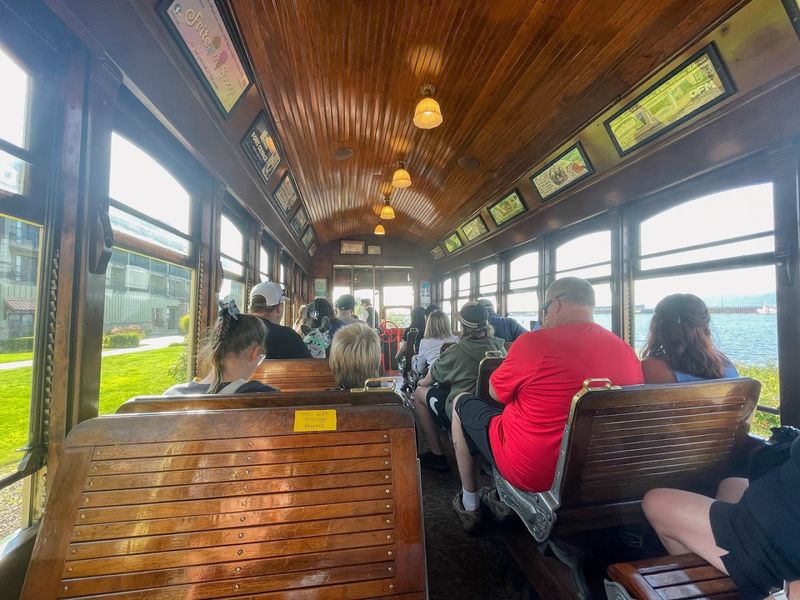
Old No. 300 has a clever feature that surprises most first-time riders. The bench seats are reversible.
At the end of the line, passengers flip the seat backs so everyone faces the direction of travel on the return trip. It sounds simple, but watching it happen is oddly satisfying.
This design was standard on many early 20th-century streetcars. It solved the practical problem of a trolley that does not turn around.
The same car simply reverses direction, and the seats rotate to match. Efficient, elegant, and completely mechanical.
Kids especially love doing the flip. There is something hands-on and interactive about it that no touchscreen tour could replicate.
It is one of those small details that makes the trolley feel alive rather than just preserved. The whole car becomes part of the experience, not just a vehicle carrying you from point A to point B.
That distinction matters more than you might expect on a travel day.
The Waterfront Route, Scenery That Earns Every Glance
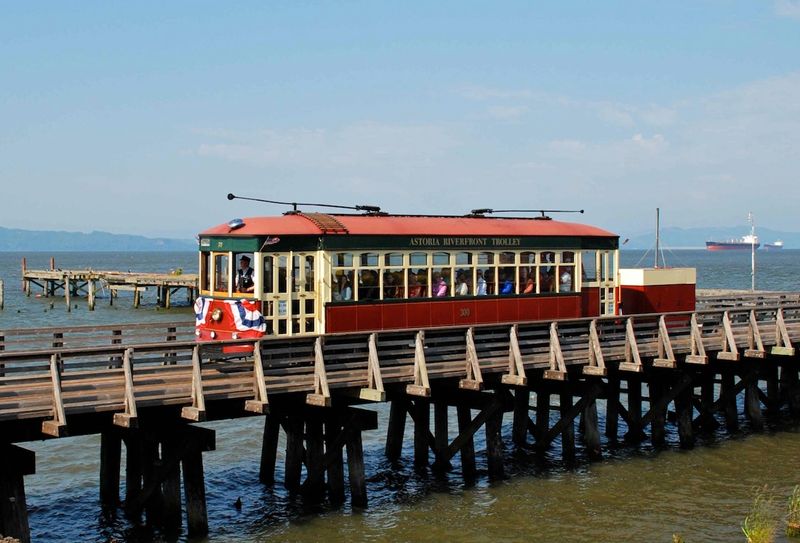
The trolley runs east to west along Astoria’s riverfront, hugging the Columbia River the entire way. The views shift constantly.
One moment you are looking out at wide open river water. The next, you pass cannery-era buildings and weathered docks that feel frozen in time.
The route covers roughly the length of downtown Astoria. It is not a long distance, but the scenery packs a lot in.
Hills rise steeply behind the town. The river stretches wide ahead.
On clear days, you can spot the Astoria-Megler Bridge spanning the Columbia toward Washington State.
I kept turning my head from side to side trying to catch everything. The guide helpfully points out what to look for at each stretch.
You would never notice the small details alone. The trolley essentially acts as a slow, rolling frame for one of Oregon’s most photogenic waterfronts.
Bring a camera and keep it ready the whole ride.
The Gift Shop, Small Space, Big Community Support
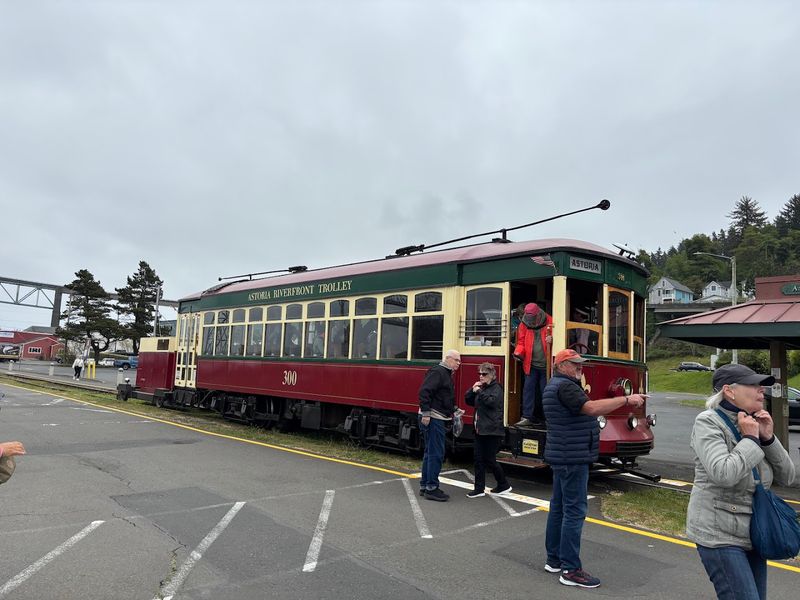
Right at the boarding area, there is a little gift shop worth a few minutes of your time. It sells postcards, ornaments, and various trolley-themed items.
The selection is modest but thoughtful. Everything feels intentional rather than mass-produced.
Purchases directly support the trolley’s ongoing operation. This is not a souvenir shop feeding a corporate machine.
The money stays local and keeps Old No. 300 running for future visitors. That context makes buying something feel genuinely good rather than just convenient.
One visitor mentioned picking up a Christmas ornament they plan to keep for years. That kind of emotional connection to a simple purchase says a lot about what this place represents.
Cash is the preferred payment method at the shop. So come prepared.
A small keepsake from here carries a story behind it, which is more than you can say for most tourist trinkets. It is a tiny shop doing meaningful work for a beloved community landmark.
Operating Hours and Seasonal Schedule
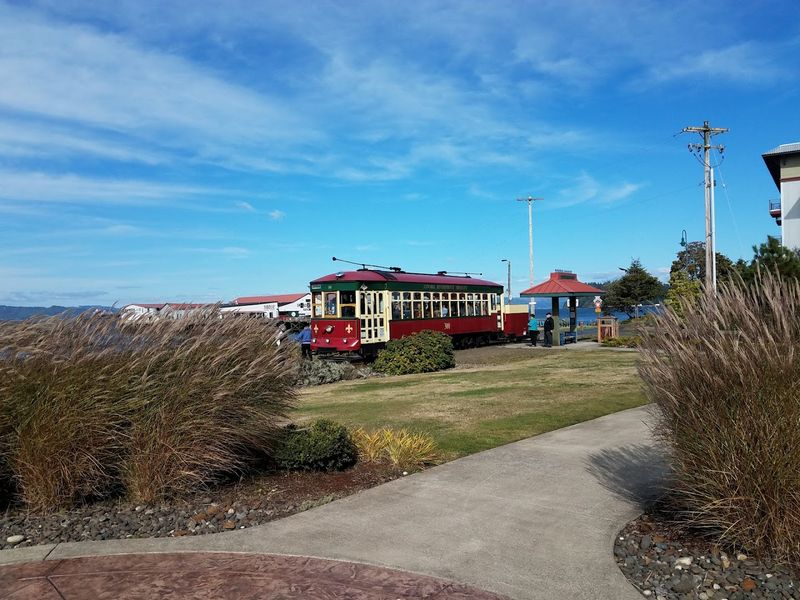
The trolley does not run every day, so timing your visit matters. Current hours show it operating Thursday through Monday, with Saturday and Sunday offering the longest window from 11 AM to 5 PM.
Weekday hours run from 1 PM to 4 PM. It stays closed on Tuesdays and Wednesdays.
The schedule is seasonal, meaning it does not run year-round. Spring through early fall tends to be the active period.
Checking the official website at old300.org before your trip is a smart move. Hours can shift based on volunteer availability and track conditions.
Arriving a few minutes early is a good idea. The trolley fills up, especially on weekends and during summer.
If you miss one departure, the next comes around after completing its loop. Waiting is not terrible since the boarding area sits right along the river.
Still, planning ahead gives you the best shot at a smooth, stress-free experience without any surprises.
The Waterfront Stops that Makes You Hop Off and Explore
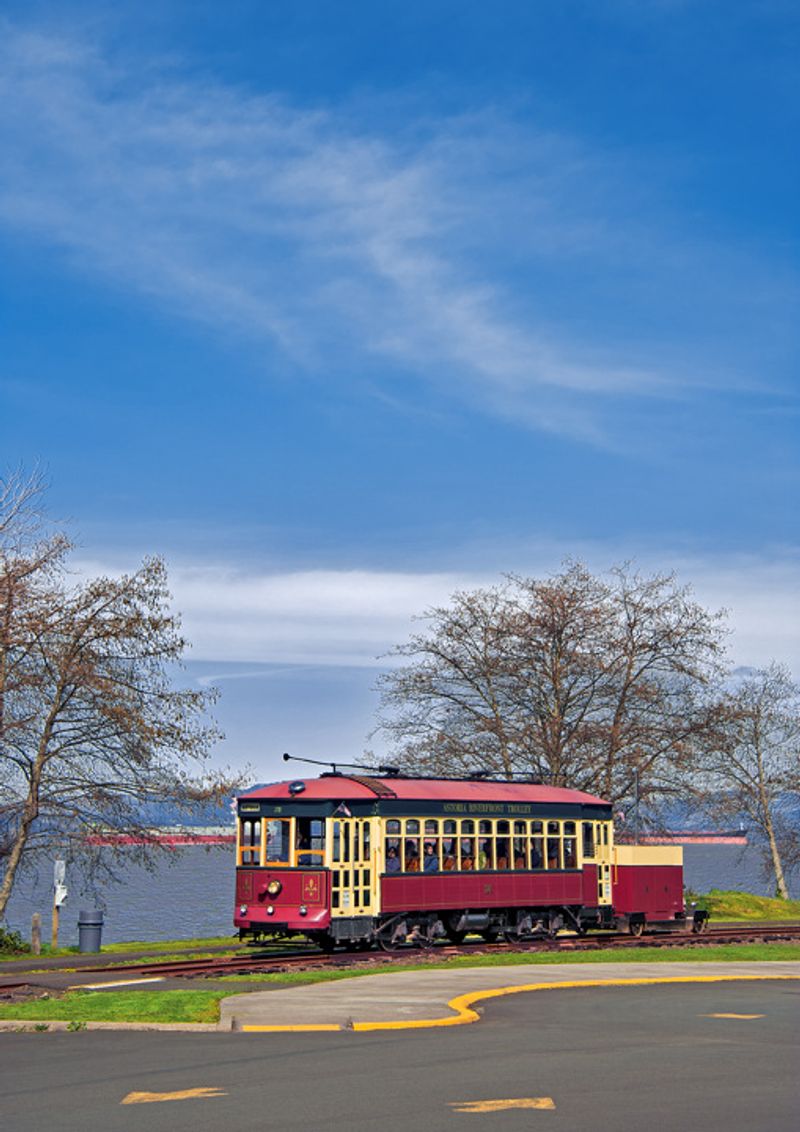
The trolley makes several stops along its route, and you are welcome to hop off and explore. An all-day pass lets you reboard as many times as you like.
This turns the trolley into a flexible, low-key way to move through downtown Astoria at your own pace.
Some stops put you close to waterfront restaurants. The guides often mention which eateries are nearby, giving you real, local-flavored recommendations.
That kind of insider tip is hard to find in a guidebook. You end up discovering spots you would never stumble onto alone.
Getting off mid-route also gives you a chance to walk the waterfront promenade. The paved path runs alongside the tracks and offers unobstructed river views.
You can stroll for a while, then catch the next trolley when it circles back. It is a relaxed rhythm that suits Astoria’s laid-back personality perfectly.
No rushing, no strict itinerary, just the river and the town at your own speed.
Family-Friendly Fun: Kids, Bells, and Big Smiles
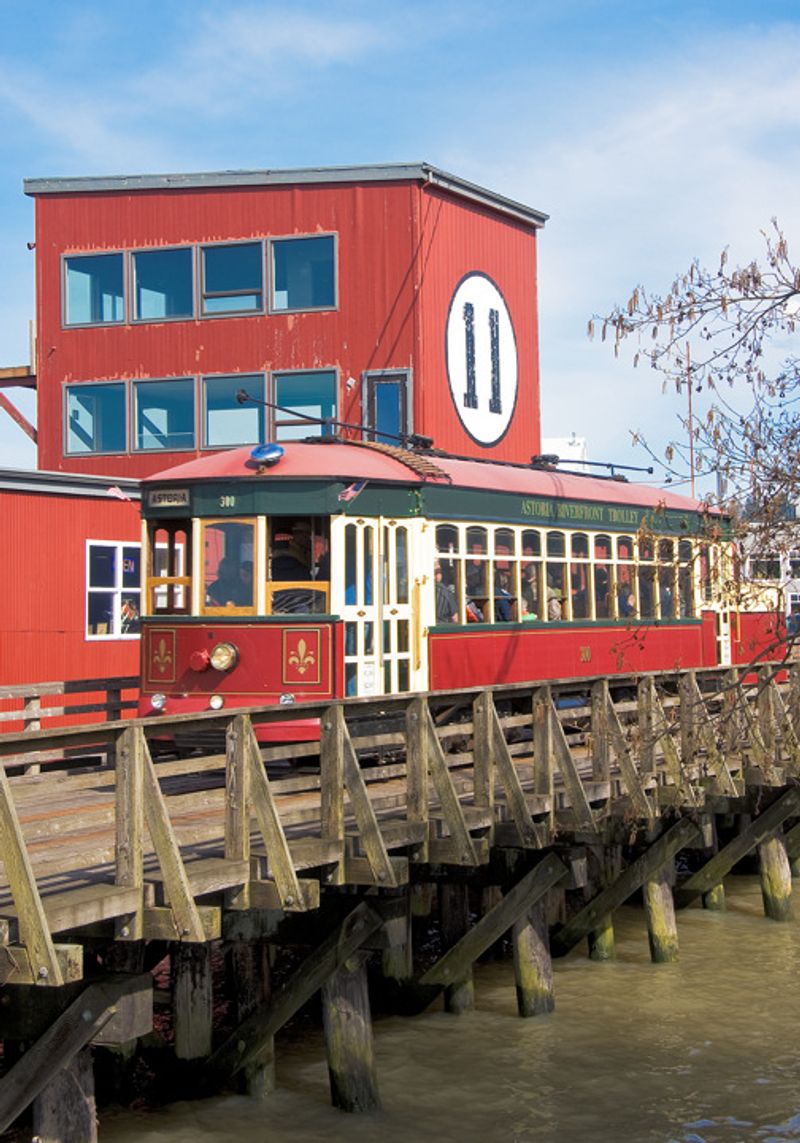
Families with kids tend to love this ride. The pace is slow and safe.
The seats are easy to manage. The narration is entertaining without being over anyone’s head.
Even children who might normally fidget on a tour tend to stay engaged here.
At some stops, kids get to ring the trolley bell. That small moment becomes a highlight for many young riders.
It is hands-on, memorable, and genuinely fun. The guides have a natural way with children, mixing humor into the commentary so everyone laughs together.
Visitors with kids aged ten and twelve noted that even their older children stayed interested the whole trip. That is a genuine achievement for any tour.
The trolley does not talk down to kids or oversimplify. It just tells good stories at a comfortable pace.
Families looking for something low-key, educational, and genuinely enjoyable will find this ride hits every mark without trying too hard. It is just naturally good.
Why the Astoria Riverfront Trolley Deserves a Spot on Your Oregon Itinerary
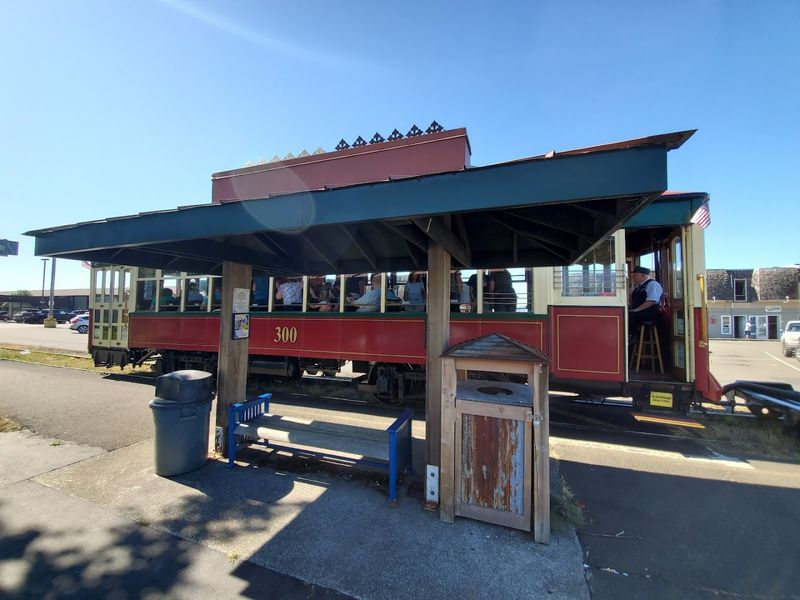
Some travel experiences are impressive because of their scale. This one earns its place for the opposite reason.
The trolley is small, slow, and wonderfully unpretentious. It does not try to dazzle you.
It just shows you Astoria honestly, and that turns out to be more than enough.
The combination of history, scenery, volunteer spirit, and sheer affordability makes it stand out. Not many attractions offer this much genuine character.
Astoria itself is worth a full day or two. The trolley fits naturally into any waterfront itinerary.
Ride it early to get oriented, or save it for the afternoon when the light on the river turns golden. Either way, it will likely become one of those unexpectedly perfect travel moments you talk about long after the trip ends.
Some things just stick with you, and this trolley is one of them.
Address: Astoria Riverfront Trolley, 480 Industry St, Astoria, Oregon
