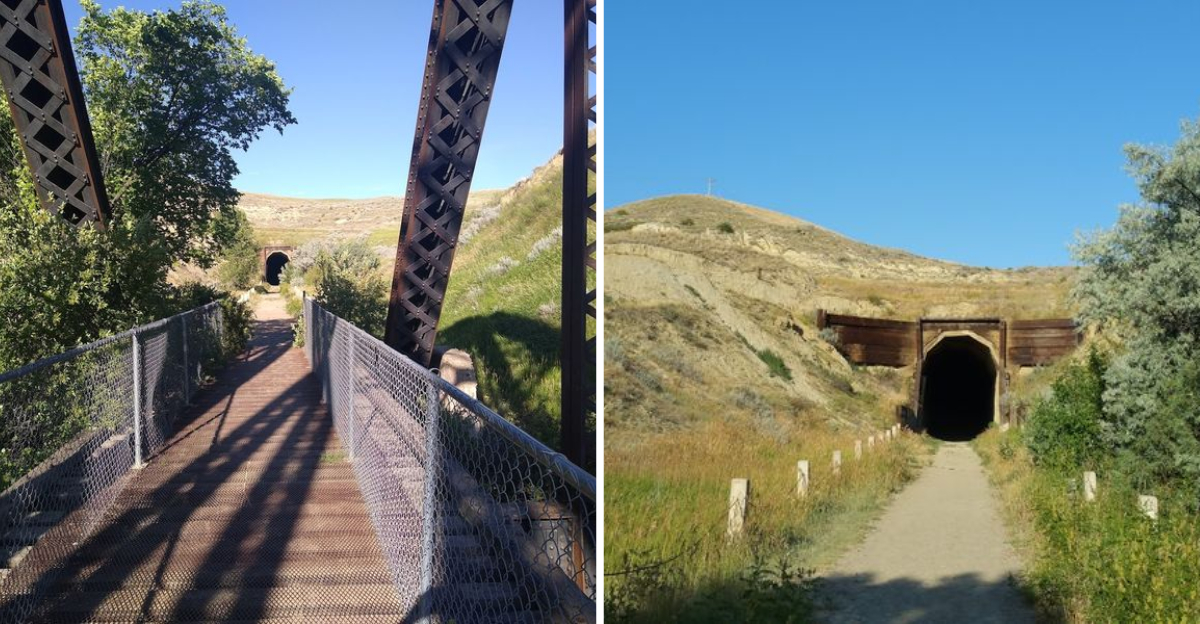
There is a place along the Montana-North Dakota border where history literally swallows you whole. You crawl through a hole in the ground to enter this forgotten railroad tunnel, the only completed one in the state, dug almost entirely by hand between nineteen twelve and nineteen thirteen. The tunnel curves just enough that the middle section goes completely dark.
Not dim, not shadowy, genuinely pitch black. A flashlight is not optional here, it is the difference between a fun adventure and a stumble through sandy, uneven ground. On the other side, a massive iron lift bridge stretches across the river with the kind of confidence that only century old engineering can pull off.
This whole stretch of trail, bridge, and tunnel is free to visit and open around the clock. History, adventure, and a little bit of dark.
The Fairview Lift Bridge: A Century of Iron Over the Yellowstone
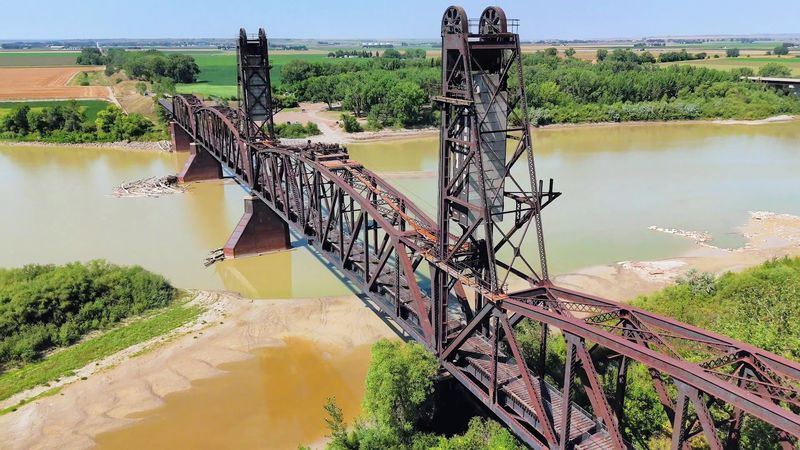
Most bridges just sit there. The Fairview Lift Bridge, though, has a whole story built into every rivet.
Constructed in the early 1910s by the Great Northern Railroad, this massive iron structure was designed to carry both trains and automobiles across the Yellowstone River, though never at the same time. It straddles the border between Fairview, North Dakota and Fairview, Montana in the most matter-of-fact way imaginable.
The liftable center span was engineered to rise for steamboat traffic on the Yellowstone River. In a twist that feels almost poetic, steamboat use on the river declined before the bridge was even finished, so that lifting mechanism was tested exactly once and never needed again.
The counterweights alone tip the scales at around 360 tons of concrete, and you can see them looming above the deck as you walk across.
Automobile traffic stopped using the bridge in 1955 when a dedicated car bridge was built nearby. The last train crossed sometime in the 1980s.
Today the bridge serves as a walking and biking trail, and the wooden deck feels solid underfoot. Sunset here turns the whole river valley gold, making it a genuinely spectacular spot for photography.
The Cartwright Tunnel: North Dakota’s One and Only Railroad Tunnel
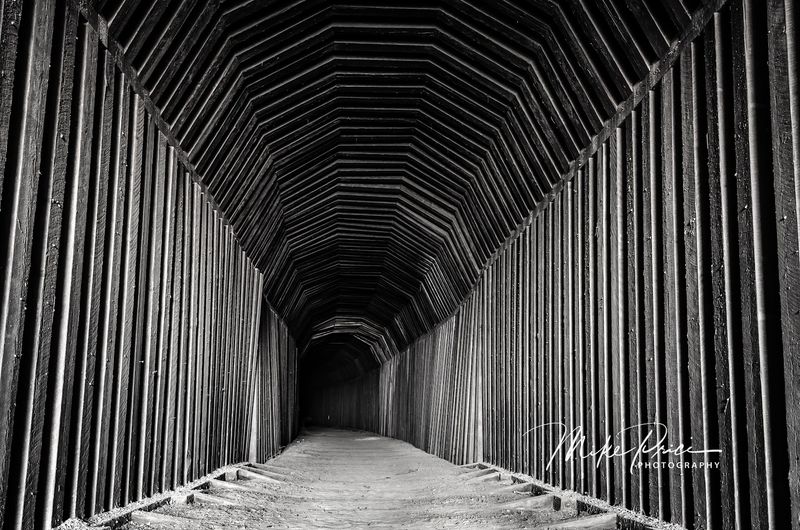
Somewhere between thrilling and slightly unnerving, the Cartwright Tunnel earns its reputation the moment you step inside. Built between 1912 and 1913 as part of the Great Northern Railroad’s unfinished Montana Eastern Railway project, this 1,458-foot-long tunnel was dug almost entirely by hand, with horse- and mule-drawn machinery doing the heavy lifting on tougher sections.
It is the only completed railroad tunnel in all of North Dakota.
The tunnel curves just enough that the middle section goes completely dark. Not dim, not shadowy, but genuinely pitch black.
A flashlight is not optional here, it is the difference between a fun adventure and a stumble through sandy, uneven ground. The timber lining along the walls gives the space an old, earthy smell that makes the history feel surprisingly close.
The western entrance is in solid condition, but the eastern end has shown signs of wear over the years, with restoration efforts helping to stabilize it. There were real concerns around 2017 about the tunnel’s structural future.
Walking through it now, you appreciate both the engineering ambition of the people who built it and the community effort that has kept it accessible. It is genuinely one of a kind.
The Cartwright Trail: Where the Hike Begins and the Views Open Up
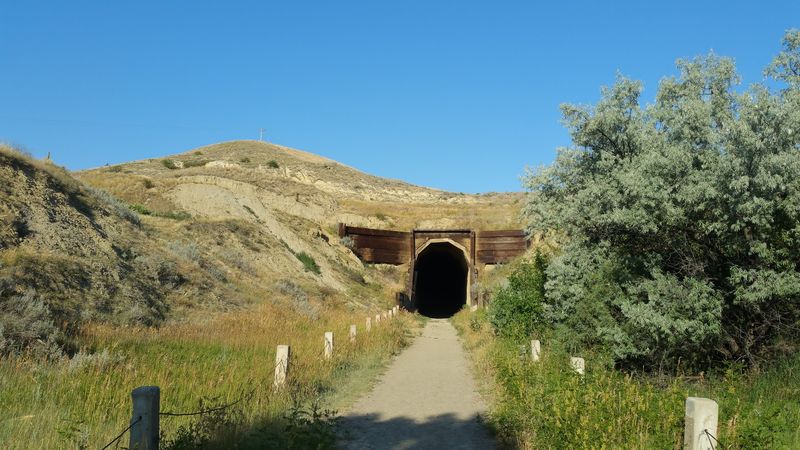
The trail connecting the parking area to the bridge and tunnel is short, maybe 50 yards of slightly uneven ground, but it sets the mood perfectly. The path is dry most of the time, though the eastern end near the tunnel exit can get muddy depending on the season.
It is an easy, accessible walk that families with young kids handle without any trouble.
What makes the Cartwright Trail feel special is not its length but its layers. You move from open sky and river views on the bridge to the cool, dark stillness inside the tunnel, and then back out into sunlight and prairie on the other side.
Each section feels like a different chapter of the same story. The contrast between the wide Yellowstone River valley and the tight, timber-lined tunnel interior is striking in a way that is hard to describe until you experience it yourself.
On the far side of the tunnel, a longer trail continues into the surrounding landscape. Mosquitoes can be aggressive near the eastern exit in warmer months, so bug spray is worth packing.
The whole out-and-back route, bridge included, makes for a relaxed half-day outing that leaves you with a lot to think about on the drive home.
History Carved by Hand: How the Great Northern Railroad Built This Tunnel
There is something almost hard to believe about the Cartwright Tunnel when you learn how it was made. Workers dug 1,458 feet through solid earth and rock between 1912 and 1913, relying mostly on manual labor, blasting materials, and teams of horses and mules.
No giant boring machines, no modern automation, just people with tools and a deadline.
The tunnel was part of an ambitious plan by the Great Northern Railroad to extend the Montana Eastern Railway through this corner of the region. The project was ultimately left unfinished, which is part of why the tunnel feels so forgotten.
The railroad never fully used what it built here, and the infrastructure was eventually left to the elements and to local memory.
That history gives the tunnel a melancholy edge that you can feel inside it. The timber lining along the walls is original in many sections, and the curve of the passage makes it feel like the builders were working with the land rather than against it.
Knowing that the tunnel was dug almost entirely by hand makes every foot of it feel earned. It is the kind of place that makes you slow down and actually think about the people who came before you.
What to Bring and How to Prepare for Your Visit
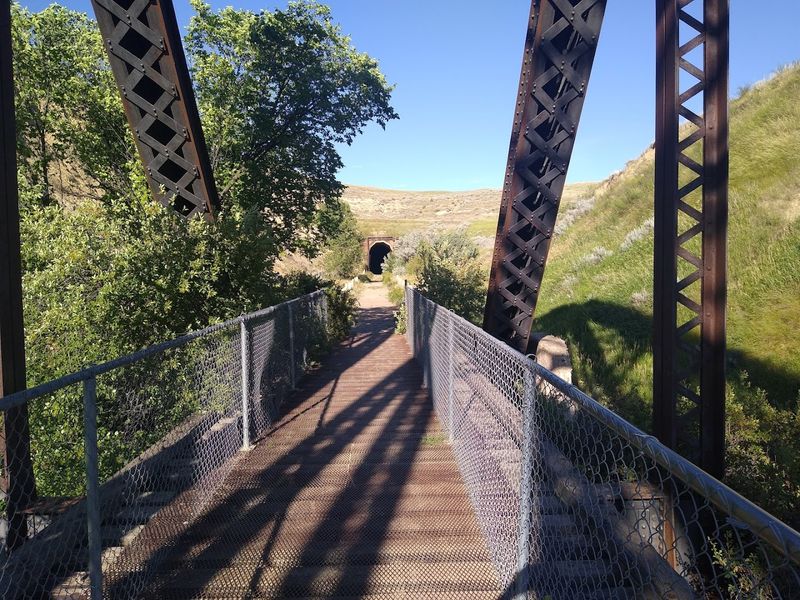
A flashlight is the single most important thing to pack for this trip. The curve in the Cartwright Tunnel creates a stretch of total darkness in the middle section, roughly 100 feet where you genuinely cannot see a thing without a light source.
A phone flashlight works in a pinch, but a proper handheld torch gives you better confidence on the sandy, sometimes uneven tunnel floor.
Bug spray belongs in your bag too, especially if you plan to explore the trail on the eastern side of the tunnel. Mosquitoes congregate near the exit during warmer months, and they are not shy.
Comfortable walking shoes with decent grip are a smart choice since the path to the tunnel and the bridge deck itself can have some rough patches.
The site is open 24 hours a day, every day of the week, which makes it tempting to visit at night for a truly atmospheric experience. One visitor even made the trek through at midnight and found it unforgettably spooky in the best possible way.
There is no admission fee, so the only real cost is the drive. Bring water, charge your flashlight, and give yourself more time than you think you will need because this place has a way of making you linger.
The Park, the River, and the Disc Golf Course You Did Not Expect
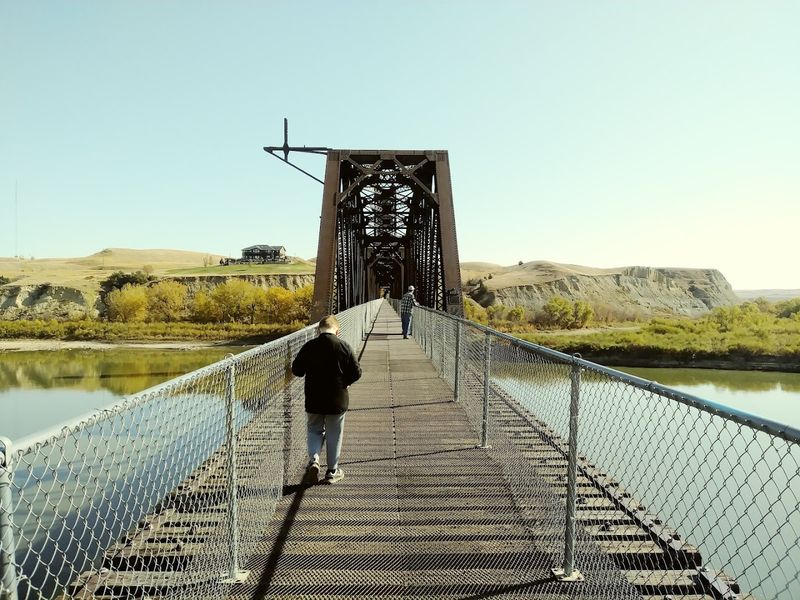
The area around the Fairview Lift Bridge is more than just the bridge and tunnel. A small park surrounds the parking area with some genuinely impressive trees, the kind of tall, shady specimens that make a summer afternoon feel like a reward.
The Yellowstone River runs alongside, calm and wide, with a boat launch ramp where locals fish and occasionally swim.
There is also a disc golf course on the grounds, which caught me completely off guard. It adds a relaxed, recreational layer to what could otherwise feel like a purely historical stop.
Families show up here for multiple reasons, some to hike and explore, others to throw a disc or launch a kayak, and the vibe is always easy and unhurried.
The corn fields surrounding the area add a distinctly Great Plains texture to the scenery, especially in late summer when everything turns golden. Sunset visits are particularly rewarding because the bridge and river catch the light in a way that looks almost too cinematic to be real.
The parking area is rough and unpaved, so low-clearance vehicles should take it slow on the approach. Despite the occasional graffiti on the bridge structure, the overall atmosphere is peaceful, scenic, and genuinely worth the detour.
Why This Forgotten Corner of North Dakota Deserves More Attention
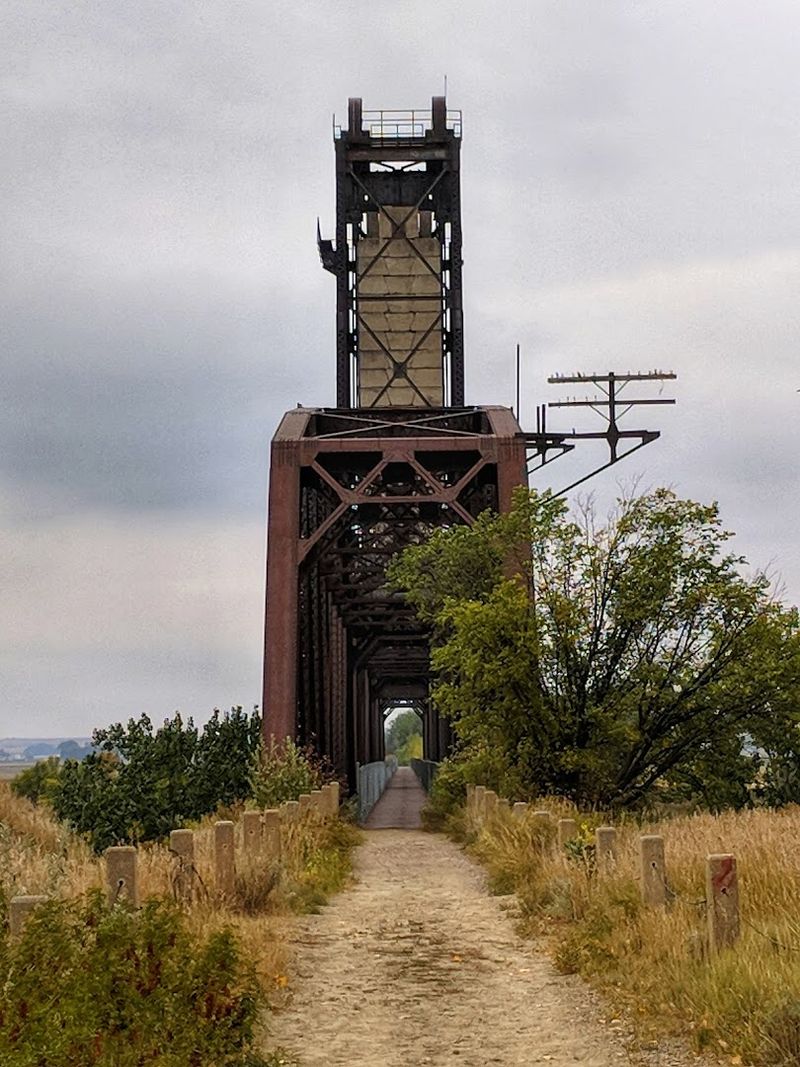
Places like the Fairview Lift Bridge and Cartwright Tunnel tend to get overlooked because they do not come with a big marketing budget or a famous name attached. They just sit there, doing their quiet thing, waiting for the right kind of curious traveler to show up.
The fact that this site holds North Dakota’s only completed railroad tunnel and a fully walkable 100-plus-year-old lift bridge, all for free, feels almost absurd.
The community around Fairview clearly cares about preserving what is here. Restoration efforts on the tunnel’s eastern entrance, ongoing maintenance of the bridge walking surface, and the active Friends of the Fairview Bridge group on social media all point to people who want this place to survive and be enjoyed.
That grassroots energy gives the site a warmth that manicured tourist attractions rarely manage.
Visitors consistently rate the experience at 4.8 out of 5 stars, and the reviews read less like formal critiques and more like excited texts to a friend. Words like “free jewel,” “one of the coolest bridges,” and “unlike anything in the state” come up again and again.
This is the kind of place that earns genuine loyalty. North Dakota has more surprises than most people expect, and this one is among the best.
Address: ND-200, Fairview, MT 59221
