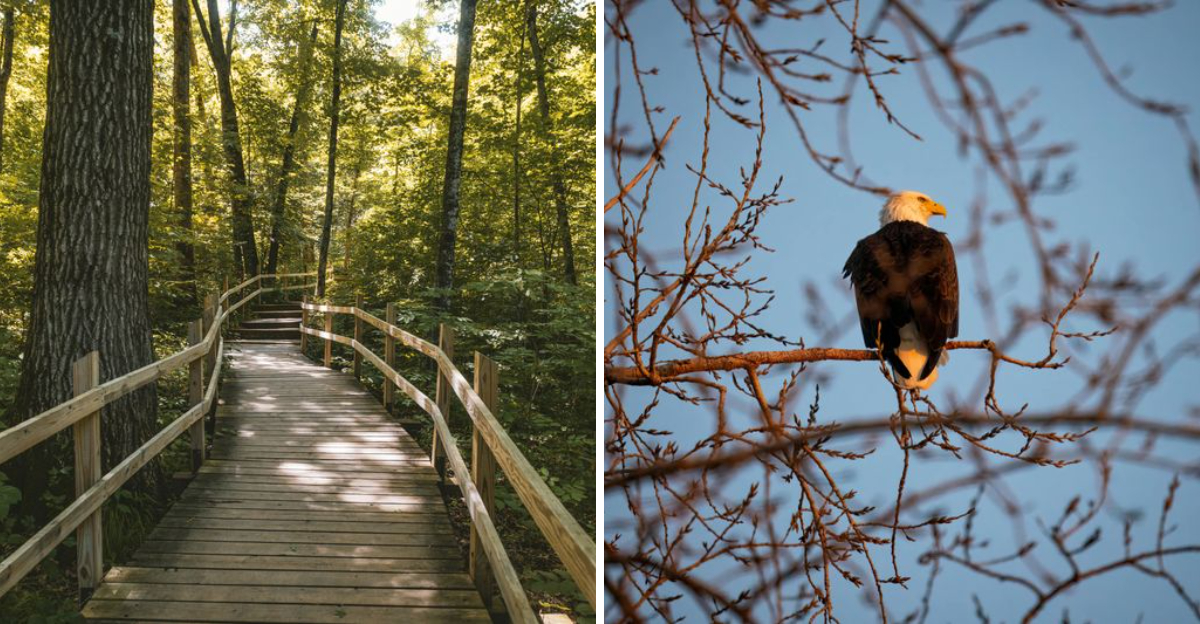
The highway noise fades after just a few steps onto the boardwalk. That is the magic of this place.
Minnesota has a hidden path less than a mile from the road where the birds completely ignore you. Herons stand in the shallow water, focused on fish, not on humans.
Ducks paddle so close you could almost touch them if you tried. Red winged blackbirds perch on cattails and sing like you are not even there.
The boardwalk keeps your feet dry while you wander through a marshy world that feels miles from civilization. Frogs plop into the water as you approach, then immediately forget and pop back up.
You could stand still for ten minutes and the birds would go right back to their business. No binoculars needed, just a little patience and quiet feet.
The Boardwalk That Changes Everything
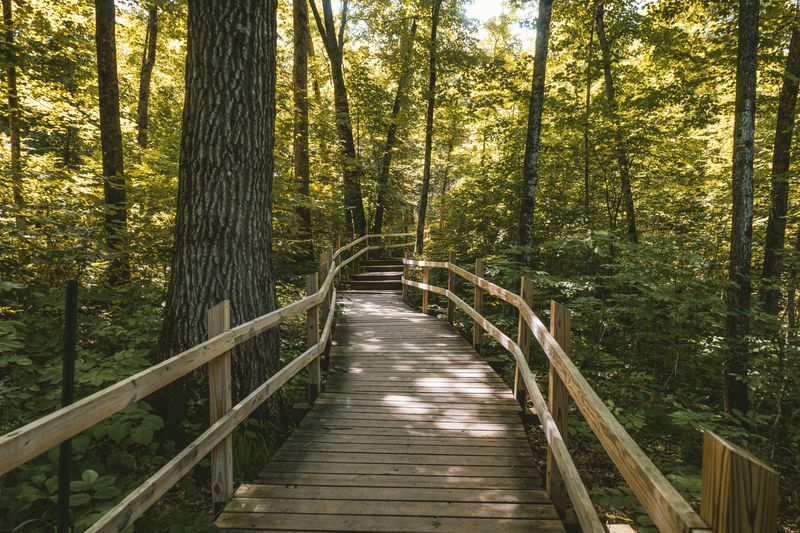
Stepping onto the boardwalk at Caron Park feels like crossing a threshold. The wooden planks are worn smooth.
They carry you over soft, wet ground without disturbing a single root below.
The boardwalk is short but meaningful. It stretches through a low, marshy section of the trail where the soil stays damp most of the year.
Without it, this part of the park would be nearly impossible to walk through comfortably.
Birds seem unbothered here. Yellow warblers and song sparrows perch on nearby branches just feet away.
They do not flush or scatter when you move slowly.
The planks creak just a little underfoot. That small sound actually helps you slow your pace.
You start watching your step, and then you start watching everything else around you too.
It is one of those simple park features that quietly makes the whole experience better. Most people walk past without thinking about it.
But the boardwalk is what makes this corner of the park feel truly wild.
How Close the Highway Really Is
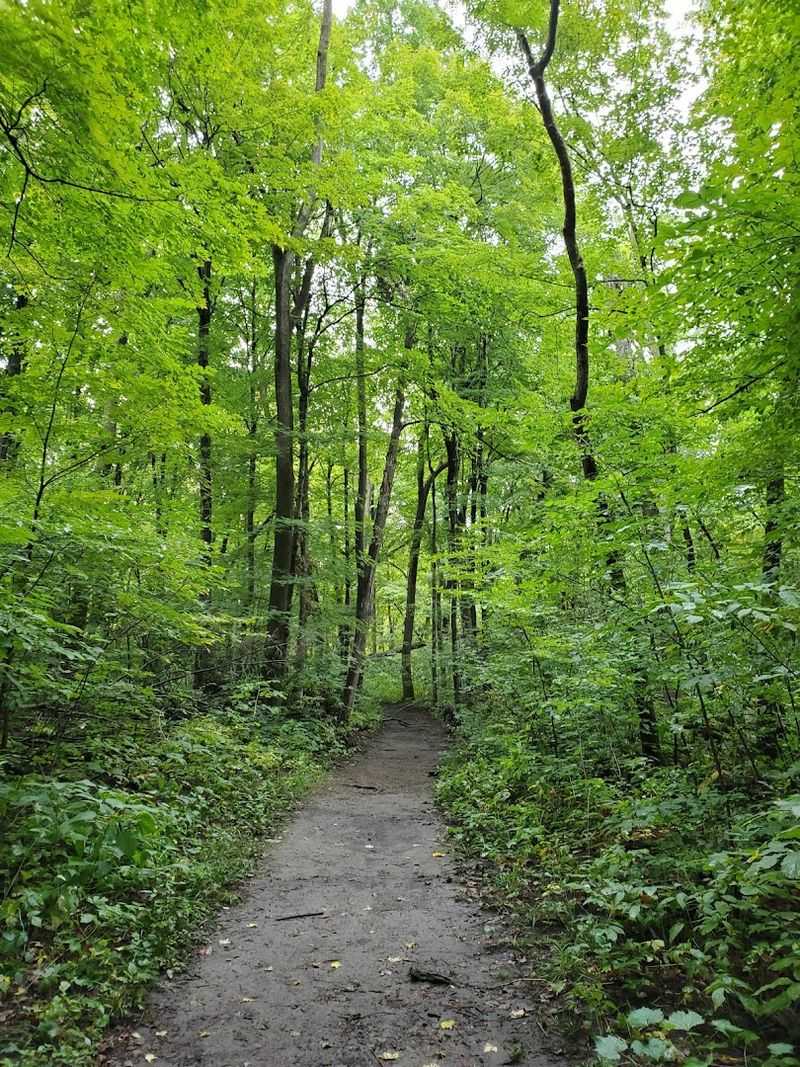
The highway is less than a mile away. That fact still surprises me every time I think about it.
Standing on the trail, you would never believe it.
Sound travels differently through dense tree cover. The canopy at Caron Park is thick enough that road noise fades into a low hum.
Within two or three minutes of walking, that hum disappears entirely.
It is a strange kind of magic that happens in wooded parks near busy roads. The trees act like a wall.
They absorb the chaos outside and replace it with birdsong and rustling leaves.
Caron Park sits just west of Nerstrand State Park. Travelers often visit both in the same afternoon.
But Caron draws far fewer visitors, which means more quiet for everyone who finds it.
The proximity to the highway actually makes this park more impressive, not less. It proves that you do not need to drive deep into the wilderness to find real stillness.
Sometimes it is hiding just off the exit ramp.
Birds That Forget You Are Standing There
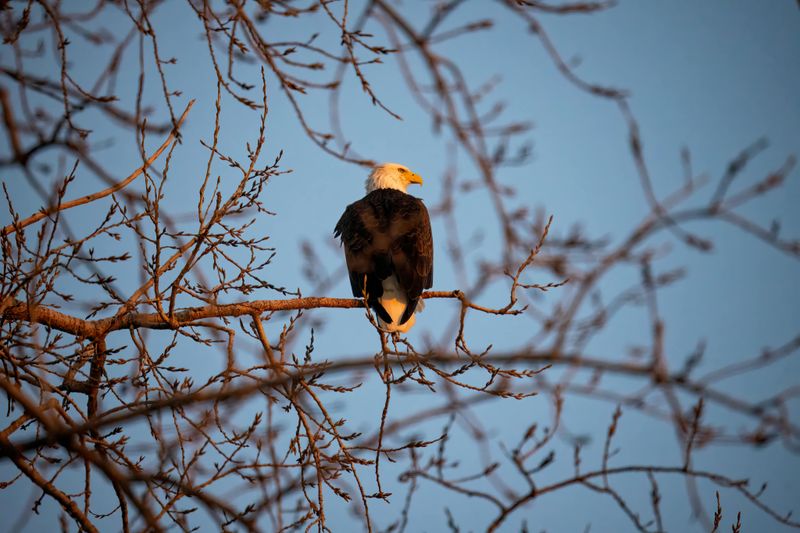
There is something almost unreal about a bird that ignores you completely. At Caron Park, it happens more often than you would expect.
The wildlife here seems genuinely comfortable around slow, quiet visitors.
Owls have been heard calling to each other from the treetops during evening visits. Red-winged blackbirds claim their territories loudly near the wetter sections of trail.
Woodpeckers tap steadily in the background like a rhythm you start to count on.
The low visitor numbers play a big role in this. Animals in heavily trafficked parks learn to stay far from people.
Here, the birds have had fewer reasons to develop that kind of wariness.
Moving slowly makes a real difference. Stopping at the edge of a clearing and simply waiting rewards you quickly.
A chickadee might land on a branch at arm’s length. A nuthatch might spiral down a nearby trunk without missing a beat.
Bringing binoculars adds a whole new layer to any visit.
The Waterfall You Hear Before You See It
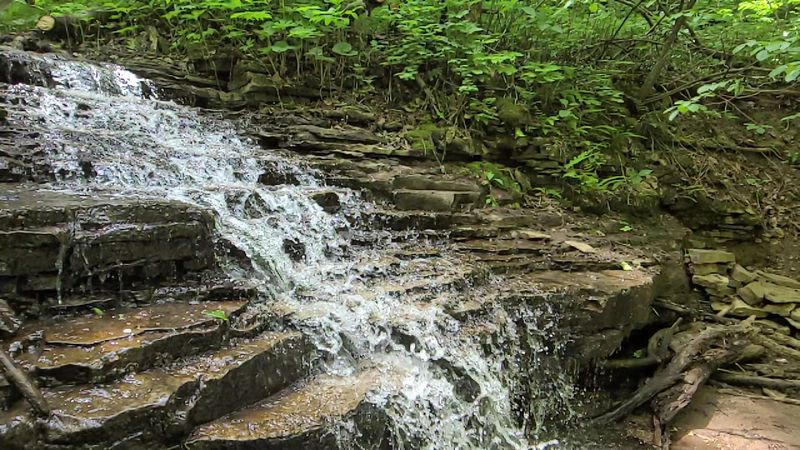
You hear the waterfall before it comes into view. The sound of water moving over rock is faint at first.
Then it grows steadily louder as the trail curves downward toward the creek bed.
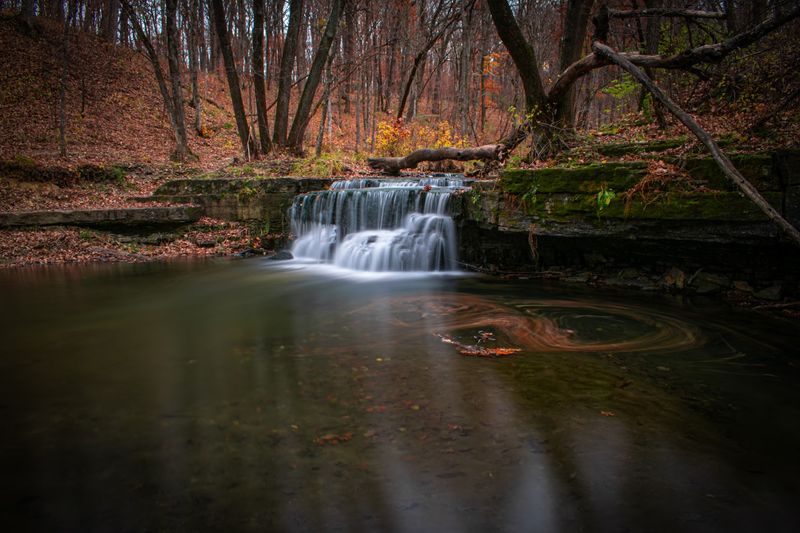
The falls at Caron Park are not dramatic. They are the kind of waterfall that makes you exhale slowly rather than gasp.
Water slides over flat, layered rock and drops into a shallow pool below.
Water levels change with the seasons. Spring visits bring a fuller, louder cascade.
Summer visits offer a quieter trickle that somehow feels even more peaceful. Either version is worth the short walk from the parking area.
A tip worth knowing: the path behind the picnic shelter leads to the falls faster. The longer route behind the outhouse adds distance but more forest scenery along the way.
Both paths eventually meet near the water.
The sound of the falls carries through the trees on calm days. Even if you cannot see it yet, you always know you are getting close.
The Giant Split Rock in the Middle of the Forest
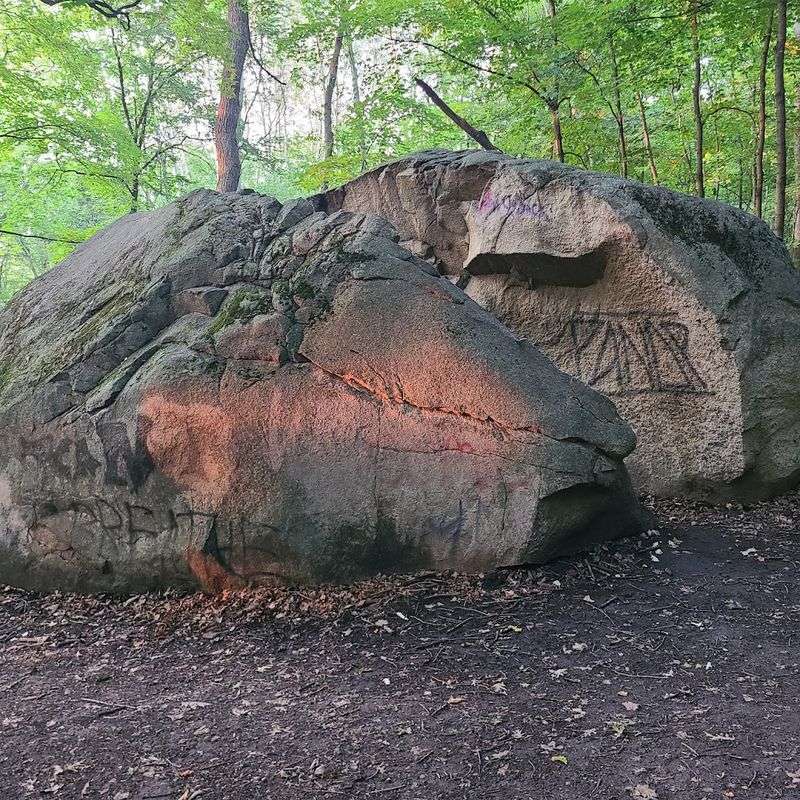
Nothing quite prepares you for the size of it. The giant split rock at Caron Park sits in the middle of the forest like it was placed there on purpose.
It is one of those natural features that stops you mid-step.
The boulder is enormous. It dwarfs the surrounding trees in a way that feels almost surreal.
A crack runs through its center, splitting it cleanly into two massive halves that lean slightly apart.
Geologists would point to glacial activity as the reason it ended up here. Glaciers carried boulders like this one across Minnesota thousands of years ago.
When the ice melted, the rock stayed exactly where it was dropped.
Kids absolutely love it. Climbing around its base, peering into the crack, and touching the rough, lichen-covered surface seems to spark something imaginative in younger visitors.
Adults tend to stand quietly and just stare.
One note: graffiti has appeared on the rock over the years. It is worth visiting anyway.
The sheer scale of the boulder still impresses.
Trails That Work for Every Kind of Visitor
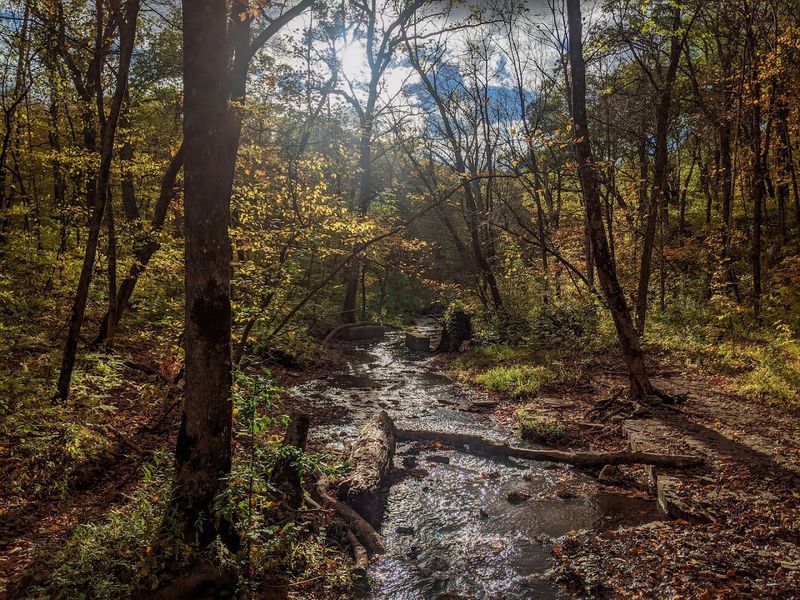
Caron Park does not ask much of you physically. The trails here are rated easy to moderate.
Most of the main paths are short enough to complete in under an hour without feeling rushed.
Families with young children visit regularly. The terrain stays manageable.
There are no steep climbs that would leave little legs struggling or parents carrying tired kids back to the car.
A mountain bike trail also runs through the park. It shares some of the same wooded landscape but takes a different path.
Hikers and cyclists generally coexist without much conflict, though trail markings are minimal in spots.
The total distance available maxes out around two miles of combined trail. That makes Caron Park ideal for a focused nature outing rather than a full-day endurance hike.
You get just enough to feel satisfied without overcommitting.
Footwear matters here. The ground near the creek and falls stays wet throughout most of the year.
The Picnic Shelter and the Slower Pace of Things
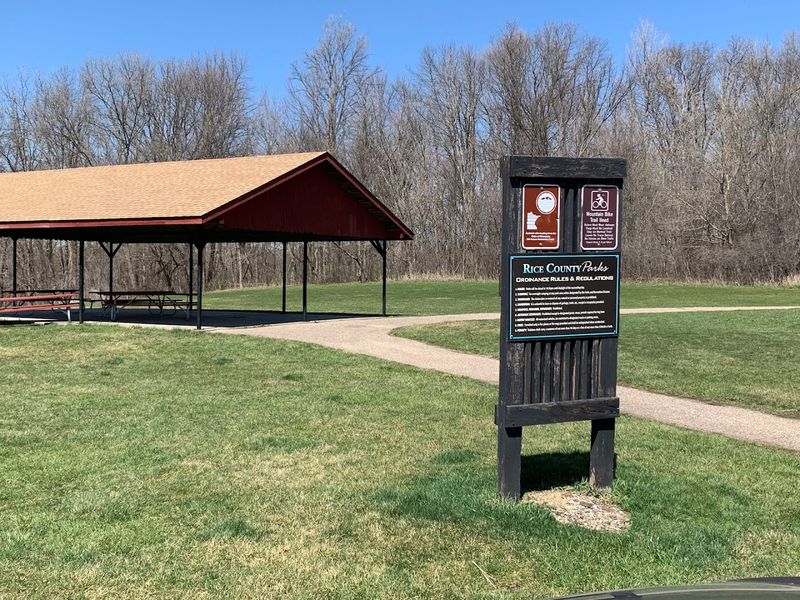
The picnic shelter at Caron Park sits near the trailhead in a small clearing. It is not fancy.
Wooden posts, a simple roof, and a few tables underneath make up the whole structure.
That simplicity is actually the point. Nothing here competes with the forest.
The shelter gives you a reason to stay longer after your hike instead of immediately heading back to the car.
Bringing food to eat here is genuinely one of the better ideas for this park. Sandwiches, fruit, and something cold to drink turn a quick nature stop into a proper afternoon.
The shade from surrounding trees keeps the shelter comfortable even on warm days.
Dogs are welcome at Caron Park. The quieter trails mean fewer encounters with other animals.
With fewer crowds around, leash rules relax on the open sections of trail, giving dogs room to roam more freely.
Sitting at one of the picnic tables and just listening is underrated. Wind moves through the canopy above.
What a Fall Visit Looks Like Here
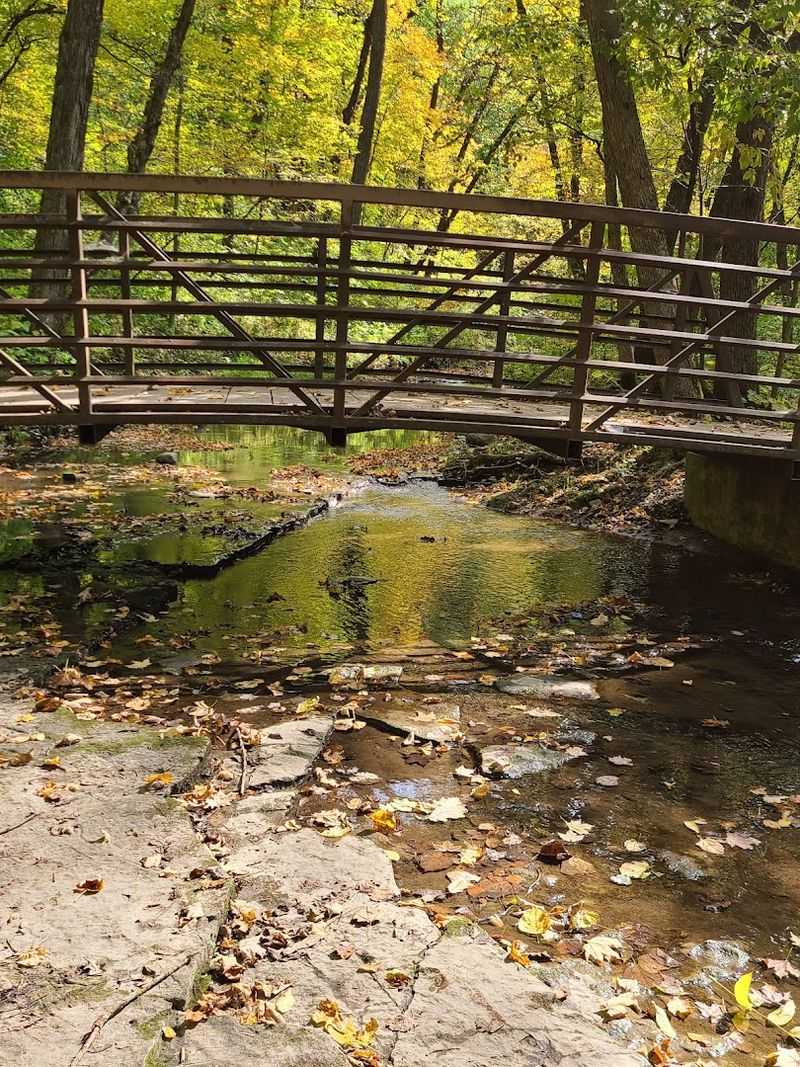
Autumn transforms Caron Park into something that feels almost theatrical. The maples and oaks shift into deep reds and bright oranges.
The contrast against the dark creek water below is genuinely striking.
Fall is widely considered the best season to visit. Cooler temperatures make the hike more comfortable.
Insects thin out. The light through the trees takes on that warm, low-angle quality that makes every photo look effortless.
The waterfall tends to run a bit fuller in early fall after late summer rains. Leaves collect along the creek banks and drift slowly downstream.
Standing near the falls during a quiet October morning is one of those experiences that sticks with you.
Fewer visitors show up in autumn compared to the summer rush. The trails feel even more personal.
You might spend twenty minutes at the falls without seeing another person arrive.
Layering up is smart. Mornings in October near Faribault can be sharp and cold.
The Creek You Can Actually Wade Into
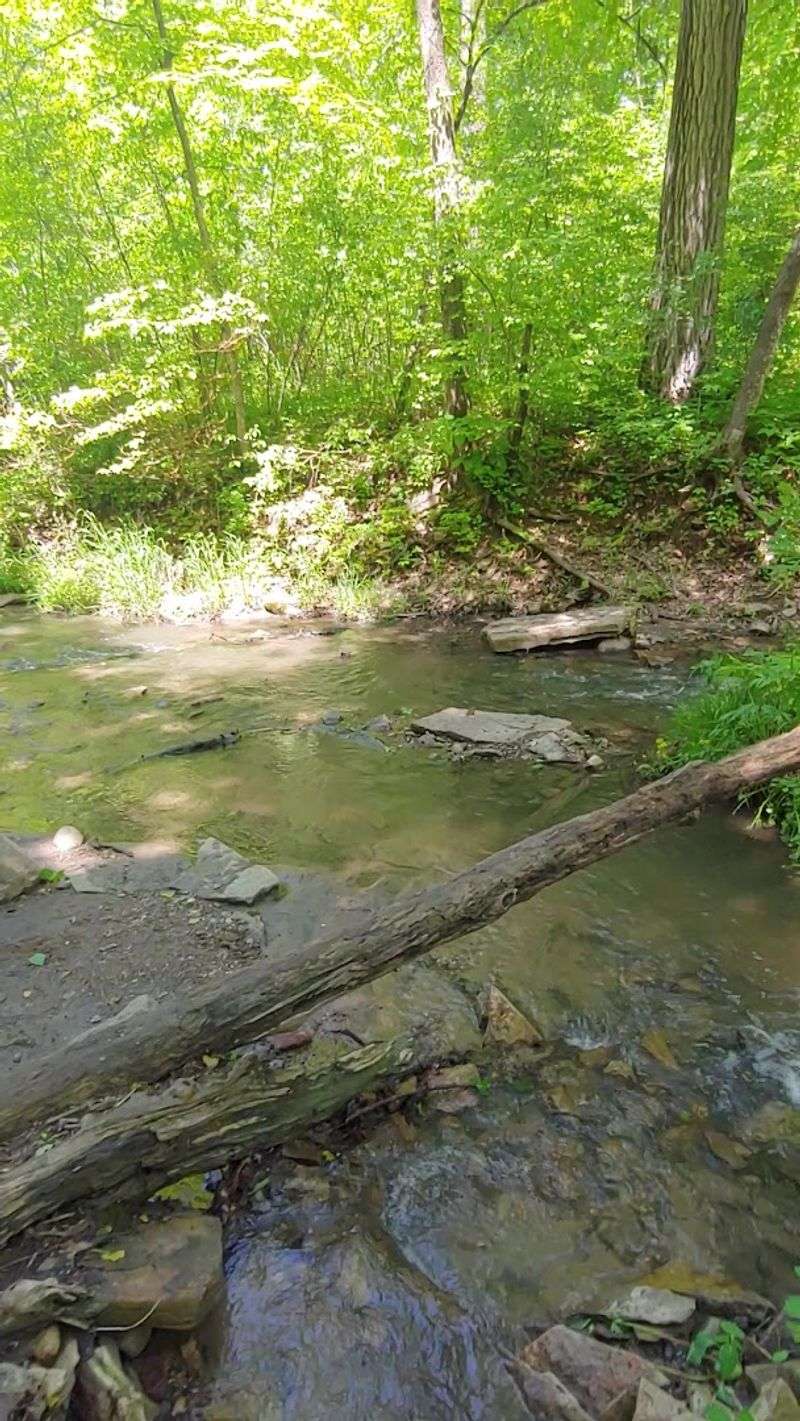
The creek at Caron Park is shallow and clear. You can see the bottom easily.
Smooth stones line the bed, and the water moves at a calm, unhurried pace through most of the lower trail area.
Wading is absolutely part of the experience here. Kids wade in without hesitation.
The water stays cool even in midsummer, which makes it a genuinely refreshing stop on a hot afternoon hike.
Bringing a towel is one of those small tips that makes a big difference. You will almost certainly want to step in.
Having something dry waiting at the car means you leave comfortable rather than dripping.
The creek connects the broader landscape of the park. It feeds the waterfall downstream and creates the wet, boggy sections that the boardwalk crosses above.
Following it by ear is one of the easiest ways to navigate the lower trail.
Summer visits to this creek feel playful and relaxed. There is no pressure to keep moving.
Sitting on a dry rock at the water’s edge and watching the current pass is perfectly valid as a park activity here.
Why Caron Park Keeps Pulling People Back
Parks that earn repeat visits usually have something intangible working in their favor. Caron Park has it.
The combination of a short drive, easy access, and genuine wildness keeps people returning season after season.
Quiet. Peaceful.
Underrated. Those words appear again and again from people who stumbled onto the park and then made it a habit.
The park opens at 6 AM every day of the week. Early morning visits reward you with mist rising off the creek and birds at their most active.
Evening visits before the 10 PM closing bring a different kind of stillness as the light fades through the trees.
Getting here is simple. The address is 6816 170th St E, Faribault, MN 55021.
A short drive from the highway puts you in the parking lot. Ten steps down the trail, and the highway is already forgotten.
