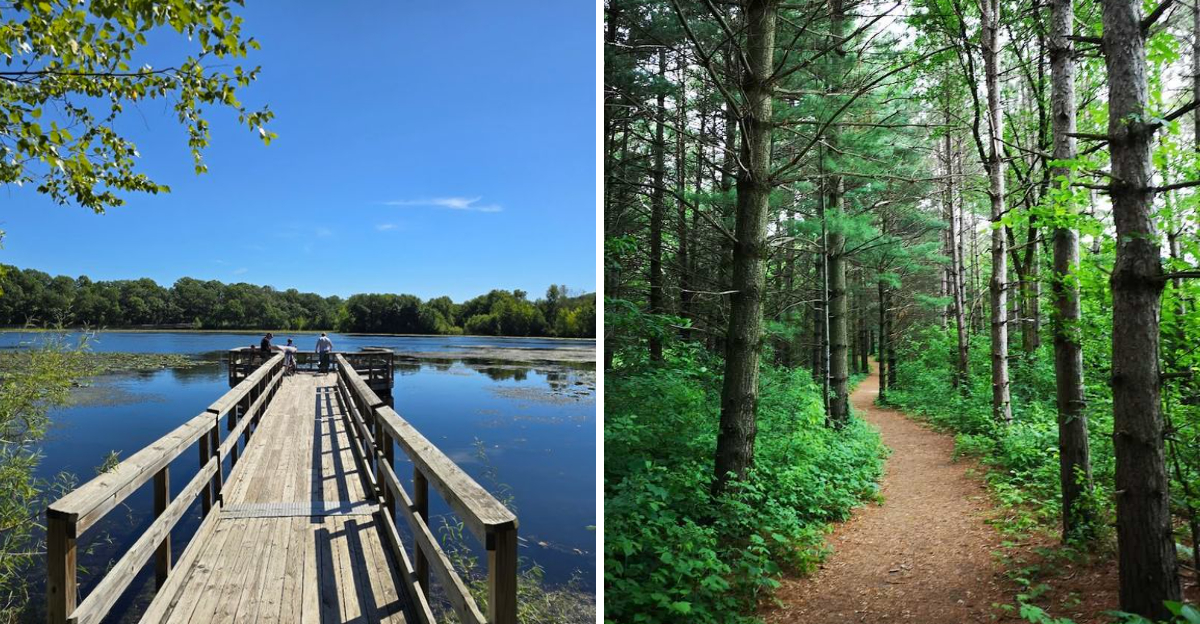
The pines grow so thick that sunlight filters down in thin green ribbons. Minnesota has a trail where the woods play games with your ears.
You walk along the path, the only sound being your own footsteps on soft ground. Then a low rumble echoes between the trunks, deep and unfamiliar.
You stop walking and hold your breath. It sounds again, and you could almost swear it was a lion.
No mountain lions live here officially, but the forest plays tricks on the mind. A train miles away, wind through a hollow log, or just your imagination running wild.
Either way, the hair on your neck stands up. You walk faster but also slower because you want to hear it again.
The Pine Trail Experience
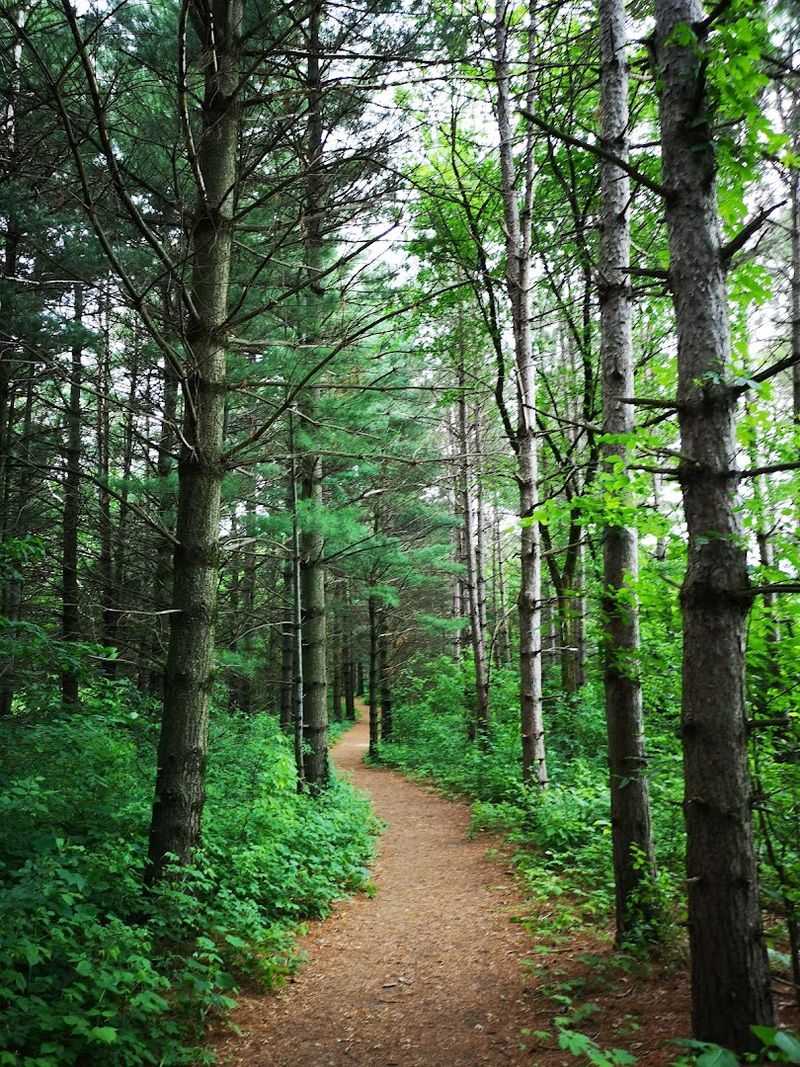
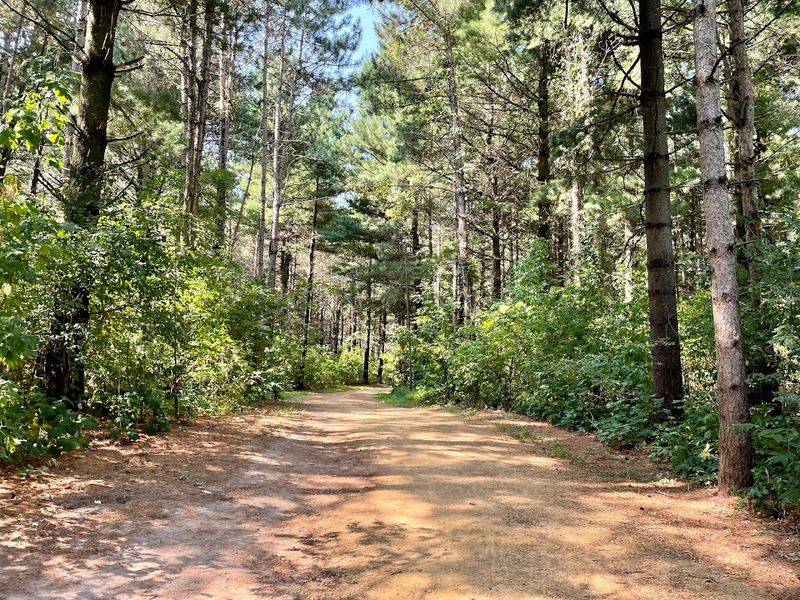
Walking this trail feels like stepping into a different world entirely. The pines stand so tall and so close together that the sky nearly disappears above you.
The silence is almost physical.
Then the wind picks up. It pushes through the needles and produces a deep, resonating moan that echoes between the trunks.
The first time I heard it, I genuinely stopped and looked around. It sounds remarkably like a large animal calling from somewhere just out of sight.
The trail itself is well-marked and manageable for most fitness levels. Numbered markers appear regularly, so getting lost is nearly impossible.
Maps are posted at every intersection, which makes navigation easy and stress-free. The path winds through rolling terrain, giving you small hills that keep the walk interesting.
Pack warm layers and waterproof boots for the best experience on this extraordinary trail.
The Sound That Stops You Cold
That mysterious roaring sound has a perfectly natural explanation, and it makes the experience even cooler once you understand it. Wind passing through densely packed frozen conifers creates a resonance unlike anything you hear in open spaces.
The sound builds, drops, and builds again like something breathing.
It happens most dramatically when temperatures hover near freezing and a steady breeze moves through the park. The frozen needles vibrate differently than green ones, producing lower, fuller tones.
Standing in the middle of it feels genuinely cinematic.
I stood still for a full two minutes just absorbing it once. Nobody around me said a word either.
There is something about a sound that big coming from something invisible that triggers every primal instinct you have. It is not scary exactly, but it is thrilling in a way that most hikes simply are not.
This acoustic phenomenon alone makes a visit to Lebanon Hills worth every cold toe and foggy breath.
Lebanon Hills at 2,000 Acres of Pure Wilderness
Two thousand acres sounds like a number until you are actually inside this park. Then it becomes a feeling.
The trees stretch endlessly, the lakes appear when you least expect them, and the trail network spreads out in every direction like a web.
For a park this close to the Twin Cities, the sense of genuine wilderness is almost shocking. You can walk for an hour and feel completely alone.
The park holds multiple lakes, wooded ridges, open meadows, and wetland areas that shift the landscape constantly as you move through it.
Getting here from downtown Minneapolis takes roughly 25 minutes. That proximity makes it one of the most accessible large natural spaces in the entire metro area.
The park opens daily at 5 AM and closes at 10 PM, giving early risers a peaceful window before the crowds arrive. Morning visits are especially magical, when mist still hangs over the frozen lake surfaces and the trails are fresh and untouched.
Jensen Lake Loop and the Bridge Above the Water
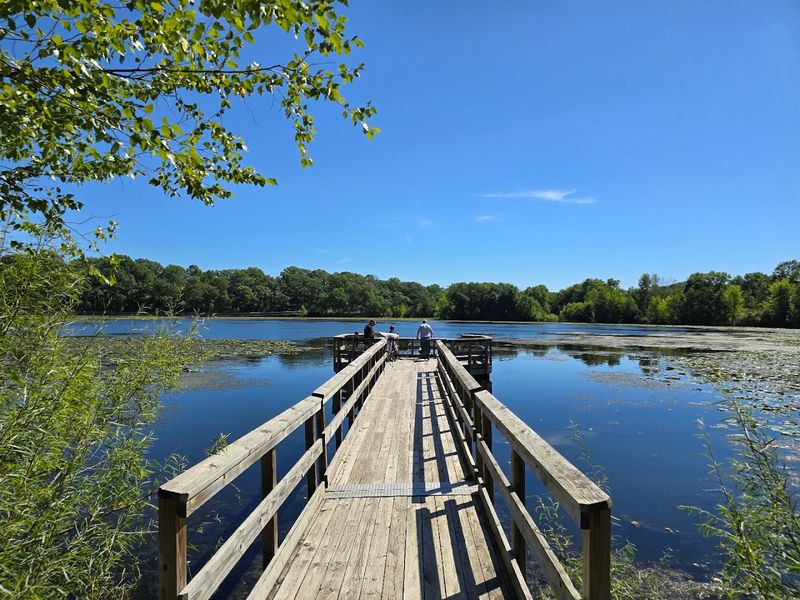
Jensen Lake is the kind of place that earns a long pause. The loop trail around it offers some of the most scenic walking in the entire park, especially when the lake surface turns silver-white and the surrounding trees go skeletal and dramatic.
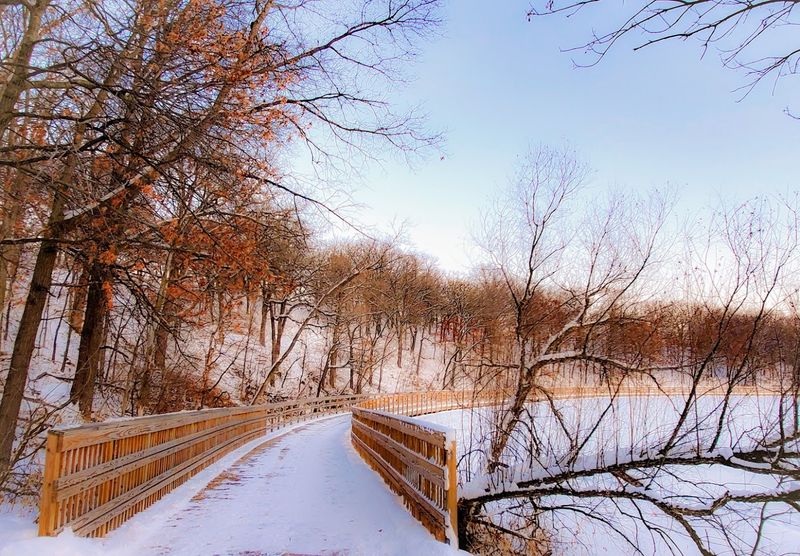
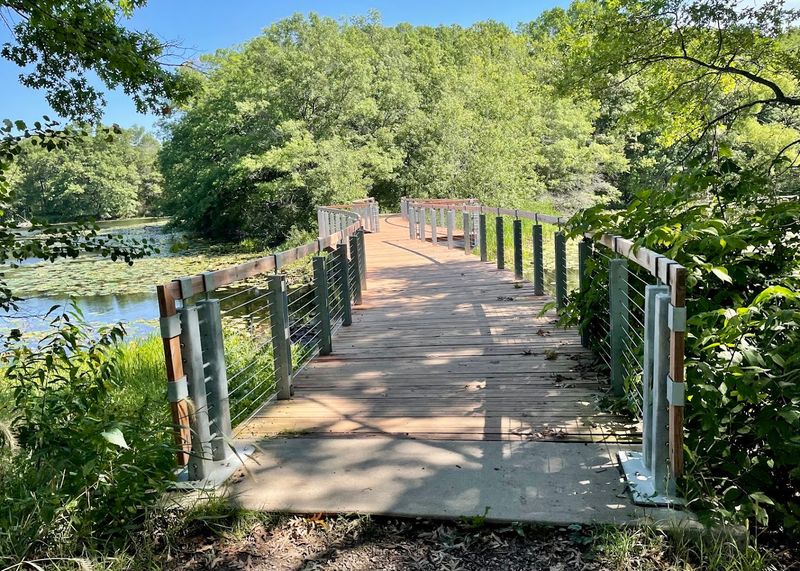
A floating boardwalk section crosses part of the water, and the sensation of walking above a frozen lake on wooden planks is genuinely memorable. The bridge sways just slightly underfoot, which keeps you alert and present in a way that solid ground never quite does.
One visitor noted spotting swans near this area, and bird activity along the lake edges remains impressive even in cold months. Ducks, geese, and various waterfowl find open patches of water and gather there through the season.
The Jensen Lake trailhead also has a water refill station, which is a small but thoughtful detail for longer hikes. Pack a thermos of something warm and take your time on this loop.
Wildlife You Actually See Here

Lebanon Hills is not a zoo, but it sometimes feels like one. White-tailed deer appear with remarkable regularity on the trails, often standing just a few feet away and watching you with total calm.
Wild turkeys strut through open clearings like they own the place.
Turtles emerge in warmer months along the lake edges, and muskrats have been spotted playing in the shallower water sections. Coyotes occasionally appear on the less-traveled paths, usually at dawn or dusk.
Seeing one in the middle of a hike adds a genuine pulse of excitement to the whole experience.
Bird activity here is constant and varied. Ducks, geese, woodpeckers, and songbirds move through the canopy in waves depending on the season.
The bare branches actually make spotting birds easier, which is a nice trade-off for the cold. Bring binoculars if you have them.
The wildlife density at this park consistently surprises first-time visitors who expect a typical suburban greenway and instead find something far wilder.
The Trail Marking System That Actually Works
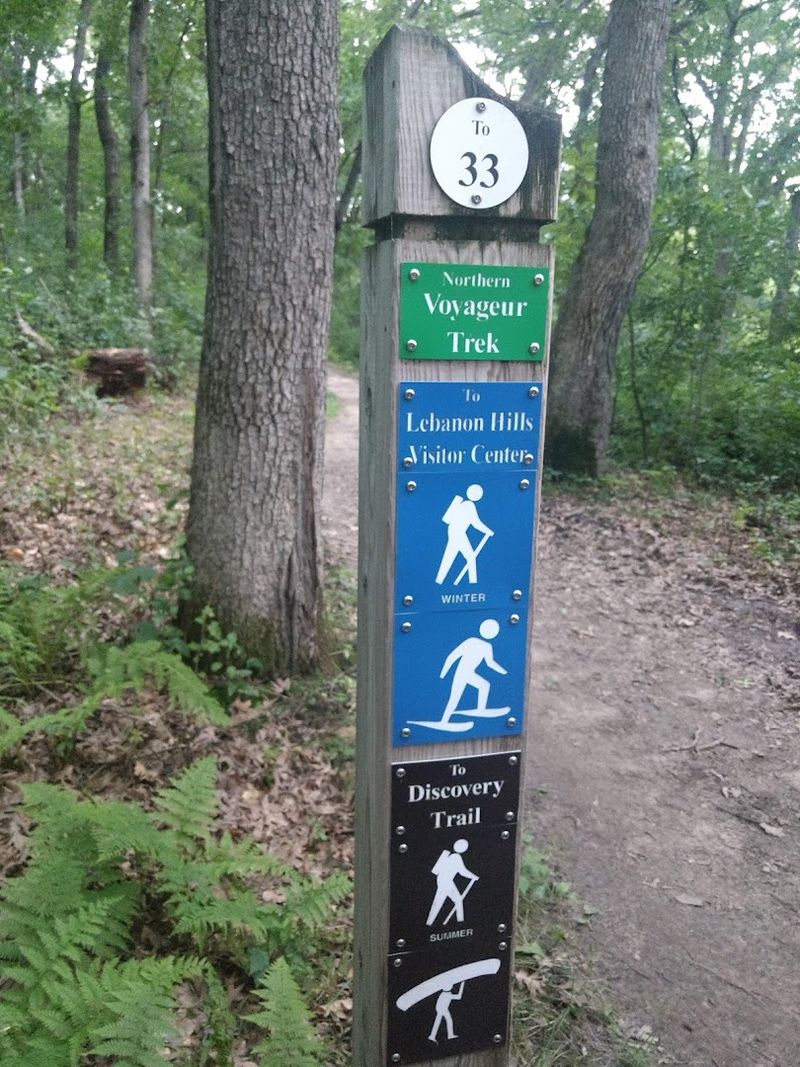
Getting lost in a 2,000-acre park is a real possibility, and Lebanon Hills takes that seriously. The trail system uses numbered markers placed at regular intervals throughout the network.
Matching map boards appear at every major intersection, so you always know exactly where you are.
This system sounds simple, but its execution here is genuinely impressive. The markers are clear, well-maintained, and positioned at eye level.
Even in heavy snowfall, finding your next marker feels intuitive rather than stressful. Several hikers with long-distance running experience have praised the signage specifically, noting they never felt uncertain during 10-mile runs through the park.
First-time visitors often worry about navigating a park this large. The honest answer is that Lebanon Hills makes it easy.
Downloading a trail app as a backup is still smart, but the on-ground signage is reliable enough to stand on its own. The park also has staff who are genuinely helpful and approachable if you need guidance near the visitor center at the start of your visit.
Activities Beyond Hiking
Hiking is just the beginning of what this park offers when temperatures drop. Lebanon Hills runs a programming calendar that includes hikes, kick sledding, and survival skills sessions led by park naturalists.
These programs are genuinely fun for both kids and adults.
One visitor who chaperoned a school field trip described it as the most fun they had experienced on any school outing in years. The naturalists bring real enthusiasm and knowledge to every session.
Snowshoeing through the frozen forest with a guide who can identify animal tracks and explain the ecosystem adds layers to the experience that solo hiking simply cannot match.
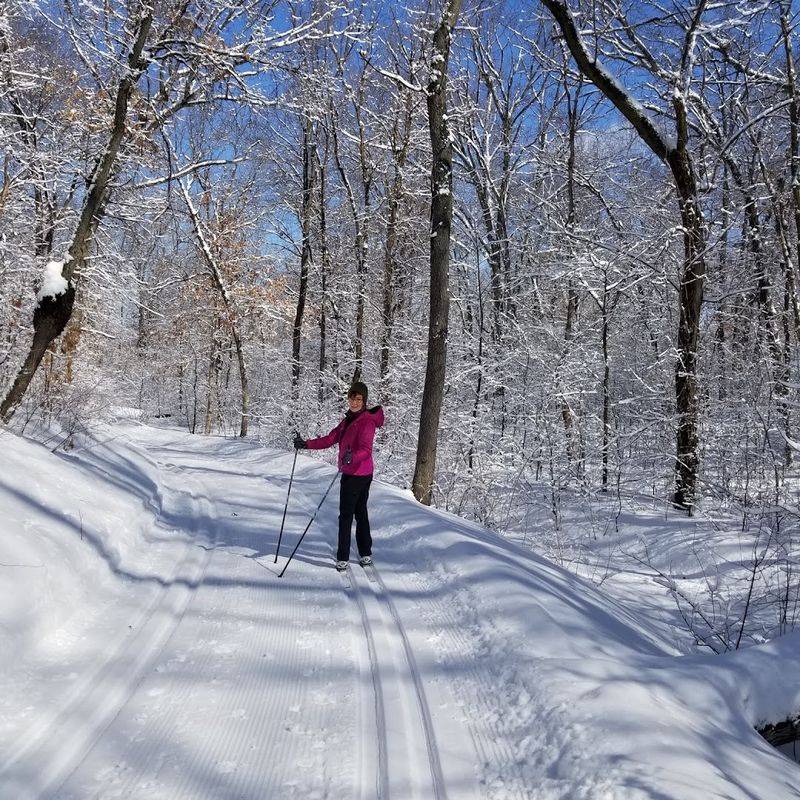
Cross-country skiing is also popular here when snow conditions cooperate. The rolling terrain creates natural variety in the ski trails, mixing flat gliding sections with gentle climbs and descents.
Equipment rental is available through the visitor center or can be reserved online in advance. Visits to Lebanon Hills reward the cold-weather adventurer with an experience that feels genuinely distinct from any other season in the park.
Lake McDonough and the Water Lily Secret
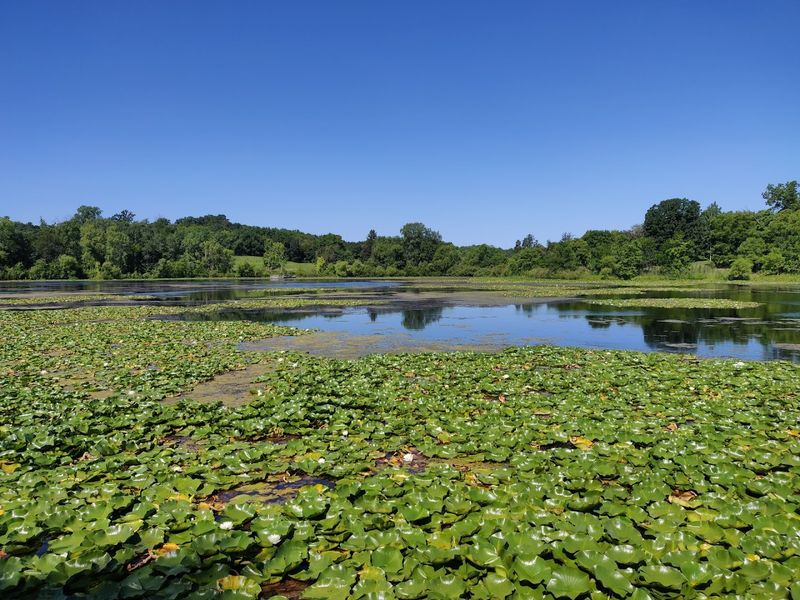
Lake McDonough sits quietly inside the park, and most people walk right past it without realizing what it holds. In August, white water lilies bloom across the lake surface in dense, breathtaking clusters.
The effect is almost surreal, like something out of a painting.
Kayakers bring their own boats down to the water to get close to the lily pads, and the experience of paddling through them is described by regulars as genuinely unforgettable. The park also offers kayak rentals near one of the two main parking and picnic areas, making access easier for visitors who do not own gear.
Walking the shoreline trail around Lake McDonough in any season offers beautiful perspectives. The water reflects the surrounding tree line with mirror-like clarity on calm days.
The frozen surface takes on a pale blue-gray tone that feels almost otherworldly. This lake is one of those quiet park features that becomes a personal favorite the first time you discover it, and you will find yourself returning to it every visit after that.
The Visitor Center and What It Offers
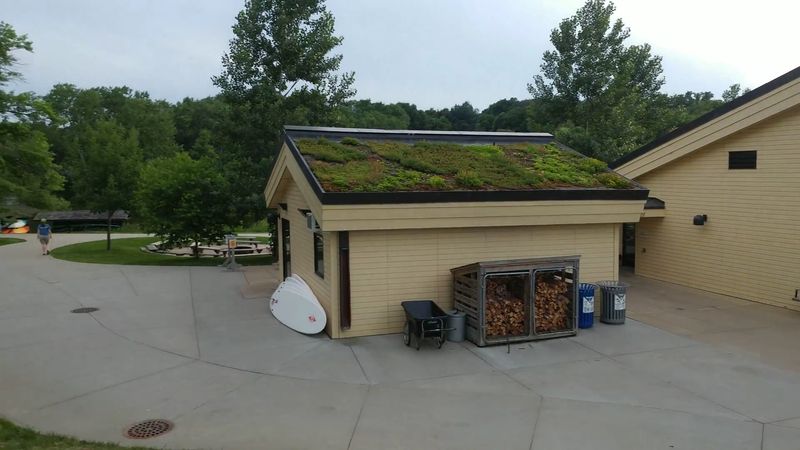
The visitor center at Lebanon Hills is more than just a building with restrooms. It serves as the genuine hub of the park experience, offering water refill stations, equipment rentals, trail information, and staff who actually know the park well.
Arriving here first before heading out on any trail is a smart move.
Restrooms are well-maintained and available near the visitor center, which matters more than people admit when planning a long hike. The facilities here have been praised consistently in visitor feedback, and that level of upkeep reflects the care the park puts into its overall infrastructure.
The visitor center area also sits close to the main beach and swimming zone, which becomes a popular gathering spot in warmer months. Picnic tables, grills, gazebos, and even a fire pit are clustered nearby, making it easy to extend a hike into a full-day outing.
Decks with wheelchair access have been added in recent years, improving accessibility across the park. The whole setup around the visitor center feels thoughtful and genuinely welcoming to a wide range of visitors.
Planning Your Visit to Lebanon Hills Regional Park
Arriving early makes a noticeable difference at Lebanon Hills. The park opens at 5 AM daily, and the early morning hours offer a quieter, more personal experience on the trails.
By midday on weekends, foot traffic picks up significantly, especially near the main trailheads and lake areas.
Parking fills quickly on sunny weekend days, so planning to arrive before 9 AM gives you the best chance of a relaxed start. The park has two main parking and picnic areas, each with its own character and trail access.
Both are clearly signed from the main road and easy to locate on arrival.
Wear appropriate footwear for the season. Visitors should bring microspikes or traction cleats for icy trail sections.
Summer hikers benefit from bug spray, especially near the lake edges and wetland zones. The park is free to enter, which makes it an exceptionally accessible outdoor destination for families, solo hikers, and everyone in between.
Address: 860 Cliff Rd, Eagan, MN 55123.
