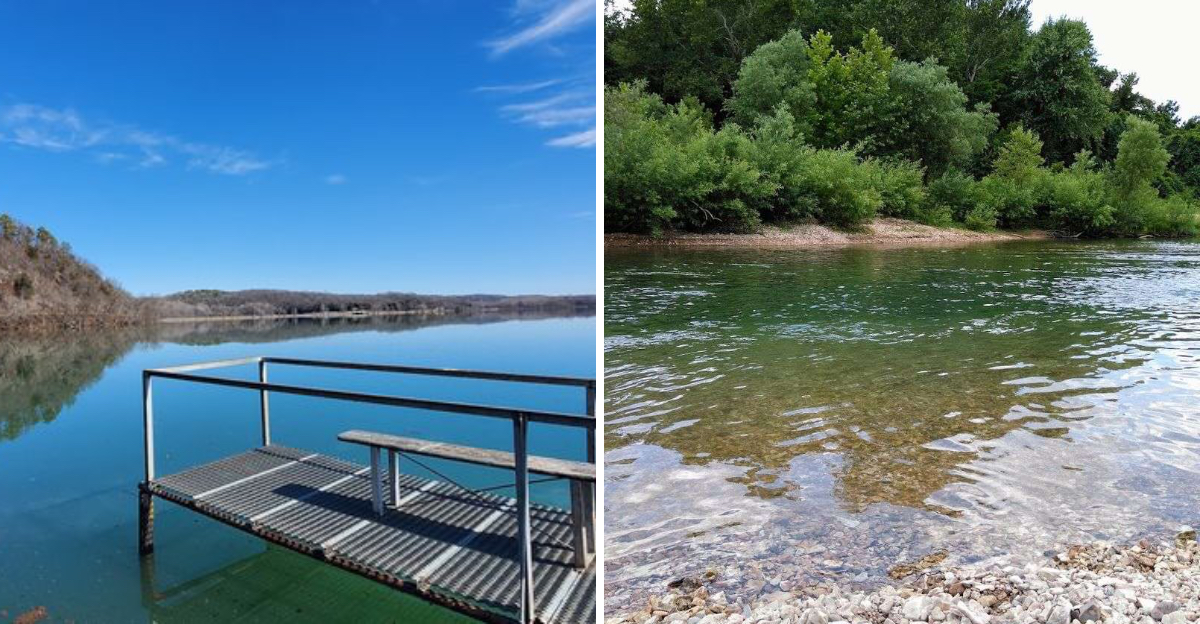
I am used to Oklahoma lakes being a little muddy. You know, that brownish-green water that looks fine from a distance but not super inviting up close.
So when I saw this place for the first time, I actually said “wait, really?” out loud to nobody in particular. The water is clear.
Like, see-the-bottom-at-ten-feet clear. It sparkles in a way that makes you forget you are still in the same state.
I stood on the shore for a good minute just staring at how the light moved through it. Fishing, kayaking, or just floating around.
It all feels better when the water looks this good. Oklahoma has been hiding this one from me for way too long.
I am almost mad about it.
Where Lake Eucha Actually Sits on the Map
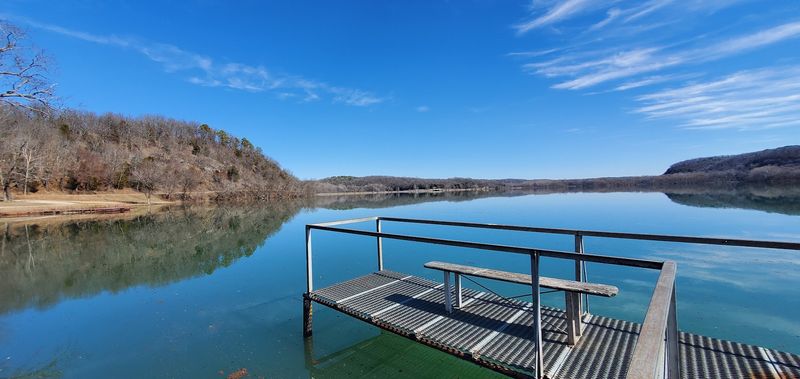
Not every lake earns its reputation through crowds and commercialization. Lake Eucha earns it through sheer, quiet beauty.
The lake is located in Delaware County in northeastern Oklahoma, near the small town of Jay, which sits roughly 20 minutes away by car.
The reservoir was created by damming Eucha Creek, a tributary of the Illinois River. It covers approximately 5,800 acres and stretches across a landscape shaped by the Ozark foothills, giving it a distinctly different feel from the flat-water lakes found elsewhere in the state.
Oklahoma has plenty of lakes, but few sit in terrain this dramatic. Rolling, tree-covered ridges frame nearly every shoreline view.
The surrounding land is largely undeveloped because the City of Tulsa owns and protects the watershed to preserve water quality.
That protection is what gives the lake its famously clear water. Driving into the area, the scenery shifts quickly from open highway to dense woodland.
The roads winding around the lake are narrow and peaceful, and the whole setting feels refreshingly remote without actually being difficult to reach.
The Story Behind the Reservoir’s Creation
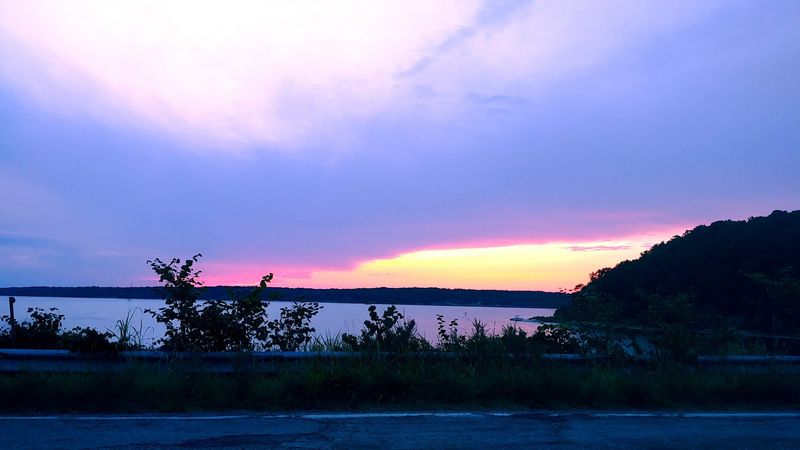
Long before the lake existed, the valley held farms, homes, a general store, and a tight-knit community. When the City of Tulsa built the dam in the 1940s to secure a reliable water supply, that entire community went underwater.
Families who had lived there for generations had to relocate. The submerged history beneath the surface adds a quiet, reflective dimension to every visit.
On especially clear days, some remnants of the old world below can still be glimpsed near the shallows.
The area also carries deep Indigenous history. The Osage people had a strong presence here, and the Trail of Tears passed through this region, leaving a layered cultural legacy that shaped the land long before the dam was ever imagined.
Rock formations along the shoreline contain fossils dating back hundreds of millions of years, and prehistoric artifacts have been found in the area as well. A WPA-built schoolhouse from 1935 now serves as a pavilion at the lake, standing as a tangible connection to the past.
Every stone and cove around Lake Eucha holds a piece of Oklahoma’s long, complicated, and fascinating story.
Crystal Clear Water Sets This Lake Apart
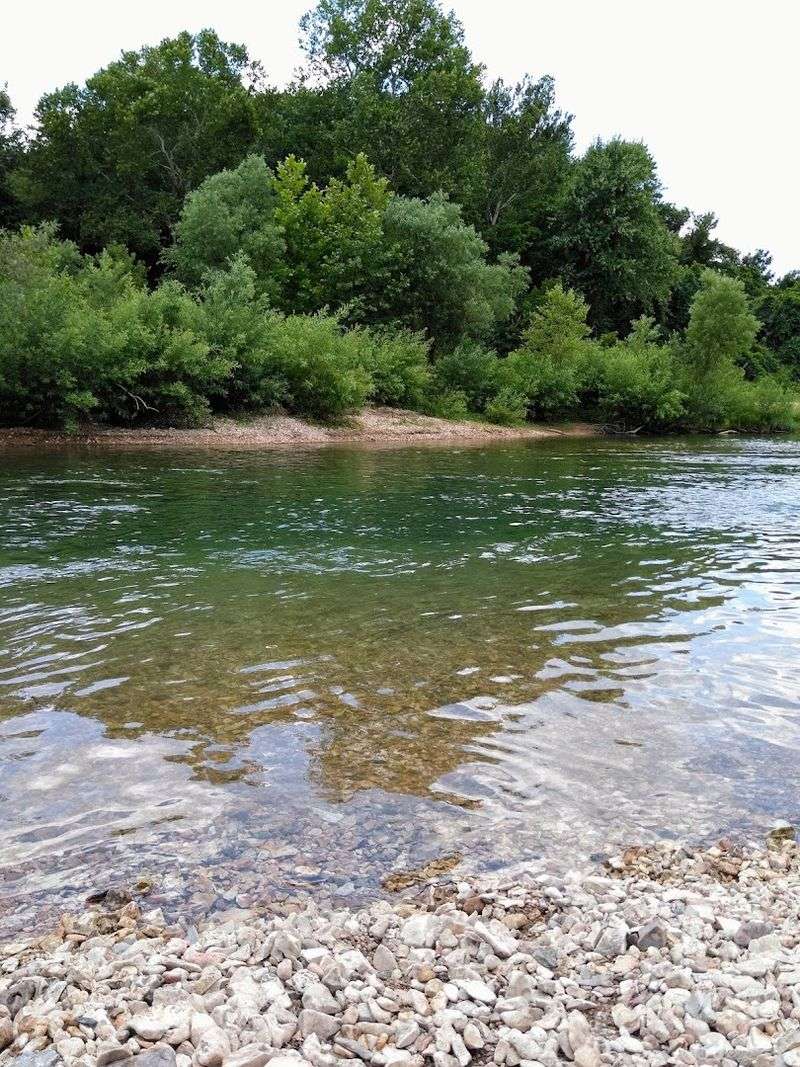
Clarity like this is rare in Oklahoma. Most lakes in the state carry a brownish or greenish tint from sediment, algae, or heavy recreational use.
Lake Eucha breaks that pattern in a way that genuinely surprises first-time visitors.
Because the lake functions as a municipal water supply for Tulsa, strict protections limit development and pollution around the watershed. No industrial facilities crowd the banks.
No dense subdivisions dump runoff into the coves. The result is water that looks almost impossibly clean for an inland Oklahoma reservoir.
Standing at the edge of a rocky cove, you can often see straight down several feet to the lake bottom. The pale limestone and sandstone beneath the surface give the water a faint blue-green tint in certain light conditions, which feels more like the Ozarks than the southern plains.
This clarity also benefits fishing. Anglers can spot fish activity near structure and rocky points in ways that murkier lakes simply do not allow.
Whether you are paddling across a quiet arm of the lake or just sitting on the bank, the water quality here makes every moment feel a little more vivid and alive.
Fishing at Lake Eucha Is Genuinely Rewarding
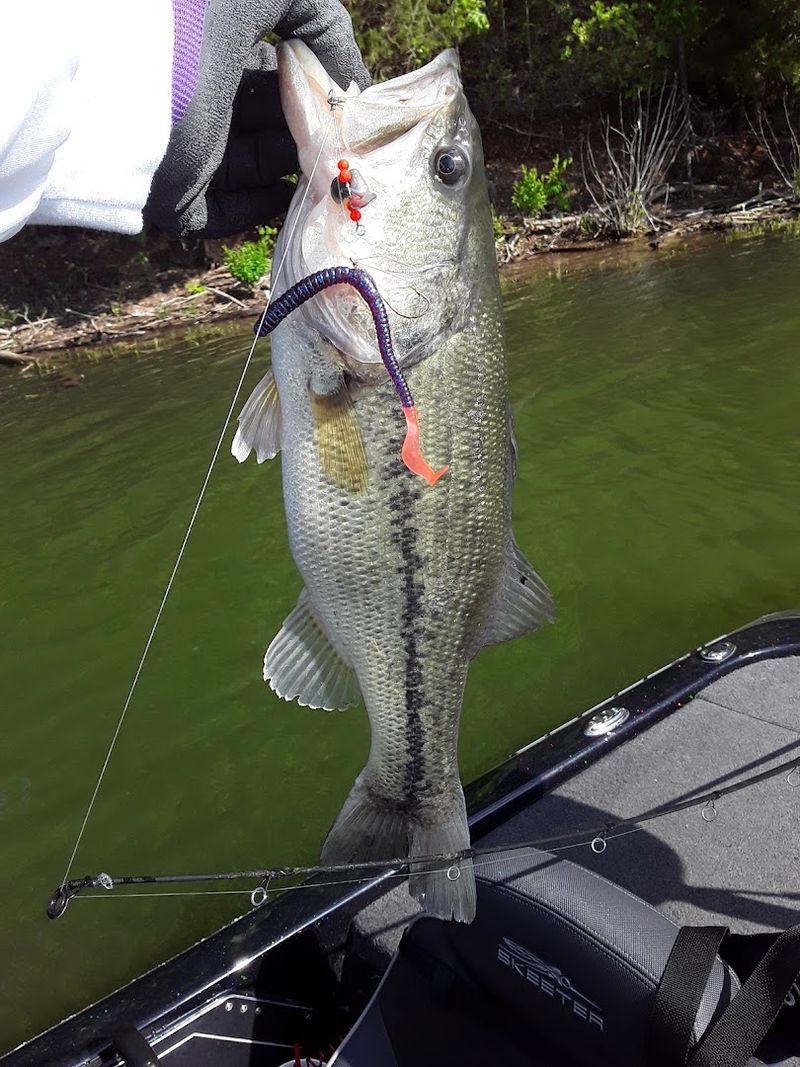
Fishing here is not a casual afterthought. Lake Eucha is a legitimate destination for anglers who know their way around a rod, and the variety of species available keeps things interesting all year long.
Crappie are perhaps the most popular target, and the lake produces some impressive slabs, especially during spring spawning season when they move into shallower water near brush piles and submerged structure.
Bass fishing is equally strong, with largemouth holding around rocky points and laydowns throughout the warmer months.
Catfish are abundant and can be caught from the bank or by drifting across deeper sections of the lake. Gigging tournaments, a traditional Oklahoma fishing tradition involving nighttime pursuit of fish in shallow water, are held here and draw enthusiastic participation from the local fishing community.
Multiple public boat ramps are spread around the lake, making it easy to launch and explore different sections. Bank fishing access is also available at several spots, so you do not need a boat to have a productive outing.
Bring plenty of tackle and arrive early. The fish are real, the setting is beautiful, and the quiet of a Lake Eucha morning makes every cast feel worthwhile.
Camping Around the Lake Keeps Things Simple and Satisfying
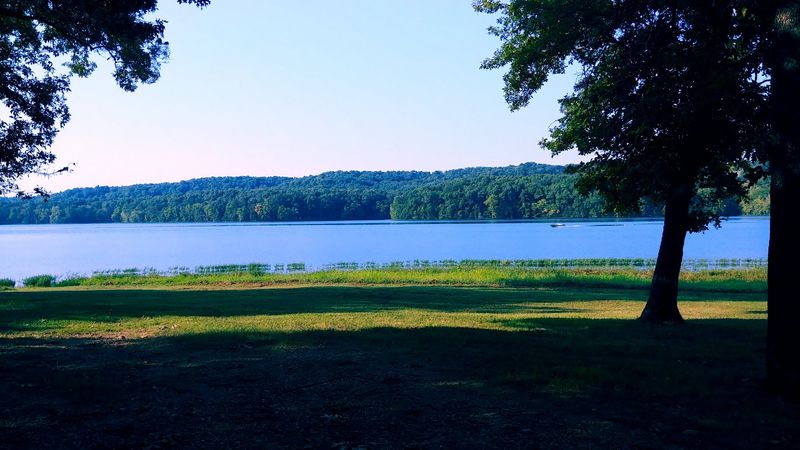
Camping at Lake Eucha leans toward the primitive side, and that is genuinely part of its appeal. There are no sprawling resort-style campgrounds with electrical hookups at every site.
What you get instead is quiet, open space and a sky full of stars.
Dry camping near the dam area is a popular option. Facilities are minimal, which means the experience stays raw and honest.
Bringing your own supplies is essential, and that self-sufficiency pays off in the form of solitude and connection with the surroundings.
Restrooms and trash receptacles are available at certain areas around the lake, so it is not entirely without amenities. The overall vibe, though, is one of low-impact outdoor living rather than glamping comfort.
Waking up at Lake Eucha on a clear morning, with mist rising off the water and birdsong filling the tree line, is the kind of experience that makes you glad you left the city behind. RV camping is also possible in certain areas, giving a slightly more comfortable option for those who prefer it.
The lake sits close enough to Jay, Oklahoma, for supply runs, so restocking on essentials is never far away when you need it.
Paddling and Non-Motorized Water Activities Shine Here
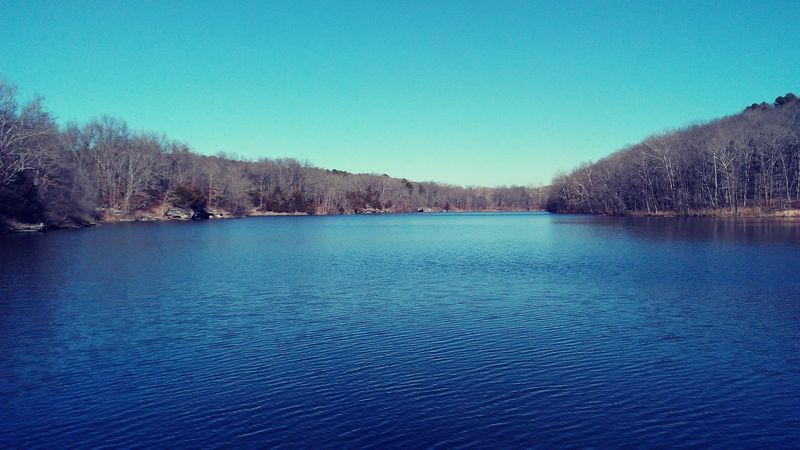
Quiet coves and calm water make Lake Eucha a natural fit for kayaking and paddleboarding. The lake does see motorized boat traffic, but there are enough sheltered arms and shallow areas to find smooth, peaceful paddling conditions even on busier weekends.
Paddleboarding has become increasingly popular here, and the clear water makes standing on a board and looking straight down into the lake a genuinely satisfying experience.
Watching the rocky bottom slide beneath you while surrounded by forested ridges is the kind of sensory moment that sticks with you long after you leave.
Kayaking allows access to coves and shoreline areas that boats cannot easily reach. Limestone outcroppings, small beaches, and densely wooded banks create an endlessly interesting landscape to explore at a slow pace.
The water temperature during summer months is warm enough to be comfortable for extended paddling sessions. Early mornings are ideal, before any afternoon wind picks up and before motorized traffic increases on the main body of the lake.
If you are planning a visit and want to experience the lake at its most peaceful and photogenic, bring a kayak or paddleboard and head out just after sunrise. You will have the water almost entirely to yourself.
The Natural Scenery Around the Lake Is Hard to Overstate
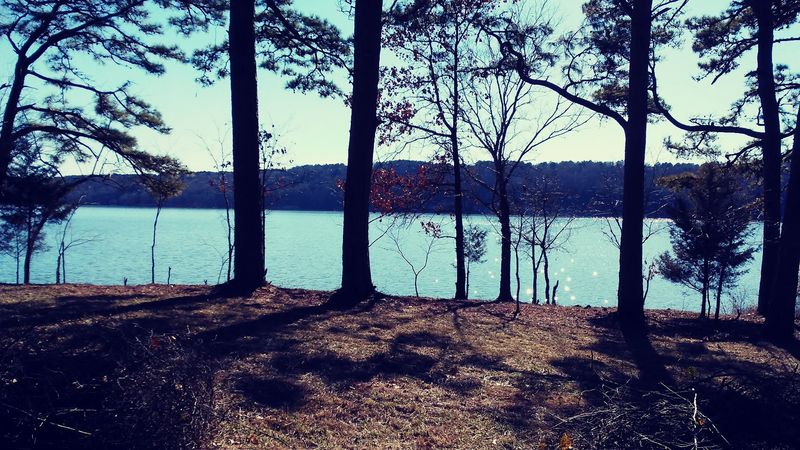
Oklahoma is not always the first state that comes to mind when people think of dramatic natural scenery. Lake Eucha tends to change that impression fairly quickly.
The Ozark foothills surrounding the lake create a layered, textured landscape that shifts beautifully with the seasons.
Spring brings a soft green canopy as the oaks and hickories leaf out along the ridgelines. Summer deepens that green into something rich and lush, with the forest pressing right up to the water’s edge in many places.
Fall is genuinely spectacular here, with reds, oranges, and golds reflecting off the lake surface in a way that makes photographers stop mid-sentence.
Winter strips the trees back to their bare forms, which actually reveals the rocky structure of the hills and gives the landscape a stark, honest beauty that the other seasons hide.
Rocky outcroppings rise from the water along certain stretches of shoreline, and these formations contain fossils from ancient marine environments, a reminder that this part of Oklahoma once sat at the bottom of a shallow inland sea.
The surrounding woodland is largely undisturbed, which means wildlife sightings are common. White-tailed deer, wild turkey, herons, and osprey all make regular appearances around the lake.
Wildlife Watching Adds Another Layer to Every Visit
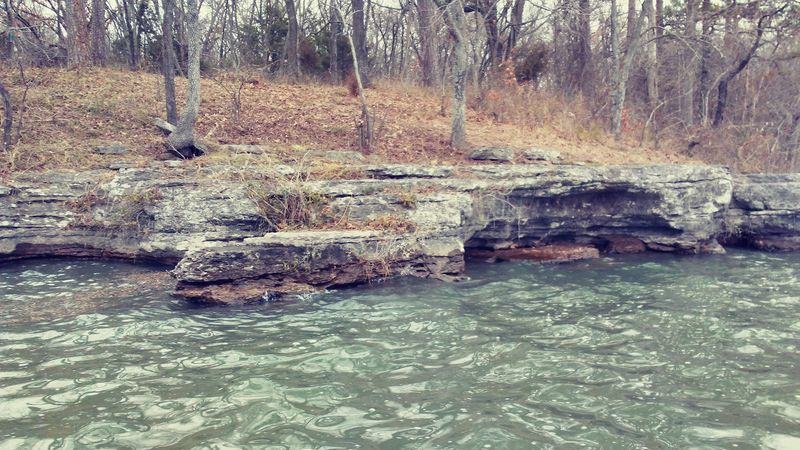
The undeveloped shoreline at Lake Eucha does more than just look pretty. It provides essential habitat for a wide range of wildlife, and spending time here quietly means you are almost guaranteed to see something worth pausing for.
Osprey are a highlight. Watching one hover above the clear water before dropping into a dive is one of the more thrilling sights Oklahoma’s outdoors can offer.
Bald eagles also appear in the area, particularly during cooler months when they follow the fish activity in the lake.
Great blue herons wade the shallows with their usual unhurried elegance. Kingfishers dart along the water’s surface and call out with that rattling, unmistakable sound.
Songbirds fill the surrounding forest, and if you paddle quietly along the bank in early morning, you can get surprisingly close to birds that are too busy hunting to notice your approach.
Deer often come down to drink at dawn and dusk, and wild turkey are a regular presence in the wooded areas surrounding the lake. The combination of water, forest edge, and rocky habitat creates ideal conditions for biodiversity.
Bringing binoculars is genuinely worth the extra bag space here. Lake Eucha rewards the patient and the observant in ways that go well beyond fishing.
Photography Opportunities Are Everywhere You Look
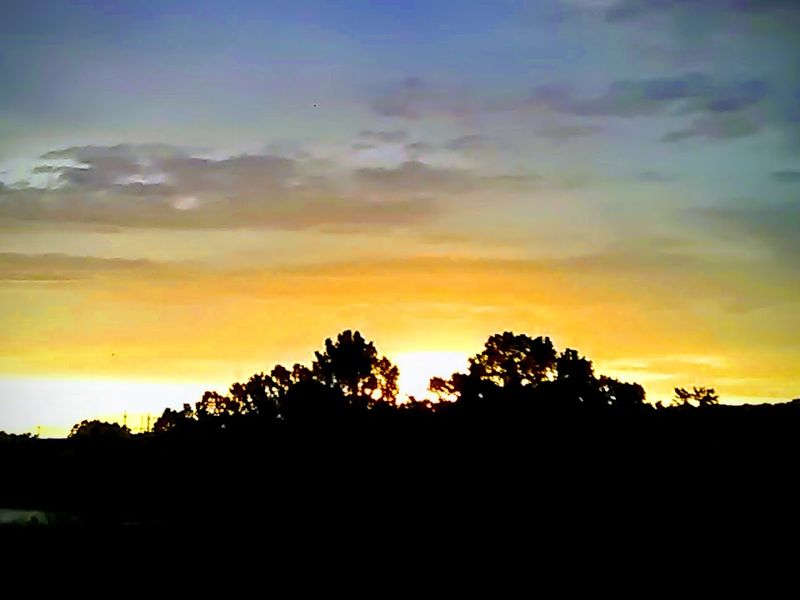
Few lakes in Oklahoma give photographers this much to work with. The combination of clear water, wooded ridgelines, rocky shoreline, and open sky creates a setting where almost any direction you point a camera yields something worth keeping.
Golden hour at Lake Eucha is particularly generous. The western hills catch the late afternoon light and throw warm tones across the water’s surface, and the reflections on a calm evening are the kind that make you check your camera screen twice just to confirm what you are seeing is real.
Morning fog is another gift. On cooler days, mist rises off the lake surface just after sunrise and drifts between the trees on the opposite bank.
It is atmospheric in a way that feels almost cinematic without any effort on your part.
The fossil-rich rock formations along the shoreline make for compelling close-up subjects. Ancient textures, embedded shells, and layered stone tell a visual story that goes back hundreds of millions of years.
Wildlife photography is also rewarding here, given how active the bird life is around the lake. Patience is the only real requirement.
Settle into a quiet spot near the water, keep still, and let Lake Eucha come to life around you frame by frame.
Practical Tips for Planning Your Visit to Lake Eucha
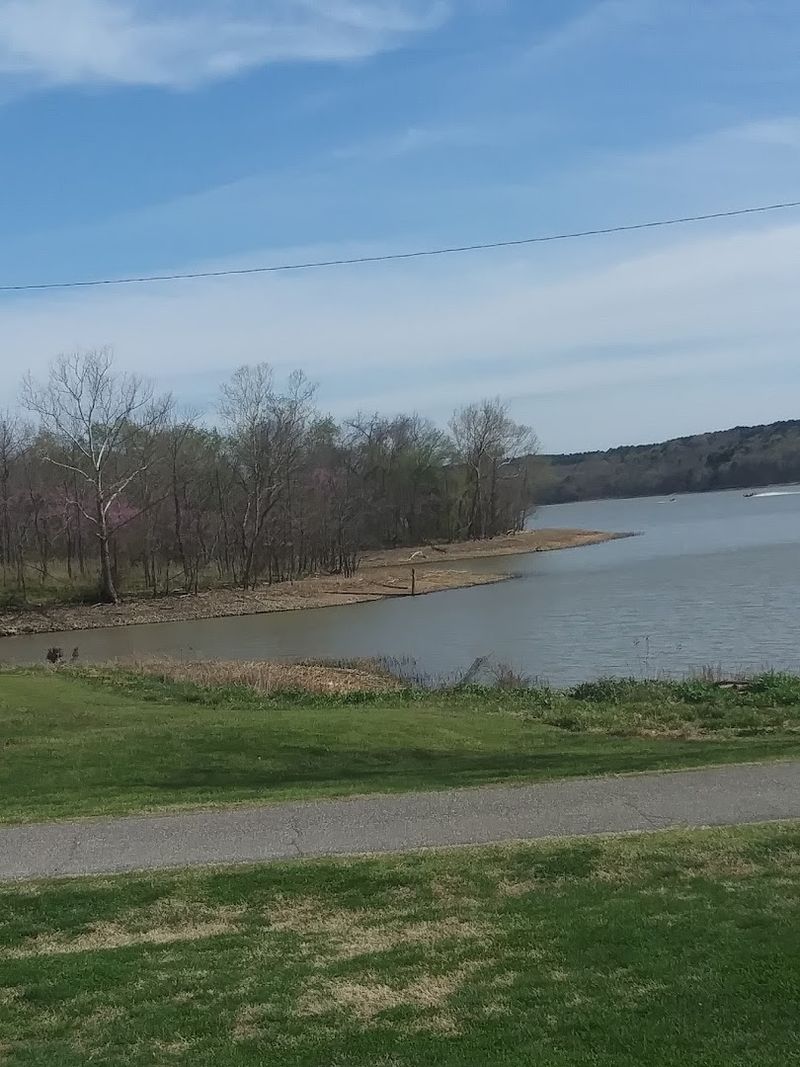
Getting to Lake Eucha is straightforward once you know where to aim. The lake sits in Delaware County in northeastern Oklahoma, and the nearest town for supplies, fuel, and food is Jay, roughly 20 minutes away.
From Tulsa, the drive takes about an hour and a half, making it a very manageable day trip or weekend getaway.
Swimming directly in the lake is not permitted, since it serves as a drinking water supply for Tulsa. Creek areas nearby, however, offer natural swimming spots that locals have enjoyed for generations.
Boat ramps are available at multiple points around the lake, and most are in good condition and easy to use. Fishing licenses are required and can be purchased online through the Oklahoma Department of Wildlife Conservation before your trip.
The best seasons to visit are spring and fall, when temperatures are comfortable and the scenery is at its most striking. Summer works well for early morning visits before the heat builds.
Winter visits offer a peaceful solitude that is hard to find elsewhere in the state.
Pack out everything you bring in. The lake’s pristine condition is a shared responsibility, and keeping it clean ensures that Oklahoma’s best-kept secret stays worth keeping for many years to come.
