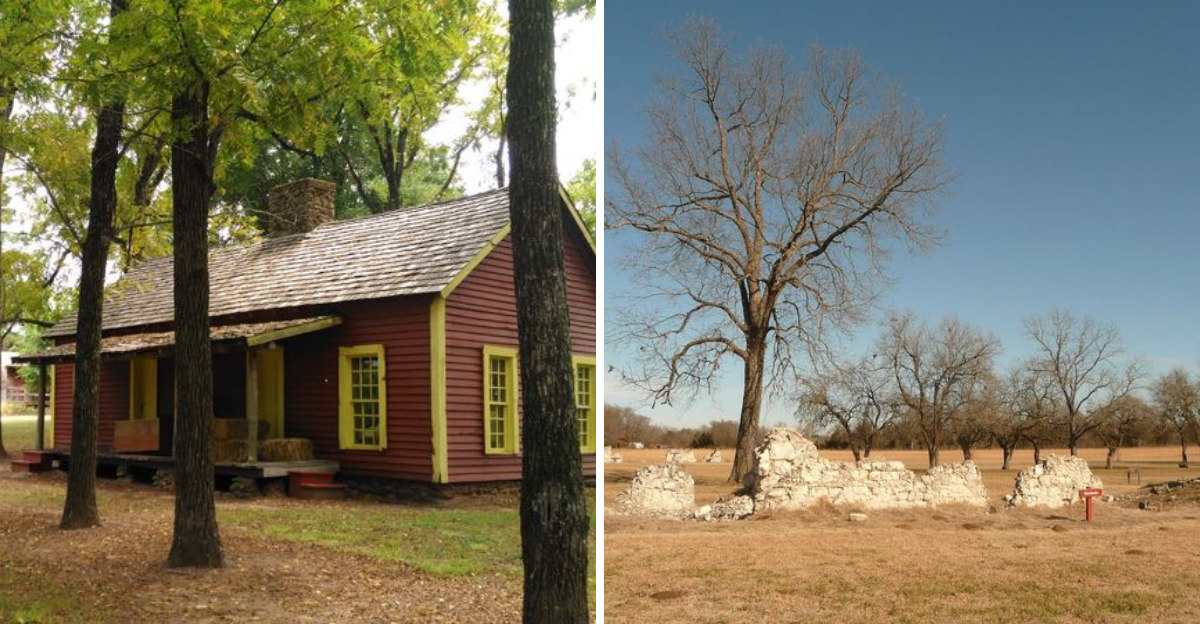
Some places in Oklahoma feel like they are still breathing in another century, and I recently spent an afternoon wandering through one that is heavy with frontier history.
It is the kind of spot where you can almost hear the echoes of soldiers and traders if you stand still long enough.
The main road through town is quiet, but once you start exploring the outskirts, the past starts to reveal itself in the most interesting ways.
It is a rugged, grounded experience that reminds you how tough the early days in this state really were for everyone involved.
The Story Behind the Fort’s Founding
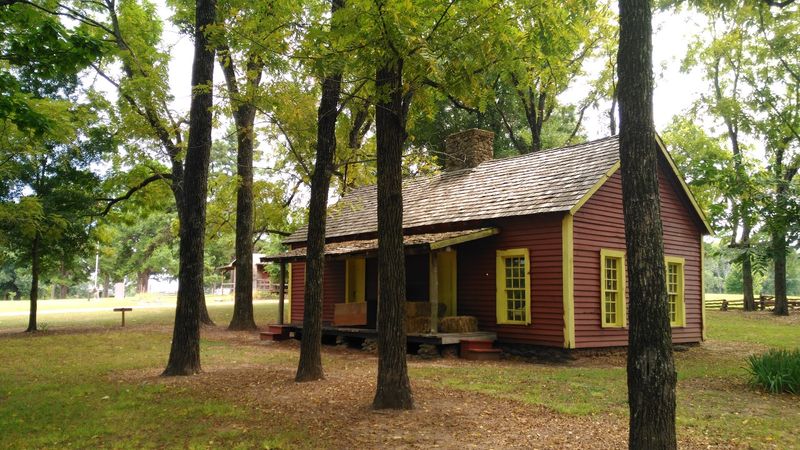
Long before Fort Towson became a quiet Oklahoma town, it was a military outpost built for a very specific purpose. The U.S.
Army established the fort in May 1824, placing it near the confluence of the Kiamichi and Red rivers in what was then the far southwestern frontier of the United States.
The fort was named in honor of General Nathan Towson, a decorated officer who made a name for himself during the War of 1812. Naming forts after respected military figures was common practice at the time, and General Towson certainly earned that distinction.
The original mission of the post was to keep peace along the border between the United States and Spanish, and later Mexican, territory. It also served as a base for managing relations with the Choctaw Nation, which had been relocated to this region through the forced removals of the 1830s.
Standing near the fort site today, you can almost sense the weight of those early decisions made here. This small patch of southeastern Oklahoma quietly shaped the direction of an entire frontier era.
Where the Fort Sits in the Oklahoma Landscape
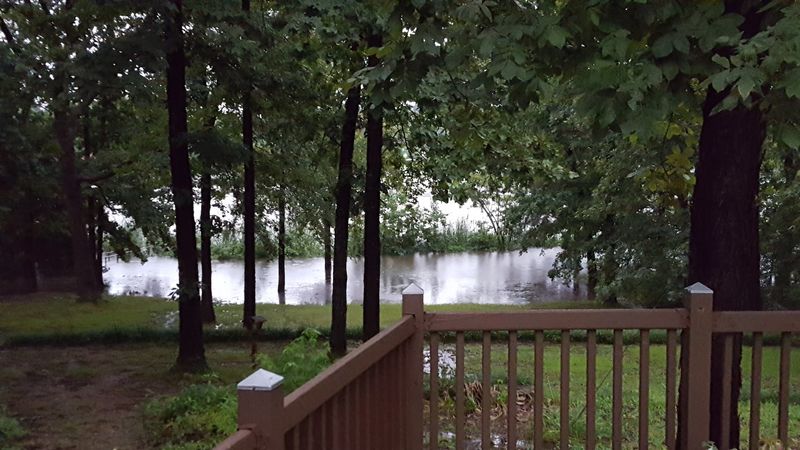
Southeastern Oklahoma has a character all its own, and Fort Towson sits right in the heart of it. The landscape here is lush compared to the flat, dry plains most people picture when they think of Oklahoma.
Dense forests, winding rivers, and rolling hills define this corner of the state.
The Kiamichi River runs nearby, adding both beauty and historical significance to the region. Early travelers and soldiers who passed through here would have relied on that waterway for survival, and it remains a lovely feature of the local scenery today.
The town itself sits along Oklahoma State Highway 70, which cuts through Choctaw County with a relaxed, unhurried pace. There are no towering skylines here, no traffic jams, just open road and the kind of quiet that reminds you how large and varied Oklahoma really is.
Getting here from larger cities takes a few hours, but the drive itself is part of the reward. The further southeast you travel in Oklahoma, the more the landscape shifts into something surprisingly green and deeply peaceful.
The Choctaw Nation Connection Runs Deep
One of the most important layers of Fort Towson’s history is its deep connection to the Choctaw Nation. After the Indian Removal Act of 1830, the Choctaw people were forced to relocate from their homelands in the southeastern United States to what is now Oklahoma.
Fort Towson became a key military presence during and after this painful relocation. The soldiers stationed here were responsible for overseeing the boundaries of the new Choctaw territory, a role that was both administrative and deeply political.
Over time, the Choctaw people built a thriving society in this region, and their influence on the culture, place names, and identity of southeastern Oklahoma remains strong to this day.
Choctaw County itself is named in their honor, and the Choctaw Nation of Oklahoma continues to be a major cultural and economic force across this part of the state.
Visiting Fort Towson without acknowledging this history would be like reading only half a book. The Choctaw story is woven into every mile of this land, and it deserves to be understood and respected by every visitor who passes through.
The Fort Towson Historic Site Itself
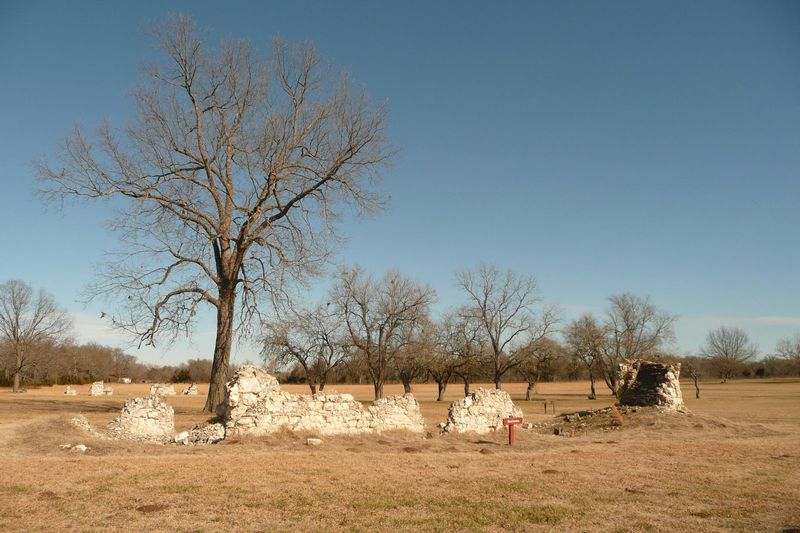
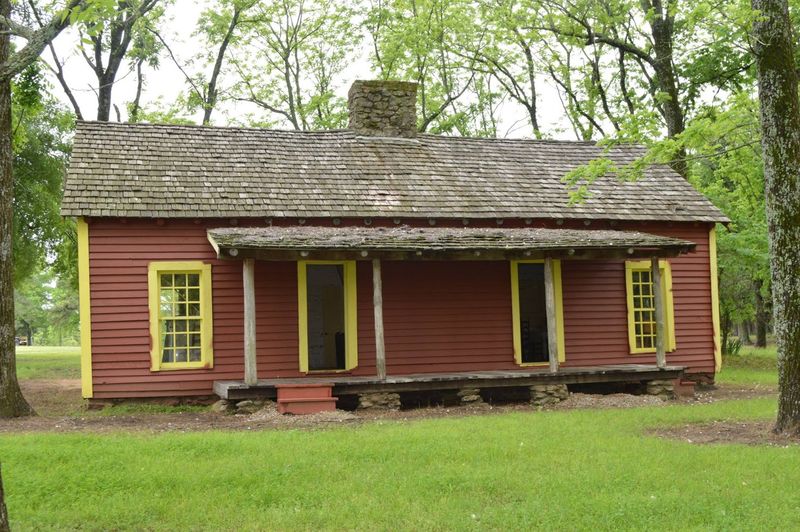
The physical remains of the original fort are preserved as the Fort Towson Historic Site, managed by the Oklahoma Historical Society. Located just outside the town, the site gives visitors a genuine sense of what the post once looked like during its years of active service.
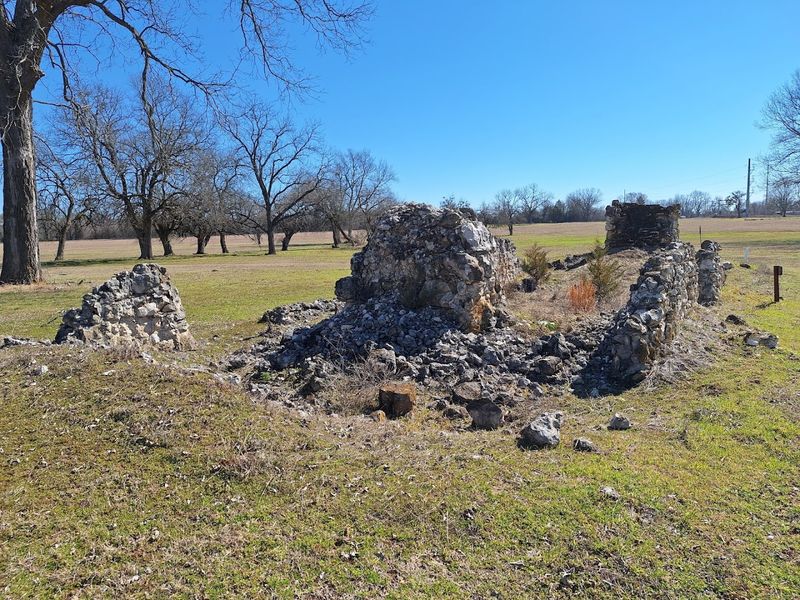
Stone foundations, earthworks, and interpretive markers guide you through the layout of the old military compound. Walking the grounds, you can identify where the officers’ quarters, barracks, and other key structures once stood.
The site is relatively compact, which means you can explore it thoroughly without needing an entire day. A leisurely walk through the grounds takes about an hour, though history enthusiasts will likely linger much longer.
The surrounding natural setting adds to the atmosphere in a way that no museum exhibit ever could. Tall trees shade the old foundations, birds move through the branches overhead, and the sounds of the modern world feel far away.
For anyone traveling through southeastern Oklahoma with an interest in frontier history, this site is an easy and genuinely rewarding stop. The past feels present here in a way that is hard to manufacture or replicate.
Civil War History Left Its Mark Here
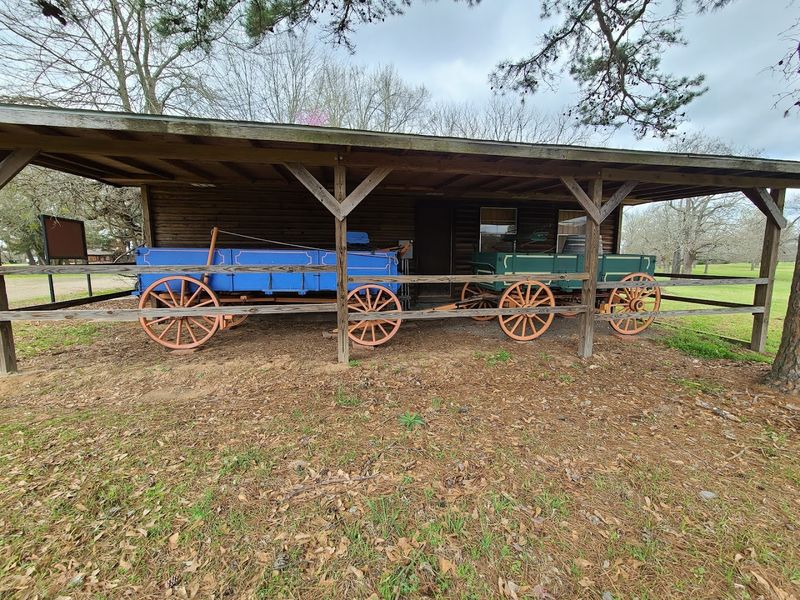
Fort Towson holds a specific and somewhat surprising place in Civil War history. By the time the conflict began in 1861, the U.S.
Army had already abandoned the fort, but it was quickly reoccupied by Confederate forces who saw its strategic value near the Red River border with Texas.
The fort served as a Confederate post throughout much of the war, supporting operations in Indian Territory. The Choctaw Nation had aligned with the Confederacy, which made this region a complex and contested space during those years.
Perhaps most notably, Fort Towson is recognized as the site where Stand Watie, a Cherokee general and the last Confederate general to surrender, formally ended his military campaign in June 1865. That moment marked the true conclusion of the Civil War in Indian Territory.
This piece of history gives Fort Towson an almost bookend quality in the larger Civil War story. It was not a major battlefield, but its role in the final chapter of the conflict makes it a place of genuine historical weight.
Small Town Life With a Frontier Spirit
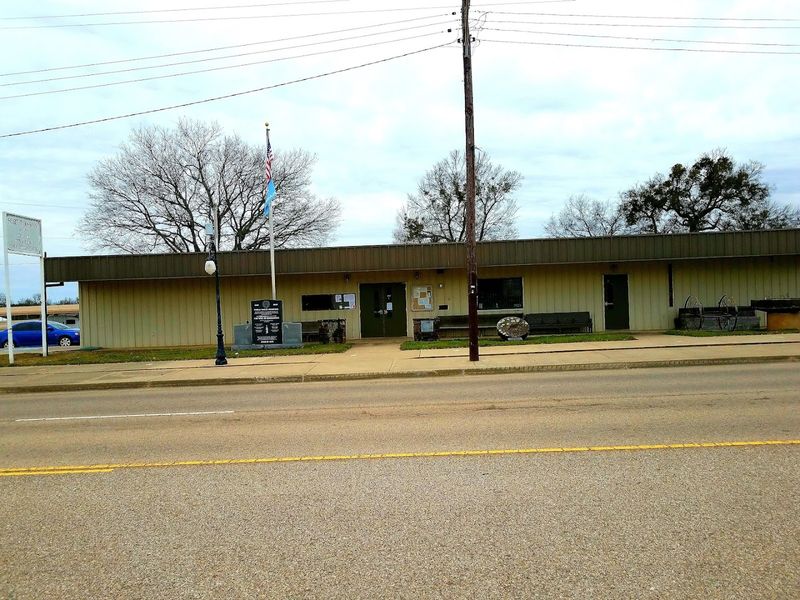
With a population of just under 500 people according to the 2020 census, Fort Towson is the definition of a small Oklahoma town. Life here moves at a pace that feels almost deliberately unhurried, and that is a big part of its appeal for visitors coming from busier places.
The town has a straightforward, unpretentious character. There are no elaborate tourist traps or manufactured charm here, just a real community going about its daily life in the shadow of a genuinely remarkable history.
Local landmarks, modest buildings, and the general rhythm of rural Oklahoma give Fort Towson a texture that feels authentic. This is a place where people know their neighbors, and where the land itself is still a central part of everyday life.
For travelers who enjoy stepping off the main highway and into something real, this town delivers that experience without any fuss. Oklahoma has many small towns worth exploring, but few carry the kind of layered historical story that makes Fort Towson stand out among them.
Outdoor Adventures Around the Area
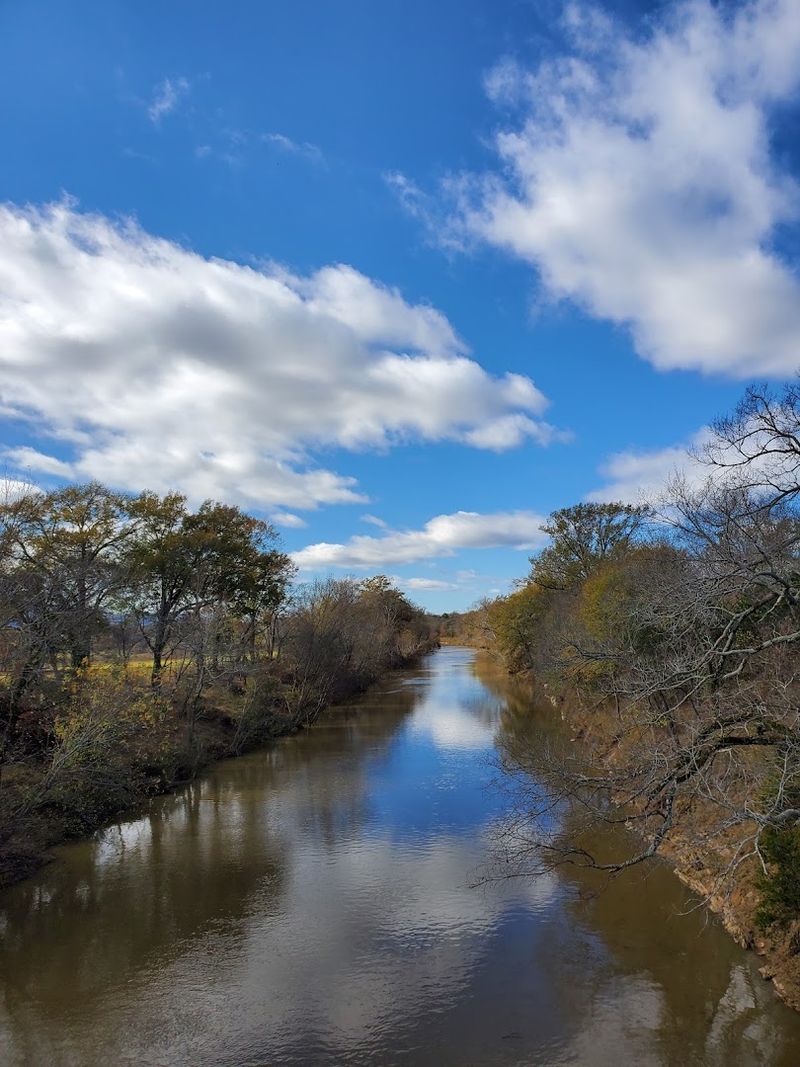
The natural setting around Fort Towson makes it a solid base for outdoor exploration in southeastern Oklahoma. The Kiamichi River is a nearby draw for fishing enthusiasts, offering a peaceful stretch of water that sees far less traffic than better-known spots in the state.
The surrounding forests and hills are ideal for hiking, birdwatching, and simply getting out into the kind of open, natural space that this corner of Oklahoma does so well. The terrain here is more varied and wooded than many people expect from the state.
Hugo Lake State Park is located not far from Fort Towson and provides additional opportunities for boating, camping, and lakeside relaxation.
It is a popular spot among Oklahomans who know the southeastern part of the state well, though it remains refreshingly uncrowded compared to parks near major cities.
Spending a morning fishing along the Kiamichi and an afternoon walking the old fort grounds makes for a well-rounded day in this part of Oklahoma. Nature and history sit side by side here in a combination that is hard to beat.
Best Times to Plan a Visit
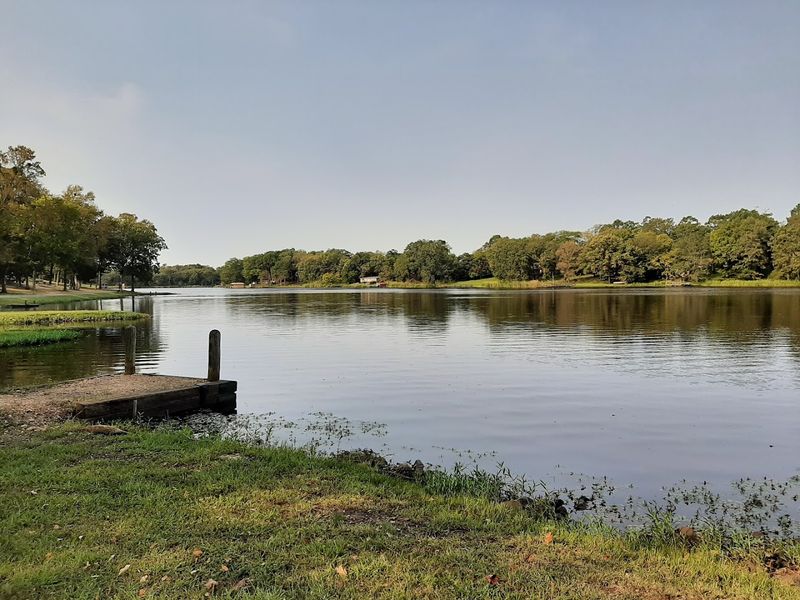
Timing a visit to Fort Towson well makes a noticeable difference in the experience. Spring and fall are the standout seasons for exploring this part of southeastern Oklahoma, when temperatures are comfortable and the natural landscape is at its most visually striking.
Spring brings green growth and wildflowers to the fields and forests around the fort site, making outdoor walks especially pleasant. Fall transforms the surrounding woodlands into a warm palette of red, orange, and gold that frames the historic ruins beautifully.
Summer in Oklahoma can be intensely hot, and the lack of shade over some parts of the historic site makes midday visits uncomfortable during July and August. Early morning visits in summer are a practical workaround if that is the only time you can go.
Winter visits are quiet and atmospheric in their own right. The bare trees reveal the contours of the old earthworks more clearly, and the absence of crowds gives the site a contemplative, almost private quality.
Whatever season brings you to Fort Towson, going in with a relaxed mindset and a genuine curiosity about the history here will always make the trip worthwhile.
Getting to Fort Towson and Navigating the Area
Fort Towson sits in Choctaw County along Oklahoma State Highway 70, which runs east to west across the southern part of the state. The nearest larger town is Hugo, the county seat, located about 20 miles to the west and a practical stop for fuel and supplies before heading to Fort Towson.
From the Dallas-Fort Worth area in Texas, the drive north into southeastern Oklahoma takes roughly two to three hours depending on your exact starting point. From Oklahoma City, plan on about three hours heading southeast through the heart of the state.
The roads in this part of Oklahoma are generally well-maintained, and the drive itself is a pleasant one through rolling, forested countryside. There are no complicated navigation challenges once you are on Highway 70.
The Fort Towson Historic Site is located at a clearly marked turnoff just outside the town, and the site itself has parking available for visitors. Cell service can be spotty in this part of Oklahoma, so downloading offline maps before you leave is a genuinely useful habit to build.
Why Fort Towson Stays With You After You Leave
Some places are easy to visit and equally easy to forget. Fort Towson is not one of them.
The combination of deep history, honest small-town character, and natural beauty in this corner of Oklahoma creates an impression that lingers well after the drive home.
Standing on the grounds of a fort that was active nearly 200 years ago, in a place that witnessed the Choctaw relocation, the frontier era, and the closing chapter of the Civil War, is an experience that feels genuinely significant.
Oklahoma carries so much of America’s complicated story, and Fort Towson holds some of its most layered chapters.
There is also something refreshing about visiting a place that has not been polished or packaged for mass tourism. Fort Towson is simply itself, and that honesty is rare and worth seeking out.
If you find yourself planning a road trip through southeastern Oklahoma, or if you are looking for a destination that trades spectacle for substance, Fort Towson belongs on your list. The frontier stories here do not shout for attention, they simply wait for the right kind of traveler to come and listen.
