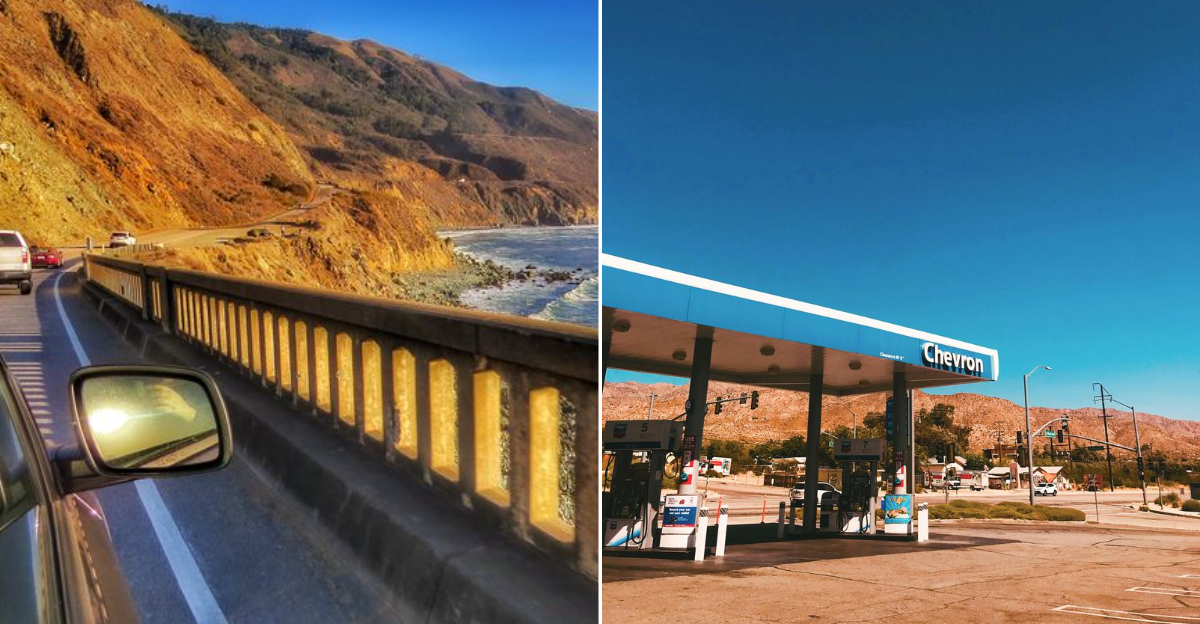
Can you feel that warm rush of freeway air through the cracked window, the kind that smells like sun on vinyl and dust on asphalt? California felt bigger from the back seat, with hills that rolled on forever and road signs that sounded like promises, not directions.
We traced routes with our fingers and guessed at the next curve, learning the state by shape and shade before any screen tried to explain it. The miles passed differently then, measured in songs and landmarks instead of minutes.
Every bend carried a sense of possibility, even when nothing specific waited at the end. If you’ve ever felt that tug to chase the horizon just because it’s there, you’ll get why these drives still stick in our bones.
Cars Were Chosen For Comfort, Not Fuel Efficiency
I still remember the way the seats felt, wide and soft like living room furniture on wheels. California highways seemed made for big rides with big trunks, and nobody asked for permission from the gas gauge.
Comfort meant you could stretch, nap, and wake up to new mountains without a sore neck.
The car was a nest with door pockets stuffed with folded maps and a jangly keychain that clinked like a metronome.
We would roll down Sunset Boulevard in Los Angeles. The glow of the strip made you feel like you were part of a long slow parade heading toward the ocean.
Highway wind had a voice that soothed the back seat into silence. You could watch palm fronds bow like they were greeting you at every stoplight.
Air conditioning fought heat in long inland stretches, especially near the Grapevine. That big climb felt like the car was leaning into the state’s spine and settling in.
When we pulled into Griffith Observatory, everything looked closer and farther at the same time.
Big cars turned into small toys against that skyline.
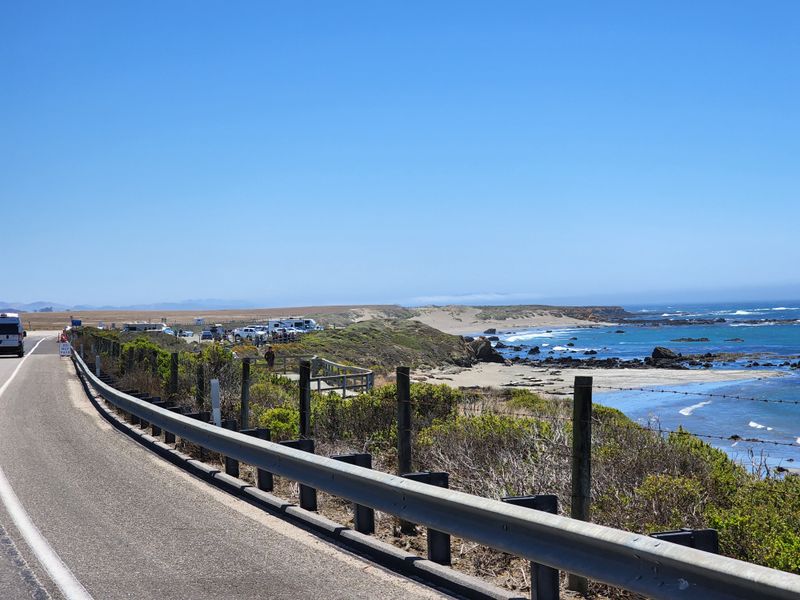
Up the coast, the roomy ride mattered on Highway 1. Curves were the kind you eased into, not sprinted through.
Even parking lots told stories, like at Santa Monica Pier. You stepped out, stretched, and felt California keep humming around you.
Paper Maps And Memory Guided Most Routes
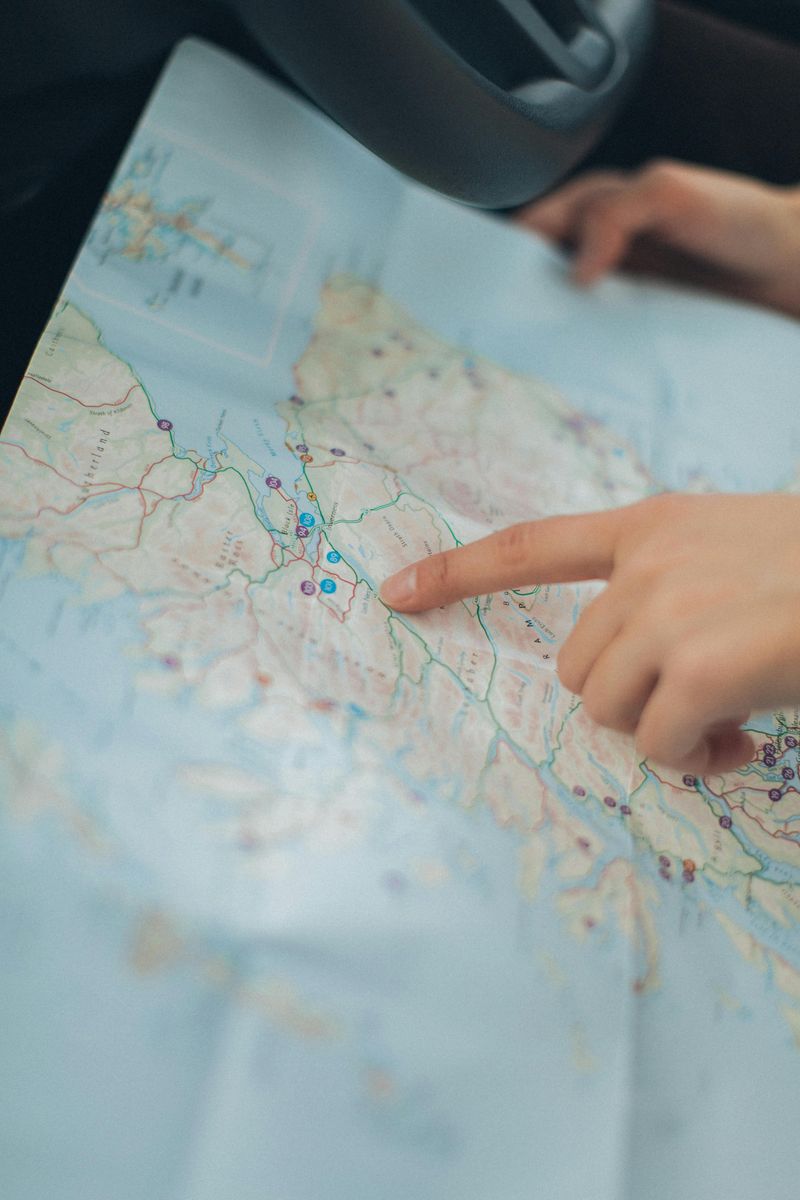
You remember that accordion fold that never went back the same way, right? We treated the Thomas Guide like a friendly puzzle and trusted our hunches when a turn felt right.
California was learned by landmarks, not apps.
We watched for the radio towers, the mountain notch, the weird billboard with a painted wave.
I always mark the moment we first crossed the Golden Gate Bridge. The map said north, but the chill wind said keep going anyway.
Coming down the Central Valley, the grid made sense once you squinted at it. The numbered avenues felt like graph paper laid under the sky.
We’d pull off near the state capitol when the streets began to rhyme.
The California State Capitol Museum gave us a neat anchor when the map lines tangled.
On the coast, we let cliffs and coves do the talking. Paper can’t draw that sound of waves shivering up the rocks.
Did we miss exits sometimes? Of course, and those detours turned into stories nobody planned.
We parked near the Bixby Creek Bridge turnout. The crease through Big Sur made a soft white river across the page.
Freeways Felt Slower And Less Crowded
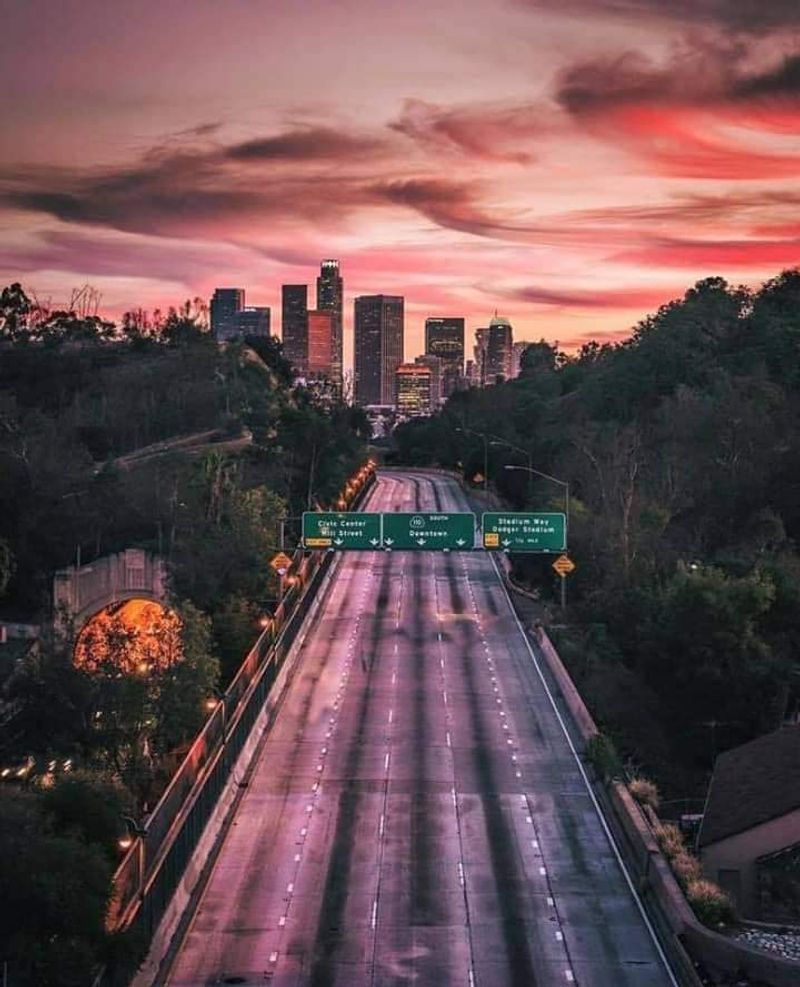
I swear the lanes felt wider and the days longer, like the freeway gave you time back. We drifted instead of darting, with long merges and even longer glances at the hills.
Listening to lane hum was half the entertainment.
The rhythm kept everyone patient without a clock ticking in your head.
We’d pass through the East Bay and settle into that steady glide. The view from the MacArthur Maze looked like a knot that somehow untied itself.
Farther south, the stretch past San Diego unrolled like ribbon. Interstate signs felt friendly, not bossy.
When we angled toward Balboa Park the exits arrived like calm invitations. You had space to think and choose.
In Orange County, the painted carpool diamond felt like a secret club.
People waved with that quick nod that says we’re in this together.
Do you remember the quiet after dusk? Tail lights became embers and the whole road seemed to breathe.
We’d cruise near the Walt Disney Concert Hall area long before shows. The skyline stacked up gently, and nobody rushed to squeeze through.
Roadside Stops Were Planned Around Food And Gas
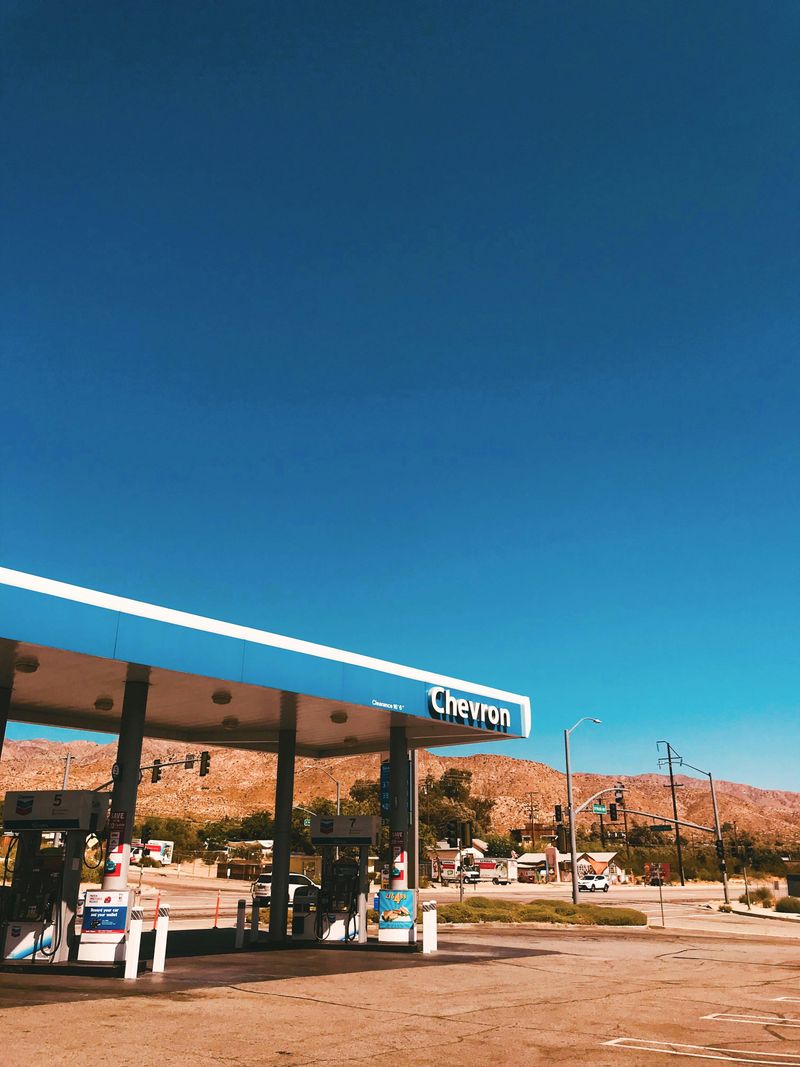
The plan was simple, even when we pretended it wasn’t. Find a pump, find a restroom, then figure out the next stretch while the engine clicked itself cool.
California felt like a string of tiny decisions you made with a nozzle in hand.
The map lived on the hood while the sun heated the chrome.
We’d fuel up near Needles on the way to Mojave stretches that ran quiet. The Chevron turned into a ritual stop with shade like a blessing.
Later, we staged the next leg by the wind farms. Palm Springs Visitor Center always looked like a spaceship waiting for a sign.
Our timing synced with gauges more than clocks. You learned the car’s thirst by feel and sound.
Pullouts along Highway 1 doubled as decision tables.
We’d point at the ocean like it was a teammate offering an idea.
Ever notice how a good stop resets the day? Windows down, shoulders looser, and the road seems to nod back.
At Point Reyes Lighthouse parking we rechecked miles against daylight. The state stretched, but we liked the stretch.
Music Came From Cassettes And FM Radio
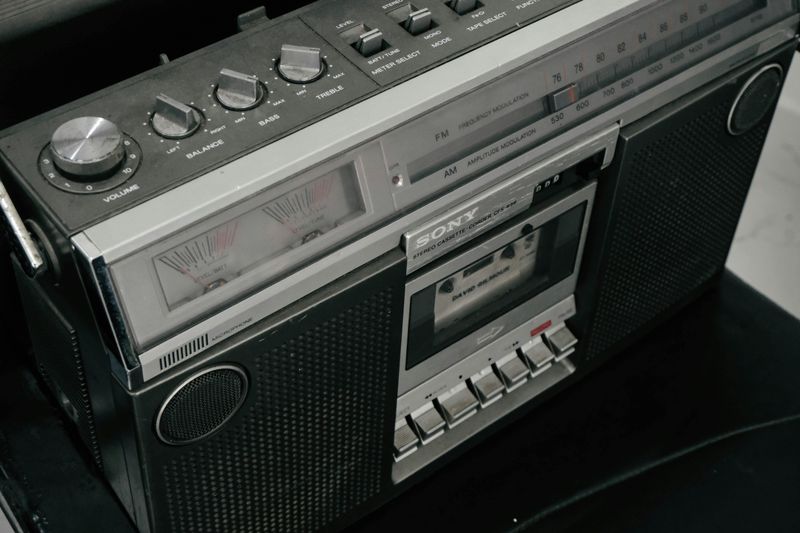
You remember the click-clack thunk as the tape slid in. The whole car waited for the first chord like a curtain lift.
California sounded wider with music bouncing off windows.
Static on the hills felt like percussion when the station faded and came back.
We tuned near Griffith Park when the city turned to canyon. Griffith Park Visitor Center felt like a good place to refresh the dial.
Someone always had a mixtape labeled in smudged pen. Side B carried us through the late afternoon light.
On long inland runs, the radio stitched towns together. You could measure the miles by the songs that survived the static.
When we got close to Santa Cruz, the surf reports drifted in.
The Boardwalk turned into a landmark by sound alone.
Did we sing too loud with the windows down? Absolutely, and the wind never complained about the chorus.
We’d park near the Hollywood Bowl Overlook. The silence after a good playlist felt like a satisfied grin.
Motels Played A Bigger Role Than Resorts
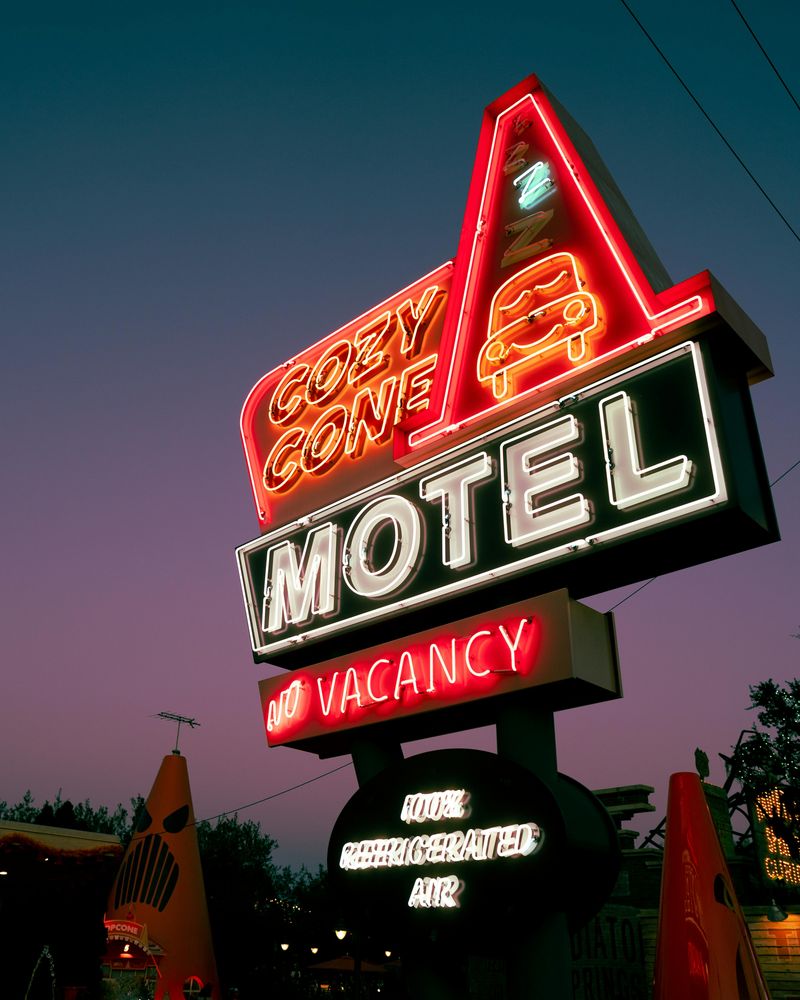
We picked places by vacancy signs and how tired the driver sounded. Motels felt like friendly waystations where the parking spot touched the door.
California nights had their own hum under those neon stripes.
You’d carry a soft buzz of road noise into your dreams and wake up ready.
We checked into Coral Sands Motel when the city glowed like a low ember.
The room smelled faintly of cleaner and sunshine caught in drapes.
Up the coast, the sign near Morro Rock looked like a lighthouse for drivers. You rolled in and exhaled as if a chore finally dropped off your shoulders.
Sheets, showers, and silence became the good stuff. The vending machine’s clack meant nighttime was officially here.
In Monterey, we edged close to Cannery Row and listened to the pause after the day.
The beach cool wrapped around the lot like a blanket.
Do you remember the tiny soaps shaped like seashells? They felt like souvenirs you could pocket without guilt.
We reached Sea Breeze Inn before the second yawn. The car finally slept under a sodium light, and so did we.
Kids Stayed Entertained Without Screens
The back seat was its own universe with games that needed nothing but imagination. License plate bingo felt like a sport you could win just by looking up.
California kept the scenery rolling, so boredom never lasted.
We counted tunnels, power lines, and cloud shapes with equal devotion.
When we stopped near the Exploratorium, questions tumbled out like coins.
Curiosity had a way of stretching the miles.
Window smudges became maps of what we noticed. The best stories started with, remember when that hill looked like a sleeping whale.
We swapped seats during rest breaks, trading corners like real estate. The middle seat felt like Switzerland when negotiations got tricky.
At Griffith Observatory, we drew constellations with our fingers on the glass. The stars pretended to nod along.
Do you hear that quiet when kids finally drift off? It’s the road saying thanks for the company.
By the time we reached La Jolla Cove, everyone had a new inside joke. California tucked it away for the next drive.
Beach Drives And Desert Highways Defined The Mood
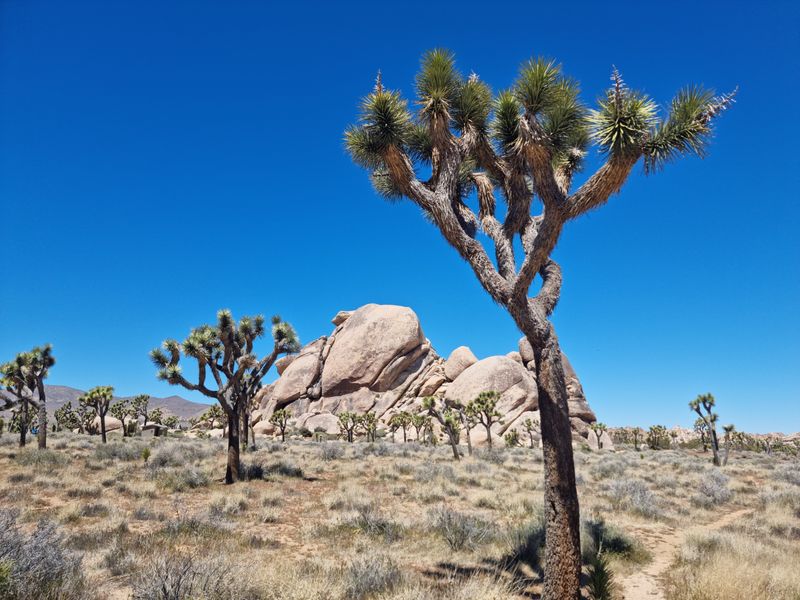
Some days smelled like salt and some like dust, and both felt right. California taught us that a good drive can hold two moods at once without arguing.
Beach curves asked for patience, desert lines asked for calm.
You learned a different kind of listening with each horizon.
We’d roll past Huntington Beach Pier with windows open just enough. The air tasted like the word breeze.
Later, we cut east toward Joshua Tree Visitor Center. The light sharpened until it felt like a new language.
Sand gathered in door sills like tiny souvenirs. Sea spray did the same with a cleaner kind of grit.
On the coast, gulls scolded us for driving past.
Inland, silence offered a handshake we always accepted.
Ever switch radio stations just to match the view? Those soundtrack flips felt like steering with your ears.
By evening, we’d aim the hood toward Malibu Pier. The day held two stories, and both belonged to California.
Stopping Often Was Part Of The Experience
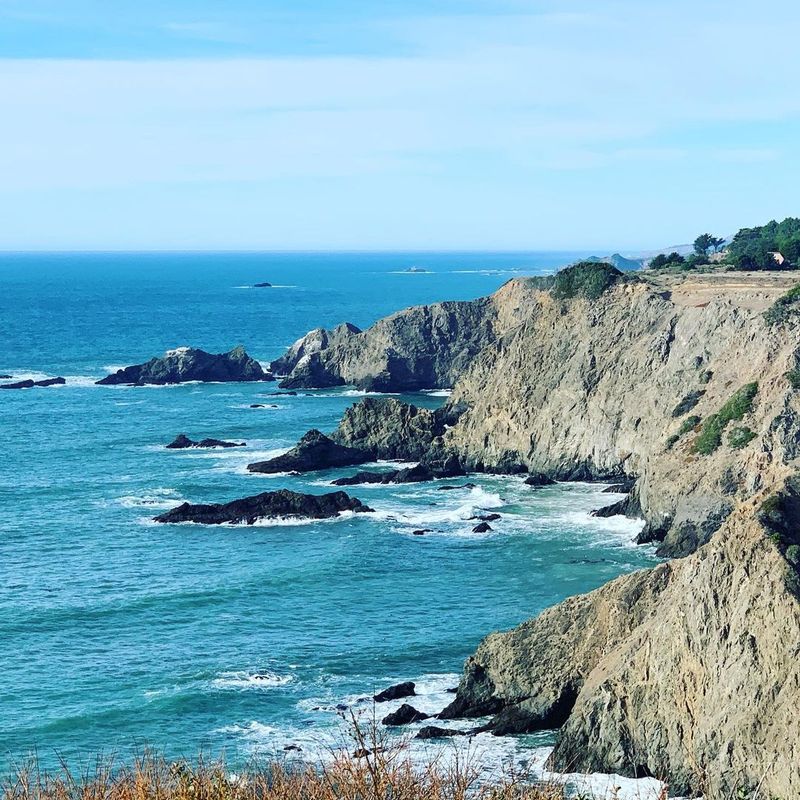
We treated pullouts like commas, not periods. The journey breathed better when we paused to let the view speak first.
Short breaks turned into memory anchors that still hold.
California rewards the unhurried glance more than the sprint.
We’d pull over by Vista Point and stand in a hush that didn’t need permission. Waves played the only soundtrack required.
Down south, we lingered at Torrey Pines State Natural Reserve. The path from the lot to the bluff felt like walking through a door slowly.
Sometimes the best stop was a small one with a good shade pattern. The car cooled, and so did the chatter.
We learned that rest areas have their own personalities.
Some spoke in pine, some in dust, all in echo.
Do you remember the silence after a long exhale? It made the next mile quieter in the best way.
We’d mark progress by how many pauses felt right, not miles. California never hurried us, and we listened.
The Journey Mattered As Much As The Destination
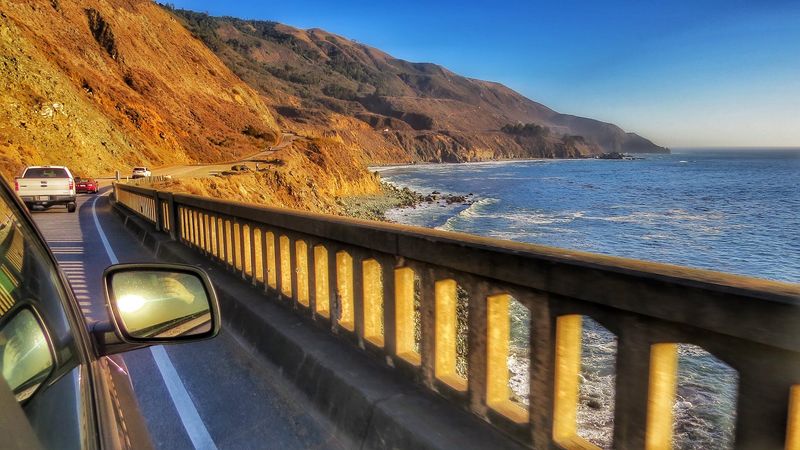
We talked more when the destination wasn’t the boss. California made the in-between feel like the whole reason to go.
The car became a moving living room with better scenery.
Even the quiet had texture that felt useful and kind.
We’d aim for Hearst Castle Visitor Center, and still take the long way. The coast asked nicely, and we always said yes.
Past Monterey, we trusted the time we had, not the time we wanted. That patience shows up in memory more than any arrival.
We found out that detours create their own finish lines. You stop worrying and start noticing.
Up near Mount Tamalpais State Park, the road taught a gentle lesson.
Climbing slowly feels like a kind of listening.
Doesn’t it feel good to let the map get fuzzy sometimes? That’s when conversations stretch and the day loosens its shoulders.
By the time we parked at Pfeiffer Big Sur State Park, the goal had quietly changed. The road gave us what we needed, and California kept the rest.
